Tag Archives: DIY plumbing

DIY Plumbing Mistakes Chicago Homeowners Should Avoid

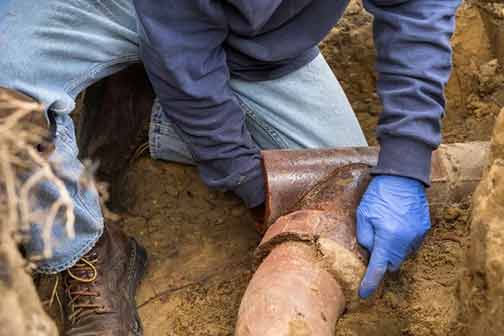
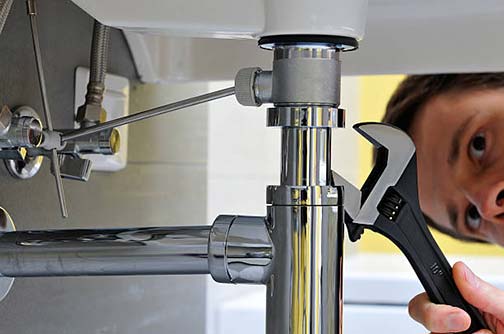
a man in chicago doing DIY plumbing

Plumbing problems occur in your home frequently, and if you’re like the average Chicago homeowner, you may sometimes attempt to fix these issues yourself. That is a good thing because not all plumbing issues in your home need the attention of a professional Chicago plumber.

According to Mainlander Property Management Inc. , learning basic DIY plumbing skills can help you save money and time. It lets you minimize the impact of plumbing emergencies in your home. Working on your plumbing by yourself also gives you a better understanding of the system, making your plumbing maintenance more effective.

But when working to fix any of your home’s plumbing problems, it is vital to keep some things at the back of your mind. Firstly, remember that DIY plumbing skills do not replace the necessity for professional plumbing expertise; know the limits of your DIY knowledge.

Secondly, there are things you should never do when working on your plumbing. Making these mistakes will compound the problems you are trying to solve or even create new ones. What are some of these DIY plumbing mistakes to avoid? Find the answers below.

  1. Gluing a painted pipe

Amateur plumbers do this all the time. When trying to glue a fitting to a pipe, they apply the glue to the pipe without first removing the paint. The joint eventually fails because the paint prevents a good connection, resulting in leaks later. That’s because the glue or solvent is meant to fuse the two pieces together, but this can’t happen with a layer of paint in between. The correct way to glue fittings is to first strip away the paint on the end of the plumbing pipe with paint thinner before applying the glue or solvent.

  1. Using the wrong kind of plunger

You should have two kinds of plungers in your home: a sink plunger and a toilet plunger. They do the same work but look very different. A toilet plunger typically features a flap, whereas sink plungers are generally flat. The flap helps to ensure a perfect seal when plunging the toilet. Using a sink plunger in the toilet will result in much work without success because the plunger can’t achieve an airtight fit. Unless you want to contaminate your kitchen sink with human waste and bacteria, never use a toilet plunger in your kitchen. Get one plunger for the toilet and another one for the kitchen.

  1. Cooling a soldered joint with water

Basic science teaches us that heat causes metals to expand, while cold causes them to shrink. When you use water to cool a soldered joint, the solder loses heat too quickly and unevenly. While the surface of the material is cooling and shrinking, the inner part is still hot and expanding. This creates tension between the two temperature zones, causing small cracks to appear in the solder. This weakens the joint, effectively destroying your work. To avoid this, let the solder cool by itself; that should take no more than 30 – 60 seconds. 

  1. Not disconnecting your outdoor hose in winter

At the first hint of winter, outdoor water hoses should be disconnected and drained before storing them. A hose left connected to an outdoor faucet may still hold water inside it. When subzero temperatures hit, the water inside the hose and faucet can freeze and transfer cold from outside the home to the water pipes inside your house, causing your pipes to freeze. The result is often a burst pipe inside your home. To prevent this problem, disconnect the hose and drain both it and the faucet.

  1. Installing one pipe on top of another

When laying copper pipes in the same area, it is a mistake to let them be in contact with one another. Pipes move when the water is turned on or off, and the constant motion can cause them to rub against each other. With time, those pipes will wear thin and eventually leak. When laying copper pipes, and there is a risk of them touching, use fittings to navigate around one of the pipes. If this is not possible because the pipes are already installed, adding some insulation between the two pipes should solve the problem.

  1. Foregoing a P-trap

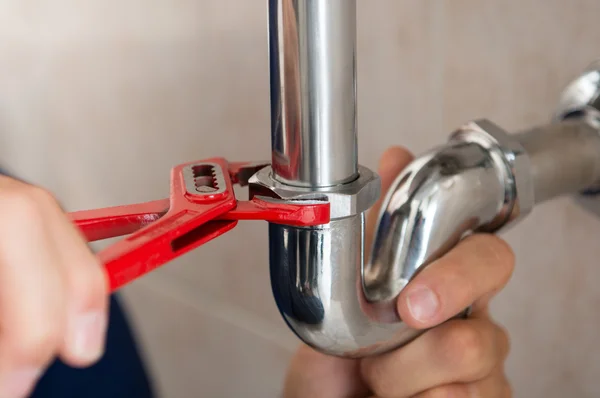
P-traps are a requirement for any fixture with a drain. This P-shaped pipe, commonly found below sinks and bathtubs, serves a very important function. It keeps the foul gases inside the drainage system from flowing backwards and entering your home. P-traps also catch small objects that accidentally fall into the drain (like a wedding ring). Without a P-trap, you will experience unpleasant odors in some areas of your home. Ensure there is one installed in your sinks, bathtubs, washing machine, and shower drains.

The final DIY mistake you should never make is failing to call a professional plumber when the problem demands it. Your DIY skills should complement the knowledge of your plumber. As a matter of fact, a good Chicago plumber will help you improve your DIY skills because it makes their job easier.
DIY Plumbing Hacks: Fixes for Common Sewer Backup Issues

Fixes for Common Sewer Backup Issues

As a homeowner, one of the most dreaded plumbing issues is a sewer backup. Not only is it unpleasant and unsanitary, but it can also cause significant damage to your home. Hiring a professional plumber to fix the issue can be expensive, but there are some DIY plumbing hacks that you can try to fix common sewer backup issues. Here are some tips on how to handle some of the most common sewer backup issues.

Identify the Cause of the Backup

The first step in fixing a sewer backup is to identify the cause. There could be a variety of reasons for the backup, including clogged pipes, tree roots, or damage to the sewer line. Some of the most common causes of sewer backups include:

  • Flushing non-degradable items down the toilet
  • Pouring grease and oil down the sink drain
  • Tree root intrusion
  • Old or corroded pipes
  • Heavy rainfall or flooding

If you know the cause of the backup, you can take steps to prevent it from happening again in the future. For example, you should avoid flushing non-degradable items down the toilet and dispose of grease and oil in the trash instead of pouring it down the sink drain.

a hydro-jetting service being performed.

If the clog is more severe, you may need to call in a hydro-jetting service to clear out the pipes.

Clean Out the Pipes

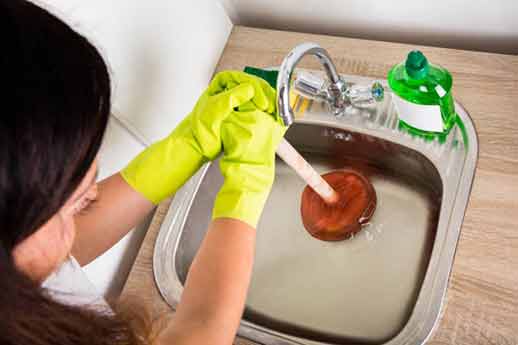
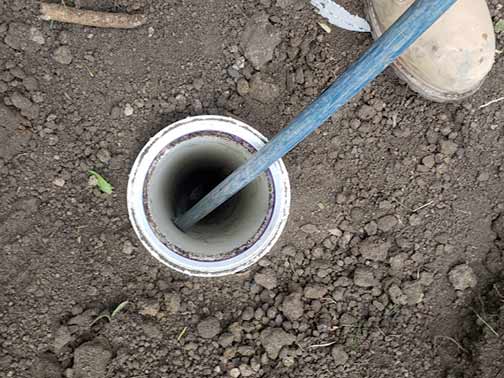
If you have a minor sewer backup, you may be able to clear it out using a plunger or a drain snake. A plunger can be effective in dislodging minor clogs in the toilet or sink drain. A drain snake, also known as an auger, can be used to clear out clogs deeper in the pipes. When using a drain snake, be sure to follow the manufacturer’s instructions carefully to avoid causing damage to the pipes.

If the clog is more severe, you may need to call in a hydro jetting service to clear out the pipes. A hydro-jetting machine is a high-pressure water jet that shoots water down the pipes to clear out any obstructions. This method is best left to the professionals, as it can be dangerous if not done correctly.

a man repairing a broken sewer pipe.

If the backup is caused by damaged pipes, such as those that have cracked or corroded, you will need to repair or replace them.

Repair or Replace Damaged Pipes

If the backup is caused by damaged pipes, such as those that have cracked or corroded, you will need to repair or replace them. This is a more involved process that requires the services of a local plumber. The plumber will need to assess the extent of the damage and determine the best course of action by way of inspecting your sewer line with a camera.

If the damage is minor, the plumber may be able to repair the sewer line using a patch or epoxy. For more extensive damage, the plumber may need to replace the damaged section of the sewer line entirely. This can be expensive, but it is necessary to prevent further damage to your home.

Prevent Future Backups

Once you have resolved the current sewer backup issue, it is important to take steps to prevent future backups. Here are some tips:

  • Have your pipes inspected regularly to check for damage or signs of wear and tear
  • Avoid flushing non-degradable items down the toilet
  • Dispose of grease and oil in the trash instead of pouring it down the drain
  • Plant trees away from the sewer line to avoid root intrusion
  • Install backwater valves to prevent sewage from flowing back into your home

By following these tips, you can reduce the risk of future sewer backups and ensure that your plumbing system is working efficiently.

Final Thoughts

Sewer backups can be a nightmare for homeowners, but there are DIY plumbing hacks that you can try before calling in the professionals. By identifying the cause of the backup, cleaning out the pipes, repairing or replacing damaged sewer pipes, and taking steps to prevent future backups, you can save yourself time and money and avoid the hassle of dealing with a messy and unpleasant issue.

Problems with DIY Plumbing Repairs

local chicago plumber

Home plumbing issues are diverse and whenever something fails in one of the home plumbing facilities, the possibility that you will be shelling out money to have it fixed is high. The overall amount to fix small plumbing issues at home can sum up to a huge chunk of cash at the end of the year.

One of the best ways to minimize the cost of solving problems with your plumbing is to understand how the system works. As a homeowner or a landlord, says Vineyard Property Management, you should know how to prevent, diagnose, and fix certain plumbing issues in your home. It makes no sense to call a plumber for problems you can handle yourself.

Meanwhile, a do-it-yourself way of fixing plumbing issues in your home can also be a nightmare. DIY plumbers are in trouble once they start thinking of themselves as professional plumbers. What you can learn from a YouTube video is not the same as what a professional plumber has.

Not understanding the abilities of your own DIY skills will create more problems for you with the plumbing than you are trying to solve. Your house’s plumbing is gigantic, complicated, and made up of interconnected systems. A small issue in one part of the plumbing will cause bigger ones somewhere else.

The majority of the amateur plumbers are not aware of the real complexity of a home’s plumbing. Due to this, they will proceed with projects without knowing the whole picture of the system. What actually happens is they tend to amplify the existing problems and create bigger issues for themselves.

What are some of the DIY plumbing repairs that homeowners encounter?

Increased risk of flooding

The margin for error when fixing plumbing problems in the home is very narrow. Small things you overlook can result in consequences that are several times worse than the original problem. 

It is not uncommon for the home to get flooded as a result of mistakes during a DIY plumbing repair. This happens because amateur plumbers do not follow a systematic routine and they can also fail to turn the water off.

Superficial fixes

Most DIY fixes focus on the immediate rather than the remote causes of a problem. The concern of the homeowner is to eliminate urgent and distressing issues. As a result, DIYers do not do a proper diagnosis of the issue but only apply superficial fixes. 

The result of doing that is the underlying problem is left to persist and grow worse. When it is eventually discovered, it will cost a lot more money to solve than it would have if it was detected earlier.

Recurring problems

Without attention from a licensed plumber, your home’s plumbing systems will deteriorate at a faster rate. Firstly, the prevalence of shoddily done DIY fixes will combine to make the system more prone to damage. 

plumber in chicago

Secondly, the lack of attention by a professional plumber will increase the rate of natural wear and tear. The issues of a plumbing system will steadily become worse if that system does not get the professional care it requires.

Exposure to safety hazards

In addition to pipes and connections, the plumbing system in your home also has components that use gas and electricity. Fiddling with appliances like water heaters and washing machines when you don’t have the necessary training is a recipe for disaster. 

Moreover, some plumbing repairs require the use of power tools that can easily cause injuries. Lastly, slips and falls are common when doing plumbing repairs. Protect yourself by leaving the job to a professional.

Lost time and avoidable delays

There is nothing like a plumbing emergency to get you to rearrange your plans. The danger of flooding posed by the problem and the chance that you will be without water, makes solving the problem urgent. 

The frequency of disruptions to your work schedule and lifestyle increases with the number of plumbing issues in the home. A professional plumber can help you prevent plumbing problems that show up at the most inopportune times.

Higher system maintenance cost

DIY repairs are more impromptu than they are systematic. A DIY approach to solving your home’s plumbing issues prevents you from adopting a preventative maintenance schedule that is based on timely inspection of the plumbing. This narrow focus on solving short-term problems will cost you more money in the long run because it is easier and cheaper to manage your home’s problems when you can anticipate the issues.

diy plumbing

In conclusion, when maintaining the plumbing system in your home, it is important to make a distinction between what you can do and what you should not try to do. Minor repairs like changing faucet aerators or unclogging the toilet with a drain snake are things every homeowner should be able to DIY. More complex plumbing repairs are best left to a local plumber.

Hiring a local plumber when you need to will ensure your personal safety, protect your home’s plumbing system and also minimize your plumbing expenditure.