Tag Archives: dealing with burst pipes

Swift Actions to Tackle Burst Pipe Water Damage

Swift Actions to Tackle Burst Pipe Water Damage

In terms of the speed and the scale of damage it can cause, a burst water pipe may be the worst plumbing emergency to have in your home, warns PMI Prime. If broken, the typical ½ – ¾ inch water pipe can discharge between 50 – 110 gallons of water into your home per minute.

For context, an average household uses approximately 210 gallons of water daily for all of its indoor water needs. This means that in less than five minutes of being broken, a water pipe can discharge more water into your home than your family will use in 24 hours.

This is why it is so important to act swiftly and decisively when dealing with a burst water pipe inside your home. A half-minute of delay can result in thousands of dollars’ worth of water damage. But to act with speed and intention, you must know the proper steps to take.

This post explains critical steps to take if you discover a burst water pipe inside your home.

Effective steps for tackling a burst water pipe in the home

  1. Check for electrical hazards

Assess the situation to be sure the water is not in contact with a power outlet or electrical device. To be safe, wear rubber-soled shoes and rubber gloves. Turn off the power supply to the affected area or your entire home at the circuit box. If unsure of what to do, call an expert. 

  1. Shut off the water supply

If the broken pipe has a dedicated shut-off, turn it off. If not, turn off your home’s water supply at the main water shut-off valve. Hopefully, you already know where to find your main water shut-off valve and how to use it.

  1. Drain your faucets

Open all faucets in your home and let them drain. By getting rid of the water inside the pipes, you stop more water from being discharged onto your flooring. Do this step only if the home’s water supply has been turned off at the main water shut-off valve.

  1. Call your insurance company

Contact your insurer to inform them of the incident in your home. If you do not have all the details, do not try to answer all of the company representative’s questions. They will likely send someone to assess the damage to your home and the cause.

  1. Remove your belongings

Items that can be damaged should be removed from the reach of the water. Remove furniture, rugs, electronics, etc. from the area. If they are wet, move them outside or to a dry place inside your home. Your insurer will not pay for damage that could have been avoided.

  1. Document the damage

Get detailed pictures and videos of the broken water pipe and the resulting damage. Include all affected areas inside your home. Add an audio narration to make the video easy to understand. This information will be important for your insurance claims.

  1. Start removing the water

If you have a wet-dry vacuum, use it to suck up the water on your floors. If you don’t have a wet-dry vacuum and it is not possible to rent one, use buckets, mops, and towels. You can use a dustpan to scoop water from the floor into a bucket or container.

  1. Dehumidify and dry your home

Place a dehumidifier in the area with the worst damage, to suck moisture out of the air and accelerate the drying process. Open your windows to improve circulation, and if you have fans, position them to blow directly on the affected areas.

  1. Call for professional help

At this point, you may want to call an emergency plumber and have them come over to your home to assess the damage to your plumbing and fix the damaged pipes. The sooner you do this, the quicker your family can return to its normal routine.

You also need professional help to complete the process of drying out your home. Just because you don’t see water on the flooring inside your house doesn’t mean all the spilled water is gone. There could be water hiding inside your belongings and in the structures of your home. Some of the problems you will need professional help to fix include:

  1. Pipe repair or replacement: You should have your damaged pipes evaluated to determine the immediate and remote causes of the problem. Whether you will need to repair or replace the pipe will depend on the extent of damage to your plumbing. A reputable plumber will help you avoid future problems like this in your home.

  2. Mold removal and remediation: If water has infiltrated into the structures of your building or some items within the home are not properly dried, they will encourage mold and mildew to grow inside your house. A mold removal and remediation specialist can prevent this.

Lastly, when taking steps to fix a burst water pipe inside your home, do not limit your actions to solving only the current problem. You want to look at past issues that may have contributed to the problem and take steps to prevent a recurrence. Working with a reputable plumber ensures that all aspects of the issues are taken into account.
Dealing with Water Damage: How to Handle a Burst Pipe in Your Home

How to Handle a Burst Pipe in Your Home

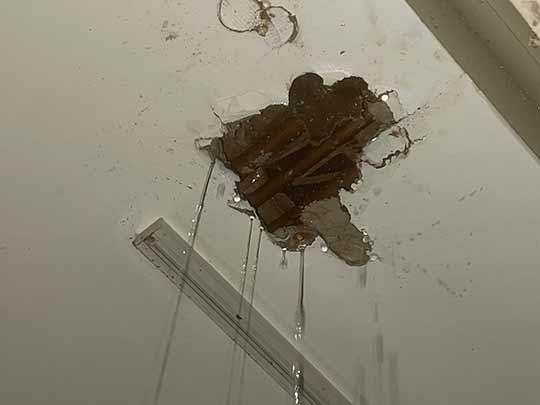
Water damage can be a homeowner’s worst nightmare. Whether it’s due to heavy rainfall, a natural disaster, or a burst pipe, the consequences can be devastating. A burst pipe in your home can quickly lead to a flooded house, damaged belongings, and costly repairs. Knowing how to handle this situation promptly and effectively is crucial in minimizing the damage. Here we will discuss the steps you should take if you experience a burst pipe emergency in your home.

Shut off the Water

As soon as you discover a burst pipe, your first step should be to shut off the water supply. This will stop the flow of water and prevent further damage. Locate the main water valve in your home, which is usually in the basement or crawl space. Turn the valve clockwise to shut off the water. If you are unsure of the location or cannot shut off the main valve, contact a professional plumber who can assist you.

Turn Off Electricity

Water and electricity can be a dangerous combination. To prevent the risk of electrocution, turn off the electricity in the affected area. Locate the breaker box in your home and switch off the circuit breaker that controls the affected area or consider shutting off power to the entire house. If you are unsure which breaker controls the area, it’s best to turn off the power to the entire house to be safe.

Assess the Damage

Once you have stopped the water flow and turned off the electricity, assess the extent of the water damage. Take note of any areas that have been affected, including walls, floors, furniture, and personal belongings. Document the damage by taking photographs for insurance purposes.

Call Your Insurance Company

Contact your insurance company as soon as possible to report the burst pipe and the resulting water damage. They will guide you through the claims process and provide you with the necessary paperwork. Be sure to provide them with the details of the incident and the photos of the damage you have taken.

Remove the Water

The next step is to remove the water from your home. Depending on the amount of water and the size of the affected area, you may be able to do this yourself with a wet/dry vacuum or a pump. If the damage is extensive, it is recommended to hire a basement water extraction service. They have the expertise and equipment to efficiently extract the water and reduce the risk of mold and secondary damage.

Dry Out the Affected Area

After removing the water, it is essential to thoroughly dry out the affected area to prevent further damage and the growth of mold. Use fans, dehumidifiers, and open windows to increase air circulation and promote drying. Dry the affected area as quickly as possible to minimize the risk of mold growth.

Document Damaged Belongings

If any personal belongings have been damaged by the water, document them for your insurance claim. Create an inventory of the damaged items and gather any receipts or proof of purchase that you may have. Your insurance company will need this information to determine the value of your belongings and process your claim.

Seek Professional Assistance

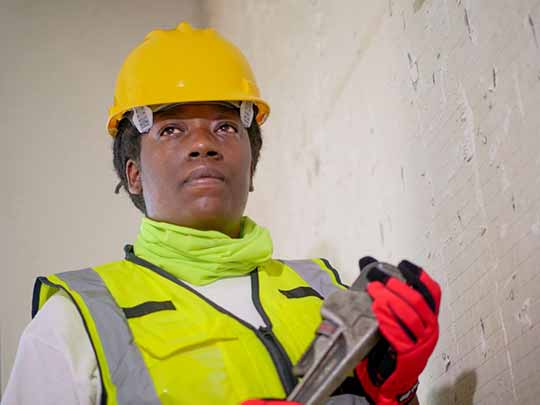
While you may be able to handle some aspects of the water damage cleanup yourself, it is advisable to seek professional assistance, especially for extensive damage. A professional water damage restoration company will have the knowledge, experience, and equipment to thoroughly dry out your home, prevent mold growth, and perform necessary repairs. They can also help with coordinating the insurance claims process.

Prevent Future Incidents

Once the water damage has been addressed and repairs have been made, it is important to take steps to prevent future incidents. Insulate pipes in cold areas, such as basements and attics, to prevent freezing and bursting. Regularly inspect pipes for any signs of deterioration or leaks, and promptly repair or replace them as needed.

To Wrap It Up

A burst pipe in your home can cause significant water damage and disrupt your daily life. By following the steps outlined in this article, you can effectively handle a burst pipe situation and minimize the damage. Remember to shut off the water, turn off the electricity, assess the damage, contact your insurance company, remove the water, dry out the affected area, document damaged belongings, seek professional assistance if needed, and take preventive measures to avoid future incidents. Prompt action is key in mitigating the impact of water damage and getting your home back to its pre-damaged condition.

How to Survive a Burst Pipe in the Winter

How to Survive a Burst Pipe in the Winter

Harsh weather conditions can cause you and your household a lot of trouble. In the winter period, there are so many things to take care of, and your pipes are definitely one of them. Many household owners know how dangerous low temperatures can be, especially when there is no proper insulation on the household pipes. They can freeze and burst, causing great floods and serious property damage. That is why it is wise to get ready and know what to do in case of an emergency. For all those who think in advance, here are several main steps on how to survive a burst pipe in the winter.

The first signs of a problem

There is nothing that can completely save you from the damage when the pipe burst already happens. Still, the sooner you detect the signs of the problem, the less damage you will have to deal with. That’s why it is important to react to the first, even minor signs that something wrong is happening:

  • Occasional dripping sounds and the lack of water pressure are some things all of us have met at least once, but still, most tend to disregard them
  • Water spots on your walls or ceiling and water puddles are more obvious signs, but they say the problem is not at its first phase as well
  • The leaks of the main water shut-off are the most common and the most obvious signs

If any of the above-mentioned happen to you, especially during the winter, you need to reach out for help immediately. However, if you suspect something wrong is going on but cannot detect the problem, you can always hire a professional leak detection service in the area to confirm your suspicions.

1. The main water valve – the first step in surviving a burst pipe in the winter

The most important thing everyone should know about their home is where the main water valve is located. This is especially important if you are about to move into a new home. As professional movers from Last Call Movers suggest, experience is a crucial factor in relocation matters. But, if this is your first move into a new home, it would be wise to ask the previous homeowners about the main water shut-off or the condition of the household pipes before you decide to make a deal.

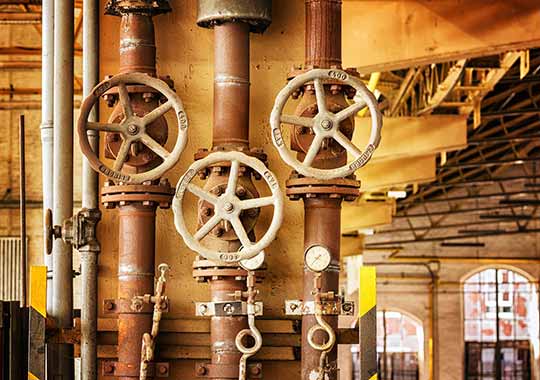
Metal pipes with big valves to turn off as the first step in our guide on how to survive a burst pipe in the winter

Act fast and smart

In the emergency case, turning off the main water supply will stop water from causing further damage to your property. On the other hand, it will also give you some time to pull yourself together until professional help comes.

In most cases, the water valves and the water heater are located in the same place and are usually turned clockwise to be turned off.

2. Deal with the electricity

All electrical devices can be potentially dangerous in contact with water. What’s more, if a pipe burst happened in your home, being surrounded by water while your electrical system is on can be fatal. Therefore, after you make sure you have turned the water off, you should also deal with turning off the electricity. You can simply turn it off in the part of your home that is flooded or even in the whole household.

In case you are not sure whether or not the power is off, calling on the electrical company for help will be the wisest option.

3. Contact the plumber

Now that you have dealt with the first two steps in our guide to surviving a burst pipe in the winter, it’s smart to contact an emergency plumber right away. Remember that the sooner you get the right professional help, the less consequence you will feel. Once a emergency plumber arrives at your home, they will start fixing the problem. What’s more, they can also help you with creating the whole repair plan, as well as with finding the most affordable solution for your current state. Finally, the most important thing is that your smart moves, as well as their prompt reaction, will help your pipes not remain broken for a long time.

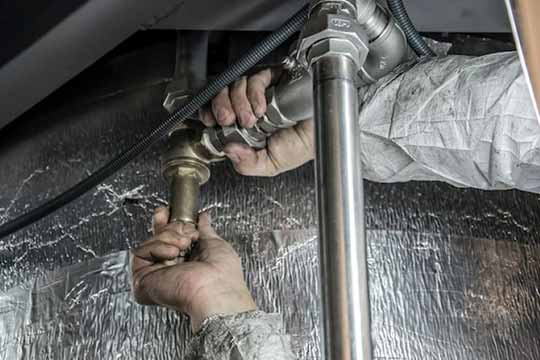
A plumber is installing the pipes

Let the professionals deal with the problem

4. Draining the pipes

Make sure that no water remains in your pipes after you turn off the main supply. Push the toilets, and remember to run first cold and then hot water through all your faucets. Plus, do not forget to turn the water heaters off, since they should not be in function while the water is off.

5. Remove water

Once when you are done with all these basic steps, you should turn to saving your home from further damage. Water can be pretty harmful to your floor, walls, and the whole house construction. So, try your best to remove as much water as possible from the flooded area. When we talk about ground floors or basements, things will go a little bit easier. You can use a drain, buckets, mops, and vacuums to remove the water. On the other hand, if you have a pipe burst emergency on some of the upper floors, the only way is to let the water drain out. This time you can use fans to speed up the process.

Prevention

Once you have faced the repair processes with a burst pipe, especially in the winter period, you’ve probably learned the lesson. It is high time to take steps to save your pipes from freezing:

  • Letting your faucets drip, at least a little, will help a lot. The water will be in constant motion, and it will not freeze that easily.

  • Insulating the pipes is also a great idea. This is especially useful if your pipes are exposed, or set along the exterior wall, for example. Use some foam, fiberglass, or even newspaper to cover the pipes and protect them.

  • Open the under-sink cabinet doors in both your kitchen and your bathroom. Warm air will circulate, and your pipes will not freeze during the cold days.

  • Maintain your piping system, and let the plumber control them regularly. If breaks and cracks are located on time, it will save you a lot of money and stress, too

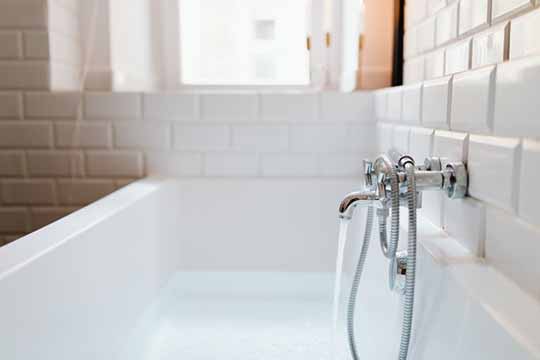
A close-up picture of a faucet in a bath

If you think about prevention, you won’t have to deal with how to survive a burst pipe in the winter

These would be the main things you need to remember if you want to survive a burst pipe in the winter. Keep them as a reminder just in case something unexpected happens to you in the next winter season.