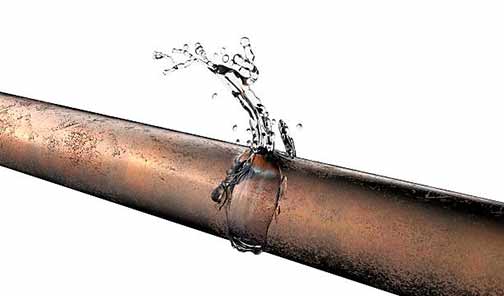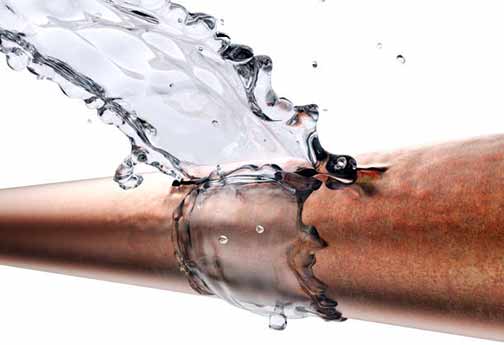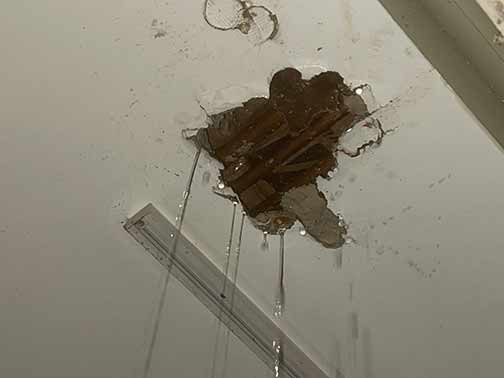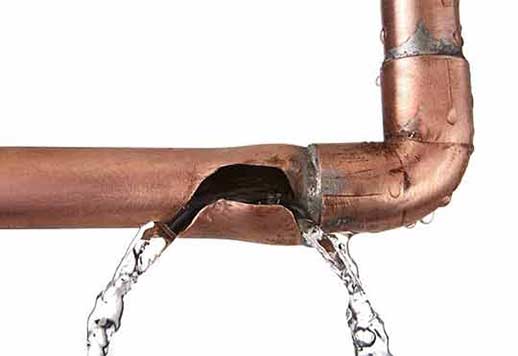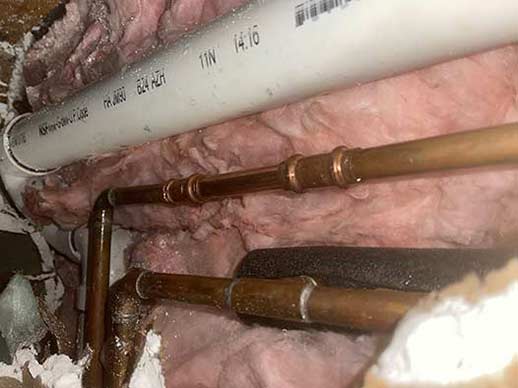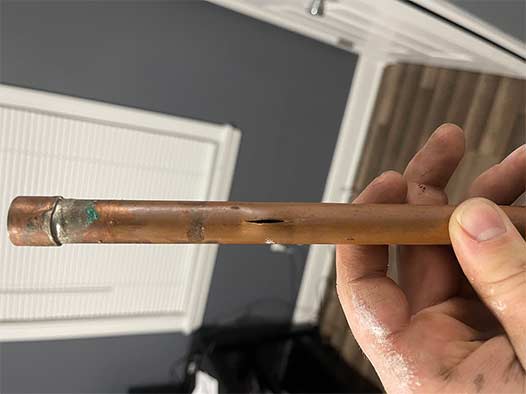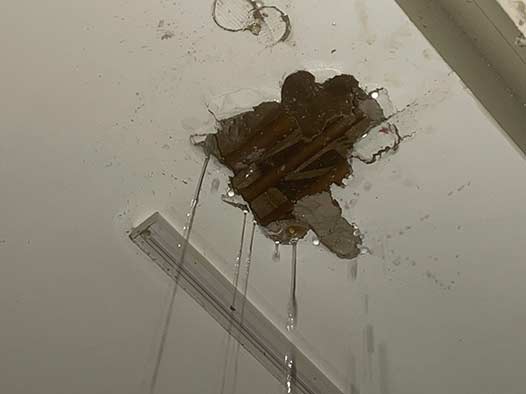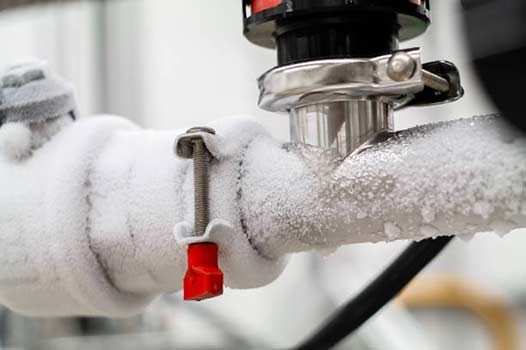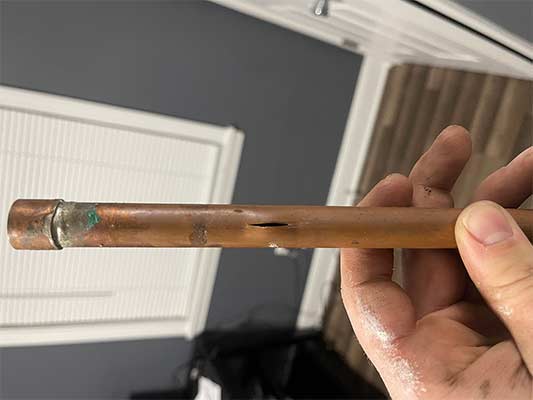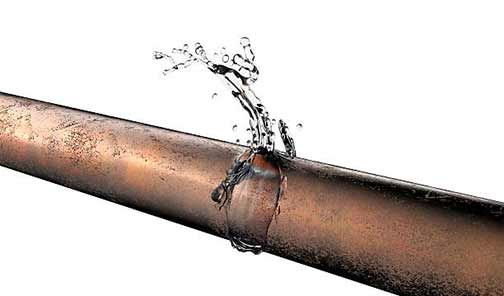
In terms of the speed and the scale of damage it can cause, a burst water pipe may be the worst plumbing emergency to have in your home, warns PMI Prime. If broken, the typical ½ – ¾ inch water pipe can discharge between 50 – 110 gallons of water into your home per minute.
For context, an average household uses approximately 210 gallons of water daily for all of its indoor water needs. This means that in less than five minutes of being broken, a water pipe can discharge more water into your home than your family will use in 24 hours.
This is why it is so important to act swiftly and decisively when dealing with a burst water pipe inside your home. A half-minute of delay can result in thousands of dollars’ worth of water damage. But to act with speed and intention, you must know the proper steps to take.
This post explains critical steps to take if you discover a burst water pipe inside your home.
Effective steps for tackling a burst water pipe in the home
- Check for electrical hazards
Assess the situation to be sure the water is not in contact with a power outlet or electrical device. To be safe, wear rubber-soled shoes and rubber gloves. Turn off the power supply to the affected area or your entire home at the circuit box. If unsure of what to do, call an expert.
- Shut off the water supply
If the broken pipe has a dedicated shut-off, turn it off. If not, turn off your home’s water supply at the main water shut-off valve. Hopefully, you already know where to find your main water shut-off valve and how to use it.
- Drain your faucets
Open all faucets in your home and let them drain. By getting rid of the water inside the pipes, you stop more water from being discharged onto your flooring. Do this step only if the home’s water supply has been turned off at the main water shut-off valve.
- Call your insurance company
Contact your insurer to inform them of the incident in your home. If you do not have all the details, do not try to answer all of the company representative’s questions. They will likely send someone to assess the damage to your home and the cause.
- Remove your belongings
Items that can be damaged should be removed from the reach of the water. Remove furniture, rugs, electronics, etc. from the area. If they are wet, move them outside or to a dry place inside your home. Your insurer will not pay for damage that could have been avoided.
- Document the damage
Get detailed pictures and videos of the broken water pipe and the resulting damage. Include all affected areas inside your home. Add an audio narration to make the video easy to understand. This information will be important for your insurance claims.
- Start removing the water
If you have a wet-dry vacuum, use it to suck up the water on your floors. If you don’t have a wet-dry vacuum and it is not possible to rent one, use buckets, mops, and towels. You can use a dustpan to scoop water from the floor into a bucket or container.
- Dehumidify and dry your home
Place a dehumidifier in the area with the worst damage, to suck moisture out of the air and accelerate the drying process. Open your windows to improve circulation, and if you have fans, position them to blow directly on the affected areas.
- Call for professional help
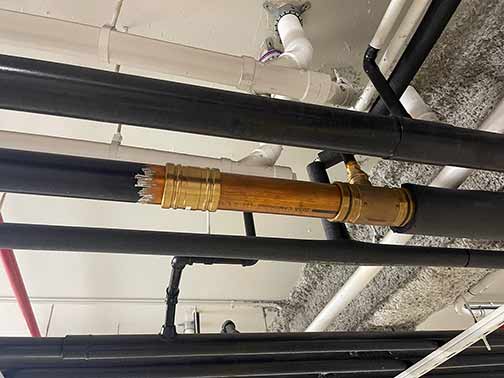
At this point, you may want to call an emergency plumber and have them come over to your home to assess the damage to your plumbing and fix the damaged pipes. The sooner you do this, the quicker your family can return to its normal routine.
You also need professional help to complete the process of drying out your home. Just because you don’t see water on the flooring inside your house doesn’t mean all the spilled water is gone. There could be water hiding inside your belongings and in the structures of your home. Some of the problems you will need professional help to fix include:
- Pipe repair or replacement: You should have your damaged pipes evaluated to determine the immediate and remote causes of the problem. Whether you will need to repair or replace the pipe will depend on the extent of damage to your plumbing. A reputable plumber will help you avoid future problems like this in your home.
- Mold removal and remediation: If water has infiltrated into the structures of your building or some items within the home are not properly dried, they will encourage mold and mildew to grow inside your house. A mold removal and remediation specialist can prevent this.
Lastly, when taking steps to fix a burst water pipe inside your home, do not limit your actions to solving only the current problem. You want to look at past issues that may have contributed to the problem and take steps to prevent a recurrence. Working with a reputable plumber ensures that all aspects of the issues are taken into account.