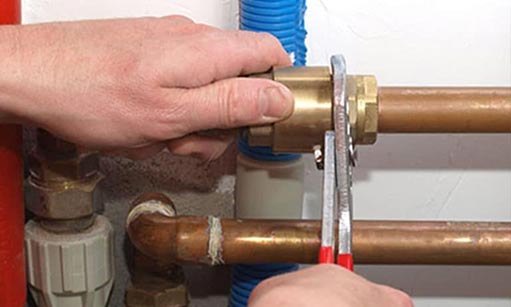
Plumbing systems are the most important life-sustaining system in a house, notes Heritage Management Services. They deliver clean water, which is essential for the well-being of your family, wherever it is needed inside your home. At the same time, they remove wastewater that can pose a health risk to your household.
Your home’s plumbing never stops to take a rest; it works night and day, in summer and winter. However, this demand eventually takes its toll on the system, with the result that after some years, your plumbing will start to show signs of aging, with an increasing tendency to malfunction.
When this happens, the plumbing problems in your home will increase in both frequency and intensity. There is a chance that you will start to see previously unexperienced issues like:
- Frequent leaks: Leaks can happen even in newly installed plumbing systems. However, with aging systems, you are likely to see multiple leaks in your home at the same time, with recurring leaks in the same places.
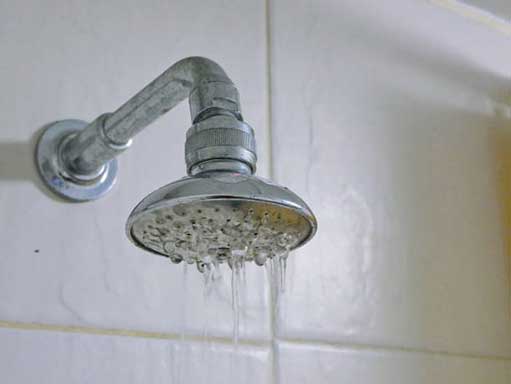
- Low water pressure: Gradual/sudden drops in water pressure are a common issue in aging plumbing. This is due to years of corrosion and buildup that narrow the pipe channels, restricting water flow.
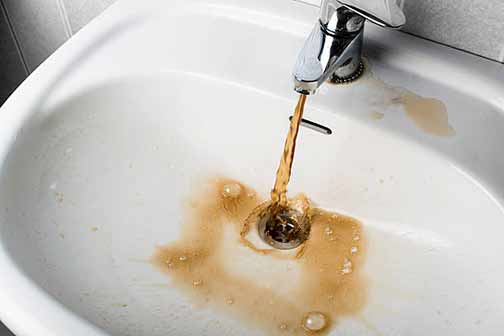
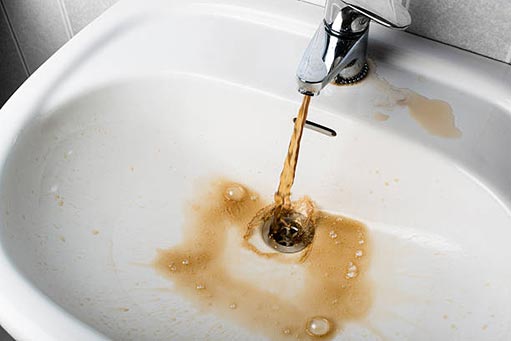
- Discolored water: Brown, rusty, or yellow water from your faucets and plumbing fixtures is evidence that rust and other contaminants (including soil) are present in your home’s water supply.
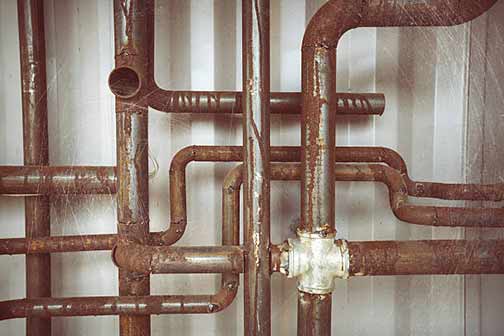
- Corroded pipes: Visibly corroded water pipes and drain lines can result from installing mismatching metal pipes in the plumbing or aging plumbing systems.
- Noisy pipes: As the plumbing ages, the fittings that once held the water pipes in place may become loose, leading the pipes to bounce around and make strange noises inside your home.
- Water damage: Unexplained watermarks on your ceilings, walls, and flooring may be from your aging pipes. In the worst cases, these problems can result in structural damage to your building.
- Spikes in your water bill: A sudden increase in your home’s water bill without an accompanying increase in your water usage often indicates the presence of hidden leaks in your plumbing.
- Bad-tasting or smelly water: Sometimes, leaks and corrosion will betray their presence in your plumbing system by leaving an unpleasant taste or smell in your water supply.
What can you do about these problems? You may try to solve the individual issues listed above. But if you do that, you will be ignoring the cause and focusing on the symptoms of the problem. That will only cost you money and time, without yielding any meaningful results.
If the plumbing pipes in your home are old and near or past the end of their service life, the best solution to the problem is to repipe your home. Repiping your home will solve your plumbing issues and update the plumbing system to make it more resilient and efficient.
Repiping your home: what you need to know
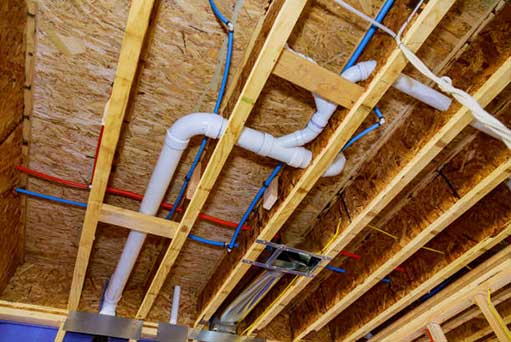
Repiping your home will reset your entire plumbing system by replacing outdated pipes and connections with new ones. This comprehensive refresh will address the lingering issues in your plumbing while minimizing the risk of future problems.
What does the repiping process look like?
- Assessment and pipe removal
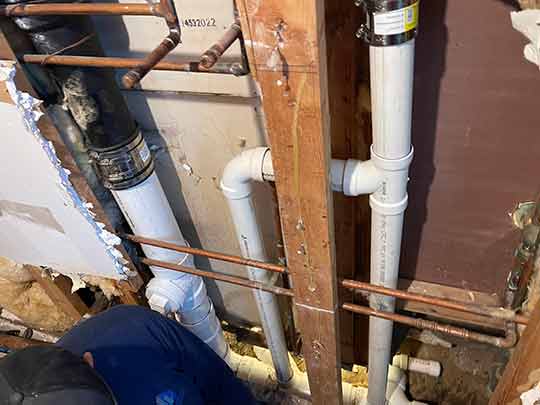
Factors that will affect the cost and duration of the project include the size and layout of your house, as well as the location of the pipes and how accessible they are. Bigger homes will have more pipes, and this will require more men and materials. If there are pipes in the hard-to-reach areas of the house, such as crawlspaces and closets, removing and replacing them will involve significantly higher labor costs.
- Selecting pipe materials
Typically, you will have three options: copper, PEX, or CPVC pipes. Each material has its unique pros and cons. Copper pipes are resistant to bacteria and long-lasting, but they are expensive. PEX pipes are corrosion-resistant and less prone to bursting, but they are susceptible to UV light and rodent damage. CPVC pipes are not flexible and have lower heat resistance, but they are affordable and easy to install.
- Plan for disruptions
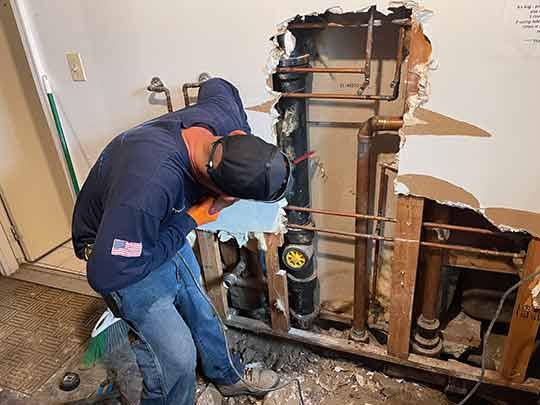
Repiping your home will upset your household’s normal schedule. There is a possibility that walls and floors will be opened to access the pipes inside them. This not only means disruptions to your water supply, but you will have to deal with a lot of noise and dust, with the risk of damage to your furniture and belongings. If you choose to move out of your home temporarily, that will be an additional cost.
As you may already see, repiping your home’s plumbing is a major cost. This is not a project you want to start unless you are sure of the quality of the plumber you are hiring for the job. What are some of the things you want to look out for in your chosen plumber?
They must be licensed and fully insured to cover the potential risks and liabilities that come with repiping a home. They should have expertise in these kinds of projects and be willing to let you verify that claim. Lastly, they should be transparent and detailed in their pricing.