When planning to have your drainpipes and sewer line cleaned, the two top-rated professional drain-cleaning methods you want to consider are hydro-jetting and sewer rodding, says Dallas Property Management. This is true whether you are simply trying to remove blockages or doing routine plumbing maintenance.
Sewer rodding and hydro-jetting are the two most used professional drain-cleaning methods for a reason. They are effective in both commercial and residential plumbing systems. They can be used for pipes of all sizes, regardless of their location in your drainage system.
However, since the two methods are different, they still have their pros and cons. If you had to choose between hydro-jetting and sewer rodding, which one should you choose? To answer this question, it is essential to first explain these two drain-cleaning methods.
What is sewer rodding?
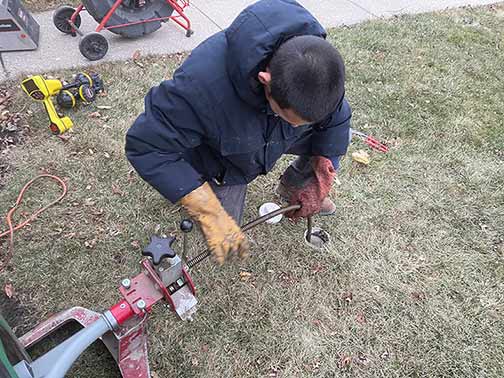
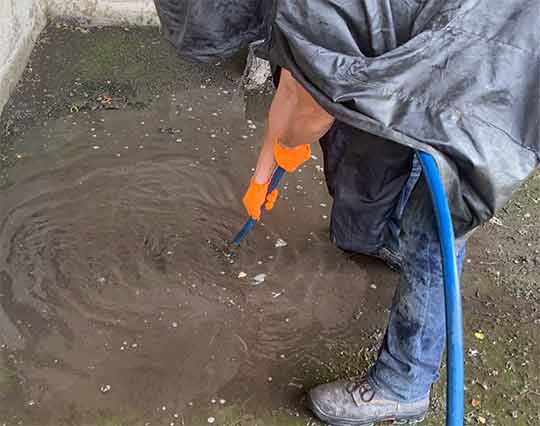
This process involves inserting a flexible rod into a clogged drainpipe or sewer line and using the rod to break up the debris inside the channel. Sometimes, the rod has a grappling hook as an attachment to snag and retrieve the materials clogging the drainage system.
To enable it to access the deepest recesses of a blocked sewer line or drainpipe, the length of the flexible rod used in this operation can be increased. This is possible because each rod comes with a screw at one end, allowing them to be joined end-to-end to make the line longer.
Power rodding is a type of sewer rodding. It uses a rotating metal cable instead of stackable flexible rods. Power rodding is more effective than standard sewer rodding. Sewer rodding can be used to remove sludge, paper products, grease, tree roots, and all kinds of difficult blockages.
What is hydro-jetting?
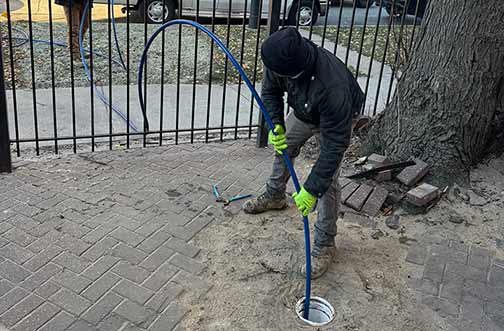
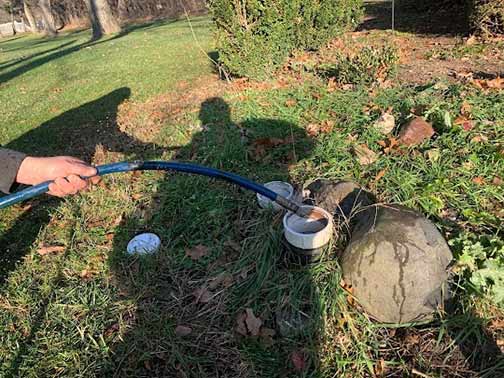
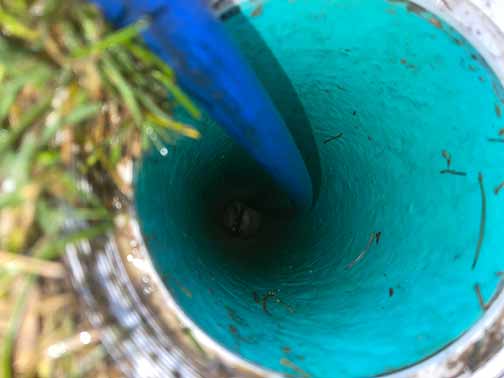
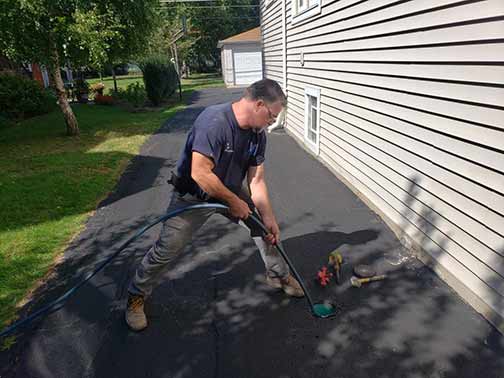
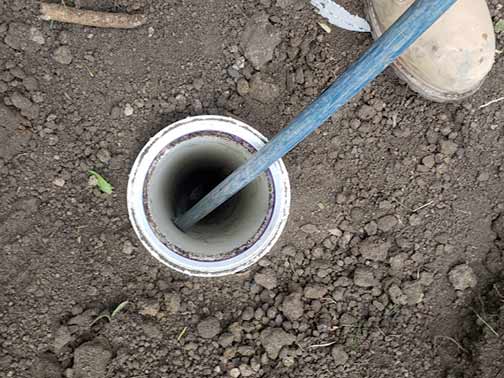
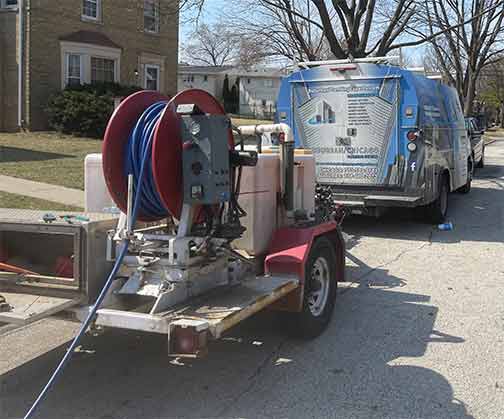
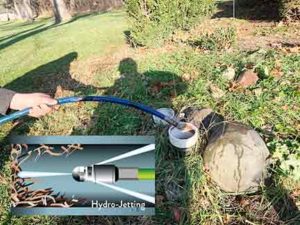
Hydro-jetting uses water as its primary means of getting rid of debris inside a clogged drainage pipe or sewer line. To clear the clogged line, a flexible hose with a stainless steel nozzle attached to one end is inserted into the drain and connected to a jetter.
To clean the pipe, the jetter shoots pressurized water into the offending pipe via the nozzle. Due to its high pressure – up to 3,500 pounds per square inch (psi) – this water can blast away the debris inside the line and also scour the walls of the pipe at the same time.
Different types of nozzles are used for different types of clogs. The water pressure can also be adjusted to match the type of pipe, its condition, and the nature of the blockage inside it. Hydro-jetting will remove tree roots, sludge, paper products, grease, and other buildup.
Hydro-jetting is the recommended method if you are dealing with recurring clogs and severe buildup.
Should you use hydro-jetting or sewer rodding?
Sewer rodding and hydro-jetting are excellent drain-cleaning methods, but each has unique strengths and weaknesses. Here are the things you should consider when choosing between hydro-jetting and sewer rodding.
The type of clogs and blockages
Hydro-jetting and sewer rodding don’t handle clogs in the same way. Hydro-jetting is the recommended method if you are dealing with recurring clogs and severe buildup caused by things like mineral buildup, grease, ice, or hardened buildup.
The outcome of the operation
Sewer rodding will leave debris inside your pipe. Although it can break up or dislodge the blockage inside the pipe, it will not clear them out of the line. Hydro-jetting, on the other hand, will wash the debris out of the line and wash your pipe walls. This is why hydro-jetting is better for recurring clogs.
The condition of the pipe
Hydro-jetting places more stress on your pipes. Although the water pressure used in hydro-jetting can be altered to protect the pipes, this method can still harm old and weakened pipes. Sewer rodding is gentler and more suitable for older pipes.
The cost
Sewer rodding is generally more affordable than hydro-jetting. That is why sewer rodding is often the go-to drain-cleaning method for residential plumbing systems. Hydro-jetting is reserved as a second option if sewer rodding fails to deliver the desired results.
Type of plumbing system
For commercial plumbing systems, which are tougher and subject to heavy usage, hydro-jetting is the better method. Because of how quickly drain problems can escalate in commercial buildings, hydro-jetting is usually preferred.
Which method should you choose?
There is no one-size-fits-all answer to this question. The proper drain-cleaning method for your plumbing depends on careful consideration of the listed factors. Before choosing a drain-cleaning method, it is a good idea to have a professional plumber inspect your drainage pipes.
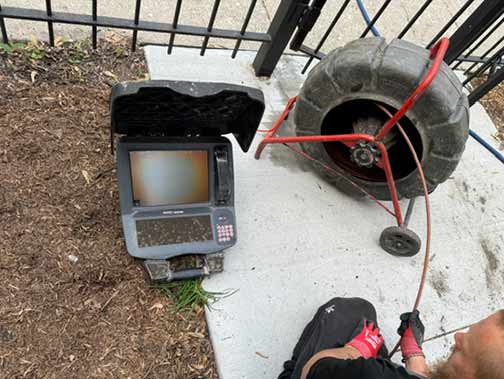
An experienced plumber can evaluate the condition of your drainage system by performing a sewer camera inspection. This critical step will reveal the underlying issues in the sewer line or drainpipe that can help you decide the right drain-cleaning method for your plumbing.
The plumber you hire when cleaning your drains is even more essential than the drain-cleaning method you choose. An experienced plumber will take additional care to ensure not only proper drain cleaning but also the safety and longevity of your drainage system.
Understanding Hydro Jetting: A Comprehensive Overview of Pipe Cleaning
Hydro jetting is a highly effective method used for cleaning pipes and drains. This technique involves using high-pressure water streams to remove blockages, debris, and build-up inside pipes. Unlike traditional methods such as rodding, which might only clear a path through a blockage, hydro jetting cleans the walls of the pipes thoroughly, restoring them to near-original condition. This makes it an ideal choice for both residential and commercial plumbing systems.
The principle behind hydro jetting is simple yet powerful: harnessing the force of water to clear away obstructions and residue that accumulate over time. This method is particularly effective for stubborn blockages that resist conventional cleaning techniques. By using water at high pressure, hydro jetting can break down and flush out materials like grease, roots, and mineral deposits, which are common culprits in pipe blockages.
The Science Behind Hydro Jetting: Unleashing the Power of Water Pressure
At its core, hydro jetting utilizes the power of water pressure to achieve its cleaning effect. The process involves a machine that pressurizes water, which is then directed through a flexible hose and expelled through a specialized nozzle. The nozzle’s design allows for the water to be emitted in a 360-degree pattern, ensuring that all sides of the pipe are cleaned simultaneously. The pressure can be adjusted depending on the severity of the clog and the condition of the pipes, making hydro jetting a versatile solution for various plumbing issues.
The effectiveness of hydro jetting lies in its ability to deliver a concentrated stream of water that can reach all areas of the pipe. This is achieved through a combination of hydraulic force and precision engineering. The water’s velocity and pressure are carefully calibrated to ensure optimal cleaning without damaging the pipes. This delicate balance is what makes hydro jetting both powerful and safe when performed correctly.
Advantages of Hydro Jetting Over Traditional Methods: A Clear Choice for Pipe Maintenance
One of the primary benefits of hydro jetting is its ability to completely clear blockages and clean pipes without causing damage. Traditional methods like rodding out a sewer line can sometimes lead to damage, especially if the pipes are old or fragile. Hydro jetting, on the other hand, is non-invasive and can extend the life of the plumbing system. Additionally, it is an environmentally friendly option as it doesn’t rely on harsh chemicals. This method is also faster and more efficient, reducing the need for repeated service calls.
Another advantage of hydro jetting is its preventive capability. By thoroughly cleaning the pipes, it helps prevent future blockages and reduces the likelihood of emergency plumbing situations. This proactive approach is particularly beneficial for commercial establishments that rely on uninterrupted plumbing services. Furthermore, hydro jetting can be used to maintain the cleanliness of pipes, ensuring optimal flow and performance over time.
When to Consider Hydro Jetting: Identifying the Right Time for Pipe Cleaning
Hydro jetting is particularly useful in situations where traditional methods have failed. If you experience frequent clogs, slow drainage, or foul odors emanating from your pipes, it might be time to consider hydro jetting. It’s also an excellent choice for preventive maintenance, especially in commercial settings where pipes are subjected to heavy use. Regular hydro jetting can prevent the build-up of grease, minerals, and other debris, ensuring smooth operation and reducing the risk of unexpected plumbing emergencies.
In addition to addressing existing problems, hydro jetting is ideal for maintaining the health of your plumbing system. By scheduling regular hydro jetting sessions, property owners can keep their pipes in top condition, minimizing the risk of costly repairs and downtime. This approach is particularly beneficial for businesses that cannot afford disruptions to their operations due to plumbing issues.
Preparing for a Hydro Jetting Service: Steps to Ensure a Successful Cleaning
Before a hydro jetting service, a professional plumber will typically conduct a video inspection of your pipes. This step is crucial as it helps identify the location and nature of the blockage, as well as assess the condition of the pipes. The inspection ensures that hydro jetting is the appropriate method and helps the plumber determine the right pressure settings. Preparation might also involve clearing access points and ensuring that the plumbing system is ready for the service.
Once the inspection is complete, the plumber will explain the process and answer any questions you may have. It’s important to understand the procedure and any potential risks involved. Additionally, the plumber will ensure that the area is safe and accessible for the hydro jetting equipment. This preparation is essential for a smooth and efficient cleaning process.
Hydro jetting is versatile enough to be used in both residential and commercial settings. In homes, it can effectively clear kitchen and bathroom drains, as well as main sewer lines.
Potential Risks and Considerations: Ensuring Safe and Effective Hydro Jet Cleaning
While hydro jetting is generally safe, there are some considerations to keep in mind. It’s essential to ensure that the pipes are in good condition, as high-pressure water can exacerbate existing damage or weaknesses. This is why a preliminary inspection is vital. Additionally, hydro jetting should be performed by trained professionals who understand the nuances of the technique and can adjust the pressure settings appropriately. Attempting to perform hydro jetting without the proper knowledge and equipment can lead to further plumbing issues.
It’s also important to consider the age and material of the pipes. Older pipes or those made from certain materials may not withstand the high pressure of hydro jetting. In such cases, alternative cleaning methods may be recommended. By working with experienced professionals, property owners can ensure that hydro jetting is performed safely and effectively.
The Cost of Hydro Jetting: An Investment in Longevity and Efficiency
The cost of hydro jetting can vary depending on the complexity of the job, the severity of the blockage, and the accessibility of the pipes. While it might be more expensive upfront compared to traditional cleaning methods, it is often more cost-effective in the long run. By thoroughly cleaning the pipes, hydro jetting can prevent future clogs and reduce the need for frequent plumbing services. This makes it a worthwhile investment for property owners looking to maintain their plumbing systems efficiently.
When considering the cost of hydro jetting, it’s important to weigh the benefits against the initial expense. The long-term savings in maintenance and repair costs often justify the investment. Additionally, the peace of mind that comes with knowing your plumbing system is in optimal condition is invaluable. For businesses, the ability to avoid unexpected disruptions and maintain smooth operations further underscores the value of hydro jetting.
Hydro Jetting in Commercial and Residential Settings: Versatility in Pipe Cleaning
Hydro jetting is versatile enough to be used in both residential and commercial settings. In homes, it can effectively clear kitchen and bathroom drains, as well as main sewer lines. In commercial environments, such as restaurants or hotels, hydro jetting is invaluable for maintaining grease traps and ensuring that high-traffic plumbing systems remain operational. Its ability to handle a wide range of plumbing challenges makes it a preferred choice for many property managers and homeowners alike.
In residential settings, hydro jetting can address common issues like hair clogs, soap scum build-up, and food residue in kitchen sinks. For commercial properties, the method is particularly useful for tackling more substantial blockages and maintaining consistent water flow. The adaptability of hydro jetting makes it an essential tool for any property owner seeking reliable and effective pipe cleaning solutions.
Environmental Impact and Sustainability: Eco-Friendly Pipe Maintenance
As concerns about environmental sustainability grow, many property owners are seeking eco-friendly solutions for their maintenance needs. Hydro jetting fits this criterion as it uses only water and doesn’t involve harmful chemicals. This not only protects the environment but also ensures that the plumbing system remains safe for use. By choosing hydro jetting, property owners can contribute to a more sustainable future while maintaining the integrity of their plumbing systems.
The environmental benefits of hydro jetting extend beyond the absence of chemicals. The method also conserves water by efficiently removing blockages without the need for excessive flushing. This efficiency translates to reduced water usage and a lower environmental footprint. For environmentally conscious property owners, hydro jetting offers a responsible and effective approach to pipe maintenance.
Future Innovations in Water Jetting Technology: Advancements in Pipe Cleaning
The field of hydro jetting continues to evolve, with ongoing research and development aimed at improving efficiency and effectiveness. Innovations such as advanced nozzle designs, automated systems, and integration with smart technology are on the horizon. These advancements promise to make hydro jetting even more accessible and efficient, further solidifying its role as a leading method for pipe cleaning. As technology progresses, we can expect hydro jetting to become an even more integral part of modern plumbing maintenance.
Future innovations may include the development of more precise and adaptable nozzles that can target specific types of blockages with greater accuracy. Additionally, the integration of smart technology could allow for remote monitoring and control of hydro jetting equipment, enhancing convenience and safety. As these advancements become available, hydro jetting is poised to become an even more effective and indispensable tool in the maintenance of plumbing systems.
Conclusion: Embracing Hydro Jetting for Optimal Pipe Maintenance
Hydro jetting represents a significant advancement in pipe cleaning technology, offering a thorough, efficient, and environmentally friendly solution for both residential and commercial plumbing systems. By understanding its benefits and applications, property owners can make informed decisions about their maintenance needs. Whether dealing with stubborn clogs or seeking a preventive maintenance strategy, hydro jetting provides a reliable and effective option for maintaining optimal pipe health.
In conclusion, hydro jetting is more than just a cleaning method; it is a comprehensive approach to maintaining the integrity and functionality of plumbing systems. By embracing this technology, property owners can ensure the longevity and efficiency of their pipes, contributing to a well-functioning and sustainable infrastructure. As the field of hydro jetting continues to evolve, its role in modern plumbing maintenance will only grow, offering even greater benefits for those who choose to invest in this innovative solution.
If you are asking this question, it probably means you are looking for a drain-cleaning method with long-term results to help you deal with the persistent clogs/blockages in your drains, says Modulus Cleanrooms Management. If this is true, I am glad to tell you that you are in the right place.
Hydro-jetting is a versatile and effective drain-cleaning method for cleaning commercial and residential drainage systems. The great thing about hydro-jetting is its ability to clear the blockages inside your drains and wash the debris out of the pipes.
But how long will your drain lines stay clean after hydro-jetting? Depending on the drain line’s size and the buildup, hydro-jetting will take between 30 and 60 minutes to complete, but the results can last for months and years.
How long does hydro-jetting last?
When using hydro-jetting for preventive maintenance (as a way to optimize performance and flow), the effects of cleaning the pipes can last as long as 22 months. But avoid waiting this long; we recommend you hydro-jet your drainpipes every 18-22 months.
On the other hand, if you are dealing with tree root intrusion into your drain line or main sewer line, it may take 3-7 years for those roots to grow again. How long it takes depends on the proximity of the tree to your drain lines and how fast the roots grow.
Ideally, you should hydro-jet your drains every 12-18 months as part of the general plumbing maintenance plan. If you follow this schedule, you will not need to worry about how long the effects of each hydro-jetting session will last.
Several factors determine how long your drains stay clean after you hydro-jet them. Your drain lines will stay cleaner for longer periods if you don’t abuse them, but you recognize those everyday mistakes that predispose them to clogs and blockages.
When using hydro-jetting for preventive maintenance (as a way to optimize performance and flow), the effects of cleaning the pipes can last as long as 22 months.
Tips to minimize the risk of clogs/blockages in your drains
DO NOT dump FOG into your drains
FOG stands for fats, oil, and grease. The easiest way to dispose of used-up kitchen grease is usually to dump it into the sink drain. Congealed grease combined with other debris is one of the biggest causes of sewer line blockages.
Watch what you flush
DO NOT flush non-biodegradable items into your toilet if they are flushable. Things like paper towels, wipes, diapers, cat litter, etc. will cause problems inside your drain lines. Only water, toilet paper, and human waste should enter the toilet.
Dispose of food waste properly
Kitchen waste such as coffee grounds, eggshells, starchy foods (like rice and mashed potatoes), and stringy veggies can cause blockages inside your drain lines. Trash them in a garbage container.
Install strainers on drain openings
Installing the proper mesh strainer on drains helps to stop buildup from the source. It prevents items like hair and scum from entering the drain. Strainers also filter tiny food particles from the water flowing into your sink drain.
Install a lint filter
Lint, soap residue and other debris get washed into your drains each time you use the washing machine. Your washing machines may have a built-in lint trap. However, this is usually ineffective. Installing a lint filter solves this problem.
Flush your drain lines weekly
To wash debris out of your drains, you may want to do this weekly. Pour a half cup of baking soda and vinegar down the drain and let it sit for one hour. Follow it with warm or hot water. It will remove any grease trapped in the system.
Inspect and clean your drains on a schedule
Being intentional about periodic drain inspections helps you spot issues in your drainage system before they become serious problems. Combining routine inspections with scheduled drain cleaning offers you a powerful tool for preventing drain clogs.
The best way to inspect your drains is by doing a sewer video/camera inspection.
What is the recommended way to inspect and clean your drains?
Sewer camera inspections
The best way to inspect your drains is by doing a sewer video/camera inspection. This involves using a specialized camera to access the deepest corners of the drainage system and assess their condition in real time.
Hydro-jetting
Jetting your drain lines periodically, whether the line is blocked or not, is the most effective way to prevent buildup inside the line. This proactive approach saves you money because it prevents problems and prolongs the life of your pipes.
Lastly, you need an experienced plumber to work with you. A competent plumber helps you extract maximum value from your drainage system while also letting you minimize the cost of owning the system.
An experienced plumber can recognize the warning signs of a budding drain problem and deal with them before they become costly emergencies. A good plumber acts as a guide to help you navigate the difficulties of optimizing the function of your drainage system.
Ensuring the longevity and efficiency of your plumbing begins with maintaining your drainage system after hydro jetting. This essential post-hydro jetting care involves proactive measures and regular inspections to prevent recurring blockages and potential emergencies. This guide will get into the crucial steps and tips to keep your drainage system in optimal condition, helping you avoid unexpected plumbing issues down the line.
The risks of unprofessional hydro jetting
While hydro jetting can be an effective solution for clearing out stubborn drain clogs, it’s essential to understand the risks associated with unprofessional attempts. For example, if you try it on your own, it’s likely that you’ll need an emergency plumber. Improper handling of high-pressure water jets can lead to problems such as damage to your pipes, injuries, or flooding. Without the proper training and equipment, you may inadvertently cause more harm than good to your pipes. Moreover, without a trained eye to assess the situation comprehensively, you might miss underlying issues in your plumbing system that could escalate into emergencies down the line. It’s best to leave this task to experienced professionals to ensure a safe and effective cleaning process.
Recognizing signs of post-hydro jetting drainage issues
After a hydro jetting session, keep an eye out for signs of issues. These can manifest as slow drainage, unusual sounds, or recurring blockages. If you notice any issues, immediately call a plumber. Slow drainage may indicate residual debris or an underlying problem. Unusual sounds, like gurgling or bubbling, could suggest air pockets or improper resealing of pipes. Repeated blockages might also indicate that the process didn’t fully resolve the issue. Addressing these signs promptly can prevent more extensive and costly problems from appearing. Professional plumbers can also inspect your system and take appropriate action, ensuring your drainage system functions optimally.
The value of post-hydro jetting maintenance
Maintaining your drainage system after hydro jetting plays an important role in ensuring the longevity and efficiency of your system. Once your drains are thoroughly cleaned via a professional hydro jetting service, maintain them to prevent future clogs and issues. This ongoing care extends the benefits of cleaning them and saves you from the hassle and expense of dealing with recurring blockages. Regular maintenance routines also help keep your pipes in optimal condition. By addressing minor concerns early on, you can prevent them from evolving into major, costly ones. Investing in maintenance is a smart strategy to safeguard your plumbing, ensuring it operates smoothly for years to come.
DIY vs. professional post-hydro jetting maintenance
When it comes to maintaining your drainage system after hydro jetting, choosing between DIY efforts and hiring a professional is a significant decision. DIY maintenance can be cost-effective and allow you to take a hands-on approach to caring for your drainage system. However, you must know that DIY maintenance carries some risks.
In the unlikely event of a major emergency when mishandling things and significant water damage, you might need to quickly protect and move your belongings. This is where services like movingtransparent.com could be invaluable. They specialize in handling various aspects of moving, from household items to corporate relocation, providing a range of services tailored to safeguard your belongings in such scenarios, and can help you evacuate your belongings quickly to protect them.
On the other hand, professional maintenance ensures that experts with the right knowledge and tools are managing your system. They can identify and address potential concerns more effectively, ultimately preventing emergencies and ensuring your plumbing functions optimally.
Tools and supplies for post-hydro jetting care
When it comes to maintaining your drainage system after hydro jetting, having the right tools and supplies is a necessity. These items include drain snakes, plumbing wrenches, pipe inspection cameras, and a good-quality pipe wrench. You’ll also need a bucket, gloves, safety goggles, and a flashlight to ensure a safe working environment. Additionally, consider stocking up on eco-friendly cleaners and an auger for those stubborn clogs that may resurface. These tools will enable you to tackle minor issues promptly and maintain your system’s optimal performance. Ensuring you have these essentials on hand is a proactive step towards preserving the benefits of hydro jetting and preventing future problems. So, investing in these tools and supplies is a wise choice for homeowners looking to take charge of their post-hydro jetting maintenance needs.
Monthly maintenance routine after hydro jetting
Establishing a monthly maintenance routine after hydro jetting is key to keeping your system in top condition. Begin by visually inspecting your drains to ensure water is flowing smoothly. Next, flush hot water to remove any residual debris. Follow this up by using an eco-friendly cleaner to prevent the buildup of organic matter. Additionally, consider installing strainers to catch hair and debris before they enter the pipes. These simple yet effective monthly tasks can help maintain the benefits of hydro jetting and prevent clogs from reoccurring. By staying consistent with this routine, you’ll enjoy hassle-free drains and extend the life of your plumbing system.
Annual drain cleaning as part of post-hydro jetting maintenance
Annual drain cleaning is an important part of plumbing maintenance, especially after hydro jetting. While hydro jetting effectively removes stubborn clogs and buildup, complement it with regular professional cleaning. This annual service involves a thorough inspection and cleaning of your system by experienced plumbers. They can identify any emerging issues, remove accumulated debris, and ensure that your pipes are in optimal condition. This proactive approach helps prevent future clogs, leaks, and costly repairs. It’s like giving your plumbing system a yearly check-up to maintain its efficiency and reliability.
Taking an environmentally conscious approach to post-hydro jetting maintenance is responsible and beneficial for your drainage system. Instead of resorting to harsh chemical cleaners that can harm the environment, opt for eco-friendly alternatives. Natural enzyme-based drain cleaners are a safe and effective option to break down organic matter without harming aquatic ecosystems. These simple steps minimize your environmental footprint while keeping your plumbing clean and functional.
Staying proactive and informed about your maintenance needs
Maintaining your drainage system after hydro jetting is fundamental to responsible homeownership. By following the advice and practices outlined in this guide, you can enjoy clog-free drains, prevent emergencies, and ensure the long-term health of your plumbing! Therefore, stay proactive and informed, and your drainage system will continue to serve you reliably for years.
Drainage systems are an essential component of any property’s infrastructure, ensuring the efficient flow of water and wastewater. Property managers play a crucial role in ensuring the proper maintenance of these systems to prevent clogs and backups. One highly effective method for keeping drains clean and functional is the hydro jetting process. In this guide, we will explore the hydro jetting process in detail, highlighting its benefits and considerations for property managers.
What is Hydro Jetting?
Hydro jetting is a process that utilizes high-pressure water streams to clear clogs, debris, and mineral deposits from drain pipes and sewer lines. It involves the use of specialized equipment that delivers water at pressures of up to 4000 PSI (pounds per square inch), effectively removing blockages and restoring optimal water flow. This technique is extremely effective in eliminating stubborn clogs that traditional drain cleaning methods such as a sewer rodding service may not be able to tackle.
The Benefits of Hydro Jetting
Effective and efficient: Hydro jetting is a highly effective and efficient method for clearing even the most stubborn clogs. The high-pressure water streams can break up and flush away debris, grease, and roots that may be obstructing the drains.
Prevents future clogs: Hydro jetting not only removes existing blockages but also helps prevent future clogs. The powerful water jets thoroughly clean the pipes, removing any residue that could lead to future buildup and backups.
Environmentally friendly: Unlike harsh chemicals used in some drain cleaning methods, hydro jetting relies solely on water, making it an environmentally friendly option. It does not introduce any harmful substances into the drain or sewer system.
Cost-effective: Although hydro jetting may initially seem more expensive than other drain cleaning methods, it offers long-term cost savings. Regular hydro jetting can help prevent costly repairs and replacements by maintaining the drainage system’s optimal functionality.
When to Consider Hydro Jetting
While hydro jetting is an effective method for maintaining drainage systems, it may not always be necessary. Property managers should consider hydro jetting when:
– Frequent backups and slow drains occur despite traditional cleaning methods.
– Tree roots have infiltrated the drain pipes, causing recurring clogs.
– There are signs of significant debris or mineral buildup in the pipes.
The Hydro Jetting Process
Inspection: A thorough sewer camera inspection of the drainage system is conducted using a specialized camera to identify the location and severity of clogs and potential issues.
Preparation: Before hydro jetting, the area surrounding the drain pipes is properly protected, and access points are sealed to prevent any water leakage.
High-pressure water jetting: Using a hydro jetting machine, water at high pressure is directed into the pipes. This pressurized water stream effectively breaks up and flushes away the clogs, debris, and mineral deposits.
Post-inspection: Once the hydro jetting process is complete, another inspection is conducted to ensure the drainage system is thoroughly cleaned and free from any remaining blockages.
Considerations and Safety Measures
Professional expertise: Hydro jetting should be performed by trained professionals who have experience in handling the equipment and understanding the specific needs of drainage systems.
Safety precautions: Property managers should ensure that adequate safety measures are taken during the hydro jetting process, such as wearing protective gear and adhering to proper protocols.
Regular maintenance: To maximize the benefits of hydro jetting, property managers should establish a regular maintenance schedule. This proactive approach helps prevent major clogs and ensures the optimal functioning of the drainage system.
Summing It Up
Hydro jetting is a powerful and effective technique for maintaining drainage systems in properties. Property managers play a crucial role in ensuring the cleanliness and functionality of these systems, and hydro jetting presents a viable solution for handling persistent clogs and obstructions. By understanding the benefits, process, and considerations associated with hydro jetting, property managers can effectively maintain drainage systems, prevent backups, and minimize costly repairs and replacements.
The drainpipes and sewer lines in buildings serve one purpose; to transport the waste generated from the building’s plumbing into the city sewer lines. This wastewater comprises grey water from hand basins, appliances, showers and baths, and raw sewage from toilets.
Most solid and semi-solid materials also enter the sewer lines along with the liquid content. This non-liquid content can cause problems if it settles inside the lines instead of flowing into the city sewers. When this happens, your drains may become slow or get clogged, warns Pillar Property Management.
A slow or clogged drain can be a minor or serious problem depending on where it happens. But regardless of the severity of the issue, the universal solution for solving slow or clogged drains is to clear out the drains. There are many ways to do this.
One of the most popular drain cleaning methods is a sewer rodding service. However, this method has the severe limitation of only being able to clear the lines instead of cleaning them. In other words, the clog is out, but the material that caused it stays in the drainpipes.
The result is that even after clearing clogs from your sewer line, the danger of future clogs remains. That is not just a problem with drain rodding. Other drain cleaning methods have this limitation, except one. Hydro-Jetting is the only drain cleaning method that will not only clear your drains but also clean them.
Hydro-jetting can be used in both residential and commercial sewer lines.
What is Hydro-Jetting?
Hydro-jetting uses a high-pressure hose with special nozzles to blast build-up and blockages out of sewer lines. Because the water pressure used in this process can get as high as 3,500 psi, it will easily shear away tree roots. The speed of the water also allows it to wash all debris out of the pipes.
To hydro-jet a sewer line, a professional plumber uses a jetter, water tank, hose, nozzle and pressurizing device. Different shapes and sizes of nozzles are deployed, depending on the kind of pipes being cleaned and how much build-up there is. What are the benefits of hydro-jetting for your plumbing?
Benefits of hydro-jetting your plumbing
Versatile
Hydro-jetting can be used in both residential and commercial sewer lines. It is effective for cleaning all plumbing pipes; steel, cast iron, clay or PVC pipes, cement sewer lines and resin-based pipelines. The method also works for jobs of all sizes, from clogged sinks to sludge lodged deep inside the sewer line.
Non-invasive
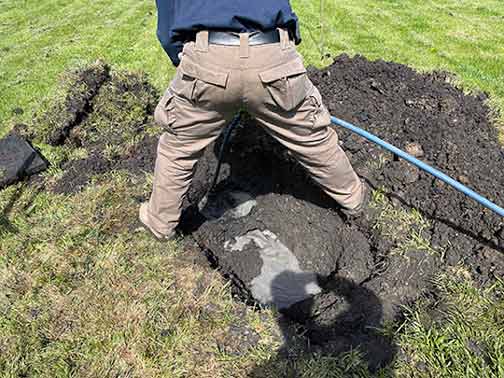
Hydro-jetting does not require trenching. To access the clogged sewer line, the plumber only needs a sewer cleanout where they can insert the hose. Hydro-jetting will save you the cost and inconvenience of digging a trench in your yard. Because you can clean your sewer line without tearing up your lawn, the disruptive impact of this method is minimal.
Environmentally-friendly
Hydro-jetting has zero negative impact on the environment, except that it uses a lot of water. This process will not leave behind any harmful chemical residues that can pollute the soil or nearby water bodies. That makes it the ideal drain-cleaning method for buildings located in ecologically-sensitive areas or people living close to water bodies.
Fast and sanitary
With hydro-jetting, you can have your sewer lines completely cleaned in a single day. Because it does not rely on trenching and will not leave excavated sewage on your lawn, hydro-jetting will not disrupt your lifestyle. Moreover, there is zero risk of you or anyone in your home/office coming into contact with the unsanitary contents in your sewer lines.
Will not damage your plumbing
One good reason to use hydro-jetting is this method can be adapted to the material and age of your sewer pipes. Even for homes with older pipe systems, hydro jetting service is completely safe. That is because the pressure of the water used in the operation can be adjusted to what is suitable for your sewer lines.
Hydro-jetting is probably the only drain-cleaning method that can be deployed as a preventive measure.
Clean pipes thoroughly
The volume and pressure of water used in hydro-jetting mean that water is travelling through the sewer line at sufficient speeds to flush out all debris. Moreover, pressurized water is ejected from the nozzle in different directions, ensuring all debris inside the pipe is dislodged. Hydro-jetting will remove corrosive residues that can damage a sewer line.
Prevents future clogs
Hydro-jetting is probably the only drain-cleaning method that can be deployed as a preventive measure. Other drain-cleaning methods are only useful for clearing clogs; they are reactive. But hydro-jetting your drains once a year will prevent slow drains and clogs. Used as a method of proactive drain care, hydro-jetting can save you a lot of money.
Hydro-jetting is affordable
Hydro-jetting is the most affordable way to maintain your sewer lines. That is because although the upfront cost of hydro-jetting is more than the cost of other drain-cleaning methods, hydro-jetting will prevent all the drain issues that can take money out of your pocket. The effects of hydro-jetting a sewer line are long-lasting; they let you eliminate the need for frequent repairs.
Unfortunately, blocked drains in the home are a common problem. A blocked drain is a huge pain as it will reduce water flow, slow down or prevent drainage, and damage the plumbing. But as Blue Door Realty says, the worst is the possibility of disgusting wastewater backing up into your home.
Thankfully, there are many ways to deal with a blocked drain. Anyone can unclog a blocked drain if they know how to use a rodding machine or snake. But plungers and drain snakes are only good if the cause of the blockage is close to the drain opening.
For blockages deep into the drain system plungers and drain snakes won’t work. Having the right solution to unclog a drain is essential and this will depend on why the clog occurred, where the clog is within the drain, and how long it has been there.
The most common causes of drain clogs are hair, food debris, grease, soap, oil, mineral buildup, and foreign objects that fall in the drain by accident. If any of these foreign objects make it far enough down into the drain pipes, they cannot be dislodged with a plunger.
For such intricate blockages, a high-end solution like hydro jetting is what you need. Hydro jetting will dislodge blockages no matter how far they are down the drain pipe. What is hydro jetting drain cleaning, what are its benefits and when should you use this technique in your home?
Hydro jetting drain cleaning: how it works and its benefits
Hydro jetting removes drain clogs by blasting them with high-pressure water via a special hose threaded into the plumbing system. This has an attached nozzle, which is able to create a stream of high-pressured water with a force of up to 4,000 psi (pound-force per square inch).
This is enough pressure to break down obstructions, shear away tree roots, and remove buildup. Hydro jetting can be used for pipes of various sizes and to resolve the most severe drain clogs. The size and design of the nozzle can be altered to suit the pipe and type of blockage.
What are the advantages of hydro jetting over other methods of drain cleaning?
It is quick
When you have a blocked drain, speed is of the essence. With hydro jetting, you don’t have to wait long before you can start to use your drains again. The process can be completed in a few hours.
It is not messy
Plumbing jobs almost always create a mess. You will not have this problem when you use hydro jetting. Since hydro jetting flushes away the obstructions inside the drain, you will not have to deal with any smelly unsanitary mess.
It is safe
Because you will not come into contact with wastewater from the drain or any stuff inside the pipes, hydro jetting does not expose you or your family to the risk of disease or illness.
Doesn’t use dangerous chemicals
Hydro jetting uses only water. No strong chemicals will be forced into your drain system. So you can be sure of the safety of your pipes and drain.
It is versatile
Hydro jetting can be used for pipes of all sizes and any type of blockage. All that’s needed is a nozzle that matches the size of the pipe and the nature of the problem.
It removes sludge
One of the hardest types of drain clogs to remove is sludge. Whether it is sludge caused by soap scum, oil and grease, or coffee grinds, hydro jetting will remove it completely.
Useful for preventing clogs
You can use hydro jetting to protect your drain pipes and maintain the function of the drain system by having the system flushed occasionally.
Does your drain need hydro jetting?
You will need hydro jetting if any of these drain problems apply to you:
Other solutions have failed
Sewer rodding and drain snakes are no good when removing clogs that lie beyond the opening of your drain. For instance, if you are dealing with sludge buildup, a sewer rodding will only poke holes in the sediment, instead of fully removing it. The problem will return eventually. The best way to deal with blockages that are not easily resolved is to use hydro-jetting.
Major blockages
If you have substantial scale accumulation in your drain pipes, or you are dealing with tree root intrusion, silt, or heavy sludge buildup, the most effective way to solve the problem is with hydro jetting. Mineral/sludge buildup, if not dealt with effectively can damage your drain pipes. Hydro jetting is a more affordable option than replacing sewer lines.
Your drain needs maintenance
If you want a way to maintain drain pipes that is effective but does not take a lot of time, hydro jetting is the recommended solution. It will clear away the debris inside sewer lines and return them to how they were at installation.