Category Archives: water heater installation

Tips for Finding the Ideal Water Heater for Your Home

Tips for Finding the Ideal Water Heater for Your Home

Choosing the right water heater for your home is the most essential step for ensuring the efficiency and longevity of this indispensable household appliance. Most of the issues homeowners have with their water heaters come from mistakes when buying the unit, notes Schambs Property Management team .

Unlike other water heater problems – most of which can be fixed – there is nothing you can do to correct the mistake of buying the wrong water heater for your home. The only two ways to deal with the problem are to keep living with the consequences of your error or buy another water heater.

That is why it is vital to research before buying and installing a new water heater for your home. Your home has unique hot water needs, and not every water heater can meet those needs. That is why, before you pull out your card to pay for a water heater, you must ensure it is the right one for your home.

5 tips to help you find the ideal water heater for your home

Water heater capacity or size

This is the most vital factor when selecting a water heater. A low-capacity water heater will see you running out of hot water, while one with excess capacity will increase energy costs. How do you determine the right size of water heater for your home? The US Department of Energy recommends a 50-60-gallon storage tank for a property of 2-3 people. For larger homes of 3-4 persons, a medium 80-gallon storage tank should be enough. A large tank is the best option if you have more than 4 people in your home. For tankless water heaters, look at the gallons-per-minute ratings and how many gallons of hot water the water heater can deliver within a minute.

The type of water heater

The second most important factor is the type of water heater. There are five types of water heaters, but only two are relevant for this post: conventional storage water heaters and tankless (or on-demand water) heaters. Tankless water heaters don’t have storage tanks but deliver hot water at a steady rate whenever needed. Storage water heaters have a large tank where they store heated water. From an energy-efficiency standpoint, the installation of a tankless water heater is a better option. However, they cost more. Storage water heaters are cheaper but have a shorter lifespan of 10-15 years compared to 20 years for tankless water heaters.

Type, availability and cost of fuel

The type of fuel your water heater runs on affects its size, operating cost and efficiency. Electricity is the most common way water heaters are powered. Electricity is widely available and works with every kind of water heater. Propane and natural gas are other popular options; they are available in most parts of the USA and are less expensive than electricity. Propane and natural gas are also very efficient. Depending on where you live, solar energy is an option worth exploring. Homeowners in the Southwest USA should seriously consider switching to a solar-powered water heater.

Water heater cost

This is not just the cost of purchasing the water heater but the cost of owning it. Storage water heaters have the lowest upfront costs, but maintenance cost rises as the reservoir ages. It costs more to buy a tankless water heater, but the operating cost is lower. Solar water heaters have the highest upfront cost, but this cost is easily recouped since you will not be spending money on electricity or gas. The type of fuel your water heater uses also plays a part in its operating costs. Gas water heaters are more affordable than electric water heaters. Solar water heaters have the overall lowest operating cost.

Water heater maintenance

Storage water heaters suffer from leaks/corrosion and need occasional descaling. If the water in your area is hard, the rate of scaling will be higher, and you will have to drain and flush the tank more often. Scaling affects the efficiency and longevity of your water heater. In addition to flushing the tank yearly, you need to replace the anode rod and relief valves in a storage water heater. But despite how much work it is to maintain a storage water heater, it is easier than maintaining a tankless water heater. Unlike storage water heaters, caring for a tankless water heater is complex.

To conclude, unless you are an expert, it is hard to make the right decision on the best water heater for your home all by yourself. That is why you should consider speaking with a professional plumber as you make these decisions. Remember that if you get it wrong, you will have to live with the consequences of your choices for a very long time.
Choosing the Right Capacity for Your New Water Heater Installation

on demand water heater installation service in chicago.

Are you about to replace the old water heater in your home? If yes, do you plan to install a new unit similar to the old one, or do you plan to upgrade the water heater? There is no better time to review your home’s hot water needs than when you are about to buy a new water heater.

The two things you want to consider when buying a new water heater are how much hot water your home uses and the water heater’s energy efficiency. As Pentwell Properties say you want to buy the right size water heater that meets the family’s hot water needs and also helps you save energy.

How do you do that? The steps for sizing a new water heater for your home depend on the type of water heater you want to install: a tankless water heater or a storage-type water heart. Below are the explanations on how to size these two water heaters.

Sizing a new water heater

How to size a storage water heater

Use the unit’s First Hour Rating (FHR) to size a storage water heater. That is the number of gallons of hot water the water heater can supply per hour when it starts with a full tank. The FHR depends on the tank capacity, the source of heat, and the size of the burner.

You can usually find the FHR for the unit in the top left corner of the EnergyGuide label listed as capacity (first-hour rating). Information about the FHR can also be found in the product literature. Look for a water heater with FHR above your home’s peak hour demand.

The second thing you must know to correctly size a storage water heater is your home’s Peak Hour Demand. That is the number of gallons of hot water the home uses during the peak hour of use. That depends on the number of people in the house. How do you calculate peak hour demand?

On average, each member of your household uses around 12 gallons of water in the shower. Multiply the number of people in the home by 12 (the number of gallons used per person). That is the number of gallons of hot water the water heater must supply during peak hours.

If there are five people in your home, the water heater must be able to supply 60 gallons of hot water during peak hours. That means the water heater must have a first-hour rating above 60 gallons. The peak hour demand must always be lower than the water heater’s FHR.

The water heater’s FHR also helps you determine its yearly cost of operation and estimated yearly energy consumption. This information can be obtained from the EnergyGuide Label, and it is different for gas and oil-powered water heaters versus electricity-powered units.

a new water heater installation that is tankless.

Tankless water heaters do not store water but supply hot water on demand. Sizing these types of water heaters is a bit more complicated.

How to size a tankless water heater

Tankless water heaters do not store water but supply hot water on demand. Sizing these types of water heaters is a bit more complicated. Tankless water heaters are rated according to the maximum temperature rise possible at a given flow rate.

To size a tankless water heater, you must know the flow rate for the different water devices in the home. Depending on whether you are installing a whole-house water heater or the unit is for a specific fixture, you may now determine the required temperature rise at that flow rate.

As a first step, list all the water devices in the home. Add up the flow rates for all the water-utilizing appliances and plumbing fixtures in the house, or add up the flow rates for all water devices you expect to use simultaneously, such as a faucet and showerhead.

If you do not know the flow rate for a device, you can calculate it by holding a pan or bucket under that device. Run the water for a minute and calculate how much water has flowed into the pan or bucket. Typically, this will be between 0.75 gallons and 2.5 gallons per minute.

To calculate the desired temperature rise for the unit, deduct the incoming water temperature from the required output temperature for the water heater. You may assume an incoming water temperature of 50ºF (10ºC) can hold a thermometer under a cold-water faucet to get the temperature reading.

With these details – the flow rate for your home and the required temperature rise for your new water heater – you now have an objective measure for deciding if a tankless water heater is suitable for your home.

In Conclusion

Remember that buying a new water heater is not just about choosing the proper unit. There are other essential considerations, as well as the process of installing the water heater. To get the most out of your new water heater, you may want to talk to a professional before you make any decisions.

Common Mistakes to Avoid When Installing a Water Heater: Expert Insights and Recommendations

Common Mistakes to Avoid When Installing a Water Heater

Installing a water heater can be a complex process that requires careful planning and execution. Whether you are replacing an old unit or installing a brand new water heater, there are several common mistakes that homeowners often make during the installation process. Below we will discuss these mistakes and provide expert insights and recommendations to help you avoid them.

Importance of Proper Water Heater Installation

Before diving into the common mistakes, it is crucial to understand why proper water heater installation is important. A properly installed water heater ensures efficient and reliable operation, reduces the risk of malfunctions and accidents, and can even prolong the lifespan of the unit. By following the correct installation guidelines, you can optimize your water heater’s performance and minimize the need for repairs in the future.

Expert Insights and Recommendations

Neglecting to Properly Size the Water Heater

One of the most common mistakes during water heater installation is selecting the wrong size for your needs. Many homeowners make the mistake of choosing a water heater that is either too small or too large for their household. This can lead to inefficient operation and even higher energy bills.

To avoid this mistake, it is essential to consider the size and occupancy of your household when selecting a water heater. Speak with a professional or refer to the manufacturer’s guidelines to determine the appropriate size for your specific needs. Taking into account factors such as the number of occupants, peak hot water demand, and usage patterns can ensure that you choose a water heater that provides sufficient hot water without wasting energy or money.

Incorrect Placement and Venting

Another common mistake during water heater installation is improper placement and venting. Water heaters require adequate ventilation to ensure proper combustion and safe operation. Vent pipes should be correctly sized, properly sealed, and installed according to the manufacturer’s instructions.

Additionally, water heaters should be placed in an accessible area that allows for easy maintenance and repairs. Avoid installing the unit in a confined space or a location that is difficult to access. Proper clearance around the water heater is also crucial to prevent potential fire hazards and to ensure proper air circulation.

Failure to Install a Pressure Relief Valve

A pressure relief valve is a vital component of a water heater as it helps regulate the pressure inside the tank and prevents excessive buildup. Unfortunately, some homeowners neglect to install or properly maintain this essential safety feature.

During water heater installation, it is imperative to install a pressure relief valve and ensure it is in good working condition. Regular inspection and testing of the valve should be part of your maintenance routine to guarantee its proper functionality. This simple step can prevent the risk of a dangerous pressure buildup and potential damage to the water heater.

Improper Connection of Plumbing and Electrical Components

When installing a water heater, it is necessary to properly connect the plumbing and electrical components. This includes correctly attaching the inlet and outlet pipes, as well as the electrical connections.

Improper plumbing connections can result in leaks and water damage, while incorrect electrical connections can lead to electrical hazards or malfunctions. It is crucial to carefully follow the manufacturer’s instructions and ensure that all connections are secure and properly sealed. If you are unsure about the correct installation process, it is advisable to seek assistance from a licensed plumber or electrician.

Failure to Flush the Tank

A common mistake that homeowners make during water heater installation is neglecting to flush the tank before initiating regular use. New water heaters often contain sediment and debris that can accumulate inside the tank during manufacturing and transportation.

Flushing the tank helps remove these impurities and ensures the longevity and efficiency of the water heater. Failure to flush the tank can lead to reduced performance, decreased energy efficiency, and potential damage to the heating elements. Therefore, it is crucial to follow the manufacturer’s instructions and flush the tank properly before using the water heater.

In Summary

Proper installation of a water heater is crucial for ensuring its optimal performance, efficiency, and longevity. By avoiding common installation mistakes such as improper sizing, incorrect placement and venting, failure to install a pressure relief valve, improper connection of plumbing and electrical components, and neglecting to flush the tank, homeowners can enjoy a reliable and efficient hot water supply while minimizing the risk of malfunctions and accidents.

If you are unsure about any aspect of water heater installation, it is always recommended to speak with a professional plumber or electrician. Their expertise and experience can help ensure a smooth and successful installation process, providing you with peace of mind and the benefits of a properly functioning water heater for years to come.

How Much Does a Water Heater Tank Installation Cost in Chicago? (2025)

water heater installation in chicago.

Installing a water heater tank is a common requirement for many households. The cost of installation varies from one location to another, and Chicago is not an exception. The location, size of the tank, and labor cost are some of the factors that can influence the installation cost. In this article, we will look at some of the factors that affect the cost of installing a water heater in Chicago and how much you can expect to pay.

Factors That Affect the Cost of Installing a Water Heater Tank

The Type and Size of the Water Heater Tank

The type and size of a water heater tank can significantly impact the installation cost. There are different types of water heater tanks that you can choose from, such as gas, electric, and tankless. Gas water heaters are cheaper to run but more expensive to install. On the other hand, electric water heaters are more expensive to run but cheaper to install. Tankless water heaters are more energy-efficient, but they are the most expensive type to install.

The size of the water heater tank also affects the installation cost. Larger tanks are more expensive to install compared to smaller tanks. The size of the water heater tank you choose will depend on your household’s size and hot water demand.

The Location of the Installation

The location of the installation also affects the cost of installing a water heater tank. If the installation is in an accessible area, it will be easier and less expensive to install. However, if the installation is in a hard-to-reach or confined space, it may require special tools and more labor, which will increase the installation cost.

The Labor Cost

The labor cost is another factor that affects the installation cost of a water heater tank. The cost of labor varies from one professional plumber to another. Some local plumbers offer a flat rate, while others charge an hourly rate. The hourly rate is typically higher than the flat rate. The labor cost will depend on the complexity of the installation and the amount of time the plumber spends on the installation.

The Cost of Installing a Water Heater Tank in Chicago

The cost of installing a water heater tank in Chicago will depend on the factors we have discussed above. On average, the cost of a water heater installation in Chicago ranges from $800 to $2000. This cost includes the cost of the water heater tank and the installation cost.

The size and type of the water heater tank you choose will significantly impact the installation cost. For instance, a 40-gallon electric water heater tank can cost between $500 to $700, while a gas water heater tank of the same size can cost between $1000 to $1200.

The labor cost will also vary depending on the complexity of the installation. The cost of labor alone for a water heater tank installation in Chicago ranges from $300 to $800.

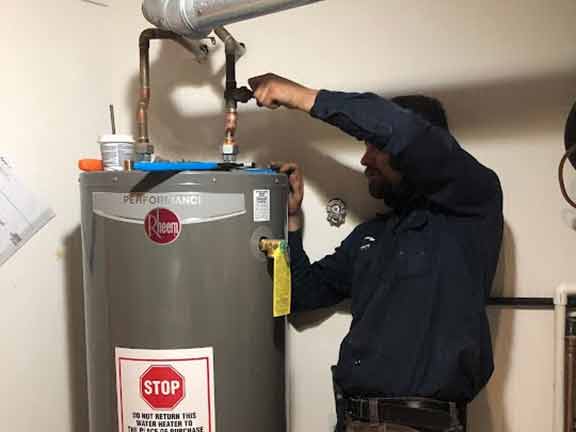
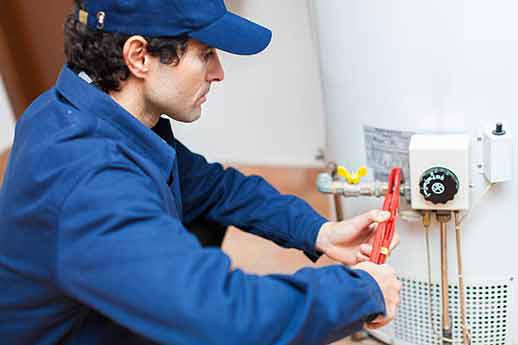
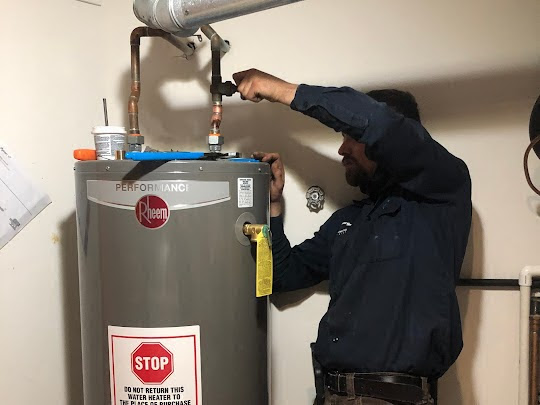
a professional plumber installing a water heater in chicago.

Choosing the right size and type of water heater tank can significantly impact the installation cost.

Tips to Reduce the Cost of Installing a Water Heater Tank in Chicago

There are several ways to reduce the cost of installing a water heater tank in Chicago. Below are some tips:

Choose the Right Size and Type of Water Heater Tank

Choosing the right size and type of water heater tank can significantly impact the installation cost. It is essential to consider your household’s hot water demand and the type of energy source available in your area before choosing a water heater tank. For instance, if you have natural gas available in your area, it may be cheaper to install a gas water heater tank than an electric water heater tank.

Shop Around

Before hiring a professional plumber to install your water heater tank, it is essential to shop around and compare prices. You can get multiple quotes from different plumbers and compare them to find the best price. However, it is also essential to consider the plumber’s experience and qualifications.

Maintain Your Water Heater Tank

Maintaining your water heater tank can help reduce the cost of installation. Regular maintenance can help extend the life of your water heater tank and reduce the likelihood of breakdowns. Some maintenance tasks you can do include flushing the tank annually and checking the temperature and pressure relief valve.

Consider Financing Options

If you cannot afford to pay for the installation upfront, it may be possible to finance the installation cost. Many water heater manufacturers offer financing options that can help spread the cost of installation over a period of time. However, it is essential to read the terms and conditions carefully and ensure that you can afford the payments.

To Sum It Up

The cost of installing a water heater tank in Chicago can vary significantly depending on several factors, including the size and type of the water heater tank, the location of the installation, and the labor cost. On average, the cost of installation ranges from $800 to $2000. However, you can reduce the cost of installation by choosing the right size and type of the water heater tank, shopping around, maintaining your water heater tank, and considering financing options. It is essential to hire a qualified and experienced professional plumber to install your water heater tank to ensure that it is installed correctly and safely.

Interested in having a new water heater installed in Chicagoland? We offer free estimates and can be reached at 773-599-9181 or you can fill out the form below.

error: Content is protected !!