Category Archives: plumbing issues

Top Plumbing Issues That Cause Severe Water Damage

Top Plumbing Issues That Cause Severe Water Damage

Burst Pipes: Understanding the Causes and Solutions

One of the most disastrous plumbing issues that can cause severe water damage in your home is burst pipes. These incidents often occur during extreme weather conditions, particularly in colder climates where freezing temperatures can cause the water inside pipes to expand and eventually crack or explode the pipe walls. However, burst pipes can also result from high water pressure, corrosion, or physical damage.

To prevent burst plumbing pipe emergencies, consider insulating your pipes during winter, especially those exposed to unheated areas such as basements, attics, and garages. Schedule regular inspections to identify any signs of corrosion or wear and tear, and ensure that your home’s water pressure remains within safe levels. Addressing potential issues early on can help you avoid the significant water damage associated with burst pipes.

Leaking Faucets: A Small Drip Leading to Major Problems

Leaking faucets may seem like a minor inconvenience, but over time, they can cause substantial water waste and damage. Persistent drips can lead to water staining, mold growth, and structural damage to countertops and cabinets. The constant presence of moisture can also attract pests.

Regularly check faucets for leaks and promptly replace worn-out washers, O-rings, or cartridges. If you notice persistent issues, it may be time to consider replacing the entire faucet. Taking action sooner rather than later can save you from more extensive repairs and water damage.

Clogged Drains: Preventing Blockages and Overflow Issues

Clogged drains are a common plumbing issue that can lead to overflows and water damage. Hair, soap scum, grease, and food particles can accumulate over time, causing blockages that prevent water from flowing freely. When a drain becomes clogged, water can back up and spill over, leading to water damage in your home.

To prevent clogged drains, be mindful of what you allow to go down the drain. Use drain screens to catch hair and food debris, and avoid pouring grease or oil down the sink. Regularly clean your drains with a mixture of baking soda and vinegar to break down buildup. If you experience persistent clogs, consider contacting a professional drain cleaning service for a more thorough cleaning.

Water Heater Issues: Maintaining Efficient and Safe Operation

Water heaters are essential for providing hot water in your home, but they can also pose a risk for water damage if not properly maintained. Leaks, corrosion, and sediment buildup inside the tank can result in water damage to surrounding areas. Additionally, malfunctioning water heaters can lead to scalding water temperatures, posing a safety hazard.

To prevent water heater issues, schedule regular maintenance checks to flush out sediment buildup and inspect for signs of corrosion or leaks. Ensure that the temperature is set to a safe level and that pressure relief valves are functioning correctly. Regular maintenance can extend the life of your water heater and prevent costly water damage.
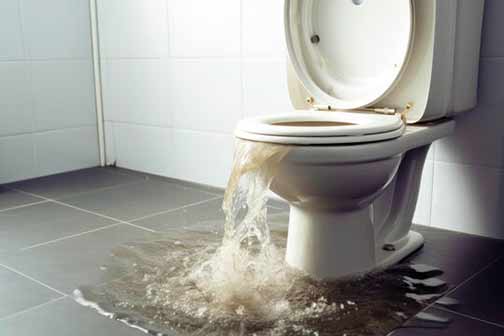
an overflowing toilet.

If you experience frequent toilet overflows, it may be necessary to have a professional plumber inspect your plumbing system for underlying issues.

Toilet Overflows: Addressing Common Causes and Prevention

Toilet overflows are not only a major inconvenience but can also lead to extensive water damage in your home. Common causes of toilet overflows include clogs in the toilet drain or sewer line, malfunctioning float mechanisms, and issues with the fill valve.

To prevent toilet overflows, avoid flushing non-biodegradable items such as wipes, sanitary products, and excessive toilet paper. Regularly inspect the toilet’s internal components to ensure they are functioning correctly and replace any worn-out parts. If you experience frequent toilet overflows, it may be necessary to have a professional plumber inspect your plumbing system for underlying issues.

Washing Machine Hose Leaks: Preventing Unseen Water Damage

Washing machine hoses are often out of sight and can go unnoticed until they cause significant water damage. Over time, hoses can become brittle, burst, or develop small leaks that lead to water damage behind walls or under flooring.

To prevent washing machine hose leaks, inspect hoses regularly for signs of wear and replace them every few years with reinforced steel braided hoses. Ensure that connections are secure and consider installing an automatic shutoff valve that cuts off water flow if a leak is detected. Proactive measures can prevent extensive water damage and costly repairs.

Sump Pump Failures: Safeguarding Your Basement from Flooding

Sump pumps are crucial for preventing basement flooding, especially in homes with a high water table or frequent heavy rainfall. However, sump pump failures can occur due to power outages, mechanical issues, or improper maintenance, leading to severe water damage.

To ensure your sump pump is functioning correctly, perform regular maintenance checks to clean out debris from the pump and pit. Test the pump periodically by pouring water into the pit to ensure it activates and drains the water effectively. Installing a battery backup system can provide peace of mind during power outages. Regular upkeep and testing can prevent sump pump failures and protect your basement from water damage.

Poor Drainage Systems: Ensuring Proper Water Flow and Avoiding Damage

Poor drainage systems can lead to water accumulation around your home’s foundation, causing structural damage and basement flooding. Insufficient grading, clogged gutters, and inadequate downspouts can contribute to poor drainage.

To improve drainage, ensure that your yard slopes away from the foundation and that gutters and downspouts are clean and directing water at least six feet away from the house. Having a French drain installed or surface drain system can also help manage excess water. Proper drainage is essential for preventing water damage and maintaining a stable foundation.

Preventive Measures: Proactive Steps to Protect Your Home

Taking proactive measures is key to preventing plumbing issues that can lead to severe water damage. Regular maintenance, inspections, and prompt repairs can address potential problems before they escalate.

Develop a maintenance routine that includes checking for leaks, inspecting appliances and fixtures, and keeping drains clean. Educate yourself and your family members about proper usage of plumbing systems and the importance of early detection and intervention. By staying vigilant and proactive, you can protect your home from water damage and ensure a reliable plumbing system.

Professional Help and Routine Maintenance: Importance of Expert Intervention

While DIY maintenance can address minor plumbing issues, seeking professional help is crucial for more complex problems and routine inspections. Qualified plumbers have the expertise and tools to identify underlying issues that may not be apparent to homeowners.

Schedule regular maintenance checks with a licensed plumber to ensure that your plumbing system is in optimal condition. Professional inspections can detect potential issues early on, preventing costly water damage repairs. Building a relationship with an emergency plumbing specialist can provide peace of mind and keep your home’s plumbing system functioning efficiently.

Bought a Home with Plumbing Issues: What Should You Do?

Bought a Home with Plumbing Issues

Buying a new home is an exciting milestone in anyone’s life. However, if you discover plumbing issues after moving in, it can quickly turn into a stressful situation. Plumbing problems can range from minor leaks to severe pipe damage, and they require immediate attention to avoid further damage and costly repairs. Here we will discuss the steps you should take if you have purchased a home with plumbing issues, ensuring that you can navigate this situation efficiently and effectively.

Evaluating the Severity of the Plumbing Issues

Before taking any actions, it is essential to assess the severity of the plumbing issues in your new home. Some problems may be minor and easily fixable, while others may require professional intervention. Start by identifying the visible signs of plumbing problems, such as leaky faucets, low water pressure, or water stains on walls or ceilings. These signs can indicate underlying issues that need immediate attention.

If the problems seem minor, you may choose to handle simple repairs yourself or hire a local plumber for assistance. However, for more complex issues, it is highly recommended to seek the expertise of a professional right away. They will be able to assess the situation accurately and provide a comprehensive solution.

Documenting the Plumbing Issues

When encountering plumbing issues in your new home, it is crucial to document everything thoroughly. Take detailed notes about the problems you have identified, along with photographs or videos if possible. This documentation will be valuable during any discussions or negotiations with the seller or real estate agent.

In addition to documenting the issues, it is beneficial to research the potential causes and estimated costs of repairs. Understanding the extent of the problem and the associated expenses will help you make informed decisions when discussing the issues with the relevant parties.

contact your realtor if you have plumbing issues when buying a home.

By notifying the seller or real estate agent promptly, you can initiate the necessary discussions and negotiations to resolve the situation.

Contacting the Seller or Real Estate Agent

Once you have evaluated and documented the plumbing issues, the next step is to contact the seller or the real estate agent. Reach out to them as soon as possible to inform them about the problems you have discovered. It is essential to provide them with the evidence you have gathered, such as photographs or videos, to support your claims.

If the plumbing issues were not disclosed to you during the buying process, this is a critical point to address. In many cases, sellers are legally obligated to disclose any known plumbing issues before selling a property. By notifying the seller or real estate agent promptly, you can initiate the necessary discussions and negotiations to resolve the situation.

Negotiating with the Seller

When discussing the plumbing issues with the seller, it is essential to approach the conversation with a clear objective in mind. Determine what resolution you are seeking, whether it is financial compensation, repairs prior to moving in, or a reduction in the sale price. Having a specific goal will help you navigate the negotiation process and ensure a fair outcome.

Present your evidence and arguments confidently, but maintain a professional and respectful tone throughout the conversation. Stay focused on the facts and potential solutions rather than becoming emotional or confrontational. This approach will increase the likelihood of reaching an agreement that satisfies both parties.

Seeking Legal Advice

In some cases, negotiations with the seller may not lead to a satisfactory resolution. If you believe that the seller purposely concealed or misrepresented the plumbing issues, it may be necessary to seek legal advice. Consulting with a real estate attorney specialized in property related disputes will provide you with the guidance you need to protect your rights and explore potential legal actions.

Before initiating legal action, ensure that you have all the necessary evidence and documentation to support your claims. The attorney will review your case and guide you on the best course of action. Remember, seeking legal assistance should be a last resort, and it is always preferable to reach a mutually agreeable solution through negotiation.

Taking Preventive Measures for Future Plumbing Issues

Whether you have successfully resolved the plumbing issues or are in the process of doing so, it is crucial to take preventive measures to avoid similar problems in the future. Regular maintenance and proactive care can go a long way in preventing plumbing issues before they arise.

Schedule periodic inspections with a licensed plumber to identify any potential problems early on. They can inspect for water leaks in your pipes, assess the condition of pipes, and provide guidance on proper maintenance practices. Additionally, educate yourself and your family members on plumbing best practices, such as avoiding flushing non-flushable items and being mindful of water usage.

To Sum it Up

Buying a home with plumbing issues can be a daunting experience, but by following the steps outlined in this article, you will be better equipped to navigate this situation. Remember to evaluate the severity of the plumbing issues, document everything thoroughly, contact the seller or real estate agent, negotiate a fair resolution, and seek legal advice if necessary. Finally, take preventive measures to ensure the long term integrity of your home’s plumbing system. By taking these steps, you can overcome the initial challenges and enjoy your new home without the burden of plumbing issues.

Plumbing Problems vs. Plumbing Emergencies: What Every Homeowner Should Know

Plumbing Problems vs. Plumbing Emergencies

Problems in your home’s plumbing system are unavoidable, but emergencies in your plumbing system are not. Plumbing emergencies do not have to happen. Homeowners often conflate plumbing problems with plumbing emergencies, but they are not the same according to AIM Real Estate, Inc.

While plumbing emergencies should not ever have to happen in your home, there is nothing you can do to stop plumbing problems from occurring. Problems in your plumbing WILL happen, but if you ignore those problems, they WILL become plumbing emergencies.

Today, we discuss the difference between plumbing problems and plumbing emergencies.

This post will show you the link between plumbing problems and plumbing emergencies. When you finish reading this article, you will see why having plumbing problems in your home should not mean that you will also have plumbing emergencies.

Plumbing problems

These are routine issues that happen in the plumbing system. They are the natural consequences of using the plumbing in the prescribed manner. Plumbing problems stem from wear and tear or aging. They will typically not stop you from using your home’s plumbing fixtures.

Most plumbing problems are not urgent. So you can DIY the problems. Because they are not disruptive, plumbing problems are typically detected during routine use of the plumbing fixtures, and they are solved as part of the home’s regular plumbing maintenance.

Examples of plumbing problems include:

A dripping faucet

The sound of a dripping faucet may be annoying enough to keep you up at night, and the problem can inflate your home’s water bills. But you will still be able to use your faucet despite the issue.

Slow drains

Slow drains are a huge inconvenience and a massive waste of your time (especially if you have to wait for a sink or shower to empty), but they don’t bring your life to an abrupt stop.

Running toilet

Similar to a dripping faucet, a runny toilet is a huge annoyance and a massive waste of money. But this problem will not make your toilet unusable or expose your home to the risk of damage.

Low water pressure

This is another highly frustrating plumbing issue that will waste your time and impair your shower time enjoyment. But you can still live with a low water pressure in your home.

Pipe leaks

Depending on how it happens, pipe leaks are not necessarily an emergency. Leaking pipes that do not damage your flooring, walls, foundation, or landscaping are not an urgent problem.

From the above, you can see that plumbing problems are not pressing. They don’t endanger the structures of your building or prevent the use of your home’s plumbing fixtures.

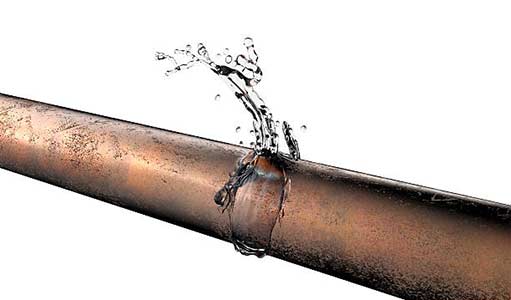
a burst pipe is considered a plumbing emergency.

It is hard to go to sleep when there is a gaping hole in your water pipe, discharging gallons of water into your home. This problem can result in structural damage to your home and massive property loss.

Plumbing emergencies

Emergencies in the home are generally described as those problems that make your home unlivable, and plumbing emergencies fit this description. Plumbing emergencies typically announce themselves by the amount of damage they can do in a short time.

Plumbing emergencies cannot be ignored or solved with DIY methods because speed is vital when dealing with plumbing emergencies. A plumbing emergency’s highly disruptive nature means that it only worsens the longer it takes to solve the issue.

Examples of plumbing emergencies include:

A burst pipe

It is hard to go to sleep when there is a gaping hole in your water pipe, discharging gallons of water into your home. This problem can result in structural damage to your home and massive property loss.

Sewage backup

If raw sewage is oozing from your toilet and floor drains, that is a plumbing emergency. This issue will make your home unlivable and expose you to the risk of ill health. It must be solved immediately.

Gas leaks

A gas leak carries the threat of house fires and death by suffocation. That is not a problem you can afford to ignore. Nor is it one you should attempt to DIY.

Flooding

Whether caused by damage to your home’s plumbing or extreme weather events, a flood inside your home qualifies as an emergency because it is disruptive and very destructive.

No water in your home

A sudden break in your home’s water supply line qualifies as an emergency because the presence of potable water is one of the key things that make a home livable. A qualified plumber should be able to repair your main water line in a timely manner.

Relationship between plumbing problems and plumbing emergencies

Most plumbing emergencies begin as plumbing problems.

When those plumbing problems are undiscovered, ignored or poorly solved, they degenerate to a point where they cause a disaster in the home. That is why the best way to prevent plumbing emergencies in your home is to deal with plumbing problems as soon as you find them.

To stop plumbing emergencies in your home, follow these steps:

  • Have a professional inspect your home’s plumbing on a schedule every year
  • Have your drains professionally cleaned at least once a year
  • Make sure plumbing issues are properly fixed as soon as they are detected

Lastly, you want to ensure that you have a certified and experienced emergency plumber whom you can trust to find and fix the plumbing problems in your home before those issues grow into highly damaging and costly plumbing emergencies.

error: Content is protected !!