Category Archives: plumbing

Maximizing Plumbing Efficiency: Getting Your Chicago Home Ready for Summer

maximizing plumbing efficiency in chicago

An inefficient plumbing system is one in which there is an endless stream of problems. These problems prevent the use and full enjoyment of the system. Maintaining an inefficient plumbing system will cost you more because the problems in the system often tend to be very damaging, warns Specialized Property Management Indianapolis.

Inefficient plumbing systems also decline faster, forcing homeowners to replace the system before they are ready. The result of having such a plumbing system in your home is that there is always a risk of something major going wrong with your plumbing.

Additionally, you deal with ever-increasing plumbing maintenance costs in return for rapidly worsening service from your plumbing system. Furthermore, the problems in your plumbing can spill over and damage the other structures and systems of your building.

As a budget-conscious homeowner in Chicago, how can you prevent unnecessarily spending on your home’s plumbing this summer? What will you do to minimize your plumbing maintenance costs and maximize performance simultaneously?

Tips to maximize plumbing efficiency in your Chicago home this summer

Summer is the season for barbecues, family gatherings and outdoor fun. During this period, your home’s plumbing will see increased use, and that extra burden can worsen existing problems in the system.

To protect your family, friends and wallet from the consequences of avoidable plumbing emergencies this summer, here is a list of things you can do to improve the function of your plumbing.

Check for leaks

Even the smallest leak can have a major impact on the performance of your plumbing. The worst leaks are those that you do not know of their existence. That is because the leaking pipe is inside an inaccessible part of your home. A second type of leak to look out for is those we overlook, such as dripping faucets and running toilets. If you are unable to find a leak in your home, it is a good idea to call for a professional water leak detection service.

Clean and unclog your drains

Drain clogs are also a common problem in plumbing systems. Clogged drains cause issues in the home. They affect indoor air quality, encourage mold growth, and can even cause sewage backup. That is along with the inconvenience of having to deal with slow drains. To fix your drain issues, do not use chemical drain cleaners; call a professional Chicago plumber.

Clear the gutters and downspouts

If gutters are clogged with debris, they can redirect rainwater into your roof. Downspouts that are blocked or positioned wrongly can drain water into the base of your building, thus damaging the foundation. To prevent these problems, inspect the gutters and downspouts for damage and remove any debris inside them. Make sure downspouts are discharging into the right place on the property.

Check your water pressure

Water pressure issues are not just a problem. They are a sign of other problems in your plumbing system. Low water pressure often means there is a leak in your water pipes. Low water pressure is also caused by pipe corrosion. Low water pressure will impair your enjoyment of the home’s plumbing fixtures. High water pressure, on the other hand, will damage your appliances.

Check the sprinkler systems

Summer is when your sprinkler system is used most intensively because your lawn and gardens need more water during this season. If there are leaks and other problems in your sprinkler system, they will have a bigger impact on your finances. Check the sprinkler system to ensure there are no damaged or rusted sections.

Keep an eye on your washer

More people in your home during summer means more work for your washing machine. Kids’ clothes will be dirtier because they will be playing outdoors more often. Family gatherings also increase the number of people who use the appliance. Before the full-onset of summer is the best time to check the washing machine and its connections for leaks and other problems.

Drain your water heater

Whether you will be using the water heater more or less during summer, it is a good idea to flush it. Water heaters accumulate debris and sediment as water passes through them. With the increased water usage in your home, the sedimentation rate inside the water heater will be higher. Draining your water heater helps you avoid problems from disrupting your fun during this season.

Test your sump pump

Finally, you want to be sure that your sump is fully ready to handle the excess water flowing into your basement during this period. Testing the sump pump will let you discover issues that can result in basement flooding due to sump pump failure. If your home doesn’t have one already, a backup sump pump battery system installation is a wise investment.

Finally, to double check that there are no problems in your plumbing system, you may want to hire a professional plumber for a comprehensive inspection.
The Importance of Including Plumbing in Your Spring Cleaning Checklist

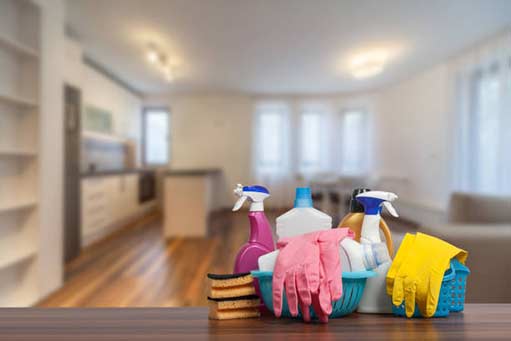
spring cleaning plumbing.

Why Plumbing Should Be Included in Your Spring Cleaning Checklist

Spring is a time of renewal and fresh starts, and what better way to kick off the season than by giving your home a thorough cleaning? While many homeowners focus on tasks like dusting, decluttering, and organizing, it’s important not to overlook one crucial area: your plumbing system.

The Importance of Plumbing Maintenance

Your plumbing system plays a vital role in your everyday life, providing clean water for drinking, bathing, cooking, and more. Without proper maintenance, however, your plumbing system can develop issues that may disrupt your daily routine and even cause significant damage to your home.

By including plumbing maintenance in your spring cleaning checklist, you can detect and address problems early on, preventing them from escalating into more costly and extensive repairs. Additionally, regular plumbing maintenance can help improve the efficiency and lifespan of your plumbing system, saving you money on utility bills and future repairs.

Common Plumbing Issues to Watch Out For

While it’s always a good idea to schedule a professional plumbing inspection to thoroughly assess your system, there are several common plumbing issues that you can keep an eye out for during your spring cleaning:

1. Leaking Faucets

Leaky faucets may seem like a minor annoyance, but they can waste a surprising amount of water over time. Check all faucets in your home for any signs of leaks, such as dripping or a constant stream of water. If you discover a leak, it’s important to repair or replace the faulty faucet promptly.

2. Clogged Drains

Clogged drains are a common plumbing issue that can disrupt your daily routine. Use a drain cleaner or a mixture of vinegar and baking soda to clear any minor clogs. For more stubborn clogs, you can use a plunger or call a professional drain cleaning service.

3. Running Toilets

A running toilet not only wastes water but can also lead to a significant increase in your water bill. If you notice that your toilet continues to run after flushing, it’s essential to address the issue as soon as possible. Often, a running toilet can be fixed by adjusting the flapper or replacing some of the internal components.

4. Water Heater Maintenance

During your spring cleaning, don’t forget to include your water heater in your plumbing checklist. Flush the tank to remove sediment buildup, check for any leaks or unusual noises, and adjust the temperature if necessary. Regular maintenance can help extend the lifespan of your water heater and ensure it continues to provide hot water efficiently.

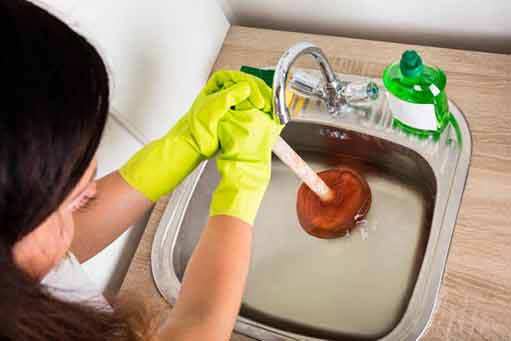
a woman performing a spring drain cleaning.

Clogged drains are a common plumbing issue that can disrupt your daily routine. Use a drain cleaner or a mixture of vinegar and baking soda to clear any minor clogs. For more stubborn clogs, you can use a plunger or call a professional plumber for assistance.

The Benefits of Including Plumbing in Your Spring Cleaning

Now that you understand the importance of plumbing maintenance let’s take a closer look at the benefits of including it in your spring cleaning routine:

1. Cost Savings

By addressing plumbing issues early on, you can avoid more extensive and expensive repairs in the future. Additionally, proper maintenance helps improve the efficiency of your plumbing system, reducing your water and energy bills.

2. Increased Lifespan

A well-maintained plumbing system can have a significantly longer lifespan than one that is neglected. Regular inspections and maintenance help identify and resolve minor issues before they can cause significant damage or lead to system failure.

3. Health and Safety

Plumbing issues, such as leaks or clogs, can create an environment conducive to the growth of mold and mildew. These can lead to various health problems, including allergies, respiratory issues, and infections. By keeping your plumbing system in good condition, you can ensure a healthier living environment for you and your family.

4. Peace of Mind

Knowing that your plumbing system is well-maintained and functioning properly can provide you with peace of mind. You won’t have to worry about unexpected plumbing emergencies disrupting your daily life or expensive repairs catching you off guard.

Tips for Maintaining Your Plumbing System

Here are some helpful tips to keep your plumbing system in top shape:

1. Regular Inspections

Schedule annual professional plumbing inspections to identify any potential issues before they become major problems.

2. Watch What You Flush

Avoid flushing anything other than toilet paper and human waste down the toilet. Items like cotton balls, wipes, and feminine hygiene products can lead to clogs and other plumbing issues.

3. Be Mindful of Grease

Pouring grease down the drain can cause clogs and damage to your pipes. Instead, dispose of grease in a sealed container in the trash.

4. Use Drain Strainers

Install drain strainers in your sinks and showers to catch hair, soap residue, and food particles that can contribute to clogs.

5. Monitor Water Pressure

High water pressure can cause stress on your plumbing system over time, leading to leaks and other issues. Use a pressure gauge to ensure your water pressure is within the recommended range.

In Conclusion

Including plumbing maintenance in your spring cleaning checklist is essential for the overall health and efficiency of your home. By being proactive and addressing plumbing issues early on, you can avoid costly repairs, extend the lifespan of your plumbing system, and ensure a safe and comfortable living environment for you and your family. So, don’t forget to make plumbing a priority this spring!

How to Keep Your Hot Water Running Smoothly Throughout the Holiday Period

How to Keep Your Hot Water Running Smoothly Throughout the Holiday Period

As the holiday season approaches, it is important to ensure that your home is prepared for the increased demand for hot water. With the arrival of guests and the need for more frequent showers and baths, it becomes crucial to keep your hot water running smoothly throughout the holiday period. Here we will discuss some practical tips and strategies to help you maintain a consistent supply of hot water during this festive time.

Perform Routine Maintenance

Before the holiday season kicks in, schedule a routine maintenance check for your hot water system. A professional plumber can inspect your system, identify any potential issues, and make necessary repairs or replacements. This preemptive measure will help prevent any unexpected breakdowns and ensure that your hot water keeps flowing uninterrupted.

In addition to professional maintenance, there are a few simple tasks you can perform yourself:

  • Flush the tank: Sediment buildup can hinder the efficiency of your hot water system. To flush the tank, turn off the power supply, connect a hose to the drain valve, and let the water run until it appears clear.
  • Test the pressure relief valve: The pressure relief valve ensures that excessive pressure doesn’t build up in the tank, which can be dangerous. Test the valve by lifting the lever and allowing some water to escape. If it doesn’t release water or if it leaks continuously, it may need to be replaced.

Insulate the Pipes

One common issue during the holiday season is the heat loss experienced by water pipes as they transport water to different parts of your home. By insulating your pipes, you can minimize heat loss, improve energy efficiency, and reduce the time it takes for hot water to reach faucets or showers.

You can easily insulate your pipes using foam or fiberglass sleeves. Measure the length of the pipes in need of insulation and cut the sleeves accordingly. Wrap the sleeves around the pipes, ensuring a snug fit. Pay particular attention to pipes exposed in unheated areas such as crawl spaces or attics.

Set the Right Temperature

Setting your hot water system to the right temperature can not only ensure a steady supply of hot water but also save energy. The recommended temperature for most households is between 120°F (49°C) and 125°F (52°C). This temperature is considered safe for daily use while preventing any risk of scalding.

During the holiday season, it is common for households to increase the temperature setting due to the higher demand for hot water. However, it is essential to find a balance between comfort and energy efficiency. Adjust the temperature setting based on the number of guests and their hot water needs, but avoid excessively high temperatures that can waste energy.

Time Your Water Usage

Managing water usage during peak demand periods can help ensure that everyone in your household has access to hot water when needed. Consider implementing a schedule or rotation system for showers and baths, allowing time for the water system to replenish between uses.

If you have a dishwasher or washing machine, try to run them during off-peak hours. This way, you can avoid competing for perfect water temperatures with other household members who may need it for personal use.

a new water heater installation that is tankless.

While tankless water heaters have a higher upfront cost, they offer long-term benefits such as energy efficiency, space savings, and an endless supply of perfect temperature water.

Consider a Tankless Water Heater

If you find that your hot water system is consistently unable to meet the demands of your household, you might consider installing a tankless water heater. Unlike traditional storage tanks, tankless water heaters heat water on demand, providing a continuous supply of hot water without the need to wait for a tank to refill.

While tankless water heaters have a higher upfront cost, they offer long-term benefits such as energy efficiency, space savings, and an endless supply of hot water. This type of system is particularly advantageous during the holiday period when hot water demand is at its peak.

Wrapping it Up

By following these tips, you can ensure that your hot water system continues to run smoothly throughout the holiday season. Remember to perform routine maintenance, insulate the pipes, set the right temperature, time your water usage, and consider upgrading to a tankless water heater if necessary.

With these strategies in place, you can provide a comfortable and enjoyable experience for both your family and your holiday guests, ensuring that hot water is readily available whenever needed.

Navigating Plumbing Issues: How to Decide Between Calling a Plumber or the Water Company in Chicago

How to Decide Between Calling a Plumber or the Water Company in Chicago

Chicago, the large city on the shores of Lake Michigan, is known for its stunning architecture, vibrant culture, and deep-dish pizza. However, like any other city, Chicago residents occasionally encounter plumbing issues that require immediate attention. When faced with a plumbing problem, it can be challenging to determine whether to call a plumber or reach out to the water company for assistance. Below we will explore the factors to consider when making this decision, ensuring that you can navigate plumbing issues effectively.

Understanding the Roles of a Plumber and the Water Company

Before diving into the decision-making process, it is crucial to understand the roles of a plumber and the water company. By having a clear understanding of their responsibilities, you can better assess who to contact when faced with a plumbing issue.

Plumber

A plumber is a professional tradesperson who specializes in installing and maintaining systems used for water, drainage, and sewage. They are equipped with the knowledge and tools necessary to repair various plumbing problems, including leaks, clogged drains, and burst plumbing pipe emergencies. Plumbers are usually hired by homeowners or commercial property owners to handle issues that occur within the property’s plumbing system.

Water Company

The water company, also known as the utility company, is responsible for providing clean water to residential and commercial properties. Their primary role is to supply water and ensure the proper functioning of the water distribution system. Additionally, the water company manages the water metering, billing, and infrastructure maintenance. While they may help with some plumbing issues related to the main water supply lines, their responsibilities are focused on the broader water distribution network.

Assessing the Severity of the Plumbing Issue

One of the essential factors to consider when deciding between calling a water line repair plumber or the water company is the severity of the plumbing issue at hand. By assessing the severity, you can determine whether immediate professional assistance is required or if it can be resolved without external intervention.

In some cases, plumbing problems may be minor and easily fixable, even with little to no technical expertise. These may include a dripping faucet, a clogged toilet, or a minor leak. If the issue is straightforward and can be resolved using basic DIY techniques or tools, it is often unnecessary to contact a professional. However, it is essential to conduct research and ensure that you are equipped with the necessary knowledge and tools to address the situation safely and effectively.

On the other hand, significant plumbing issues that pose immediate risks or threats require professional expertise and should be handled by a licensed plumber. These issues may include burst pipes, sewage backups, major leaks, or a complete loss of water supply. Attempting DIY repairs in such situations can lead to further damage, personal injury, or contamination. In these instances, it is crucial to contact a plumber promptly to address the issue and minimize any potential long-term damage.

clogged drain that needs professional drain cleaning.

If the plumbing issue is localized within your property, such as a clogged drain or leaking faucet, the responsibility typically falls on the property owner.

Evaluating Responsibility: Property or Main Water Line

Another factor to consider when deciding between contacting a plumber or the water company is to determine where the plumbing issue originates. Understanding the source of the problem can help identify who holds the responsibility for repairs and maintenance.

If the plumbing issue is localized within your property, such as a clogged drain or leaking faucet, the responsibility typically falls on the property owner. In these cases, it is appropriate to call a licensed plumber to handle the repairs. Plumbers have the necessary expertise to diagnose and fix internal plumbing problems efficiently.

However, if the issue appears to be a result of a problem within the main water lines or the overall water distribution network, it is advisable to reach out to the water company. This is especially true if multiple properties in the area are experiencing similar issues. The water company has the resources and knowledge to address problems that affect the broader water distribution system.

Consider Local Regulations and Water Service Agreements

When it comes to navigating plumbing issues, it is important to consider local regulations and any water service agreements you may have with the water company. These factors can influence your decision on whether to contact a plumber or the water company.

In some instances, there may be regulations in place that dictate specific procedures for handling plumbing issues. For example, certain types of repairs or modifications to the main water line may require approval or coordination with the water company. Understanding these regulations can help ensure that you follow the appropriate protocols when dealing with plumbing problems.

If you have a water service agreement with the water company, it is advisable to review the terms and conditions outlined in the agreement. Some agreements may cover specific types of repairs or maintenance, which would indicate whether it is the responsibility of the property owner or the water company. By familiarizing yourself with the terms of the agreement, you can make an informed decision on who to contact when faced with a chicago plumbing issue.

In Conclusion

When navigating plumbing issues in Chicago, it is essential to carefully assess the situation before deciding whether to contact a plumber or the water company. Understanding the roles of a plumber and the water company, evaluating the severity of the problem, determining responsibility, and considering local regulations and agreements are all critical aspects of making the right choice.

By becoming familiar with these factors and taking them into consideration, you can effectively address plumbing issues in a timely and appropriate manner, ensuring the safety and functionality of your property’s plumbing system. Whether it’s a minor leak or a major water supply disruption, making the right decision will save you time, money, and potential headaches in the long run.

error: Content is protected !!