Overhead sewer systems have become increasingly popular in recent years as an efficient and effective solution for managing wastewater in urban areas. These systems, also known as gravity sewer systems, are designed to transport sewage from homes and buildings to treatment facilities using gravitational force. However, it is essential to assess the cost-effectiveness and environmental impacts of installing an overhead sewer system to ensure that they are the most suitable option for a particular area.
Understanding Overhead Sewer Systems
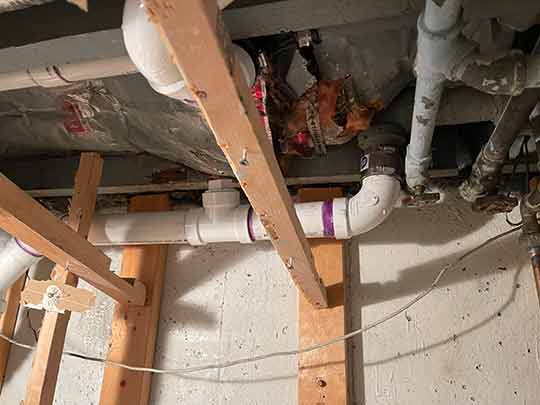
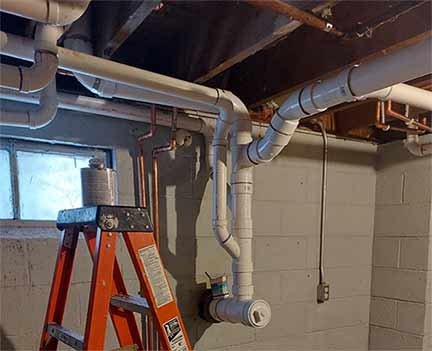
Before delving into the assessment of cost-effectiveness and environmental impacts, it is crucial to have a clear understanding of overhead sewer systems. In these systems, the sewer pipes are positioned above ground instead of being buried underground. The main advantage of this design is that it eliminates the risk of basement flooding emergencies during heavy rain or sewer backups. By raising the sewer lines above the basement level, any wastewater or stormwater can flow directly into the system without causing damage to properties.
Overhead sewer systems typically consist of the following components:
- Pipes: The sewer pipes carry wastewater from various sources to the treatment plant. These pipes can be made of materials such as PVC, concrete, or cast iron.
- Pumps: In some cases, pumps are required to assist in moving the wastewater through the system. These pumps are usually housed in a pump station and help maintain optimal flow rates.
- Control Panels: Control panels are used to regulate the operation of the pumps and monitor the overall performance of the overhead sewer system.
The Cost-Effectiveness of Overhead Sewer Systems
Assessing the cost-effectiveness of overhead sewer systems involves considering both the upfront costs of installation and the long-term savings in maintenance and repairs. While the initial investment for installing an overhead sewer system may be higher compared to traditional gravity sewer systems, the long-term benefits can significantly outweigh the initial costs.
One of the primary advantages of overhead sewer systems is their ability to prevent basement flooding and sewer backups. By eliminating the risk of property damage and the associated costs of cleanup and restoration, overhead sewer systems can provide substantial savings for homeowners and businesses in flood-prone areas.
Furthermore, overhead sewer systems often require less maintenance compared to conventional gravity sewer systems. Since the pipes are positioned above ground, they are more accessible for inspection and repairs. This accessibility reduces the time and labor required for maintenance, resulting in cost savings over the lifespan of the system.
In addition to the direct cost-effectiveness, overhead sewer systems can also contribute to the overall value of older homes. Potential homebuyers and investors are increasingly recognizing the importance of flood protection measures, and properties equipped with overhead sewer systems may command higher prices in the real estate market.
Assessing the Environmental Impacts of Overhead Sewer Systems
While overhead sewer systems offer numerous benefits in terms of cost-effectiveness, it is also critical to evaluate their environmental impacts. Understanding how these systems interact with the surrounding ecosystem is essential for sustainable urban development.
One of the key environmental benefits of overhead sewer systems is their ability to reduce the risk of wastewater overflows and the subsequent pollution of natural water bodies. By preventing sewage backups and overflow incidents, these systems help maintain the water quality of rivers, lakes, and streams, thereby preserving local ecosystems.
Additionally, due to their above-ground nature, overhead sewer systems offer improved accessibility for maintenance and repairs. As a result, any potential leaks or pipe bursts can be detected and addressed promptly, minimizing the risk of long-term environmental damage.
Furthermore, overhead sewer systems can help alleviate the burden on existing wastewater treatment plants. As these systems provide a more efficient means of transporting wastewater, they can help ensure that treatment facilities operate at optimal capacity. By reducing the strain on treatment plants, overhead sewer systems contribute to a more sustainable and environmentally friendly wastewater management infrastructure.
Considerations for Implementation
Before implementing overhead sewer systems, several factors need to be carefully considered:
- Geographical and Hydrological Factors: The topography and hydrological characteristics of the area should be thoroughly assessed to determine the feasibility of overhead sewer systems. Factors such as slope, soil conditions, and proximity to water bodies can influence the system’s effectiveness.
- Cost-Benefit Analysis: Conducting a comprehensive cost-benefit analysis is essential to evaluate the financial viability of implementing overhead sewer systems. This analysis should consider the upfront installation costs, ongoing maintenance expenses, and potential savings in flood damage and sewer backups.
- Local Regulations: Familiarize yourself with local building codes and regulations related to overhead sewer systems. Ensure that all necessary permits and approvals are obtained before commencing any construction or modification work.
- Community Engagement: Engage with the local community and stakeholders to gather their input and address any concerns related to the implementation of overhead sewer systems. Consider hosting informational sessions or workshops to educate residents about the benefits and implications of these systems.
In Conclusion
Assessing the cost-effectiveness and environmental impacts of overhead sewer systems is crucial for making informed decisions regarding wastewater management in urban areas. By carefully evaluating the financial benefits and environmental considerations, municipalities, homeowners, and businesses can determine whether overhead sewer systems are the most suitable option for their specific needs. By implementing these systems appropriately and considering local conditions, communities can enhance the resilience of their wastewater infrastructure while minimizing environmental impacts.