Category Archives: cooking grease

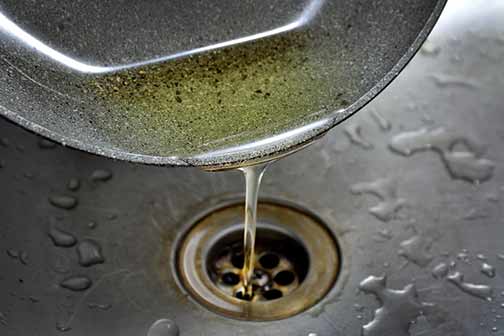
Sustainable Alternatives to Pouring Cooking Grease Down the Drain

Sustainable Alternatives to Pouring Cooking Grease Down the Drain

The Importance of Proper Cooking Grease Disposal

With our contemporary eco-friendly age, we should be aware of the harmful effects of improper disposal of cooking grease. As we embrace sustainable practices, we are able to conserve our environment and escape tragic plumbing issues. In this section, we will talk about why it is bad to pour cooking grease down the drain and provide you with sustainable alternatives that will benefit you and the environment.

The Negative Impact of Pouring Cooking Grease Down the Drain

Most individuals do not realize the effects of pouring cooking grease down the drain. Grease, oils, and fats might appear to be harmless when in a liquid state, but can inflict serious damage on our plumbing system and the environment. Following are some of the reasons why it is important to prevent such improper disposal:

Clogging and Blockages

Pouring grease down the drain may lead to clogged pipes and blockages. As grease cools, it solidifies and sticks to the walls of the pipes, narrowing the passage for water to flow. Over time, this build-up can cause complete blockages, resulting in you needing a professional hydro jetting service.

Sewer System Issues

When cooking grease enters the sewer system, it can combine with other substances and form “fatbergs.” Fatbergs are large accumulations of grease, oil, and other waste materials that block the flow of sewage. These fatbergs can cause sewer backups and overflows, posing health hazards and contaminating water sources.

Environmental Impact

Improperly disposed of cooking grease can have severe environmental consequences. When grease enters rivers, lakes, or oceans, it forms a layer on the water’s surface, preventing oxygen from reaching aquatic plants and marine life. This can lead to the death of fish, birds, and other wildlife that rely on these water sources for survival.
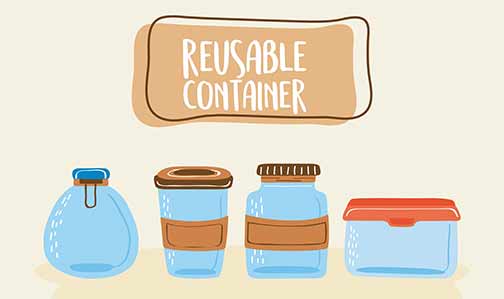
an eco-friendly way to get rid of grease is to put in reusable containers.

Instead of discarding the excess grease, store it in a glass jar or stainless steel container, and place it in the refrigerator until needed again.

Sustainable Alternatives to Pouring Cooking Grease Down the Drain

Now that we understand the negative impact of pouring cooking grease down the drain let’s explore sustainable alternatives that can prevent plumbing issues and protect the environment.

Grease Recycling

Grease recycling is an excellent way to dispose of cooking grease sustainably. Many cities and municipalities have grease recycling programs in place where residents can drop off their used cooking grease. The collected grease is then processed and transformed into biodiesel, a renewable energy source. By participating in these programs, you contribute to a greener future while preventing plumbing problems.

Solidification and Disposal

Another effective method is solidifying the cooking grease before disposal. Allow the grease to cool and solidify in a container and then dispose of it in the regular trash. It is essential to use an appropriate container to prevent leaks and spills. Old cans or glass jars with tightly sealed lids work well for this purpose.

Composting

If you have a composting system in place, some types of cooking grease can be composted. However, it is crucial to check the guidelines of your specific composting program. Generally, small amounts of vegetable based cooking grease can be added to compost bins. Avoid adding meat based fats or excessive amounts of grease, as they can attract pests or create an unpleasant odor.

Reusable Containers

An alternative to pouring grease down the drain is to reuse containers for future cooking. Instead of discarding the excess grease, store it in a glass jar or stainless steel container, and place it in the refrigerator until needed again. This sustainable practice reduces waste and minimizes the amount of grease that requires disposal.

Properly disposing of cooking grease is crucial for the health of our plumbing systems and the environment. By avoiding the temptation to pour grease down the drain, we can prevent clogged pipes, sewer system issues, and environmental damage. Instead, consider implementing sustainable alternatives such as grease recycling, solidification and disposal, composting, and reusable containers. By adopting these practices, you contribute to a cleaner and greener future, while also avoiding expensive plumbing repairs. Let’s make a conscious effort to protect our environment and preserve it for future generations.
What to Do When Your Hot Water Heater Breaks

What to Do When Your Hot Water Heater Breaks

Having a hot water heater is essential for a comfortable and convenient lifestyle. It allows us to enjoy warm showers and clean dishes effectively. However, when your hot water heater breaks down, it can be a major inconvenience. Not only does it disrupt your daily routines, but it also leaves you without access to hot water.

Below we will explore the necessary steps to take when your hot water heater breaks down. By following these guidelines, you can minimize the inconvenience and get your hot water supply restored quickly.

Assess the Situation

When you discover that your hot water heater is not functioning properly, the first thing to do is to assess the situation. Try to identify the specific problem, which will help you determine the appropriate course of action. Common issues with hot water heaters include:

  • No hot water
  • Inadequate hot water supply
  • Strange noises
  • Leaking
  • Pilot light not staying on

Understanding the problem will give you a clearer idea of whether it is something you can fix yourself or if professional assistance is required.

Troubleshoot the Problem

Depending on the issue you have identified, there are various troubleshooting steps you can take to potentially resolve the problem on your own:

No Hot Water

If there is no hot water at all, the first thing to check is the power supply. Ensure that the circuit breaker for the hot water heater is switched on. If it is already on, try resetting the breaker by turning it off and then back on again. Additionally, check if the pilot light is lit. If not, you may need to relight it following the manufacturer’s instructions.

Inadequate Hot Water Supply

If you are not getting enough hot water, the thermostat settings might be incorrect. Check the thermostat on the hot water heater and adjust it to a higher temperature if necessary. However, be cautious not to set it too high, as it can be a safety hazard.

Another potential cause for inadequate hot water supply is sediment buildup in the tank. Over time, minerals and debris can accumulate, reducing the efficiency of your hot water heater. Consider flushing the tank to remove any sediment. Refer to the manufacturer’s instructions or seek professional guidance if needed.

Strange Noises

If your hot water heater is making unusual noises, such as popping or cracking sounds, it could be an indication of mineral buildup or a broken heating element. Flushing the tank may help resolve the issue if it is due to sediment. However, if the noises persist, it is advisable to contact a professional plumber to inspect and repair or fully replace your water heater.

Leaking

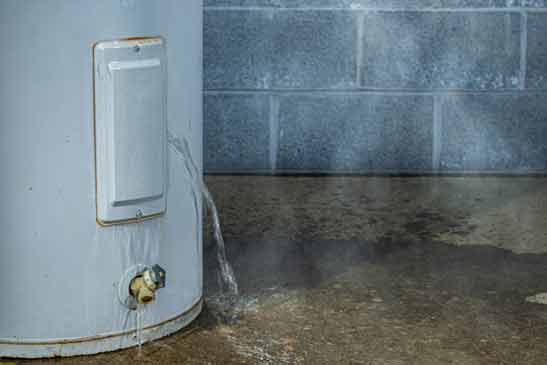
A leaking hot water heater requires immediate attention as it can lead to water damage and higher utility bills. First, turn off the power supply to the hot water heater and shut off the water supply valve. Place a bucket under the leak to collect any dripping water. To prevent further damage and potential flooding, contact a professional plumber to assess the situation and repair the leak.

Pilot Light Not Staying On

If the pilot light on your hot water heater keeps going out, it may be due to a faulty thermocouple. The thermocouple is a safety device that detects if the pilot light is functioning correctly. If it is not, the gas supply to the burner will be shut off. In this case, it is recommended to consult a professional technician who can replace the thermocouple for you.

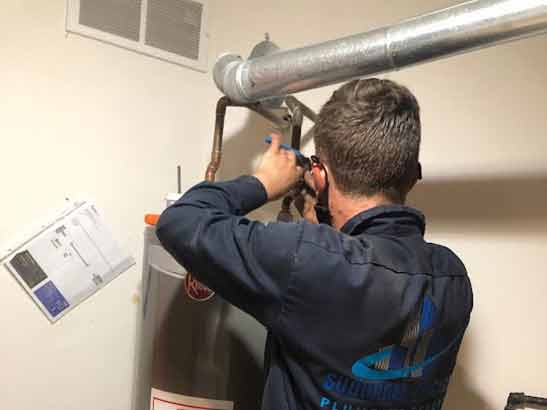
a professional plumber repairing a water heater.

Professional plumbers and technicians have the expertise, tools, and knowledge to diagnose and repair complex problems with hot water heaters.

Seek Professional Help

While troubleshooting the problem yourself can be effective for minor issues, there are situations where professional assistance is necessary. If you encounter any of the following scenarios, it is advisable to contact a licensed plumber or technician:

  • Gas leaks or smell of gas
  • Major leaks or flooding
  • Electrical issues or malfunctions
  • Problems with the gas burner or heating element
  • Faulty or damaged components

Professional plumbers and technicians have the expertise, tools, and knowledge to diagnose and repair complex problems with hot water heaters. They can ensure that the repair is performed safely and effectively, restoring your hot water supply in no time.

Consider Repair or Replacement

After assessing the situation and determining the cause of the problem, you need to consider whether to repair or replace your hot water heater. Factors to consider include:

  • The age of your hot water heater
  • The extent of the damage or malfunction
  • The cost of repair compared to the cost of a new unit
  • The energy efficiency of your current hot water heater

If your hot water heater is relatively new and the issue is minor, repairing it may be the most cost-effective choice. However, if the unit is old, experiencing frequent breakdowns, or has major issues, it may be more economical in the long run to replace it with a newer, more energy-efficient model.

Preventative Maintenance

Regular maintenance can help prolong the lifespan of your hot water heater and prevent unexpected breakdowns. Some essential maintenance tasks include:

  • Flushing the tank to remove sediment buildup
  • Inspecting and replacing the anode rod as needed
  • Testing the pressure relief valve
  • Checking and adjusting the thermostat settings
  • Removing debris from around the hot water heater

Furthermore, scheduling annual professional maintenance can ensure that your hot water heater is in optimal condition. A professional plumber nearby can inspect the unit, identify any potential issues, and perform necessary repairs or adjustments.

In Conclusion

Dealing with a broken hot water heater can be inconvenient, but by following the steps outlined in this article, you can minimize the disruption and quickly restore your hot water supply. Remember to assess the situation, troubleshoot the problem if possible, seek help from a local plumber when needed, and consider repair or replacement options. Additionally, practicing preventative maintenance can reduce the likelihood of future breakdowns and extend the lifespan of your hot water heater. By taking proactive measures and addressing issues promptly, you can ensure a reliable hot water supply for your household.

error: Content is protected !!