Author Archives: Chicago Plumbing Experts

Revolutionize Your Home’s Plumbing: The Case for Repiping

Revolutionize Your Home’s Plumbing: The Case for Repiping

Plumbing systems are the most important life-sustaining system in a house, notes Heritage Management Services. They deliver clean water, which is essential for the well-being of your family, wherever it is needed inside your home. At the same time, they remove wastewater that can pose a health risk to your household.

Your home’s plumbing never stops to take a rest; it works night and day, in summer and winter. However, this demand eventually takes its toll on the system, with the result that after some years, your plumbing will start to show signs of aging, with an increasing tendency to malfunction.

When this happens, the plumbing problems in your home will increase in both frequency and intensity. There is a chance that you will start to see previously unexperienced issues like:

  • Frequent leaks: Leaks can happen even in newly installed plumbing systems. However, with aging systems, you are likely to see multiple leaks in your home at the same time, with recurring leaks in the same places.
  • Low water pressure: Gradual/sudden drops in water pressure are a common issue in aging plumbing. This is due to years of corrosion and buildup that narrow the pipe channels, restricting water flow.
  • Discolored water: Brown, rusty, or yellow water from your faucets and plumbing fixtures is evidence that rust and other contaminants (including soil) are present in your home’s water supply.
  • Corroded pipes: Visibly corroded water pipes and drain lines can result from installing mismatching metal pipes in the plumbing or aging plumbing systems.
  • Noisy pipes: As the plumbing ages, the fittings that once held the water pipes in place may become loose, leading the pipes to bounce around and make strange noises inside your home.
  • Water damage: Unexplained watermarks on your ceilings, walls, and flooring may be from your aging pipes. In the worst cases, these problems can result in structural damage to your building.
  • Spikes in your water bill: A sudden increase in your home’s water bill without an accompanying increase in your water usage often indicates the presence of hidden leaks in your plumbing.
  • Bad-tasting or smelly water: Sometimes, leaks and corrosion will betray their presence in your plumbing system by leaving an unpleasant taste or smell in your water supply.

What can you do about these problems? You may try to solve the individual issues listed above. But if you do that, you will be ignoring the cause and focusing on the symptoms of the problem. That will only cost you money and time, without yielding any meaningful results.

If the plumbing pipes in your home are old and near or past the end of their service life, the best solution to the problem is to repipe your home. Repiping your home will solve your plumbing issues and update the plumbing system to make it more resilient and efficient.

Repiping your home: what you need to know

Repiping your home will reset your entire plumbing system by replacing outdated pipes and connections with new ones. This comprehensive refresh will address the lingering issues in your plumbing while minimizing the risk of future problems.

What does the repiping process look like?

  1. Assessment and pipe removal

Factors that will affect the cost and duration of the project include the size and layout of your house, as well as the location of the pipes and how accessible they are. Bigger homes will have more pipes, and this will require more men and materials. If there are pipes in the hard-to-reach areas of the house, such as crawlspaces and closets, removing and replacing them will involve significantly higher labor costs.

  1. Selecting pipe materials

Typically, you will have three options: copper, PEX, or CPVC pipes. Each material has its unique pros and cons. Copper pipes are resistant to bacteria and long-lasting, but they are expensive. PEX pipes are corrosion-resistant and less prone to bursting, but they are susceptible to UV light and rodent damage. CPVC pipes are not flexible and have lower heat resistance, but they are affordable and easy to install.

  1. Plan for disruptions

Repiping your home will upset your household’s normal schedule. There is a possibility that walls and floors will be opened to access the pipes inside them. This not only means disruptions to your water supply, but you will have to deal with a lot of noise and dust, with the risk of damage to your furniture and belongings. If you choose to move out of your home temporarily, that will be an additional cost.

As you may already see, repiping your home’s plumbing is a major cost. This is not a project you want to start unless you are sure of the quality of the plumber you are hiring for the job. What are some of the things you want to look out for in your chosen plumber?

They must be licensed and fully insured to cover the potential risks and liabilities that come with repiping a home. They should have expertise in these kinds of projects and be willing to let you verify that claim. Lastly, they should be transparent and detailed in their pricing.

Why You Should Schedule Yearly Commercial Plumbing Inspections

Why You Should Schedule Yearly Commercial Plumbing Inspections

Plumbing systems are the unsung heroes, working night and day in your commercial building to ensure your premises are safe and clean for everyone using them. Every minute of the day, they deliver clean water wherever it is needed while efficiently removing wastewater, says White Robbins Management.

If your plumbing systems were to malfunction for just one day, it would bring all the business activities in your building to a screeching halt. This is why, although the plumbing is not directly involved in the day-to-day operations of your business, it is vital to its continued success.

Despite this fact, plumbing system maintenance is not one of the things commercial building owners and operators consider when mapping the key factors needed for business growth. In most commercial buildings, plumbing maintenance is simply an inconvenient afterthought.

If the plumbing is given any attention, it is done grudgingly because businesses do not see a direct connection between efficient plumbing systems and their business goals. As such, they view money spent on plumbing maintenance as a cost, rather than an investment.

Potential impact of plumbing problems on a commercial building

But here are some things that can happen to your commercial building and the businesses operating out of it when you neglect your plumbing:

  • Avoidable business downtimes: Blocked drains, water heater problems, and leaky pipes can stop or slow down your business activities, leading to a loss of revenue.
  • A damper on staff morale: Slow drains, malfunctioning toilets, bad odors from blocked drains, and similar issues may place a psychological burden on your staff.
  • Irreparable reputational damage: Customers and visitors pay enough attention to your toilets. Malfunctioning plumbing systems create a bad impression with clients.
  • Severe health and safety problems: Stagnant water and slippery floors from plumbing leaks increase the risk of accidents and diseases in your building.
  • Exposure to preventable lawsuits: With the increased risk of accidents, due to poorly-maintained plumbing systems, comes increased exposure to random lawsuits.
  • Costly property damage: This includes structural damage to your building, from water line and drainpipe leaks, as well as damage to office equipment and furniture.
  • Unnecessary compliance issues: The possibility of problems with the authorities, with risks of heavy fines, loss of operational license, and even business closure.

These problems can be avoided with periodic inspections of the plumbing system as part of your commercial building’s preventive plumbing maintenance plan. How does this work?

Scheduled plumbing inspections: why your commercial building needs them

A plumbing inspection is a detailed check of your building’s entire plumbing system. It involves a thorough evaluation of the physical condition and operational status of the pipes, connections, fixtures, and appliances to identify potential issues in the plumbing system.

These checks are typically done on a seasonal, biannual, annual, or biennial basis. The frequency of the inspection depends on the past problems in the plumbing, the age of the system, the volume of water used in your building, and the severity of seasonal temperature changes in your area.

During a typical plumbing inspection, the following checks are done:

  • Water supply lines are examined for signs of leaks, corrosion, and low/high water pressure. 
  • Drainage pipes and waste lines are checked for proper flows and blockages.
  • Sinks, toilets, and showers are checked for corrosion, blockages, leaks, and other issues.
  • Water-using appliances, including water heaters, dishwashers, and boilers, are checked for leaks, signs of wear, and performance issues.
  • Sewer line inspections are usually only included in yearly and biennial plumbing inspections.
  • Vent stacks in the plumbing systems are checked for proper function.

Why do you need scheduled plumbing inspections in your commercial building?

  1. Prevent costly plumbing emergencies

Scheduled inspections allow you to stay ahead of the issues in your commercial plumbing systems. By detecting faults early and preemptively solving them, it is possible to minimize the impact of plumbing problems on your building, business operations, and profits.

  1. Make a good impression with customers

The appearance and performance of your building’s plumbing system is an integral part of your brand. Negative perceptions of the building’s physical systems by customers will spill over into how these people interact with your business and products.

  1. Maximize every dollar spent on your plumbing

Scheduled plumbing inspections help to ensure maximum returns on every dollar you spend on plumbing maintenance. When you inspect your plumbing regularly, you not only optimize the operation of the system, but you also save money.

  1. Peace of mind for you and your staff

Efficient plumbing systems help eliminate the little annoyances that interfere with employee output. They relieve you of the fear of litigation from plumbing accidents or incidents in your building. By ensuring compliance with existing codes, they help you avoid problems with the authorities.

From a strictly business point of view, it makes absolute sense to inspect your commercial building’s plumbing systems on a schedule. Taking this step not only protects your business from unexpected plumbing problems, but it also helps ensure business profits.

However, these all depend on the quality of the commercial plumber you hire to inspect your plumbing.

Common Plumbing Myths That Cost New Homeowners More Than They Think

A person holding a wallet and a dollar bill

Buying your first home is an exciting milestone. Along with the joy of owning your own space comes a long list of responsibilities, including the upkeep of essential systems like plumbing. Unfortunately, many new homeowners fall victim to widely believed plumbing myths—ideas that sound logical but can lead to expensive damage and unnecessary stress.

Whether it’s using popular household remedies or trusting outdated advice, these misconceptions can silently wreak havoc behind your walls. Understanding the truth behind these myths can save you time, money, and future headaches. This article uncovers the most common plumbing myths and explains why new homeowners should leave them behind for good.

You Can Flush Anything That Fits

One of the most damaging myths is the belief that if something fits down the toilet, it’s safe to flush. Items like paper towels, baby wipes, feminine hygiene products, and even “flushable” wipes may seem harmless, but they often don’t break down properly in plumbing systems.

These items can cause serious blockages in your pipes or damage your home’s septic system. Always stick to flushing human waste and toilet paper. Everything else belongs in the trash. Even products labeled “flushable” can mislead homeowners and create costly plumbing nightmares.

Plumbing Myths: Lemons Clean Your Garbage Disposal

Dropping lemon peels into the garbage disposal may make your kitchen smell fresh, but it doesn’t clean the appliance. Citrus peels can dull the blades over time and may even clog the drain, especially in older systems or if used too frequently.

Proper cleaning of the garbage disposal requires more than a pleasant scent. Use cold water and a small amount of dish soap while the disposal is running to clean it safely. For deeper cleaning, a few ice cubes can help dislodge debris and sharpen the blades.

A Dripping Faucet Isn’t a Big Deal

That slow drip from your bathroom or kitchen faucet might seem like a minor annoyance, but it’s far from harmless. A single dripping faucet can waste gallons of water every day. Over time, that adds up—not just to your utility bill, but in the wear and tear on your plumbing system.

Beyond the cost of wasted water, a consistent drip can signal issues like high water pressure or a failing valve, both of which should be addressed before they develop into more serious problems.

Store-Bought Drain Cleaners Are Safe and Effective

Many people assume that store-bought chemical drain cleaners are the fastest and cheapest way to deal with clogs. However, these products often contain harsh chemicals that can corrode your pipes, especially if used frequently.

The damage isn’t always immediate, which is why this myth persists. Over time, repeated use can weaken your plumbing, leading to costly repairs or even the need for replacement pipes. When you encounter a clog, it’s often better to use a plunger or a plumber’s snake. If those don’t work, calling a professional drain cleaning service is the safer route.

All Plumbers Are the Same

Hiring just anyone with a toolbox and a wrench is a mistake that many new homeowners make. Not all plumbers have the same level of training, certification, or experience. Choosing the wrong plumber can result in shoddy work, hidden damage, or even code violations that affect your home’s value.

Before hiring someone, always verify their credentials, read reviews, and get a written estimate. A good plumber will not only fix the issue but also help you understand how to prevent it from happening again.

Low Water Pressure Is Normal in Older Homes

It’s easy to chalk up low water pressure to the age of your house, but that’s rarely the real cause. Low pressure is often the result of sediment buildup in pipes, partially closed shut-off valves, or hidden leaks in the plumbing system.

Ignoring this issue can lead to further deterioration and more severe plumbing problems. If your new home has consistently weak water flow, it’s a sign that a deeper inspection is needed, not something to be ignored as “just how the house is.”

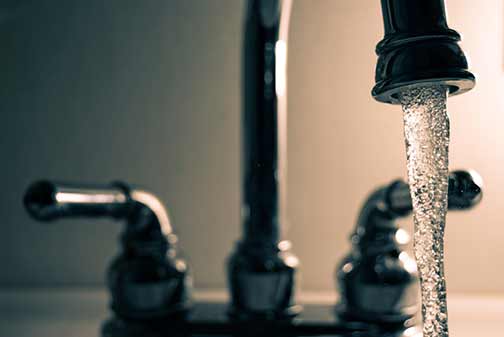
Stainless faucet
One of the most common plumbing myths is that low pressure is normal in older homes.

Water Heaters Don’t Need Maintenance

Many people mistakenly believe that their water heater will work fine without regular upkeep. But water heaters, like any appliance, need maintenance to operate efficiently and last longer.

Sediment from minerals in the water can build up at the bottom of the tank, reducing efficiency and increasing energy costs. Over time, this can lead to overheating and tank failure. Flushing the tank once a year and checking the anode rod are simple steps that can prolong the life of your water heater significantly.

Moving Means You Don’t Need to Worry About the Plumbing

It’s common for people to assume that when they move into a new house, the plumbing has already been checked and is in great shape. Unfortunately, that’s not always true. Previous owners may not have kept up with maintenance, or they may have used temporary fixes to hide bigger problems.

If you’re in the middle of packing up your household for a move, try using a few smart packing hacks—like color-coded labels and suitcase storage—to keep things organized and stress-free. This way, you will have time for plumbing inspections. This is a crucial time to identify any issues before settling in. A licensed plumber can provide peace of mind with a thorough inspection and ensure your new home’s system is functioning properly from day one.

If It’s Not Leaking, It’s Fine

A lack of visible leaks doesn’t always mean your plumbing is in great shape. Some of the most damaging leaks happen behind walls, under floors, or in crawl spaces—areas most homeowners rarely check.

These hidden leaks can lead to mold growth, structural damage, and ballooning water bills. Keeping an eye on your water meter, looking for signs of moisture or discoloration on walls, and scheduling occasional inspections can help catch problems before they get out of hand.

DIY Repairs Always Save Money

While DIY projects are tempting for cost-saving reasons, plumbing is one area where taking shortcuts can be expensive. You might be able to replace a washer or tighten a loose pipe on your own, but larger problems like pipe replacement, fixture installation, or leak detection require professional skills.

Improper repairs often lead to bigger issues down the line. If something goes wrong, you may end up paying far more than if you had called a licensed plumber from the start. Know your limits and don’t hesitate to bring in help when needed.

Several handheld tools on white paper
Improper repairs often lead to bigger issues down the line.

Final Thoughts: Small Mistakes Can Turn Into Big Problems

Myths and misinformation are everywhere, and when it comes to plumbing, believing the wrong advice can lead to some truly expensive lessons for new homeowners. Whether it’s underestimating a drip, misusing your garbage disposal, or trusting that a flushable wipe will do no harm, these small mistakes can snowball into big problems.

Understanding the truth behind common plumbing myths gives you the power to make smarter decisions and avoid preventable issues. Remember, it’s better to invest a little time and money upfront than to face unexpected plumbing disasters down the road. Your home deserves care from the ground up, including the pipes that keep everything flowing smoothly.

Unmasking the Mystery: Why Summer Brings Out the Worst in Your Drains

Why Summer Brings Out the Worst in Your Drains

Every season of the year comes with its peculiar challenges for your plumbing. Summertime is when your drainage system is more likely to suffer from leaks, clogs, and blockages, says Keyrenter Boise Management. This is partly due to the impact of summer heat on the pipes and connections in the system.

Summer heat waves cause plumbing pipes and components to expand excessively, leading to misalignment and weaknesses in sections of the system. These problems can affect underground drainage lines, predisposing them to fractures, leakages, and other issues.

But heat is not the only source of problems for your drainage system during summer. With the kids at home most of the time, warmer weather and longer days mean more outdoor activities for you, your family, and friends. This can affect the performance of your drainage system.

That’s because higher temperatures, more people in the home, and more outdoor activities cause your water usage to increase, with spikes in the volume of wastewater and debris flowing into the drains. This increased pressure can cause drainage problems in your home during summer.

What are the common summer drainage problems in homes, and how can you avoid them?

Common summer drainage problems in homes

  1. Clogs and blockages

These are the number one threats to the smooth operation of your drainage system during summer. The problem comes from three principal sources:

  • Improper disposal of FOG: FOG is fats, oils, and grease. Inside your drain lines, fats, oils, and grease congeal into a hard, sticky substance that increases the risk of blockages in the system. FOG poses a problem to your drains at any time of the year. However, the threat is particularly worse in summer, due to the likelihood that barbecues and outdoor activities will generate large volumes of FOG.

  • Improper disposal of food waste: More meals mean more food scraps. These scraps may find their way into the drainage system via sinks and other drains, because it is easy to throw food waste into the drains since they are accessible. One way to solve this problem is to place trash bins at strategic locations whenever you have a cookout.

  • Wet wipes in the toilet: Items such as wipes, paper towels, napkins, floss, diapers, feminine hygiene products, etc. are more likely to end up inside your toilet when you have a lot of people in your home. Ideally, nothing but human waste, water, and toilet paper should enter the toilet. If this is not possible, you may want to take steps to have your drains professionally cleaned.
  1. Tree root intrusion

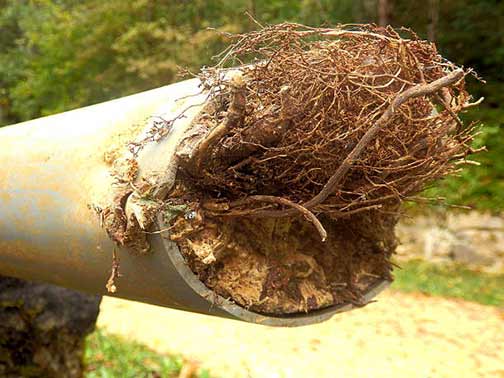
Tree roots achieve their peak growing season during summer when there is abundant rainfall and warmer temperatures. This increased activity can set nearby tree roots on a collision course with underground drainage pipes. Tree roots can displace drainage lines by growing around them or pierce the pipes to gain access to the nutrient-rich water inside them.

  1. Sewer line overflow

Heavy summer rains also pose a threat to your sewer lines. If the sanitary sewer lines are linked to the storm sewers, heavy rains can overwhelm the system and cause raw sewage to back up into your home. Rainfall can also overload municipal sewer lines, forcing their contents into your sewer system and overflowing them.

  1. Bacterial growth in drainage lines

Warmer temperatures create the perfect environment for bacterial growth inside your sewer system. This is a common problem in kitchen drainage systems where the pipes are filled with small bits of food scraps. The resulting organic activities inside the pipes can cause the drains to emit a bad odor.

Professional drain cleaning before the onset of summer helps to minimize the risk of clogs and blockages in your drainage system.

How to prevent summer drainage problems in your home

  1. Proper waste disposal

Deal with the problem by addressing the root causes of the issues in your drainage system. Educate your household on the right and wrong ways to use the drainage system. Install drain sieves where possible to help keep debris out of the drains. Provide alternative waste disposal in toilets and other high-risk areas.

  1. Hydro jetting and sewer rodding

Professional drain cleaning before the onset of summer helps to minimize the risk of clogs and blockages in your drainage system. If there is a buildup of grease, sludge, or lime scale, as well as tree roots inside the pipes, hydro jetting or sewer rodding will remove the debris. Professional drain cleaning ensures optimal flow inside your pipes throughout summer.

  1. Backflow preventer and root barriers

A backflow preventer will stop wastewater from backing into your home if the stormwater management system or city sewer lines become overwhelmed from heavy rain. Tree root barriers help to keep tree roots away from your drainage system. They are a great alternative if you don’t want to cut down your trees.

Lastly, a yearly assessment of your home’s plumbing by a professional plumber will keep the system up-to-date and robust enough to handle all threats. This evaluation not only solves the existing issues in your plumbing, but it also preempts future problems and prepares the system to handle them.

What Your Plumbing Is Telling You: A Guide to Identifying Noises

What Your Plumbing Is Telling You: A Guide to Identifying Noises

Why does your home make strange noises, especially at night when it’s all quiet and you’re trying to sleep? No, your house is not haunted by a five-hundred-year-old ghost, and your building is not about to collapse.

The noises you hear are probably just your plumbing acting up and creating all these weird effects, says LRES Casselberry Management. Below, we explain why the pipes and plumbing fixtures in your home are making strange noises and what you can do about them.

  1. High water pressure (humming and vibrating sounds, water hammer)

If the water pressure inside your pipes is too high, you will hear strange noises from your plumbing. High water pressure causes pipes to hum and vibrate. You may also hear the sound of banging, something known as water hammers. Water hammers often happen when you turn a faucet on; the sudden rush of water hitting the pipe components is what causes the pipes to clang and vibrate.

Pipes will also clang and rattle if the flow of water stops abruptly as the faucet is turned off. To solve this problem, find the root cause of high-water pressure in your home. If the problem is from the city water supply, there is not much you can do. Installing a water pressure regulator or pressure-reducing valve (PRV) will help to even out the water pressure inside your pipes.

  1. Clogged water pipes (clanging and banging sounds, water hammer)

Sediment buildup inside water pipes, as a result of hard water or corrosion, can cause your plumbing to make strange noises. Because of their narrowed channels, water pressure inside these clogged pipes will be higher. Sediment can cause abrupt stoppage or slowing of water, resulting in sudden surges in pressure and the resulting water hammers.

The force of water hitting clogged sections inside the pipes can also knock pipes and pipe connections out of position, causing those loose sections to make noises. Mineral buildup in the air chambers of water pipes can cause strange noises in the system. To address these issues, you must deal with the root cause of the buildup within your pipes.

  1. Loose plumbing components (rattling, whistling, and squealing)

Loose components, such as fasteners and washers, can make strange noises in your plumbing. For instance, worn-out or loose washers might make a squealing noise as surging water forces them to rub against the other parts of the system.

Copper pipes also tend to make whistling and squealing noises as they rub against nearby drywall or the wooden features of your home. This is largely due to their malleability and ability to expand and contract quickly.

To fix annoying sounds from copper piping, insulate the pipes or reduce the temperature of your hot water slightly. To deal with noises from loose plumbing components, find the moving parts and replace or tighten them.

  1. Noisy water heater (clanging, hissing, rumbling, whistling)

A noisy water heater tank is a potentially life-threatening problem; it should not be taken for granted. If your water heater tank is making strange noises, water pressure and temperature levels inside the tank may be reaching dangerous levels.

This problem is caused by high rates of sediment buildup inside the tank, maybe as a result of hard water or corrosion. The accumulated buildup within the tank traps heat, causing the water inside the tank to constantly overheat. High temperatures from excessive buildup also cause the water heater tank to expand and contract erratically.

These are the reasons why your water heater tank makes strange noises. An overheating water heater is not only prone to leaks, but it is an explosion waiting to happen. To fix the problems, drain the water heater, ensure the TPR valve is working, and have a professional plumber check the heating element or anode rod.

  1. Clogged drain lines (bubbling, gurgling and sucking sounds)

A clogged or blocked drainage line is likely to make strange sounds. Your drains will also make strange noises if the vent stack is blocked. These sounds come from the trapped air inside the system. Not having a way to exit the pipes, sewer gases and vapors can force their way out through toilets, sinks, and floor drains.

The sounds you hear inside your home may come from the trapped water inside your drain lines pushing its way out through the onrushing water in your toilet. To solve this problem, avoid behaviors that allow items such as grease, food debris, paper products, etc., to enter the drainage pipes.

Also, get rid of the materials blocking your drain lines by hydro jetting the pipes. If there are tree roots within the pipes, you may want to remove the trees or set up tree root barriers.

Beyond fixing the strange noises in your plumbing, is there a way to stop this problem from happening? Yes, there is. A comprehensive plumbing inspection done annually by a qualified plumber will help you identify the potential cause of strange noises in your plumbing.

By finding these problems early, before they become a nuisance, you can stop them from degenerating into annoying sounds that keep you up at night. Yearly plumbing inspections also allow you to preempt other budding issues in your plumbing.

Swift Actions to Tackle Burst Pipe Water Damage

Swift Actions to Tackle Burst Pipe Water Damage

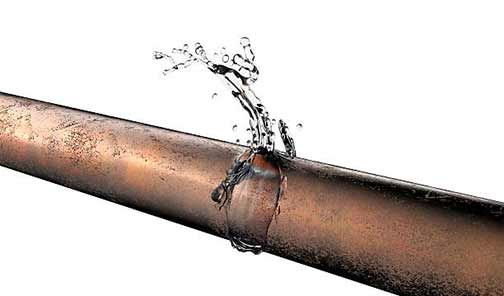
In terms of the speed and the scale of damage it can cause, a burst water pipe may be the worst plumbing emergency to have in your home, warns PMI Prime. If broken, the typical ½ – ¾ inch water pipe can discharge between 50 – 110 gallons of water into your home per minute.

For context, an average household uses approximately 210 gallons of water daily for all of its indoor water needs. This means that in less than five minutes of being broken, a water pipe can discharge more water into your home than your family will use in 24 hours.

This is why it is so important to act swiftly and decisively when dealing with a burst water pipe inside your home. A half-minute of delay can result in thousands of dollars’ worth of water damage. But to act with speed and intention, you must know the proper steps to take.

This post explains critical steps to take if you discover a burst water pipe inside your home.

Effective steps for tackling a burst water pipe in the home

  1. Check for electrical hazards

Assess the situation to be sure the water is not in contact with a power outlet or electrical device. To be safe, wear rubber-soled shoes and rubber gloves. Turn off the power supply to the affected area or your entire home at the circuit box. If unsure of what to do, call an expert. 

  1. Shut off the water supply

If the broken pipe has a dedicated shut-off, turn it off. If not, turn off your home’s water supply at the main water shut-off valve. Hopefully, you already know where to find your main water shut-off valve and how to use it.

  1. Drain your faucets

Open all faucets in your home and let them drain. By getting rid of the water inside the pipes, you stop more water from being discharged onto your flooring. Do this step only if the home’s water supply has been turned off at the main water shut-off valve.

  1. Call your insurance company

Contact your insurer to inform them of the incident in your home. If you do not have all the details, do not try to answer all of the company representative’s questions. They will likely send someone to assess the damage to your home and the cause.

  1. Remove your belongings

Items that can be damaged should be removed from the reach of the water. Remove furniture, rugs, electronics, etc. from the area. If they are wet, move them outside or to a dry place inside your home. Your insurer will not pay for damage that could have been avoided.

  1. Document the damage

Get detailed pictures and videos of the broken water pipe and the resulting damage. Include all affected areas inside your home. Add an audio narration to make the video easy to understand. This information will be important for your insurance claims.

  1. Start removing the water

If you have a wet-dry vacuum, use it to suck up the water on your floors. If you don’t have a wet-dry vacuum and it is not possible to rent one, use buckets, mops, and towels. You can use a dustpan to scoop water from the floor into a bucket or container.

  1. Dehumidify and dry your home

Place a dehumidifier in the area with the worst damage, to suck moisture out of the air and accelerate the drying process. Open your windows to improve circulation, and if you have fans, position them to blow directly on the affected areas.

  1. Call for professional help

At this point, you may want to call an emergency plumber and have them come over to your home to assess the damage to your plumbing and fix the damaged pipes. The sooner you do this, the quicker your family can return to its normal routine.

You also need professional help to complete the process of drying out your home. Just because you don’t see water on the flooring inside your house doesn’t mean all the spilled water is gone. There could be water hiding inside your belongings and in the structures of your home. Some of the problems you will need professional help to fix include:

  1. Pipe repair or replacement: You should have your damaged pipes evaluated to determine the immediate and remote causes of the problem. Whether you will need to repair or replace the pipe will depend on the extent of damage to your plumbing. A reputable plumber will help you avoid future problems like this in your home.

  2. Mold removal and remediation: If water has infiltrated into the structures of your building or some items within the home are not properly dried, they will encourage mold and mildew to grow inside your house. A mold removal and remediation specialist can prevent this.

Lastly, when taking steps to fix a burst water pipe inside your home, do not limit your actions to solving only the current problem. You want to look at past issues that may have contributed to the problem and take steps to prevent a recurrence. Working with a reputable plumber ensures that all aspects of the issues are taken into account.

Expert Solutions to Tree Root Challenges in Chicago Sewer Lines

Expert Solutions to Tree Root Challenges in Chicago Sewer Lines

Tree roots are a significant issue for sewer lines, especially in densely populated urban areas like Chicago. Tree roots are drawn to the water and nutrients present in sewer lines, and hence they are a desirable location for invasion. This invasion can lead to severe clogs, overflows, and even structural collapse of the sewer system. It is essential to understand the processes involved in this problem in order to come up with effective solutions and maintain the integrity of sewer systems.

Tree roots are expert at entering even tiny crevices or joints in sewer pipes. Once inside, they are able to spread and create major damage, leading to costly repairs and potentially environmental catastrophes. The problem worsens in older sewer systems, which most likely have deteriorated over time and have more vulnerable places where roots can enter. By knowing the extent of this issue, residents and urban planners can take preventive measures to steer clear of the hazards brought about by tree root intrusions.

There are some myths relating to the issue of root intrusions of trees in sewer lines, and they typically lead to ineffectual solutions. One such prevalent myth is that tree removal is the only way to effectively prevent root problems. Not only does this process ruin the environment, but it is also not required for most cases. Trees provide numerous benefits through air filtration, shade, and aesthetics, and removal of trees should be last considered.

Another widespread myth is that root intrusions can be repaired for good through chemical treatments. Though chemical treatments are helpful in the short term by poisoning roots within the pipes, they fail to address the real cause. If the root cause of the issue is not addressed, roots will re-grow and re-penetrate the sewer lines in the near future. All these myths must be understood well in order to implement long-term and effective solutions.

Sophisticated Techniques for Tree Root Infiltration Identification in Sewer Pipes

It is paramount to identify tree root infiltration early in order to prevent extensive damage and costly repairs. Sophisticated inspection techniques, such as video sewer inspections, allow experts to effectively establish the condition of sewer pipes and identify root intrusions. These non-invasive techniques provide an accurate visual indicator of the issue, making them perfect for focused and efficient interventions.

Video inspections are conducted by inserting a small, high-resolution camera into the sewer lines and taking live pictures of the inside condition. The technology allows experts to notice not only root intrusions but also other potential issues such as cracks, clogging, or corrosion. Through these high-tech techniques, the owners of properties can maintain their sewer systems in working condition and prevent future issues.

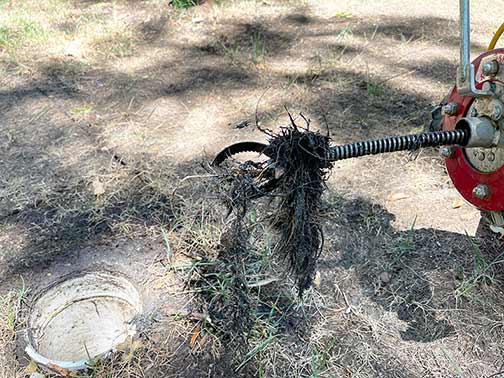
Root intrusions in trees are resolved through a tactical procedure consisting of mechanical and chemical treatment. The majority of sewer line roots are broken mechanically by utilizing mechanical augers, which effectively clear blockages and restore flow. Mechanically, these “sewer rodding” devices are designed to cut roots and other obstructions, providing immediate relief from blockage.

Chemical root killers can also be employed for future root growth checks. Chemicals are specifically engineered for inhibiting regrowth of roots without damaging the surrounding environment. They must, however, be employed with care and in conjunction with other methods in order to drive home results.

Trenchless sewer repair solutions such as pipe bursting and pipe lining yield long-term solutions by repairing or replacing damaged sewer pipes without extensive excavation. Pipe lining involves inserting a liner coated with resin into the existing pipe, where it solidifies and forms a new, durable pipe within the old pipe. Pipe bursting, on the other hand, involves bursting the existing pipe while laying the new pipe simultaneously. These methods are more invasive and expensive than traditional excavation.

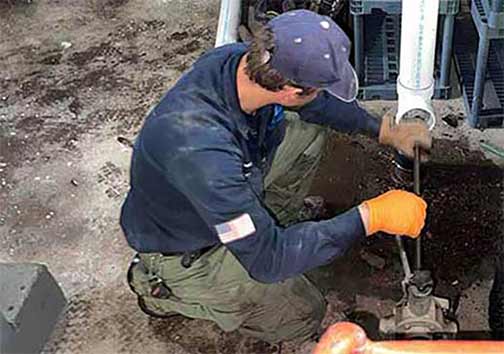
a professional sewer rodding service in chicago
The majority of sewer line roots are broken mechanically by utilizing mechanical augers, which effectively clear blockages and restore flow.

Consolidating Solid Sewer Maintenance: Best Practices and Recommendations

In normal maintenance, the intrusions by tree roots are avoided and sewer pipes are protected to serve for a long time. These include frequent inspections, immediate repair, and judicious use of root inhibitors where the need arises. Owners of property should also consider the type of trees planted near sewer pipes, with the least intrusive root system as the preferred choice.

Implementing a proactive maintenance schedule can significantly reduce the risk of root intrusions. Regular inspections allow for the early detection of potential issues, enabling prompt intervention before significant damage occurs. Additionally, the use of root inhibitors can help prevent roots from entering sewer lines, providing an additional layer of protection.

The Role of Urban Planning in Mitigating Tree Root Issues in Sewer Lines

Urban planning plays a pivotal role in mitigating tree root issues in sewer lines. By considering the placement of trees and sewer lines during the planning stages, municipalities can reduce the likelihood of root intrusions. Implementing policies that promote the use of root barriers and encouraging the planting of appropriate tree species can also contribute to long-term solutions.

Root barriers are physical barriers installed underground to prevent roots from reaching sewer lines. These barriers can be made of various materials, including plastic or metal, and are designed to redirect root growth away from vulnerable areas. By incorporating root barriers into urban planning, cities can protect their sewer infrastructure while maintaining green spaces.

Collaborating with Professionals for Comprehensive Solutions to Tree Root Challenges

Solving tree root problems in sewer lines is a task that should be left to professionals. Advising with competent plumbers, arborists, and urban planners ensures the solutions implemented are not only effective but also sustainable. They can provide tailored advice and services that are specific to the individualized demands of each property and its ecosystem.

Plumbers may offer specialized services such as sewer camera inspections, sewer rodding, and repair techniques. Arborists may give tips on selecting tree species with less invasive root systems and provide guidance on where to plant trees. Urban planners can plan policies and strategies that include green infrastructure along with sewer system protection.

Conclusion: Adopting a Proactive and Informed Approach to Tree Root Challenges

In conclusion, tree root problems in Chicago sewer lines can be effectively managed through a forward-looking solution that incorporates professional service, regular maintenance, and urban planning. By dispelling myths and embracing practices as advocated by experts, homeowners and municipalities can protect their sewer systems and enhance their sustainability.

Realizing the impact of tree roots upon sewer lines, eradicating misconceptions, using advanced detection procedures, and implementing detailed methods are key to addressing the issue. Coordination with professionals and prudent city planning also help make these attempts fruitful. By adopting preventive and well-informed steps, Chicago can facilitate the preservation of its sewer infrastructure and maintain the health and vigor of its urban environment.

Mastering Plumbing Issues: Strategies for Large Apartment Communities

Mastering Plumbing Issues: Strategies for Large Apartment Communities

Plumbing issues are one of the most damaging maintenance problems in your apartment building, says Spectrum Realty Management. These problems accompany an extremely high potential for major disruptions across every aspect of your building’s operations.

Also, the vastness of apartment building plumbing systems often makes these problems hard to find, diagnose, or contain. As a result, a plumbing problem can emanate from one unit but end up affecting multiple units in your building.

Furthermore, plumbing repair costs in apartment buildings add up very quickly. One plumbing repair in a single unit of the building can cost between $130 and $800. If this cost is replicated across multiple units, your building finances will take a major hit.

These issues and their aftermath cause tenant dissatisfaction, property damage, and loss of revenue and reputation for your business. If they are not quickly resolved, they may lead to lawsuits and avoidable problems with city officials.

This is why you must get a handle on your building’s plumbing to stay steps ahead of budding problems in the system. Despite the complexity of the building’s plumbing, it is possible to do this. You need to know the right strategy.

Strategies to master plumbing issues in large apartment complexes

  1. Regular inspections and preventive maintenance

Scheduled inspections are the cornerstone of a preventive plumbing maintenance strategy. They let you respond proactively to issues by preempting them. When inspections are done on a schedule, not just when there are problems, you find problems before they happen.

Inspections should include:

  • Monthly checks and maintenance: Visual checks directed at the exposed portions of the plumbing. They aim to detect subtle changes that may indicate impending trouble. The maintenance steps include things like testing shut-off valves and flushing drains that are seldom used.

  • Quarterly checks and maintenance: These do the same thing as monthly checks, but the maintenance schedule is more detailed and may include the following: inspect pipes for leaks, check the water heater, clean water filters, and test lift pumps to assess their function. 

  • Yearly checks and maintenance: A comprehensive assessment of the plumbing with camera inspections of relevant sections of the system. It may include inspection and testing of vent stacks, backflow preventers, and various water-utilizing appliances.
  1. Communication guidelines and tenant education

Since they are in the closest proximity to the plumbing, residents are in the best position to spot and report the problems in the system. But to do this, they must know the kind of things to look out for. They also need accessible systems for reporting issues and registering complaints.

To convert residents into plumbing maintenance assistants, you should:

  • Educate tenants: Residents must know the dos and don’ts of the plumbing system and the steps to take in case of a plumbing emergency. These guidelines must be in an easily digestible format with clear language and actionable steps.

  • Provide regular updates: If residents are informed of ongoing problems in the plumbing system or planned repairs, it makes these inconveniences easier to bear. Use several methods to provide updates: emails, newsletters, a resident portal, or SMS.

  • Create feedback channels: If residents don’t have easy-to-use channels for reporting problems, they will ignore the plumbing issues in the building. If they report these problems and don’t get the expected response, they will also stop reporting them. 
  1. Deal with problems promptly and document the issues

Quick and efficient resolution of plumbing problems helps you save money while protecting your reputation. You need professional plumbers with up-to-date tools and techniques to solve your building’s plumbing problems with minimal impact on people and property.

  • Plumbing service contract: You first need to find a competent commercial plumber with a proven track record of working with plumbing systems similar to yours. Your preferred plumber should offer emergency plumbing services. For the best results, it is a good idea to have a service contract with this plumber.

  • Document everything: Whether they are observations from visual plumbing checks done by your staff or complaints from tenants, you want to document everything. Proper records make it easier to trace the roots of complex or recurring problems.
  1. Emergency readiness

Knowing what to do during emergencies is the responsibility of everyone who uses your building. But teaching them those steps is your responsibility. It is also your responsibility to organize your staff and make sure they have access to the necessary resources.

  • Regular training: It is not enough to train your staff; frequent training sessions to reiterate old information and update obsolete information are critical. These sessions should include the assignment of roles and drills.

  • Update emergency plan: Make the emergency plan accessible to all staff and residents, and keep the plan updated. Ensure your emergency plan is up-to-date with the realities of your building’s plumbing system.

Proper planning is vital for an efficient plumbing maintenance strategy. To create that plan, you need the expertise of a licensed and reliable plumber. A good plumber will solve the problems in your plumbing and also future-proof the system to make it more resilient.

A Guide to Selecting Plumbing Fixtures for Your Chicago Residence

A Guide to Selecting Plumbing Fixtures for Your Chicago Residence

The plumbing fixtures in your Chicago home should not be chosen solely for their utility. Maybe because they are one of the first things people see when they enter your kitchen or bathroom, plumbing fixtures bring a quiet appeal to your home that is hard to replicate with other home features, says 33 Management company

At the same time, gaudy plumbing fixtures can also draw too much attention to themselves. They make it look like you are trying too hard to impress visitors. Ideally, you want the quality and elegance of your home’s plumbing fixtures to be apparent yet understated at the same time.

How do you reach this delicate balance between attention-grabbing and inconspicuous plumbing fixtures? How can you make the plumbing fixtures in your Chicago home visually appealing while being easy to use, long-lasting, and contributing to water conservation?

Think of the following factors before buying plumbing fixtures for your home;

  1. Your home’s style and design

Design refers to the layout and structural aspects, while style denotes the aesthetic choices that create the home’s overall look and feel. The plumbing fixtures you choose must complement both the design and style of your home.

  • Maintain visual harmony: Create a consistent appearance using complementary finishes across bathrooms and the kitchen. In contemporary settings, default to minimalist designs with clean lines. If working in an older home, fixtures with larger proportions work better.
  • Size and placement: Faucet handles, for instance, should be proportionate to the size of sinks. All fixtures should have sufficient clearance for ease of use.
  1. The function of the fixtures

Practical considerations should not be overlooked in favor of aesthetic appeal.

  • Consider your needs: How is water used in the space, and how many people will use the fixture? This question considers not only the fixture’s location but also its capacity, convenience, and operation.
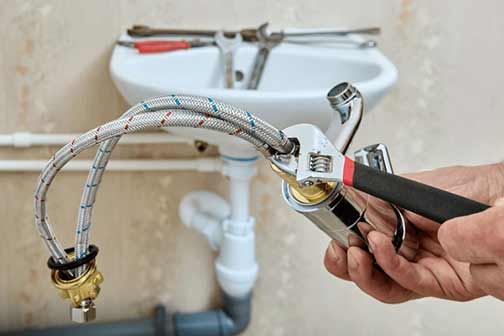
  • Practicality and ease of use: Touchless faucets minimize germ transmission and require less cleaning. With pull-out sprayers, you have flexibility and superior reach. Showerheads with adjustable spray patterns can satisfy the needs of different users. Low-flow faucets and showerheads help to conserve water and save money.
  1. Materials and durability

The type of materials you choose plays a role in the appearance and longevity of your plumbing fixtures. It is also a huge factor in how much maintenance they need. All materials have unique pros and cons.

  • Brass fixtures offer antimicrobial properties with exceptional durability and a high price tag.
  • Stainless steel is resistant to corrosion and will maintain its appearance with minimal care.
  • Chrome is durable and affordable but fairly common.
  • Bronze is excellent for traditional décor styles because it develops character as it ages.

The right material for your kitchen and bathroom fixtures depends on your home’s style, your budget, and the materials’ maintenance needs.

  1. Water efficiency

Water-efficient plumbing fixtures – from high-efficiency toilets to low-flow showerheads and faucets – help you conserve water and save money while making your home more attractive to potential buyers. When buying these fixtures:

  • Consider flow rate: The fixtures should save water without diminishing the satisfaction of users. Pay attention to each fixture’s flow rate and efficiency.
  • Look for the WaterSense label: Fixtures that carry this label have been tested and certified by the EPA to use at least 20% less water than standard models. They will do this without affecting performance.
  1. Ease of maintenance

If it is a lot of work to maintain a plumbing fixture, that fixture may lose its visual appeal in the eyes of the owner. Plumbing fixtures that are easy to clean save you money and time. Things to consider include:

  • The material and finish: Fixtures that are corrosion and wear-resistant are better. If a fixture is not prone to water spots, that is a plus. Fixtures with smooth surfaces are easier to clean.
  • Accessible features: The internal components of a fixture should be easy to access for maintenance and repair. Avoid fixtures with hard-to-reach areas.
  1. Costs and savings

This is not just about the dollar cost of buying the item. It includes the long-term cost of owning it (maintenance) and potential savings. Quality plumbing fixtures with higher upfront costs often result in more long-term savings.

Quality fixtures also help you make money by improving the market value of your home. When buying a plumbing fixture, balance the cost of the item against the potential savings from that purchase. Remember that low-priced fixtures may need to be replaced prematurely. 

  1. Installation

Can you install the plumbing fixture yourself, or do you have to hire a professional? Will the fixture work with your existing plumbing or require extensive modifications?

  • Check for compatibility: For instance, wall-mounted faucets may require the water lines to be moved. Does the existing plumbing impose limitations on your options?
  • City plumbing codes: Ensure compliance with the Chicago Plumbing Code. If you plan to modify the plumbing, think of the required permits.

Finally, it is a good idea to get professional guidance when planning an upgrade of the plumbing fixtures in your home. A qualified Chicago plumber will adopt a more holistic approach that can help you maximize the function and appeal of your new fixtures while avoiding future troubles.

Renovation Budget Guide: When Plumbing Needs a Full Repiping

 Person holding a pen and writing in a notebook

Home renovations are exciting but often come with surprises. One of the most expensive—and critical—surprises homeowners can encounter is plumbing issues that go far beyond a leaky faucet or a clogged drain. In some cases, you might discover that your entire plumbing system needs a full repiping. This scenario can significantly impact your renovation timeline and budget. If you’re unsure what repiping involves, when it’s necessary, and how to plan for it financially, this guide will walk you through every detail with clarity and ease.

Understanding What Repiping Means

Repiping is the process of replacing all the pipes in your home’s plumbing system. It’s not a quick patch-up job. Instead, it’s a complete overhaul that involves removing old or damaged pipes and installing new ones throughout the house. That can include water supply lines, drain pipes, and even pipes within walls or under floors. The scale of the project means it’s more than just a plumbing upgrade—it’s a structural one that can disrupt your home significantly if not planned well.

The Hidden Risks of Old Pipes

Old pipes aren’t just an inconvenience—they can be a health and safety risk. Lead pipes, still found in some older homes, can contaminate drinking water. Galvanized steel pipes corrode over time, causing rust to leach into the water supply. Even copper pipes, if installed poorly or exposed to acidic water, can deteriorate. Leaky pipes also invite mold, water damage, and pest infestations, making it vital to address them sooner rather than later. Delaying repiping can lead to thousands more in repair costs in the future.

Signs Your Plumbing Might Need a Full Overhaul

Several red flags indicate your plumbing system is past its prime. One of the most telling signs is frequent leaks in different parts of the house. If you’re constantly calling in a plumber for one issue after another, the system as a whole might be failing. Water discoloration, low water pressure, and strange odors are also signs that your pipes may be corroding from the inside out. Additionally, if your home is over 50 years old and still has its original plumbing, chances are you’re due for a full repiping project.

Renovation inside a white room
Frequent leaks are one of the most obvious signs your plumbing needs full repiping.

How a Full Repiping Affects Your Renovation Budget

Repiping can be one of the most expensive line items in a renovation budget. Costs depend on the size of your home, the number of bathrooms, the type of piping material you choose, and whether the work involves tearing down walls or floors. Labor is another significant expense since repiping is labor-intensive and time-consuming. It’s wise to get multiple quotes and understand exactly what’s included—some contractors bundle wall repair and repainting in the price, while others leave that to you.

Choosing the Right Pipe Materials

When repiping, the choice of material matters. PEX (cross-linked polyethylene) is affordable, flexible, and easier to install. It’s great for tight spaces and resists scale and chlorine. Copper is more durable and has been used for decades, but it’s expensive and prone to corrosion if your water is acidic. CPVC is another option known for its resistance to heat and corrosion. Your plumber will recommend what’s best based on your home’s layout and your water quality, but it helps to have some understanding when discussing your options.

Planning Around Walls, Floors, and Fixtures

Repiping isn’t just about pipes—it’s also about access. In most homes, pipes run behind walls, under floors, and through ceilings. That means drywall, flooring, tile, and cabinetry might need to be removed and later restored. If you’re already renovating, repiping during the demolition phases is often the most efficient and cost-effective time to do it. Aligning your plumbing project with other renovations can reduce labor overlap and minimize disruption. Just make sure to coordinate timelines with all contractors involved.

Understanding the Permits and Inspections Involved

Any full-home repiping project will require permits and inspections, especially in municipalities with strict building codes. Permits ensure the job is done according to legal safety standards, and inspections confirm that everything has been installed correctly. Skipping this step may save you money upfront, but could come back to haunt you when you sell your home or experience a plumbing failure. Ask your contractor if they handle the permitting process or if you’ll need to coordinate with local building authorities yourself.

A person conducting a house inspection
Inspections confirm that everything has been installed correctly.

Things to Do Once the Repiping Is Done

Once the dust settles—literally—it’s time to finish what the repiping started. After the new plumbing is installed and water is flowing properly, your contractor will usually run a pressure test to confirm everything is leak-free. Then comes the restoration phase: patching up drywall, repainting, and reinstalling light fixtures or cabinets that had to be removed. This stage is a smart time to add a few finishing touches, such as updated faucets or a new water filter system.

However, if your repiping project happened alongside a move, you’ll likely still be tackling some key post-move tasks. Therefore, schedule a deep clean before you unpack, as it helps eliminate any leftover dust from construction. Also, unpack and organize your belongings room by room to avoid clutter and confusion. Completing these tasks speeds up the process of settling into your new space and also helps you spot any small fixes or improvements you may have missed. Taking the time now makes your renovated home feel move-in-ready, both functionally and visually.

Staying in Your Home During Work

One of the more disruptive aspects of repiping is that it affects your access to running water. Depending on the size of the job, your water supply might be shut off intermittently or completely for a few days. Some homeowners choose to stay in a hotel or with family, while others stay put and work around the limitations. If you’re living in the home during repiping, clear communication with your contractor is key. You’ll need to know when you can use the bathroom or kitchen and how long specific areas will be out of commission.

Preparing Financially for the Unexpected

Even the best-planned renovations can hit snags or turn out to be expensive, especially when plumbing is involved. As pipes are removed, plumbers might discover issues that weren’t visible during the initial inspection, like water damage, mold, or code violations. These can add unexpected costs. That’s why it’s essential to have a contingency fund, typically about 15–20% of your renovation budget, to handle surprise expenses without derailing the entire project. Ask for a detailed estimate upfront, but be mentally and financially prepared for adjustments along the way.

Long-Term Value And Safety

Full repiping is a major undertaking that can shake up your renovation budget and schedule—but it’s also one of the most crucial investments in your home’s long-term value and safety. Identifying the need early, understanding your options, and working with trustworthy professionals can make the process smoother and less stressful. While no one dreams of ripping out their entire plumbing system, doing it right the first time can save you from major headaches down the line. With smart planning and the right guidance, your home will be well on its way to better performance and peace of mind.