Author Archives: Chicago Plumbing Experts

How Sewer Camera Inspection helps Prevent Drain and Pipe Problems in Oak Park, IL

drain problems oak park illinois

Sewer line problems in your home pose a significant threat to the health and function of your plumbing system, as well as the comfort and well-being of your family. These problems are consistently rated as a leading cause of foundation failure in American homes.

When a sewer line is in trouble, the worst thing about it is that, many times, the system will not give you notice. According to 3 Keys Management, Inc., sewer line problems can cause significant damage to your plumbing, and you may be unaware of the issues in your home.

This is why a great number of sewer line problems result in emergencies. The issues have been unfolding for a long time, but the homeowner only becomes aware of them when they cause major disruptions and destruction inside their home.

Why sewer line problems happen

From the moment a new sewer line is laid in the ground, it begins to degenerate. This process is completely unavoidable because it is the result of biological, chemical, and physical forces within the soil that act on the sewer line and cause it to age faster.

These natural forces can manifest as tree roots penetrating the sewer line through weak spots in the system. They can also come in the form of ground movement caused by soil erosion, house settling, or seismic activity. These can displace or crack a sewer line.

Another source of stress to your sewer line is wastewater. The debris inside the water can settle along the sewer line, clogging and even blocking the pipes. Sewer pipes may also be subject to corrosion from the water flowing through them.

Your sewer line will also experience problems if it was improperly installed. Common installation errors when installing a sewer line include improper sloping and misaligned joints. Both of these problems will make the line vulnerable to leaks and clogs.

A sewer line suffering from any of these issues will have one or all of the following problems:

  • Tree root invasion: The roots of nearby trees and shrubs can penetrate the sewer line, resulting in blockages. Tree roots can crack and fracture your sewer line.
  • Pipe misalignment or collapse: This can be from improper sewer line installation, soil movements, or construction activities.
  • Leaking pipes and joints: The leading cause of sewer line leaks is aging. Earth movements, poor installation, and corrosion can also cause your sewer line to leak.

It can be hard to detect when your sewer line is suffering from these issues. Most times, the signs of the problem feel insignificant, or they appear to have no connection to the sewer line. However, if they are not solved, these problems can cause a sewage backup inside your house.

a sewer camera inspection in oak park illinois
A specialized high-resolution waterproof camera is used for this inspection. After being mounted on a flexible cable, the camera is inserted into the sewer line via a cleanout or other access point.

Preventing sewer line problems with a sewer camera inspection

A sewer camera inspection is the most effective way to detect sewer line problems before they cause a plumbing emergency in your home. A sewer camera inspection allows you to closely inspect the inside of your sewer pipes without digging pipes.

How does a sewer camera inspection work?

A specialized high-resolution waterproof camera is used for this inspection. After being mounted on a flexible cable, the camera is inserted into the sewer line via a cleanout or other access point. The cable is used by the plumber to guide the camera through the sewer line.

As it travels through the pipes, the camera captures a close-up video of the pipe channel and transmits it in real-time to a screen monitored by the Oak Park, IL plumber. This inspection is the most effective strategy for averting sewer line problems in your home because it:

  • Provides accurate diagnoses: You can detect the problems in your sewer line with 100% accuracy. It also helps your plumber decide the best methods to solve those problems.
  • It is minimally disruptive: This inspection can be completed in a few hours with very little disruption to your family’s routine. Doing a sewer camera inspection will not leave a mess.
  • Great for preventive maintenance: If done on a schedule, a sewer camera inspection will help you preempt sewer line problems in your home by letting you detect issues earlier.
  • Permits timely action: Adding periodic sewer line inspections to your drain maintenance program will save you more money by preventing damage to your plumbing and building.

When should you do a sewer camera inspection?

If your drains are slow, you hear a gurgling sound each time you flush the toilet, the water level in your toilet bowl rises/falls erratically, and you can smell sewage inside/around your home, you should order a sewer camera inspection at once.

If none of these problems are present in your home, doing a sewer camera inspection once every year will ensure that you never suffer any sewer line problems in your home.
Is Hydro Jetting Safe for Old Pipes in Chicago Ridge, IL?

professional hydro jetting in chicago ridge illinois

Are you thinking of having your drainpipes and sewer lines cleaned professionally? Are
you planning to use hydro jetting as your drain cleaning method of choice? But your
drain pipes and sewer line are old, and you worry that hydro jetting will damage them.

We are here to help. In this post, we answer all your lingering questions and explain the
things you should consider before using hydro jetting to clean old pipes. We also outline
the important steps to take if you do decide to clean your pipes.

Is hydro jetting safe for old pipes?

Hydro jetting is safe for old pipes if those pipes are in good condition. That is because
hydro jetting uses pressurized water to dislodge the clogs inside a drainage line. If the
pipes in the system are weak or damaged, the high pressure of the water can cause
problems, notes Rentifi Property Management (Fort Myers FL).

A hydro jetting machine is a lot like a power washer, except that instead of being used
to blast away the grime on walls, driveways, and sidewalks, a hydro jetting machine is
used to clear debris out of drainage lines. The water used in the operation can have
pressures of up to 4,00 psi.

At such high pressures, water possesses enough power to slice through tough tree
roots and other stubborn debris inside a drainage line. The jet is also powerful enough
to slice off a person’s hand. Aiming this water at the sides of brittle drainpipes will
definitely cause problems.

If your pipes are made of PVC, you have nothing to worry about. Except on rare
occasions, PVC pipes can easily handle the pressure of being hydro jetted. But it is
different if your drain line is made of old cast iron, clay, or polybutylene pipes, because
those tend to degrade over time.

Basically, hydro jetting is not a safe option for your drainage system if the line has:

Weak or brittle pipes, such as are found in old cast-iron or clay sewer lines.
These older pipe materials may not be able to withstand the pressurized water
stream from a hydro jetting machine. Using hydro jetting in this situation may
result in serious damage.

Severe damage, such as a line that is full of cracks, pinholes, and weak joints.
The pressure from a hydro jetting machine may worsen the issues in the line,
leading to terrible drainage problems in your home and expensive sewer line
repair or replacement.

That being said, hydro jetting is still the best method for cleaning your drainpipes and
sewer line. Hydro jetting the drainage system will not just dislodge the debris inside it,
but it will scour the pipe walls and flush all the debris completely out of your drain pipes
and sewer line.

However, to be entirely safe and ensure that hydro jetting does not damage your pipes
or sewer line while cleaning them, it is essential to do a sewer camera inspection before
thinking of hydro jetting a line. What is a sewer camera inspection, and why is it
important?

Why is sewer camera inspection essential before hydro jetting?


Before hydro jetting a drainage pipe, whether it is in good condition or old, it is
recommended that you do a sewer camera inspection. This step helps assess the
condition of the pipes, determine the type of blockage inside them, and select the best
cleaning method.

Sewer camera inspection ensures that the drain-cleaning method you use will be
effective. It not only helps you save time and money, but it also protects your drainage
lines. That is because a mismatch in the condition of the pipes and the drainage method
can cause costly problems.

How is sewer camera inspection done?

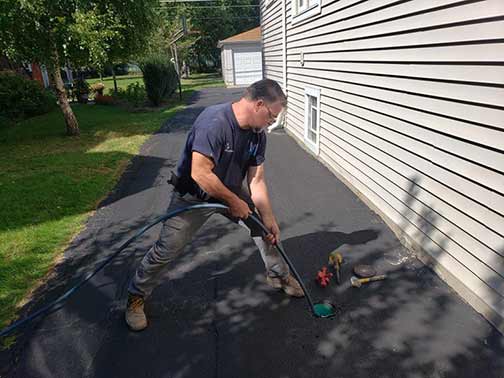
A specialized waterproof camera is inserted into the drain. Using an attached cable, the
plumber guides it through the line as it returns a high-resolution image of the inside of
the line to an above-ground screen in real time. This step is essential before cleaning a
drainage line.

Alternatives to hydro jetting


If, after doing a sewer camera inspection, it is determined that your pipes are too old to
handle hydro jetting, what are your options? A safe option for clearing out the debris
from your drainage pipe is sewer rodding. Sewer rodding operates in a different way
from hydro jetting.

To clear a drainage line using this method, a set of stackable cables known as sewer
rods is inserted into the line and guided through the bends of the pipe until they reach
the location of the clog. The Chicago Ridge, IL plumber then uses the hard end of the rod to dislodge the
debris inside the pipe.

Sewer rodding is a safer option for old pipes with weak or brittle spots. Although it will
not flush out the debris from the line, it will break it up so that you can easily wash the
dirt out of the pipes by flushing the entire drainage system.

Are you dealing with drainage problems in your Chicago Ridge, IL home, and you are
not sure what steps to take? No need to worry. Just give us a call at 708-775-2566, and our experienced plumbers will visit your home immediately and guide you through the best options to fix
the issues.

When Should You Consider Replacing Your Water Heater in Cicero, IL?

https://www.chicagoplumbingexperts.com/local-plumbing-services/water-heater-repair/

Water heaters are among the hardest-working appliances in your home, notes Bowen Property Management. When they are not providing hot water for showering, they are heating water for laundry and dishwashing. In most homes, whether it is winter or summer, the demand on the water heater is unrelenting.

During winter, the water heater works extra hard to keep the home safe and comfortable. In summer, when the kids are on holiday, it is extra time to supply hot water to wash a constant stream of dirty clothes and also deal with grease-stained dishes from outdoor cooking.

Eventually, this unremitting demand takes its toll on the water heater, and the appliance begins to lose its efficiency. Problems that were previously unknown in the unit start becoming frequent, and the cost of maintaining the system slowly increases until it becomes too high.

Water heaters are designed to last a certain period of time. For storage water heaters, the service life of the unit is 8 to 12 years. Tankless water heaters, on the other hand, last longer than 20 years. But the conditions under which the unit operates also impact its life.

For homeowners in Cicero (IL), water heater issues are a common problem because, like most of Chicago, Cicero also deals with hard water issues. The rate of wear on a water heater is higher if an area has hard water. If your water heater is starting to fade, you may see these signs:

Signs that your water heater is on its last legs

  • Insufficient hot water: If your water heater is becoming inefficient, your home will frequently run out of hot water because the unit is unable to keep up with the demand, maybe due to a failing heating element or excessive buildup inside the tank.
  • Strange noises: If a water heater makes strange noises (rumbling, popping, and banging), it means there is more sediment buildup inside the tank. This can cause the unit to heat water erratically or result in air pressure problems that can damage the tank.
  • A leaky tank: If you regularly find water pooling at the base of your water heater, it could be that the tank is cracked and leaking, the TPR valve is faulty, or there is a leak in the connecting pipes. You cannot fix a leaking tank; you must replace the unit.
  • Discolored water: Typically, you can flush a water heater tank to fix sedimentation issues. However, if the unit is producing rust-colored or brown water, it means the tank is damaged beyond remedy. In this situation, the only solution is to replace the water heater.

The age of the water heater also plays a role in its performance. If the unit is 10 years or older, it may be time to replace it. Even if the appliance appears to be working perfectly and doesn’t show any of the above signs, it is still a good idea to replace it because it could fail unexpectedly.

What to think of before replacing your water heater

Should you replace the water heater or repair it (if possible)? Here are two considerations that will help you in making that decision:

  • The repair cost: If the repair cost of the water heater is more than 50% of the price of a new unit, it makes no sense to repair it, since you may have to repair it again soon.
  • The warranty status: If the water heater has passed its warranty period, you will not save any money by fixing it. The best option is to invest in a new water heater.

What important things should you keep in mind when buying a new water heater?

  • Type of water heater: Should you buy a storage water heater, a tankless water heater, or a heat pump water heater?
  • Your home’s needs: Should you buy one large tank water heater for the entire house, or is it better to buy more than one tankless water heater for different parts of your home?
  • The fuel source: Typically, you have a choice between electric, gas, and solar water heaters. Each one comes with its own pros and cons (efficiency, cost, and reliability).
  • Energy efficiency: The water heater’s energy efficiency rating determines its operating costs. You want a water heater with a high Uniform Energy Factor (UEF).
  • Durability: For Cicero homes, a corrosion-resistant unit is recommended. A unit with a glass-lined tank and durable brass drain valves will save you money in the future.

Other important considerations before replacing your water heater are the available space in your home and the warranty period for the different components of the unit. There may be other unique features of your home that you should also consider.

Before committing to buy a new water heater, talk to a qualified Cicero plumber to ensure you get the most value for your investment.

Need assistance with a water heater replacement in the Cicero, IL area? We can help! Call us now at 708-775-2566.

Planning Ahead for Repiping: Minimizing Disruption in Your New Home

Man wearing a black pullover hoodie while holding a tool

Moving into a new home is an exciting milestone, but discovering that the plumbing system needs repiping can turn excitement into stress. The good news is that with the right planning, repiping doesn’t have to be disruptive or overwhelming. By understanding what’s involved and preparing in advance, you can protect your new space, your schedule, and your peace of mind. This guide walks you through everything you need to know about planning ahead for repiping while keeping your home functional and comfortable.

Understanding Why Repiping May Be Necessary

Many homeowners don’t think about plumbing until a problem arises. Pipes wear down over time, and older materials like galvanized steel or polybutylene can fail unexpectedly. Low water pressure, frequent leaks, rust-colored water, or a history of plumbing repairs may signal that repiping is the best solution. Understanding these signs early helps you make informed decisions before serious damage occurs.

Planning Ahead for Repiping: Choosing the Right Time 

Timing matters when it comes to major plumbing work. If you’re planning other renovations, combining projects can reduce overall disruption. Some homeowners prefer scheduling repiping before fully settling in, while others wait until they have a clear sense of the home’s layout and their long-term plans. Coordinating with the plumbing team to work around your schedule ensures that the project causes minimal interference with daily life.

Working with an Experienced Plumbing Professional

Repiping is a significant investment that should be handled by professionals with proven experience. A skilled plumber will evaluate your home, recommend the best materials, and provide a clear project timeline. Good communication is key. Ask about estimated completion dates, how they’ll protect your belongings, and what areas of the home will be affected. A reliable contractor will not only perform quality work but also help you feel confident every step of the way.

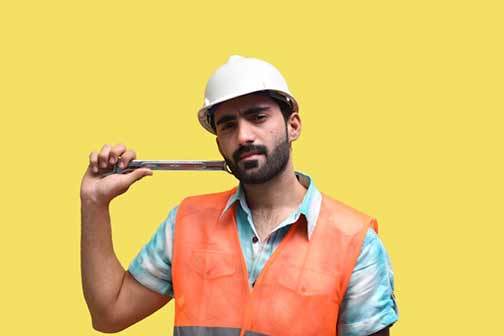
A person wearing a hard hat and holding a wrench
Planning ahead for repiping and working with an experienced plumber is a winning combination.

Preparing Your Home for the Project

Preparing in advance makes a big difference in how smoothly the repiping process goes. Clear pathways to plumbing access points, move fragile items, and cover furniture to protect against dust. Some homeowners choose to stay elsewhere during the most disruptive phases. In certain cases, renting a storage unit can be helpful for temporarily relocating valuable or delicate belongings, especially in houses with limited space during large-scale renovations. The goal is to create a safe, efficient work environment that keeps both the plumbers and your property protected.

Understanding the Different Material Options

Modern plumbing offers several durable materials, including copper, PEX, and CPVC. Each has advantages in terms of cost, longevity, and installation flexibility. Copper is known for durability, while PEX offers flexibility and often a faster installation. Your plumber can help you weigh the pros and cons based on your home’s design, water needs, and long-term goals. Choosing the right material is an essential step in ensuring the investment lasts for decades.

Minimizing Water Service Interruptions

One of the biggest concerns during repiping is losing access to running water. A good plumbing team will plan the project in phases, ensuring at least partial access to water throughout the process. They may start with less-used areas before moving to kitchens or bathrooms. Clear communication about when and where water will be turned off allows you to plan, fill water containers, and adjust routines without major inconvenience.

Protecting Walls, Floors, and Finishes

Repiping often involves accessing pipes hidden behind walls or beneath floors. While some cutting and patching may be unavoidable, careful planning helps minimize cosmetic damage. Professionals use precise techniques to open only what’s necessary and restore surfaces once the new pipes are in place. Asking about the repair and finishing process ahead of time ensures your home looks as good as new once the work is done.

Coordinating with Other Home Improvements

Repiping can provide the perfect opportunity to tackle other upgrades. If you’re planning a bathroom remodel, adding a water filtration system, or replacing outdated fixtures, combining projects can save both time and money. By aligning these improvements, you reduce the need to reopen walls or disrupt plumbing multiple times in the future.

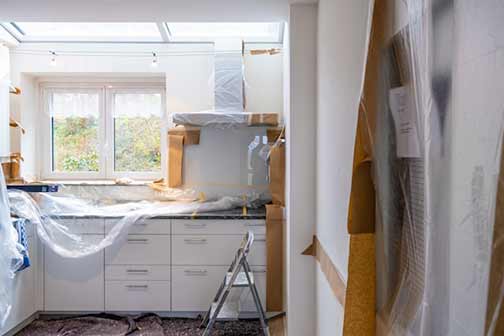
White wooden kitchen cabinet
Repiping can provide the perfect opportunity to tackle other upgrades.

Staying Informed Throughout the Process

Transparency makes a big difference in how comfortable you feel during repiping. Regular updates from your plumbing team, even brief ones, keep you in control of the timeline and aware of any changes. Don’t hesitate to ask questions, request photos of progress, or confirm next steps. A well-informed homeowner experiences less stress and can make quick, confident decisions if unexpected issues arise.

Ensuring Long-Term Peace of Mind

Once the repiping is complete, keep a record of the work performed, including materials used and warranties provided. This documentation not only gives you peace of mind but also adds value when it comes to selling your home. Modern plumbing reduces the risk of leaks, improves water pressure, and enhances overall home efficiency, all of which are appealing to future buyers.

Preventing Disruptive Process

Planning ahead for repiping allows you to take control of what could otherwise be a disruptive process. By choosing the right timing, working with experienced professionals, preparing your home, and staying informed, you can protect your new investment while keeping your daily routine intact. With a little foresight, repiping becomes less of an obstacle and more of an upgrade, ensuring your new home remains safe, efficient, and comfortable for years to come.

Don’t Wait Till It’s Too Late: 7 Key Reasons to Prioritize Plumbing Service

Key Reasons to Prioritize Plumbing Service

Plumbing systems are the most indispensable system in your home due to their role in delivering what is arguably the most essential resource for human survival: clean water. According to Blue Bridge Management, they are the main factor in your home’s livability, closely followed by the heating system.

But your plumbing doesn’t just provide clean water; it is also a key component of your heating system. The drainage pipes in the plumbing also function as your home’s primary means of evacuating human waste from the building to maintain the health of your family.

This is why plumbing systems deserve the utmost attention during home maintenance. The quality of care you give to your plumbing directly affects your quality of life. It also influences how much money you spend fixing problems in your building.

When doing plumbing maintenance in your home, two critical elements cannot be absent from the plan:

  • A preventive maintenance strategy

  • A professional plumbing service

A preventive plumbing maintenance plan

A preventive maintenance plan is the best way to maximize the function of your plumbing while minimizing problems. Its focus is to identify problems in the system early and repair them before they become worse. This approach helps to drastically reduce your home’s maintenance bill.

Instead of being reactive, that is, waiting until problems show up in the plumbing system, you are proactive. You go out of your way to identify impending issues in the plumbing. To work effectively, however, a preventive plumbing maintenance plan needs the following:

  • Scheduled inspections: These are visual inspections of the exposed sections of the system, done monthly. They help you find leaks and other problems.

  • A comprehensive checklist: This is an exhaustive list of all plumbing components that need to be inspected, and step-by-step procedures for inspecting the system.

  • A professional plumbing service: Since many parts of the plumbing are inaccessible and there may be problems you don’t understand, you need a professional plumber.

Why do you need a professional plumbing service?

In addition to offering expert installation, maintenance, and plumbing repairs, professional plumbers guide you on how to get the most out of your plumbing. They ensure that when making decisions that affect your plumbing, you have the information to ensure the best outcomes.

Working with an experienced professional plumber might be the most important decision you will ever make for the optimal function and longevity of your plumbing systems. Here is why:

  1. Specialized tools and equipment

Having access to the right tools, equipment, and know-how when solving plumbing issues can make all the difference. It can save you from wasting invaluable time and money on solutions that don’t work. For instance, without the right tools, it is virtually impossible to pinpoint the location of hidden leaks beneath your flooring or a blockage within your sewer line.

  1. Expert diagnosis

Navigating the often-confusing signs and symptoms of a plumbing issue is one of homeowners’ biggest challenges when dealing with plumbing problems in their property. By accurately diagnosing the plumbing, a professional plumbing service will save you both time and money.

  1. Efficient problem-solving

Due to the interconnected nature of the plumbing, problems in one area of your home can ripple to other areas. This multiplies the impact of those problems, particularly their ability to disrupt your daily routine. A professional plumbing service knows how to handle these plumbing issues efficiently and reduce their effect on your household.

  1. Long-lasting repairs

Plumbing problems in the home are notorious for being persistent. They can persist until they become the accepted way that a plumbing fixture works. A professional plumber can help you avoid this by diagnosing the root cause of the issue and applying solutions that actually solve the problem, rather than merely providing temporary relief.

  1. Prevent future problems

Perhaps the most important benefit of working with a professional plumber is their ability to preempt problems in your plumbing. An experienced plumber can detect budding issues in the system before they start to cause problems in your home. By solving these problems on time, they minimize their impact.

  1. Guarantees on work done

This is something only a professional plumbing service can do for you. By providing warranties and guarantees on parts supplied or work done, a professional plumber lowers your risk. If there are problems with the parts or job, they can fix them at no cost to you. If it is a DIY repair, you must bear all the costs yourself.

  1. Safety, health, and sanitation

Working with plumbing systems often means you come into contact with electricity, gas lines, and bacteria-laden wastewater. Professional plumbers protect you from waterborne diseases and other risks. They also maintain the integrity of your pipes to keep your drinking water supply safe.

A professional plumbing service and a preventive maintenance plan are two foundations of a holistic plumbing maintenance plan. They work together to ensure smooth plumbing function, saving you money in both the short and long term.

How Smoke Tests Help Detect Plumbing Leaks Effortlessly

How Smoke Tests Help Detect Plumbing Leaks Effortlessly

Hidden leaks in your plumbing are one of the hardest issues to deal with in your home, because if you don’t know where a leak is, how can you fix it? This problem happens because a large portion of your plumbing is concealed behind your walls, flooring, and insulation.

Also, the plumbing network in most homes is quite vast. Examining every single part of the system to see if it is leaking is virtually impossible, notes KRS Lynchburg. This is why hidden leaks in the plumbing are one of the leading causes of water damage, mold, and related problems in homes.

What are the usual ways to find hidden leaks in a home?

The main challenge is that there are hundreds of potential locations in your home where hidden leaks can lurk. Leaks can occur in your pipes as well as pipe joints, seals, and connections. Even if there are clear signs of the leaks, those signs can be misleading.

So, if you suspect a plumbing leak in your home, how do you locate it? Typically, you have to listen for the sound of running water inside your walls or look for water stains/damp spots in your home. You may even have to dismantle walls or dig up your pipes to find the leak.

These methods are inaccurate, and they waste your time while plumbing leaks devastate your home. Surely, there has to be a more efficient way to find hidden plumbing leaks in your home?

Smoke Testing: a better way to find plumbing leaks

Smoke testing locates leaks in your plumbing by filling the system with harmless smoke to see where the smoke will emerge inside your home. If there are leaks or openings in your plumbing, these defective spots will let the smoke escape, revealing the exact location of the leak.

How does smoke testing work?

After sealing the plumbing system to ensure that smoke cannot escape through any accidental pathways, a smoke machine is connected to the cleanout, vent stack, or other access point

A special water-based liquid (smoke test fluid) is heated to generate a safe, non-toxic smoke (actually a dense white vapor), which is then pumped into the plumbing system by the smoke machine

As smoke is pumped into your plumbing, the technician will visually inspect the house, looking for where the smoke will emerge inside the home

If you smell smoke or see a visible trail of smoke in any part of your home, there is a crack, leak, or opening in the plumbing.

What are the advantages of smoke testing over other methods of leak detection?

Benefits of smoke testing

  • Fast and efficient: Smoke testing is faster than most leak detection methods. Performing a smoke test is simple and time-saving. One technician with the right equipment can carry out a smoke test effectively.
  • Non-Invasive: Smoke testing eliminates the costly, tedious, and time-consuming step of breaking concrete or digging up the lawn to find pipe leaks. It can be done with minimal disruption to your home.
  • Highly accurate: Smoke testing reveals leaks in your plumbing system with pinpoint accuracy. This method will uncover even the smallest leak in your plumbing system.
  • Cost-effective: Smoke testing is inexpensive. Instead, it saves you money by helping you avoid the cost of invasive leak detection methods and also letting you find leaks early.
  • Safe and eco-friendly: The smoke used in smoke testing is not toxic. It is water-based and approved for use in homes and offices. Smoke testing poses no risk to humans, animals, or nature.
  • Smoke testing is versatile: It can be used to locate a variety of problems in your plumbing system, including minor leaks, major leaks, blockages, and rodent entry points.

When should you use smoke testing?

Smoke testing is the perfect tool for finding leaks in your plumbing and other systems in the following scenarios:

  • Finding hidden water leaks: If you suspect that your water pipes may be leaking but those pipes are hidden inside your walls, ceilings, or underground, smoke testing provides an easy method for pinpointing the location of the leak.
  • Solving sewer and septic issues: Sewer gas odors in your home or around your yard often mean a leaky pipe, broken seals, or weak joints in your drainage system. Doing a sewer smoke test will help you determine the nature and location of the problem.
  • Post-construction verification: If you recently installed, repaired, or renovated your plumbing, a smoke test helps you verify that all components of the system are watertight. This step prevents problems in your plumbing.
  • Fix indoor air quality issues: Leaks and gaps in your home’s building envelope increase your energy spending by overworking your HVAC. Smoke testing is an effective tool for finding gaps and leaks that allow outside air, pollutants, or allergens into your home.

Lastly, smoke testing may be the missing tool in your preventive maintenance plan. The basis of a preventive maintenance plan is early detection and quick resolution of problems. Smoke testing makes this possible if it is done on a regular schedule.

Recognizing the Signs It’s Time for a New Toilet

Recognizing the Signs It's Time for a New Toilet

Toilets are not one of those things we routinely think of replacing in our homes. For some reason, everyone expects their toilet to last forever. But can a toilet actually become too old? At what age should you consider replacing it? Do toilets wear out?

Yes, toilets do wear out according to BanCal Properties. However, a well-maintained toilet can function for up to 50 years, as the most durable parts—the bowl and tank—are engineered to last.

So if the bowl and tank are in fairly good shape, most people will assume that their toilet is fine. But toilets don’t wear out in the same way that other parts of your plumbing do. 

Toilets come with lots of smaller components that can break down. When a toilet starts to show signs of trouble, the issues are often in these other features of the toilet, not the tank and bowl.

This is why it is a good practice to consider replacing your toilet when it reaches age 10-15.  By that time, the toilet may have become inefficient. It could also be outdated.

What are the signs to look for in your home to know when it is time to replace your toilet?

Signs that you should replace your toilet

  1. Water puddles

Frequent water puddles at the base of your toilet could mean a broken wax seal (wax ring) or cracks in the tank. This problem is also caused by hairline cracks in the toilet bowl. A toilet with cracks in the bowl or tank will still work well, but that does not mean it is safe to use. A leaky toilet can cause major sanitary issues and massive water damage in your home.

  1. Wobbly toilet

An unsteady toilet bowl poses a risk of serious injury if it cracks. If a toilet is rocking, the problem could be from the toilet bowl, or the result of loose bolts, worn-out flanges and uneven floors. The best way to pinpoint the root cause of the problem is to have a bathroom plumber inspect the toilet.

  1. Frequent repairs

Toilets are relatively simple fixtures that should not have to be a constant source of pain. If your toilet needs frequent repairs, especially if the same issues keep happening, you are better off with a new toilet. This issue is common with some toilet brands. Replacing the problem toilet will save you money.

  1. Repairs are too costly

The toilet bowl and tank may be in good condition, but if the rubber, plastic, and metal components have degraded, the labor cost of replacing them may be nearly as high as the cost of a new toilet. In these situations, it is more cost-effective and time-saving to replace the old toilet.

  1. Loss of efficiency

An old toilet can work perfectly and still be inefficient. In the past, toilets were not designed with water efficiency in mind. But times have changed; energy and electricity are expensive, and we are more aware of the environmental impact of our actions. If the toilet is increasing your utility bills, consider replacing it with a new model that uses less water.

  1. The toilet doesn’t flush well

Even low-flow toilets can have problems with flushing if they belong to the earlier generations of these products. This issue is worse in locations with hard water due to the problem of mineral buildup inside the tiny ports around the rim of the toilet bowl and the siphon jets. If this happens, your toilet won’t flush well, and you must replace it.

  1. Outdated style

The only issue with a toilet may be that its style is outdated. But this is not just about aesthetics; it is also about ergonomics. Older toilets often have rounded bowls that are not as comfortable as the elongated bowls commonly used today. Moreover, elongated toilet bowls are easier to clean, and they do a better job of trapping bad odors.

What to think of when buying a new toilet

If there were things you did not like about your old toilet, this is your chance to fix them. Before buying a new toilet, make a mental list of the things you want that new toilet to have. Here is a list of items to keep in mind when buying a new toilet.

  • Measure the toilet rough-in to make sure the new toilet’s base will fit your space
  • Ensure you have enough clearance, both for building code requirements and for comfort
  • Consider the type of bowl shape that will make sense for the amount of space you have
  • What works best for you: a gravity-feed flushing system or a pressure-assisted system?
  • Should you buy a one-piece toilet that’s easier to clean but costlier or a two-piece system?
  • What additional features will the toilet need?

Before making your final decision, you may want to talk to a professional plumber. Remember that a toilet is something you use every day and you will live with for the next decade at least, so make sure the toilet you buy is the best one for your family’s needs.

Everything You Need To Know About Functional Bathroom Design With Flush Access Doors

Functional Bathroom Design With Flush Access Doors

Sleek, minimalist designs with clean lines and uninterrupted surfaces are considered the ideal standard in modern design. But what happens when design meets the reality of plumbing maintenance and potential emergencies? 

Traditionally, the solution has been bulky, visible access panels. These have long been considered a functional necessity, which, while functional, were often unsightly. But today’s property owners want access points that do not compromise appearance. 

As such, remodeling and plumbing contractors need a more professional solution: the flush access door. This access door allows them to deliver on both aesthetics and long-term functionality.  

How Flush Access Doors Enhance Bathroom Aesthetics 

Modern property owners want a bathroom that feels like a spa—calm, clutter-free, and serene. A flush access door has features that make it virtually disappear, contributing to this design preference. 

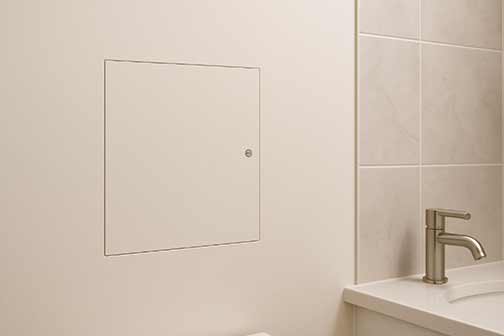
  • Minimalistic Design and Hidden Hardware: Many flush doors sit level with the surrounding wall, have hidden hinges. Some models eliminate handles entirely. They also have minimalistic locking and latch mechanisms, like screwdriver-operated cam latches. This ensures nothing protrudes beyond the wall, except the panel, when opened.  

  • Paintable Surface: Some flush access panels are made from materials like moisture-resistant drywall and smooth metals that can be painted to blend with the surrounding wall.  

  • Recessed Panels: Certain flush door designs have recessed panels that can hold finishing material to match the surrounding wall. For bathrooms, tile-ready recessed doors are a popular choice. The door then becomes an extension of the wall with only a thin, neat gap to help identify it. 

Benefits of Flush Access Doors in Bathroom Design 

The true value of invisible access solutions shines through in their practical benefits for everyone involved in a bathroom project. 

Provides Discreet Access To Plumbing Systems  

These doors provide quick, easy, and discreet access to essential plumbing components like cleanouts, shut-off valves, and mixing valves. This makes repairs and maintenance easy for plumbers.  

Instead of searching for the source of a problem, a plumber can immediately get to work, saving valuable time, especially during an emergency. 

Saves Time and Money 

Consider a burst pipe or a leaking valve. Without a flush access door, a plumber may need to cut into a finished wall, damaging expensive tile, drywall, or wallpaper. The repair would require a drywall professional and a painter to restore the wall.  

An invisible access door eliminates this process, potentially saving hundreds of dollars in expensive repair costs and preventing significant disruption. 

Protects Against Damage 

It’s a simple, yet powerful, benefit. By having a designated, easy-to-open access point, plumbers inspect and repair without risking damage to the surrounding finished surfaces.  

Also, unlike traditional panels that can be scuffed, dented, or warped over time, flush access doors are protected by their recessed design. Their recessed design prevents  bump or damage in a high-traffic area, ensuring it maintains its pristine appearance for many years. 

This not only protects the owner’s investment but also ensures a cleaner and more efficient repair process. 

Improves Daily Life and Supports Universal Design 

Beyond emergencies, these doors offer daily advantages. Their smooth, flat surface is far easier to wipe clean than a traditional panel with protruding edges and seams that trap dirt.  

This hygienic, seamless design is also a perfect fit for universal design principles. It eliminates potential tripping hazards or obstructions for people with mobility issues. 

Increases Property Value 

A clean, uncluttered design with functional features like flush access doors can increase a property’s appeal to potential buyers. They represent a functional space, and this ultimately enhances its perceived value. 

Offers Flexibility for Future Upgrades 

Plumbers can easily access and replace or upgrade components without having to dismantle a whole system or tear down a wall. This is particularly useful for things like flush valves. 

Selection and Installation of Bathroom Access Doors 

Bathrooms are constantly exposed to moisture, steam, and the risk of water leaks. As such, choosing materials and proper installation are key to preventing future problems. 

Materials  

Look for doors made from moisture-resistant materials such as steel. The best models also include gaskets that create a tight seal, preventing steam from seeping into the wall cavity and protecting against potential mold and mildew growth.  

 In particular, stainless steel is resistant to corrosion and has a non-porous surface that is easy to clean, promoting a more sanitary environment.  

This attention to detail is a proactive measure that protects a contractor’s work and their client’s investment. 

Choosing a moisture-resistant flush access panel helps plumbing contractors deliver professional finishes, preventing expensive callbacks and building their reputation. 

Size and Placement 

Functionality is key. The door’s size should be based on the components it needs to conceal. A shower mixing valve, for instance, requires enough clearance for a plumber to work comfortably.  

Place the door in a location that is easy to access but doesn’t interrupt the main focal points of the bathroom. For example, placing it behind a door or in a lower corner can make it virtually invisible but still fully functional. 

Installation Best Practices 

Proper installation brings it all together. To ensure a seamless look, securely anchor the frame to the wall studs and confirm the door panel is perfectly flush with the surface.  

This guarantees a seamless look and ensures the door can easily open and close without any issues for years to come. 

Conclusion 

The flush access door proves that smart design and functional innovation can solve a common problem. It is ideal for any modern bathroom remodel, offering a superior alternative to outdated, bulky access panels. 

Including them in plumbing projects shows a commitment to quality, aesthetics, and long-term value.  

This attention to detail sets plumbing contractors apart as professionals who understand how important it is to balance stunning design with practical, long-lasting functionality. 

Avoiding Plumbing Damage When Moving Heavy Appliance

A person holding tools in his hand

Moving heavy appliances can give you more trouble than a sore back. If you aren’t careful, an uncalculated pull or push can rupture a hose, crack a valve, or loosen a joint. That’s where avoiding plumbing damage becomes necessary. Whether you’re moving your washing machine to the other side of the room or snatching your dishwasher out for a remodel, knowing a safe way to get the job done will save your plumbing system as well as your expenses. These machines are heavy, awkward, and tightly hooked up to sensitive water lines, so every move matters.

Identify All Plumbing Connection Points

Before manipulating anything, make sure you observe every pipe damage, hose, or valve that goes into a particular appliance. Most laundry and kitchen appliances have numerous plumbing connections. These include hot and cold water supply lines, drain hoses, and sometimes even gas lines. You might hurt a fitting, should you exert too much pull, if you misjudge its whereabouts. With a flashlight behind the appliance, take pop-up photographs if necessary. Give all the parts labels, which will remind you later as to where each piece has to be reconnected.

Drain Hoses Completely to Avoid Spills

Most washing machines and dishwashers hold residual water. Moving them without draining can flood your floors. Run a rinse or spin cycle to clear remaining water. Then disconnect the hoses and place a bucket under them. Allow a few minutes for all the water to drip out. If you rush, you could splash water everywhere and miss early signs of a cracked or weakened hose.

Use Help and Tools to Prevent Strain

Never attempt to move a refrigerator or washer solo. Appliances are heavy and awkward to grip. You need someone to help tilt and guide the machine. You’ll also want the proper equipment. Quality moving supplies are key when handling any appliance near plumbing. Use an appliance dolly with a secure strap, soft furniture sliders for delicate floors, and padded blankets to prevent bumping into walls or pipes. Tools reduce pressure on the appliance and minimize accidental jolts to plumbing lines.

Protect Water Hoses During the Move

Hoses and flexible lines are especially vulnerable to damage during transit. Don’t let them drag on the ground or get trapped under the appliance. Coil each hose neatly, secure it with zip ties, and tape it to the side of the machine. That step avoids kinks, twists, or punctures that can cause leaks later. Replace old hoses if they look worn, brittle, or cracked. A $15 hose can save thousands in water damage repairs.

Inspect Shutoff Valves for Leaks or Rust

While the appliance is disconnected, take the opportunity to check shutoff valves. Look for signs of corrosion, rust, or mineral deposits. These indicate a slow leak or valve failure. Wiggle the valve slightly to ensure it’s secure. If you feel resistance or notice dampness, have a plumber replace the part. A bad valve is more dangerous when you reconnect everything and re-pressurize the line.

Avoid Twisting While Moving Appliances

Dragging a refrigerator sideways or spinning a washing machine sharply can put torque on plumbing lines. Pipes and hoses don’t like lateral pressure. If you pull the unit at an angle, you risk shearing a pipe from the wall or pulling a fitting loose. Always move appliances straight out and back. Make a clear, wide path before you start so you don’t have to force tight turns.

Plan the Route Before You Start

Think about the full journey the appliance will take. Will it fit through doorways? Is there a bump in the tile or transition strip that might cause a jolt? Will the appliance need to go downstairs? Every part of the path should be safe for the machine, for your helpers, and for your home. Cover sharp corners and protect nearby plumbing fixtures such as exposed pipes or water heaters. A simple slip can result in major repairs if you strike a fragile component.

Observe All Parts After Reconnection

Once the move is done and you’ve reattached the hoses, do not shove the appliance into its final position immediately. Turn the water back on and check for leaks. Run a test cycle while the unit is still pulled forward. Look closely at the fittings. Use a dry paper towel to wipe around the hose ends—this helps you spot moisture faster. Even a slow drip can become a major problem if unnoticed. 

Reinforce Flooring Under Heavy Appliances

Plumbing damage doesn’t always occur at the hose. Sometimes, the weight of the machine damages the subfloor or tile underneath. If the appliance rocks or shifts due to a damaged floor, it may jostle connected pipes. Use a level to check the floor. Add stabilizing pads or a small platform if the floor is uneven. Preventing long-term vibration keeps water lines tight and secure.

Upgrade Connections While You’re At It

This is the best time to replace old parts. Avoiding plumbing damage means switching to braided stainless-steel hoses instead of rubber ones. Install easy-grip shutoff valves so you don’t need tools next time. Add a drip pan under washing machines on upper floors. These small upgrades give you more control and more protection every time you move or service the appliance.

Know When You Need a Pro

Some setups require expert help. Know how to select the right plumbing fixtures. If you have old galvanized pipes, non-standard fittings, or signs of prior repairs, don’t risk doing it yourself. A licensed plumber can move or disconnect the appliance properly and check for issues you can’t see. Spending a bit upfront avoids surprises later, especially if you’re remodeling, renting, or selling.

Don’t Forget to Inspect the Old Spot

Once the appliance is gone, take a close look at the area it occupied. Are there damp patches? Loose tiles? Cracked drywall? These are signs that a plumbing issue already existed or was triggered during the move. Catch it early so you don’t have to deal with mold, water damage, or structural repairs later.

Prep Now for Easier Moves Later

If you move appliances regularly for cleaning or seasonal maintenance, make your setup more move-friendly. Use flexible connectors, quick-release shutoff valves, and clear labeling for every hose. Leave enough space between the appliance and the wall so you can check connections without pulling the unit out every time. Preventing problems is far easier than cleaning up a flooded room.

Keep Your Plumbing Safe During Heavy Moves

The movement of heavy appliances shouldn’t lead to bursts of plumbing pipes, wet floors, or dripping water. So plan smart from the get-go to avoid emergency plumbing issues! Turn off the water, ensure that hoses are completely drained, and safeguard any plumbing lines in the working area. Use good tools and never force anything on them. Remember that avoiding plumbing damage is about preparation, awareness, and patience. 

Are Unusual Noises from Your Water Heater a Warning Sign?

Are Unusual Noises from Your Water Heater a Warning Sign

Water heater sounds are normal if they are a humming or light tapping sound, says Estate Home Management. Humming sounds from your water heater show that the heating element is working, while a light tapping sound occurs as a result of the water heater expanding or contracting as it heats up or cools down.

Crackling or sizzling noises are also a normal phenomenon in gas water heaters, caused by condensation on the burner assembly. This is just the normal effect of water dropping on something very hot. Depending on how short-lived it is, a popping sound may be normal in gas water heaters.

The water heater can also produce abnormal sounds that indicate a malfunction. These sounds can range from low whistling or high screeching sounds, to frightening rumbling noises, all the way to loud banging. What causes these strange noises?

Unusual water heater sounds and what they mean

  1. Whistling or screeching sounds

There are several things that can cause your water heater to make a loud whistling or screeching sound. The noise can come from air escaping from a loose valve or water forcing its way through a partially open inlet valve. The inlet valve is typically found on the top of the water heater.

For most water heaters, this is usually a ball valve or gate valve. If that valve somehow becomes loose, it can obstruct the water flow into the water heater tank, resulting in whistling or screeching noises. This is a common issue with old-type gate valves; they get stuck easily.

For the best results, install a full-port ball valve on the water heater. This offers the best control of water flow.

  1. Rumbling sounds

For most people, a loud rumbling sound, like the noise of an old locomotive engine trying to start, is very frightening. Loud noises from an appliance that combines electricity or gas with hot water should be a cause for concern. Yes, you have good reason to be scared of those sounds.

Loud rumbling noises from your water heater occur when there is more sediment inside the tank. The water heater must heat up the calcium and magnesium deposits at the tank bottom before it can even start to heat the water. The rumbling noises are caused by increasing sediment.

This problem leads to a massive loss of efficiency in your water heater. It can also interfere with the thermostat’s ability to regulate the water temperature, leading the water inside the tank to overheat. An overheating water heater will result in scalding incidents and the possibility of tank rupture.

To solve this problem, you want to flush the tank. Ideally, this is something you should do every year, from the first year you get the water heater. If your water heater has not been flushed in a long time and is making loud noises, flushing it now will not be useful. You may have to buy a new water heater.

Another thing to keep in mind is that sediment buildup can cause some of the other noises discussed in this post, like popping and hissing noises. It helps to have the water heater checked if you have any of these problems, to ensure they are not being caused by sediment buildup.

  1. Water hammers

Sudden banging or knocking noises happen when there is a surge in water pressure within your pipes. They typically occur when a faucet in your home is turned off suddenly. The abrupt closure of the faucet causes the onrushing water in the system to slam against the pipes, making these noises.

This problem can be solved by installing water hammer arrestors at various places in the home where these sounds happen. Water hammer arrestors absorb the shock when a faucet, dishwasher, or valve inside your home is closed suddenly, protecting your pipes and water heater from the impact.

  1. Humming, hissing, or whistling sounds

Sometimes, humming or whistling sounds from your water heater can indicate a loose valve or heating element. These loose components can leak or cause pressure imbalances that allow air to be sucked in at various points in the appliance, leading to the strange noises you hear.

Hissing sounds may also indicate a leak around the burner assembly or heating element. To repair these issues, inspect the water heater to ensure all components are snug and tight. If the heating element is loose, you may have to replace it.

If the water heater is making a hissing sound, open up the cover plates to see if there is water in there. If the area is wet, your water heater is leaking. This often means you have to purchase another water heater, but it is better to replace a leaky water heater than to have it cause water damage to your home.

To conclude, here are some steps you should take to protect your water heater: in the first year after buying it, replace the anode rod and flush the tank. Flush the tank every year after that.

Lastly, have a professional plumber inspect your hot water system every year to ensure everything is in order.