Author Archives: Chicago Plumbing Experts

5 Indications that It’s Time to Schedule a Sewer Camera Inspection in Brookfield, IL

Indications that It's Time to Schedule a Sewer Camera Inspection in Brookfield

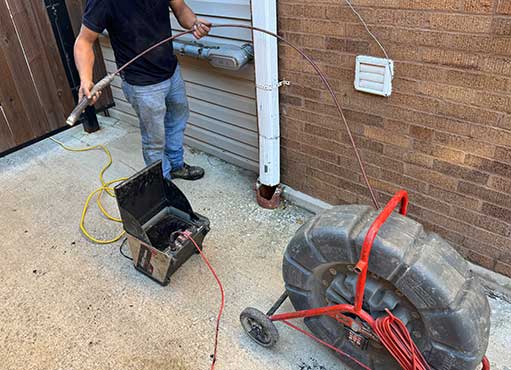
As a homeowner or property owner in Brookfield, it’s important to be aware of the signs that your sewer system may be experiencing problems. By scheduling a sewer camera inspection, you can identify any issues early on and avoid costly repairs down the line. Here we will discuss the top five indications that it’s time to schedule a sewer camera inspection.

Slow Drainage

One of the first indications that you may need a sewer camera inspection is slow drainage. If you notice that your sinks, toilets, or showers are taking longer than usual to drain, it could be a sign of a blockage or other issues within your sewer system. While occasional slow drainage may be due to minor clogs, persistent slow drainage could indicate a more significant problem that requires inspection.

Foul Odors

If you detect foul odors coming from your drains, it’s another indication that a sewer camera inspection may be necessary. Sewer odors usually indicate a problem within the sewer line, such as a cracked pipe or a buildup of organic matter. These odors can be persistent and unpleasant, affecting the overall comfort of your home. By scheduling a sewer camera inspection, you can identify the source of the odor and take appropriate measures to resolve the issue.

Water Backup

Water backup is a serious indication that your sewer system may be experiencing problems. If you notice water backing up into sinks, toilets, or drains, it’s crucial to schedule a sewer camera inspection immediately. Water backup can lead to extensive damage to your property and pose health hazards due to sewage contamination. A sewer camera inspection will help pinpoint the cause of the water backup and enable timely repairs to prevent further damage.

Unexplained Increase in Water Bills

Have you noticed an unexplained increase in your water bills? While several factors can contribute to higher water bills, such as changes in water usage habits, a sudden and significant increase could indicate a hidden leak or problem within your sewer system. By scheduling a sewer camera inspection with a local Brookfield plumber, you can detect any leaks or damage that might be causing the water bill spike. Timely repairs can help you save money in the long run by preventing further water loss or damage.

Multiple Clogged Drains

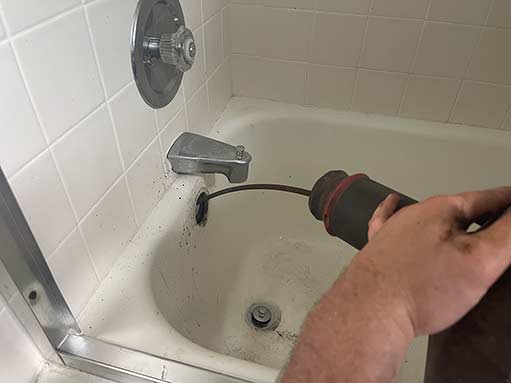
If you have multiple clogged drains throughout your property, it could be a clear indication of a sewer line issue. While isolated clogs can often be resolved with simple drain cleaning methods such as a sewer rodding service, persistent clogs affecting multiple drains are typically caused by blockages or damage within the sewer line. By scheduling a sewer camera inspection, you can accurately diagnose the cause of the clogs and determine the most effective solution.

As a homeowner or property owner in Brookfield, recognizing the indications that it’s time to schedule a sewer camera inspection is crucial for maintaining the health and functionality of your sewer system. Slow drainage, foul odors, water backup, unexplained increases in water bills, and multiple clogged drains are all signs that you should consider a sewer camera inspection. By addressing any issues early on, you can prevent costly repairs and ensure the smooth operation of your sewer system. Don’t hesitate to schedule a sewer camera inspection if you notice any of these indications!

In need of a sewer camera inspection in the Brookfield Area? Contact us at 773-599-9181 or by form below:
Key Reasons to Replace Cast Iron Pipes in Chicago

Key Reasons to Replace Cast Iron Pipes in Chicago

If you’re a homeowner or property owner in the beautiful city of Chicago, it’s important to be aware of the potential issues that can arise from using cast iron pipes in your plumbing system. Here we will explore the reasons why replacing cast iron pipes is crucial for the longevity and functionality of your plumbing system. Whether you’re a long time resident or a new homeowner, this information will be invaluable to you.

The Problem with Cast Iron Pipes

Cast iron pipes, although popular in the past, present numerous challenges for homeowners and property owners in Chicago. These pipes were commonly used for plumbing systems due to their durability and longevity. However, over time, they can develop serious issues that require immediate attention.

Risk of Corrosion and Rust

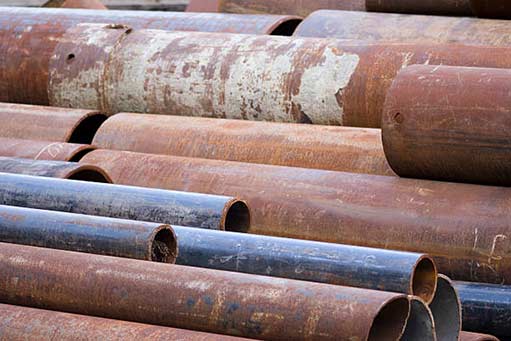
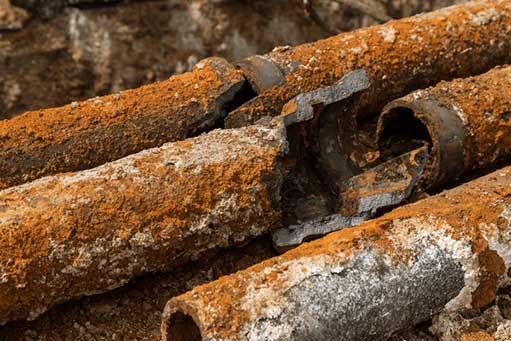
One of the key reasons to replace cast iron pipes in Chicago is the risk of corrosion and rust. These pipes are exposed to moisture, which can cause them to rust and deteriorate over time. As corrosion progresses, it can lead to leaks, blockages, and even pipe burst emergencies. This not only affects the functionality of your plumbing system but can also cause extensive damage to your property.

Health and Safety Concerns

Another crucial reason to replace cast iron pipes is the potential health and safety concerns they pose. As these pipes corrode and deteriorate, they can release harmful chemicals and contaminants into your water supply. This includes substances like lead, which can have severe health implications, especially for young children and pregnant women. By replacing cast iron pipes with more modern and safer alternatives, you can ensure the health and well-being of your family.

Increased Maintenance and Repair Costs

Keeping up with the maintenance and repair costs of cast iron pipes can be a significant drain on your finances. As these pipes age, they become more prone to leaks and blockages, requiring frequent repairs. Additionally, the process of repairing cast iron pipes can be complex and time-consuming, often involving excavation and disruption to your property. By replacing these pipes, you can save money in the long run by eliminating the need for constant repairs and maintenance.

Improved Water Flow and Efficiency

Replacing cast iron pipes in Chicago can significantly improve the water flow and efficiency of your plumbing system. Over time, these pipes can become clogged with debris, causing reduced water flow and pressure. By switching to newer materials, such as PVC or PEX pipes, you can ensure a steady and consistent water flow throughout your property. This is particularly important in a bustling city like Chicago, where efficient plumbing is essential.

Preventing Future Plumbing Emergencies

By proactively replacing your home piping, you can prevent future plumbing emergencies that can cause extensive damage to your property. As these pipes age and deteriorate, they are more susceptible to catastrophic failures, such as pipe bursts and severe leaks. These emergencies not only disrupt your daily life but can also result in costly repairs and property damage. By taking the initiative to replace cast iron pipes, you can avoid these potential disasters.

Increasing Property Value

Replacing cast iron pipes can also have a positive impact on your property value. Potential homebuyers and property investors are often wary of older plumbing systems due to the risks and potential costs associated with them. By installing modern and reliable plumbing systems, you can make your property more attractive to buyers and potentially increase its value. This is especially relevant in a dynamic real estate market like Chicago.

replacing your cast iron pipes with pvc in chicago.

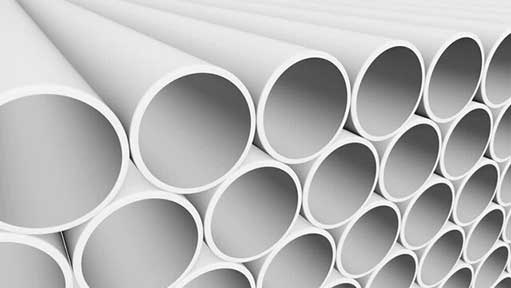
PVC pipes are a widely used and cost-effective option for modern plumbing systems. They are lightweight, easy to install, and resistant to corrosion and rust.

Choosing the Right Replacement Materials

When it comes to replacing cast iron pipes, it’s essential to choose the right replacement materials. Two popular options are PVC (Polyvinyl chloride) and PEX (Cross-linked polyethylene) pipes.

The Benefits of PVC Pipes

PVC pipes are a widely used and cost-effective option for modern plumbing systems. They are lightweight, easy to install, and resistant to corrosion and rust. PVC pipes have a smooth inner surface, which promotes excellent water flow and reduces the risk of clogs. Additionally, they are highly durable and can withstand harsh weather conditions, making them ideal for Chicago’s varying climate.

The Benefits of PEX Pipes

PEX pipes are another excellent choice for replacing cast iron pipes. They are flexible, making them easier to install in tight or complex spaces. PEX pipes are also resistant to corrosion and rust, ensuring the longevity of your plumbing system. Additionally, they have excellent freeze resistance, reducing the risk of pipe bursts during Chicago’s harsh winters. PEX pipes are also known for their ability to expand and contract, making them less susceptible to damage from temperature fluctuations.

In conclusion, replacing cast iron pipes in Chicago is a wise decision for homeowners and property owners alike. The risk of corrosion and rust, health and safety concerns, increased maintenance costs, and decreased water flow efficiency are all compelling reasons to consider replacing these outdated pipes. By investing in modern and reliable plumbing materials like PVC or PEX pipes, you can ensure the longevity, functionality, and safety of your plumbing system. Don’t wait for a plumbing emergency to strike – take proactive steps to protect your property and enjoy the peace of mind that comes with a robust plumbing system.

Common Plumbing Code Violations Our Plumbers See in Chicago

Common Plumbing Code Violations Our Plumbers See in Chicago

Plumbing code violations are a common problem in Chicago homes. But homeowners typically don’t violate these codes intentionally. According to Superior West Property Management, most plumbing code violations happen because a home’s plumbing is outdated or because of installation and repair errors.

Whether it happened unintentionally or not, plumbing code violations are a serious issue. Building codes exist for two main reasons: to safeguard health and provide safety for the home’s occupants and the general population. That is why city officials take plumbing code violations seriously.

However, given that most homeowners generally know very little about buildings and plumbing systems in particular, how can they avoid or detect plumbing code violations in their homes? This post will discuss the most common plumbing code violations in Chicago homes.

The top plumbing code violations found in Chicago homes

These are the plumbing code violations professional plumbers frequently encounter in Chicago homes.

The wrong pipe slope

This mistake is common with homeowners who DIY their home’s plumbing installations or repairs. Plumbing codes are very specific on how to slope drainpipes. A 1/8-inch pitch per foot of pipe is the requirement. Large-diameter pipes must have a 3-inch pitch. That allows the pipe’s contents to flow freely under the force of gravity. Not following this guideline will make the plumbing prone to slow drains and backups.

Using the wrong pipe size

Using the wrong pipe size in any section of the plumbing will introduce imbalances that can increase the likelihood of water pressure issues in your home’s plumbing. It can also make the plumbing prone to leaks and impair the system’s overall performance.

Making pipes inaccessible

A common code violation is to put walls or floors around or on top of valves, pipe fittings and fixture management. That prevents easy access to these plumbing features. Another common violation is failing to install access panels close to tubs and showers. These blunders make it hard to solve plumbing issues quickly and affordably.

Not enough space around toilets

Toilets are required to have a minimum distance of 15 inches between them and any finished wall. This distance is measured from the toilet’s centerline. Violations of this code often happen when a toilet is installed before the drywall is finished.

No or not enough shut-off valves

The entire freshwater supply system should have a main water shut-off valve. In addition to this main shut-off, there should be dedicated shut-offs for bathrooms, kitchens, and outdoor water fixtures. Faucets, toilets and washing machines are also required by code to have their separate shut-off valves.

Wrong placement of cleanouts

Cleanouts provide easy access to the plumbing system for maintenance. They should not be obstructed by any features in the home, external or internal. Cleanouts should not be in places with a risk of contact between sewage and electric circuits or in parts of the home where sanitation is a major concern.

Insufficient number of cleanouts

Having less than the required number of cleanouts makes plumbing maintenance tedious, inefficient and costly. The proper number of cleanouts depends on the size of the plumbing system. At the very least, there should be one indoor and one outdoor cleanout. There should be one cleanout for every 100 feet of plumbing and every change of pipe direction above 45 degrees.

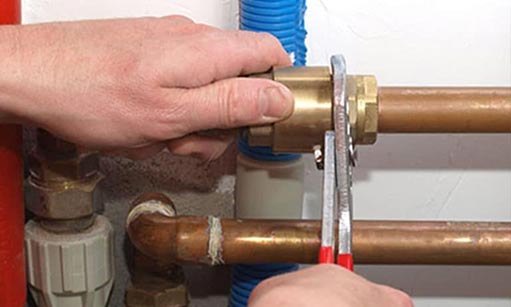
a plumber re-piping a home.

To impart efficiency and resilience to the system, plumbing codes dictate the proper fittings to use in specific situations.

Using the wrong fittings

Plumbing pipes rarely run straight; they bend regularly. These bends are necessary for proper drainage and flow. Bends are also the area where the plumbing is most vulnerable. Using the wrong fittings in these vulnerable places will make the plumbing fragile and prone to leaks. To impart efficiency and resilience to the system, plumbing codes dictate the proper fittings to use in specific situations.

Using glue instead of priming the pipes

Professional plumbers fuse the pipes via a chemical process to join two pipes with minimal risk for future leaks. This process involves using a purple primer to soften the pipes and bond them chemically. If pipes are glued rather than bonded chemically, the glue will not hold, and the pipes will eventually leak.

What should you do if these plumbing code violations exist in your Chicago home?

The right step is to have a licensed Chicago plumber inspect your plumbing to evaluate the violations, plan the necessary repairs or modifications, obtain the required permits, implement the changes, and inspect the finished work to ensure compliance with the codes.

It is essential to take control of the process of correcting all existing plumbing code violations in your home instead of waiting until city officials discover them. Remember that plumbing codes exist for your good, and the penalty for ignoring them can be very costly.

Have a plumbing code violation you need corrected in the Chicago area? Contact us at 773-599-9181 or by form below!

Understanding the Process of Re-Piping and Why It’s Important

Understanding the Process of Re-piping and Why It’s Important

Re-piping is replacing all the water pipes in your plumbing system. This procedure is one of the most effective ways to restore the efficiency of your plumbing. Re-piping your home will help you get rid of all issues caused by old, damaged, or deteriorated pipes, advises the team at KRS Holdings management.

Why should you re-pipe your home? How do you know if your home is due for re-piping; what are the signs to look for? What does the re-piping process look like, and what are the things to consider when re-piping your home?

Why you should re-pipe your plumbing system

Water pipes invariably become weaker and less efficient as they age. Old and brittle pipes are more vulnerable to shocks, like sudden and extreme changes in water temperature or pressure. Aging pipes leak more often; they subject your home to a higher risk of water damage.

In addition to aging, mineral buildup and corrosion take their toll on water pipes. These problems narrow the pipe channels and reduce the water flowing through the system. Pipes with lots of sediment inside them are also more likely to crack.

Fixing these problems by re-piping your plumbing offers the following benefits:

Maximize efficiency

Re-piping reduces the rate of energy loss from the water pipes. You also get to cut down on utility bills when you reduce the rate of water wastage.

Lower maintenance costs

You can reduce the time and energy spent on plumbing issues. You also achieve significant savings in your plumbing maintenance costs.

Prevent property damage

The cost of fixing collateral damage caused by leaks can be higher than fixing the plumbing. Re-piping helps to minimize this risk.

Boost property value

Re-piping your home adds thousands of dollars to its market value. Potential buyers won’t have to worry about hidden plumbing issues in the house.

How re-piping is done

Re-piping follows a ten-part process:

Shut the water supply

The water can be turned off for 3 days. The actual duration depends on your home’s size and the condition of the existing pipes.

Remove the old pipes

Water is drained from the pipes before they are removed. The walls and floors are checked for mold and other signs of water damage.

Inspection

This step is for assessing the extent of damage to the old pipes and the kind of repairs that should be done before installing the new pipes.

New pipe installation

The process of installing the new pipes begins. The shape that this takes depends on the kind of pipes being installed

Test for leaks

Using pressure tests and tools such as infrared cameras, the system is tested for leaks before the water supply is restored.

Turn on the water

The water is turned on, and the system is tested a second time for leaks and other problems.

Flush system with hot water

Hot water is run through the plumbing fixtures in the home to get rid of any sediment inside the pipes.

Insulate water pipes

To prevent corrosion, critical sections of the piping are insulated to reduce the incidence of condensation buildup.

Install access panels

Access panels – which provide easy access to water pipes for maintenance – are installed at critical points.

Final check

One last check is done to ensure there are no plumbing code violations that need to be fixed and that every component of the system is properly connected.

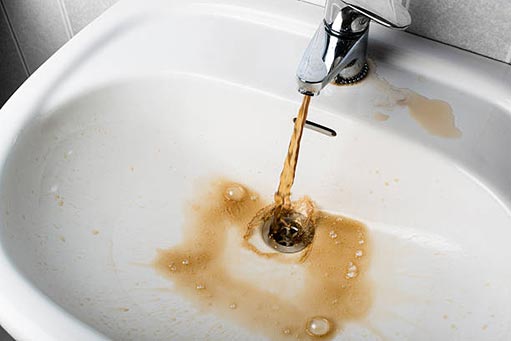
a home with rusty water.

Brown or rust-colored and smelly water are indications of extensive corrosion inside the home’s water pipes.

Does your home need re-piping?

You should repipe your home plumbing if more than one of these problems is present in the home.

Frequent leaks

This is a sign that your pipes are deteriorated and clogged with sediment. Repairing such pipes is a temporary measure that will cost you more in the long run.

Low water pressure

A problem of chronically low water pressure in the entire home – not just one plumbing fixture – is a sure sign that your water pipes need to be replaced.

Water quality issues

Brown or rust-colored and smelly water are indications of extensive corrosion inside the home’s water pipes.

Pipes are old

If the piping was done before 1986, chances are high that your pipes are made of lead. Lead pipes are no longer in use because they pose a risk of lead poisoning.

Before you re-pipe your home

Here are 4 things to think about before re-piping your home:

Time

Choose a time of the year when you can afford to have the water turned off for up to 3 days.

Pipes

What kind of pipes should you use? The choice is usually between PVC, copper and PEX pipes.

Pipe size

What is the right size of pipes based on the water flow requirements of my home?

Cost

How much will this project cost me, and how do I avoid wasting money?

Re-piping your home is a major project that if done wrong, can haunt your building and life for many years. Before embarking on this project, talk to an experienced plumber.

How to Get Rid of Drain Flies in Chicagoland

how to get rid of drain flies in chicagoland

Drain flies, also known as sewer gnats or moth flies, can be a common nuisance in many households, including those in the Chicagoland area. These tiny insects are often found in bathrooms, kitchens, and other areas with standing water or moist conditions. While they do not pose any significant health risks, their presence can be bothersome and unhygienic.

Understanding Drain Flies

Before we get into how to get rid of drain flies, it’s essential to understand their biology and behavior. Drain flies are small, delicate insects with a moth-like appearance. They are typically gray or black in color, have fuzzy bodies, and disproportionately large wings. Despite their name, these flies do not originate from drains but rather from organic matter and stagnant water.

Drain flies lay their eggs in moist environments rich in organic material, such as in clogged drains that need cleaning, decaying vegetation, or sewage systems. The larvae of drain flies thrive in these environments, feeding on the organic matter present. After a brief pupal stage, adult drain flies emerge and start the cycle anew.

Identifying a Drain Fly Infestation

Identifying a drain fly infestation is relatively easy, as these insects are generally active during the daytime and can be seen hovering near drains, sinks, or other water sources. Additionally, if you notice tiny flies emerging when you run water down the drain or detect a foul, musty odor in your bathroom or kitchen, it’s likely you have a drain fly problem.

It’s crucial to differentiate drain flies from other flying insects, such as fruit flies or fungus gnats, as treatment methods may vary. Drain flies are typically larger than fruit flies and have a different appearance, making them distinguishable upon closer inspection.

keeping your drains clean can prevent drain flies in chicagoland.

Regularly clean and clear your drains to remove any organic matter that could attract drain flies.

Preventing Drain Fly Infestations

Preventing drain fly infestations is key to avoiding the hassle and frustration of dealing with these pests. Here are some preventative measures you can take:

  • Keep drains clean: Regularly clean and clear your drains to remove any organic matter that could attract drain flies.
  • Fix leaks promptly: Repair any leaks or dripping faucets that create moist environments, as these are attractive breeding grounds for drain flies.
  • Remove standing water: Ensure that there is no standing water in your bathroom or kitchen. Dry wet surfaces thoroughly after use.
  • Seal cracks and crevices: Inspect your plumbing system and seal any cracks or crevices that drain flies could use as entry points.
  • Proper food storage: Seal food containers tightly and promptly dispose of any overripe fruits or vegetables.

Getting Rid of Drain Flies

If you already have a drain fly infestation, don’t worry—there are effective methods to eliminate these pests. Here are the steps you can take to get rid of drain flies:

1. Identify the breeding source:

The first step in eliminating drain flies is to locate their breeding source. This is typically a clogged drain or stagnant water area where organic matter accumulates. Inspect all drains in your home, including sinks, showers, and floor drains.

2. Clean the drains:

Once you’ve identified the breeding source, it’s time to clean the drains thoroughly. Use a drain brush or pipe cleaner to scrub the inside of the drains, removing any organic build-up that may be present.

3. Remove stagnant water:

If you have any stagnant water sources, such as unused toilets or potted plant trays, empty them immediately. Drain flies require standing water to breed, so removing these water sources can significantly reduce their population.

4. Apply drain cleaners:

After cleaning the drains, apply a commercial drain cleaner or homemade mixture of baking soda and vinegar. These solutions help break down any remaining organic matter and kill drain fly larvae.

5. Use drain fly traps:

Consider placing drain fly traps near infested drains to capture any adult flies that may emerge. These traps are commercially available or can be made using a container filled with apple cider vinegar and a few drops of dish soap.

6. Consult a professional:

If the infestation persists despite your best efforts, it may be necessary to contact a professional pest control company. They have the expertise and tools to effectively eliminate drain fly infestations.

Dealing with drain flies in Chicagoland can be frustrating, but by understanding their behavior and taking preventative measures, you can keep them at bay. Regular drain maintenance, proper sanitation, and prompt elimination of potential breeding sources are key to preventing and controlling drain fly infestations. Remember, if the problem persists, it’s always a good idea to seek professional assistance to ensure a fly-free environment in your home.

The Benefits of Using French Drain Systems in Illinois

The Benefits of Using French Drain Systems in Illinois

What is a French Drain System?

In the state of Illinois, where heavy rainfall is a common occurrence, homeowners and property owners often face the challenge of excess water accumulation in their yards and basements. This could lead to various issues, including water damage, flooding, and mold growth. To tackle this problem, many people turn to French drain systems. A French drain is a drainage system designed to redirect water away from structures and low-lying areas, preventing damage and maintaining a dry environment.

The Benefits of French Drain Systems in Illinois

Installing a French drain system in your property can bring about numerous benefits, especially in a state like Illinois where rain and snowfall are frequent. Let’s explore some of the advantages that make a French drain installation an excellent solution for managing excess water:

Prevents Water Accumulation and Damage

One of the primary benefits of using French drain systems is their ability to prevent water accumulation and subsequent damage to your property. By redirecting water away from your foundation, basement, and yard, French drains help maintain a dry environment, reducing the risk of water-related problems such as flooding and mold growth.

Protects Foundation and Structures

A French drain system acts as a protective barrier against water infiltration, safeguarding the foundation of your property. Excess water accumulation can weaken the foundation over time, leading to structural problems and costly repairs. By channeling water away, French drains help preserve the integrity and stability of your property’s foundation.

Prevents Basement Flooding

Basement flooding is a common issue faced by homeowners in Illinois, especially during heavy rainfall or snowmelt. French drain systems play a critical role in preventing basement flooding by capturing and redirecting water away from your basement walls and floor. By keeping your basement dry, you can avoid damage to stored belongings and valuable property.

Controls Soil Erosion

Illinois is known for its fertile soil, but excessive water can lead to erosion, washing away topsoil and damaging landscapes. French drains mitigate soil erosion by efficiently capturing and redirecting water away from vulnerable areas, preserving your landscaping and preventing unsightly erosion patterns.

Improves Yard Drainage

Poor yard drainage can transform your beautiful lawn into a soggy mess. French drains help improve yard drainage by effectively channeling excess water away from the surface, promoting healthier grass, plants, and trees. With proper yard drainage, you can avoid waterlogged soil, root rot, and other issues that can negatively impact your landscape.

Reduces Moisture-Related Health Risks

Excessive moisture and water accumulation can create a breeding ground for mold and mildew, posing health risks to occupants. French drains help reduce these risks by keeping your property dry and preventing moisture from seeping into your home. By maintaining a healthy indoor environment, you can protect your family from potential respiratory problems and allergies.

Increases Property Value

Installing a French drain system can increase the value of your property. Prospective buyers appreciate the added peace of mind that comes with knowing a property is equipped with effective water management systems. By investing in a French drain, you not only enjoy the immediate benefits but also enhance the resale value of your property.

Customized Solutions for Illinois

French drain systems can be customized to suit the specific needs and conditions of Illinois properties. A professional drainage contractor can assess your property’s unique requirements and design a French drain system that precisely addresses the water management challenges you face.

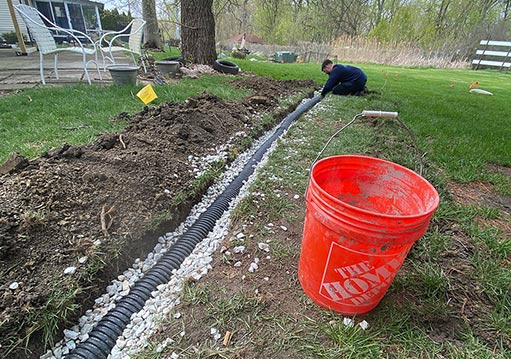
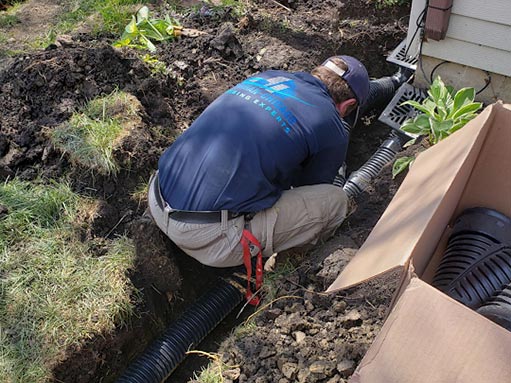
a professional installing a french drain system in illinois.

Professionals use high-quality materials and follow industry best practices to ensure a durable and efficient French drain system.

Hiring a Professional Drainage Contractor

When considering the installation of a French drain, it is crucial to hire a professional drainage contractor to ensure optimal results. Here are a few reasons why hiring a professional is the best approach:

  • Expertise: Professional contractors have the knowledge and expertise to design and install an effective French drain system tailored to your property.
  • Quality Installation: Professionals use high quality materials and follow industry best practices to ensure a durable and efficient French drain system.
  • Proper Permits: Experienced drainage contractors understand the local regulations and obtain the necessary permits for the installation, ensuring compliance with Illinois building codes.
  • Cost-Effective: While some homeowners may consider installing a French drain themselves, hiring a professional can save time, money, and potential issues caused by improper installation.
  • Maintenance: Professional contractors can also provide guidance on maintaining and servicing your French drain system, ensuring long lasting performance and reliability.

A French drain offers a multitude of benefits for Illinois homeowners and property owners. By preventing water accumulation, protecting foundations, avoiding basement flooding, controlling soil erosion, improving yard drainage, reducing health risks, and increasing property value, French drains are a valuable investment. To ensure a successful installation and optimal performance, it is recommended to hire a professional drainage contractor who can design and install a customized French drain system tailored to your property’s unique needs.

Interested in having a French drain installed on your property in the Chicagoland area? Contact us at 773-599-9181 or by form below!

The Hidden Benefits of Regular Drain Cleaning in Wicker Park, Chicago, IL

The Hidden Benefits of Regular Drain Cleaning in Wicker Park

Why Regular Drain Cleaning is Essential for a Healthy Home

When it comes to maintaining a clean and healthy home, regular drain cleaning is often overlooked. However, having your drains cleaned on a consistent basis offers numerous benefits that can improve the overall quality of your living space. Here we will explore the hidden benefits of regular drain cleaning in Wicker Park and why it should be a part of your home maintenance routine.

Prevent Costly Plumbing Issues

One of the most significant benefits of regular drain cleaning is the prevention of costly plumbing issues. Over time, drains can become clogged with debris, grease, hair, soap residue, and other substances, leading to slow drainage or complete blockages. By having your drains cleaned professionally, you can prevent these clogs from occurring and avoid the need for expensive repairs or replacements down the line.

Additionally, regular drain cleaning helps to remove any mineral buildup or corrosion that may be occurring inside your pipes. This prevents the formation of leaks and cracks, which can cause water damage to your home’s structure and lead to even more significant plumbing issues.

Maintain a Healthy Living Environment

Blocked drains not only cause inconvenience but can also contribute to an unhealthy living environment. When drains become clogged, they can emit foul odors and provide a breeding ground for bacteria and other harmful microorganisms. These pathogens can pose a risk to your health and the health of your family members, leading to respiratory problems, allergies, and other illnesses.

Regular drain cleaning helps to eliminate these odors and bacteria, ensuring that your home remains fresh and healthy. By keeping your drains clean, you can create a safe and comfortable living environment for everyone in your household.

Preserve Your Plumbing System

Your plumbing system is an essential and costly part of your home. Regular drain cleaning can help preserve the lifespan of your plumbing system by keeping it in optimal condition. When drains are clogged, the pressure in the pipes increases, putting strain on your plumbing system and potentially leading to pipe burst emergencies or other plumbing emergencies.

By having your drains cleaned regularly, you can alleviate this pressure and reduce the risk of plumbing system failures. This proactive approach to maintaining your plumbing system can save you from the inconvenience and expenses associated with emergency plumbing repairs.

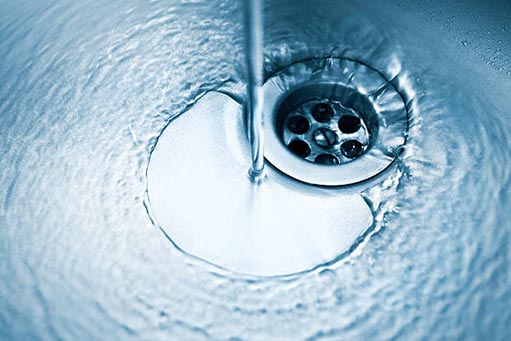
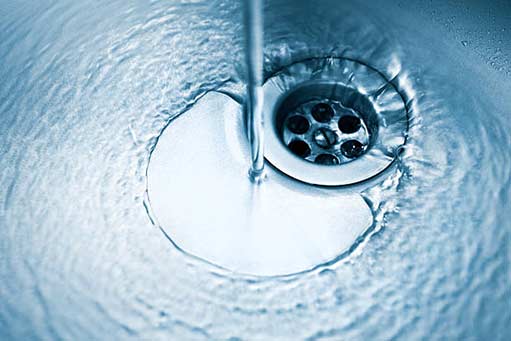
a clean drain.

By keeping your drains clean, you can prevent unnecessary stress on your fixtures and ensure they remain in excellent condition for years to come.

Improve Water Flow and Efficiency

Clogged drains can significantly impact the water flow and efficiency of your plumbing fixtures. Slow drainage and reduced water pressure can make simple everyday tasks, such as washing dishes or taking a shower, frustrating and time-consuming. Regular drain cleaning helps to improve the water flow throughout your home, ensuring that your fixtures function properly and efficiently.

Furthermore, when drains are clear of debris and buildup, your plumbing system requires less energy to push water through the pipes. This can result in lower water bills and a reduced environmental impact, making regular drain cleaning a sustainable choice for your home.

Extend the Lifespan of Your Fixtures

In addition to preserving your plumbing system, regular drain cleaning can also extend the lifespan of your fixtures. Clogs and blockages can put significant strain on your plumbing fixtures, such as sinks, showers, and toilets. This can lead to premature wear and tear, reducing their durability and lifespan.

By keeping your drains clean, you can prevent unnecessary stress on your fixtures and ensure they remain in excellent condition for years to come. This saves you money on replacement costs and allows you to enjoy your fixtures for their intended lifespan.

In Conclusion

Regular drain cleaning is often an overlooked aspect of home maintenance. However, it offers numerous hidden benefits that can improve the overall quality of your living space. By preventing costly plumbing issues, maintaining a healthy living environment, preserving your plumbing system, improving water flow and efficiency, and extending the lifespan of your fixtures, regular drain cleaning proves to be an essential practice for every homeowner.

Don’t neglect the health and functionality of your drains. Take the necessary steps to ensure they remain clean and clear. Contact a professional Wicker Park plumber today to schedule your regular drain cleaning and experience the hidden benefits for yourself.

Understanding the Signs that Indicate Sump Pump Repair in Wrigleyville, Chicago, IL

Understanding the Signs that Indicate Sump Pump Repair in Wrigleyville

The Importance of Sump Pump Maintenance

Sump pumps play a crucial role in protecting your home or business from flooding and water damage. Being aware of the signs that your sump pump may need repair or maintenance is essential to ensure its functionality during heavy rains or potential water leaks.

Why Sump Pump Repair is Necessary

A sump pump is designed to remove water that accumulates in a sump pit or basin, typically found in basements or crawl spaces. It prevents water from seeping into your property and causing costly damage. However, like any mechanical device, sump pumps are not immune to wear and tear. Regular maintenance and repair are necessary to keep your sump pump functioning optimally.

Signs that Indicate Sump Pump Repair

Knowing the signs that indicate your sump pump may need repair can save you from unexpected flooding and extensive water damage. Here are some common signs to be aware of:

Unusual Noises

If your sump pump starts making strange noises, such as grinding, rattling, or screeching sounds, it is a clear indication that something is amiss. These noises may be a result of worn-out components, a faulty motor, or debris obstructing the impeller. It is crucial to address these noises promptly to prevent complete failure of the sump pump.

Frequent Cycling

If you notice that your sump pump is frequently turning on and off, it could be a sign of a malfunctioning float switch or improper positioning. This constant cycling can put excessive strain on the pump motor and decrease its overall lifespan. A professional sump pump repair service can diagnose and resolve the issue to ensure efficient operation.

Inadequate Water Removal

If your sump pump is failing to remove water effectively or there is water pooling around the sump pit, it is indicative of a problem. This could be due to a clogged or damaged discharge pipe, a worn-out impeller, or a failing motor. It is important to have the issue inspected and repaired to prevent basement flooding.

Intermittent or No Operation

If your sump pump fails to turn on when water accumulates in the sump pit, or if it only operates sporadically, it is a cause for concern. This could be due to a malfunctioning float switch, a faulty electrical connection, or a failing motor. Prompt professional repair is necessary to ensure your sump pump functions reliably during heavy rains or sudden water leaks.

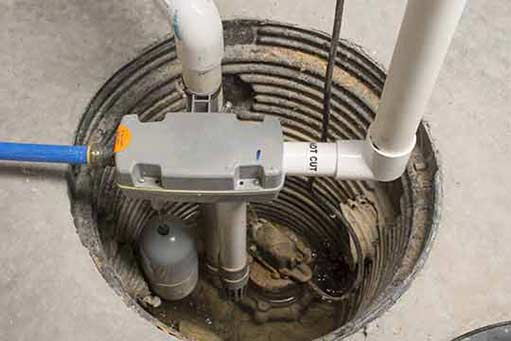
a plumber repairing a sump pump in wrigleyville.

Professional plumbers in Wrigleyville use high-quality replacement parts and materials to ensure lasting repairs.

The Benefits of Professional Sump Pump Repair in Wrigleyville

When it comes to sump pump repair, it is crucial to entrust the job to experienced professionals. Here are some benefits of hiring a professional sump pump repair service in Wrigleyville:

Expertise and Knowledge

Professional sump pump repair technicians have the necessary expertise and knowledge to accurately diagnose the underlying issues with your sump pump. They can identify any potential problems and provide efficient solutions to ensure its optimal performance.

Quality Repairs

Professional plumbers in Wrigleyville use high-quality replacement parts and materials to ensure lasting repairs. They have access to top-rated suppliers and can source the appropriate components needed for your specific sump pump model.

Time and Cost Savings

Hiring professionals for sump pump repair can save you valuable time and money in the long run. They have the necessary tools and equipment to complete the repairs efficiently and effectively. Attempting to repair the sump pump yourself can lead to further damage and costly repairs down the line.

Preventative Maintenance

Professional sump pump repair services not only address existing issues but also offer preventative maintenance. They can perform routine inspections and maintenance checks to ensure your sump pump is in excellent working condition and prevent premature sump pump replacement.

Understanding the signs that indicate sump pump repair is essential for homeowners and businesses in Wrigleyville. Regular maintenance and prompt repairs can prevent basement flooding and water damage, safeguarding your property and valuables. It is advisable to hire a good Wrigleyville plumber for expert diagnosis, quality repairs, and preventative maintenance to ensure the optimal functioning of your sump pump.

In need of sump pump repair or replacement service in the Wrigleyville area? Contact us at 773-599-9181 or by form below!

How to Safeguard Your Home From Water Damage in Burbank, IL

How to Safeguard Your Home From Water Damage in Burbank

Water damage can be a costly and devastating issue for homeowners, causing structural damage, mold growth, and the loss of personal belongings. Here we will provide you with practical tips and advice to help you protect your home and prevent water damage. Whether you are a homeowner in Burbank or any other location, these tips will be useful for safeguarding your property.

Understanding the Risk of Water Damage

Before we get into the preventive measures, it’s important to understand the common causes and risks associated with water damage. By being aware of these factors, you can take proactive steps to mitigate potential issues.

Identifying Potential Sources of Water Damage

Water damage can originate from various sources within and around your home. Identifying these potential sources is crucial to implementing effective preventive measures. Here are some common culprits:

Plumbing System

Aging or faulty plumbing systems can be a significant risk for water damage. Regularly inspecting your pipes, fixtures, and ensuring proper maintenance can help prevent leaks, burst pipe emergencies, and other plumbing-related issues.

Roof

Damage to your roof, such as missing or damaged shingles, can allow water to enter your home during rainstorms or snowmelt. Regularly inspecting and maintaining your roof can help identify and address any issues before they result in water damage.

Basement and Foundation

Basements and foundations are prone to water damage due to their below-ground level. Poor drainage, cracks in the foundation walls, or inadequate waterproofing can lead to water seepage and flooding. Ensuring proper waterproofing and addressing any drainage issues is essential.

Appliances and Fixtures

Common household appliances and fixtures, such as washing machines, dishwashers, and toilets, can be sources of water damage if they malfunction or develop leaks. Regularly inspecting and maintaining these devices can help prevent potential issues.

Sump Pump Failure

If your home has a sump pump system, it’s important to ensure its proper functioning. Sump pump failure during heavy rainfall can lead to basement flooding and extensive water damage. Regularly test and maintain your sump pump to avoid any unpleasant surprises.

gutter cleaning is a good way to prevent water damage in your burbank home.

Clogged gutters and downspouts can lead to water overflow, which can seep into your home’s foundation, causing water damage. Regularly clean and maintain your gutters and downspouts to ensure proper water drainage.

Preventive Measures to Safeguard Your Home

Safeguarding your home from water damage involves a combination of regular maintenance, inspections, and preventive measures. Here are some effective strategies to protect your property:

Install a Water Leak Detection System

A water leak detection system can provide an early warning of any leaks or moisture buildup in your home. These systems can automatically shut off the water supply, helping to prevent significant damage in the event of a leak.

Regularly Inspect and Maintain Your Plumbing System

Schedule regular inspections of your plumbing system, including pipes, faucets, and toilets. Look for any signs of leaks, drips, or water stains. Promptly address any issues and consider replacing old or faulty plumbing components or reaching out to a professional plumber in Burbank, IL.

Keep Gutters and Downspouts Clean

Clogged gutters and downspouts can lead to water overflow, which can seep into your home’s foundation, causing water damage. Regularly clean and maintain your gutters and downspouts to ensure proper water drainage.

Maintain Your Roof

Inspect your roof regularly for any signs of damage, such as missing or damaged shingles. Address any issues promptly and consider hiring a professional roofing contractor for a more thorough inspection.

Ensure Proper Grading and Landscaping

Proper grading and landscaping can prevent water from pooling around your home’s foundation. Ensure that the ground slopes away from your home and consider using appropriate landscaping features, such as retaining walls or installing French drains, to redirect water away from the foundation.

Install a Sump Pump and Battery Backup System

If your home is prone to basement flooding, consider installing a sump pump system. Moreover, installing a battery backup for your sump pump will ensure its functionality during power outages or pump failures.

Use Water-Resistant Materials

When renovating or building, opt for water-resistant materials such as water-resistant drywall, waterproof membranes, and treated woods. These materials can help minimize damage in case of a water-related incident.

Educate Yourself on Emergency Water Shut-Off

Make sure you know the location of your main water shut-off valve and how to turn off the water supply in an emergency. This knowledge can be crucial in preventing extensive damage if a significant water leak occurs.

Inspect and Maintain Appliances Regularly

Keep a regular maintenance schedule for your appliances and fixtures. Inspect them for any signs of leaks, corrosion, or malfunction. Replace worn-out hoses and connectors to prevent potential water damage.

Water damage can wreak havoc on your home and finances, but by implementing these preventive measures, you can significantly reduce the risk. Regular inspections, proper maintenance, and quick action in addressing any issues are key to safeguarding your home. Remember, when it comes to water damage prevention, it’s better to be proactive than to deal with the aftermath of a disaster.

Safeguard your home today and enjoy peace of mind knowing that you’ve taken the necessary steps to protect your property from water damage in Burbank and beyond.

Uncovering the Silent Threat: The Hazards of Lead Pipes in Chicago’s Water Supply

The Hazards of Lead Pipes in Chicago's Water Supply

The Silent Danger Lurking in Chicago’s Water Supply

Chicago, known as the Windy City, is home to a vibrant population of over 2.7 million people. As these residents go about their daily lives, there is an invisible threat silently making its way into their homes – lead pipes.

Lead pipes are a common feature in many older cities across the United States, including Chicago. These pipes were widely used in the early 20th century due to their durability and affordability. However, the detrimental effects of lead on human health have long been known, and yet, thousands of Chicagoans continue to be exposed to this hazardous substance through their water supply.

The Lingering Dangers of Lead

Lead is a toxic metal that can cause serious health issues, especially in children and pregnant women. When lead pipes corrode over time, lead particles can leach into the water flowing through them. This contaminated water can then be consumed and absorbed by the human body, leading to health problems such as:

  • Developmental delays in children
  • Learning difficulties
  • Behavioral problems
  • Lowered IQ
  • Increased risk of hypertension
  • Kidney damage

Unfortunately, these health risks are often invisible and can take years to manifest, making the impact of lead exposure difficult to detect or link directly to water consumption.

chicago lead pipes.

Several factors contribute to the persistence of lead pipes in Chicago’s water supply. One key reason is the sheer age of the city’s infrastructure.

Unveiling the Scope of the Problem

While Chicago’s water supply is regulated and monitored to ensure public safety, the presence of lead pipes remains a significant concern. According to a recent report by the Chicago Tribune, an estimated 400,000 homes in the city still rely on lead service lines to deliver water.

Furthermore, the issue of lead contamination is not evenly distributed across the city. Low-income neighborhoods and communities of color tend to be disproportionately affected, exacerbating existing health disparities and inequalities.

A Deep Dive into the Causes

Several factors contribute to the persistence of lead pipes in Chicago’s water supply. One key reason is the sheer age of the city’s infrastructure. Many of the water systems were built decades ago, and replacing all the lead pipes is a monumental task that requires significant financial resources and coordination.

Another contributing factor is a lack of awareness among homeowners. Many residents are unaware that their homes contain lead pipes or that they can request a free water test kit from the city to assess the quality of their tap water.

Taking Action: Chicago’s Response

Recognizing the urgency of the situation, city authorities have taken steps to address the issue of lead pipes in Chicago’s water supply. The Chicago Department of Water Management has implemented a comprehensive plan to gradually replace all lead service lines across the city.

Additionally, the city has launched educational campaigns to raise awareness about the dangers of lead exposure and the importance of getting water tested. These efforts aim to empower residents with knowledge and equip them with the tools to protect themselves and their families.

Your Role in Protecting Your Health

While the city is making strides towards eliminating lead pipes, individual actions are also crucial in safeguarding public health. Here are some steps you can take:

  • Get your water tested: Request a free water test kit from the city and have your tap water analyzed for lead. This will provide valuable insights into the safety of your water supply.
  • Use a water filter: Install a certified lead-filtering device on your faucet or use a filter pitcher to remove any potential lead particles from your drinking water.
  • Flush your taps: In the morning or after a period of non-use, run your taps for a few minutes to flush out any stagnant water that may have accumulated lead particles.
  • Stay informed: Keep up-to-date with the latest information and updates from the city regarding lead water line replacement service initiatives and water quality.

A Collective Effort for a Safer Future

Eliminating lead pipes from Chicago’s water supply is a complex and ongoing process that requires the collaboration and commitment of multiple stakeholders – city officials, residents, and advocacy groups. By working together, we can ensure that access to clean and safe water is a fundamental right for all Chicagoans.

Let us not allow the silent threat of lead pipes to persist in our communities. Take action, spread awareness, and join the movement for a healthier, lead-free Chicago.