Author Archives: Chicago Plumbing Experts

Top Plumbing Issues That Cause Severe Water Damage

Top Plumbing Issues That Cause Severe Water Damage

Burst Pipes: Understanding the Causes and Solutions

One of the most disastrous plumbing issues that can cause severe water damage in your home is burst pipes. These incidents often occur during extreme weather conditions, particularly in colder climates where freezing temperatures can cause the water inside pipes to expand and eventually crack or explode the pipe walls. However, burst pipes can also result from high water pressure, corrosion, or physical damage.

To prevent burst plumbing pipe emergencies, consider insulating your pipes during winter, especially those exposed to unheated areas such as basements, attics, and garages. Schedule regular inspections to identify any signs of corrosion or wear and tear, and ensure that your home’s water pressure remains within safe levels. Addressing potential issues early on can help you avoid the significant water damage associated with burst pipes.

Leaking Faucets: A Small Drip Leading to Major Problems

Leaking faucets may seem like a minor inconvenience, but over time, they can cause substantial water waste and damage. Persistent drips can lead to water staining, mold growth, and structural damage to countertops and cabinets. The constant presence of moisture can also attract pests.

Regularly check faucets for leaks and promptly replace worn-out washers, O-rings, or cartridges. If you notice persistent issues, it may be time to consider replacing the entire faucet. Taking action sooner rather than later can save you from more extensive repairs and water damage.

Clogged Drains: Preventing Blockages and Overflow Issues

Clogged drains are a common plumbing issue that can lead to overflows and water damage. Hair, soap scum, grease, and food particles can accumulate over time, causing blockages that prevent water from flowing freely. When a drain becomes clogged, water can back up and spill over, leading to water damage in your home.

To prevent clogged drains, be mindful of what you allow to go down the drain. Use drain screens to catch hair and food debris, and avoid pouring grease or oil down the sink. Regularly clean your drains with a mixture of baking soda and vinegar to break down buildup. If you experience persistent clogs, consider contacting a professional drain cleaning service for a more thorough cleaning.

Water Heater Issues: Maintaining Efficient and Safe Operation

Water heaters are essential for providing hot water in your home, but they can also pose a risk for water damage if not properly maintained. Leaks, corrosion, and sediment buildup inside the tank can result in water damage to surrounding areas. Additionally, malfunctioning water heaters can lead to scalding water temperatures, posing a safety hazard.

To prevent water heater issues, schedule regular maintenance checks to flush out sediment buildup and inspect for signs of corrosion or leaks. Ensure that the temperature is set to a safe level and that pressure relief valves are functioning correctly. Regular maintenance can extend the life of your water heater and prevent costly water damage.
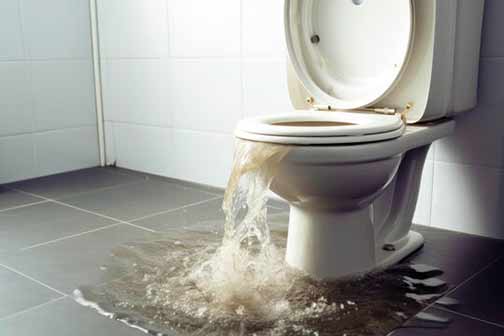
an overflowing toilet.

If you experience frequent toilet overflows, it may be necessary to have a professional plumber inspect your plumbing system for underlying issues.

Toilet Overflows: Addressing Common Causes and Prevention

Toilet overflows are not only a major inconvenience but can also lead to extensive water damage in your home. Common causes of toilet overflows include clogs in the toilet drain or sewer line, malfunctioning float mechanisms, and issues with the fill valve.

To prevent toilet overflows, avoid flushing non-biodegradable items such as wipes, sanitary products, and excessive toilet paper. Regularly inspect the toilet’s internal components to ensure they are functioning correctly and replace any worn-out parts. If you experience frequent toilet overflows, it may be necessary to have a professional plumber inspect your plumbing system for underlying issues.

Washing Machine Hose Leaks: Preventing Unseen Water Damage

Washing machine hoses are often out of sight and can go unnoticed until they cause significant water damage. Over time, hoses can become brittle, burst, or develop small leaks that lead to water damage behind walls or under flooring.

To prevent washing machine hose leaks, inspect hoses regularly for signs of wear and replace them every few years with reinforced steel braided hoses. Ensure that connections are secure and consider installing an automatic shutoff valve that cuts off water flow if a leak is detected. Proactive measures can prevent extensive water damage and costly repairs.

Sump Pump Failures: Safeguarding Your Basement from Flooding

Sump pumps are crucial for preventing basement flooding, especially in homes with a high water table or frequent heavy rainfall. However, sump pump failures can occur due to power outages, mechanical issues, or improper maintenance, leading to severe water damage.

To ensure your sump pump is functioning correctly, perform regular maintenance checks to clean out debris from the pump and pit. Test the pump periodically by pouring water into the pit to ensure it activates and drains the water effectively. Installing a battery backup system can provide peace of mind during power outages. Regular upkeep and testing can prevent sump pump failures and protect your basement from water damage.

Poor Drainage Systems: Ensuring Proper Water Flow and Avoiding Damage

Poor drainage systems can lead to water accumulation around your home’s foundation, causing structural damage and basement flooding. Insufficient grading, clogged gutters, and inadequate downspouts can contribute to poor drainage.

To improve drainage, ensure that your yard slopes away from the foundation and that gutters and downspouts are clean and directing water at least six feet away from the house. Having a French drain installed or surface drain system can also help manage excess water. Proper drainage is essential for preventing water damage and maintaining a stable foundation.

Preventive Measures: Proactive Steps to Protect Your Home

Taking proactive measures is key to preventing plumbing issues that can lead to severe water damage. Regular maintenance, inspections, and prompt repairs can address potential problems before they escalate.

Develop a maintenance routine that includes checking for leaks, inspecting appliances and fixtures, and keeping drains clean. Educate yourself and your family members about proper usage of plumbing systems and the importance of early detection and intervention. By staying vigilant and proactive, you can protect your home from water damage and ensure a reliable plumbing system.

Professional Help and Routine Maintenance: Importance of Expert Intervention

While DIY maintenance can address minor plumbing issues, seeking professional help is crucial for more complex problems and routine inspections. Qualified plumbers have the expertise and tools to identify underlying issues that may not be apparent to homeowners.

Schedule regular maintenance checks with a licensed plumber to ensure that your plumbing system is in optimal condition. Professional inspections can detect potential issues early on, preventing costly water damage repairs. Building a relationship with an emergency plumbing specialist can provide peace of mind and keep your home’s plumbing system functioning efficiently.

Step-by-Step Guide to Replacing Your Toilet’s Water Supply Line

Step-by-Step Guide to Replacing Your Toilet's Water Supply Line

The water supply line is a critical component of your plumbing system, delivering clean water from your home’s main water supply to your toilet. Ensuring the proper functioning of this line is vital for maintaining hygiene and convenience. A faulty or old supply line can lead to leaks, water damage, and higher utility bills. Here we aim to provide a professional and responsible approach to replacing your toilet’s water supply line, ensuring a well-maintained bathroom.

Gathering the Necessary Tools and Materials

Before starting the replacement process, it’s essential to have all the required tools and materials ready. This will save you time and make the process smoother. Here are the items you will need:

  • Adjustable wrench
  • Pliers
  • Bucket or towel
  • New water supply line

Turning Off the Water Supply

The first step in replacing the water supply line is to turn off the water supply to the toilet. Locate the shut-off valve, usually found on the wall behind the toilet. Turn the valve clockwise until it is fully closed. This will stop the water flow and prevent any potential flooding.

Draining the Toilet Tank

Once the water supply is turned off, flush the toilet to drain most of the water from the tank. If there’s any remaining water, use a sponge or a towel to soak it up. Ensuring the tank is empty will make the replacement process cleaner and more manageable.

Disconnecting the Old Water Supply Line

Use an adjustable wrench to loosen the nut connecting the water supply line to the toilet tank. Once loosened, you can typically remove it by hand. Place a bucket or towel beneath the connection to catch any remaining water. Next, disconnect the other end of the supply line from the shut-off valve using the wrench. Discard the old supply line appropriately.

Preparing the New Water Supply Line

Before installing the new supply line, prepare it for connection. Apply a thin layer of thread seal tape around the threads of the shut-off valve to ensure a secure and leak free connection. This tape helps create a tight seal and prevents water from leaking through the threads.

Installing the New Water Supply Line

Attach one end of the new supply line to the shut-off valve, tightening it by hand first and then using an adjustable wrench to ensure it is snug but not overly tight. Next, connect the other end of the supply line to the tank’s fill valve, following the same process. Ensure both connections are secure to prevent any leaks.

Turning On the Water Supply

Once the new supply line is in place and securely connected, turn the shut-off valve counterclockwise to restore the water supply to the toilet. Allow the tank to fill, and check both ends of the supply line for any signs of leaks. If you notice any leakage, use the wrench to tighten the connections slightly until the leaks stop.

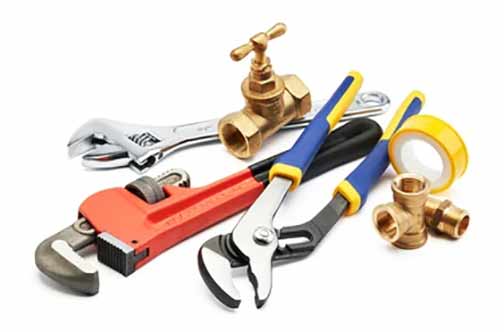
plumbing tools needed to replace a water supply line on a toilet.

Before starting the replacement process, it’s essential to have all the required tools and materials ready.

Testing and Final Adjustments

After ensuring there are no leaks, flush the toilet a few times to check the new supply line’s performance. Observe the connections for any drips or moisture. If everything appears to be working correctly, you have successfully replaced the toilet’s water supply line.

Maintaining Your Toilet’s Water Supply Line

Regular maintenance of your toilet’s water supply line can prevent future issues and extend the life of your plumbing system. Inspect the connections periodically for any signs of wear or leaks. Promptly address any issues to maintain a well functioning bathroom and avoid costly repairs.

When to Seek Professional Help

While this guide provides a comprehensive approach to replacing a toilet’s water supply line, some situations may require professional assistance. If you encounter persistent leaks, difficulty in turning off the water supply, or any signs of damage to the shut-off valve, it’s advisable to contact a licensed plumber. Professional help ensures that the job is done correctly and safely, minimizing the risk of further damage.

Conclusion

Replacing your toilet’s water supply line is a manageable task with the right tools and instructions. By following this step-by-step guide, you can approach the project professionally and responsibly, ensuring a well-maintained bathroom. Regular maintenance and timely replacements of plumbing components contribute significantly to the overall health and efficiency of your home’s plumbing system.

Mastering Water Meter Reading to Detect Leaks

Mastering Water Meter Reading to Detect Leaks

Understanding Your Water Meter: A Crucial First Step

Accurate water meter reading is the foundation of efficient water management. Understanding the various types of water meters and their components enables homeowners to keep a close watch on their water usage. Different water meters may come with unique display features and methods for recording consumption, so familiarizing yourself with your specific model is essential.

Types of Water Meters and Their Components

There are several types of water meters, each with its distinct functionalities and configurations. The most common types are:

  • Mechanical Water Meters: These meters use gears and a system of rotating wheels to measure water flow. The mechanical components translate water flow into measurable units displayed on a dial.
  • Digital Water Meters: These modern meters use electronic sensors to track water usage. They often come with LCD displays and can transmit data directly to utility companies for more accurate billing.
  • Smart Water Meters: Incorporating advanced technology, smart meters provide real-time data on water usage, allowing homeowners to monitor consumption through mobile applications or web interfaces.

Regardless of the type, all water meters share common components such as the register (which displays the reading), the chamber (where the water flows), and a protective cover.

Reading Your Water Meter Accurately

Reading a water meter may vary slightly based on its type, but the principle remains the same: capturing the exact value displayed and interpreting it correctly. Here’s a step-by-step guide to ensure you read your water meter accurately:

  • Locate Your Water Meter: Water meters are typically found in outdoor meter boxes or indoor utility closets. Ensure you have the right tools, like a flashlight, to access and read the meter effectively.
  • Identify the Display: Find the display panel on the meter. For mechanical meters, look for the sweep hand and the series of dials. For digital and smart meters, check the LCD screen for a direct reading.
  • Record the Numbers: Note the numbers displayed on the meter. These digits represent the total water usage in gallons or cubic feet. Mechanical meters may also have a sweep hand indicating fractions of the unit.
  • Understand the Units: Be aware of the unit measurement used by your meter. Gallons and cubic feet are the most common units. For accurate readings, note if any dials or digits represent fractions of the main unit.

Monitoring Water Consumption Patterns

Once you master reading your water meter, consistently record readings to monitor your water consumption patterns. Keeping a log of daily or weekly readings can help you identify unusual spikes or trends in water usage. Not only does this promote water conservation, but it also aids in early detection of potential leaks.

Spotting Potential Leaks: Key Indicators

Water leaks can cause significant damage and wastage if not addressed promptly. There are key indicators that homeowners should watch for to detect leaks early:

  • Unexpected Spikes in Water Usage: A sudden increase in water consumption may signal an undetected leak. Compare current readings with past records to identify unusual spikes.
  • Continuous Meter Movement: When all water-using appliances and fixtures are turned off, the meter should not move. If the meter continues to register water flow, there may be a hidden leak.
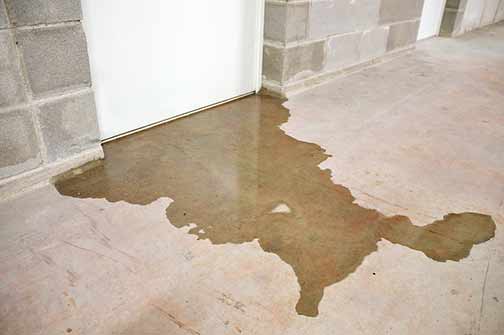
  • Wet Spots and Mold: Puddles, damp areas, or mold growth, especially in areas far from water sources, can indicate leaks within walls or under floors.
a water meter reading.

sudden increase in water consumption may signal an undetected leak. Compare current readings with past records to identify unusual spikes.

Conducting a Leak Test

To confirm the presence of a leak, perform a simple leak test:

  • Turn Off All Water Fixtures: Ensure that no water is being used inside or outside the home. This includes faucets, showers, sprinklers, and appliances.
  • Read the Water Meter: Record the current reading on your water meter and note the time.
  • Wait and Re-check: Wait for about two hours without using any water. After the waiting period, re-read the water meter.
  • Compare Readings: If the meter reading has changed, you likely have a leak. The amount of change can give you an idea of the leak’s severity.

Common Sources of Household Leaks

Leaks can occur in various parts of a household’s plumbing system. Identifying the common sources can help homeowners target and fix the issues promptly:

  • Toilet Leaks: Often caused by a faulty flapper or fill valve, toilet leaks can be detected by listening for continuous running water or using a dye tablet in the tank to see if it seeps into the bowl without flushing.
  • Faucet Leaks: Worn-out washers or seals are common culprits behind dripping faucets. The repair usually involves replacing these inexpensive parts.
  • Pipe Leaks: Pipes, especially older or poorly insulated ones, can develop cracks or holes, leading to leaks. Inspect visible pipes regularly and pay attention to any signs of moisture or corrosion.
  • Appliance Leaks: Dishwashers, washing machines, and water heaters can develop leaks over time. Regular maintenance and inspections can prevent and detect leaks early.

Preventive Measures to Avoid Leaks

Prevention is key to avoiding costly water damage. Implementing routine maintenance and taking preventive measures can significantly reduce the risk of leaks:

  • Regular Inspections: Periodically inspect all water-using appliances, fixtures, and exposed pipes for signs of wear or damage.
  • Install Water Alarms: Place water alarms in areas prone to leaks, such as basements, under sinks, and near water heaters. These devices alert you to the presence of water, helping you take immediate action.
  • Maintain Water Pressure: High water pressure can damage pipes and lead to leaks. Install a pressure regulator to keep water pressure at safe levels.

When to Call a Professional

While many minor leaks can be handled by homeowners, certain situations require professional intervention. If you encounter the following, it’s best to call a licensed plumber:

  • Leaks within walls or ceilings
  • Significant drops in water pressure
  • Recurrent or severe leaks, especially in older homes
  • Galvanized pipes showing significant wear or corrosion

The Financial Benefits of Leak Detection

Detecting and repairing leaks not only prevents water damage but also offers financial benefits. Efficient water use lowers utility bills, and well-maintained plumbing systems reduce the need for costly emergency repairs. Investing time in regular meter readings and inspections is a cost-effective strategy to ensure the longevity of your home’s plumbing infrastructure.

Summing It Up

Mastering water meter reading is a vital skill for homeowners aiming to protect their homes from water damage and manage their water usage effectively. By understanding how to read your water meter, monitoring usage patterns, identifying potential leaks, and taking preventive measures, you can safeguard your home and save on utility costs. Stay proactive and vigilant in maintaining your plumbing system, and remember to seek professional help when needed. Protecting your home starts with a simple yet crucial task: reading your water meter accurately and regularly.

Sewer Backup Solutions: How to Protect Your Basement

Sewer Backup Solutions

Sewer backup is a homeowner’s nightmare, causing damage and posing health risks. A backup occurs when wastewater that would otherwise flow into your main sewer line gets clogged or obstructed and spills over into your home, typically at the lowest area of your home such as the basement. There are several common causes for sewer backups, each one of which can have devastating effects if not addressed on time and properly.

One primary cause of sewers backing up is root invasion. The roots of trees are prone to the direction of water, and if cracks or leaks exist in your sewer pipes, the roots will infiltrate and spread gradually, blocking the pipes. Another common cause is pipe clogs, which can be formed when garbage, grease, hair, and other external substances amass and form blockages. In addition to this, sewer line collapse due to aged pipes or moving grounds can also lead to backups. Heavy rains and flooding can overwhelm municipal sewer systems, which in turn can create backups in your home’s sewer line. Lastly, improper flushing of certain items, such as feminine products, wipes, and paper towels, can clog your sewer pipes.

Common Signs of a Sewer Backup: What to Watch For

Being aware of the warning signs of a sewer backup can help you take swift action to mitigate damage and prevent more severe issues. One of the earliest indications is often gurgling sounds coming from your drains, toilets, or basement floor drains. These noises signal that air is trapped in the system due to a blockage. Slow drains in multiple fixtures can also indicate a blockage in the sewer line rather than isolated pipe issues.

Another telltale sign is sewage odors emanating from your drains or basement. The smell of raw sewage can be overpowering and is a clear indicator that something is amiss. During periods of heavy rain, if you notice water coming up through the basement floor drains or pooling around them, this can be a sign of a sewer backup as the municipal system becomes overwhelmed. Lastly, if you experience frequent toilet backups or wastewater rising in bathtub or floor drains, this is a strong indication that there is a blockage in the main sewer line.

Preventative Maintenance Strategies to Reduce the Risk of Sewer Backups

Preventative maintenance is essential in reducing the risk of sewer backups and protecting your basement from potential damage. One of the most effective strategies is to avoid flushing inappropriate items down your toilets and drains. These items include wipes, paper towels, feminine hygiene products, and grease, which can create blockages in the pipes. Educate your household on proper disposal methods to prevent these materials from entering your sewer system.

Regularly scheduling professional sewer line inspections and cleaning can help identify potential issues before they lead to backups. A professional plumber can use specialized equipment, such as cameras, to visually inspect the inside of your sewer lines, detecting cracks, root intrusions, and blockages. Hydro jetting, a high-pressure cleaning service, can then be used to clear any obstructions and maintain the optimal flow within your pipes.

Consider implementing routine checks and maintenance on your home’s gutters and downspouts to ensure proper drainage away from your foundation. Clear any debris and ensure that water is directed away from your home’s sewer line. Installing gutter guards can also help in preventing leaves and other debris from clogging the downspouts.

Installing a Backwater Valve: A Key Solution for Protecting Your Basement

By installing a backwater valve is an effective method for preventing sewer backups from entering your home. A backwater valve is a device installed on the main sewer line that allows wastewater to flow out of your home while preventing it from flowing back in. This valve is crucial, especially in areas prone to heavy rainfall or flooding, as it provides a protective barrier against municipal sewer backups.

The backwater valve has a flap that opens to allow wastewater to exit your home. When the municipal sewer system is overwhelmed, and there is backflow, the flap automatically closes, preventing the sewage from entering your basement. This device can be installed by a professional plumber and requires regular maintenance to ensure it remains functional. Checking the valve for debris and testing its operation periodically can help maintain its effectiveness.

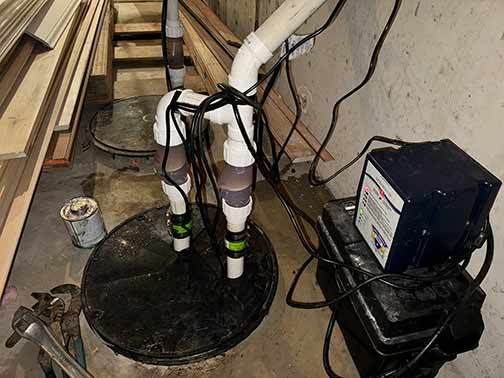
a sump pump helps sewer backups.

Maintaining your sump pump is essential to ensure its reliability during heavy rain or flooding.

Sump Pumps: Essential Equipment for Basement Protection

Sump pumps are another crucial tool for protecting your basement from water damage and potential sewer backups. A sump pump is installed in a sump pit, typically at the lowest point of your basement. It functions by collecting and pumping out excess water that accumulates in the pit, thereby preventing it from seeping into your basement and causing damage.

There are two main types of sump pumps: submersible pumps and pedestal pumps. Submersible pumps are installed inside the sump pit and are designed to function while submerged in water. Pedestal pumps, on the other hand, have their motor above the pit and are not designed to get wet. Both types effectively remove excess water, but the choice between them depends on specific needs and preferences.

Maintaining your sump pump is essential to ensure its reliability during heavy rain or flooding. Testing the pump periodically, cleaning the sump pump, and ensuring the discharge line is clear of obstructions are crucial maintenance tasks. Additionally, consider installing a battery backup for your sump pump to ensure it continues to operate during power outages.

Professional Inspections and Regular Cleaning: Keeping Your Sewer Lines Clear

Professional inspections and regular cleaning of your home’s sewer lines are vital in maintaining a functional and efficient plumbing system. Hiring a licensed plumber to conduct routine inspections can help identify potential issues early on, allowing for timely repairs and preventing costly damage. Through the use of advanced tools such as camera inspections, a plumber can assess the condition of your sewer lines and pinpoint any blockages, cracks, or root intrusions that require attention.

Regular cleaning of your sewer lines is equally important in preventing backups. Hydro jetting is a highly effective method used by professionals to clear blockages and buildup from the inside of the pipes. This process involves using high-pressure water to blast away debris, grease, and roots, restoring the pipes to optimal condition. Scheduled hydro jet drain cleaning helps maintain a smooth flow within the sewer lines and minimizes the risk of clogs and backups.

Additionally, professional plumbers can provide valuable advice on maintaining your sewer system and recommend any upgrades or repairs needed to enhance its efficiency and reliability. By investing in expert inspections and cleaning services, you can safeguard your basement from potential sewer backup incidents.

Emergency Response and Cleanup: What to Do When a Sewer Backup Occurs

Despite taking preventative measures, sewer backups can still occur, and knowing how to respond in an emergency can significantly reduce damage and health risks. The first step is to avoid contact with the contaminated water, as it can contain harmful bacteria and pathogens. Evacuate the affected area and wear protective gear if you must enter the space to prevent exposure.

Next, immediately stop using water in your home to minimize further backups. Turn off the water supply and avoid flushing toilets or running faucets. Contact a professional plumber or basement sewage cleanup service to assess the situation and provide necessary repairs and cleanup.

Documenting the damage with photographs and notes is essential for insurance purposes. Notify your insurance company as soon as possible to initiate the claims process. Professional cleanup services can then safely remove contaminated water, sanitize affected areas, and repair any structural damage. Prompt and thorough cleaning helps prevent mold growth and restores your basement to a safe and habitable condition.

Insurance Considerations and Coverage for Sewer Backups

Understanding your insurance coverage for sewer backups is crucial in mitigating the financial impact of such incidents. Standard homeowner’s insurance policies typically do not include coverage for sewer backups. However, many insurers offer optional endorsements or riders that can be added to your policy to provide this coverage.

Review your insurance policy to determine if you have sewer backup coverage and the extent of that coverage. This endorsement typically covers the costs of cleanup, repairs, and replacement of damaged property resulting from a sewer backup. Be aware of any policy limits, deductibles, and exclusions that may apply.

Additionally, maintaining documentation of regular maintenance, inspections, and preventative measures can support your insurance claims and demonstrate that you have taken proactive steps to prevent sewer backups. This documentation can be valuable in expediting the claims process and ensuring you receive the necessary compensation for damages incurred.

Long Term Planning and Investment in Sewer Backup Prevention

Investing in long term planning and preventative measures is essential for safeguarding your home against sewer backups. One of the most effective strategies is to upgrade your plumbing system and replace aging pipes with more durable and modern materials. Older pipes are more prone to cracks and root intrusions, making them a common cause of sewer backups.

Consider installing a combination of protective devices, such as backwater valves, sump pumps, and check valves, to create a comprehensive defense system against backups. These devices work together to prevent sewage from entering your home and manage excess water during heavy rainfall or flooding.

Implementing an ongoing maintenance schedule that includes regular inspections, drain cleaning services, and upgrades can significantly reduce the risk of backups. Collaborating with a professional plumbing service to develop a customized maintenance plan ensures that your sewer system remains in optimal condition and minimizes the likelihood of costly and disruptive incidents.

Additionally, staying informed about local municipal plans and improvements to the public sewer system can help you anticipate potential issues and take preventive action. By investing time, effort, and resources into long-term planning and preventative measures, you can protect your home and maintain a safe and comfortable living environment.

Creating a Safe and Comfortable Living Environment

Protecting your basement from sewer backups is crucial in maintaining a safe and comfortable living environment for you and your family. By understanding the causes of sewer backups, recognizing the warning signs, and implementing preventative strategies, you can significantly reduce the risk and impact of these incidents.

Investing in essential equipment, such as backwater valves and sump pumps, along with professional inspections, regular cleaning, and maintenance, creates a robust defense system against sewer backups. Additionally, being prepared with an emergency response plan and understanding your insurance coverage ensures that you can swiftly and effectively address any issues that arise.

Ultimately, creating a safe and comfortable living environment involves a proactive approach to home maintenance and prevention. By taking these steps, you can protect your basement, preserve the integrity of your home, and enjoy peace of mind knowing that you have taken the necessary measures to safeguard your living space from sewer backups.

Understanding the Costs of Sewer Cleanout Installation

Understanding the Costs of Sewer Cleanout Installation

Sewer cleanout installation is a crucial aspect of maintaining a healthy and functional sewer system. A sewer cleanout provides a convenient access point for homeowners and professionals to inspect, clean, and maintain the sewer lines. Understanding the costs associated with sewer cleanout installation is essential for homeowners to budget effectively and to ensure that the installation is performed correctly and efficiently.

This article offers a breakdown of the expenses involved in installing a sewer cleanout, highlighting the key factors that influence the overall cost. Whether you are a homeowner considering a sewer cleanout installation or a professional contractor, this guide will help you understand the various components that contribute to the cost and how to make informed decisions.

What is a Sewer Cleanout?

A sewer cleanout is a capped pipe that provides access to a home’s sewer line. This access point is typically located outside the house, near the foundation, or in the yard. The cleanout allows for the insertion of cleaning tools, such as a plumbing snake or hydro jetting equipment, to clear blockages and inspect the sewer line. Regular access to the sewer line through the cleanout is essential for maintaining the integrity of the plumbing system and preventing costly repairs.

Importance of Installing a Sewer Cleanout

Installing a sewer cleanout offers several significant benefits. First and foremost, it provides an accessible point for clearing blockages. Without a cleanout, homeowners would need to access the sewer line through other means, which can be more difficult and time consuming. Additionally, a cleanout allows for regular camera inspection of the sewer line, helping to identify potential issues before they become major problems. This proactive approach to maintenance can save homeowners significant amounts of money in the long run by preventing extensive damage and costly repairs.

Factors Influencing Sewer Cleanout Installation Costs

Several factors influence the cost of installing a sewer cleanout. Understanding these factors can help homeowners budget appropriately and ensure they are getting a fair price for the installation. The following sections will explore each of these factors in detail, providing a comprehensive understanding of the costs involved.

Type of Sewer Cleanout

The type of sewer cleanout being installed is one of the primary factors that influence the cost. There are different types of cleanouts available, each with its own price range. The two most common types are the two-way cleanout and the one-way cleanout. A two-way cleanout provides access to the sewer line in both directions, making it easier to clear blockages and inspect the line. This type of cleanout is typically more expensive than a one-way cleanout, which only provides access in one direction.

Location and Accessibility

The location and accessibility of the area where the cleanout will be installed can significantly impact the cost. If the cleanout is being installed in an easily accessible area with minimal obstructions, the installation process will be simpler and less expensive. However, if the cleanout needs to be installed in a location with limited access or significant obstructions, such as near large trees or under concrete, the installation process will be more challenging and costly. In some cases, additional work may be required to remove obstructions or to access the sewer line, further increasing the cost.

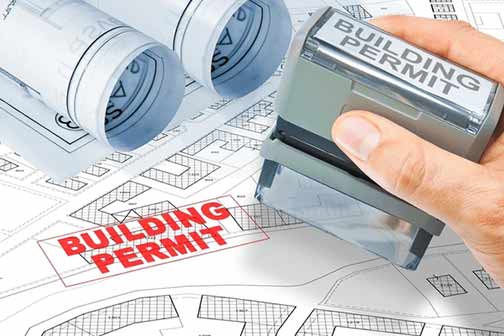
an approved plumbing permit.

It is important for homeowners to work with a knowledgeable plumber who is familiar with local regulations and can assist with obtaining the necessary permits.

Permits and Regulations

Obtaining the necessary permits and adhering to local regulations is another factor that can influence the cost of sewer cleanout installation. Different cities have varying requirements for sewer cleanout installations, and homeowners need to ensure they are in compliance with these regulations. The cost of permits can vary widely depending on the location, and failing to obtain the necessary permits can result in fines and additional expenses. It is important for homeowners to work with a knowledgeable plumber who is familiar with local regulations and can assist with obtaining the necessary permits.

Labor Costs

Labor costs are a significant component of the overall cost of sewer cleanout installation. The experience and expertise of the contractor performing the installation can impact the price. Highly experienced plumbers may charge higher rates, but their expertise can ensure that the installation is performed correctly and efficiently. Additionally, the complexity of the installation can also affect labor costs. More complex installations, such as those requiring extensive excavation or additional work to access the sewer line, will result in higher labor costs.

Materials and Equipment

The materials and equipment needed for the installation can also influence the overall cost. High quality materials and advanced equipment may come at a higher price, but they can provide better performance and longevity. For example, durable pipes and fittings can reduce the likelihood of future issues and repairs. Additionally, the use of specialized equipment, such as hydro-jetting services or sewer line cameras, can enhance the effectiveness of the installation and inspection process, but may also increase the overall cost.

Inspection and Maintenance

Once the sewer cleanout is installed, regular inspection and maintenance are essential to ensure the continued functionality of the sewer system. The cost of these ongoing services should also be considered when budgeting for the installation. Routine inspections can help identify potential issues early, allowing for timely repairs and preventing more extensive damage. Regular maintenance, such as cleaning out blockages, can also prolong the life of the sewer system and reduce the likelihood of costly repairs in the future.

Cost-saving Tips for Sewer Cleanout Installation

Homeowners can take several steps to reduce the cost of sewer cleanout installation without compromising quality. First, obtaining multiple quotes from plumbers can help homeowners find a fair price for the installation. Additionally, homeowners can consider performing some of the preparatory work themselves, such as clearing the area of obstructions, to reduce labor costs. Another cost saving tip is to schedule the installation during times when contractors may offer discounts or promotions. Finally, investing in high quality materials and regular maintenance can help prevent future issues and reduce long term expenses.

Installing a sewer cleanout is a critical investment in the health and functionality of a home’s sewer system. By understanding the various factors that influence the cost, homeowners can make informed decisions and budget appropriately for the installation. The typical price can range from about $2000 – $5000. From the type of cleanout, depth at which the cleanout is installed, location to permits and labor costs, each component plays a role in the overall expense. By taking proactive steps to reduce costs and ensure a successful installation, homeowners can enjoy the benefits of a well maintained sewer system and avoid costly repairs in the future.

Effective Strategies to Handle Water Leaks in Condominiums

Effective Strategies to Handle Water Leaks in Condominiums

Water leaks in condominiums can originate from various sources. Plumbing system failures, worn-out seals in fixtures, and improper waterproofing in bathrooms and kitchens are common culprits. Burst pipes, often caused by unexpected temperature changes, can also result in significant water damage. Additionally, roof leaks due to poor maintenance or aging materials can lead to water infiltration. Understanding these potential causes is crucial for effective prevention and timely intervention.

Regular Maintenance and Inspections

Proactive maintenance is essential in managing water leaks within condominiums. Consistent inspections of plumbing systems, roofs, and common areas help identify vulnerabilities before they escalate into significant issues. Regular assessment of water pressure in pipes, checking for corrosion, and ensuring that seals around fixtures are intact can mitigate the risk of leaks. Maintenance schedules should be established, and professional inspections should be conducted periodically to ensure comprehensive coverage.

Installing Water Detection Systems

Water detection systems are instrumental in preventing severe water damage by providing early alerts. These systems can be installed in high-risk areas, such as under sinks, near water heaters, and in basements. When a potential leak is detected, the system triggers an alarm, enabling prompt action before substantial damage occurs. Implementing these systems within condos ensures a proactive approach to water leak management and significantly reduces the impact of unforeseen leaks.

Professional Waterproofing Solutions

Professional waterproofing is essential, particularly in older buildings where water infiltration is more likely. Waterproof membranes, sealants, and coatings can be applied to vulnerable areas to create a robust barrier against water. Engaging professionals to assess and enhance the waterproofing of roofs, bathrooms, and kitchens ensures that these spaces are adequately protected. Investing in high-quality materials and expert installation not only prevents leaks but also extends the lifespan of the condominium’s structure.

Immediate Steps to Take During a Water Leak

When a water leak is detected, immediate action is necessary to minimize damage. First, locate and shut off the water supply to the affected area to stop the leak. Next, identify the source of the leak if possible. Use towels or blankets to absorb excess water and prevent it from spreading. Inform the condominium management team and, if needed, contact an emergency plumbing specialist. Documenting the damage with photographs can also be helpful for insurance claims and repairs.

Ensuring Clear Communication Among Residents

Effective communication among condominium residents is vital in managing water leaks. Establishing clear channels for reporting issues, such as a dedicated maintenance hotline or an online portal, ensures that leaks are reported promptly. Regular meetings and newsletters can also keep residents informed about preventive measures and maintenance schedules. Encouraging open dialogue and cooperation within the community fosters a collaborative environment where everyone plays a part in maintaining the integrity of the property.

an hoa meeting to discuss water leak prevention.

Educating residents about water leak prevention is a key component of an effective strategy.

Training Residents on Water Leak Prevention

Educating residents about water leak prevention is a key component of an effective strategy. Organizing workshops and distributing informative materials can empower residents with the knowledge to identify potential issues and take preventative measures. Topics such as recognizing early signs of leaks, understanding the importance of timely reporting, and practical tips for maintaining plumbing systems should be covered. A well-informed community is better equipped to handle and prevent water leaks.

The Role of Insurance in Water Leak Management

Insurance plays a critical role in covering the costs associated with water damage. Condominium associations and residents should have policies that provide adequate coverage for water-related incidents. Reviewing and updating insurance policies regularly ensures that they remain comprehensive and offer sufficient protection. Understanding the claims process and maintaining thorough documentation of all incidents and repairs is essential for maximizing insurance benefits and minimizing out-of-pocket expenses.

Implementing a Comprehensive Water Leak Response Plan

An organized response plan is crucial for efficient water leak management. This plan should outline the steps to be taken in the event of a leak, assign responsibilities, and establish a clear protocol for communication. Regular drills and simulations can help ensure that all residents and management personnel are familiar with the plan and can act swiftly when needed. A well-devised response plan minimizes chaos, reduces damage, and streamlines the recovery process.

Hiring Professional Services for Repairs

Hiring professionals for repair work ensures that water damage is addressed thoroughly and effectively. Qualified plumbers can assess the extent of damage, recommend appropriate repairs, and guarantee that work is completed to code. Collaboration with a local plumber also ensures that the materials used are of high quality, which adds to the durability and longevity of the repairs. Consistently opting for professional services protects the value of the property and assures residents of its safety and habitability.

Utilizing Technology for Enhanced Water Leak Management

The integration of technology in managing water leaks offers numerous advantages. Smart home devices, such as automated shut-off valves, can enhance the efficiency of leak detection and response. These devices can be monitored remotely, ensuring that potential issues are addressed even when residents are away. Additionally, property management software that integrates maintenance scheduling, resident communication, and incident reporting streamlines the overall management process, making it more effective and responsive to detect leaking plumbing pipes.

By implementing these effective strategies, condominium communities can significantly reduce the risk and impact of water leaks. Proactive measures, coupled with prompt and efficient responses, ensure that the integrity and safety of the property are maintained, ultimately enhancing the quality of life for all residents.

Maximizing Your Homeowners Insurance Claim: How to Document Damage Correctly

how to document damage for a homeowners insurance claim.

Homeowners insurance provides vital financial protection against various incidents, from natural disasters to theft and accidents. However, obtaining compensation through homeowners insurance claims requires thorough and precise documentation of the damage. Here we aim to guide you on maximizing your homeowners insurance claim by documenting the damage correctly.

Preparing Before Damage Occurs: Creating a Home Inventory

To ensure you are prepared to document any potential damage to your property, it is essential to create a comprehensive home inventory. This is a detailed list of all your possessions, including their descriptions, values, and purchase dates. Some best practices for creating a home inventory include:

Gathering Receipts: Keep receipts for all significant purchases.

Taking Photographs: Photograph each item from different angles.

Recording Serial Numbers: Note the serial numbers of appliances and electronics.

Using Inventory Apps: Use technology to maintain a digital record with apps designed for home inventories.

Documenting Damage Immediately After It Occurs

When damage occurs, it is crucial to document it as soon as possible. Timely documentation helps provide accurate and reliable evidence for your claim. The steps to follow include:

Ensuring Safety First: Before documenting damage, prioritize your safety and the safety of others.

Photographing the Damage: Take clear, high resolution photographs of the damage from multiple angles. Capture close up and wide shots to provide context and detail.

Recording Videos: Videos can complement photographs by capturing the extent and severity of the damage, especially in situations where photos may not convey the full impact.

Taking Detailed Notes: Write detailed notes describing the damage, how it occurred, and the immediate impact on your home and possessions.

Getting Professional Assessments: Contact professional plumbers, contractors, or building inspectors to evaluate the damage and provide written assessments and repair estimates.

gathering documents to file a homeowners insurance claim.

Provide receipts or other proof of purchase for damaged items to establish their value.

Gathering and Organizing Supporting Documents

Supporting documents are crucial in substantiating your claim. Organize the following documents to strengthen your case:

Insurance Policy Documents: Review your insurance policy to understand coverage terms and exclusions. Keep a copy of your policy handy for reference.

Receipts and Proofs of Purchase: Provide receipts or other proof of purchase for damaged items to establish their value.

Repair Estimates and Bills: Collect estimates and invoices from reputable contractors or service providers for repair or replacement costs.

Police or Incident Reports: If applicable, include police reports, fire department reports, or any official incident reports that document how the damage occurred.

Communicating with Your Insurance Company

Effective communication with your insurance company is key to a successful claim. Follow these guidelines:

Contacting Your Insurer Promptly: Notify your insurance company as soon as possible after the damage occurs to initiate the claims process.

Providing Complete Information: Supply all necessary documentation and details requested by the insurer. Ensure the information is accurate and thorough.

Keeping Records of Correspondence: Maintain a record of all communication with your insurance company, including emails, phone calls, and written correspondence.

Following Up Regularly: Stay in touch with your insurance adjuster and keep track of the progress of your claim. Follow up on any additional information they may require.

Understanding the Role of Insurance Adjusters

Insurance adjusters play a significant role in evaluating and processing your claim. It is important to understand their responsibilities and how to work with them effectively:

Scheduling an Inspection: Be prepared for the insurance adjuster to visit your property for a thorough inspection. Provide them with access to the damaged areas and relevant documentation.

Communicating Clearly: Clearly explain the extent of the damage, using your photographs, videos, and notes as references. Highlight any areas of concern and ensure the adjuster understands the impact of the damage.

Being Present During the Inspection: If possible, be present during the inspection to address any questions the adjuster may have and to provide additional context.

Reviewing the Adjuster’s Report: Once the inspection is complete, review the adjuster’s report and ensure it accurately reflects the damage. If you find discrepancies, discuss them with your adjuster and provide additional evidence if necessary.

Maximizing Your Claim: Tips and Best Practices

To achieve the best possible outcome for your homeowners insurance claim, consider these tips and best practices:

Understanding Your Policy Coverage: Familiarize yourself with your policy coverage, including limits, deductibles, and exclusions. Knowing what is covered can help you set realistic expectations.

Keeping a Damage Log: Maintain a log of damaged items, including descriptions, dates, and estimated values. Update the log regularly as new items are discovered or replaced.

Getting Multiple Estimates: Obtain multiple repair or replacement estimates to ensure you receive fair compensation. Compare estimates to identify discrepancies and choose reputable service providers.

Documenting Additional Living Expenses: If you need to temporarily relocate due to the damage, document additional living expenses such as accommodation, meals, and transportation. These expenses may be covered under your policy.

Seeking Professional Assistance: Consider hiring a public adjuster or attorney to assist with complex claims. These professionals can help negotiate with the insurance company and ensure you receive fair compensation.

a woman filing a claim dispute.

Identify the specific points of disagreement between you and the insurance company. It could be related to coverage, the amount of compensation, or the cause of damage.

Dealing with Claim Disputes

Sometimes, disputes may arise during the claims process. Knowing how to handle these situations can help you resolve issues effectively:

Understanding the Dispute: Identify the specific points of disagreement between you and the insurance company. It could be related to coverage, the amount of compensation, or the cause of damage.

Gathering Additional Evidence: Provide additional evidence to support your claim and address the insurer’s concerns. This may include expert opinions, additional photographs, or witness statements.

Requesting a Re-Evaluation: If you believe your claim was unfairly denied or underpaid, request a re-evaluation by the insurance company. Provide any new information or documentation that may strengthen your case.

Considering Mediation or Arbitration: Explore mediation or arbitration as alternative dispute resolution methods. These processes involve neutral third parties who can help resolve the dispute without going to court.

Filing a Complaint: If all else fails, file a complaint with your state’s insurance department. They can investigate your claim and may assist in resolving the dispute.

Preventing Future Damage

While documenting damage is crucial for insurance claims, taking preventive measures can help protect your home and belongings from future incidents:

Conducting Regular Maintenance: Perform regular maintenance on your home, including checking for leaks, inspecting the roof, and maintaining HVAC systems.

Installing Safety Devices: Install safety devices such as smoke detectors, carbon monoxide detectors, and security systems to mitigate risks.

Implementing Storm Preparedness Measures: Prepare for storms by reinforcing windows and doors, trimming trees, and securing outdoor items.

Reviewing and Updating Your Policy: Periodically review your homeowners insurance policy and update your coverage as needed. Ensure your policy reflects the current value of your home and possessions.

Wrapping It Up

Maximizing your homeowners insurance claim requires diligent documentation of damage and clear communication with your insurance company. By following the best practices outlined in this article, you can provide the necessary evidence to support your claim and achieve the best possible outcome. Remember, thorough preparation and proactive measures can also help prevent future damage, ensuring your home remains protected.

Tree Roots vs. Plumbing: What Homeowners Need to Know

tree roots vs plumbing

For homeowners, one of the lesser known but significant challenges is the intrusion of tree roots into plumbing systems. Tree roots are naturally drawn to water sources, which makes them a persistent threat to the integrity of your plumbing. Understanding how this process works is the first step in safeguarding your home.

How Tree Roots Find Their Way Into Pipes

Tree roots are always in search of moisture and nutrients to support the tree’s growth. Sewer lines and water pipes, which often carry water and nutrients, become attractive targets. Roots detect tiny leaks and condensation from pipes, and they follow these moisture trails, eventually entering through small cracks, joints, or gaps in the plumbing.

Signs of Tree Root Intrusion in Plumbing

Detecting tree root intrusion early can save you from costly repairs. Homeowners should be aware of the following signs:

  • Slow Draining: If water is taking unusually long to drain from sinks, toilets, and bathtubs.
  • Frequent Clogs: Recurring blockages that are resistant to typical unclogging methods.
  • Unpleasant Odors: Foul smells emanating from the drains or outside near the sewer line.

Risks and Damages Caused by Tree Roots in Plumbing

Tree root intrusion is more than just an inconvenience; it poses several risks and can lead to extensive damage:

  • Pipes Blockage: Roots can grow densely inside pipes, leading to blockages that disrupt water flow and drainage.
  • Structural Damage: As roots grow and expand, they can cause pipes to crack, break, or even collapse.
  • Costly Repairs: Fixing root-damaged plumbing can be expensive, often requiring excavation and replacement of damaged pipes.
tree roots that have grown into a sewer line.

Licensed plumbers and arborists have the expertise to diagnose issues accurately and recommend appropriate solutions.

Preventing Tree Root Intrusion in Plumbing

Preventive measures are crucial in protecting your plumbing from tree root intrusion. Homeowners can take the following steps to safeguard their systems:

  • Mindful Planting: Avoid planting trees with aggressive root systems near sewer lines and water pipes.
  • Regular Inspections: Periodically inspect plumbing systems using professional services to detect early signs of intrusion.
  • Root Barrier Installation: Install physical barriers around pipes to prevent roots from reaching the plumbing.
  • Pipe Maintenance: Use modern, root-resistant pipe materials that are less prone to cracking and intrusion.

Effective Solutions for Existing Tree Root Problems

In cases where tree roots have already invaded the plumbing system, several solutions can help mitigate the damage:

  • Mechanical Augers: Specialized equipment to cut and remove roots within the pipes.
  • Chemical Treatments: Root-killing chemicals can be used to prevent further growth without harming the tree.
  • Pipe Lining: Inserting a new liner inside the existing pipe to seal cracks and prevent future leaks.

Working with Professionals

Given the complexity and potential severity of tree root intrusion in plumbing, working with skilled drain cleaning specialists is often necessary. Licensed plumbers and arborists have the expertise to diagnose issues accurately and recommend appropriate solutions. Regular maintenance checks and timely interventions can save substantial costs and prevent extensive damage.

Tree roots and plumbing systems can be at odds, but with awareness and proactive measures, homeowners can protect their homes from the adverse effects of root intrusion. Regular inspections, preventive landscaping, and prompt professional intervention are key to maintaining a healthy, functional plumbing system. By staying informed and vigilant, you can ensure that both your trees and your plumbing thrive without encroaching on each other.

Quick Fixes for a Broken Pipe: Professional Tips

quick fixes for a broken pipe

A broken pipe can lead to significant water damage, increased utility bills, and potential health hazards due to mold and mildew growth. Immediate action is necessary to prevent further complications. Before we get into the quick fixes, it’s essential to understand the potential repercussions of a broken pipe and the importance of professional intervention.

Identifying the Source of the Leak

Before attempting any repairs, locate the origin of the leak. The source of the problem could be visible, such as a dripping joint or a damaged section of the pipe, or it may be hidden within walls or under floors. Careful inspection and identifying the exact point of the leak will enable a more effective temporary fix.

Shutting Off the Water Supply

Once you have identified the leak, the first step is to turn off the water supply to prevent further water damage. Locate the main water shut-off valve, which is typically found near the water meter or in a utility room, and turn it off. This step is crucial to ensure that no additional water flows through the broken pipe while you work on a temporary repair.

Draining the Affected Pipes

After shutting off the water supply, open the faucets connected to the broken pipe to drain any remaining water. This step helps to relieve pressure and reduce the risk of additional leaks or bursts during the repair process. Ensuring that the pipes are empty allows for a more secure and successful temporary fix.

Applying a Pipe Clamp as a Temporary Solution

A pipe clamp can provide a quick and effective temporary fix for a broken pipe. These clamps are designed to fit around the damaged section of the pipe and create a watertight seal. To apply a pipe clamp, place it over the break and tighten it securely according to the manufacturer’s instructions. This method is ideal for minor cracks and small holes.

Utilizing Pipe Repair Tape for Immediate Relief

Pipe repair tape is another convenient option for temporarily fixing a broken or burst pipe. This tape is designed to adhere to wet surfaces, making it suitable for emergency repairs. Wrap the tape tightly around the damaged area, overlapping it to ensure complete coverage. Pipe repair tape offers a quick and easy solution, but it is essential to follow up with a permanent repair as soon as possible.

Using Epoxy Putty for a Quick Patch

Epoxy putty is a versatile and effective material for temporary pipe repairs. This putty can be molded to fit the shape of the damaged section and hardens to form a watertight seal. To use epoxy putty, knead it until it becomes pliable and then apply it to the break, smoothing it out to cover the entire area. Allow the putty to cure according to the manufacturer’s instructions before turning the water supply back on.

Considering Self-Fusing Silicone Tape

Self-fusing silicone tape, also known as rescue tape or self-amalgamating tape, is another practical solution for temporary pipe repairs. This tape bonds to itself when stretched and wrapped around the damaged area, creating a tight seal. To apply this tape, pull it taut and wrap it around the pipe overlapping each layer. This method can provide an effective temporary fix until a professional repair is feasible.

using a pipe clamp to aid in the repair of a broken pipe.

To apply a pipe clamp, place it over the break and tighten it securely according to the manufacturer’s instructions. This method is ideal for minor cracks and small holes.

Securing the Area with a Sleeve Clamp

Sleeve clamps are designed to provide a strong and reliable temporary fix for larger pipe breaks. These clamps consist of a rubber gasket and a metal sleeve that encircle the damaged section. To use a sleeve clamp, place the rubber gasket over the break and then secure the metal sleeve around it, tightening it with bolts. This method provides a secure seal and can withstand higher pressure, making it suitable for more substantial leaks.

Monitoring and Maintaining the Temporary Fix

After applying a temporary fix, it is crucial to monitor the repair for any signs of further leakage or deterioration. Regularly check the damaged area and ensure that the temporary fix remains intact. This vigilance will help prevent additional water damage and maintain the effectiveness of the temporary solution until a professional repair can be arranged.

Contacting a Professional Plumber for a Permanent Solution

While temporary fixes can provide immediate relief, it is essential to contact a local plumber to address the underlying issue permanently. A licensed plumber has the expertise and tools necessary to evaluate the extent of the damage, make permanent repairs, and ensure the integrity of the plumbing system. Scheduling a professional inspection and repair will provide peace of mind and prevent future problems.

Preparing for Future Pipe Emergencies

Being prepared for future pipe emergencies can help minimize damage and stress. Consider the following steps to safeguard your home:

  • Familiarize yourself with the location of the main water shut-off valve.
  • Keep essential repair materials, such as pipe clamps, repair tape, and epoxy putty, on hand.
  • Regularly inspect your plumbing system for signs of wear and tear.
  • Schedule routine maintenance with a professional plumber.

Taking these precautions can help you respond quickly to pipe emergencies and ensure the longevity of your plumbing system.

To Conclude

Quick fixes for a broken pipe can provide temporary relief and prevent further water damage. However, it is crucial to follow up with a professional plumber to ensure a permanent solution. By understanding the potential consequences, identifying the source of the leak, and applying appropriate temporary fixes, you can effectively manage a broken pipe until professional help arrives. Remember to monitor the temporary fix and prepare for future emergencies to protect your home and maintain a reliable plumbing system.

Identifying Water Leaks in Your Bathroom: Key Indicators

Identifying Water Leaks in Your Bathroom

Water leaks in your bathroom can lead to a series of costly problems if not detected early. From mildew and mold growth to structural damage, the consequences can be severe. By identifying the key indicators of a water leak early, you can take proactive measures to mitigate the risks and save on potentially expensive repairs.

Inspecting Visible Pipework and Fixtures

One of the primary steps in identifying water leaks in your bathroom is to inspect all visible pipework and fixtures. Pay close attention to the areas around faucets, showerheads, and under sinks. Look for any signs of moisture, discoloration, or corrosion on the pipes and the surrounding areas. Even a minor drip or dampness can be an early indicator of a leak.

Monitoring Water Bills for Unusual Spikes

Keep an eye on your water bills for any unusual spikes or increases in usage that cannot be accounted for. A sudden rise in water consumption without a corresponding change in your household activities could indicate a hidden leak in your bathroom. Regularly reviewing your bills can help you spot potential problems early.

Recognizing Signs of Mold and Mildew

Mold and mildew thrive in damp environments, making your bathroom a prime location for their growth if there is a leak. Check for any musty odors, as well as visible signs of mold and mildew on walls, ceilings, or tiles. Black, green, or brown spots on these surfaces can be a clear indication of excessive moisture due to a water leak.

Examining Tile and Grout Conditions

The condition of your bathroom tiles and grout can also provide important clues about potential water leaks. Loose or cracked tiles, as well as deteriorating grout, can allow water to seep into underlying structures. This can lead to hidden leaks and water damage over time. Regularly inspect these areas and address any issues promptly.

Checking for Water Stains and Discoloration

Water stains and discoloration on your bathroom walls, ceilings, and floors are clear signs of a water leak. Look for yellow, brown, or copper-colored stains, as these can indicate prolonged water exposure. Such stains often appear in corners, near plumbing fixtures, or along the edges of surfaces.

Testing for Soft or Warped Flooring

Soft or warped flooring in your bathroom can signal a water leak. Water damage can cause wooden subfloors to swell, leading to an uneven or spongy feel underfoot. If you notice any areas of your bathroom floor that are soft, warped, or discolored, investigate further to determine if there is a leak.

Listening for Unusual Sounds

Sounds can also be a helpful clue in identifying water leaks. Listen for the sound of running water when no fixtures are turned on. Additionally, dripping or gurgling noises from behind walls or under floors can indicate a hidden leak. Being attentive to such sounds can prompt an early investigation.

Utilizing Water Leak Detection Devices

Advanced technology has introduced various water leak detection devices that can assist homeowners in identifying leaks. These devices can be installed in your bathroom and will alert you to any abnormal water flow or moisture levels. Investing in such technology can provide peace of mind and prevent extensive damage.

a plumber performing an inspection.

Regular plumbing inspections can help ensure that your bathroom remains leak-free and in good condition.

Professional Plumbing Inspections

For a thorough and comprehensive assessment, consider hiring a professional plumber to detect for any leaks in your bathroom. Professionals have the experience and tools needed to identify even the most obscure leaks. Regular plumbing inspections can help ensure that your bathroom remains leak-free and in good condition.

Taking Immediate Action

If you do identify a water leak in your bathroom, it is crucial to take immediate action. Turn off the water supply to the affected area and contact a plumber for repairs. Delaying repairs can lead to further damage and increased costs. Addressing the issue promptly will minimize the impact on your home and finances.

Preventive Measures to Avoid Future Leaks

Taking preventive measures can help reduce the risk of future water leaks in your bathroom. Regular maintenance, such as re-caulking seals, checking pipe connections, and keeping an eye on water pressure, can go a long way in preventing leaks. Additionally, installing water-resistant materials and proper ventilation can help maintain a dry and leak-free bathroom environment.

Understanding the Long Term Benefits

Identifying and addressing water leaks in your bathroom not only protects your property but also contributes to better overall health and safety. By preventing mold growth and structural damage, you ensure a healthier living environment. Additionally, addressing leaks promptly preserves the value of your home and can save you money in the long term.

Conclusion: The Importance of Vigilance

Being vigilant and proactive in identifying water leaks in your bathroom is essential for maintaining your home’s integrity and safety. By following the guidelines outlined above, you can detect leaks early and take appropriate action to prevent further damage. Regular inspections, prompt repairs, and preventive measures are key to ensuring a leak free bathroom and peace of mind for homeowners.