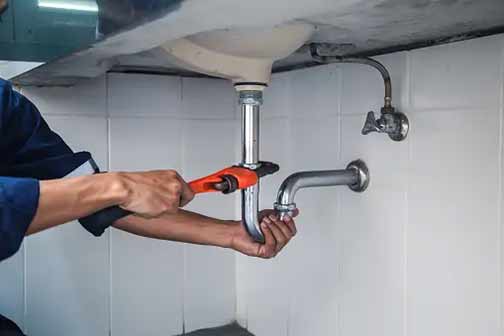
Author Archives: Chicago Plumbing Experts

The Ultimate Guide to Sewer Rodding: What Homeowners Should Know

The Ultimate Guide to Sewer Rodding

As a homeowner, encountering a blocked sewer line can be a dreaded experience. It’s not just an inconvenience; sewer blockages can lead to significant damage to your property and costly repairs if not addressed swiftly. Below we will get into everything you need to know about sewer rodding, from recognizing the signs of a blockage to understanding the rodding process and taking proactive measures to maintain a healthy sewer system. This information will empower you to make informed decisions and protect your home from potential sewer related issues.

Recognizing the Signs of Sewer Blockage: Indicators Homeowners Should Watch For

Early detection of sewer blockages can save you time, money, and stress. Here are some key indicators that suggest you may have a sewer blockage:

1. Slow Draining Fixtures: If you notice that your sinks, tubs, or toilets are draining more slowly than usual, it could be a sign of a blockage in the sewer line. Pay attention to multiple fixtures draining slowly, as this often indicates a main sewer line problem.

2. Gurgling Sounds: Unusual noises coming from your plumbing, such as gurgling or bubbling sounds, may indicate trapped air in the pipes due to a blockage.

3. Frequent Toilet Backups: Toilets that frequently back up, even after plunging, can be a sign of a more serious sewer line issue.

4. Foul Odors: Unpleasant smells emanating from drains or around your property can indicate a sewer blockage. This is typically caused by sewage not properly flowing through the pipes.

5. Water Backing Up: If water backs up into your sinks, tubs, or floor drains, especially after using other plumbing fixtures, it’s a strong indication of a sewer backup emergency in the works.

Understanding Sewer Rodding: A Deep Dive into the Process

Sewer rodding, also known as drain snaking, is a method used to clear blockages in sewer lines. Here’s a step-by-step look into the sewer rodding process:

Step 1: Inspection and Diagnosis: Before any rodding begins, a professional plumber will typically conduct a thorough inspection of the sewer line using a camera. This helps identify the exact location and nature of the blockage.

Step 2: Choosing the Right Equipment: Depending on the type and severity of the blockage, the plumber will select the appropriate rodding tool. This may include various sizes and types of rods or augers designed to break through or remove the obstruction.

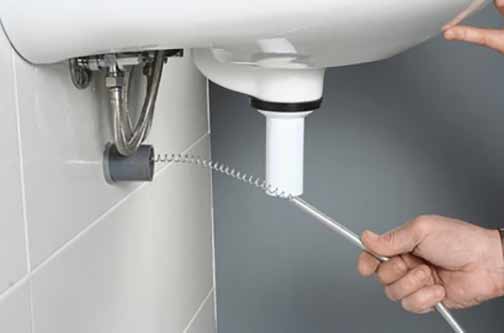
Step 3: Inserting the Rod: The rodding tool is carefully inserted into the sewer cleanout or an accessible drain opening. The plumber will then extend the rod into the sewer line, navigating through any curves or bends.

Step 4: Breaking Through the Blockage: Once the rod reaches the blockage, the plumber will use a combination of pushing, twisting, and rotating motions to break up or dislodge the obstruction. In some cases, this may involve multiple passes to ensure complete removal.

Step 5: Flushing the Line: After the blockage is cleared, the plumber will flush the sewer line with water to ensure that any remaining debris is washed away. This helps restore proper flow and prevent future blockages.

Step 6: Final Inspection: A final camera inspection may be conducted to confirm that the blockage has been fully cleared and to assess the overall condition of the sewer line.

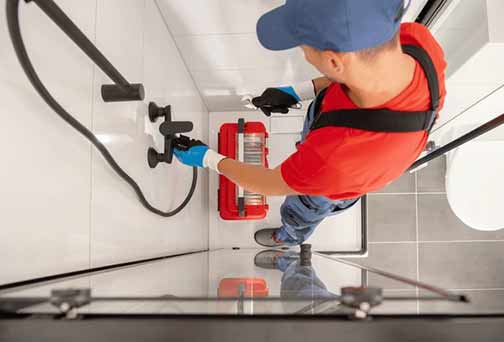
a professional sewer rodding service taking place.

The rodding tool is carefully inserted into the sewer cleanout or an accessible drain opening. The plumber will then extend the rod into the sewer line, navigating through any curves or bends.

Common Causes of Sewer Blockages: What Homeowners Should Be Aware Of

Understanding the common causes of sewer blockages can help homeowners take preventive measures. Here are some of the most frequent culprits:

  • Grease and Fat: Cooking grease and fat poured down the drain can solidify and accumulate in the pipes, leading to blockages. This is commonly seen in kitchen sinks.
  • Foreign Objects: Items such as sanitary products, wipes, paper towels, and other non-flushable materials can easily cause blockages when they enter the sewer system.
  • Flushed Debris: Anything other than human waste and toilet paper flushed down the toilet can contribute to blockages. This includes items like dental floss, hair, and small toys.
  • Broken or Collapsed Pipes: Aging or damaged sewer pipes can break or collapse, leading to partial or complete blockages. This is often due to shifting soil, ground movement, or wear and tear over time.

Preventive Maintenance Tips for Homeowners: Keeping Your Sewer System Healthy

Proactive maintenance can help prevent sewer blockages and prolong the life of your sewer system. Here are some tips for homeowners:

  • Regular Inspections: Schedule regular inspections of your sewer line by a professional plumber. Early detection of potential issues can prevent major blockages and costly repairs.
  • Proper Disposal Methods: Avoid pouring grease, fat, or oil down the drains. Use a separate container for grease disposal and throw it in the trash. Additionally, only flush human waste and toilet paper down the toilet.
  • Tree Root Management: Be mindful of tree planting near sewer lines. Opt for trees with less aggressive root systems and consider having root barriers installed to prevent infiltration.
  • Install Drain Strainers: Use drain strainers or screens in sinks, showers, and tubs to catch hair, food particles, and other debris before they enter the pipes.
  • Chemical-Free Cleaning: Avoid using harsh chemical drain cleaners, as they can damage your pipes over time. Instead, opt for natural alternatives or contact a professional for safe and effective cleaning methods.

The Role of Professional Plumbers: Why Expertise Matters

Sewer rodding and maintenance are tasks that often require professional expertise. Here’s why relying on professional plumbers is crucial:

  • Experience and Knowledge: Professional plumbers have the experience and knowledge to accurately diagnose and address sewer blockages. They are equipped with the right tools and techniques to handle a wide range of issues.
  • Preventing Further Damage: Attempting to clear a blockage yourself can sometimes worsen the problem or cause damage to your pipes. Professionals can perform the task safely and effectively, minimizing the risk of further damage.
  • Advanced Equipment: Plumbers have access to advanced equipment, such as sewer cameras and specialized rodding tools, which allow them to identify and resolve blockages more efficiently.
  • Comprehensive Solutions: Professionals can provide comprehensive solutions, including repairing damaged sewer lines, addressing root infiltration, and advising on preventive measures to reduce the likelihood of future blockages.
a sewer line rodding being used to unclog a drain.

Relying on professional plumbers for expertise and timely interventions can ensure that any sewer blockages are addressed safely and effectively.

Dealing with Emergency Sewer Blockages: Steps to Take

Encountering a sewer blockage can be an urgent and stressful situation. Here are some immediate steps to take if you suspect a blockage:

1. Stop Using Water: Immediately cease all water use in your home to prevent further backup and potential damage. This includes avoiding the use of sinks, toilets, and appliances like dishwashers and washing machines.

2. Call a Professional: Contact a professional plumber right away to inspect and address the blockage. Do not attempt to clear the blockage yourself, as this can lead to further complications.

3. Avoid Chemical Drain Cleaners: Refrain from using chemical drain cleaners, as these can be harmful to your pipes and may not effectively resolve the blockage.

4. Document the Issue: Take note of any symptoms or signs you’ve observed, such as strange noises, slow drains, or water backups. This information can help the plumber diagnose the problem more quickly.

5. Prepare for the Plumber’s Visit: Clear the area around the sewer cleanout or access point to ensure the plumber has easy access. This will facilitate a smoother and quicker resolution of the blockage.

Understanding the Costs of Sewer Rodding: Budgeting for Maintenance

Sewer rodding costs can vary depending on several factors, including the severity and location of the blockage, the length of the sewer line, and regional pricing differences. Here’s what homeowners should consider when budgeting for sewer rodding services:

  • Inspection Fees: Initial inspection fees may apply, especially if the plumber needs to use a camera to identify the blockage. Some plumbers may offer a flat rate for the inspection, while others may charge hourly.
  • Service Charges: The cost of the actual sewer rodding service will depend on the complexity of the job. Minor blockages may require less time and effort, while severe or multiple blockages may increase the overall cost.
  • Additional Repairs: If the blockage has caused damage to the sewer line, additional repairs or replacements may be necessary. This can add to the overall cost of the service.
  • Preventive Maintenance Plans: Some plumbing companies offer preventive maintenance plans that include regular inspections and cleanings. These plans can help homeowners save money in the long run by avoiding emergency repairs.
  • Insurance Coverage: Homeowners should check their insurance policies to see if sewer line maintenance or repairs are covered. This can help mitigate out-of-pocket expenses.

Conclusion: Empowering Homeowners with Knowledge

Understanding sewer rodding and its importance is essential for homeowners looking to maintain a healthy and functional sewer system. By recognizing the signs of blockages, understanding the rodding process, and taking proactive maintenance measures, you can protect your home from potential sewer related issues. Additionally, relying on professional plumbers for expertise and timely interventions can ensure that any sewer blockages are addressed safely and effectively.

With this comprehensive guide, you are now equipped with the knowledge to make informed decisions about your sewer system. Remember, a little proactive maintenance goes a long way in preventing costly repairs and ensuring the longevity of your sewer lines. Stay vigilant, take action at the first signs of trouble, and your home’s sewer system will remain in optimal condition for years to come.

Prevent Basement Flooding with Battery Backup Sump Pumps

Prevent Basement Flooding with Battery Backup Sump Pumps

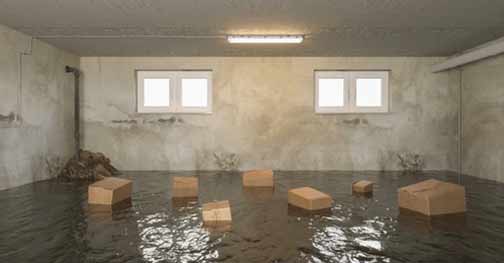
Basement flooding is a common issue faced by homeowners, and it can lead to significant damage to property and increased maintenance costs. Flooding can occur due to various reasons such as heavy rainfall, melting snow, or plumbing failures. Regardless of the cause, a flooded basement is a serious problem that requires immediate attention.

A flooded basement can damage the foundation of your home, ruin personal belongings, and create a breeding ground for mold and mildew. It can also result in costly repairs and decrease the overall value of your property. Preventing basement flooding is crucial to maintaining a safe, healthy, and comfortable living environment.

Importance of Battery Backup Sump Pumps

A sump pump is a system designed to remove water that accumulates in a sump basin, typically found in the basement of homes. It is an essential component for preventing basement flooding. However, a regular sump pump relies on electricity to function, which can be a problem during power outages. This is where battery backup sump pumps come into play.

Battery backup sump pumps are designed to operate during power outages, ensuring that your basement remains dry even when the main sump pump fails. These backup systems are powered by a rechargeable battery, providing peace of mind during severe weather conditions or other emergencies that result in power loss.

How Battery Backup Sump Pumps Work

Battery backup sump pumps work in conjunction with your primary sump pump to provide an extra layer of protection against basement flooding. When the primary sump pump fails or power is lost, the battery backup system automatically activates, taking over the task of pumping water out of the sump basin.

The battery backup sump pump typically consists of a pump, a battery, and a charger. The pump is connected to the battery, which is charged and maintained by the charger. The system is designed to monitor the primary pump and engage the backup pump when necessary, ensuring continuous operation even during power outages.

Installation and Maintenance of Battery Backup Sump Pumps

Proper installation and maintenance of battery backup sump pumps are critical to their effectiveness. It is recommended to have the system installed by a professional plumber to ensure it is set up correctly and functions seamlessly with your primary sump pump.

Regular maintenance is essential to keep the battery backup sump pump in optimal condition. This includes checking the battery charge, inspecting the pump and charger for signs of wear, and testing the system periodically to ensure it activates when needed. It is also important to replace the battery as recommended by the manufacturer to maintain reliable performance.

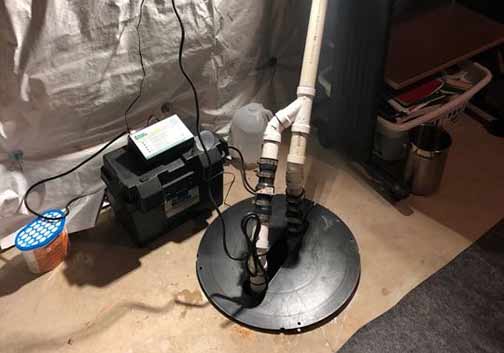
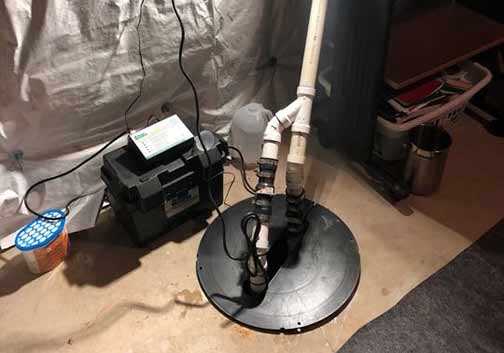
a sump pump with a battery backup system installed.

Having a battery backup sump pump in place ensures that your basement remains protected even during power outages.

Choosing the Right Battery Backup Sump Pump

Selecting the right battery backup sump pump for your home involves considering several factors, such as the capacity of the pump, the type of battery, and the overall system compatibility with your existing sump pump.

Key factors to consider when choosing a battery backup sump pump include:

  • Pumping capacity: Ensure the backup pump has sufficient capacity to handle the water load in the event of a primary pump failure.
  • Battery type: Select a high-quality, reliable battery that can provide adequate power during extended outages. AGM (Absorbent Glass Mat) and deep-cycle marine batteries are popular choices.
  • Charger: The charger should be capable of maintaining the battery charge and recharging it quickly after use.
  • Compatibility: Ensure the backup pump system is compatible with your primary sump pump and can seamlessly take over in the event of a failure.

Impact of Power Outages on Basement Flooding

Power outages can significantly impact the effectiveness of your primary sump pump, leading to basement flooding. Severe weather conditions, such as storms and hurricanes, are common causes of power outages. During these events, the risk of basement flooding increases due to heavy rainfall and the inability of the primary sump pump to function without electricity.

Having a battery backup sump pump installed ensures that your basement remains protected even during power outages. This added layer of protection can prevent costly damage to your property and provide peace of mind during extreme weather events.

Benefits of Battery Backup Sump Pumps Over Regular Sump Pumps

Battery backup sump pumps offer several advantages over regular sump pumps, making them a worthwhile investment for homeowners. Some of the key benefits include:

  • Continuous operation: Battery backup sump pumps ensure continuous operation during power outages, providing reliable protection against basement flooding.
  • Increased protection: The backup system adds an extra layer of protection, reducing the risk of basement flooding and associated damage.
  • Peace of mind: Knowing that your basement is protected even during emergencies allows you to have peace of mind and focus on other important tasks.

Conclusion: Ensuring a Dry and Safe Basement

Investing in a battery backup sump pump is a proactive step towards ensuring a dry and safe basement. By providing continuous protection during power outages and primary pump failures, these systems help prevent costly damage and maintain a healthy living environment.

Proper installation and regular maintenance are essential to maximizing the effectiveness of your battery backup sump pump. By selecting the right system and keeping it in optimal condition, you can enjoy peace of mind knowing that your home is well-protected against basement flooding emergencies.

Stay Compliant: How Often Should You Clean Your Grease Trap?

How Often Should You Clean Your Grease Trap

The cornerstone of an efficient commercial kitchen is proper maintenance of its grease trap. As a filtration device, a grease trap is designed to intercept most greases and solids before they enter wastewater disposal systems. Regular maintenance and cleaning of grease traps not only ensure proper function but also prevent blockages, backups, and pollution. In essence, grease trap maintenance is vital for the operational health of the establishment’s plumbing system and overall environmental hygiene.

Comprehending the Regulatory Requirements for Grease Trap Cleaning

Understanding and adhering to the regulatory requirements for grease trap cleaning is imperative for any food service establishment. Regulations vary by region, but commonly, local municipalities have established comprehensive guidelines that detail various aspects of grease trap maintenance, including the frequency of cleaning, documentation, and disposal methods. Staying compliant with these regulations helps prevent legal repercussions, hefty fines, and potential closure of the establishment. Ensuring that your establishment complies with these mandates is essential for seamless business operations.

Determining the Recommended Frequency for Cleaning Your Grease Trap

Determining how often a grease trap should be cleaned is not a one-size-fits-all solution. However, a general recommendation is to clean the grease trap at least once every three months. This frequency may vary depending on the size of the trap, volume of grease produced, and local regulations. Regularly scheduled checks and cleaning can help in maintaining optimal efficiency and longevity of the grease trap. In situations where the trap fills up more rapidly, more frequent cleanings may be necessary to prevent overflow and ensure compliance with health and safety standards.

Identifying Factors Influencing Your Grease Trap Cleaning Schedule

Several factors influence how frequently a grease trap needs to be cleaned. These may include:

  • The volume of food product: High-volume kitchens produce more grease, necessitating more frequent cleanings.
  • Type of food served: Different cuisines produce varying levels of grease and oil, affecting the cleaning schedule.
  • Size and capacity of the grease trap: Larger traps may need to be cleaned less frequently, while smaller traps fill up faster.
  • Local health and regulatory guidelines: Adhering to municipal regulations can influence the cleaning schedule.

Recognizing Signs That Your Trap Needs Immediate Cleaning

Recognizing the signs that indicate an immediate need for grease trap cleaning is crucial. Some of the key indicators include:

  • Foul odors: Unpleasant smells emanating from kitchen drains suggest that the trap is full and requires cleaning.
  • Slow drainage: Slow-moving drains indicate a blockage in the trap, signaling an urgent need for cleaning.
  • Visible grease: If grease is noticeable around drains or the grease trap, it is an immediate sign that cleaning is overdue.
  • Backups or overflows: Wastewater backing up or grease overflowing means the trap is not functioning properly and needs cleaning.
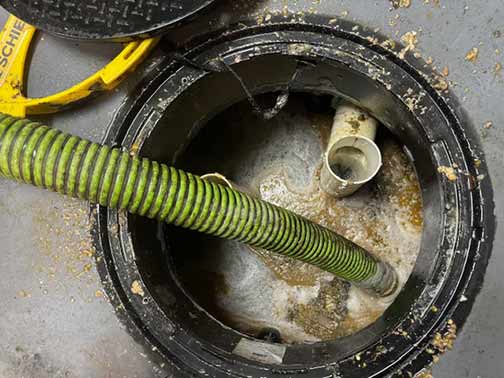
a plumber making a grease trap repair.

Neglecting grease trap maintenance can lead to severe consequences, including health hazards, environmental harm, and operational disruptions.

Assessing the Consequences of Neglecting Regular Grease Trap Cleaning

Neglecting maintenance can lead to severe consequences, including health hazards, environmental harm, and operational disruptions. Blocked grease traps can cause backups, leading to slippery floors, increased risk of accidents, and unsanitary conditions. Continuous neglect can damage the plumbing system, resulting in expensive repairs and increased downtime. Furthermore, non-compliance with regulatory guidelines can lead to hefty fines, licensing issues, and potential closure of the establishment. Therefore, consistent maintenance is the key to avoiding these adverse consequences.

Implementing Best Practices for Efficient Grease Trap Cleaning and Maintenance

Implementing best practices for grease trap maintenance ensures sustained efficiency and regulatory compliance. Consider the following steps:

  • Regular inspections: Conduct routine checks to monitor grease levels and trap condition.
  • Scheduled cleanings: Establish a consistent cleaning schedule based on the trap’s capacity and usage.
  • Proper disposal: Adhere to environmental guidelines for the safe disposal of grease and solid waste.
  • Record keeping: Maintain detailed logs of cleaning schedules, inspections, and servicing for regulatory compliance.

Exploring Professional Grease Trap Cleaning Services

Partnering with professional grease trap cleaning services can be advantageous for maintaining compliance and efficiency. These services employ trained personnel equipped with specialized tools and techniques to ensure thorough cleaning and maintenance of grease traps. Professional cleaners can also provide valuable insights into optimizing grease trap performance and staying compliant with local regulations. Additionally, outsourcing grease trap maintenance allows business owners to focus on core operations without worrying about regulatory adherence and potential pitfalls.

Realizing the Benefits of Staying Compliant with Grease Trap Regulations

Staying compliant with grease trap regulations offers numerous benefits for food service establishments. Primarily, it ensures a hygienic and safe working environment by preventing blockages and backups. Regulatory compliance also minimizes the risk of legal issues, fines, and potential closure, safeguarding the business’s reputation and continuity. Moreover, efficient grease trap maintenance contributes to environmental conservation by reducing the amount of grease and pollutants entering the wastewater system. Ultimately, adhering to regulatory guidelines and best practices ensures smooth, trouble-free operations and long term success.

Essential Tips to Keep Your Basement Dry and Flood-Free

Essential Tips to Keep Your Basement Dry and Flood-Free

Understanding the Causes of Basement Flooding: What You Need to Know

Before we get into the essential tips for keeping your basement dry and flood-free, it’s vital to grasp the common causes of basement flooding. Knowing the root of the problem can help prevent future water damage and maintain a safe, dry home environment. Several factors contribute to basement flooding, including heavy rainfall, rapid snowmelt, plumbing leaks, and poor drainage. Additionally, foundation cracks and insufficient waterproofing can exacerbate the issue, allowing water to seep through walls and floors.

Inspect and Maintain Your Gutters and Downspouts

The first line of defense against basement flooding is a well-maintained gutter and downspout system. Gutters and downspouts are essential in directing water away from your home’s foundation, preventing water accumulation and reducing the risk of basement flooding. Regularly inspect your gutters and downspouts for clogs, damage, or improper alignment. Clean them at least twice a year, especially during the fall and spring, to ensure they are clear of leaves, debris, and dirt.

Ensure that downspouts extend at least six feet away from your foundation. This keeps water from pooling near the foundation and instead directs it far enough away to mitigate potential flooding. Additionally, consider installing gutter guards to minimize debris accumulation and reduce the frequency of gutter cleaning.

Seal Cracks and Apply Waterproofing Solutions

Small cracks in your basement walls and floors may seem insignificant, but they can allow water to seep in during heavy rainfall or rapid snowmelt. Conduct regular inspections to identify any cracks or gaps in your foundation. Use a high quality sealant to fill in small cracks and apply waterproof coatings to prevent water ingress. For larger cracks or structural concerns, call a professional to ensure proper repairs and prevent further damage.

Additionally, waterproofing solutions such as interior and exterior sealants, vapor barriers, and waterproof paints can offer extra protection against moisture. Depending on the severity of your basement’s water issues, you may opt for professional grade waterproofing services to ensure a comprehensive solution.

Maintain Proper Grading and Landscaping

Your home’s grading and landscaping play a significant role in preventing basement flooding. Proper grading ensures that water flows away from your foundation rather than toward it. Evaluate the slope of your lawn and surrounding areas to ensure there is a gentle grade away from your home. If necessary, contact a professional to regrade the ground or install a French drain system that redirects water away from your foundation.

Additionally, consider planting native plants and trees that can help absorb excess water and reduce soil erosion. Avoid planting large trees with invasive root systems near your foundation, as their roots can penetrate and damage your home’s structure. Utilize mulch and gravel around your foundation to improve soil stability and facilitate proper drainage.

Install a Sump Pump and Backup System

A sump pump is a crucial component in preventing basement flooding, especially in areas prone to heavy rainfall or high water tables. Install a high-quality sump pump in your basement’s lowest point to effectively capture and remove excess water. Ensure the pump is regularly maintained and tested to confirm it’s in proper working condition.

In addition to the primary pump, consider installing a sump pump battery backup system or a water-powered backup pump. These backup systems provide an extra layer of protection in case of power outages or primary pump failures. Regularly inspect and maintain your sump pump and backup systems to ensure they are functional and ready to handle any water ingress.

a sump pump battery backup in a basement to prevent flooding.

Regularly inspect and maintain your sump pump and backup systems to ensure they are functional and ready to handle any water ingress.

Ensure Proper Plumbing and Leak Detection

Plumbing leaks and issues can contribute significantly to basement flooding. Regularly inspect your plumbing system for any signs of leaks, corrosion, or damage. Pay close attention to pipes, water heaters, and appliances that may be prone to leaks or malfunctions. Installing leak detectors and automatic shut-off valves can help detect and address potential issues before they become major problems.

In cases of significant plumbing problems, such as burst pipes or persistent leaks, contact a licensed plumber to perform necessary repairs and maintenance. Ensuring a well-maintained plumbing system can significantly reduce the risk of water damage and basement flooding.

Invest in a Comprehensive Basement Waterproofing System

For homes with a history of basement flooding, investing in a comprehensive basement waterproofing system may be necessary. Such systems often include a combination of interior and exterior waterproofing solutions designed to provide maximum protection against water ingress. Exterior waterproofing typically involves installing a drainage system around the foundation, applying waterproof membranes, and addressing any foundation cracks or damage.

Interior waterproofing may include installing a sump pump, interior drainage systems, and applying waterproof coatings to walls and floors. Consult with a professional waterproofing contractor to assess your basement’s specific needs and develop a tailored solution that ensures long-term protection against flooding.

Install Window Well Covers

If your basement has windows with window wells, it’s essential to protect them from water intrusion. Installing window well covers can prevent rainwater, snow, and debris from accumulating in the window wells and seeping into your basement. Choose durable, clear covers that allow natural light to enter while keeping water and debris out.

Regularly inspect and clean the window wells to ensure they remain free of leaves, dirt, and other obstructions. Proper maintenance of window wells and covers can significantly reduce the risk of water entering your basement through these vulnerable points.

Monitor and Address Humidity Levels

Excess humidity in your basement can contribute to mold growth, dampness, and water damage. Use a dehumidifier to maintain optimal humidity levels and reduce moisture buildup. Aim for a humidity level of around 30-50% to create a dry, comfortable environment. Regularly check and empty the dehumidifier’s reservoir or connect it to a drainage system for continuous operation.

Additionally, ensure proper ventilation in your basement by opening windows and using exhaust fans to improve air circulation. Address any sources of excess moisture, such as leaks or seepage, to prevent humidity levels from rising and causing water-related issues.

Conduct Regular Inspections and Maintenance

Prevention is key to keeping your basement dry and flood-free. Conduct regular inspections and maintenance of all the components and systems that protect your home from water damage. This includes checking your gutters, downspouts, sump pump, plumbing, and waterproofing solutions. Stay vigilant for any signs of water intrusion, such as dampness, mold, or musty odors, and address them promptly.

Establish a maintenance schedule to ensure that all preventive measures are consistently implemented and functioning correctly. By staying proactive and attentive, you can minimize the risk of basement flooding and maintain a safe, dry living environment for you and your family.

Keeping your basement dry and flood-free requires a combination of preventive measures, regular maintenance, and prompt attention to potential issues. By following these essential tips, you can protect your home from water damage and create a safer, more comfortable living space. Invest in proper waterproofing, maintain a well functioning drainage system, and stay vigilant for signs of water intrusion to ensure long term protection against basement flooding.

Common Mistakes Homeowners Make That Lead to Sewer Repairs

Common Mistakes Homeowners Make That Lead to Sewer Repairs

One of the most common mistakes homeowners make is improper disposal of waste. It’s essential to understand that not everything is meant to go down your drains or toilets. Items such as paper towels, wet wipes, feminine hygiene products, and grease can easily cause blockages in your sewer system. These materials do not break down as easily as toilet paper and can accumulate over time, leading to significant clogs. To prevent this, always dispose of such items in the trash and avoid pouring grease down the sink. Using drain screens can also help catch debris before it enters your pipes.

Ignoring Small Leaks and Drips

A small leak or drip might seem inconsequential at first, but ignoring it can lead to much larger issues. Over time, even minor leaks can cause significant damage to your sewer system and your home’s foundation. Continuous water exposure can weaken pipes, leading to cracks and eventual breaks. Regularly check for leaks in your plumbing system, and if you notice any, address them promptly. Routine maintenance and inspections by a professional can help catch these small problems before they escalate.

Planting Trees and Shrubs Near Sewer Lines

Many homeowners enjoy the aesthetic appeal of trees and shrubs in their yard, but planting them too close to sewer lines can cause serious problems. The roots of these plants naturally seek out water sources, and your sewer lines are an attractive target. Over time, roots can penetrate and grow inside the pipes, causing blockages and even pipe breakage. When planning your landscaping, ensure that trees and shrubs are planted a safe distance away from your sewer lines. Speaking with a professional landscaper or plumber can help you understand the safe planting distances for various plant species.

Using Chemical Drain Cleaners

When faced with a clogged drain, many homeowners reach for chemical drain cleaners as a quick fix. However, these products can do more harm than good. The harsh chemicals can erode and weaken your pipes over time, leading to leaks and breaks. Additionally, if the cleaner does not completely clear the clog, it can sit in the pipes and cause further corrosion. Instead of relying on chemical drain cleaners, use mechanical methods such as a drain snake. For persistent clogs, it’s best to call a professional hydro jetting plumber to handle the issue safely.

Overloading the Garbage Disposal

Your garbage disposal is a useful tool, but it has its limitations. Overloading it with large quantities of food waste or disposing of inappropriate items such as coffee grounds, eggshells, or fibrous vegetables can lead to clogs and damage. Always run cold water while using the disposal to help solidify any grease or fat, allowing it to be chopped up more effectively. Feed food waste into the disposal slowly and avoid putting large amounts at once. Regularly clean the disposal to prevent buildup and maintain its efficiency.

Neglecting Regular Maintenance

Just like any other part of your home, your plumbing system requires regular maintenance to function properly. Neglecting routine inspections and upkeep can lead to unexpected sewer problems and costly repairs. Schedule regular inspections with a licensed plumber to check for potential issues such as leaks, clogs, or pipe corrosion. Routine maintenance can include cleaning your drains, having your sewer line camera inspected, and checking for signs of wear and tear. By staying proactive, you can catch problems early and avoid major sewer repairs.

a plumber repairing a bad sewer line.

Whether you’re installing new pipes or replacing old ones, it’s essential to hire a professional plumber who is experienced and knowledgeable.

Inadequate Pipe Insulation

In colder climates, inadequate pipe insulation can lead to frozen pipes, which can cause severe damage to your home’s plumbing system. When water inside the pipes freezes, it can expand and cause a burst plumbing pipe emergency, leading to significant water damage and costly repairs. Ensure that your pipes, especially those in unheated areas such as basements, attics, and crawl spaces, are properly insulated. During extreme cold spells, letting a trickle of water run through the pipes can prevent freezing. It’s also a good idea to keep your home’s thermostat at a consistent temperature to avoid pipe freezes.

Improper Pipe Installation

One of the crucial aspects of a well-functioning plumbing system is proper pipe installation. Poorly installed pipes can lead to a variety of issues, including leaks, improper drainage, and sewer backups. Whether you’re installing new pipes or replacing old ones, it’s essential to hire a professional plumber who is experienced and knowledgeable. Proper installation ensures that pipes are appropriately sized, securely connected, and correctly positioned to prevent future problems.

Understanding Your Home’s Plumbing Layout

Many homeowners are unfamiliar with their home’s plumbing layout, which can lead to issues when problems arise. Understanding where your pipes and sewer lines are located can help you identify potential trouble spots and address them before they escalate. Take the time to learn about your plumbing system, including the location of shut-off valves and access points. This knowledge can be invaluable in an emergency and can help you perform routine maintenance more effectively.

Ignoring Warning Signs

Sewer problems often provide warning signs before they become severe, but many homeowners overlook these indicators. Slow drains, foul odors, gurgling sounds, and water backups are all signs that something may be wrong with your sewer system. Ignoring these warning signs can lead to more extensive damage and costly repairs. If you notice any of these symptoms, it’s essential to address them promptly. Contact a professional plumber to diagnose the issue and recommend the appropriate course of action.

In Summary

Understanding and avoiding common mistakes can significantly extend the life of your home’s plumbing system and prevent the need for costly sewer repairs. Proper waste disposal, regular maintenance, and being mindful of what goes into your drains are all crucial steps in maintaining a healthy sewer system. By being proactive and attentive to your home’s plumbing needs, you can avoid many of the common pitfalls that lead to sewer problems. If you’re ever unsure or encounter a persistent issue, don’t hesitate to seek professional assistance. Taking these precautions can save you time, money, and stress in the long run.

The Role of Professional Plumbers in Commercial Property Relocation

The Role of Professional Plumbers in Commercial Property Relocation

Commercial property relocation is a multifaceted process that involves numerous logistical challenges. One of the vital yet often overlooked aspects of this process is the role of professional plumbers. Ensuring an easy transition requires meticulous planning and expert execution, especially when it comes to the plumbing infrastructure of the new location. Professional plumbers are indispensable in managing this complex task, guaranteeing businesses can resume operations with minimal downtime.

Assessing the Plumbing Needs of Your New Location

Before relocating to a new commercial property, a thorough assessment of the plumbing system is fundamental. This step helps identify potential issues that might arise once the move is complete. Professional plumbers conduct detailed inspections to evaluate the new location’s water supply, drainage systems, and overall plumbing health. They check for compliance with local regulations and make certain that all aspects of the plumbing system are up to code. This proactive approach prevents unexpected problems and costly repairs down the line.

Customizing Plumbing Solutions for Commercial Spaces

Different commercial properties have unique plumbing requirements. For instance, a restaurant will have vastly different needs compared to an office building. Professionals specialize in tailoring plumbing solutions to fit the specific needs of various businesses. They consider factors such as the volume of water usage, the type of plumbing fixtures required, and the space layout. Customized plumbing setups enhance the property’s functionality and improve efficiency and safety.

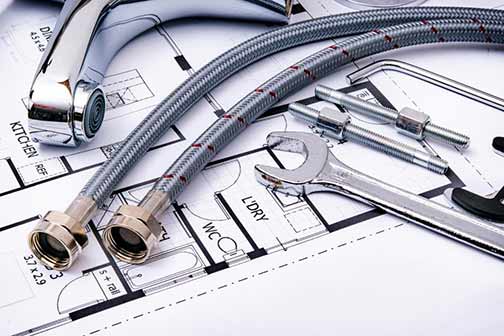
pipes and tools.

Commercial property relocation can be complicated, so get all the professional help you need.

Coordination with Other Contractors and Service Providers

The success of a commercial relocation often hinges on the collaboration between various contractors and service providers. Plumbers are essential in this coordination, working closely with electricians, movers, and other trades to provide an easy process. For example, plumbers might need to collaborate with movers so that heavy equipment and fixtures are safely transported and installed in the new location. As an illustration, kitchen maintenance or its relocation to a new building will require precise coordination between plumbers and movers so that kitchen equipment is properly transported.

Therefore, always choose the most professional movers for easier coordination with them. Movers like fairfaxtransfer.com are a good option for making this process easier, as with their experience, they can work with plumbing experts to simplify the relocation process. With over half a century in the moving industry, they are a deep-seated brand with strong roots across Virginia and the District of Columbia, guaranteeing good results. This guarantees that everything is moved and set up efficiently and correctly. 

Ensuring Compliance with Local Plumbing Codes

Local plumbing codes and regulations can be complex and vary significantly from one region to another. Professional plumbers are well-versed in these regulations and are very important in ensuring compliance. They stay updated with any changes in the law and apply their knowledge to make sure that the plumbing systems in commercial properties meet all necessary standards. Non-compliance can lead to severe consequences, including fines and legal issues, which can be detrimental to a business. 

Managing Unexpected Plumbing Issues During the Move

Relocating a commercial property can sometimes lead to unexpected plumbing issues. These problems can range from minor leaks to significant system failures. For this reason, plumbers are trained to handle emergencies efficiently, minimizing disruption to business operations. They have the tools and expertise to quickly diagnose and fix problems, so the move proceeds easily. Having a reliable plumbing team on standby during the relocation can save time and prevent potential disasters.

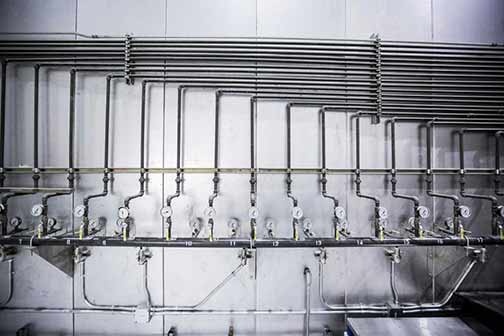
a system of pipes.

Your plumbing system needs to handle larger volumes of water, so maintain it properly.

Reducing Downtime with Efficient Plumbing Solutions

Downtime during a commercial move can be costly, impacting productivity and revenue. Plumbers adopt tactics to reduce downtime by making sure that plumbing systems are fully operational as fast as feasible. They work efficiently to install and test all plumbing fixtures, preventing delays and allowing businesses to resume operations without unnecessary interruptions. Efficient plumbing solutions are important for maintaining business continuity and avoiding financial losses during transition.

Preparing for Future Expansion and Scalability

When setting up a new commercial property, consider future growth. Professional plumbers design plumbing systems with scalability in mind, allowing for easy expansion as the business grows. This foresight includes installing larger capacity pipes, additional fixtures, and flexible layouts that can accommodate changes in the future. Planning for scalability certifies that businesses do not face significant disruptions or expensive modifications when expanding their operations.

The Benefits of Expert Coordination in Interstate Commercial Relocations

Relocating a business involves numerous logistical challenges due to the considerable distance and varying state regulations. This is also true when moving from Illinois to Virginia, a process that requires careful planning and precise execution. It’s important to manage every aspect of the move efficiently to minimize disruption to operations. That’s why you should hire interstate movers and leave it to skilled people who can greatly simplify transporting office furniture, equipment, and supplies across state lines. 

Likewise, when it comes to complex systems like plumbing, it’s wise to hire experts who specialize in commercial plumbing. Professional plumbers make certain that all plumbing systems are properly installed and functional upon arrival. Coordinating the efforts of both movers and plumbers enables businesses to achieve a simple relocation, allowing them to quickly get back to normal operations in their new location.

Upgrading Plumbing Systems for Efficiency and Sustainability

Modern commercial properties benefit significantly from efficient and sustainable plumbing systems. Upgrading outdated plumbing systems is one of the many services professional plumbers provide. These upgrades include installing water-saving fixtures, efficient water heaters, and advanced drainage solutions. Sustainable plumbing reduces water consumption and lowers utility bills, contributing to the overall profitability of the business. Also, businesses can enhance their corporate image by adopting eco-friendly practices that appeal to environmentally conscious customers and clients.

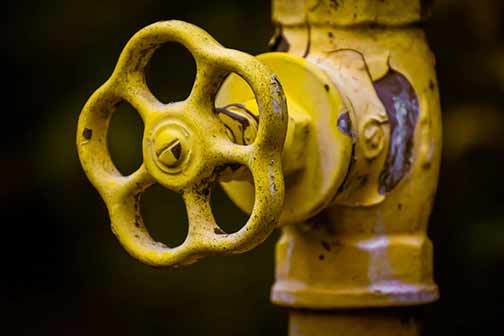
Two valves on the white wall.

Having a good plumbing system is important in areas with frequent floods.

The Role of Professional Plumbers in Commercial Property Relocation

In commercial property relocation, the role of professional plumbers cannot be overstated. They are there to check the plumbing infrastructure is ready to support the business’s needs from day one. From conducting initial assessments to managing unexpected issues and coordinating with other service providers, professional plumbers provide invaluable support throughout the relocation process. Their expertise and attention to detail help businesses avoid common pitfalls.

Securing a Successful Move with Professional Plumbing Services

Professional plumbers are very important partners in successfully relocating commercial properties. Their expertise in assessing, customizing, upgrading, and maintaining plumbing systems enables businesses to transition to their new locations. By addressing potential issues before they arise and ensuring compliance with all regulations, professional plumbers help businesses avoid costly delays and disruptions.

Step-by-Step Instructions for Using a Plumbing Snake

Step-by-Step Instructions for Using a Plumbing Snake

Drain snakes, plumbing snakes, or augers are necessary tools used to keep drains free and clear. These tools are designed to maneuver through the twists and turns of your plumbing and access clogs that may not be easily reached otherwise. Familiarity with the uses and functions of plumbing snakes will allow homeowners to easily resolve plumbing problems without professional help. Here we will cover what a plumbing snake is, how it operates, and why you should include it in your plumbing kit.

Identifying the Right Situations: When to Use a Plumbing Snake for Optimal Results

Knowing when to use a plumbing snake is crucial for achieving the best possible results. Plumbing snakes are typically used for medium to severe clogs that cannot be resolved with a plunger. Common situations that call for a plumbing snake include slow-draining sinks, stubborn toilet clogs, and recurring blockages in shower or bathtub drains. It is important to assess the severity of the clog and choose the appropriate tool accordingly.

Essential Tools Checklist: Gather the Necessary Tools for a Successful Plumbing Snake Operation

Before embarking on your plumbing snake operation, it is essential to gather all the necessary tools to ensure a smooth and efficient process. The basic tools required for this task include:

  • Plumbing snake or auger
  • Bucket
  • Rubber gloves
  • Old towels or rags
  • Pipe wrench (optional)
  • Flashlight (optional)

Having these tools readily available will not only save time but also help you handle any unforeseen challenges more effectively.

Safety First: Important Safety Precautions to Follow Before Using a Plumbing Snake

Safety must always come first while working with a plumbing snake. Although the tools are safe to operate, precautions can be taken to prevent accidents and injury. Some of the important safety precautions to observe are wearing rubber gloves for protecting your hands, employing old towels to prevent slipping over wet surfaces, and seeing that the working area is properly lit. It also goes without saying that one should be careful handling the plumbing snake to prevent damaging your pipes.

Setting Up for Success: How to Prepare the Work Area Before Inserting the Plumbing Snake

Preparing the work area is a critical step in ensuring a successful plumbing snake operation. Start by clearing the area around the drain to provide easy access and prevent any obstructions. Place a bucket under the drain to catch any water or debris that may be dislodged during the process. Lay down old towels or rags to protect surfaces and absorb any spills. It is also helpful to have a flashlight on hand to illuminate hard-to-reach areas. Preparing the work area in advance will make the process more efficient and reduce the risk of damage.

Accurate Insertion: Properly Insert the Plumbing Snake for Effective Drain Cleaning

Accurate insertion of the plumbing snake is essential for effective drain cleaning. Begin by feeding the snake into the drain opening slowly and carefully. If you encounter resistance, gently rotate the snake to navigate through bends or tight spots. Avoid forcing the snake, as this can cause damage to your pipes. Continue feeding the snake until you reach the clog. Proper insertion techniques will ensure the snake reaches the blockage and allows for effective removal.

Extending the Cable: Step-by-Step Guide to Extending the Plumbing Snake Cable Through the Pipe

Once the plumbing snake is properly inserted, the next step is to extend the cable through the pipe to reach the clog. Carefully rotate the handle of the plumbing snake to advance the cable further into the drain. Continue turning the handle while applying gentle pressure until you meet resistance from the clog. It is important to maintain a steady and controlled pace to avoid damaging the pipes.

Clog Removal Techniques: How to Break the Clog Using a Plumbing Snake Effectively

Breaking the clog using a plumbing snake requires a combination of technique and patience. Once the cable reaches the blockage, rotate the handle to break up the material causing the clog. Move the snake back and forth to dislodge the debris and clear the pipe. It may be necessary to repeat this process multiple times to fully remove stubborn blockages. Proper clog removal techniques will ensure the drain is thoroughly cleared and prevent future clogs.

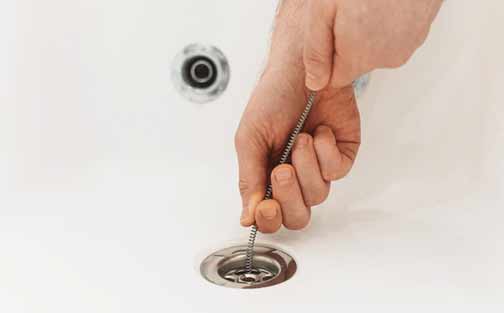
a person using a plumbing snake to unclog a drain.

Breaking the clog using a plumbing snake requires a combination of technique and patience. Once the cable reaches the blockage, rotate the handle to break up the material causing the clog.

Cable Retraction: Retract the Plumbing Snake Cable Smoothly to Avoid Damage

After successfully breaking the clog, the next step is to retract the plumbing snake cable. Carefully pull the cable back through the pipe, rotating the handle in the opposite direction to avoid snagging. Take your time during this process to prevent any damage to the pipes. Once the cable is fully retracted, inspect it for any debris or residue that may have been collected. Proper cable retraction techniques will ensure the plumbing snake remains in good condition and ready for future use.

Final Steps: How to Flush the Drain and Ensure It Is Completely Clear

Flushing the drain is the final step to ensure it is completely clear. Run hot water through the drain for several minutes to wash away any remaining debris and verify that the clog has been fully removed. For kitchen drains, a mixture of baking soda and vinegar can be used as an additional cleaning step. Flushing the drain thoroughly will help maintain its performance and prevent future clogs.

Post-Operation Steps: Cleanup and Maintenance Tips for Your Plumbing Snake

Proper cleanup and maintenance of your plumbing snake are essential for prolonging its lifespan and ensuring it remains effective for future use. After completing the drain cleaning, thoroughly rinse the plumbing snake with clean water to remove any debris or residue. Dry the snake completely before storing it in a dry, cool place to prevent rust. Regularly inspect the plumbing snake for any signs of wear or damage and address any issues promptly.

Proactive Measures: Tips on Preventing Future Clogs to Maintain Free-Flowing Drains

Preventing future clogs is key to maintaining free-flowing drains and avoiding the need for frequent plumbing snake operations. Some proactive measures include regularly cleaning your drains, avoiding the disposal of grease, food particles, and hair down the drain, and using drain covers to catch debris. Additionally, periodic maintenance using natural cleaning solutions like baking soda and vinegar can help keep your drains clear.

How to Get Rid of Hard Water in Your Plumbing

How to Get Rid of Hard Water in Your Plumbing

Hard water… What is that?

Ordinarily, hardness is not a word we should associate with water because water is a liquid, and liquids are not hard typically. But when water is described as “hard” or “soft,” it is not a reference to its physical state; if the water is liquid or solid (frozen).

Instead, it refers to the amount of dissolved minerals inside the water. Water hardness or softness plays a huge role in how water reacts with your plumbing and the appliances in your home, says Stewart Management. It can impact everyday tasks like washing or taking a shower.

But what exactly makes water hard?

Water supply is said to be hard if it contains high quantities of dissolved salts, like calcium, magnesium or limestone. Water becomes hard after it passes through bedrock with high amounts of calcium, magnesium or limestone before reaching the soil surface.

Hard water is a problem that only exists in some areas. But the good thing is the dissolved minerals in hard water do not make it unsafe for drinking. However, water hardness can have unintended consequences on your home and lifestyle.

How hard water affects your home

Formation of soap scum

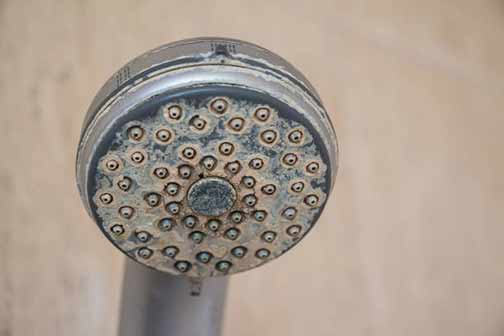
Instead of a rich foamy lather, hard water reacts with soap/detergents to form a disgusting sticky substance called soap scum. Soap scum lines shower walls, sinks and the inside of drainpipes; it impairs your home’s aesthetics.

Dry skin and hair

The minerals in hard water and soap scum caused by hard water can coat your hair and skin, leaving the skin dry and making hair less silky. Hard water makes it hard to remove soap from your body.

Damage to clothes and fabric

Clothes are more likely to fade and begin to fray when they are washed in hard water. That is because the salt molecules cling to the fabrics.

Stains on dishes and glasses

Washing dishes and glasses in hard water is difficult because hard water leaves a thin film on the surface of the items.

Limescale in water pipe

The sedimentation rate within water pipes is higher when the water is hard. That shortens the lifespan of your pipes.

Low water pressure

Lime scale can narrow water pipe channels to the point of reducing their capacity and causing low water pressure.

Damage to appliances

Limescale in water heaters, dishwashers, washing machines and coffee makers impairs their efficiency and hastens their breakdown.

Water pipe leaks

Leaks increase with the rate of buildup inside water pipes. Limescale may also cause spikes in pressure that can crack the pipes.

High water bills

Hard water impacts your water bill. You will use more water than is normal and undetected leaks in the system can push the bill higher.

Higher home maintenance costs

The overall cost of maintaining your home will be higher when dealing with the above issues caused by hard water.

water softener installation.

Whole-house water softeners are usually the best option, but it is possible to install a water softener for a specific plumbing fixture, such as the sink or refrigerator.

How to get rid of hard water in your home

These are the steps for solving your home’s hard water issues:

Test your water supply

detail you must analyze your water supply. A basic water testing kit will tell you the levels of calcium carbonate in the water. You can purchase these kits on Amazon for as low as $10. For more advanced tests, you may want to talk to a professional plumber.

Install a water softener

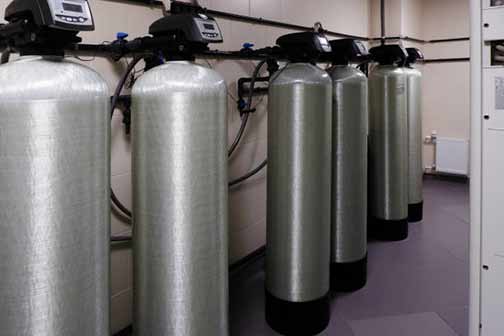
Water softeners remove the minerals that cause water hardness. The water-softening device is installed at the home’s main water supply pipe –in the basement or kitchen. All the water entering the house is fed into the water softener and forced to pass a bed of salt beads, which remove minerals inside the water. The treated water is then allowed to flow into the plumbing fixtures. Whole-house water softeners are usually the best option, but it is possible to install a water softener for a specific plumbing fixture, such as the sink or refrigerator.

Whole-house filtration system

Whole-house filtration systems are more advanced. Instead of merely softening the water, a whole-house filtration system filters out the impurities in water. While water softeners solve water hardness but do not filter out the impurities in water, whole-house filtration systems do both. Whole-house filtration systems remove bacteria, heavy metals, chlorine by-products and other impurities from your water supply.

Which solution is best for your home? The answer depends on the specifics of your problem and how much money you are willing to spend to fix the hard water problem. To make a decision that will benefit you in the long term, it is a good idea to contact a professional plumber.

Don’t Take Chances – Hire Professionals for Apartment Plumbing Repairs in Chicago

Hire Professionals for Apartment Plumbing Repairs in Chicago

Apartment buildings have different plumbing challenges than those found in single-family homes and duplexes, says Denman Management team. That is because the plumbing in the living units within the building is connected in ways that make them highly interdependent.

Although plumbing systems in multi-story buildings operate on the same basic principles as those in single-family homes, they are harder to manage. Plumbing systems in single-family homes are simple – they are designed to serve one family.

But this is not the case with apartment buildings where issues in one unit’s plumbing can spill over to affect the entire building.  That happens because the plumbing in each living unit in the building is connected to one central system.

For instance, since the units in apartment buildings are stacked on each other, it is impossible to transport water to the upper levels using the force of gravity alone, as is done in single-family homes and duplexes. Pumps are needed to pull the water up.

Apartment buildings also have challenges with their drainage systems. To solve the complex drainage issues, the system often has features that are not present or necessary in single-family homes: branch lines, vertical stacks, and vent or drainage stacks.

All these mean that opportunities for plumbing problems to get out of hand are high in apartment buildings. The complexity of the system makes it easy for seemingly minor plumbing issues to have far-reaching consequences on the entire structure.

Common plumbing issues in apartment buildings

The main challenge with multi-story plumbing systems is the risk that plumbing problems in one unit will ripple outwards to other units.  The extent of this ripple effect depends on how many units share the affected section of piping.

Common problems tenants may face in apartment buildings include:

Clogged or blocked drains

Units that share a common line will be affected if one has a clogged drain or blocked toilet.

Frozen pipes

If water pipes in one of the units become frozen, it can affect the water supply to other units or the entire building.

Leak or burst pipes

A burst pipe emergency in one unit can cause water damage in adjoining apartments or those below it.

Water contamination

Dirty water from an apartment’s faucets may be due to rust in another unit’s water pipes.

Ceiling damage

This is a common problem caused by bathroom flooding in the upper levels above the affected unit.

a professional plumber making repairs to some apartment plumbing.

Your preferred plumber should have the expertise to manage plumbing systems in multi-story buildings. It is a mistake to hire plumbers who only know about single-family home plumbing systems for your apartment building.

How to solve plumbing issues in an apartment building

Addressing plumbing issues in apartment buildings requires more expertise than is needed when dealing with plumbing issues in single-family homes. That is because the cause of the problem is often outside the unit where the problem occurs.

Moreover, to solve the problem, connected units must be taken into account; not just the pipes and systems in the affected apartment. Failing to do this only compounds the issues by creating unexpected problems in other areas of the building.

Plumbing problems in apartment buildings are trickier to solve. Before attempting to tackle them, you must understand how the plumbing works, how it connects to each unit and the potential impact of any solutions you apply.

That is why you should always hire professionals for plumbing issues in apartment buildings. The chosen plumber should have intimate knowledge of shared plumbing systems. They should also understand the unique needs of HOA plumbing.

What should you look for when hiring a professional plumber for your residential apartment complex?

Experience and specialization

Your preferred plumber should have the expertise to manage plumbing systems in multi-story buildings. It is a mistake to hire plumbers who only know about single-family home plumbing systems for your apartment building.

The right tools and equipment

Leak detection, drain cleaning, and pipe repairs in apartment building plumbing systems is a complex process that requires specialized tools and equipment. Only a plumber who specializes in these systems will make the vast investment needed to acquire these equipment.

Availability for emergency repairs

Plumbing emergencies are common issues in apartment buildings. Because of the complexities of the building’s plumbing, these emergencies must be solved quickly. That is why your chosen plumber must also offer emergency plumbing services; they should be available on short notice at any time.

Knowledge of plumbing needs of HOAs

Working with shared plumbing systems comes with challenges that are not limited to the plumbing systems themselves. Plumbers often have to deal with multiple tenants to solve the issues in the plumbing. The right Chicago plumber should know how to work with HOA communities of various sizes.

Plumbing issues in multi-story buildings come with numerous problems that can be worsened by the incompetence of your plumber. Do not take a chance with the operations of your rental property and the safety of your tenants; get a professional for the plumbing issues in your building.

My Main Water Line is Broken – What Should I Do?

My Main Water Line is Broken

Your main water line is the most essential water pipe in your home, but despite its vital role, it is the water pipe that most homeowners know the least about, says Abrams Management. That is because the main water line is often underground, out of sight, and therefore out of the homeowner’s mind.

But like other plumbing system components, problems happen with the main water line. The line can clog, leak, corrode or be damaged by rodents, tree roots and soil movements. When this happens, the effects on your home can be disastrous.

Main water line issues

Common problems associated with damage to a main water line include:

Low water pressure

Your home may suffer from low water pressure as water pressure is siphoned from the pipe through the leaky section.

High water bills

Water bills will keep increasing even if your water usage pattern is still the same and the water company hasn’t increased its rates.

Contaminated water

A broken main water line will admit soil into the water supply. If there is rust in the line, it may also cause water discoloration.

Foul-smelling water

Impurities can give the water an unpleasant odor, maybe as a result of the presence of bacteria in the water.

Puddles in the lawn

Water from a broken main water line will seep into your lawn, and you may start to see puddles in the yard or soggy patches of soil.

Sinking or swelling ground

Sometimes, a broken water main can cause sections of your yard to bulge or sink. This problem can also cause sinkholes.

Pest invasion of property

The promise of easy access to a reliable water source may start to draw all kinds of vermin to your property. 

Structural damage

A broken water line can pose a major threat to your building’s foundation. It can damage the driveway, deck and concrete walkways.

a main water line repair.

The plumber you call must have experience in water line repair. It is even better if the plumber offers emergency plumbing services.

What to do about a broken main water line

Fixing a damaged water line requires the know-how of a professional plumber. Water line repair and replacement is not a job for homeowners; this is not a DIY project. Water line problems must be handled by experienced and licensed plumbers.

Depending on the severity of the problem, the line may be repaired or replaced. Also, you do not have to repair or replace the main water line; only the damaged section. However, if the pipe is already old, complete replacement may be the best option.

Follow these steps to fix your broken water line.

Turn off the water supply

You may have to turn off your water supply as soon as you discover the problem. To cut off the water supply, close the main water shut-off valve. This step is not needed if the damaged water line does not pose a threat to your property.

Call a professional plumber

The plumber you call must have experience in water line repair. It is even better if the plumber offers emergency plumbing services. An emergency plumber can start repairs immediately, even on holidays and weekends.

Locate the Leak

The leak can happen in the section of the main water line inside your home or the underground portion. Leaks may also happen in the street-side section of the water line. This portion of the water line is the responsibility of the city.

Notify the water company

If the break happens in the part of the main water line that belongs to the water company, it is their job to fix it. But even if this is not the case, you may still need to notify the company of the problem.

Conduct the necessary tests

The plumber will need to inspect and test your water line to detect the exact location of the water leak. It not only helps to pinpoint the problem, but it also narrows the scope of the repair and helps you cut costs.

Inform your neighbors

If your neighbors’ properties are affected by the break in your water main, you should inform them of the problem and the steps you are taking to solve it. That can help to avert further property damage.

Obtain the required permits

In some cases, fixing or replacing a broken water line may require you to get permits. That should not be a problem if the plumber you hired for the job is local and well-informed about the operations of the local authorities.

Start the repairs

To repair or replace a broken water line, the plumber will normally dig a trench to access the line. The steps for fixing the problem depend on the size of the issue, the pipe material, the age of the water line and the chosen solution.

After the water line is fixed, it is wise to take steps to prevent future problems. That can mean creating a program for preventive care of the water line, with yearly water line inspections by a qualified plumber.