Author Archives: Chicago Plumbing Experts

Steps to Boost Your Home’s Water Pressure in Chicago

Steps to Boost Your Home's Water Pressure in Chicago

Understanding Water Pressure and Its Importance

Water pressure is an essential aspect of a home’s plumbing system. It represents the force with which water is delivered to various fixtures such as faucets, showers, and appliances. Optimal water pressure ensures comfortable showers, effective cleaning, and efficient operation of home appliances. Low water pressure can be a significant inconvenience, affecting daily activities and overall household functionality.

Identifying the Causes of Low Water Pressure in Chicago Homes

Several factors can contribute to low water pressure in homes, especially in a city like Chicago with older infrastructure. Common causes include:

  • Aging Pipes: Older homes often have pipes that are corroded or clogged with mineral deposits, leading to reduced water flow.
  • Municipal Supply Issues: Sometimes, the problem might not be within your home but rather in the municipal water supply system.
  • Pressure Regulator Malfunction: If your home is equipped with a water pressure regulator, a malfunction or incorrect setting can result in low water pressure.
  • Leaks and Drips: Undetected leaks in your plumbing system can significantly diminish water pressure.
  • Partial Closure of Valves: Partially closed shut-off valves or water meter valves can restrict water flow.

Step 1: Check and Replace Any Faulty Fixtures

The first step in boosting your home’s water pressure is to check all faucets, showerheads, and other fixtures. Older fixtures may become clogged with mineral deposits over time, reducing water flow. Cleaning or replacing these fixtures can make a noticeable difference. Opt for low-resistance, high-flow models for the best results.

Step 2: Inspect and Clean Your Home’s Pipes

Over time, pipes can become clogged with debris, sediment, and mineral buildup. Inspect your home’s plumbing system for any obstructions. In older homes, upgrading your plumbing pipes with modern materials like copper or PEX can dramatically improve water pressure. For minor clogs, a professional plumber can perform pipe cleaning using special tools and techniques.

Step 3: Test and Adjust the Water Pressure Regulator

Many homes are equipped with a water pressure regulator, which controls the pressure of water entering your home from the municipal supply. Locate the regulator, typically found near the main shut-off valve, and use a pressure gauge to measure the current water pressure. If the pressure is below the recommended level (usually 40-60 psi), adjust the regulator accordingly or consider replacing it if it’s malfunctioning.

Step 4: Check for Leaks and Repair Them

Undetected leaks can significantly reduce water pressure. Inspect your plumbing system for any signs of leaks, such as damp spots, mold growth, or unexplained spikes in your water bill. Repairing leaks promptly will not only improve water pressure but also conserve water and reduce costs.

Step 5: Consider Installing a Water Pressure Booster Pump

If your home experiences consistently low water pressure despite taking the above steps, installing a water pressure booster pump may be a viable solution. These pumps are designed to increase water pressure and flow, ensuring that all fixtures and appliances receive adequate water supply. A professional plumber can recommend and install a suitable booster pump system for your home.

Step 6: Work with the City’s Water Department

In some cases, low water pressure might be attributed to issues within the municipal water supply system. Contact Chicago’s water department to report any ongoing low pressure issues in your area. They can provide information on any maintenance or repairs scheduled for your neighborhood that might affect water pressure and may even offer additional solutions or assistance.

Step 7: Regular Maintenance and Preventive Measures

Ensuring optimal water pressure in your home requires ongoing maintenance and preventive measures. Regularly check and clean fixtures, inspect pipes for any signs of corrosion or buildup, and monitor your water pressure levels. Scheduling periodic professional plumbing inspections can help identify and address potential problems before they lead to significant issues.
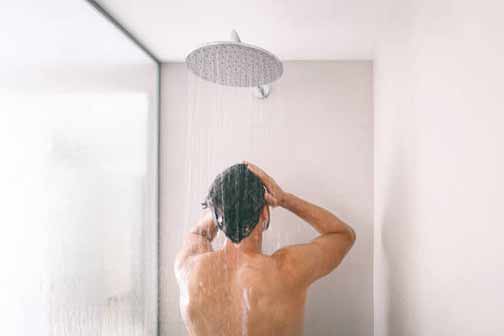
a man showering.

Well-maintained water pressure can prolong the lifespan of your plumbing system and fixtures.

Benefits of Optimal Water Pressure

Maintaining optimal water pressure in your home offers several benefits, including:

  • Enhanced Comfort: Enjoy consistent and strong water flow for showers and bathtubs.
  • Efficient Cleaning: Improved water pressure ensures effective cleaning of dishes, laundry, and household surfaces.
  • Appliance Performance: Optimal water pressure helps appliances like dishwashers and washing machines operate more efficiently.
  • Reduced Water Waste: Proper water pressure minimizes water waste, contributing to conservation efforts and lower water bills.
  • Prolonged Plumbing Lifespan: Well-maintained water pressure can prolong the lifespan of your plumbing system and fixtures.

Conclusion and Final Tips

Boosting your home’s water pressure involves understanding the underlying issues, from fixture maintenance to addressing piping and regulator concerns. By following these steps and implementing regular plumbing maintenance, you can achieve and maintain optimal water pressure in your Chicago home. Don’t hesitate to seek professional help when needed, and stay proactive in ensuring your plumbing system’s health and efficiency.

Remember, a well-functioning water pressure system enhances daily living, provides comfort, and ensures the longevity of your plumbing infrastructure. Take these steps today to improve your home’s water pressure and enjoy the benefits of a well-maintained plumbing system.

Critical Plumbing Repairs to Ensure a Smooth Home Sale

Critical Plumbing Repairs to Ensure a Smooth Home Sale

How do you sell your home when there are many sellers, not so many buyers, and you are trying to maximize sales profits? This question has troubled property owners everywhere, regardless of what season of the year they are trying to sell their homes.

To solve this challenge, sellers will often renovate the critical features of their home to make it more attractive to buyers. The thinking here is that, if a property has great curb appeal and its features are modern and in top condition, buyers will be willing to pay more for it.

However, Atlas Management says, this strategy only works if sellers know what buyers in their location want. How do homeowners know that a kitchen or bathroom renovation will help them sell their homes faster and for more money? Is this type of renovation something buyers are looking for?

There is a better way to solve this problem.

Homeowners should prioritize renovations that buyers are guaranteed to value. They should focus on those features of the home that will never go out of fashion but can retain their value despite a home’s location and what is happening in the housing market.

This means improving the essential features of the home instead of focusing on cosmetic improvements. An example of an area sellers should focus on is their home’s plumbing. Up-to-date plumbing systems that are easy to maintain will never go out of style.

Savvy buyers prefer a home with well-maintained plumbing than one with a nice kitchen and a neglected sewer line. A home with an updated plumbing system is a safer bet because it is hard to tell how bad a home’s plumbing issues are and how much it will cost to fix them.

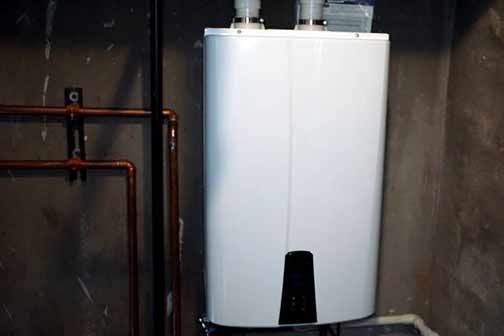
a tankless water heater can improve a home's value.

Tankless water heaters are more efficient than traditional water heaters; they use less energy. Additionally, not only do they take up less space, they add a modern feel to the home.

The top plumbing repairs and updates for a smooth home sale

Address water pressure issues

Buyers expect sufficient and consistent water pressure when they flush a toilet, open a faucet or turn on the dishwasher. Low water pressure can be a telltale sign of bigger issues in the plumbing. How you fix the water pressure issues in the home depends on the source of the problem.

Fix leaky pipes and appliances

Leaks that happen inside the walls of a home, below ground and in hidden parts of the house (under the sink, behind appliances and in the basement) are notoriously hard to detect. Hidden leaks not only waste water, they can cause major water damage.

Replace old water pipes

Repiping your home is a major expense, but it is worth it. This step will address all lingering issues caused by old and corroded pipes; leaks, water discoloration, low water pressure and strange noises from the plumbing. Buyers will pay you more for a home the has just been repiped.

Schedule drain maintenance

Professional drain maintenance done on a schedule can help to solve the drain issues in a home; slow drains, bad odors from drain outlets and noisy drains. To make sure you are solving the actual problems in your drains, a sewer line camera inspection should precede this maintenance step.

Install efficient plumbing fixtures

Buyers love features that help them save money while protecting the environment. Low-flow plumbing fixtures help to lower a home’s water bills. Buyers know that the extra money they pay to buy a home with eco-friendly features will be recouped through lower energy bills and other benefits.

Add a tankless water heater

Tankless water heaters are more efficient than traditional water heaters; they use less energy. Additionally, not only do they take up less space, they add a modern feel to the home. A tankless water heater installation is another energy-efficient and eco-friendly update that buyers are willing to pay more to have.

Insulate your water pipes

Insulating your water pipes will improve the overall efficiency of your plumbing by eliminating the risk of frozen pipes. You also lower the home’s energy cost by reducing the work your water heater does to heat water. This step also minimizes the risk of water damage due to frozen pipes.

Add a water filtration system

Water filtration systems help to address buyers’ health and safety concerns. Potential buyers are assured they will not face problems like impurities, contaminants, and unwanted odors or tastes in their water supply. Most buyers will pay more money to get that peace of mind.

Lastly, you should order a professional plumbing inspection and make the inspection report available to potential buyers. This kind of transparency is a big deal for buyers. Because buyers can see that you are not trying to hide the true condition of your home’s plumbing, they trust you more.

This helps to make the negotiations easier. Since both are less suspicious of one another, it is not hard to reach a compromise on issues. Doing a plumbing inspection does not mean you have to fix all the issues in your plumbing. It means you know the existing problems, you can choose what issues you want to repair and buyers also understand what they are getting into.

Is Your Sewer Line on the Brink of Failure?

Is Your Sewer Line on the Brink of Failure

Signs Your Sewer Line May Be Failing

The sewer line in your home is an essential part of your plumbing system. Without it, waste from your home wouldn’t be able to properly drain into the city’s sewer system or your home’s septic tank. For this reason, it’s crucial to address any issues related to your sewer line before they escalate. Let’s explore the various signs that may indicate your sewer line is on the brink of failure.

One of the earliest indicators of a failing sewer line is a slow drain. If you notice that your sinks or bathtubs are taking longer than usual to drain, it could point to a blockage in your sewer line. Similarly, gurgling sounds coming from your drains can also be a red flag. These noises are often caused by air trapped in the pipes due to a blockage.

Another tell-tale sign of sewer line issues is the presence of foul odors. If you can smell sewage in your home or yard, it’s time to call a plumber. This stench typically indicates that there’s a crack or break in the sewer line, allowing waste material to escape.

Lastly, if you observe patches of lush greenery in your yard, it may not be a cause for celebration. While it’s nice to have a green yard, it can also mean that a leaking sewer line is fertilizing your lawn. Sewage acts as a potent fertilizer, causing an overgrowth in the affected areas.

Common Causes of Sewer Line Damage

Sewer line damage can occur for a variety of reasons, each challenging in its own right. Understanding the most common causes can help you take preventive measures and mitigate the risk of severe damage.

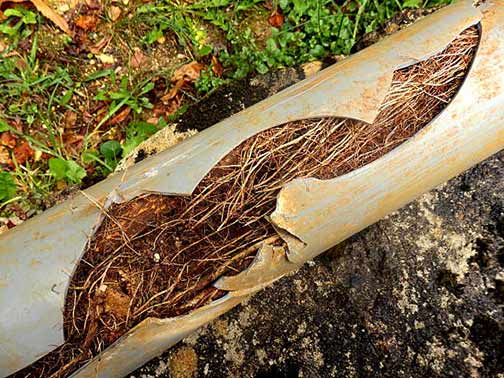
Tree roots are notorious for causing sewer line issues. As trees grow, their roots extend and can penetrate the sewer lines, causing blockages and cracks. This is particularly common in older homes where trees have had ample time to grow and spread.

Another common cause of sewer line damage is shifting soil. Natural occurrences like earthquakes or human activities such as construction work can cause the ground to move and put pressure on your sewer lines, causing them to crack or collapse.

Unfortunately, sewer lines aren’t immune to general wear and tear. Over time, they will naturally deteriorate, especially in older properties where the pipes might be decades old. Materials such as clay or cast iron, often used in older systems, are particularly susceptible to corrosion and breaking down over time.

Grease buildup is also a frequent culprit behind sewer line damage. Pouring fats, oils, and grease down the drain can cause serious blockages as these substances solidify and accumulate over time within the pipes.

Importance of Regular Sewer Camera Inspections

Proactive maintenance is the key to extending the life of your sewer line and preventing costly repairs. Regular sewer camera inspections can help identify potential issues before they escalate into major problems.

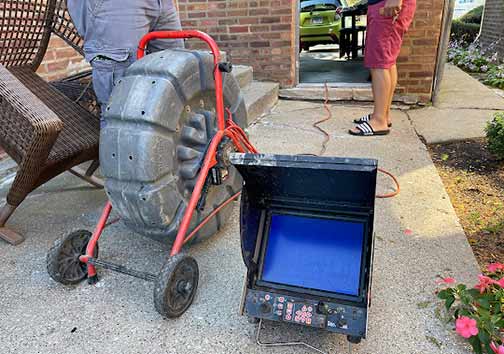
A sewer camera inspection typically involves the use of a specialized camera to thoroughly examine the interior of your sewer pipes. This process allows plumbers to identify blockages, cracks, and other forms of damage that need to be addressed. By catching problems early, you can often avoid extensive repairs and maintain the integrity of your plumbing system.

Additionally, regular inspections can provide you with peace of mind. Knowing that your sewer line is in good condition can relieve stress and give you confidence in the health of your home’s plumbing system. It’s generally recommended to have your sewer line camera inspected every couple of years, or more frequently if your home is older or if you suspect issues.

a sewer camera inspection taking place.

By catching problems early, you can often avoid extensive repairs and maintain the integrity of your plumbing system.

Options for Resolving Sewer Line Issues

If you have identified signs of sewer line damage or your recent inspection has uncovered problems, there are several options available to address these issues. The right choice will depend on the specific nature of your sewer line problem.

One of the least invasive solutions is hydro jetting. This technique involves using highly pressurized water to clear obstructions and clean the interiors of your pipes. A professional hydro jetting service is especially effective for removing grease and debris buildup.

For problems caused by tree roots, root removal procedures might be necessary. Plumbers can use specialized tools to cut through the roots and clear the pipes. However, if the roots have caused substantial damage, further sewer line repairs may be needed.

Preventive Measures to Protect Your Sewer Line

While some causes of sewer line damage are outside your control, there are several preventive measures you can take to protect your sewer line and minimize the risk of damage.

First and foremost, be mindful of what you flush and pour down your drains. Avoid flushing items such as wipes, feminine hygiene products, and paper towels, as these can cause blockages. Similarly, refrain from pouring fats, oils, and grease down the drain. Instead, dispose of them in the trash.

In addition, consider the placement of trees and shrubs in your yard. Be aware of the proximity of these plants to your sewer lines, and choose species with less aggressive root systems to minimize the risk of root infiltration.

Regularly maintain your plumbing system by scheduling professional inspections and cleanings. Routine maintenance can help catch small issues before they develop into significant problems, saving you time, money, and stress.

The Benefits of Addressing Sewer Line Issues Early

Tackling sewer line issues early on offers several advantages, not the least of which is cost savings. Repairing a small crack or blockage is often far less expensive than the major work required to address extensive damage.

Prompt attention to sewer line problems also helps preserve your property’s value. A well-maintained plumbing system is a key selling point for potential buyers, and documented maintenance records can be a valuable asset during home inspections and negotiations.

Moreover, addressing sewer line issues early can prevent health hazards. Leaking sewage can contaminate your home and yard, posing serious health risks to you and your family. Ensuring your plumbing system is in good working order can protect both your home and your wellbeing.

Summing It Up

Though often out of sight and out of mind, your sewer line plays a critical role in maintaining the health and functionality of your home’s plumbing system. By being aware of the potential signs of failure, understanding the common causes of damage, and taking preventive measures, you can protect your property and avoid costly repairs. Regular inspections and timely interventions are essential to ensuring your sewer line remains in optimal condition. Act promptly at the first sign of trouble, and don’t hesitate to seek professional help to diagnose and address any issues.

Professional Tips for Unclogging a Bathroom Sink

Professional Tips for Unclogging a Bathroom Sink

Understanding the Causes of a Clogged Bathroom Sink

Before we get into the techniques for unclogging a bathroom sink, it’s essential to understand what typically causes the clogs. Recognizing these factors can help prevent future issues. Common causes include the accumulation of hair, soap scum, toothpaste, and other debris that gradually build up over time. Additionally, foreign objects such as jewelry, hairpins, and small items can get accidentally dropped into the sink, contributing to blockages.

Preventive Measures to Avoid Sink Clogs

Prevention is always better than cure. Implementing simple preventive measures can go a long way in keeping your bathroom sink free from clogs. Here are some useful tips:

1. Use a drain cover to catch hair and debris.

2. Clean the drain cover and sink regularly to remove any buildup.

3. Avoid disposing of solid items or thick liquids down the sink.

4. Run hot water through the drain occasionally to flush out potential obstructions.

Immediate Steps to Take When You Notice a Slow Drain

In the event you observe slow drainage, swift action can help prevent the clog from worsening. Begin by removing any visible debris around the drain area. Next, prepare a mixture of baking soda and vinegar, pour it down the drain, and let it sit for about 20 minutes. This solution can break down minor clogs and maintain a clean drainpipe.

Using a Plunger for Effective Unclogging

One of the most reliable tools to combat a clogged sink is a plunger. To use it effectively, follow these steps:

1. Ensure there is enough water in the sink to cover the plunger’s rubber cup.

2. Place the plunger over the drain, ensuring a tight seal.

3. Push and pull the plunger rapidly to create suction and pressure that can dislodge the clog.

4. Remove the plunger and observe if the water drains properly.

Employing a Drain Snake for Stubborn Clogs

For more stubborn clogs that the plunger cannot handle, a drain snake (or auger) is highly effective. Here’s how to use it:

1. Insert the end of the drain snake into the drain, feeding it slowly while turning the handle.

2. Once you encounter resistance, rotate the snake to break up or hook the clog.

3. Gently pull the snake back out, removing any debris it has captured.

4. Run water down the drain to ensure it is clear.

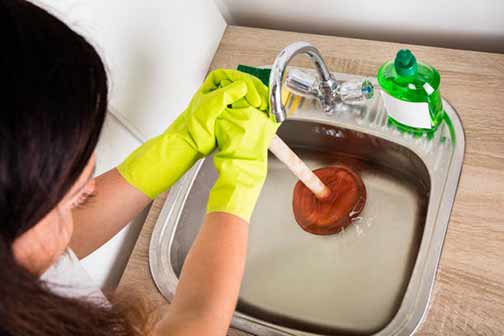
a woman plunging her bathroom sink.

Push and pull the plunger rapidly to create suction and pressure that can dislodge the clog.

Utilizing a Wet-Dry Vacuum for Clog Removal

If available, a wet-dry vacuum can be a powerful tool in unclogging a sink.

1. Set the vacuum to the wet setting

2. Create a tight seal over the drain using the vacuum hose.

3. Turn the vacuum on, allowing it to suck out the obstruction.

4. Check if the water now flows freely down the drain.

Chemical Drain Cleaners: A Cautious Approach

Chemical drain cleaners can be a quick fix but should be used sparingly and cautiously due to their potentially harmful effects on pipes and the environment. If you choose to use a chemical cleaner, follow the manufacturer’s instructions carefully. Remember, frequent reliance on chemical cleaners is not advisable as it can damage your plumbing over time.

Disassembling the P-Trap for Deep Cleaning

If none of the above methods work, disassembling the P-trap may be necessary. This U-shaped pipe beneath your sink can trap debris over time. To clean it:

1. Place a bucket under the P-trap to catch any water or debris.

2. Loosen the slip nuts holding the P-trap in place using a wrench.

3. Remove the P-trap and clean out any accumulated gunk.

4. Reassemble the P-trap, ensuring all connections are secure.

5. Run water to check for proper drainage.

Seeking Professional Help for Persistent Problems

If you cannot resolve the clog using the above methods, it may be time to seek professional drain cleaning assistance. A licensed plumber has the tools and expertise to tackle stubborn clogs and can identify any underlying issues with your plumbing.

Maintaining Your Bathroom Sink for Longevity

Regular maintenance can prevent the recurrence of clogs and ensure your bathroom sink remains in optimal condition. Establish a routine cleaning schedule using natural cleaners such as baking soda and vinegar, and have a plumber camera inspect the drain periodically for early signs of blockage.

Conclusion: A Clog-Free Future

Unclogging a bathroom sink requires a clear understanding of the causes, preventive measures, and effective techniques. By following the professional tips provided in this guide, you can ensure a smooth and hassle free experience. Regular maintenance and timely intervention can help keep your sink functional and clog-free, contributing to a more convenient and efficient bathroom environment.

Protect Your Pipes: Preparing for Freezing Temperatures

protect your pipes from freezing temperatures

Importance of Protecting Pipes in Cold Weather

Understanding why it is essential to protect your pipes during cold weather is crucial for every homeowner. Freezing temperatures can cause significant damage to your home’s plumbing system. When the water inside pipes freezes, it expands, which can cause the pipes to burst. This not only leads to costly repairs but also to potential water damage within your home. Additionally, protecting your pipes ensures a continuous water supply even during the coldest months, thereby maintaining daily life conveniences.

Understanding the Risks of Frozen Pipes

Frozen pipes pose a multitude of risks extending beyond just burst pipes. When pipes freeze, they can block the supply of water, disrupting daily activities such as cooking, bathing, and cleaning. Moreover, thawing frozen pipes improperly can lead to further damage or even cause fires if incorrect methods are used, such as applying direct heat from a blow torch. The inconvenience, safety risks, and financial burden from dealing with frozen pipes highlight the importance of taking preventive measures.

Signs Your Pipes Might Be Freezing

Detecting early signs that your pipes are freezing can help you take swift action to prevent significant damage. Common indicators include:

– Reduced or no water flow from faucets

– Unusually cold water

– Frost or condensation on the outside of pipes

– Strange noises from the plumbing system, such as banging or clanking

Recognizing these signs early allows you to implement immediate measures to mitigate damage and maintain the integrity of your home’s plumbing system.

Immediate Steps to Take if Pipes Freeze

In the unfortunate event that you discover frozen pipes, quick action can help limit the damage. Here are the steps to take immediately:

– Shut off the main water supply to prevent water from flooding your home once the pipe thaws.

– Open faucets to allow water to escape as it thaws, reducing pressure buildup within the pipes.

– Apply heat to the frozen section of the pipe using a hairdryer, heating pad, or warm towels, but avoid using open flames or high heat devices.

– Call a professional plumber if you are unable to thaw the pipes safely or if you suspect significant damage.

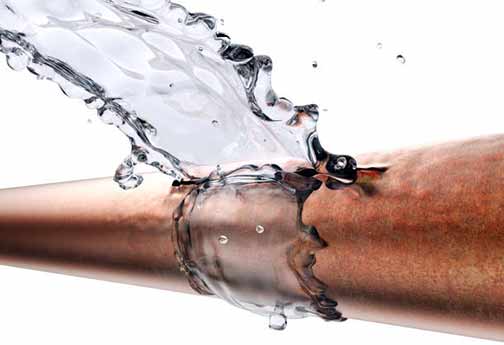
a burst pipe.

Maintain a consistent indoor temperature, even when you are not home, to prevent the pipes from getting too cold.

How to Prevent Pipes from Freezing

Prevention is the best approach when it comes to protecting your pipes from freezing. Consider these preventive measures:

– Insulate exposed pipes with foam insulation sleeves or heat tape, especially those in unheated areas like basements, attics, and garages.

– Seal gaps and cracks in your home’s exterior walls and foundation to prevent cold air infiltration.

– Allow a trickle of water to flow from faucets during extreme cold spells to keep water moving within the pipes.

– Maintain a consistent indoor temperature, even when you are not home, to prevent the pipes from getting too cold.

Long-Term Solutions for Pipe Protection

For long-term protection, consider investing in more permanent solutions such as:

– Installing pipe insulation throughout your home

– Re-routing pipes to less vulnerable areas, such as interior walls

– Consider upgrading your home plumbing piping materials

– Installing a pipe-heating system that activates during low temperatures

These investments will ensure your pipes remain safe year after year, providing peace of mind and avoiding costly emergencies.

Winterizing Outdoor Plumbing

Outdoor plumbing fixtures, such as hose bibs and sprinkler systems, require special attention during winter. Steps to winterize these include:

– Disconnecting and draining garden hoses

– Shutting off and draining sprinkler system lines

– Insulating hose bibs with faucet covers

– Draining outdoor water features, such as fountains and pools, to prevent freezing

Properly winterizing outdoor plumbing helps protect these systems from damage and ensures they are ready to use when warmer weather returns.

Emergency Services and When to Call a Professional

Knowing when to call in professional help is essential in managing frozen pipes and dealing with a burst plumbing pipe emergency. Contact a plumber immediately if:

– You cannot locate the frozen section of the pipe

– You cannot safely thaw the pipe yourself

– The pipe has burst, causing flooding or significant water damage

– Your DIY efforts do not restore water flow

Professionals have the expertise and equipment necessary to handle these situations safely and effectively, preventing further damage and costly repairs.

Cost Implications of Ignoring Frozen Pipes

Ignoring the issue of frozen pipes can lead to substantial financial consequences. Burst pipes can result in extensive water damage, necessitating repairs to ceilings, walls, flooring, and personal property. Additionally, prolonged exposure to moisture can lead to mold growth, which is difficult and expensive to remediate. The cost of emergency plumbing services and subsequent repairs can quickly add up, making preventive measures and timely intervention more cost effective in the long run.

Wrapping It Up

In conclusion, preparing your home’s pipes for freezing temperatures is an essential aspect of winter home maintenance. By understanding the risks, recognizing early warning signs, taking immediate action, and implementing preventive measures, you can safeguard your plumbing system and avoid costly repairs. Whether through simple DIY steps or investing in long-term solutions, ensuring your pipes are protected will provide peace of mind and maintain the comfort and functionality of your home during the colder months.

Effective Solutions for Basement Drain Backups Post-Heavy Rain

Effective Solutions for Basement Drain Backups Post-Heavy Rain

Basement drain backups can be a homeowner’s worst nightmare, especially after heavy rainfall. These issues not only cause significant water damage but also create health hazards due to mold growth and bacterial contamination. To address this problem effectively, it’s crucial to understand the root causes and the most effective solutions to prevent future incidents. Here we provide an in-depth look at professional and proven measures to ensure your basement remains dry and safe.

Identifying the Causes of Basement Drain Backups

Heavy rain can overwhelm drainage systems, leading to basement backups. However, several factors contribute to this problem, including:

  • Insufficient Slope in Yard: A yard lacking proper slope can lead to water pooling around your foundation, making it susceptible to basement drain backups.
  • Clogged Gutters and Downspouts: Gutters and downspouts clogged with debris can prevent water from being channeled away from your home effectively.
  • Foundation Cracks: Cracks in the foundation walls allow water to seep into the basement, exacerbating drainage issues.
  • Overcharged Sewer System: Public sewer systems can become overcharged during heavy rain, causing water to back up into residential basements.
  • Tree Roots in Sewer Lines: Tree roots can invade and clog sewer lines, obstructing the flow of water and causing backups during rainstorms.

Emergency Measures During a Basement Drain Backup

If you experience a basement drain backup during heavy rain, immediate action is critical to minimize damage and maintain safety. Here are essential steps to take:

Precautionary Safety Measures: Ensure that the power supply to the affected area is turned off to prevent electrical hazards. Use gloves, rubber boots, and protective clothing to avoid direct contact with contaminated water.

Water Removal: Use a wet/dry vacuum, submersible pump, or a mop and bucket to remove standing water from the basement. Dispose of any damaged items that cannot be salvaged.

Cleaning and Disinfection: Thoroughly clean and disinfect the affected areas using a mixture of water and bleach. Ensure the basement is well-ventilated to hasten drying and to prevent mold growth.

Professional Plumbing Solutions

Professional plumbers can provide a range of solutions to address and prevent basement drain backups effectively. Some of these include:

Sump Pump Installation

A sump pump is a vital component in preventing basement flooding. Installed in a sump pit, it automatically pumps water out of the basement when levels rise during heavy rainfall. Ensure regular maintenance to keep the sump pump operational and avoid a premature sump pump replacement.

Backwater Valve Installation

A backwater valve, also known as a backflow preventer, is designed to stop sewage from flowing back into your home during heavy rain. This can be a crucial addition to your drainage system, especially for homes prone to sewer backups.

Drainage System Inspection and Repair

Regular inspection and maintenance of your home’s drainage system can help identify potential issues before they become serious. Professionals can unclog drains, repair damaged pipes, and ensure the system is free of obstructions like tree roots.

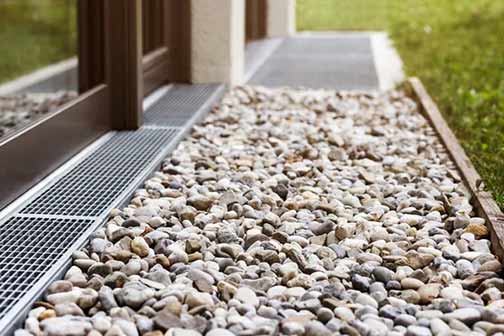
a french drain installation to help prevent basement drain backups.

A French drain is a trench filled with gravel or rock containing a perforated pipe that redirects surface and groundwater away from the home. This can be particularly useful for properties prone to heavy rainfall.

Preventive Landscaping and Exterior Solutions

Proper landscaping and exterior modifications play a crucial role in preventing basement drain backups. Here are effective strategies:

Grading and Yard Slope

Ensure that your yard slopes away from the foundation to direct water away from your home. Re-grading the yard can prevent water from pooling around your basement walls.

Extending Downspout Lengths

Extend the length of downspouts to channel water farther away from the foundation. This simple modification can significantly reduce the risk of basement drain backups.

Installing French Drains

A French drain is a trench filled with gravel or rock containing a perforated pipe that redirects surface and groundwater away from the home. A professionally installed French drain is particularly useful for properties prone to heavy rainfall.

Regular Maintenance Routines

Consistent maintenance routines can help prevent basement drain backups by ensuring your systems remain functional and efficient. Important tasks include:

Gutter and Downspout Cleaning

Regularly clean gutters and downspouts to remove leaves, debris, and other obstructions. This prevents water from overflowing and pooling around your home’s foundation.

Inspecting Foundation for Cracks

Inspect the foundation walls for any cracks and seal them promptly. Use waterproof coatings or professional foundation repair services to prevent water infiltration.

Sewer Line Maintenance

Schedule regular camera inspections and cleaning of your sewer lines. This can help identify and address obstructions, such as tree roots, before they cause significant problems.

Insurance Considerations for Basement Flood Damage

Homeowners should also consider insurance options to cover potential basement flood damage. Standard policies may not include flood coverage, necessitating additional policies:

Flood Insurance: Investigate adding flood insurance to protect against water damage from natural disasters.

Sewer Backup Endorsement: Consider a sewer backup endorsement to cover damages caused by sewer or drain backups.

To Sum It Up

Effective solutions for basement drain backups caused by heavy rain require a combination of professional plumbing services, preventive landscaping measures, and regular maintenance routines. By understanding the underlying causes and taking proactive steps, homeowners can protect their basements from water damage, maintaining a safe and dry living space. Additionally, exploring insurance options can provide financial protection against unforeseen incidents. Implementing these strategies will ensure long term peace of mind and the preservation of your home’s structural integrity.

DIY Water Heater Installation: A Detailed How-To Guide

DIY Water Heater Installation

Installing a water heater might seem like an overwhelming task, but with the right guidance, you can confidently tackle this project on your own.

This detailed DIY guide will walk you through every step of the process, ensuring that you have all the information you need to successfully install your new water heater.

From selecting the appropriate unit for your needs to the final installation steps, we’ve got you covered.

Understanding Your Water Heating Needs

Before getting into the technical aspects of water heater installation, it’s crucial to understand your household’s specific water heating requirements.

Consider factors such as the size of your home, the number of people living in it, and your daily hot water usage.

Identifying these needs will help you make an informed decision when selecting the right water heater unit.

Selecting the Right Water Heater Unit for Your Home

Choosing the correct water heater is paramount to ensure convenience and efficiency.

Start by determining whether a tankless or traditional tank-style water heater suits your needs best. Tankless water heaters provide an endless supply of hot water and are more energy-efficient but come at a higher initial cost.

On the other hand, tank-style water heaters are more affordable upfront and are suitable for households with lower to moderate hot water usage.

Additionally, you must decide between electric, gas, or solar-powered water heaters. Each type has its own set of advantages and drawbacks:

  • Electric water heaters: Easy to install and maintain, but may have higher energy costs compared to gas models.
  • Gas water heaters: Typically less expensive to operate, but require proper ventilation and can be more complex to install.

Consider energy efficiency ratings, warranty periods, and the capacity of the water heater before making your final decision. Speaking with a professional might be beneficial to ensure you select the optimal unit for your household. In some cases you might have to have an electric or gas water heater, such as cases in a condominium that strictly runs on electricity.

Gathering the Necessary Tools and Materials

Before initiating the installation process, ensure you have all the required tools and materials on hand. This can prevent unnecessary interruptions and ensure a smoother installation experience.

Key items you’ll need include:

  • Pipe Wrenches
  • Adjustable Wrenches
  • Screwdrivers
  • Plumber’s Tape
  • Pipe Cutter
  • Measuring Tape
  • Level
  • Safety Glasses and Gloves
  • Bucket
  • Hacksaw (if dealing with metal pipes)

Having these tools readily available will make the installation process more efficient and less stressful.

plumbing tools needed for diy water heater installation.

Before initiating the installation process, ensure you have all the required tools and materials on hand.

Preparing for Installation

Preparation is a key element in the successful installation of a water heater. Begin by turning off the water supply and gas or electricity to the existing water heater. Drain the old water heater tank by attaching a garden hose to the drain valve and directing the water to a suitable drainage location.

If you’re replacing an old water heater, remove it once it is completely drained. Disconnect all water and power lines with appropriate tools and ensure the area is clear of any debris or obstacles. It’s crucial to make sure the new water heater will have adequate space and proper access for maintenance tasks.

Installing the New Water Heater

With the old water heater removed and the area prepped, you can now move forward with the installation of your new unit. Follow these detailed steps:

Positioning the New Unit

Carefully place the new water heater in the allocated space. Ensure it stands level and stable. Use a level to verify proper positioning.

Connect Water Supply Lines

Use flexible water connectors to join the cold and hot water supply lines to the corresponding inlet and outlet ports on the water heater. Apply plumber’s tape to threaded connections to ensure a tight, leak-free seal. Secure the lines with adjustable wrenches, being careful not to overtighten.

Connect Gas or Electrical Supply

Gas Water Heater: If you have a gas water heater, connect the gas line using appropriate fittings and ensure proper ventilation for safety. Check for any gas leaks using a mixture of soap and water applied to the gas line and connections.

Electric Water Heater: For electric models, connect the electrical wiring to the water heater. Ensure all connections are made according to the manufacturer’s instructions and local electrical codes. If unsure, consider hiring a licensed electrician to complete this step.

Fill the Tank

Open the main water supply valve and allow the tank to fill with water. Open a hot water faucet to let air escape from the system. Once the tank is full and the water flows smoothly from the faucet, turn it off.

Power On

For electric water heaters, switch on the power at the electrical panel. For gas models, relight the pilot light or follow the manufacturer’s instructions to ignite the burner. Monitor the water heater to ensure it functions correctly, and check for any leaks or issues.

Performing a Test Run

Once the installation is complete, it’s essential to perform a thorough test run of your new water heater. Turn on several hot water faucets in your home and verify that the water heats up to the desired temperature. Inspect all connections for leaks and ensure the unit operates efficiently.

During this phase, adjust the water temperature settings if necessary, and familiarize yourself with the operation and maintenance guidelines provided by the manufacturer.

Ensuring Safety and Compliance

As with any home improvement project, safety is a paramount concern during water heater installation. Adhere to all safety guidelines and codes, including proper ventilation, secure gas or electrical connections, and adequate clearance around the unit. This is vital for the long-term safety and functionality of your water heater.

It’s also essential to register your new water heater with the manufacturer to activate the warranty. Keep all paperwork and receipts in a safe place for future reference.

 a water heater anode rod.

Check this component every few years and replace it if it’s significantly corroded to prevent tank rust.

Maintenance Tips for Longevity

Regular maintenance is key to prolonging the lifespan and efficiency of your water heater. Here are some essential tips:

  • Inspect the anode rod: Check this component every few years and replace it if it’s significantly corroded to prevent tank rust.
  • Check for leaks: Regularly inspect all connections and valves for any signs of leakage.
  • Test the pressure relief valve: Ensure this safety feature is functioning properly by lifting the valve handle and allowing some water to eject.

Adhering to these maintenance practices can help you avoid costly repairs and ensure your water heater runs efficiently for many years.

Troubleshooting Common Issues

Even with proper installation and maintenance, you may encounter issues with your water heater. Here are some common problems and their potential solutions:

  • No Hot Water: For electric heaters, check the circuit breaker or fuse box. For gas models, ensure the pilot light is lit. Verify that the unit’s thermostat is set to the appropriate temperature.
  • Inadequate Hot Water: Consider if the unit’s capacity meets your household needs. Check the thermostat settings and ensure the tank is free of sediment buildup.
  • Strange Noises: Sediment buildup in the tank can cause popping or rumbling sounds. Flushing the tank may resolve this issue.

If problems persist, check out the manufacturer’s manual or seek advice from a nearby plumber.

In Summary

Installing a water heater yourself can be a gratifying experience, providing both cost savings and a sense of accomplishment. By following the steps outlined in this detailed guide, you can approach your DIY water heater installation with confidence and ensure a successful outcome. Remember to prioritize safety, adhere to local codes, and perform regular maintenance to enjoy a reliable supply of hot water for years to come.

Why a Plumbing Inspection is Essential When Buying a Home in Chicago

Why a Plumbing Inspection is Essential When Buying a Home in Chicago

Buying a home may be one of the scariest things you will ever do, says BHB Management.

For first-timers, the entire process can feel like a huge cat-and-mouse game between sellers, buyers and estate agents, to see who will outfox the other.

As a buyer, if you have no experience with buildings, it can be hard to wade through the marketing noise to find the truth about a home you are trying to buy.

That is why home inspections are essential for buyers and they have become almost a mandatory part of the home-buying process.

The home inspection is when a neutral third party– a professional home inspector – is hired to inspect a home and give the buyer an objective assessment of the building’s condition.

Home inspectors check the following areas of a property that is for sale:

  • The home’s primary systems; HVAC, electrical, and plumbing fixtures.
  • The mechanical features: doors, windows, roofs, etc.
  • The main structural components; roof, flooring, foundations and walls.
  • The major spaces; crawlspaces, attics, outdoor areas, etc.
  • Exterior features; downspouts, windows, gutters, landscaping, etc.

Home inspections help buyers make informed decisions when negotiating for a property. They can avoid overpaying for their home or buying a problematic building.

Yet home inspections have a few serious shortcomings. A home inspector will not inspect any part of the house that is invisible or inaccessible.

Also, they will not inspect features that require licensing or special training equipment. One of the areas of a home the home inspector will not check is the plumbing.

What does this mean for you as a buyer?

It means you can end up buying a home with serious plumbing issues even after the property has been given a pass mark by a licensed home inspector.

That is a huge problem because plumbing issues can have a severe impact on the structures of a building. They tend to persist and often cost more money to fix.

How do you get around this problem?

The best way is to have a qualified plumber do a detailed plumbing inspection before you enter into a binding purchase and sale agreement with the owner.

Why is this so important?

a couple in chicago who just bought a new home.

Buyers can use the plumbing inspection report to negotiate a lower sales price for the home.

The value of plumbing inspections when buying a home

Identify hidden problems

Some of a home’s plumbing issues require the experienced eyes of a professional plumber to detect them. Some things are viewed as minor issues by a home inspector but can become major problems.

Prevent avoidable future expenses

Plumbing malfunctions are some of the most damaging problems in a home. Fixing them also costs more money. Examples of the kind of plumbing issues that homebuyers should avoid by all means include:

  • Severe corrosion in pipes and other plumbing fixtures.
  • Undetected leaks that can result in extensive water damage.
  • Outdated water pipes or sewer lines that need replacement.
  • Sewer line issues such as blockages and broken or collapsed sections.
  • Malfunctioning water heaters that need to be replaced.

Useful as a negotiating tool

Buyers can use the plumbing inspection report to negotiate a lower sales price for the home. They can also use it to extract concessions from the seller or get the owner to fix the damaged sections of the plumbing before the home’s sale can be finalized.

Valuable for planning

If the plumbing inspection uncovers major issues in the plumbing buyers can still decide to go ahead with the purchase. But they will do so knowing what they are getting into and they can make plans to fix those plumbing problems.

Peace of mind

Because plumbing inspections introduce transparency into the negotiations, buyers will have peace of mind going into the purchase. They will know they have eliminated, or at least minimized, the risk of nasty surprises down the road.

How much does a plumbing inspection cost in Chicago?

The cost will vary based on several factors, but generally, you can expect to pay between $150 and $500. Plumbing inspection costs in Chicago are influenced by the location of the home, the size of the plumbing system and whether additional services will be provided.

When choosing a plumber for your plumbing inspection, make sure it is a licensed and reputable company. The company should be willing to sign a written contract with you. You may also want to see a sample of the plumbing inspection report by the same company.

The sample report will give you an idea of what to expect from the plumber. Do not forget to check if the report’s content is easy to understand. Lastly, ensure you compare the company’s quotation with what other plumbers in the area are offering.

Why Homeowners Should Hire a Plumber for Toilet Installation

Why Homeowners Should Hire a Plumber for Toilet Installation

Should you hire a professional plumber to install your new toilet?

Some people will say that you should not. But installing a toilet involves many small detailed steps that require the person doing the job to have a certain level of plumbing know-how, says Propertycare Management. It is one of those plumbing jobs that look simple but have a huge potential to go wrong.

It makes sense to always hire a professional plumber when installing a toilet because problems caused by a single minor error can end up costing you multiple times the money you tried to save. Even worse, those problems can force you to buy a new toilet.

Here are some of the common mistakes people make when installing a toilet:

Common toilet installation mistakes

The toilet is not sealed properly

To prevent leaks from the bottom of your toilet, it is essential to seal it properly. This is done by applying a wax seal during the installation. But if the new wax ring is not done properly, the toilet will leak and bad odors can escape into the home.

Loose pipe connection

Because toilets handle a lot of water, there are many sites where leaks can happen. The chances that a toilet will leak are higher if its different components are not properly connected. Some of these leaks are so small that they are hard to detect.

Using the wrong toilet set-out

The set-out is the distance between the wall and the outlet pipe underneath the toilet bowl. This distance varies depending on several factors. Using the wrong set-out when installing your toilet will cause it to malfunction.

The toilet is wobbly

The constant movements of a toilet seat weaken the wax seal and pipe connections. An unstable toilet is also likely to crack and poses a risk of serious injury to users. If a toilet is loose, the bolts are not properly tightened.

Ignoring existing plumbing issues

A toilet installation is the best time to address existing problems in your toilet. If this is not done, your new toilet will inherit the problems that damaged your old toilet. This does not make any sense at all.

The potential effects of these mistakes can be far-reaching.

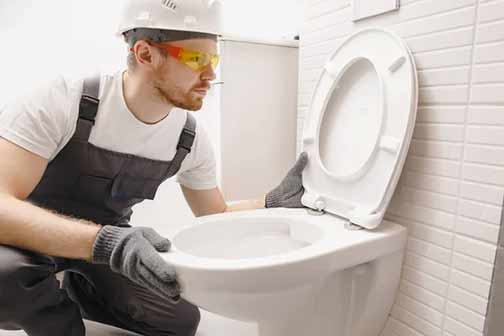
a plumber installing a toilet.

Hiring a plumber to install your toilet should not be viewed as a cost but an investment in the proper functioning and longevity of your toilet and other home features.

Problems from poor toilet installation

Three common problems that result from installing a toilet incorrectly are:

Expensive water damage

Water from a leaky toilet may seep into the drywall, flooring, insulation and other parts of your building. The resulting damage can cost thousands of dollars to fix.

Health problem

Mold growth due to persistent toilet leaks can cause a range of health problems among family members; itching, asthma, headaches, dizziness, nausea, redness of the eyes, allergies, and much more.

Costly repairs

The main goal of installing it yourself is to save money. But that goal will be defeated if you are forced to spend money on problems caused by the installation.

Why you should hire a plumber for toilet installation

Here are five reasons to always hire a professional plumber to install a new toilet.

Protect your warranty

Toilet manufacturers will void your warranty if the toilet is not installed by a licensed plumber. This is because they have no way of knowing that the reported problems are not caused by incorrect installation. To ensure that the right procedures are followed, manufacturers always insist that toilet installations be done by an expert.

Prevent leaks

Toilets can leak water into their surrounding areas or run continuously. The first problem will lead to costly water damage, while the second will inflate your water bills. Both issues can be avoided. A professional plumber will help you to minimize the risk of leaks by installing your toilet correctly.

Avoid structural damage

An improperly installed toilet poses a risk to the structures of your building. If your toilet is unstable it will put unnecessary strain on the flooring. The constant movement of the toilet seat can damage your subfloor and lead to expensive damage. Hidden leaks from a toilet can also discharge water into the walls, flooring and ceiling.

Improved water usage

Your toilet can cost or save you money each time you flush it; a lot depends on your choices when installing a toilet. To ensure efficient water usage you need to choose the right toilet and also install it correctly. Mistakes when selecting and installing a toilet are easy to avoid if you hire a professional plumber.

Longer lifespan

Your toilet is unlikely to develop mechanical problems if it is installed by a professional plumber. Although toilets are sturdy enough to hold your weight they are not built to endure some strain. Incorrect installation is one reason why a new toilet starts to show signs of mechanical damage a few years after installation.

Hiring a plumber to install your toilet should not be viewed as a cost but an investment in the proper functioning and longevity of your toilet and other home features.

Understanding Backflow Prevention and Why It Is Important

Understanding Backflow Prevention and Why It Is Important

Plumbing systems are complex structures with a rather simple purpose; to manage water transportation inside your home. That is the entire purpose of the vast and intricate networks of pipes and connections that make up your plumbing.

To carry out their function, plumbing systems are divided into two main sections, says OKC Management. One section is responsible for bringing fresh water into your home, while the other does the opposite; transports used-up water out of the building.

Your plumbing system does two things; it supplies fresh water and also removes wastewater.

But to do this job effectively, the two sections of the plumbing should never meet. The water in the freshwater supply system must never mingle with the wastewater inside the drainage pipes. If this ever happens, the system will be broken.

Backflow: what it is and why it is so dangerous?

Backflow is when the contents of the sewer system travel backwards and enter the freshwater supply system. If this happens, instead of being safe and clean, the water coming from the faucets and shower will be tainted with sewage.

There are two main reasons the wastewater inside a sewer line reverses its flow to enter the freshwater supply. Backflow can happen as a result of back pressure or back-siphonage. What do these terms mean?

Back-pressure backflow

Excessive pressure in sewer lines forces wastewater to flow backwards. Essentially the water is PUSHED back. Back-pressure backflow is caused by:

  1. Sewer line blockage: Buildup, tree roots and a collapsed sewer line section can cause blockages that result in backflow.
  2. Flooding due to heavy rainfall: Heavy rains may dump massive amounts of water into a sewer line and overwhelm the system.
  3. Problems in municipal sewer systems: Overflows in city sewer lines can cause backflow in residential sewer systems
  4. Incorrect installation: If the sewer line is wrongly installed, it will be vulnerable to sewer backflows.

Back-siphonage backflow

This type of backflow happens when a vacuum forms inside the fresh water supply line, causing wastewater to be SUCKED backwards. Common causes of this problem include:

  1. Excessive water demand: Firefighting equipment, for instance, can take too much water out of a hydrant and cause sewer backflow.
  2. Damaged water main: Sudden falls in water pressure due to a broken water line can also result in sewer backflow.

Effects of backflow and how to detect backflow

A sewer backflow in your home will result in the following problems:

  • Contamination of the freshwater supply leads to an increased risk of serious illness.
  • Toxic insecticides leak into the freshwater supply from your garden hose.
  • A real possibility of sewage backup inside the home with the risk of costly property damage.
  • Sewage gases drift into the home from leaks in the drainage system.
  • The possibility of damage to the hot water lines and home appliances.

But these problems can be prevented with prompt detection of sewer backflow. The only reliable way to do this is via backflow testing. If there is no backflow valve device installed in your home, you may want to have your water tested, especially if the plumbing is old.

How to prevent backflow

There are several ways to prevent backflow in your plumbing. Below are different automatic backflow prevention devices you can install in your plumbing to safeguard your fresh water supply and your family’s health.

Air gaps

By creating a physical gap between the potable water supply and the non-potable systems, this device can prevent backflows. Although it operates on simple principles, it is highly effective and works for all backflow problems.

Atmospheric Vacuum Breaker Assembly

To prevent backflow, this system neutralizes pressure imbalances. It uses an inlet valve that opens to admit air into the pipes. It is best used in preventing backflow caused by back-siphonage.

Pressure Vacuum Breaker Assembly

This backflow preventer incorporates an air inlet valve, check valve and shutoffs. The check valve seals the pipes, while the inlet valve neutralizes air pressure. It is most effective for preventing back-siphonage.

Double Check Valve Assembly (DCVA)

These work for backflows caused by back-siphonage and back-pressure. They use a system of spring-loaded check valves, shut-off valves and test cocks. DCVA devices have a backup system that makes them very effective.

Backwater alarm

This device does not prevent backflow but it will alert you when a backflow is happening in your plumbing. It can be installed with the above systems, as a last line of defense against backflow, or as a standalone device.

Backflow prevention in your plumbing is something you should take seriously. You don’t know if your home is vulnerable to backflow unless you test your systems. If you want to understand more about how you can detect and prevent backflows in your plumbing, you can talk to us.