Author Archives: Chicago Plumbing Experts

Plumbing Best Practices for the Busy Chicago Restaurant Owner

Plumbing Best Practices for the Busy Chicago Restaurant Owner

Plumbing is the lifeblood of any restaurant, especially in a large city like Chicago. Ensuring that your restaurant’s plumbing system is in top condition not only guarantees smooth operations but also adheres to health and safety regulations. Below we provide essential plumbing best practices designed specifically for busy Chicago restaurant owners. From regular maintenance to emergency solutions, these expert tips will help you keep your restaurant’s plumbing system in prime condition.

Regular Maintenance: The Key to Preventing Plumbing Issues

Regular maintenance is crucial for preventing plumbing issues that can disrupt your restaurant’s operations. Scheduling routine inspections and servicing can help identify potential problems before they escalate. Ensure that all pipes, faucets, and fixtures are checked for leaks, corrosion, and other signs of wear and tear. Regularly clean grease traps and drains to prevent clogs and backups that can lead to costly repairs and downtime. In addition, establish a maintenance log to track inspections and repairs, ensuring nothing is overlooked.

Choosing the Right Plumbing Fixtures and Materials for Durability and Efficiency

Selecting the right plumbing fixtures and materials is essential for the longevity and efficiency of your restaurant’s plumbing system. Opt for high-quality, durable materials that can withstand the demands of a busy kitchen. Stainless steel and brass fixtures are excellent choices due to their resistance to corrosion and wear. Additionally, consider installing water-efficient fixtures to reduce water consumption and lower utility bills. Investing in commercial-grade fixtures can also provide better performance and reliability, reducing the need for frequent replacements.

Implementing a Comprehensive Grease Management System

Grease is one of the most common causes of plumbing issues in restaurants. Implementing a comprehensive grease management system is essential to prevent clogs and backups. Install grease traps and interceptors to capture grease before it enters the plumbing system. Regularly clean and maintain your grease traps to ensure they function effectively. Educate your staff on proper grease disposal practices to minimize the risk of plumbing problems. Additionally, consider using enzyme-based grease digesters to break down grease and prevent buildup in pipes.

a grease trap cleaning in a chicago restaurant

Regularly clean and maintain your grease traps to ensure they function effectively.

Emergency Solutions: Preparing for Plumbing Emergencies in Your Restaurant

Despite your best efforts, plumbing emergencies can still occur. Being prepared with an emergency plan can minimize the impact on your restaurant’s operations. Identify a reliable plumbing service that offers 24/7 emergency support and keep their contact information readily available. Train your staff on how to respond to common plumbing emergencies, such as burst pipes or major leaks, to prevent further damage. Establishing a clear protocol for handling emergencies can help ensure a swift and effective response, minimizing downtime and disruption.

Water Heater Maintenance: Ensuring a Steady Supply of Hot Water for Your Restaurant

A steady supply of hot water is essential for any restaurant. Regular maintenance of your water heater can prevent unexpected breakdowns and ensure consistent performance. Schedule annual inspections and servicing to check for issues such as sediment buildup, leaks, and faulty components. Consider upgrading to a tankless water heater for improved energy efficiency and continuous hot water supply. Additionally, insulating hot water pipes can help maintain water temperature and reduce energy consumption.

Addressing Seasonal Plumbing Challenges in Chicago’s Climate

Chicago’s climate presents unique challenges for restaurant plumbing systems. Freezing temperatures in winter can cause pipes to freeze and burst, leading to significant damage. Insulate exposed pipes and install heat tape to prevent freezing. During the summer, increased water usage can strain your plumbing system. Regularly inspect and maintain your plumbing to address seasonal challenges and ensure smooth operations year-round. Consider installing pressure relief valves to protect your plumbing system from pressure fluctuations caused by temperature changes.

Water Conservation: Implementing Eco-Friendly Practices in Your Restaurant

Water conservation is not only environmentally responsible but also cost-effective. Implementing eco-friendly practices can reduce water usage and lower utility bills. Install low-flow faucets and toilets to minimize water consumption. Educate your staff on water-saving practices, such as promptly fixing leaks and using water-efficient dishwashing techniques. Consider implementing a rainwater harvesting system for non-potable water needs. Additionally, regularly monitor water usage to identify and address any inefficiencies or leaks promptly.

a restaurant staff in chicago

Educate your staff on proper grease disposal, water conservation techniques, and how to respond to plumbing emergencies.

Ensuring Compliance with Health and Safety Regulations in Your Restaurant

Compliance with health and safety regulations is paramount for any restaurant. Regularly review and adhere to local plumbing codes and standards to ensure your restaurant meets all requirements. Conduct routine inspections to identify and address potential violations. Properly maintain backflow prevention devices to protect your water supply from contamination. Staying compliant not only ensures the safety of your customers and staff but also prevents costly fines and legal issues. Keep detailed records of inspections and maintenance to demonstrate compliance during health inspections.

Training Staff on Plumbing Best Practices for Efficient Operations

Your staff plays a crucial role in maintaining your restaurant’s plumbing system. Providing comprehensive training on plumbing best practices can prevent issues and ensure efficient operations. Educate your staff on proper grease disposal, water conservation techniques, and how to respond to plumbing emergencies. Regularly update training materials and conduct refresher courses to keep everyone informed and prepared. Encourage open communication among staff to report any plumbing issues promptly, allowing for timely intervention.

Partnering with Professional Plumbers for Optimal Results in Your Restaurant

Partnering with professional plumbers can provide peace of mind and ensure your restaurant’s plumbing system remains in top condition. Choose a plumber with experience in commercial kitchens. Regularly schedule inspections and maintenance with your plumbing partner to address potential issues before they escalate. Building a strong relationship with a reliable plumber can save you time, money, and stress in the long run. Additionally, professional plumbers can provide valuable advice on optimizing your plumbing system for efficiency and longevity.

Investing in Modern Plumbing Technology for Enhanced Efficiency

Investing in modern plumbing technology can enhance the efficiency and reliability of your restaurant’s plumbing system. Smart water management systems can monitor water usage and detect leaks in real-time, allowing for prompt intervention. High-efficiency water heaters and fixtures can reduce energy consumption and operational costs. Stay informed about the latest advancements in plumbing technology to keep your restaurant ahead of the curve. Additionally, consider integrating automated systems for routine maintenance tasks, such as cleaning grease traps, to streamline operations and reduce manual labor.

Conclusion: Maintaining Your Plumbing System in Your Busy Chicago Restaurant

Maintaining a top-notch plumbing system is essential for the success of your busy Chicago restaurant. By implementing regular maintenance, choosing the right fixtures, and preparing for emergencies, you can ensure smooth operations and compliance with health and safety regulations. Embrace water conservation practices and invest in modern plumbing technology to enhance efficiency and sustainability. With these expert tips, you can keep your restaurant’s plumbing system in prime condition and focus on delivering exceptional dining experiences to your customers. Prioritizing plumbing best practices will not only protect your investment but also contribute to the overall success and reputation of your restaurant.

Water Leak Prevention: Key Tips for Property Owners

a man who needs to learn about water leak prevention.

Water leaks can cause significant damage to properties if left unchecked. The importance of water leak prevention cannot be overstated, as it helps in maintaining the structural integrity of your property and avoiding costly repairs. By understanding the potential consequences of water leaks, property owners can take proactive measures to prevent them. Water leaks can lead to mold growth, structural damage, and increased utility bills. Therefore, taking preventive steps is essential to protect your investment and ensure a safe living environment.

Identifying Common Sources of Water Leaks

Water leaks can originate from various sources within a property. Some of the most common sources include:

  • Plumbing fixtures such as faucets, sinks, and toilets
  • Appliances like dishwashers, washing machines, and water heaters
  • Roof leaks due to damaged shingles or flashing
  • Foundation cracks and basement leaks
  • External factors such as heavy rainfall and poor drainage

By identifying these common sources, property owners can focus their preventive efforts more effectively. Regularly checking these areas can help in early detection and timely intervention, preventing minor issues from escalating into major problems.

Regular Inspection and Maintenance

One of the most effective ways to prevent water leaks is through regular inspection and maintenance. Property owners should schedule routine checks of plumbing systems, appliances, and roofing. Inspections should include:

  • Checking for visible signs of leaks, such as water stains or damp spots
  • Inspecting plumbing fixtures and appliances for wear and tear
  • Examining the roof for damaged shingles or flashing
  • Checking the foundation for cracks or signs of water seepage

Regular maintenance helps in identifying potential issues before they escalate into major problems. Additionally, property owners should consider hiring professionals for thorough leak detection service at least once a year. Professional inspections can uncover hidden issues that may not be visible during routine checks.

Installing Water Leak Detection Systems

Water leak detection systems are an invaluable tool for property owners. These systems can detect leaks early and alert property owners to take immediate action. There are various types of water leak detection systems available, including:

  • Standalone leak detectors that can be placed near potential leak sources
  • Smart leak detectors that connect to home automation systems and send alerts to smartphones
  • Whole-house leak detection systems that monitor the entire plumbing system

Investing in a water leak detection system can save property owners from extensive damage and costly repairs. These systems provide peace of mind by offering continuous monitoring and early warning, allowing for prompt intervention before significant damage occurs.

Proper Insulation and Weatherproofing

Proper insulation and weatherproofing play a crucial role in preventing water leaks. Insulating pipes, especially those in unheated areas, can prevent them from freezing and bursting during cold weather. Additionally, weatherproofing the property by sealing gaps and cracks in windows, doors, and walls can prevent water from entering the property during heavy rainfall. Property owners should also consider using weather-resistant materials for roofing and exterior walls to enhance protection against water infiltration.

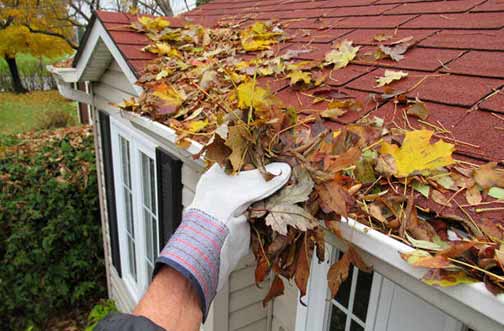
a man cleaning out his gutters.

Cleaning gutters and downspouts regularly ensures that water flows away from the property, preventing water accumulation and potential leaks.

Effective Drainage Systems

An effective drainage system is essential for preventing water accumulation around the property. Property owners should ensure that gutters and downspouts are clean and free from debris. Proper grading of the landscape can also help in directing water away from the foundation. Installing French drains or sump pumps can further enhance the drainage system and prevent water from seeping into the property. Regularly inspecting and maintaining drainage systems ensures that they function optimally and effectively manage water runoff.

Addressing Roof and Gutter Maintenance

Regular roof and gutter maintenance is vital for preventing water leaks. Property owners should inspect their roofs for damaged or missing shingles and repair them promptly. Cleaning gutters and downspouts regularly ensures that water flows away from the property, preventing water accumulation and potential leaks. Additionally, property owners should check for signs of wear and tear in the roofing materials and address any issues immediately to prevent water infiltration.

Sealing and Caulking

Sealing and caulking are effective methods for preventing water leaks. Property owners should regularly inspect and seal gaps and cracks around windows, doors, and other entry points. Using high-quality caulking materials ensures a long-lasting seal that prevents water from entering the property. It is also essential to check and reseal areas prone to wear and tear, such as around bathtubs, showers, and sinks, to maintain a watertight barrier.

Understanding the Role of Landscaping

Landscaping can significantly impact water leak prevention. Property owners should ensure that the landscape is graded away from the foundation to prevent water accumulation. Planting vegetation that requires minimal watering and using mulch can also help in reducing water runoff. Additionally, installing proper drainage systems in the landscape can further prevent water from seeping into the property. Property owners should also avoid planting trees and shrubs too close to the foundation, as their roots can cause cracks and allow water to penetrate the property.

Responding to Water Leaks Promptly

Despite taking preventive measures, water leaks can still occur. It is crucial for property owners to respond promptly to any signs of water leaks. Immediate action can prevent further damage and reduce repair costs. Property owners should:

  • Turn off the main water supply to stop the leak
  • Contact a professional plumber to assess and repair the leak
  • Remove any standing water to prevent further damage
  • Dry and ventilate the affected area to prevent mold growth

Acting quickly ensures that the damage is minimized and the affected area is restored to its original condition as soon as possible.

a water leak detection system.

Property owners should inform tenants or family members about the importance of reporting any signs of leaks promptly.

Educating Occupants on Water Leak Prevention

Educating occupants about water leak prevention is essential for maintaining the integrity of the property. Property owners should inform tenants or family members about the importance of reporting any signs of leaks promptly. Providing guidelines on proper usage of plumbing fixtures and appliances can also help in preventing water leaks. Regularly reminding occupants to be vigilant and proactive in identifying and reporting potential leaks can significantly reduce the risk of water damage.

Creating a Water Leak Prevention Plan

Creating a comprehensive water leak prevention plan is an effective way to protect the property. The plan should include:

  • Regular inspection and maintenance schedules
  • Installation of water leak detection systems
  • Proper insulation and weatherproofing measures
  • Effective drainage systems
  • Roof and gutter maintenance
  • Sealing and caulking procedures
  • Landscaping considerations
  • Emergency response protocols for water leaks

Having a well-defined plan ensures that property owners are prepared to prevent and address water leaks effectively. The plan should be reviewed and updated regularly to incorporate new technologies and best practices in water leak prevention.

In Summary

Water leak prevention is a critical aspect of property maintenance. By understanding the importance of water leak prevention, identifying common sources, and implementing regular inspection and maintenance, property owners can protect their properties from extensive damage. Investing in water leak detection systems, proper insulation, effective drainage, and timely roof and gutter maintenance further enhances leak prevention efforts. Educating occupants and creating a comprehensive water leak prevention plan ensures that property owners are well-equipped to maintain the integrity of their properties and avoid costly repairs. Taking these proactive measures not only preserves the value of the property but also provides a safe and comfortable living environment for all occupants.

Chicago’s Unlicensed Emergency Plumbers: Red Flags and Prevention Tips

Chicago's Unlicensed Emergency Plumbers

When faced with a plumbing emergency, homeowners in Chicago may feel pressured to hire the first available plumber. However, this haste can lead to hiring unlicensed plumbers, which poses significant risks. Understanding these risks is crucial in making informed decisions. Unlicensed plumbers may lack the necessary skills and qualifications, potentially causing more harm than good. Furthermore, they may not adhere to industry standards, leading to subpar work that could result in further damage and costly repairs.

Common Tactics Used by Unlicensed Plumbers in Emergency Situations

Unlicensed plumbers often employ various tactics to deceive homeowners during emergencies. These tactics can include offering unusually low prices, using high-pressure sales techniques, and providing vague or incomplete quotes. Being aware of these tactics can help homeowners recognize potential red flags and avoid falling victim to unscrupulous individuals.

Offering Unusually Low Prices to Attract Unsuspecting Homeowners

One of the most common tactics used by unlicensed plumbers is to offer extremely low prices to attract customers. While it may seem like a good deal, these low prices often come with hidden costs and subpar workmanship. Homeowners should be cautious of prices that seem too good to be true. In many cases, unlicensed plumbers may use inferior materials or cut corners to keep costs low, resulting in poor-quality repairs that can lead to more significant issues down the line.

Using High-Pressure Sales Techniques to Secure Immediate Jobs

Unlicensed plumbers may use high-pressure sales techniques to convince homeowners to hire them on the spot. They may create a sense of urgency, claiming that immediate action is necessary to prevent further damage. Homeowners should take the time to research and verify the plumber’s credentials before making a decision. High-pressure tactics can lead to hasty decisions that may not be in the homeowner’s best interest, resulting in subpar work and potential safety hazards.

Providing Vague or Incomplete Quotes to Conceal Hidden Costs

Another tactic used by unlicensed plumbers is to provide vague or incomplete quotes. This allows them to add unexpected charges later on, leading to higher costs than initially agreed upon. Homeowners should insist on detailed, written quotes that outline all costs and services before agreeing to any work. A clear and comprehensive quote helps ensure transparency and prevents unanticipated expenses that can strain budgets and cause frustration.

The Importance of Hiring Licensed Plumbers for Quality Assurance

Hiring licensed plumbers is essential for ensuring quality workmanship and protecting your home. Licensed plumbers have undergone the necessary training and certification processes, which means they are knowledgeable and skilled in their trade. Additionally, licensed plumbers in Chicago are required to adhere to industry standards and regulations, providing homeowners with peace of mind. By choosing a licensed professional, homeowners can be confident that the work will be completed to a high standard and comply with all relevant codes and regulations.

a licensed chicago plumber making repairs.

By choosing a licensed professional, homeowners can be confident that the work will be completed to a high standard and comply with all relevant codes and regulations.

Verifying a Plumber’s License Through Official Channels

Before hiring a plumber, homeowners should verify their license. This can be done by checking with the Illinois Department of Public Health or the City of Chicago’s Department of Buildings. These agencies maintain databases of licensed plumbers, making it easy for homeowners to confirm a plumber’s credentials. Verifying a plumber’s license ensures that the individual has met the necessary qualifications and is authorized to perform plumbing work in the area.

Checking for Insurance and Bonding for Added Protection

In addition to verifying a plumber’s license, homeowners should also check for insurance and bonding. Insurance protects homeowners in case of accidents or damages that occur during the job, while bonding provides financial protection if the plumber fails to complete the work or meet contractual obligations. Ensuring that a plumber is both insured and bonded adds an extra layer of security and helps protect homeowners from potential financial losses.

Seeking Recommendations and Reviews for Reliable Service Providers

One of the best ways to find reputable plumbers is through recommendations and reviews. Homeowners can ask friends, family, and neighbors for referrals or check online review platforms. Positive reviews and testimonials can provide valuable insights into a plumber’s reliability and quality of work. By gathering information from trusted sources, homeowners can make more informed decisions and choose professionals with a proven track record of excellence.

Requesting References from Previous Clients for Firsthand Feedback

Homeowners should not hesitate to ask potential plumbers for references from previous clients. Speaking with past customers can provide firsthand information about the plumber’s performance, professionalism, and adherence to timelines and budgets. References offer valuable insights into a plumber’s work ethic and reliability, helping homeowners make more informed choices and avoid potential pitfalls.

Ensuring a Written Contract for Clear Terms and Conditions

A written contract is essential for protecting both the homeowner and the plumber. The contract should outline the scope of work, costs, timelines, and any warranties or guarantees. Having a written agreement helps prevent misunderstandings and provides a reference point in case of disputes. A detailed contract ensures that both parties are on the same page and helps establish clear expectations for the project.

watch for red flags with plumbers in chicago.

If something feels off or too good to be true, it is essential to take a step back and thoroughly vet the plumber before proceeding.

Recognizing Red Flags That Indicate Unlicensed or Unreliable Plumbers

Homeowners should be vigilant and recognize red flags that may indicate an unlicensed or unreliable plumber. These red flags can include a lack of proper identification, refusal to provide a written contract, and reluctance to share references or proof of insurance. Trusting your instincts and being cautious can help avoid potential issues. If something feels off or too good to be true, it is essential to take a step back and thoroughly vet the plumber before proceeding.

Understanding the Consequences of Hiring Unlicensed Plumbers

Hiring unlicensed plumbers can lead to several negative consequences, including poor workmanship, safety hazards, and legal issues. Unlicensed plumbers may not follow industry standards, resulting in substandard repairs that can cause further damage. Additionally, homeowners may be held liable for any accidents or injuries that occur during the job. The lack of proper qualifications and adherence to regulations can result in dangerous situations and costly repairs.

Protecting Your Home and Investment Through Due Diligence

By taking the time to research and hire licensed, insured, and reputable plumbers, homeowners can protect their homes and investments. Quality plumbing work ensures the longevity and functionality of plumbing systems, preventing costly repairs and potential damage in the future. Investing in professional plumbing services helps maintain the integrity of the home and provides peace of mind knowing that the work is done correctly.

Conclusion: Making Informed Decisions to Safeguard Your Home

In emergency situations, it can be tempting to hire the first available plumber. However, homeowners in Chicago must be cautious and take steps to ensure they hire licensed and reputable professionals. By understanding the tactics used by unlicensed plumbers and following the prevention tips outlined in this article, homeowners can make informed decisions and safeguard their homes. Taking the time to verify credentials, seek recommendations, and insist on written agreements can help prevent potential issues and ensure quality plumbing work.

Signs You Need Sewer Repair in Chicago

Signs You Need Sewer Repair in Chicago

In Chicago, maintaining a healthy sewer system is crucial for both residential and commercial properties. The city’s infrastructure and climate can pose unique challenges, making it essential to be vigilant about the state of your sewer lines. Regular maintenance and timely repairs can prevent severe plumbing problems and costly repairs in the future. The harsh winters and fluctuating temperatures in Chicago can cause pipes to expand and contract, potentially leading to cracks and leaks. Moreover, the city’s aging infrastructure means that many sewer lines are decades old and may be more susceptible to damage. Therefore, understanding the importance of sewer maintenance is vital for homeowners and business owners alike.

Frequent Drain Clogs and Slow Draining: A Sign of Underlying Sewer Problems

One of the most common signs that you may need sewer repair is frequent drain clogs and slow draining. If you notice that your sinks, showers, or toilets are consistently slow to drain, it could indicate a blockage in your sewer line. This issue can be caused by a buildup of debris, grease, or even tree roots infiltrating the pipes. Ignoring this problem can lead to more severe blockages and potential sewage backups. It’s important to address these clogs promptly to prevent further damage to your plumbing system. Regularly using drain cleaners or attempting to unclog drains yourself may provide temporary relief, but it won’t solve the underlying issue. A Chicago plumber can perform a thorough inspection to identify the root cause of the problem and recommend appropriate repairs.

Unpleasant Odors: An Indication of Sewer Line Damage

Another clear sign that you may need sewer repair is the presence of unpleasant odors around your property. Sewer lines are designed to contain and transport waste away from your home or business. If you start to notice foul smells, it could mean that there is a crack or break in the sewer line, allowing sewage to escape. This not only creates an unpleasant environment but can also pose health risks to you and your family. The odors may be more noticeable in certain areas, such as near drains, basements, or outdoor spaces where the sewer line runs. It’s crucial to address this issue promptly to prevent further contamination and potential health hazards. A professional plumber in Chicago can use advanced diagnostic tools to locate the source of the odor and repair the damaged sewer line.

Gurgling Noises from Drains: A Warning Sign of Sewer Blockages

Gurgling noises coming from your drains can be an indication of a problem within your sewer system. These noises are often caused by air trapped in the pipes due to a blockage or other issue. If you hear gurgling sounds when using your sinks, toilets, or showers, it is essential to have a professional inspect your sewer lines to determine the cause and prevent further damage. The gurgling noises may be accompanied by slow draining or water backups, indicating a more severe blockage. Addressing this issue early can help prevent more extensive and costly repairs down the line. A plumber can use specialized equipment, such as a sewer camera, to inspect the pipes and identify the source of the blockage. Once identified, they can recommend the appropriate repair or cleaning method to restore proper drainage.

a home with sewage water backup in chicago.

Water backups are a serious sign that you need sewer repair. If water is backing up into your sinks, showers, or toilets, it indicates a significant blockage or damage in your sewer line.

Water Backups: A Serious Sewer Line Issue

Water backups are a serious sign that you need sewer repair. If water is backing up into your sinks, showers, or toilets, it indicates a significant blockage or damage in your sewer line. This issue can lead to extensive water damage and potential health hazards due to the presence of sewage. Immediate attention is required to address the problem and prevent further complications. Water backups can occur in various areas of your home, such as the basement, bathroom, or kitchen. The presence of sewage in these areas can cause significant damage to your property and pose health risks to occupants. A plumber can assess the situation, identify the cause of the backup, and perform the necessary repairs to restore proper drainage and prevent future occurrences.

Lush Patches in Your Lawn: A Hidden Sewer Leak

While a green and lush lawn is typically a sign of a healthy yard, it can also indicate a problem with your sewer line. If you notice unusually green or lush patches in your lawn, it could mean that sewage is leaking from your sewer line and fertilizing the grass. This can lead to more severe issues if not addressed promptly, as the leaking sewage can contaminate the soil and groundwater. The excess nutrients from the sewage can cause rapid growth in certain areas, resulting in uneven patches of grass. Additionally, the presence of sewage in the soil can attract pests and create an unsanitary environment. A professional plumber can inspect your sewer line for leaks and recommend appropriate repairs to prevent further damage to your property and the environment.

Mold and Mildew Growth: A Symptom of Sewer Line Issues

Mold and mildew growth inside your home can be a sign of a sewer line issue. If there is a crack or break in your sewer line, it can cause moisture to seep into your home’s foundation or walls. This excess moisture creates an ideal environment for mold and mildew to grow, which can lead to health problems and structural damage. If you notice mold or mildew growth, it is essential to have your sewer lines inspected for potential issues. Mold and mildew can cause respiratory problems, allergies, and other health issues, especially for individuals with compromised immune systems. Additionally, the presence of mold can weaken the structural integrity of your home, leading to costly repairs. A plumber can identify the source of the moisture and repair the damaged sewer line to prevent further mold growth and protect your health and property.

Foundation Cracks and Settling: A Consequence of Sewer Line Damage

Cracks in your home’s foundation or noticeable settling can be a sign of a sewer line problem. When a sewer line is damaged or leaking, it can cause the soil around your home’s foundation to erode, leading to cracks and settling. This can compromise the structural integrity of your home and result in costly repairs. If you observe any signs of foundation damage, it is crucial to have your sewer lines checked by a professional. Foundation cracks can appear in various areas, such as walls, floors, or the exterior of your home. Settling may cause doors and windows to become misaligned or difficult to open and close. Addressing the underlying sewer line issue can help prevent further damage to your foundation and maintain the structural stability of your home. A Chicago plumber can assess the situation, identify the cause of the damage, and recommend appropriate repairs to protect your property.

a mouse in a chicago home.

If you notice an uptick in rodents or insects, it could mean that there is a crack or break in your sewer line, allowing sewage to escape and attract these pests.

Rodent and Insect Infestations: A Clue to Sewer Line Problems

Rodents and insects are attracted to sewage, so an increase in these pests around your property can indicate a sewer line issue. If you notice an uptick in rodents or insects, it could mean that there is a crack or break in your sewer line, allowing sewage to escape and attract these pests. Addressing the sewer line problem can help eliminate the infestation and prevent further damage to your property. Common pests attracted to sewage include rats, mice, cockroaches, and drain flies. These pests can carry diseases and pose health risks to occupants. Additionally, their presence can cause damage to your property and create an unsanitary environment. A professional plumber can inspect your sewer line for leaks or damage and recommend appropriate repairs to prevent further pest infestations. Addressing the underlying sewer issue can help create a healthier and safer environment for you and your family.

Increased Water Bills: An Indicator of Sewer Line Issues

An unexplained increase in your water bills can be a sign of a sewer line issue. If there is a leak or damage in your sewer line, it can cause water to be wasted, leading to higher water bills. Monitoring your water usage and comparing it to your bills can help you identify potential sewer line problems early on. If you notice a significant increase in your water bills, it is essential to have your sewer lines inspected. Leaks in the sewer line can cause water to continuously flow, even when not in use, resulting in increased water consumption and higher bills. A professional plumber can perform a thorough inspection to identify the source of the leak and recommend appropriate repairs to prevent further water wastage and reduce your bills.

Preventative Measures and Regular Inspections: Ensuring Sewer System Longevity

To avoid severe plumbing problems and costly repairs, it is crucial to take preventative measures and schedule regular inspections of your sewer lines. Professional plumbers can use advanced technology, such as video camera inspections, to identify potential issues before they become significant problems. Regular maintenance and timely repairs can help extend the life of your sewer system and ensure it operates efficiently. Preventative measures may include routine cleaning, proper disposal of waste, and avoiding the use of harsh chemicals that can damage pipes. Scheduling regular inspections can help detect early signs of damage or blockages, allowing for prompt repairs and preventing more extensive issues. By investing in preventative maintenance, you can save money in the long run and ensure the reliability of your sewer system.

Choosing the Right Sewer Repair Professional in Chicago: Key Considerations

When it comes to sewer repair, choosing the right professional is essential. Look for a licensed and experienced plumber who specializes in sewer line repairs and has a good reputation in the Chicago area. Reading reviews and asking for recommendations from friends and family can help you find a reliable professional. Additionally, ensure that the plumber uses advanced technology and techniques to diagnose and repair sewer line issues effectively. A reputable plumber should provide a detailed assessment of the problem, transparent pricing, and a warranty for their work. It’s important to choose a professional who communicates clearly and provides excellent customer service. By selecting the right sewer repair professional, you can have confidence in the quality of the repairs and the longevity of your sewer system.

Conclusion: Proactive Sewer Maintenance for a Healthy Home

In conclusion, being aware of the signs that indicate you need sewer repair in Chicago can help you avoid severe plumbing problems and costly repairs. Frequent drain clogs, unpleasant odors, gurgling noises, water backups, lush patches in your lawn, mold and mildew growth, foundation cracks, rodent and insect infestations, and increased water bills are all indicators of potential sewer line issues. By taking preventative measures, scheduling regular inspections, and choosing the right sewer repair professional, you can ensure the longevity and efficiency of your sewer system. Proactive sewer maintenance not only protects your property but also contributes to a healthier and safer living environment for you and your family. Don’t wait for a major problem to arise; stay vigilant and address any signs of sewer line issues promptly to maintain the integrity of your plumbing system.

Plumbing Repair Responsibilities for HOAs in Chicagoland

Plumbing Repair Responsibilities for HOAs in Chicagoland

Homeowners’ Associations (HOAs) play a crucial role in maintaining the overall integrity and functionality of residential communities. One of the critical responsibilities of HOAs, especially in regions like Chicagoland, is handling plumbing repairs. Understanding the specific plumbing repair responsibilities that HOAs must manage is essential for both homeowners and the associations themselves. Below we aim to provide clarity on the maintenance roles for both homeowners and associations, ensuring a harmonious living environment.

Plumbing Infrastructure in Chicagoland Communities

Chicagoland communities often feature a mix of single-family homes, townhouses, and condominium units. The plumbing infrastructure in these communities can vary significantly based on the type of housing and the age of the buildings. Generally, plumbing systems include water supply lines, drainage systems, and sewer lines. These systems are interconnected and require regular maintenance to prevent issues such as leaks, blockages, and water damage.

HOA Responsibilities for Common Area Plumbing

One of the primary responsibilities of HOAs is to manage and maintain the common areas within the community. This includes the plumbing systems that serve these common areas. Common area plumbing typically involves:

  • Water supply lines for shared amenities such as clubhouses, swimming pools, and landscaping.
  • Drainage systems for communal areas like parking lots, walkways, and recreational spaces.
  • Sewer lines that connect individual units to the main municipal sewer system.

HOAs are responsible for ensuring that these plumbing systems are functioning correctly and addressing any repairs or maintenance needed to prevent disruptions to the community’s daily operations.

a plumbing in chicago making repairs.

While HOAs handle the plumbing systems in common areas, homeowners are typically responsible for the plumbing within their individual units.

Homeowner Responsibilities for Individual Unit Plumbing

While HOAs handle the plumbing systems in common areas, homeowners are typically responsible for the plumbing within their individual units. This includes:

  • Water supply lines and fixtures such as faucets, toilets, and showers.
  • Drainage systems within the unit, including sinks, bathtubs, and laundry areas.
  • Maintaining and repairing any plumbing appliances, such as water heaters and dishwashers.

Homeowners must ensure that their plumbing systems are in good working order to avoid issues that could affect their neighbors or the community as a whole.

Shared Plumbing Responsibilities in Multi-Unit Buildings

In some cases, plumbing responsibilities may be shared between the HOA and homeowners. This is often the case in multi-unit buildings, such as condominiums, where plumbing systems are interconnected. Shared responsibilities can include:

  • Vertical plumbing stacks that serve multiple units.
  • Common drainage systems that connect individual units to the main sewer line.
  • Maintenance of shared water heaters or boilers.

In these situations, clear communication and cooperation between the HOA and homeowners are essential to ensure that plumbing issues are addressed promptly and effectively.

Establishing Clear Guidelines for Plumbing Responsibilities

To avoid confusion and disputes, it is crucial for HOAs to establish clear guidelines outlining the specific plumbing repair responsibilities of both the association and homeowners. These guidelines should be documented in the community’s governing documents, such as the Declaration of Covenants, Conditions, and Restrictions (CC&Rs) and the HOA’s bylaws. Key elements to include in these guidelines are:

  • A detailed description of the plumbing systems that the HOA is responsible for maintaining.
  • Clear definitions of the plumbing components that homeowners must maintain and repair.
  • Guidelines for cost-sharing and reimbursement for plumbing repairs that affect both common areas and individual units.
a professional plumber in chicago doing an inspection.

By conducting regular inspections and preventive maintenance, HOAs can minimize the risk of plumbing emergencies and extend the lifespan of the community’s plumbing systems.

Regular Inspections and Preventive Maintenance by HOAs

Proactive maintenance is essential to prevent plumbing issues from escalating into significant problems. HOAs should schedule regular inspections of the community’s plumbing systems to identify potential issues early. Preventive maintenance tasks may include:

  • Inspecting and cleaning drainage systems to prevent blockages.
  • Maintaining sewer lines to ensure proper flow and prevent backups.
  • Servicing shared plumbing appliances, such as water heaters and boilers, to ensure they are functioning efficiently.

By conducting regular inspections and preventive maintenance, HOAs can minimize the risk of plumbing emergencies and extend the lifespan of the community’s plumbing systems.

Handling Plumbing Emergencies within the HOA Community

Despite the best preventive measures, plumbing emergencies can still occur. It is essential for HOAs to have a plan in place for handling such situations. This plan should include:

  • Procedures for notifying homeowners and coordinating repairs.
  • Guidelines for temporarily shutting off water supply to affected areas to prevent further damage.
  • Protocols for assessing and documenting the extent of the damage and coordinating with insurance providers if necessary.

Having a well-defined emergency plan ensures that plumbing issues are addressed swiftly and efficiently, minimizing disruption to the community.

Effective Communication and Education on Plumbing Responsibilities

Effective communication between the HOA and homeowners is vital for managing plumbing repair responsibilities. HOAs should regularly update homeowners on maintenance schedules, upcoming inspections, and any changes to plumbing guidelines. Additionally, educating homeowners about their plumbing responsibilities and best practices for maintaining their systems can help prevent issues from arising.

HOAs can use various communication channels, such as newsletters, community meetings, and online portals, to keep homeowners informed and engaged. Providing resources, such as maintenance checklists and tips for preventing plumbing problems, can empower homeowners to take an active role in maintaining their plumbing systems.

Legal and Insurance Considerations for Plumbing Repairs

Plumbing issues can sometimes lead to legal disputes between HOAs and homeowners, particularly when it comes to determining responsibility for repairs and associated costs. To mitigate these risks, it is essential for HOAs to have a clear understanding of the legal and insurance considerations related to plumbing maintenance.

HOAs should work with legal counsel to ensure that their governing documents clearly outline the responsibilities of both the association and homeowners. Additionally, HOAs should review their insurance policies to ensure adequate coverage for plumbing-related damages and repairs. Homeowners should also be encouraged to review their individual insurance policies to ensure they have coverage for potential plumbing issues within their units.

The Importance of a Collaborative Approach to Plumbing Maintenance

Understanding the specific plumbing repair responsibilities of HOAs in Chicagoland is essential for maintaining a well-functioning and harmonious community. By clearly defining the roles of the HOA and homeowners, establishing guidelines for maintenance and repairs, and fostering effective communication, HOAs can ensure that plumbing issues are addressed promptly and efficiently. Regular inspections, preventive maintenance, and a well-defined emergency plan further contribute to the longevity and reliability of the community’s plumbing systems. Ultimately, a proactive and collaborative approach to plumbing maintenance benefits both the HOA and homeowners, creating a safe and comfortable living environment for all residents.

Tree Roots Versus Underground Pipes in Chicago: What You Need to Know

Tree Roots Versus Underground Pipes in Chicago

Chicago, known for its beautiful tree-lined streets, faces a unique challenge: the conflict between tree roots and underground pipes. As trees grow, their roots spread out in search of nutrients and water, often encountering and damaging underground pipes. This ongoing issue has significant implications for the city’s infrastructure, environment, and residents. Here we get into the nature of this conflict, its impact, and the strategies employed to address it.

The Importance of Urban Trees in Chicago

Urban trees play a crucial role in enhancing the quality of life in Chicago. They provide shade, reduce urban heat islands, improve air quality, and offer aesthetic and psychological benefits to residents. Additionally, trees contribute to the city’s biodiversity and help manage stormwater by absorbing rainfall. The value of trees in urban environments cannot be overstated, making it essential to find a balance between preserving these natural assets and protecting underground infrastructure.

The Role of Underground Pipes in Chicago’s Infrastructure

Underground pipes are vital components of Chicago’s infrastructure. They carry water, sewage, and gas, ensuring the city’s smooth functioning. These pipes are often located beneath streets, sidewalks, and private properties, making them susceptible to damage from tree roots. When tree roots infiltrate sewer pipes, they can cause blockages, leaks, and even complete pipe failure, leading to costly repairs and potential disruptions to essential services.

How Tree Roots Interact with Underground Pipes

Tree roots naturally seek out moisture and nutrients, which are often found in the soil surrounding underground pipes. As roots grow and expand, they can penetrate small cracks or joints in pipes, gradually enlarging these openings and causing significant damage. The interaction between tree roots and pipes is influenced by various factors, including tree species, soil conditions, and the age and material of the pipes.

Common Tree Species in Chicago That Affect Underground Pipes

Certain tree species are more likely to impact underground pipes due to their aggressive root systems. In Chicago, common culprits include:

  • Silver Maple
  • Willow
  • Poplar
  • Sycamore
  • Elm

These species are known for their fast-growing and extensive root systems, which can easily infiltrate and damage underground pipes.

a tree lined street in chicago.

The cumulative effect of tree root damage can strain the city’s budget and resources, highlighting the need for effective management strategies.

The Impact of Tree Root Damage on Chicago’s Infrastructure

The damage caused by tree roots to underground pipes can have far-reaching consequences for Chicago’s infrastructure. Blocked or broken pipes can lead to sewage backup emergencies, water leaks, and gas leaks, posing health and safety risks to residents. Additionally, repairing or replacing damaged pipes is often expensive and disruptive, requiring excavation and temporary road closures. The cumulative effect of tree root damage can strain the city’s budget and resources, highlighting the need for effective management strategies.

Strategies for Managing Tree Roots and Underground Pipes

To address the conflict between tree roots and underground pipes, Chicago employs several strategies, including:

  • Tree Selection and Placement: Careful selection and placement of tree species can help minimize root-related damage. Planting trees with less aggressive root systems and maintaining a safe distance from underground pipes can reduce the risk of infiltration.
  • Root Barriers: Installing root barriers during tree planting can prevent roots from reaching underground pipes. These barriers are typically made of plastic or geotextile fabric and are placed vertically in the soil to redirect root growth away from pipes.
  • Pipe Materials and Installation Techniques: Using durable pipe materials and modern installation techniques can enhance the resilience of underground pipes. For example, PVC and HDPE pipes are more resistant to root penetration compared to older materials like clay or cast iron.
  • Regular Maintenance and Inspection: Routine inspection and maintenance of underground pipes can help identify and address root-related issues before they become severe. Techniques such as sewer camera inspections and professional hydro-jetting services can be used to detect and remove root intrusions.
  • Collaboration Between City Departments: Effective communication and collaboration between city departments responsible for trees and infrastructure can ensure a coordinated approach to managing tree roots and underground pipes. This includes sharing information on tree planting plans, pipe locations, and maintenance schedules.

Innovative Solutions to Tree Root and Underground Pipe Conflicts

Innovative solutions are being explored to address the ongoing conflict between tree roots and underground pipes. Some emerging approaches include:

  • Advanced Root Barrier Technologies: New materials and designs for root barriers are being developed to improve their effectiveness and durability. For example, some barriers now incorporate chemical inhibitors that deter root growth.
  • Smart Pipe Systems: Integrating sensors and monitoring technology into underground pipes can provide real-time data on root intrusion and pipe condition. This allows for proactive maintenance and timely intervention to prevent significant damage.
  • Biological Controls: Research is being conducted on biological methods to control root growth, such as using specific fungi or bacteria that inhibit root expansion without harming the tree.
  • Community Engagement and Education: Educating residents about the importance of proper tree planting and maintenance can help reduce the risk of root-related pipe damage. Community programs that promote tree stewardship and awareness of underground infrastructure can foster a collaborative approach to managing this issue.

The Future of Urban Tree and Infrastructure Management in Chicago

As Chicago continues to grow and evolve, the management of urban trees and underground infrastructure will remain a critical concern. Balancing the benefits of urban trees with the need to protect essential services requires ongoing innovation, collaboration, and investment. By adopting proactive and adaptive strategies, Chicago can ensure the health and vitality of its urban forest while safeguarding its infrastructure for future generations.

In Conclusion

The conflict between tree roots and underground pipes in Chicago is a complex and ongoing challenge. However, with careful planning, innovative solutions, and collaborative efforts, it is possible to mitigate the impact of tree roots on underground infrastructure. By valuing both the trees and the essential services provided by underground pipes, Chicago can continue to thrive as a green and resilient city.

Understanding the Causes of Basement Flooding in Chicago Homes

Understanding the Causes of Basement Flooding in Chicago Homes

Basement flooding is a prevalent issue faced by many homeowners in Chicago. The unique weather patterns, combined with various structural issues, contribute to this recurring problem. Understanding the causes and learning how to mitigate these risks can help homeowners protect their properties from water damage.

Weather Patterns and Their Impact on Basement Flooding

Chicago’s weather is characterized by heavy rainfall, snowmelt, and occasional storms. These weather patterns play a significant role in basement flooding. During heavy rainfalls, the city’s drainage systems can become overwhelmed, leading to water seeping into basements. Similarly, rapid snowmelt can cause an influx of water, increasing the risk of flooding. Homeowners need to be aware of these weather patterns and take proactive measures to safeguard their basements.

Structural Issues Contributing to Basement Flooding

Several structural issues can contribute to basement flooding in Chicago homes. Poorly designed or damaged drainage systems, foundation cracks, and improper grading are some of the common culprits. Inadequate drainage systems fail to channel water away from the foundation, leading to water accumulation around the basement. Foundation cracks provide an entry point for water, while improper grading can cause water to flow towards the house instead of away from it.

Identifying and Addressing Poor Drainage Systems

Identifying a poor drainage system is crucial for preventing basement flooding. Homeowners should regularly inspect their gutters, downspouts, and drainage pipes to ensure they are functioning correctly. Clogged or damaged gutters can cause water to overflow and accumulate around the foundation. Installing gutter guards and cleaning gutters regularly can help maintain an effective drainage system. Additionally, extending downspouts away from the house and ensuring proper slope around the foundation can prevent water from pooling near the basement.

Repairing Foundation Cracks to Prevent Water Ingress

Foundation cracks are a common entry point for water into basements. Homeowners should inspect their foundations for any visible cracks and promptly repair them to prevent water ingress. There are various methods for repairing foundation cracks, including epoxy injections, polyurethane foam, and hydraulic cement. Contacting a professional contractor can help determine the best repair method based on the severity and location of the cracks.

Improving Grading Around the Home

Proper grading is essential for directing water away from the house. Homeowners should ensure that the ground slopes away from the foundation to prevent water from flowing towards the basement. This can be achieved by adding soil around the foundation and creating a gentle slope. Additionally, installing a French drain system can help channel water away from the house, reducing the risk of basement flooding.

a plumber installing a french drain system in chicago.

Exterior drainage systems, like French drains, prevent water from reaching the foundation in the first place.

Installing a Sump Pump System

A sump pump system is an effective solution for preventing basement flooding. Sump pumps are designed to collect and pump out water that accumulates in the basement. Installing a sump pump system involves creating a sump pit and placing the pump inside it. The pump is then connected to a discharge pipe that directs water away from the house. Regular maintenance of the sump pump system, including cleaning the pump, is essential to ensure its proper functioning.

Waterproofing the Basement

Waterproofing the basement is another crucial step in preventing flooding. This involves applying waterproof coatings or sealants to the basement walls and floors to create a barrier against water. Additionally, installing interior and exterior drainage systems can help manage water infiltration. Interior drainage systems, such as drainage tiles or baseboard systems, collect water and channel it to a sump pump. Exterior drainage systems, like French drains, prevent water from reaching the foundation in the first place.

Regular Maintenance and Inspections

Regular maintenance and inspections are vital for preventing basement flooding. Homeowners should conduct routine checks of their drainage systems, foundation, and basement for any signs of water damage or potential issues. Addressing problems early can prevent them from escalating and causing significant damage. Additionally, scheduling professional inspections can help identify hidden issues that may not be visible during routine checks.

Conclusion: Taking Proactive Measures to Protect Your Basement

Basement flooding in Chicago homes can be a challenging issue, but understanding the causes and taking proactive measures can significantly reduce the risk. By addressing weather-related factors, improving drainage systems, repairing foundation cracks, and waterproofing the basement, homeowners can protect their properties from water damage. Regular maintenance and inspections further ensure the longevity and effectiveness of these preventive measures. By staying vigilant and proactive, homeowners can safeguard their basements and enjoy a dry, safe living environment.

French Drains: The Ultimate Solution for Chicago Basement Waterproofing

french drains provide the best basement waterproofing solutions in chicago.

Basement waterproofing is a critical concern for homeowners in Chicago, a city known for its challenging climate. The frequent rainfall, combined with the city’s unique soil composition, often leads to water seepage and basement flooding. One of the most effective solutions to combat these issues is the installation of French drains. Below we get into the intricacies of French drains and how they provide a robust solution for basement waterproofing in Chicago.

Understanding the Basics of French Drains

French drains, also known as weeping tiles or perimeter drains, are trench systems filled with gravel or rock that contain perforated pipes. These drains are designed to redirect surface water and groundwater away from a specific area, such as a basement or foundation. The primary purpose of a French drain is to prevent water from accumulating in areas where it can cause damage, such as basements, foundations, and crawl spaces.

The Science Behind French Drains

The effectiveness of French drains lies in their design and functionality. The system works by creating a path of least resistance for water to follow. When water enters the trench, it flows through the gravel and into the perforated pipe. The pipe then channels the water away from the area, typically to a drainage ditch, dry well, or storm sewer. This process prevents water from pooling around the foundation and seeping into the basement.

Why Chicago’s Climate Demands French Drains

Chicago’s climate poses unique challenges for homeowners, particularly when it comes to basement waterproofing. The city experiences significant rainfall throughout the year, with particularly heavy downpours during spring and summer. Additionally, the freeze-thaw cycles during winter can exacerbate water infiltration issues. These climatic conditions make French drains an essential component of any comprehensive basement waterproofing strategy in Chicago.

Benefits of French Drains for Chicago Homeowners

There are numerous benefits to installing French drains in Chicago homes:

  • Effective Water Management: French drains efficiently manage both surface water and groundwater, preventing water accumulation around the foundation.
  • Basement Protection: By redirecting water away from the basement, French drains help prevent flooding, dampness, and mold growth.
  • Foundation Preservation: Proper water management helps maintain the integrity of the foundation, reducing the risk of cracks and structural damage.
  • Increased Property Value: Homes with effective waterproofing systems, including French drains, tend to have higher property values and are more attractive to potential buyers.

Types of French Drains

There are two main types of French drains that homeowners can consider:

  • Interior French Drains: These are installed inside the basement along the perimeter of the foundation. They are particularly effective for addressing water infiltration issues from the ground up.
  • Exterior French Drains: These are installed outside the home, around the foundation. They are designed to intercept and redirect surface water before it can reach the foundation walls.
an interior french drain installation in chicago.

Interior French drains are installed inside the basement along the perimeter of the foundation. They are particularly effective for addressing water infiltration issues from the ground up.

Installation Process of French Drains

The installation of French drains involves several key steps:

  • Planning and Design: A thorough assessment of the property is conducted to determine the best location and design for the French drain system.
  • Excavation: A trench is dug around the perimeter of the area to be protected. The depth and width of the trench depend on the specific requirements of the property.
  • Gravel and Pipe Placement: A layer of gravel is placed at the bottom of the trench, followed by the perforated pipe. The pipe is then covered with more gravel to ensure proper drainage.
  • Backfilling: The trench is backfilled with soil, and the surface is restored to its original condition.
  • Outlet Installation: The drain pipe is connected to an appropriate outlet, such as a drainage ditch or storm sewer, to ensure proper water discharge.

Maintenance of French Drains

Regular maintenance is essential to ensure the long-term effectiveness of French drains. Homeowners should periodically inspect the drain system for any signs of blockage or damage. It is also important to keep the surface of the drain free from debris and vegetation that could impede water flow. In some cases, professional hydro jetting may be necessary to remove accumulated sediment and ensure optimal performance.

Common Issues and Solutions

While French drains are highly effective, they can sometimes encounter issues that require attention:

  • Clogging: Over time, sediment and debris can accumulate in the drain pipe, leading to clogs. Regular maintenance and professional cleaning can help prevent and resolve this issue.
  • Improper Installation: If a French drain is not installed correctly, it may not function as intended. Hiring experienced professionals for installation can help avoid this problem.
  • Damage to Pipes: Tree roots and ground movement can cause damage to the perforated pipes. Regular inspections can help identify and address such issues before they become major problems.

Choosing the Right Professional for French Drain Installation

Installing a French drain is a complex task that requires expertise and experience. Homeowners should carefully select a reputable contractor with a proven track record in basement flooding solutions. Key factors to consider when choosing a professional include:

  • Experience and Expertise: Look for contractors with extensive experience in installing French drains and a deep understanding of local soil and climate conditions.
  • References and Reviews: Check references and read reviews from previous clients to gauge the contractor’s reliability and quality of work.
  • Licensing and Insurance: Ensure that the contractor is properly licensed and insured to protect against potential liabilities.
  • Detailed Proposal: Request a detailed proposal that outlines the scope of work, materials to be used, and the estimated timeline and cost.

Cost Considerations for French Drains

The cost of installing a French drain can vary based on several factors, including the size and complexity of the project, the type of materials used, and the contractor’s rates. On average, homeowners can expect to pay between $5,000 and $15,000 for a comprehensive French drain system. While this may seem like a significant investment, the long-term benefits of effective basement waterproofing far outweigh the initial costs.

an exterior french drain installation in chicago.

Homeowners who invest in French drains can enjoy peace of mind, knowing that their basements are safeguarded against the city’s frequent rainfall and harsh weather conditions.

Conclusion: The Ultimate Solution for Basement Waterproofing in Chicago

French drains offer a reliable and effective solution for basement waterproofing in Chicago’s challenging climate. By efficiently managing water flow and preventing basement flooding, these systems help protect homes from water damage and maintain the integrity of the foundation. Homeowners who invest in French drains can enjoy peace of mind, knowing that their basements are safeguarded against the city’s frequent rainfall and harsh weather conditions. With proper installation and maintenance, French drains can provide long-lasting protection and significantly enhance the value of a property.

Interested in having an interior or exterior French drainage system installed in or around your property? We can help! Contact today at 773-599-9181 or by form below:

Safely Disassemble and Reassemble Plumbing Systems for Moving

Plumber installing pipe fittings.

Knowing how to disassemble and reassemble plumbing systems safely can save you time, money, and headaches during your move. With a few simple steps and the right tools, you can handle many of these tasks yourself, avoiding any damage to your plumbing or appliances. This guide will walk you through everything you need to know to get the job done without any major hiccups.

Preparing to Disassemble Plumbing Systems Before Moving

Before you begin, you will want to prepare properly to avoid any mess or confusion. Start by identifying which plumbing systems need to be disconnected, including sinks, dishwashers, washing machines, or toilets. Gather the basic tools you’ll need, such as a wrench, pliers, a bucket, and towels to catch any water. The next step is to turn off the water supply at the main valve, which is usually located near the water meter. Once the water is off, drain the pipes by running the faucets, reducing the risk of leaks while disassembling. Keep a checklist handy to stay organized throughout the process.

Safely Disassembling Plumbing Systems: Step-by-Step Guide

Now that you’re ready, it’s time to begin disassembling the plumbing. Turn off any power to appliances connected to the water system to prevent electrical issues. Next, carefully disconnect hoses, pipes, and fixtures, making sure to have a bucket nearby to catch any remaining water. As you take things apart, label each pipe, nut, and connector so you know exactly how to reassemble them later. Small parts like washers and screws can be easily lost, so store them in labeled bags. This extra step will make reassembly at your new location much smoother.

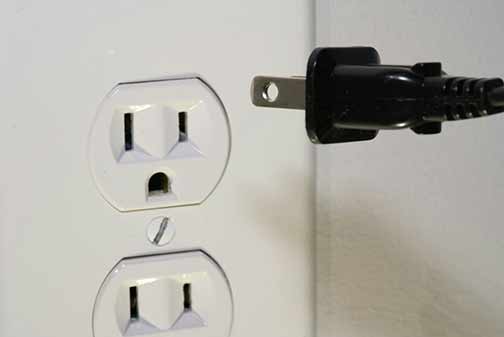
Close-up of an electrical outlet looking like a surprised face.

Don’t be surprised like this outlet—turn off the power before you start!

Making Your Move Easier

Since you’ve opted for a DIY plumbing approach, you might be considering a similar strategy for your move. However, this may not always be the best choice, particularly for long-distance relocations. For example, if you’re moving here to Chicago from a place like San Antonio, it could be beneficial to look into professional movers. Utilizing Pro Alliance Services can help ease the relocation process, ensuring your belongings are handled safely and efficiently. This will allow you to focus on settling into your new home without the added stress of managing a complicated move.

Packing Plumbing Parts for Moving

Once everything is disassembled, it’s time to pack the parts for the move. First of all, you should separate small items like screws, washers, and nuts into labeled bags to keep them safe. For larger parts, like pipes or fixtures, wrap them in towels or bubble wrap to prevent any damage during transport. Be sure to place all plumbing-related items in a clearly labeled box so they’re easy to find later. It’s also helpful to pack the tools you’ll need for reassembly near the top of the box for quick access when you arrive at your new home.

Couple packing items using bubble wrap.

Proper labeling and packing are essential when you disassemble and reassemble plumbing systems.

Preparing for Reassembly at Your New Location

Before reassembling, assessing the plumbing setup at your new home is important. Check whether the existing connections and fittings match the parts you’ve brought. If they don’t, you may need to get compatible adapters or fittings before moving forward. Also, ensure the new home’s water pressure is stable—this can save you from leaks or loose connections later on. If any of the parts you moved got dirty or dusty, give them a quick clean to avoid contaminating the new system. Once everything is ready, lay out all your labeled parts and tools in an organized manner. This will help streamline the process, allowing you to reassemble with fewer interruptions.

Reassembling Plumbing Systems: What to Watch For

As you begin reassembling the plumbing systems, follow a systematic approach. Reattach pipes and fixtures in the order they were removed. This will help you remember how everything fits together. Pay close attention to the labels you created earlier; they will guide you in reconnecting each part correctly. After each connection, check for leaks by running water slowly through the system. This gradual approach allows you to spot any issues immediately. Be cautious not to over-tighten connections, as this can damage the threads and lead to leaks later. If you notice any leaks, simply tighten the connections slightly more until the flow stops. Check if everything is connected and secure, then restore the water supply gradually. Watch for any signs of pressure issues or leaks.

Common Mistakes to Avoid as You Disassemble and Reassemble Plumbing Systems

During the disassembly and reassembly process, there are common mistakes to watch out for that can save you a lot of trouble. One major error is forgetting to turn off the water supply before starting the work, which can lead to unexpected flooding. Another mistake is misplacing small parts or failing to label them properly, making reassembly frustrating and time-consuming. Be cautious not to over-tighten connections, as this can damage pipes and cause leaks later on. Also, don’t skip checking for leaks after you disassemble and reassemble plumbing systems; a small drip can quickly become a bigger problem if left unchecked.

Handywoman holding a plumber wrench.

Sometimes, the best approach is to seek professional help.

When to Call a Professional Plumber

While many plumbing tasks can be handled by yourself, there are times when calling a professional plumber is the best option. If you’re dealing with complex systems, like water heaters or gas-connected appliances, it’s wise to seek expert help. These installations often require specialized knowledge and tools to ensure safety and proper function. Similarly, if you encounter rusted or damaged pipes that could break during disassembly, a professional can assess the situation and recommend the best course of action. Also, should you ever feel unsure about completing the task safely, don’t hesitate to reach out for assistance. It’s better to be safe than sorry when it comes to plumbing work.

Final Thoughts

Knowing how to disassemble and reassemble plumbing systems successfully can make your moving experience much smoother. You can confidently handle these tasks by preparing properly, taking your time, and avoiding common mistakes. Remember to label your parts, check for leaks, and know when to call a professional if things get complicated. With the right approach, you’ll ensure your plumbing works perfectly in your new home. Taking these steps saves you time and money and gives you peace of mind during a busy transition. Happy moving!

How to Address Ceiling Bubbles Caused by Leaking Plumbing: A Step-by-Step Guide

How to Address Ceiling Bubbles Caused by Leaking Plumbing

Ceiling bubbles are often a telltale sign of a plumbing issue, typically caused by water leaking from pipes or fixtures above the ceiling. These bubbles form when water accumulates between layers of paint or drywall, leading to unsightly bulges and potential structural damage. It’s crucial to address these issues promptly to prevent further damage and maintain the integrity of your home. Recognizing the signs early on can save you from more extensive repairs and higher costs down the line.

Identifying the Source of the Leak

Before you can effectively address ceiling bubbles, you must first identify the source of the leak. This involves a thorough inspection of the area above the affected ceiling, which may include plumbing fixtures, pipes, and any other potential sources of water intrusion. Look for signs of moisture, such as water stains, dampness, or visible leaks. Sometimes, the source of the leak may not be immediately obvious, requiring a more detailed investigation.

If you are unable to locate the source of the leak, consider enlisting the help of a professional plumber. They have the expertise and tools necessary to accurately diagnose and repair plumbing issues, ensuring that the problem is resolved at its root. A professional can also provide valuable advice on preventing future leaks and maintaining your plumbing system.

Preparing the Area for Repair

Once you have identified and addressed the source of the leak, it’s time to prepare the area for repair. This involves taking several important steps to ensure a clean and safe working environment:

  • Clear the area: Remove any furniture, decorations, or other items from the vicinity of the affected ceiling. This will provide you with ample space to work and prevent any potential damage to your belongings. Additionally, clearing the area will make it easier to move around and access the ceiling.
  • Protect the floor: Lay down a tarp or drop cloth to catch any debris or water that may fall during the repair process. This will help keep your floors clean and minimize the risk of slipping on wet surfaces.
  • Turn off the water supply: If the leak is still active, shut off the water supply to the affected area to prevent further water damage. This step is crucial for ensuring a dry working environment and preventing additional leaks.
  • Ensure proper ventilation: Open windows and doors to promote air circulation and help dry out the affected area. Proper ventilation will also help reduce the risk of mold growth and improve air quality during the repair process.

Removing Damaged Ceiling Material

With the area prepared, you can now begin removing the damaged ceiling material. This step is crucial for preventing mold growth and ensuring a smooth, even surface for the repair:

  • Cut away the damaged area: Use a utility knife or drywall saw to carefully cut out the affected section of the ceiling. Be sure to remove any water-damaged insulation or other materials as well. Cutting away the damaged area will help you assess the extent of the damage and determine the best approach for repair.
  • Inspect for mold: Check the exposed area for any signs of mold or mildew. If you discover mold, take appropriate measures to clean and disinfect the area before proceeding with the repair. Mold can pose serious health risks, so it’s important to address it thoroughly.
  • Dry the area: Use fans, dehumidifiers, or natural ventilation to thoroughly dry the exposed area. This will help prevent future water damage and ensure a solid foundation for the repair. Drying the area completely is essential for achieving a long-lasting and effective repair.

a woman repairing her ceiling bubbles.

Repairing the Ceiling

Now that the damaged material has been removed and the area is dry, you can begin the process of repairing the ceiling:

  • Patch the hole: Cut a piece of drywall to fit the hole left by the removed material. Secure the patch in place using drywall screws or adhesive. Ensure that the patch is flush with the surrounding ceiling to create a seamless repair.
  • Tape and mud the seams: Apply drywall tape over the seams where the patch meets the existing ceiling. Use joint compound (also known as “mud”) to cover the tape and create a smooth, even surface. Allow the compound to dry, then sand it down to achieve a seamless finish. This step is crucial for blending the patch with the rest of the ceiling.
  • Prime and paint: Once the patched area is smooth and dry, apply a coat of primer to ensure proper adhesion of the paint. Finish by painting the repaired section to match the rest of the ceiling. Choosing the right paint color and finish will help the repaired area blend in seamlessly with the surrounding ceiling.

Preventing Future Leaks and Ceiling Damage

To avoid future leaks and ceiling bubbles, it’s important to take proactive measures to maintain your plumbing system and protect your home:

  • Regular inspections: Schedule regular inspections of your plumbing system to identify and address potential issues before they become major problems. Regular inspections can help you catch small leaks early and prevent more extensive damage.
  • Proper maintenance: Keep your plumbing fixtures and pipes in good working order by performing routine maintenance, such as cleaning drains and checking for leaks. Regular maintenance can help extend the lifespan of your plumbing system and prevent unexpected issues.
  • Address issues promptly: If you notice any signs of a leak, such as water stains or dampness, take immediate action to identify and repair the source of the problem. Prompt action can help minimize damage and reduce repair costs.
  • Install water detection devices: Consider installing water detection devices in areas prone to leaks, such as under sinks or near water heaters. These devices can alert you to potential issues before they cause significant damage. Water detection devices can provide peace of mind and help you respond quickly to leaks.

When to Call a Professional

While many ceiling bubble repairs can be handled by DIY enthusiasts, there are certain situations where it’s best to call in a professional:

  • Extensive damage: If the affected area is large or the damage is severe, a professional contractor can ensure the repair is done correctly and safely. Extensive damage may require specialized tools and expertise that a professional can provide.
  • Persistent leaks: If you are unable to locate or fix the source of the leak, a professional plumber can provide the expertise needed to resolve the issue. Persistent leaks can be challenging to diagnose and repair, making professional assistance invaluable.
  • Mold remediation: If you discover mold during the repair process, it’s important to address it promptly and thoroughly. A professional mold remediation specialist can help ensure the affected area is properly cleaned and treated. Mold remediation requires specialized knowledge and equipment to ensure safety and effectiveness.

In Conclusion

Addressing ceiling bubbles caused by leaking plumbing is a crucial task for maintaining the integrity and appearance of your home. By following this step-by-step guide, you can effectively manage and repair ceiling bubbles, whether you’re a seasoned contractor or a DIY enthusiast. Remember to identify the source of the leak, prepare the area for repair, remove damaged material, and take preventive measures to avoid future issues. When in doubt, don’t hesitate to call in a professional to ensure the job is done right. Taking proactive steps to maintain your plumbing system and address issues promptly can help protect your home and prevent future damage.