Low water pressure is a condition where the force of water flowing through the pipes is weaker than normal. In Chicago, this issue can be exacerbated by the city’s aging infrastructure and complex water systems. Homeowners experiencing low water pressure may find that daily tasks, such as showering or watering the garden, become time-consuming and inefficient. Understanding what constitutes low water pressure is the first step in addressing the problem effectively.
Exploring the Causes: Why Do Chicago Homes Experience Low Water Pressure?
Chicago’s unique geographical and infrastructural characteristics contribute to low water pressure in several ways. The city’s aging water infrastructure, which includes old and potentially corroded pipes, is a primary factor. Additionally, Chicago’s municipal water supply may undergo maintenance or repairs, temporarily affecting pressure. Internal factors, such as leaks, faulty pressure regulators, or sediment buildup in household pipes, also play a significant role. Understanding these causes helps homeowners pinpoint the source of their water pressure issues.
Recognizing the Signs: How to Identify Low Water Pressure in Your Home
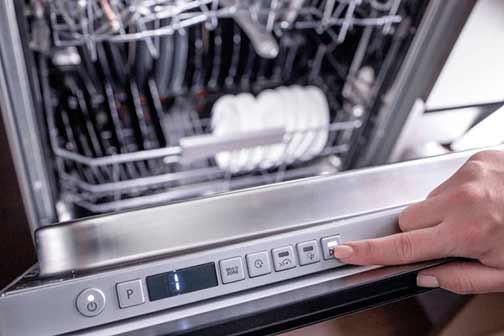
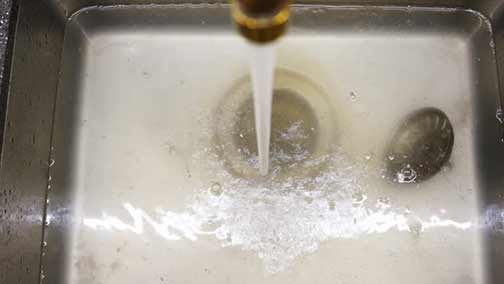
Identifying low water pressure early can prevent more severe plumbing issues. Common symptoms include a weak stream of water from faucets or showerheads, prolonged filling times for toilets and appliances, and inconsistent water flow. Homeowners may also notice that appliances like dishwashers and washing machines take longer to complete cycles. Recognizing these signs allows for timely intervention and resolution.
The Impact on Daily Life: How Low Water Pressure Affects Home Systems
Low water pressure is more than an inconvenience; it can significantly impact home systems and appliances. Dishwashers and washing machines may require longer cycles or multiple rinses, leading to increased water usage and higher utility bills. Heating systems and water filtration units may also suffer, reducing their effectiveness and lifespan. Understanding these impacts underscores the importance of addressing low water pressure promptly.
Tools and Techniques: Assessing Your Home’s Water Pressure
Homeowners can assess their water pressure using simple tools and techniques. A water pressure gauge, available at most hardware stores, can be attached to outdoor spigots or indoor faucets to measure psi (pounds per square inch). Ideally, residential water pressure should range between 40-60 psi. If readings fall below this range, further investigation is warranted. Additionally, observing water flow consistency and checking for leaks can provide valuable insights into pressure issues.
Solutions and Strategies: Addressing Low Water Pressure in Chicago Homes
Once low water pressure has been identified, homeowners can explore various solutions. Simple fixes, such as cleaning aerators or showerheads, may resolve minor blockages. For more complex problems, a local plumber in Chicago may need to be called on to repair leaks, replace pipes, or adjust pressure regulators. In cases where municipal supply is the culprit, contacting local water authorities can provide information on expected resolution timelines.
Preventative Measures: Maintaining Optimal Water Pressure
Preventative maintenance is key to ensuring consistent water pressure. Regular inspections of plumbing systems can identify potential issues before they escalate. Homeowners are encouraged to clean and maintain fixtures, monitor water usage patterns, and invest in water-efficient appliances. Additionally, scheduling routine plumbing check-ups can help detect and address emerging problems early.
The Vital Role of Professional Plumbers in Managing Water Pressure
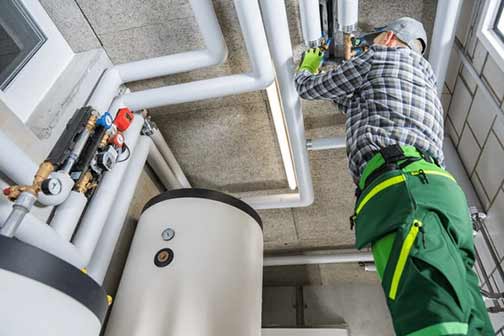
Professional plumbers play a vital role in diagnosing and resolving low water pressure issues. Their expertise allows for accurate identification of underlying causes and implementation of effective solutions. Homeowners should seek reputable Chicago plumbing services with experience in addressing water pressure concerns, ensuring their systems are restored to optimal functionality.
Understanding Chicago’s Water Infrastructure: A Complex Network
Chicago’s water infrastructure is a complex network of pipes, pumps, and treatment facilities ensuring water delivery to homes. Understanding how this infrastructure operates can provide insights into potential pressure issues. Factors such as seasonal changes, construction activities, and aging systems can impact water delivery, highlighting the importance of staying informed about municipal updates and developments.
Empowering Homeowners: Taking Control of Water Pressure Issues
Low water pressure is a manageable issue, provided homeowners have the necessary knowledge and resources to address it. By understanding the symptoms, causes, and solutions, Chicago homeowners can take proactive steps to maintain optimal water pressure, ensuring their homes remain functional and comfortable. Empowerment through education and professional support is key to overcoming the challenges posed by low water pressure.
Conclusion: Navigating Low Water Pressure with Confidence
In conclusion, low water pressure in Chicago homes is a multifaceted issue that requires a comprehensive understanding and approach. By recognizing the symptoms, identifying the causes, and implementing effective solutions, homeowners can manage their water systems efficiently. Regular maintenance, professional assistance, and staying informed about municipal developments are crucial components of a successful strategy. As homeowners become more informed and proactive, they can navigate the challenges of low water pressure with confidence and ensure the comfort and functionality of their homes.
Understanding the Importance of Your Main Water Line: The Lifeline of Your Home
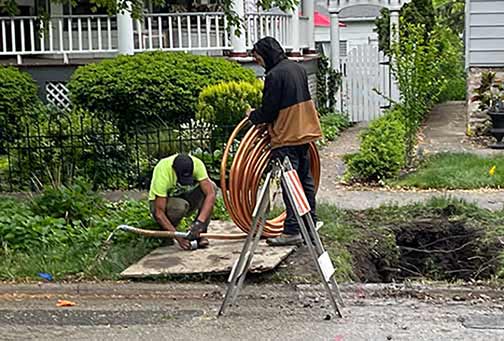
The main water line serves as the lifeline of your home’s plumbing system, acting as the primary conduit for water supply. It connects your residence to the municipal water source, ensuring that clean, potable water is delivered for various household needs, from cooking and cleaning to bathing and drinking. Given its critical role, maintaining the health of your main water line is not just a matter of convenience but a necessity to avoid disruptions in water service and prevent potential damage to your property. A well-functioning main water line is essential for the overall well-being of your household, ensuring that your daily routines proceed without interruption.
Recognizing the Signs of Trouble: Red Flags in Your Main Water Line
Identifying the warning signals that indicate your main water line may need replacement is vital. These red flags can help you take timely action to prevent further complications. Here are some critical signs to watch for:
Persistent Low Water Pressure: An Indicator of Underlying Issues
Experiencing consistently low water pressure throughout your home can be a sign of a deteriorating main water line. While occasional fluctuations in water pressure might be normal, persistent low pressure often indicates issues such as blockages, leaks, or corrosion within the line. These problems can gradually worsen over time, leading to more significant disruptions in your water supply. Addressing low water pressure issues promptly can prevent further damage and ensure that your plumbing system operates efficiently.
Unexplained Increase in Water Bills: A Financial Red Flag
If you notice a sudden spike in your water bills without any significant change in usage, it could be due to a leak in your main water line. Leaks can lead to water wastage, causing your bills to rise unexpectedly. Monitoring your water bills can help you identify such issues early, allowing you to take corrective action before the problem escalates. Leaks not only waste water but also strain your budget, making it essential to address them promptly to avoid unnecessary expenses.
Visible Water Damage or Wet Spots: Signs of a Hidden Leak
Water damage in areas around your property, such as wet spots on the lawn or damp patches on walls and floors, can indicate a leaking main water line. These signs should not be ignored, as they may lead to structural damage and mold growth if left unaddressed. Water damage can compromise the integrity of your home’s foundation and create an environment conducive to mold, which poses health risks to your family. Identifying and repairing leaks early can help prevent these issues and protect your home.
Discolored Water: A Sign of Corrosion or Contamination
Water that appears discolored or has an unusual taste or odor may be a sign of corrosion or contamination in your main water line. This can occur as pipes age and deteriorate, allowing rust and other particles to mix with the water supply. Discolored water is not only unappealing but can also indicate potential health hazards, making it crucial to address the issue promptly. Ensuring that your water supply remains clean and safe is essential for the health and well-being of your household.
The Impact of Ignoring Water Line Issues: Consequences of Neglect
Neglecting the signs of a failing main water line can have serious consequences for your home. Water damage can lead to costly repairs, while persistent leaks may contribute to mold growth and structural deterioration. Additionally, compromised water quality can pose health risks to your household. Ignoring these issues can result in more significant problems down the line, affecting not only your home’s infrastructure but also your family’s safety and comfort. Proactively addressing water line issues is essential for maintaining the integrity of your home and ensuring a safe living environment.
Steps to Take When You Suspect Water Line Problems: A Proactive Approach
Taking proactive measures when you suspect issues with your main water line is crucial. Here are steps you can follow to address potential problems:
Conduct a Thorough Inspection: Identifying the Source of the Problem
Begin by inspecting your property for signs of water line damage. Look for wet spots, water damage, and any unusual changes in water quality. A comprehensive inspection can help you pinpoint the source of the problem, allowing you to take targeted action. Regular inspections can also help you stay ahead of potential issues, ensuring that your plumbing system remains in good condition.
Contact a Professional Plumber: Seeking Expert Advice
Once you’ve identified potential issues, it’s advisable to contact a professional plumber. An experienced plumber can assess the condition of your main water line and recommend appropriate solutions, including repair or replacement. Professional plumbers have the expertise and tools necessary to diagnose and address water line problems effectively, ensuring that your plumbing system is restored to optimal condition.
Consider Water Line Replacement: Ensuring Long-Term Reliability
If your main water line is significantly damaged or aged, replacement may be the best option. Replacing the line can ensure a reliable water supply and prevent future issues. Discuss the options and costs with your plumber to make an informed decision. Investing in a new water line can provide peace of mind, knowing that your home’s water supply is secure and dependable.
Professional plumbers have the expertise and tools necessary to diagnose and address water line problems effectively, ensuring that your plumbing system is restored to optimal condition.
Preventive Measures to Maintain Water Line Health: Strategies for Longevity
Maintaining the health of your main water line involves regular inspections and preventive measures. Here are some strategies to keep your water line in optimal condition:
Regular Maintenance Checks: Keeping Your System in Check
Schedule regular maintenance checks with a professional plumber to assess the condition of your water line. Routine inspections can help detect issues early and prevent major damage. Regular maintenance is a proactive approach to ensuring that your plumbing system remains in good working order, reducing the likelihood of unexpected problems.
Invest in Quality Materials: Building a Durable System
When replacing or repairing water lines, invest in high-quality materials that offer durability and longevity. Quality materials can reduce the risk of corrosion and leaks, ensuring a reliable water supply. Investing in the best materials available can extend the life of your water line and provide long-term benefits for your home’s plumbing system.
Monitor Water Usage: Staying Vigilant
Keep an eye on your water usage and bills. Unexplained increases in usage may indicate leaks or other issues. Monitoring your water consumption can help you detect problems early, allowing you to take corrective action before they escalate. Staying vigilant about your water usage is an essential part of maintaining a healthy plumbing system.
Conclusion: Ensuring the Longevity of Your Main Water Line
Spotting the red flags of a failing main water line is crucial for maintaining your home’s plumbing health. By recognizing the signs early and taking appropriate action, you can prevent costly repairs and ensure a reliable water supply. Regular maintenance, professional consultations, and investing in quality materials are key strategies for extending the life of your main water line. Protect your home and family by staying vigilant and proactive in managing your plumbing system. With the right approach, you can safeguard your home’s water supply and enjoy peace of mind knowing that your plumbing system is in top condition.
Understanding the Problem: Why Your Dishwasher Might Not Drain
A dishwasher that refuses to drain can be a frustrating issue, disrupting the smooth flow of your daily routine. Understanding the root cause of this problem is the first step towards an effective solution. Common reasons for a dishwasher not draining include a clogged filter, a blocked drain hose, or issues with the garbage disposal. By identifying the specific issue, you can apply the most efficient solution and restore your dishwasher to optimal functioning.
Dishwashers are designed to make life easier, but when they malfunction, they can become a source of annoyance. The inability to drain properly is a common problem that can arise due to several factors. One of the most frequent causes is a clogged filter, which accumulates food particles and debris over time. This blockage prevents water from flowing freely, leading to drainage issues. Another common culprit is the drain hose, which can become kinked or obstructed. In some cases, the problem may lie with the garbage disposal, especially if the dishwasher is connected to it. Understanding these potential causes is crucial in diagnosing the issue and implementing the right solution.
Basic Troubleshooting Steps: Initial Checks to Perform
Before getting into complex repairs, it’s essential to perform some basic troubleshooting steps. Start by inspecting the dishwasher’s filter and drain area for any visible blockages. Remove any food particles or debris that might be obstructing the flow of water. Additionally, ensure that the drain hose is not kinked or bent, as this can impede proper drainage.
When faced with a dishwasher that won’t drain, it’s important to start with the basics. Begin by checking the filter, which is typically located at the bottom of the dishwasher. Remove it and clean any accumulated debris that might be causing a blockage. Next, examine the drain hose, ensuring it is properly connected and free of any bends or kinks that could restrict water flow. If your dishwasher is connected to a garbage disposal, make sure the disposal is running smoothly and that no obstructions are present. These initial checks can often resolve minor drainage issues without the need for professional assistance.
Cleaning the Dishwasher Filter: A Simple Yet Effective Solution
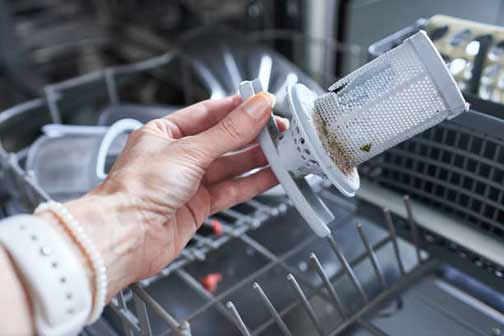
The dishwasher filter plays a crucial role in trapping food particles and preventing them from clogging the drain. Over time, the filter can become clogged itself, leading to drainage issues. To clean the filter, remove it from the dishwasher and rinse it thoroughly under running water. Use a soft brush to remove stubborn debris, ensuring the filter is free of any obstructions before reinstalling it.
Maintaining a clean filter is essential for the efficient operation of your dishwasher. A clogged filter not only affects drainage but can also impact the overall performance of the appliance. To clean the filter, first remove it from its housing, which may require unscrewing or unlocking it from its position. Once removed, rinse the filter under warm running water, using a soft brush to dislodge any stubborn particles. Be thorough in your cleaning to ensure all debris is removed. After cleaning, reinstall the filter securely, taking care to align it correctly. Regular cleaning of the filter is a simple yet effective way to prevent drainage issues and maintain the optimal functioning of your dishwasher.
Maintaining a clean filter is essential for the efficient operation of your dishwasher. A clogged filter not only affects drainage but can also impact the overall performance of the appliance.
Inspecting the Drain Hose: Ensuring Unobstructed Water Flow
The drain hose is responsible for carrying wastewater away from the dishwasher. If it becomes blocked, water will not be able to drain properly. To inspect the drain hose, disconnect it from the dishwasher and the sink drain. Check for any clogs or blockages, using a long, flexible brush to clear any debris. Reattach the hose securely, ensuring it is free of kinks or bends that could impede water flow.
A blocked drain hose can significantly hinder the drainage process, causing water to back up into the dishwasher. To inspect the hose, first disconnect it from both the dishwasher and the sink drain. This may require loosening clamps or unscrewing connections. Once detached, examine the hose for any visible obstructions or kinks. Use a long, flexible brush to clear any debris that may be lodged inside. Pay special attention to bends in the hose, as these are common areas for blockages to occur. After ensuring the hose is clear, reattach it securely, making sure there are no bends or kinks that could impede water flow. Regular inspection and maintenance of the drain hose are vital for preventing drainage issues and ensuring smooth operation of your dishwasher.
Checking the Garbage Disposal: A Common Culprit
If your dishwasher is connected to a garbage disposal, a blockage in the disposal can prevent proper drainage. Ensure the disposal is clear by running it with water for a few minutes. Additionally, check that the knockout plug has been removed if the dishwasher is newly installed. This small plastic piece can block the connection between the dishwasher and the disposal, preventing water from draining.
Garbage disposals are a convenient addition to any kitchen, but they can sometimes contribute to dishwasher drainage problems. When a dishwasher is connected to a disposal, a blockage in the disposal can impede the flow of water from the dishwasher. To address this, first ensure the disposal is clear by running it with water for a few minutes. This can help dislodge any debris that might be causing a blockage. If your dishwasher is newly installed, check that the knockout plug—a small plastic piece that blocks the connection between the dishwasher and the disposal—has been removed. Failure to remove this plug can prevent water from draining properly. Regular maintenance and checks of the garbage disposal are important for preventing drainage issues and ensuring efficient operation of your dishwasher.
Advanced Techniques: Tackling Stubborn Clogs
For more stubborn clogs, advanced techniques may be necessary. One effective method is to use a mixture of baking soda and vinegar. Pour a cup of baking soda into the dishwasher drain, followed by a cup of vinegar. Allow the mixture to sit for 15-20 minutes, then flush with hot water. This natural solution can help break down grease and debris, clearing the drain.
Sometimes, basic troubleshooting steps may not be sufficient to resolve drainage issues, especially if the clog is particularly stubborn. In such cases, more advanced techniques may be required. One popular method involves using a mixture of baking soda and vinegar, which can help break down grease and debris. Start by pouring a cup of baking soda into the dishwasher drain, followed by a cup of vinegar. The combination of these two ingredients creates a chemical reaction that can help dislodge stubborn clogs. Allow the mixture to sit for 15-20 minutes, then flush the drain with hot water to clear any remaining debris. This natural solution is not only effective but also environmentally friendly, making it a great option for tackling tough clogs.
One popular method involves using a mixture of baking soda and vinegar, which can help break down grease and debris
Examining the Dishwasher Pump: Ensuring Proper Function
The dishwasher pump is responsible for moving water through the appliance. If the pump is faulty, it may not be able to push water out effectively. To examine the pump, you may need to remove the dishwasher’s lower panel and access the pump assembly. Check for any visible damage or blockages, and consider calling a plumber near you if repairs are necessary.
The dishwasher pump plays a crucial role in the drainage process, as it is responsible for moving water through the appliance. If the pump is malfunctioning, it may not be able to push water out effectively, leading to drainage issues. To examine the pump, you may need to remove the dishwasher’s lower panel to access the pump assembly. This process may require unscrewing or unlocking the panel, so be sure to follow the manufacturer’s instructions carefully. Once you have access to the pump, check for any visible damage or blockages that may be affecting its performance. If you notice any issues, consider contacting a local plumber for repairs. Proper maintenance and inspection of the dishwasher pump are essential for ensuring efficient operation and preventing drainage problems.
Preventative Measures: Keeping Your Dishwasher in Top Condition
Preventing drainage issues before they occur is the best way to ensure your dishwasher runs smoothly. Regularly clean the filter and inspect the drain hose for blockages. Avoid overloading the dishwasher, as this can lead to food particles getting trapped in the filter. Additionally, run hot water in your sink before starting the dishwasher to ensure the drain is clear.
Preventative measures are key to maintaining the optimal functioning of your dishwasher and preventing drainage issues. Regular cleaning of the filter is essential, as it helps prevent the accumulation of food particles and debris that can lead to blockages. Additionally, inspect the drain hose regularly to ensure it is free of obstructions and kinks. Avoid overloading the dishwasher, as this can cause food particles to become trapped in the filter, leading to drainage problems. Running hot water in your sink before starting the dishwasher can also help clear the drain and ensure smooth operation. By implementing these preventative measures, you can extend the life of your appliance and avoid the frustration of drainage issues.
When to Call a Professional: Knowing Your Limits
While many drainage issues can be resolved with basic troubleshooting and maintenance, some problems may require professional intervention. If you’ve exhausted all DIY options and your dishwasher still refuses to drain, it may be time to call a plumber. A qualified plumber can diagnose and repair more complex issues, ensuring your dishwasher is back in working order.
Although many dishwasher drainage issues can be resolved with basic troubleshooting and maintenance, there are times when professional intervention is necessary. If you’ve tried all DIY methods and your dishwasher still refuses to drain, it may be time to seek the help of a plumber. Plumbers have the expertise and tools to diagnose and repair more complex issues that may be beyond the scope of DIY solutions. Whether it’s a faulty pump, electrical problems, or other intricate issues, a professional can ensure your dishwasher is back in working order. Knowing your limits and when to call for professional plumber for help is essential for maintaining the efficient operation of your appliance.
Conclusion: Achieving Efficient Solutions for a Stubborn Dishwasher Drain
Addressing a non-draining dishwasher requires a combination of understanding the problem, performing basic maintenance, and knowing when to seek professional help. By following these steps, you can efficiently resolve drainage issues and keep your dishwasher running smoothly. Regular maintenance and preventative measures will not only extend the life of your appliance but also save you time and frustration in the long run.
In conclusion, dealing with a stubborn dishwasher drain involves a comprehensive approach that includes understanding the problem, performing basic troubleshooting, and knowing when to call for professional assistance. By following the outlined steps, you can effectively resolve drainage issues and ensure the smooth operation of your dishwasher. Regular maintenance and preventative measures are crucial for extending the life of your appliance and avoiding the inconvenience of drainage problems. With the right approach, you can achieve efficient solutions and enjoy the convenience of a fully functional dishwasher.
With its impressive architecture and busy business districts Chicago offers unique plumbing obstacles for facility managers to address. Each office building, whether old or new, historic or modern, has its own plumbing issues as a distinctive space to manage. Understanding these obstacles is the first step to keeping up with them. Facility managers have to consider the architectural style as well as the age and condition of these buildings. All these factors change the plumbing needs and issues.
Common Plumbing Issues in Chicago’s Office Buildings
Office buildings in Chicago face a variety of plumbing problems that can disrupt daily operations. These include:
Aging Infrastructure: Many office buildings in Chicago were constructed decades ago, and their plumbing systems may not have been updated. Aging pipes can lead to leaks, low water pressure, and even water contamination. Facility managers must assess the condition of these systems regularly and consider upgrades to prevent potential hazards.
Seasonal Temperature Fluctuations: Chicago’s harsh winters and humid summers can cause pipes to expand and contract, leading to potential leaks or bursts. Facility managers must be vigilant about these seasonal changes and their impact on plumbing systems, implementing measures such as insulation to protect pipes from extreme temperatures.
High Occupancy Demands: Office buildings often house a large number of employees, leading to high demand on plumbing systems. This can result in frequent clogs, slow drains, and increased wear and tear. Facility managers should consider installing high-capacity plumbing fixtures and regularly maintaining them to accommodate the high usage.
Water Quality Concerns: Chicago’s water quality issues, such as lead contamination, have raised concerns about the safety of drinking water in office buildings. Facility managers must ensure regular testing and maintenance to address these issues, including the installation of filtration systems to provide safe drinking water.
Professional Solutions for Plumbing Challenges
Addressing plumbing challenges in Chicago office buildings requires professional solutions tailored to the specific needs of each facility. Here are some strategies facility managers can implement:
Regular Plumbing Inspections: Conducting regular inspections can help identify potential issues before they become major problems. Facility managers should work with licensed plumbers to assess the condition of pipes, fixtures, and water heaters. These inspections should include checking for leaks, corrosion, and signs of wear and tear.
Upgrading Plumbing Systems: For buildings with aging infrastructure, upgrading the plumbing system is essential. This includes replacing old pipes with modern materials that are more resistant to leaks and corrosion. Facility managers should consider using materials like PEX or copper, which offer durability and efficiency.
Implementing Water-Saving Technologies: Installing water-saving devices such as low-flow faucets and toilets can reduce water usage and lower utility costs. These technologies are especially beneficial in high-occupancy buildings, where water conservation can significantly impact overall expenses.
Seasonal Maintenance Plans: Developing a maintenance plan that accounts for seasonal changes can prevent issues such as frozen pipes in winter or excessive expansion in summer. Facility managers should schedule regular maintenance checks and implement preventive measures to address seasonal challenges.
Water Quality Monitoring: Regularly testing water quality and installing filtration systems can ensure safe drinking water for employees. Facility managers should stay informed about local water quality reports and regulations, adapting their maintenance plans accordingly.
Maintenance Tips for Facility Managers
Effective maintenance is crucial for preventing plumbing issues and ensuring the longevity of plumbing systems. Facility managers should consider the following tips:
Educate Employees: Providing employees with guidelines on proper usage of plumbing fixtures can prevent misuse and reduce the risk of clogs and leaks. Facility managers can conduct workshops or distribute informational materials to promote awareness.
Establish Routine Maintenance Schedules: Regular maintenance schedules help keep plumbing systems in optimal condition. This includes cleaning drains, checking for leaks, and servicing water heaters. Facility managers should develop comprehensive maintenance plans that cover all aspects of plumbing systems.
Emergency Preparedness: Facility managers should have an emergency plan in place to address sudden plumbing failures or water outages. This includes having contact information for emergency plumbers and knowing the location of shut-off valves. Preparedness can minimize disruption and damage during unexpected incidents.
Document Plumbing Issues: Keeping detailed records of plumbing issues and repairs can help identify recurring problems and inform future maintenance decisions. Facility managers should maintain logs that include dates, descriptions, and resolutions of plumbing incidents.
Collaborate with Professionals: Building strong relationships with local plumbing professionals ensures access to expert advice and prompt service when needed. Facility managers should establish partnerships with reputable plumbing companies to facilitate efficient maintenance and repairs.
Innovative Plumbing Solutions for Modern Office Buildings
As office buildings evolve, so do plumbing solutions. Facility managers can explore innovative technologies to enhance their plumbing systems:
Smart Plumbing Technologies: Smart sensors and IoT devices can monitor plumbing systems in real-time, alerting facility managers to potential issues before they escalate. These technologies provide data-driven insights that can improve maintenance and reduce costs.
Green Plumbing Solutions: Implementing eco-friendly plumbing solutions, such as rainwater harvesting systems and greywater recycling, can reduce environmental impact and promote sustainability. Facility managers should consider integrating these solutions to align with corporate sustainability goals.
Advanced Leak Detection Systems: Investing in advanced leak detection systems can prevent water damage and minimize repair costs by quickly identifying and addressing leaks. These systems offer precision and efficiency, enhancing the overall reliability of plumbing systems.
Conclusion: Proactive Management for Plumbing Success
Addressing plumbing challenges in Chicago office buildings requires a proactive approach. Facility managers must stay informed, collaborate with professionals, and implement innovative solutions to ensure efficient and reliable plumbing systems. By prioritizing regular maintenance and upgrades, facility managers can enhance the functionality and safety of their office buildings, providing a comfortable environment for all occupants. Embracing technological advancements and sustainability initiatives further ensures that plumbing systems are well-equipped to meet the demands of modern office environments in Chicago.
Plumbing systems do not last forever. With time, the plumbing pipes in your Chicago home may start to deteriorate and become prone to several issues.
This problem is caused by aging and diverse environmental factors. When it happens, it will impair your home’s water quality and put the building’s structural safety at risk, notes Specialized PM Charlotte.
If the plumbing pipes in your Chicago are failing, there are two ways you can respond.
You can leave the old pipes in place while still trying to get the best out of them. Or, you can repipe your house as a way to reset the plumbing and return it to its original state.
The first option will save you money in the short term but result in ever-higher plumbing repair costs. Repiping your home has higher upfront costs, but it will save you money eventually.
What is home repiping?
This is the process of replacing the old plumbing pipes in your home with new ones. Repiping is done to improve plumbing efficiency and fix chronic problems, such as leakages.
Typically, home repiping should be done when the pipes are over 40 years old. But if the home has hard water or is located in a region with unstable soils, repiping will be more often.
Your home will also need repiping if the plumbing contains old or hazardous materials like lead or galvanized steel pipes. Repiping your home saves you from expensive repairs down the road.
Does your Chicago home need repiping?
How do you know if your home is due for repiping? If you see the following signs, you may need to consider repiping as the final solution to your home’s persistent plumbing issues.
There are frequent pipe leaks in different parts of your home. This is a sign that most of your plumbing pipes have become fragile.
There is evidence of massive corrosion within the pipes. This is often marked by bad odors from your water supply and water discoloration.
You have chronic low water pressure in your home. This is probably due to excessive buildup of limescale deposits and other debris within the pipes.
Your home was built before or in the 1980s, and the plumbing pipes have not been replaced ever since. In all likelihood, your home’s plumbing will contain lead pipes.
What are your home repiping options?
When repiping your home, the kind of replacement pipes you choose matters. You don’t want to replace problematic old pipes with the same material. What are your best options when repiping your home?
Copper pipes
These are strong, reliable, and long-lasting with excellent heat resistance. Their antibacterial qualities make them ideal for drinking water piping. However, they are expensive and hard to install. They are best used for heating and drinking water.
PEX (cross-linked polyethylene) pipes
The main advantage of PEX piping is they are flexible. This makes them extremely easy to install. They are corrosion-resistant and less likely to burst when they freeze. However, they can be damaged by UV light.
CPVC, or chlorinated polyvinyl chloride
These are also affordable, easy to install, and corrosion resistant. They are not as flexible as PEX pipes and have lower temperature resistance. This makes them unsuitable for high-temperature applications.
The home repiping process
Considering the cost and disruptive potential of repiping your home in Chicago, you don’t want to start this project without proper preparation. To get the most benefit – cost-wise and otherwise – when repiping your home, these are the steps to follow:
Get an inspection and estimate
The only way to be sure that your house needs repiping is to have a certified Chicago plumber inspect the plumbing. If the plumber confirms your suspicion, they also need to determine the scope of the project.
You should not do whole-house repiping when partial home repiping will solve your problems. In addition to inspecting your plumbing, the plumber will give you the estimated cost of the project and how long it will take to complete. Make sure you get estimates from at least three different plumbers.
Prepare for disruptions
In all probability, your walls will be opened to allow access to the old pipes and to install new ones. Your water supply may be disrupted during the project, and you may have to move your items to protect them from damage. If possible, have your plumber take steps to ensure that you don’t run out of water during this period.
Installing the new pipes
To retrieve and install the new pipes, the plumber will cut holes in your walls. This should be done in a way that does not compromise the structural integrity of your building but also ensures the correct installation of the new pipes. An experienced plumber will ensure that the new installation meets the current standards for home water service.
Considering the cost and complexity of home repiping and the potential long-term impact of a poorly executed job, it is vital to ensure that you only work with the best plumber in Chicago when repiping your home. The plumber you hire must have a track record for accurate installations with minimal errors.
—
Have more questions regarding the repiping of your home in the Chicago, IL area? Perhaps you are ready to schedule a home repiping? Reach out to us today at 708-775-2566 or by form below:
Water heaters are an essential appliance for Chicago homes. A functioning water heater makes everyday activities like dishwashing and laundry easier or even fun, says IPM Property Solutions. During winter, your water heater can be a literal lifesaver.
But water heaters use a lot of energy. A large part of your home’s energy bill is from the gas or electricity used to power the water heater. Given the high cost of electricity and gas, high energy usage by a water heater is a major problem for homeowners.
Is it possible to cut your water heater’s energy usage?
You can with a tankless water heater. Tankless water heaters help to reduce the amount of money you spend monthly to heat water in your home. What’s more? You can achieve lower energy usage by your water heater without having to limit your family’s access to hot water.
What is a tankless water heater, and how does installing one in your Chicago home help to make the home more energy-efficient?
How a tankless water heater works
The water heater found in an average American home comes with a large tank that is used to store heated water until the water is needed. This traditional water heater, also known as a storage water heater, is commonly found in basements, attics, and garages.
But it is not the only kind of water heater available. There is a different and newer type of water heater known as an instantaneous or on-demand water heater. This new type of water heater does not come with a storage tank, which is why it is called a tankless water heater.
Tankless water heaters only heat water when it is needed. Instead of preheating water and storing it in a tank for later use, a tankless water heater heats water immediately after any faucet inside the home is turned. Water is passed through a heat exchanger to rapidly raise its temperature.
This design ensures the home has a constant supply of hot water without the need to store preheated water inside a large tank. As a result, tankless water heaters use less energy without a negative impact on the comfort of residents.
How tankless water heaters help you save energy
Tankless water heaters save energy by eliminating standby heat loss. Standby heat loss is a major problem for storage water heaters because they have to constantly reheat the water inside their tank to maintain its temperature. Tankless water heaters don’t suffer from this problem.
Depending on the size of your home and how much water your household uses, a tankless water heater will improve your home’s energy efficiency by as much as 30%. If the tankless water heater is gas-powered, you can expect it to be 22% more efficient than a traditional water heater.
For small households that use less than 41 gallons of hot water daily, the improvement in energy efficiency with a tankless water heater is 24% – 34%. For larger homes that use 86+ gallons of hot water per day, they can expect an 8% – 14% improvement in energy efficiency.
But this is not the only way a tankless water heater saves you money. Another cost-saving benefit of installing a tankless water heater is that it lasts longer than traditional water heaters. This is partly because tankless water heaters are less vulnerable to rust and leakage.
Where a traditional water heater may be expected to last 10 -15 years, a tankless water heater will easily retain its function for 20 years. At the same time, the cost of maintaining the tankless water heater is lower because the parts are easily replaceable.
Tankless water heaters also take up less space. Being a lot smaller than traditional water heaters, they are perfect for homes that are short on space. Indeed, installing one in any home will free up lots of storage space in the garage, basement, etc.
What to know before buying a tankless water heater
Your home’s hot water demand
Before buying a tankless water heater, you should know the flow rate and temperature rise needed to keep appliances and plumbing fixtures adequately supplied. For instance, how many gallons per minute (GPM) of hot water does your shower use?
Choose your energy option
Electric or gas-powered tankless water heater? It depends on your energy efficiency goals and installation requirements. Gas tankless water heaters are more efficient and can handle higher flow rates but have higher installation requirements.
The Energy Efficiency rating
You can determine a tankless water heater’s energy rating by looking at its uniform energy factor (UEF). This is a measure of how much energy is needed to power the appliance and heat water. Higher UEF appliances are more energy-efficient.
Installation location
Do you plan to install your tankless water heater indoors or outdoors? Indoor units need less maintenance than outdoor units, but they may require you to alter your plumbing and add a drain connection.
Finally, due to the complexity of installing a tankless water heater and for your safety, it is always recommended to let a plumber install the appliance. Moreover, a professional will ensure that you buy a tankless water heater that fully meets your home’s needs.
Some plumbing problems in your home are easy to solve because the root cause of the issue and the right solutions are very clear. For instance, if a faucet is dripping or your toilet is running, a simple YouTube search will tell you how to fix the problem.
But not all plumbing problems in your home are like that, says EPM Elite Properties. Some plumbing issues come with complex symptoms that leave you confused about the real cause of the problem. For instance, low water pressure in your home may be due to three different but unrelated causes.
There are also plumbing problems that appear straightforward at first but turn out to be complicated in the end. For example, a clogged toilet may result from a collapsed section of the sewer line instead of being the result of someone flushing something down your toilet drain.
Complex plumbing problems in your home ultimately lead to worse issues like structural problems. Examples of these kinds of problems include mineral deposits in water lines, persistent drain issues, silent leaks within walls/flooring, and many more.
Because they don’t come with clear signs, these problems force you to waste time and money. How do you deal with complex plumbing issues in your home? When you don’t know what is wrong with your plumbing, one of our professional plumbers can help you.
How Chicago Plumbing Experts detect and fix complex plumbing issues in your home
When our plumber first arrives at your home, they may not know the exact cause of the plumbing problems. Even if they can make an educated guess based on experience and the information you give them, they still have to take definite steps to diagnose the problem.
Depending on the kind of problem, these steps will include at least one of the following:
Conversation with the homeowner
Just like when you visit a doctor, your plumber wants to get as much info as possible about the problem. When did you first notice the issue? How long has it been going on? What steps have you taken to solve it? Detailed firsthand information helps our plumber narrow down the list of the potential causes of the problem.
Visual inspection
This doesn’t involve the use of specialized tools. The plumber wants to get their eyes on your plumbing system. They will conduct a superficial – surface level – inspection of drains, toilets, sinks, exposed pipes, and other accessible parts of the plumbing. This step helps our plumbers make better sense of what you have told them, and they can get clues on where to focus attention.
For a more in-depth look at the plumbing, our plumber will use some of the tools described below:
Infrared detection: Infrared cameras detect temperature differences beneath hard surfaces. Because the camera can sense the unique heat signature of moisture, it is used to detect hidden leaks within walls and flooring. In addition to leaks, it can pick up the thermal patterns that indicate some other kind of plumbing issue. Infrared technology allows for non-invasive leak detection. So you don’t have to break your wall to inspect your pipes.
Sewer camera inspection: This specialized camera is used to inspect the interior of sewer pipes and underground drainage pipes. The waterproof camera is inserted into the blocked or damaged pipe, and it sends back a high-resolution video of the inside of the pipe as it travels through the line. The plumber can then scrutinize the image to detect the problems in the line.
Moisture meters and moisture sensors: Moisture detection equipment either shows a numerical readout or emits an audible beep to indicate elevated moisture levels in drywall, insulation, carpet, subflooring, wood, concrete, etc. Non-penetrating meters are used where the surface cannot be damaged. There is a wide range of moisture detection devices for different types of surfaces and plumbing problems.
Gas leak detectors: These are used to detect the presence of flammable gases – methane, propane, and butane – in the air. They are used in homes with gas water heaters, where there is a chance that the gas line is leaking or the system is not venting properly. Gas leaks can be life-threatening if they happen in an enclosed space. Sometimes, the presence of gas is undetectable except with a gas leak detector.
Water analysis: This helps to detect water quality issues in your home; it can reveal the presence of soil and minerals in your water. If your water is discolored, water analysis helps the plumber determine if it is due to rust or because soil is making its way into the pipe through a leak. Water analysis is also used to uncover the root causes of low water pressure in homes.
To conclude, most homeowners can recognize problems that affect their home’s water supply or the function of their plumbing. However, just because they can recognize these problems does not mean they understand them.
Many times, when homeowners think they are solving a plumbing issue in their home, they are only addressing the symptoms. Our professional plumbers can diagnose and solve plumbing issues in your home, helping to stop the problem from escalating.
Here in Chicago, where the urban hustle meets the tranquil shores of Lake Michigan, plumbing issues are as common as the city’s iconic skyline. Among these challenges, clogged drains emerge as a frequent yet exasperating problem for both homes and businesses. Thankfully, Chicago is home to a group of exceptional drain clearing experts, celebrated for their precision and outstanding service quality. Our professionals ensure that no pipe goes unnoticed, providing the city’s residents with peace of mind and reliable plumbing solutions.
The Art and Science of Drain Clearing: A Chicago Perspective
Drain clearing transcends the realm of mere task completion; it embodies an intricate fusion of art and science. Chicago’s leading plumbers have honed their craft through years of experience, mastering the delicate balance between leveraging advanced technology and applying hands-on techniques. The precision required in diagnosing and addressing drainage issues is a testament to their expertise. Whether dealing with a minor blockage or a complex plumbing challenge, our experts approach each job with meticulous attention to detail, ensuring optimal results every time.
Advanced Tools and Techniques for Unclogging Drains in Chicago
What distinguishes Chicago Plumbing Experts is our adept use of cutting-edge tools and techniques. From high-pressure hydro jetting to state-of-the-art sewer camera inspections, our professionals employ a range of technologies to identify and resolve issues with efficiency and accuracy. Hydro jetting involves using a powerful stream of water to dislodge stubborn blockages, while camera inspections provide a real-time view of the interior of pipes, allowing for precise diagnosis and targeted solutions. This innovative approach ensures that even the most challenging clogs are addressed with expertise and precision.
Commitment to Exceptional Service Quality: Chicago Plumbing Experts Promise
Service quality lies at the core of what makes Chicago Plumbing Experts stand out. Our experts are dedicated to delivering not just a service, but an experience that consistently exceeds customer expectations. From the initial consultation to the completion of the job, they ensure clear communication, timely responses, and a customer-centric approach. Their unwavering commitment to professionalism is evident in every interaction, making them a trusted choice for drain clearing in the city. This dedication to excellence fosters long-lasting relationships with our customers, who can rely on their expertise for all plumbing needs.
Understanding the Common Causes of Drain Blockages in Chicago
To truly appreciate the expertise of Chicago’s drain clearing professionals, it’s essential to understand the common causes of drain blockages. These can range from the accumulation of grease and food particles in kitchen sinks to hair and soap buildup in bathroom drains. Additionally, external factors such as tree root intrusion and shifting soil can also contribute to drainage issues. By identifying the root cause, our plumbers can implement effective solutions that prevent future occurrences, ensuring the longevity and efficiency of the plumbing system.
Our experts are dedicated to delivering not just a service, but an experience that consistently exceeds customer expectations.
Preventative Measures for Long-Term Drain Health: Expert Advice
While professional intervention is crucial for resolving drainage issues, preventative measures play a significant role in maintaining long-term drain health. Chicago Plumbing Experts often advise clients on best practices, such as regular maintenance checks and the proper disposal of waste materials. By educating homeowners and businesses on how to care for their plumbing systems, our professionals help reduce the frequency of blockages and extend the lifespan of the pipes. This proactive approach not only saves our customers time and money but also contributes to the overall health of the plumbing infrastructure.
Environmental Considerations in Drain Clearing: Our Commitment to Sustainability
In today’s environmentally conscious world, our drain clearing experts in Chicago are also mindful of their impact on the ecosystem. They strive to use eco-friendly products and methods that minimize harm to the environment while effectively addressing plumbing issues. This commitment to sustainability reflects their broader responsibility to the community and the planet, ensuring that our services are both effective and environmentally responsible. By prioritizing eco-friendly practices, Chicago Plumbing Experts contribute to a cleaner, greener future for the city and its residents.
Case Studies: Success Stories from Chicago Plumbing Experts
To illustrate the expertise of Chicago’s top drain clearing professionals, consider a few of our success stories. In one instance, a historic building in Andersonville faced recurring drainage issues due to aging infrastructure. Our experts employed advanced diagnostic tools to pinpoint the problem areas and implemented a comprehensive solution that restored the building’s plumbing system to optimal functionality. This not only resolved the immediate issue but also preserved the building’s historical integrity.
In another case, a commercial property in the Loop experienced severe blockages that disrupted business operations. The swift response and precise execution by our professional plumbers not only resolved the immediate issue but also provided the business with preventative strategies to avoid future disruptions. These success stories highlight the expertise and dedication of our professionals, who consistently deliver exceptional results for their customers.
The Future of Drain Clearing in Chicago: Embracing Innovation
As technology continues to evolve, the future of drain clearing in Chicago looks promising. Innovations such as smart plumbing systems and remote monitoring capabilities are set to revolutionize the way plumbing issues are detected and addressed. Our plumbers in Chicago are poised to embrace these advancements, ensuring they remain at the forefront of the industry and continue to provide unparalleled service to their customers. By staying ahead of the curve, they are well-equipped to tackle the plumbing challenges of tomorrow with precision and expertise.
Conclusion: Choosing the Right Drain Clearing Experts in Chicago
In conclusion, the importance of selecting the right drain clearing experts in Chicago cannot be overstated. With our precision, commitment to quality, and forward-thinking approach, Chicago Plumbing Experts is equipped to handle any plumbing challenge that comes our way. Whether you’re dealing with a minor clog or a major plumbing overhaul, our plumbers offer the expertise and service excellence needed to keep your drains flowing smoothly. By choosing our experts, residents and businesses can rest assured that their plumbing needs are in capable hands, ensuring peace of mind and reliable solutions for years to come.
—
In need of drain clearing, cleaning or unclogging services in the Chicago, IL area? We can help! Contact us today at 708-775-2566 or by form below:
Designing a sustainable home goes beyond using recycled materials or installing solar panels. One of the most overlooked yet essential areas for sustainability lies in plumbing. Choosing eco-friendly plumbing fixtures can significantly reduce water consumption, energy usage, and environmental impact. But beyond that, these fixtures can blend seamlessly with modern home aesthetics, proving that style and sustainability can go hand in hand.
If you’re currently building or remodeling your home with eco-consciousness in mind, selecting the right plumbing fixtures is a great place to start. Let’s explore how to make those decisions confidently and carefully, ensuring every drop counts for your home and the planet.
Why Eco-Friendly Plumbing Fixtures Matter
Eco-friendly plumbing fixtures aren’t just a trend; they’re necessary in the face of global water scarcity and climate change. Traditional fixtures often waste water through inefficient design, potential leaks, or excessive flow rates. When you opt for sustainable alternatives, you reduce your water footprint without compromising performance or comfort.
These fixtures also tend to use less energy. For example, efficient water heaters and low-flow showerheads help reduce the energy needed to heat water. That means lower utility bills and fewer carbon emissions—both are wins for a greener lifestyle.
Understanding WaterSense Certification
One of the easiest ways to identify eco-friendly plumbing fixtures is to look for the WaterSense label. This EPA-sponsored certification ensures that products meet strict efficiency and performance standards. WaterSense fixtures use at least 20% less water than standard models without sacrificing quality.
This label applies to faucets, toilets, showerheads, and irrigation systems. Choosing WaterSense-certified options helps guarantee that you’re making a sustainable and responsible purchase.
Choosing Low-Flow Showerheads Without Losing Comfort
Many people hesitate to switch to low-flow showerheads because they fear a weak, unsatisfying shower. But modern technology has come a long way. Today’s low-flow designs use air infusion or pressure-compensating flow regulators to maintain a powerful, luxurious stream.
You can choose from various styles, from rain showerheads to handheld models designed with water efficiency in mind. Reducing your flow rate from 2.5 to 1.75 gallons per minute can save thousands of gallons annually for an average household.
High-Efficiency Toilets That Don’t Skimp on Performance
Toilets are among the biggest water consumers in any home. Standard models can use up to 7 gallons per flush, while newer high-efficiency toilets (HETs) use as little as 1.28 gallons. That’s a major improvement without any compromise in flushing power.
Dual-flush toilets take it a step further by offering two flush options—one for liquid waste and another for solid waste—giving you more control over water usage. These innovations have changed the way we think about toilet design and function.
High-efficient toilets are one of the eco-friendly plumbing fixtures.
Eco-Friendly Faucets for Kitchens and Bathrooms
Faucets are often used mindlessly throughout the day, which makes them a key focus for water savings. Aerators mix air into the water stream and are simple additions that reduce flow while maintaining pressure.
Many eco-friendly faucets come equipped with ceramic disc valves, which are more durable and less prone to leaking. Choosing faucets with built-in temperature controls can also unnecessarily reduce the energy required to heat water.
Smart Technology Integration for Greater Efficiency
Smart plumbing fixtures are the future of sustainable living. Technology makes tracking and managing water use easier, from touchless faucets to app-connected water monitors. Some systems can detect leaks quickly, helping you avoid waste and costly damage.
Motion-sensor faucets, in particular, are popular in modern sustainable homes. They reduce the risk of accidentally leaving the water running, which is especially useful in busy households with children.
Material Matters: Eco-Conscious Choices for Fixture Finishes
When choosing plumbing fixtures, pay attention to what they’re made of. Recycled metals like stainless steel or brass are durable, non-toxic, and environmentally friendly. Avoid fixtures with finishes containing harmful chemicals or that are prone to wear and tear, as these will need replacing more often.
Powder-coated finishes and PVD (physical vapor deposition) coatings are popular sustainable options because they’re long-lasting and low-emission during manufacturing. These finishes also resist corrosion and require fewer chemical cleaners, another win for the environment.
Design Harmony with Sustainable Fixtures
Sustainability doesn’t mean sacrificing style. Today’s eco-friendly fixtures come in a wide range of modern, sleek, and traditional designs. Whether your home leans toward minimalist, rustic, or contemporary, a sustainable fixture matches your aesthetic.
Designers now consider not only form and function but also environmental impact. Many manufacturers offer customizable options, allowing you to match your interior while sticking to your green values.
Eco-Friendly Living Beyond Plumbing: Sustainable Relocation Tips
If you aim for a more sustainable lifestyle, it’s important to think beyond what’s inside your home—including how you handle a local move. Even a short-distance relocation can produce a surprising amount of waste and emissions. The environmental impact of fuel consumption to plastic packing supplies adds up quickly. But with some forethought, you can make your move eco-friendly without sacrificing convenience.
Start by looking for local moving companies that prioritize sustainability—such as those using electric or biodiesel-powered vehicles or those that offset their carbon emissions. Instead of buying new boxes and plastic wrap, opt for reusable containers or packing materials made from recycled or biodegradable content. These small shifts can significantly reduce landfill waste.
Decluttering before your move also plays a big role. Donating, recycling, or responsibly disposing of items you no longer need will reduce the number of trips required and lighten your overall physical and environmental load.
Of course, planning a green move comes with its challenges. Finding eco-conscious movers may take some extra research, and sustainable materials can be harder to source or slightly more expensive. But the long-term benefits to the planet—and your peace of mind—can make the effort well worth it.
The Role of Professional Installers in Eco-Friendly Upgrades
Installing eco-friendly fixtures isn’t just about picking the right products—it also depends on proper installation. A licensed plumber specializing in sustainable systems can ensure everything is set up correctly for maximum efficiency and minimal waste.
Pros can advise on compatible fixtures and help troubleshoot existing plumbing issues that might quietly undermine your sustainability efforts. Sometimes, small leaks or inefficient layouts can negate the benefits of your eco-conscious upgrades.
Installing eco-friendly fixtures isn’t just about picking the right products.
Greywater Systems and Rainwater Harvesting
If you’re truly committed to sustainable living, incorporating a greywater system or rainwater harvesting setup can take your plumbing to the next level. Greywater systems reuse water from sinks, showers, and laundry for irrigation or toilet flushing.
Rainwater harvesting systems collect and store water from your roof to be used around your property. Both options significantly reduce your demand for municipal water supplies and lessen your environmental footprint.
Maintenance Tips to Keep Your Fixtures Running Efficiently
Once you’ve chosen your fixtures, properly maintaining them ensures they keep operating efficiently for years. Check for leaks regularly, clean aerators to prevent buildup, and descale showerheads as needed.
Avoid using harsh chemical cleaners that can damage internal components and contribute to water pollution. Instead, opt for natural or biodegradable cleaning agents that are safe for your fixtures and the environment.
Every Drop Counts in a Sustainable Home
Choosing eco-friendly plumbing fixtures is a small step with a big impact. From conserving water and energy to complementing your home’s aesthetic, these choices contribute to a more sustainable lifestyle. And with today’s advanced designs and technologies, going green no longer means compromising comfort or style.
Whether building your dream home from scratch or upgrading a few key elements, integrating sustainable plumbing into your design is a powerful way to align your values with your living space. So, next time you turn on the tap or flush the toilet, you’ll know you’re making a positive difference—one drop at a time.
Chicago’s plumbing infrastructure is as complex as its skyline, requiring skilled professionals to maintain and repair it effectively. Engaging with our local plumbing experts is not just about convenience; it’s a strategic decision that can lead to substantial savings in the long run. Our professionals possess a deep understanding of the unique challenges posed by Chicago’s diverse building structures, from historic homes with aging pipes to modern skyscrapers with complex systems. Our expertise ensures that any plumbing issue is addressed with precision and care, preventing minor problems from escalating into major expenses.
Leveraging Local Expertise for Cost-Effective Solutions
Chicago Plumbing Experts bring a wealth of local knowledge that is invaluable when addressing the unique challenges posed by the city’s infrastructure. Our plumbers in Chicago understand the intricacies of Chicago’s plumbing systems, from the aged pipes in historic buildings to the modern installations in new constructions. By leveraging their expertise, homeowners and businesses can benefit from cost-effective solutions tailored to their specific needs. Our local plumbers in Chicago are familiar with the city’s building codes and regulations, ensuring compliance and avoiding costly fines. Moreover, their established relationships with local suppliers can lead to savings on materials and equipment, further reducing the overall cost of plumbing projects.
Preventive Maintenance: A Key to Unlocking Savings
One of the most effective strategies to save money on plumbing is through preventive maintenance. Regular inspections and maintenance performed by Chicago Plumbing Experts can identify potential issues before they escalate into costly repairs. This proactive approach not only extends the lifespan of plumbing systems but also ensures that they operate efficiently, reducing water waste and lowering utility bills. Preventive maintenance includes routine checks for leaks, corrosion, and blockages, as well as the servicing of water heaters and other essential components. By investing in preventive care, property owners can avoid the inconvenience and expense of emergency repairs, while also enhancing the overall performance of their plumbing systems.
Innovative Plumbing Technologies for the Modern Home
The plumbing industry is constantly evolving, with new technologies emerging to enhance efficiency and sustainability. Chicago Plumbing Experts are at the forefront of these innovations, offering modern solutions such as smart water systems and energy-efficient fixtures. By investing in these technologies, homeowners can significantly reduce their water consumption and energy costs, contributing to both financial savings and environmental conservation. Smart water systems provide real-time monitoring of water usage, detecting leaks and optimizing consumption. Energy-efficient fixtures, such as low-flow toilets and faucets, further reduce water usage without compromising performance. These innovations not only lower utility bills but also increase the value of properties by making them more environmentally friendly and attractive to potential buyers.
Emergency Plumbing Services: Quick Response for Urgent Needs
Plumbing emergencies can occur at any time, often requiring immediate attention to prevent further damage. Chicago Plumbing Experts offer rapid response plumbing services to address urgent issues, minimizing the impact on property and finances. Our ability to quickly diagnose and resolve problems ensures that disruptions are kept to a minimum, allowing homeowners and businesses to resume normal operations swiftly. Our emergency services include the repair of burst pipes, clogged drains, and malfunctioning water heaters, among other critical issues. By having our reliable plumbers on call, property owners can avoid the stress and expense of extensive damage, while also ensuring the safety and comfort of their living or working environment.
Our ability to quickly diagnose and resolve problems ensures that disruptions are kept to a minimum, allowing homeowners and businesses to resume normal operations swiftly.
Customized Plumbing Solutions for Diverse Needs
Every property has unique plumbing requirements, and Chicago Plumbing Experts are adept at providing customized solutions to meet these diverse needs. Whether it’s a small residential repair or a large-scale commercial installation, our experts have the skills and experience to deliver tailored services that align with the client’s budget and objectives. This personalized approach ensures that customers receive the most value for their investment. Customized solutions may include the design and installation of new plumbing systems, the retrofitting of existing systems for improved efficiency, and the implementation of water-saving technologies. By working closely with customers to understand their specific needs and goals, our plumbing professionals in Chicago can deliver solutions that enhance the functionality and sustainability of their properties.
Building Long-Term Relationships with Our Trusted Professionals
Establishing a long-term relationship with Chicago Plumbing Experts can be highly beneficial. These relationships are built on trust, reliability, and consistent quality of service. By choosing our reputable plumbing experts, customers can enjoy peace of mind knowing that their plumbing systems are in capable hands. This ongoing partnership also facilitates better communication and understanding, leading to more efficient and effective plumbing solutions. Long-term relationships with our plumbers can also result in priority service and discounts on future work, as well as access to the latest industry innovations and best practices. By fostering a strong relationship with our trusted professionals, property owners can ensure the longevity and efficiency of their plumbing systems for years to come.
The Economic Impact of Efficient Plumbing Systems
Efficient plumbing systems have a significant economic impact, both at the individual and community levels. For homeowners and businesses, efficient systems translate to reduced water and energy bills, freeing up resources for other essential expenses. On a broader scale, widespread adoption of efficient plumbing practices contributes to the sustainability of Chicago’s water supply, ensuring that this vital resource is preserved for future generations. Efficient plumbing systems also reduce the strain on municipal infrastructure, lowering maintenance costs and minimizing the risk of service disruptions. By investing in efficiency, property owners can contribute to the economic well-being of their community while also enjoying financial savings and increased property values.
Why Choose Chicago Plumbing Experts?
When selecting a plumbing company in Chicago, it’s essential to consider factors such as experience, reputation, and customer reviews. Our qualified and reputable plumbers have a track record of successful projects and satisfied customers all throughout the city. Additionally, all of our plumbers are licensed and insured, providing an extra layer of protection and assurance for our customers. Our services include 24-7 availability for emergency services, and our plumbers familiarity with local building codes and regulations always comes in handy. Our plumbers always provide detailed estimates and transparent pricing.
Conclusion: Unlocking Savings with Strategic Plumbing Decisions
In conclusion, engaging with Chicago Plumbing Experts is a strategic decision that offers numerous benefits. From preventive maintenance and innovative technologies to emergency services and customized solutions, our Chicago plumbers provide comprehensive support that can lead to significant savings. By making informed choices and building lasting relationships with our trusted professionals, homeowners and businesses can ensure the longevity and efficiency of their plumbing systems, ultimately unlocking substantial financial savings. By prioritizing efficiency, sustainability, and proactive care, property owners can enjoy the peace of mind that comes with knowing their plumbing systems are in expert hands, while also contributing to the economic and environmental well-being of their community.
—
In need of affordable plumbing services in the Chicago, IL area? Reach out to us today at 708-775-2566 or by form below.