Author Archives: Chicago Plumbing Experts

Is Hydro Jetting the Drain Cleaning Solution You Need?

Unfortunately, blocked drains in the home are a common problem. A blocked drain is a huge pain as it will reduce water flow, slow down or prevent drainage, and damage the plumbing. But as Blue Door Realty says, the worst is the possibility of disgusting wastewater backing up into your home.
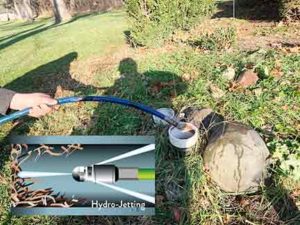
hydro-jetting-chicago

Thankfully, there are many ways to deal with a blocked drain. Anyone can unclog a blocked drain if they know how to use a rodding machine or snake. But plungers and drain snakes are only good if the cause of the blockage is close to the drain opening.

For blockages deep into the drain system plungers and drain snakes won’t work. Having the right solution to unclog a drain is essential and this will depend on why the clog occurred, where the clog is within the drain, and how long it has been there.

The most common causes of drain clogs are hair, food debris, grease, soap, oil, mineral buildup, and foreign objects that fall in the drain by accident. If any of these foreign objects make it far enough down into the drain pipes, they cannot be dislodged with a plunger.

For such intricate blockages, a high-end solution like hydro jetting is what you need. Hydro jetting will dislodge blockages no matter how far they are down the drain pipe. What is hydro jetting drain cleaning, what are its benefits and when should you use this technique in your home?

Hydro jetting drain cleaning: how it works and its benefits

Hydro jetting removes drain clogs by blasting them with high-pressure water via a special hose threaded into the plumbing system. This has an attached nozzle, which is able to create a stream of high-pressured water with a force of up to 4,000 psi (pound-force per square inch).

This is enough pressure to break down obstructions, shear away tree roots, and remove buildup. Hydro jetting can be used for pipes of various sizes and to resolve the most severe drain clogs. The size and design of the nozzle can be altered to suit the pipe and type of blockage.

What are the advantages of hydro jetting over other methods of drain cleaning?

It is quick

When you have a blocked drain, speed is of the essence. With hydro jetting, you don’t have to wait long before you can start to use your drains again. The process can be completed in a few hours.

It is not messy

Plumbing jobs almost always create a mess. You will not have this problem when you use hydro jetting. Since hydro jetting flushes away the obstructions inside the drain, you will not have to deal with any smelly unsanitary mess.

It is safe

Because you will not come into contact with wastewater from the drain or any stuff inside the pipes, hydro jetting does not expose you or your family to the risk of disease or illness.

Doesn’t use dangerous chemicals

Hydro jetting uses only water. No strong chemicals will be forced into your drain system. So you can be sure of the safety of your pipes and drain. 

It is versatile

Hydro jetting can be used for pipes of all sizes and any type of blockage. All that’s needed is a nozzle that matches the size of the pipe and the nature of the problem.

It removes sludge

One of the hardest types of drain clogs to remove is sludge. Whether it is sludge caused by soap scum, oil and grease, or coffee grinds, hydro jetting will remove it completely.

Useful for preventing clogs

You can use hydro jetting to protect your drain pipes and maintain the function of the drain system by having the system flushed occasionally. 

Does your drain need hydro jetting?
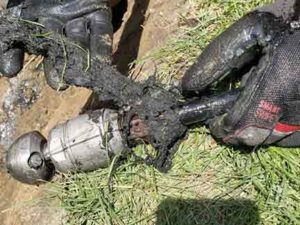
hydro-jetting-services-chicago

You will need hydro jetting if any of these drain problems apply to you:

Other solutions have failed

Sewer rodding and drain snakes are no good when removing clogs that lie beyond the opening of your drain. For instance, if you are dealing with sludge buildup, a sewer rodding will only poke holes in the sediment, instead of fully removing it. The problem will return eventually. The best way to deal with blockages that are not easily resolved is to use hydro-jetting.

Major blockages

If you have substantial scale accumulation in your drain pipes, or you are dealing with tree root intrusion, silt, or heavy sludge buildup, the most effective way to solve the problem is with hydro jetting. Mineral/sludge buildup, if not dealt with effectively can damage your drain pipes. Hydro jetting is a more affordable option than replacing sewer lines.

Your drain needs maintenance

If you want a way to maintain drain pipes that is effective but does not take a lot of time, hydro jetting is the recommended solution. It will clear away the debris inside sewer lines and return them to how they were at installation.
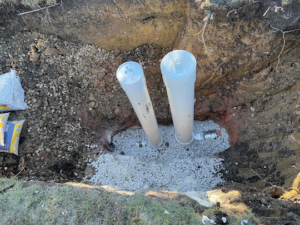
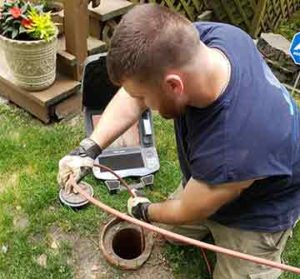
Who Replaces a Damaged Sewer Line: the Homeowner or the City?

Who is responsible for managing – repairing and replacing – the sewer lines on your property when they get damaged? Most property owners never ask this question until they have a sewer line emergency and are looking at thousands of dollars in sewer line replacement costs.

Who Replaces a Damaged Sewer Line

Sewer lines are a critical part of the underlying structures that make a modern home functional. Even though nobody likes to think of sewer lines because of the foul-smelling liquids they carry, you must know what your sewer line responsibilities are as a homeowner.

The sewer line system is jointly owned and managed by homeowners and the city. Each party has the specific parts of the sewer line that they manage. For homeowners, their responsibilities include the upper and lateral sewer lines. The city is responsible for the main sewer lines.

Understanding the structure of the sewer system

Water and waste from the various drains and water-using appliances in your home all eventually find their way to the drain lines that lead from your home to the main sewer line. But to get to this final destination, waste, and water from your home must go through three sections of drain lines, namely:

The upper lateral sewer line 

This is the section of pipe that runs from your home and all the way to your property line or the sidewalk. From that point, it attaches to the lower lateral line. The upper lateral line is completely within the boundaries of your property and maintaining it is your sole responsibility.

The lower lateral sewer line

The lower lateral sewer line or private sewer line, (as it is sometimes called) starts at your property line and connects to the city’s main sewer line. It connects to the upper lateral line on one end and the city’s main sewer line on the other end. The lower lateral line is also the homeowner’s responsibility.

The city’s main sewer line

The lower lateral line connects to and empties all its content into the city’s main sewer line. The city’s main sewer line runs under the public street and goes all the way to the city’s sewers. This pipe is unusually large, compared to the other two sections, since it collects and transports all the local sewage and wastewater to the sewers. The city’s main sewer line is the city’s responsibility.

Landlord’s vs the city’s responsibility for damaged sewer line replacement

From the above, it would appear as if responsibility for the maintenance of each section of the sewer system is neatly divided between the city and the property owner, without overlaps. But this is not completely true. Although the city is never responsible for the section that is under your jurisdiction, you may be liable for damage to the city’s main sewer line.

If the drain line from your home gets clogged and somehow causes problems in the city’s main sewer lines, you are responsible for the damage. The city, however, is never responsible for any damage to the sections of the sewer system under your responsibility. As far as the sewer line from your home is concerned, the city’s only responsibility is to connect your drain to the city’s lines.

Preventative sewer line maintenance

Based on this and given the fact that sewer line repairs can be very expensive, it makes sense to take good care of your sewer lines. It is a lot cheaper to implement a program of proactive sewer line maintenance than to try to solve problems retroactively. To get you started on preventative sewer line maintenance, here are some of the critical things to pay attention to.

Know the forbidden items

Contrary to what you think, your sewer lines cannot handle everything you throw at them. Avoid flushing oil, grease, coffee grinds, eggshells, starchy foods (like rice and potato), paint, so-called flushable items, and hard objects down the drain.

Cut tree roots

Tree roots can easily rupture or dislodge your sewer lines. Tree roots penetrating sewer lines in search of water is one of the most common causes of sewer line clogs. Tree roots may also cause sewer line blockages by going over or under the pipes and shifting them out of place.

Update your pipes

The cost of replacing old sewer lines before they create problems is not the same as the cost of replacing them after they have caused problems. The difference in cost is often due to the additional damage that occurs when you let your outdated drain pipes fail before you change them.

Have your sewer lines camera inspected annually

sewer-camera-inspection

Every year (or every two years at least) have a professional plumber do a thorough camera inspection of the sewer lines. These inspections do not cost a lot of money but they can save you a ton of trouble. The primary goal of these inspections is to catch problems at their early stage. Timely sewer scope inspections will detect things like improper connections that can become huge issues later.

How Does Water Leak Detection Work?

How Does Water Leak Detection WorkPlumbing leaks are one of the most common problems homeowners have to deal with. The plumbing in your home can leak as a result of poor installation and inferior materials. Leaks may also happen as pipes and connectors start to age or they can be the result of extreme weather changes.

Every year in the USA, the cost of property damage from water leaks is more than the combined damage from break-ins and house fires. According to data from the Insurance Information Institute, the average claim for a single plumbing leak is $10,234 and there are hundreds of thousands of these claims every year.

But this is not just a problem for your insurance company. Plumbing leaks affect the physical structures of your home and impair the aesthetic appeal of your building. The possibility of leaks and water damage happening in your house is a huge factor in how much insurance premium you pay.

Part of what makes plumbing leaks such a huge problem is that water travels through almost every part of the home. There are many potential locations where pipes can spring a leak and cause damage to the house. Monitoring pipes to prevent leaks is something homeowners simply cannot keep up with.

But, at the same time, due to how easy it is for pipes to leak and the high cost of fixing the resulting damage, this is something homeowners must do. Is there a hassle-free way to monitor the pipes in your home to detect water leaks before they cause expensive damage? Thankfully there is.

Leak detection systems and how they work

water-leak-detection-plumber

A leak detection system is a device that monitors the home’s plumbing in real-time, twenty-four hours every day. It relieves homeowners of the anxiety of living with the prospect of undetected leaks. It spares them the unplanned cost of fixing an unexpected plumbing leak by stopping leaks before they cause damage.

The leak detection system is installed in the home’s plumbing where it actively monitors the movement of water from the main water supply into the home. The device works by detecting unusual variations in the flow of water and shutting down the supply whenever it finds abnormalities in the flow of water.

There are different types of water leak detection systems. There are whole house water leak detection systems and water leak detection systems that help find hidden leaks in specific parts of the home. Whole-house systems typically use mechanical turbines or ultrasound.

Whole house water leak detection systems

These systems monitor water flow by counting the number of gallons of water passing through the pipes and noting the time delays. All water leak detection systems – mechanical turbine systems, as well as ultrasonic systems – come with a built in valve that can be closed to cut off the water supply to the home.

Mechanical turbine systems

They are equipped with a propeller that spins as water passes over its blades into the home. The device counts how many gallons are passing through, noting variations in water flow and the time intervals between them.  

This data is sent back to the system and stored there. Since water usage in the home follows patterns – low-usage, high-usage, or no-usage – once the system senses prolonged periods of water usage that do not conform to the established pattern, it will shut down the water supply.

Ultrasonic water leak detection systems

This kind of leak detection system uses ultrasonic waves that are transmitted through the upstream and downstream sections of the plumbing system. These waves are used to record the rate of flow and detect irregular flow patterns. 

The acquired data can be relayed to your Smartphone via your home’s Wi-Fi. Just like a mechanical detection system, an ultrasonic water leak detection system will shut down the supply if the water flow exceeds the expected amount of time.

Moisture-sensing water leak detection systems

This type of system uses the presence of excessive moisture to detect leaks. If, for instance, the device detects that moisture is building up around the floorboards, it will shut off the water flow. Moisture-sensing leaks detectors are better for detecting leaks around specific points in the home, such as under the sink. They are less effective for detecting potential leaks.

leak-detection-plumber

Why your home needs a water leak detection system

Your home is more likely to suffer from a plumbing leak than be burgled, burned down, or struck by lightning. A water leak detection system protects you from this all-too-common problem. Installing a water leak detection system means instant peace of mind.

A water leak detection system will conserve water wastage. There are hundreds of thousands of American households that are overpaying for water because a large percentage of the water coming into their households is being wasted through plumbing leaks. A water leak detection system will reduce your water bill and also positively impact your insurance premium.

A water leak detection system also rescues your family’s health by preventing mold. Mold and water leaks are interconnected in that water leaks provide the environment for mold to develop. A water leak detection system will save you the money you would have spent in taking care of mold poisoning.

The Importance of Catch Basin Cleaning

A catch basin (storm drain, storm sewer, or storm water drainage) is an essential part of the drainage system for your property and city. A catch basin is a hole in the storm drain system that opens out to the street. It has a curb inlet (metal grate at the street level) and a sump pump at the bottom.

The grate is designed to trap debris while the sump holds sediment. The catch basin also has inlet and outlet pipes on two opposing sides. It connects to the larger underground drainage system for your city. Its job is to maintain proper drainage on the street and your property.

The Importance of Catch Basin CleaningImportance of catch basins
  • Catch basins act as a pre-treatment phase in the storm drain/sewer system. They help to trap sediment and large debris that would have entered the system. Catch basins lower the risk of the sewer or drain system getting clogged and losing its effectiveness as a result. They preserve the function and structural integrity of the drainage/sewer system and reduce the cost of maintaining them.

  • Catch basins help prevent flooding on your property and street. By efficiently removing runoff as soon as it appears, catch basins keep rain or flood water from building up to the point where it pools on the street, parking lots, or on the landscaping.

  • They improve drainage on your property. For homes in areas with heavy rainfall and poorly drained soil, catch basins are vital for preserving the landscape. By serving as temporary rainwater reservoirs, they keep the soil from becoming soggy.

Common catch basin issues

Catch basins cause problems when they are not well maintained. Common catch basin issues are:

  • They attract pests. Catch basins make perfect nesting sites for rodents. The water inside them can also breed mosquitoes and attract other insects.

  • Catch basins will create sinkholes if their support base is eroded or the catch basin’s inlet and outlet pipes are allowed to collapse.

  • If a catch basin gets clogged with debris, it will encourage flooding in the surrounding areas.

But these problems can be prevented if the catch basin is cleaned periodically and maintained as expected.

Why clean the catch basin and how to do it

catch-basin-cleaning-chicago

Catch basin cleaning is a vital part of sewer system maintenance. This simple step will prevent storm sewer blockages that can cause expensive damage. Cleaning the catch basin also reduces the chances of pollutants finding their way into the community drinking water. Flooding along streets and parking lots is less likely if catch basins are clean.

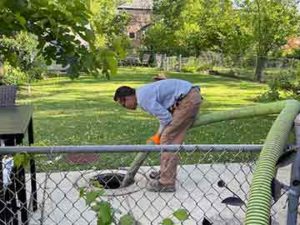
Here is how to clean a catch basin. Prepare the required tools and items: thick rubber gloves, safety cones, reflective safety vest, catch basin lid puller, pitchfork, a long metal rod, long-handled broom with stiff bristles, and a shovel.

  1. Sweep away any debris around and on top of the grate. To open the grate, use the catch basin lid puller or a crowbar, making sure the grate doesn’t fall into the hole. If the lid is stuck, tap gently around the edges with a mallet.

  2. Depending on how deep or shallow the hole is, remove all visible trash/debris inside, including organic materials, with your gloved hand, rake, or pitchfork. Note that there might be dead animals inside the catch basin.

  3. After the debris is removed, dip a metal rod into the sediment until it reaches the bottom of the catch basin. If sediment is up to six inches below the lowest pipe in the catch basin or the sump is up to 60% full, it is time to clean out the sediment.

  4. Removing the sediment inside the catch basin is the hardest part of the job. For this, you need a shovel if the catch basin is shallow. But the best way to clean the catch basin is to have an expert remove the sediment with a vacuum pump truck service.
  5. Check for structural issues. Look for signs of damage like cracked walls, falling mortar, or ill-fitting lids.

Note that after removing sediment from inside a catch basin, you cannot leave it lying on the street. The waste must be properly disposed of to keep it from going back into the drain system or constituting a health hazard. This is another good reason to let a professional handle this job.

Who is responsible for catch basin cleaning and how often should it be done?

If there is a catch basin located on your residential, commercial, or industrial property, it is your responsibility to keep it clean. If a catch basin is located on your property and you don’t keep it clean, you may become financially liable if the catch basin ends up polluting the environment.

catch-basin-pumping-chicago

Given that catch basin blockages often don’t become apparent until after a storm, it makes sense to clean them in preparation for storms. The means following a schedule for catch basin pumping service and the way to do this is to clean the catch basin at least once a year, usually after fall or winter.

Do You Need to Replace Your Main Water Line?

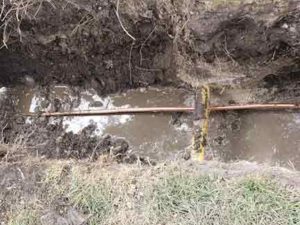
Do You Need to Replace Your Main Water LineThe main water line is the primary pipe that supplies all the water you use for your various household needs. It carries water from the public supply into your home. This pipe is usually buried around three feet deep in the yard, so most times you don’t even know it’s there.

For most homeowners, says Innovative Property Solutions, the only time they think of the main water line is when they need to turn off the water supply to the whole house. Because this part of the home’s plumbing system is largely out of sight, it tends to get overlooked during maintenance.

But the main water line is the most important part of your home’s plumbing. Without it, you couldn’t use many of the appliances in your home nor could you maintain personal hygiene. This is why you want to stay up-to-speed with the condition of the main water line.

Common main water line problems

Age

replace-water-line

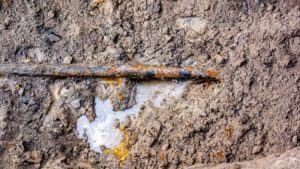
Aging pipes are more susceptible to damage. Accumulated wear and tear may result in the collapse of the main water line. If your home was built before 1960, you may have lead or galvanized water lines. These pipes are dangerous and prone to corrosion.

Soil movements

Upward, downward, or sideways soil movements will exert pressure on pipes. Shifting soils will force the pipe out of place or out of shape and this can happen slowly over a period of time.

Changing water pressure

High water pressure is the main culprit here and it is a bigger problem with aging pipes. Sudden changes in pressure may cause a burst pipe emergency. Low pressure is also a problem because it leads to increased sedimentation inside the pipes.

Sediment buildup

This can result from mineral buildup. If the water in your area is hard, the mineral content will be deposited in the pipes as the water passes through. Over time, the pipe becomes narrower and more likely to burst under pressure or get clogged.

Tree root damage

Tree roots can penetrate the main water line and block it. A tree root can also wrap itself around the pipe and choke it, reducing, or cutting off the water supply. Tree roots will typically do this only when there is a leak in the pipe.

Human error

If the main water line was poorly installed, it will be prone to damage. This problem usually doesn’t show up immediately after the pipe is installed. Pipes can also get damaged by digging such as when installing a sprinkler system in the yard.

Past repairs

If the main water line has been repaired in the past, there is a chance that future problems will occur around those areas that were repaired. This can happen even if the repair was properly done.

There is a lot that can happen to damage the main water lines in your home. But you cannot tell what is causing the problem until you dig down to the pipes. Fixing main water issues can be tedious and costly; you don’t want to do it more than once. 

This is why it is essential to know when problems call for the replacement of your main water line. How can you tell when there are problems with the main water line and when it is time to replace the pipes?

Signs of damage to the main water line

Low water pressure

water-trickle

A break in your main water line will cause a drop in overall water pressure.

A break in your main water line will cause a drop in overall water pressure. The severity of the problem depends on the extent of the damage. A small leak may not be noticeable. However, any decrease in water pressure should be investigated at once. Even if it is a major leak, you may not notice because the pipe is encased in soil which seals the leak. Sedimentation will also cause drops in water pressure.

Poor water quality

This could be discoloration due to the presence of debris that has seeped into the water from the surrounding soil. It could also be from mineral sediments in the pipes. If the water has a yellowish appearance, foul odor, or a gritty texture, you need to check your main water line. This problem will often happen alongside a drop in water pressure.

Water-logged front yard

If the front yard is inexplicably soggy – the water is not coming from your sprinkler and it has not rained – your main water line is most likely leaking. Sometimes the problem is so bad you will see water bubbling up to the surface of the lawn.

Spiking utility bills

high-water-bill

When your water bill increases suddenly and there is no reason for it, it means there is a leak in your plumbing system. If you check the plumbing inside the home and the basement but can’t find the leak, the problem is probably located underground in your main water lines.

For any of these issues, you need to call a professional plumber asap. Only after the pipes have been uncovered can you determine the extent of the problem to know if you should replace your main water line or not.

A Guide to Sump Pump Repair and Maintenance

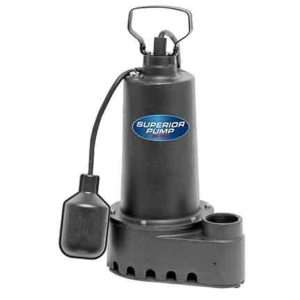
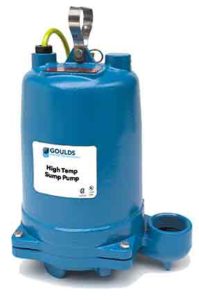
A Guide to Sump Pump Repair and MaintenanceA basement sump pump is one of those equipment’s you don’t get to use often. For most of the year, you may have no reason to think about the sump pump. But when the occasion arises for its use, you want your sump pump to be up to anything nature throws at it. One of the worst home emergencies to have is a sump pump failure.

Sump pumps protect your home from water intrusion but as Alliance Property Management team explains, since they are out of sight in the basement, it is easy to neglect this essential equipment. The wake-up is usually when you go down to the basement and accidentally step into ankle-deep ice-cold water. But you’re lucky if this is all that happens; you could make the discovery in worse circumstances.

Like any other component of your home, the sump pump needs maintenance. Sump pumps are hardy pieces of equipment but even the hardiest device can break down unexpectedly, especially if it is not getting the required care. There are several things that can cause your sump pump to fail but most of them can be prevented with timely maintenance of the equipment.

Common causes of sump pump failure

The most frequent issues you will have with a sump pump are:

  • Mechanical problems: Issues with the pressure sensor or float activator arm. The float arm is the on/off switch for the pump. If it is out of order, the pump will not kick in when there is water in the sump pit.

  • Electrical problems: Power outages during a severe storm will cut off the power supply to the equipment. Power surges could also damage its electrical components.

  • Blocked/frozen discharge lines: If debris or small animals gets into the pipe, it could get blocked. Pipes may also be blocked by ice or snow.

Sump pump maintenance routine

replace-sump-pump-chicago

To keep the sump pump from getting problems, you should run the equipment periodically and also check the function of its various components. Looking after your basement sump pump is not difficult. You just need to create a schedule for sump pump maintenance. You should also know the important tasks to do during maintenance.

Test the float 

The float is the part of the sump pump most likely to suffer damage. The pump will not work if the float is damaged because the float triggers the pump. To check if the float is working, slowly pour water into the sump pit until the float rises and the pump activates. If the pump activates, it should also shut off after the water is removed. If this happens, the float is fine. 

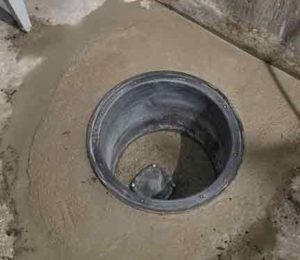
Clean the sump pit 

sump-pit-installation-chicago

Debris – mostly soil materials – will usually find its way into the pit along with water. Debris inside the sump pit can give you a lot of problems. Solid materials in the pit can interfere with the function of the float. Sometimes when you think you have a float issue, it could actually be the debris in the pit that is the real problem. Before attempting to deal with float issues, first clean out the debris and do it regularly.

Test the check valve 

If, when you pour water into the pit to check the float, the pump is triggered but the water, instead of being removed returns to the pit, you have a problem with the check valve. Another sign that the check valve may be damaged is when water stays longer in the pit than it should. Diagnosing check valve issues is a bit complex; it is best to have an expert look at the sump pump.

Clean the impeller 

This is another problem that could be caused by debris. Normally, any debris that enters the sump pump should be captured by the screen. However, if this does not happen, dirt can accumulate on the impeller and jam it. This is a common cause of sump pump damage, but it is easily solved. 

Simply unplug the pump, disconnect its piping to remove it from the pit, and then disassemble it to remove the screen and impeller. Clean the impeller and return it to its place inside the pump.

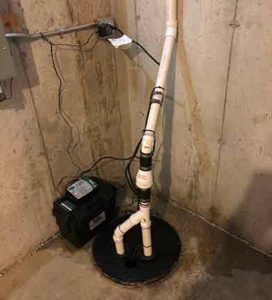
Check the power supply

sump-pump-battery-backup

Faulty electrical connections can damage the sump pump or cut-off electricity supply to the equipment. When you test the pump as described in the section on checking the float, if the sump pump does not trigger, check the electricity supply before trying anything else. The pump may not be properly plugged in or there could be a problem with the circuit breaker. 

Install an alarm

This step is more of a precautionary measure; it does not deal directly with maintaining the sump pump. A sump pump alarm will alert you when your sump pump has stopped working.  Some alarms can be configured to send an SMS or email when there is a problem. Installing an alarm will eliminate any chances that you will be caught off-guard by a sump pump failure that requires repair.

Signs You Need a Sewer Camera Inspection

signs you need a sewer camera inspection.

A sewer camera inspection is one of the popular techniques used by professional plumbers to diagnose sewer backups, sewer pipe damage, and other kinds of sewer issues. What is a sewer camera inspection, how does it work and what are the signs that you need one?

What is a Sewer Camera Inspection?

A sewer camera inspection is a relatively low-cost method for checking your sewer line when there is a problem with it, but you are not sure what the issue is. It saves you the cost and inconvenience of digging trenches at various points on the ground above the sewer line to find the problem. A sewer camera inspection takes the guesswork out of diagnosing sewer issues.

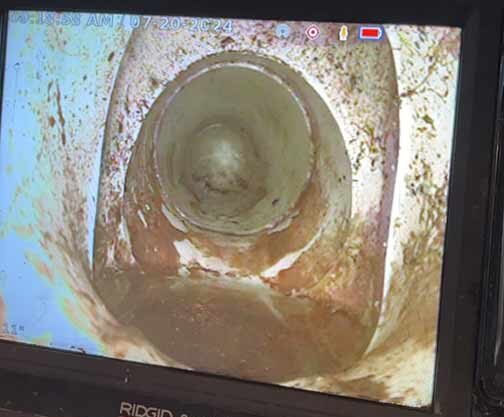
The process works like this: a flexible cable with a camera attached to one end is inserted into the sewer pipe and fed through the line until it reaches a clog in the pipe. A radio transmitter inside the camera notes the location of the clog and how far it is below the surface. The plumber can then find and repair the affected pipe section with pinpoint precision.

Sewer line repair and sewer line replacement is a time-consuming and costly endeavor. Locating the damaged section of the pipe is a huge part of what makes the process so difficult. As Pinnacle Management explains, a sewer camera inspection helps homeowners avoid the cost of digging multiple trenches to troubleshoot a sewer line. With a sewer camera inspection, it is easy to find the problem without leaving any mess.

Signs That Your Home Needs a Sewer Camera Inspection

Slow Drains Across the Entire Home

If a shower drain or kitchen sink is not draining properly, it could be that something has fallen into the drain and blocked the pipe. However, if the problem is widespread across the entire home, you may be sure it is not being caused by a blockage in the drainpipes. It is most likely that the sewer line is blocked. This is a good reason to order a camera inspection for your sewer line.

Signs of Water Damage in the Basement

The sewer line for your home often connects to the rest of the home’s plumbing system at some point inside the basement. If the sewer line is blocked or damaged, you may find evidence of that in the form of water damage to the building’s foundation or basement.

Fluctuating Water Levels in the Toilet

The water in your toilet is designed to be at a certain volume. If the water level fluctuates, you have a problem with your sewer line. These changes in level are often easy to detect – the water may be very high one day and then fall really low the next.

Recurrent Backups and Clogs

If you find that you constantly having to deal with sewage backups, clogged or slow drains, you have a sewer problem. These are symptoms of a problem with the sewer line. A sewer camera inspection will help you detect the location of the blockage.

Sewage Collecting in the Yard

If there is an area of your yard where the ground is habitually waterlogged, it could be because wastewater is flowing from the sewer line into the ground. If the swampy area is accompanied by the smell of raw sewage, you should think about a sewer camera inspection.

a woman with foul odors in her yard.

If the air around your home is loaded with the smell of sewage, it could be coming from your sewer lines.

Foul Odors Around the Property

If the air around your home is loaded with the smell of sewage, it could be coming from your sewer lines. This problem is usually worse at certain times of the day when vapor from the leaking wastewater has accumulated on the property.

Uncharacteristically Green Grass

Grass that is unusually green in one part of your lawn is a sign that a damaged sewer line is leaking. The sewage leaking into the ground provides nutrient-rich water that sustains the plants.  If you notice this in your yard, you should have the sewer line inspected.

Past Problems with Tree Roots

If you have had past problems with tree roots on your property, you need a sewer camera inspection to ensure tree roots are not intruding into the sewer line. Past problems, like tree roots puncturing underground water pipes or disturbing the driveway, means there is an extensive network of tree roots inside the ground. This could be a problem.

A Spike in Water Bills

A broken sewer line may also affect your water bill. An unexplainable increase in your utility bills should be investigated. One thing you should do to determine the cause of the problem is to order a sewer camera inspection.

If You Just Bought a New House

A sewer camera inspection is a must if you have just bought a new house, or you are about to buy a new house. The inspection will show you where you stand as far as the health of your sewer line is concerned. You can then decide if you need to replace the sewer line or not.

Landlord’s Guide to Leaky Faucets in Chicago

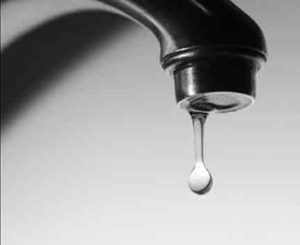
Landlord's Guide to Leaky Faucets in ChicagoFaucet leaks in a rental property are inevitable and at some point, they will happen. Quite frequently, a faucet leak is not considered a big problem because it doesn’t cause flooding. But a leaking faucet can waste an unbelievable amount of water. One faucet, dripping at the rate of one drop per second, can waste 250 gallons of water a month or 3,000 gallons a year.

That is money your tenant does not have to spend, says Taylor Street Management, especially when you consider that a leaky faucet is not hard to fix. A faucet is not a complicated device. All you need to fix the leak is a basic understanding of how faucets work, a few tools, and some patience. 

In this guide, we explain the steps you should take to fix a leaky faucet in your rental property.

What causes faucet leaks?

kitchen-faucet-repair

Basically, faucets are an assembly of parts designed to hold water back or release it, as needed. The major internal components of faucets are the O-ring, valve seat, washer, and gasket. If any of these components are damaged, the faucet will leak. The main causes of a leaking faucet are loose or worn-out O-ring, worn-out washer, or corroded valve seat.

Problems with faucet components are unavoidable; they are the result of corrosion and aging. Sometimes you may also have problems with the metal or plastic parts of the faucet. But these kinds of issues are less common. To fix a leaking faucet, the first step is to know which of the four types of faucets you are dealing with.

Types of faucets

drain-cleaning-chicago

  • Compression faucets: These have separate handles for hot and cold water. You have to tighten the handles to turn off the water. They are the oldest and least expensive types of faucets. Compression faucets are prone to leak. 
  • Cartridge faucets: Similar to compression faucets but slightly easier to operate. This has a removable cartridge with holes that align with the water inlet. The O-ring for this type of faucet is located on the cartridge.
  • Ball-valve faucets: This is the most common faucet used in kitchen sinks. They are less common in bathrooms. Ball-valve faucets have springs and gaskets in the water inlet port which must be replaced every few years.
  • Ceramic disk faucets: The newest and most reliable faucets in the market. They are the least prone to leaks because the disk valve is firmly screwed to the valve seat. They are also the most expensive to repair if damaged.

How to fix the types of leaky faucets

plumbing-repair

The steps depend on the type of faucet, but for all faucets, the first step is to shut off the water supply. After that, you have to disassemble the faucet.


How to fix compression faucets

There are usually two possible causes when a compression faucet leaks. The first and more common one is due to the rubber washer inside the faucet being worn out. This washer is located on the end of the faucet valve stem. A compression faucet may also leak from the handle. If this happens, the packing inside the handle needs to be replaced.

To fix the faucet:

  • Unscrew and pull off the handle
  • Using a wrench, unscrew, and remove the retaining nut
  • Remove the valve and unscrew the washer at the end of it
  • Replace the washer
  • If the leak is from the handle, replace the packing inside the retaining nut
  • Reassemble

How to fix cartridge faucets

Cartridge faucets may be single-handled or double-handled. The procedures for fixing leaks inside both types of cartridge faucets are essentially the same. A double-handled cartridge will naturally take more time. To fix the leaks, it is best to replace all the rubber parts along with the O-rings. If the cartridge itself is damaged, it should be replaced along with the gaskets.

Here is how to do it:

  • Remove the handle and unscrew the cartridge retainer
  • Pull out the cartridge
  • If the faucet has a retaining pin rather than unscrewing nut, you will need needle-nose pliers
  • Use a flathead screwdriver to get the gasket out of the water inlet and replace it with new ones
  • Grease all rubber parts before you replace them
  • How to fix ball-valve faucets

These are very easy to repair but their replacement parts will vary according to the model of your faucet.

To repair a ball-valve faucet:

  • Remove the handle with a hex wrench or screwdriver
  • Lift out the ball valve after you have removed the bonnet
  • Check the valve for damage. Replace if it is damaged
  • Using a flathead screwdriver, lift the gaskets and springs out of the inlet hole
  • Insert the new gasket after you have greased it and inserted the springs
  • Grease the ball and return it to its place

How to fix ceramic disk faucets

These will rarely leak, but if they do you should replace the disk and rubber gaskets.

To do that:

  • Unscrew the disk
  • Replace the gasket
  • Insert the new disk
  • Screw it into place

Why You Should Always Use Professional Drain Cleaning Services

Why You Should Always Use Professional Drain Cleaning ServicesWhen a drain in your home gets clogged and needs cleaning, what should you do about it?

Clogged drains are an all too common problem in the home. Drains may get clogged or even blocked as a result of neglect and misuse; when your property is a rental this is almost always a tenant-caused malfunction. The problem could also be the outcome of aging pipes or the normal consequence of the proper use of the home’s plumbing.

Man-made causes of drain clogs include:

  • Human or pet hair getting into the drain because there is no hair trap in the shower.
  • Indiscriminately feeding food waste down the kitchen sink drain and into the garbage disposal.
  •  Flushing non-flushable items such as diapers, tampons, etc. – down the toilet.
  • Toilet paper buildup inside the drain, objects falling into the drain, and washing dirt down the drain, among others.

Drains may also get clogged from natural causes and in the course of the normal process of using the home’s plumbing. Some ways this can happen are:

  • Mineral buildup inside the pipes due to hard water from the municipal supply.
  • Tree roots that penetrate through the pipes and block them.
  • Subtle soil movements that dislocate the pipes and prevent the smooth flow of wastewater.
  • The age of the components of the plumbing system.

How to Handle a Clogged Drain

plumber-near-me

When your drains get clogged, what is the best way to deal with the issue? You have two options for solving the problem. You can head over to the internet and attempt to clean the drain yourself after watching some YouTube videos. Or you can get a professional plumber to look at the problem. The option you choose matters.

While there are lots of home maintenance tasks you can undertake yourself, plumbing is, unfortunately, not one of them. This is because of the vital role and enormous size of a home’s plumbing network. It is also because of how complex and interconnected this system is. The best way to clean out your drains when you have a clog or for routine maintenance is to hire a professional plumber.

Here are the reasons for this recommendation.

Benefits of Hiring a Professional Plumber for Drain Cleaning

Drain cleaning should be part of your maintenance routine

Drains will clog and need cleaning, no matter how carefully you use them. This is simply because drains carry wastewater and wastewater contain sediments. Every time you wash your hands with soap, you wash soap into the drain that can potentially turn into soap scum and block the pipes. 

The same applies to food scraps and grease; they will always find a way to get into the drain. Regular cleaning of your drains should be a permanent feature of your program for keeping the plumbing in good condition and avoiding costly repairs. Only a professional plumber can help you do this efficiently.

DIYs deal with the superficial causes

kitchen-drain-cleaning

Understanding the cause of a drain clog, the process of its formation, and the different things that play a part in creating the clog is essential for solving the problem.  Before they try to clean out a clogged drain, professional plumbers search for the immediate and remote causes of the problem. They do not apply temporary fixes as DIYers often do. 

Professional plumbers use tools and services such as a sewer camera inspections to pinpoint the cause of a problem and hire services such as hydro jetting that are comprehensive and long- lasting. A non-professional, on the other hand, is only concerned about getting water to start flowing through the drain again.

Avoid bigger problems

Houseowners who try a do-it-yourself fix to resolve plumbing issues are usually doing it to be cost-effective. By trying to save a dollar, they create bigger problems that cost them more money later on. As an example, houseowners may use over-the-counter drain cleaners to clear clogs. These chemicals do clear drain clogs, but only because they are so harsh. The long-term effect of disposing of these chemicals down the drain is that they strip the pipes and render them weak to become damaged easily.

A patchwork maintenance schedule that will not take the whole drainage system into account will be your downfall. Professional plumbers don’t merely unclog drains; they log the issue with your plumbing in a way that allows them to see a pattern with the issues with the home’s drainage system.

Professional plumbers save you money and time

Solving drainage problems takes a lot of expertise. For owners who want to do it by themselves, the only way to try and get that expertise is to spend hours on the internet. But watching a YouTube video on hydro jetting does not transform an amateur plumber into a professional. Eventually, the homeowner will have to hire a professional plumber to look at the issues with the home’s drainage. 

More often than not, the plumber has to solve both the original problem and the additional ones caused by the homeowner. If the owner had called a professional from the get-go, they would have saved themselves a lot of time and money.

Why You Should Hire a Plumber for Your Bathroom Remodel

Why You Should Hire a Plumber for Your Bathroom RemodelOwning an ideal living space entails several things. Most homeowners pay too much attention to other parts of their home during remodeling that it may get to the extent that they forget a crucial aspect of the property.

The bathroom is one of the most essential places in your home. Remodeling this area offers many benefits. Some of these benefits include:

  • Improves energy efficiency 

During your bathroom renovation, you have the opportunity to boost your home’s energy efficiency. When you do this, you can lower your energy bills. For instance, older models of toilets use several gallons of water before you can flush the toilet. This translates to thousands of gallons every year down the drain. 

Newer models are energy-efficient and you can use less than a gallon of water to flush the toilet. Installing such toilets will help you cut down the volume of water you use each month. The same principle applies to low-flow faucets.

  • Adds value to the property

Bathrooms that have modern appliances, decorations, and upgraded components will surely add more value to the property. If you intend to sell the home, says Alltrade Properties, you can sell it at a higher price because of the bathroom. 

For homeowners who intend to use the property, they will enjoy the comfort that the updated components offer. For instance, you can afford to relax in your new hot tub after a long day.

  • Improve safety conditions

Older homes did not consider the bathroom’s safety. That is why cases of trips and falls that led to severe injuries were on the rise. Some even had electric sockets in the bathroom that made homeowners and visitors prone to electrocutions.

Newer models of bathrooms now use anti-stick floors and safer sockets to prevent slips or electrocution respectively. There are several other benefits of having a bathroom remodel.

Now, you may want to cut the cost by engaging in this project on a do-it-yourself basis. Doing so will prevent you from obtaining optimal benefits from your bathroom remodel. You need the help of a professional plumber for various reasons. Here we will explain why you should hire a plumber for your bathroom remodel.

  • Setting up the drainage requires expertise

Unless you want to perform minor or superficial upgrades that do not involve the drainage, you can try it yourself. Otherwise, we recommend that you hire a professional plumber. That’s because setting up the drainage system is complex.

You may need to add modern features and relocate the plumbing lines. Here, expertise is a necessity. Determining the layouts of a new drainage system requires precision. Failure to get it right may result in leaks or sluggish drains. But if you have an experienced plumber, you should have no fear. 

They will help you to move plumbing pipes around, move the drain lines, and install new plumbing lines in your bathroom(s). Even with the latest or most expensive upgrade, an improperly designed bathroom drainage will not add value to a home.

  • You may need a professional opinion

When you are remodeling your bathroom, you have several options of material to choose from. Unless you are a professional plumber, you may not be knowledgeable about the different pipes and assess if they are in good condition. 

If you choose unsuitable items for your bathroom remodeling, you may end up wasting your money. However, plumbers will prevent you from making expensive mistakes. They will show you the appropriate type and quality of material to use for your renovation project.

  • Things can go wrong during the upgrade during

During your bathroom remodeling, several things can go wrong. You may damage a new sink, break the pipes, or destroy the toilet. Several other unforeseen accidents can occur in the process of bathroom remodeling.  However, a professional plumber has your back.

Professional plumbers are insured and bonded. Their insurance covers every incident that may occur during and after the project. However, it should still be within the warranty period. For that reason, you will not be wasting hundreds of dollars trying to remedy unforeseen circumstances.

  • Professional plumbers have experience in bathroom upgrades

You do not engage in bathroom renovation every time, but plumbers do so. As a result, they know the fine details that you can never imagine. Professional plumbers can make a rigorous renovation project appear so easy. They will make you finish the project earlier than doing it yourself. Depending on the extent of the bathroom renovation, you may need to file a permit. Your plumber will help you handle this.

The bottom line

Bathroom renovations have several benefits for homeowners. However, many things can go wrong during the project. Hiring a good residential plumber will make you spend less on your bathroom renovation. They can also help you with the budgets and also prevent avoidable risks.