Author Archives: Chicago Plumbing Experts

What is Sewer Line Rodding?

If you have ever heard of sewer rodding and are wondering what it is and if it is what you need for the persistent blockages in your home’s drains, then you are in the right place. Below will tell you everything you need to know about sewer rodding and when to use this drain cleaning method.

What is sewer rodding?

Sewer rodding is one of the most effective methods used by professional plumbers to clear obstructions from blocked or restricted sewer lines. As Five Star Management explains, the superiority of sewer rodding over drain-cleaning methods, like snaking, is that sewer rodding will remove the most stubborn clogs from your drainpipes.

That is because sewer rodding can access blockages deep inside the sewer, unlike some methods that only work for blockages close to the drain opening. Additionally, sewer rodding will clear away all kinds of blockage inside the pipes, whether caused by sludge or tree roots.

How does sewer rodding work?

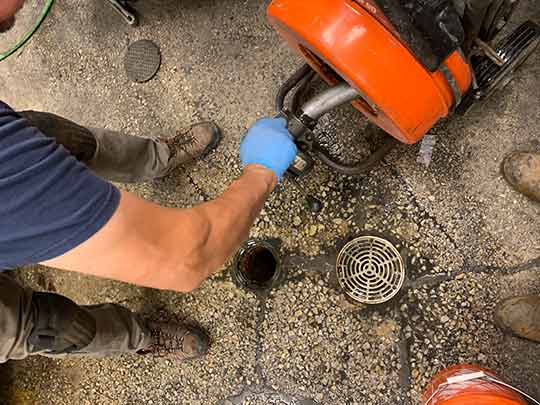
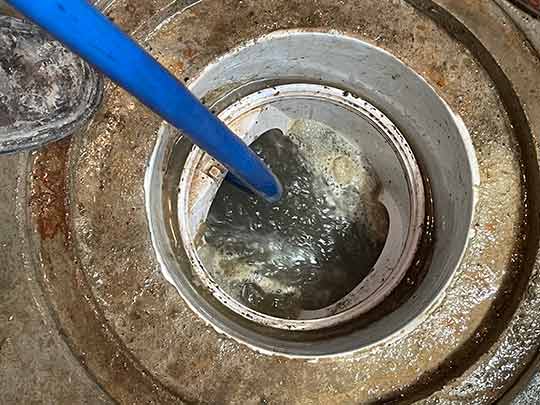
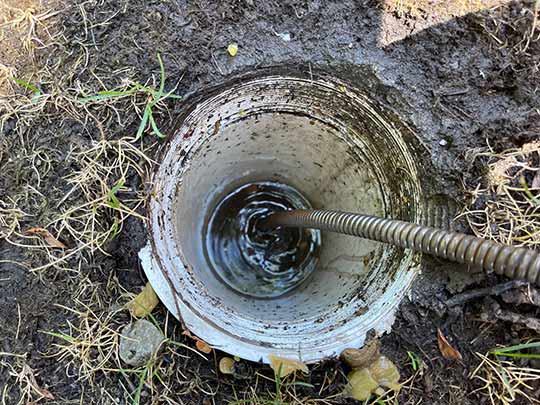
Sewer rodding is done with a rodding machine which consists of a drum machine with flexible polypropene rods or metal cables attached to it and cutter heads of various sizes connected to the head of those rods. This line is inserted into the sewer line and used to clear blockages from the sewer line.

The drum machine is switched on after the sewer rod is passed into the drain opening. The machine then pushes the rod with the spinning blade at its end into the drainpipe until it reaches the location of the blockage. This rod is flexible enough to go through the pipes yet strong enough to remove debris.

The cutter head’s speed varies according to the kind of debris inside the sewer line. The sharp blades of the cutter head give it enough power to shear away even tree roots. The size of the cutter head used for the operation depends on the size of the pipe and the kind of blockage inside the line. Sometimes different sizes of cutter heads are used during a single operation.

The goal of rodding a sewer line is to break up the debris inside the sewer line. Once rodding is completed and the debris is broken up, water can flow freely inside the pipe and wash the loose debris out into the main sewer line. A video camera inspection is often done before rodding the sewer line.

The sewer camera inspection allows the professional plumber to see the condition of the inside sewer line, pinpoint the blockage’s location, and determine what is causing the blockage. Doing a sewer camera inspection before rodding a sewer line makes rodding quicker and produces lasting results.

Advantages of sewer rodding

  • Sewer rodding is a flexible solution

Sewer rodding is highly versatile. It can be used in virtually any drainpipe size and for all blockages. This method works perfectly for small as well as large pipes. You can clear clogs close to the drain opening or deep inside the sewer. It works for sinks, showers, and mainline sewer pipes.

  • Sewer rodding is safe

Sewer rodding will not harm your sewer lines. Rodding your drainpipes will not cause any damage to the pipes. If you have fragile old pipes, you may want to use sewer rodding to clear any clogs inside them. Methods like hydro-jetting will only end up damaging already weak pipes from old age.

  • Sewer rodding is affordable

Sewer rodding is a cost-effective yet highly effective method for keeping drainpipes functional and healthy. Sewer rodding equipment is small enough to be used inside a small room. The procedure is often faster and more affordable than elaborate sewer line cleaning methods.

Do you need sewer rodding?

Here is how to know if your home or business needs sewer rodding:

  • Are you dealing with stubborn drain issues that keep coming back despite your best efforts? For instance, does your home or office experience frequent sink backups or backups in the toilet? A video camera inspection can help to diagnose the problem, and sewer rodding can help you solve it.
  • If you have a problem with tree roots inside your sewer lines, you can solve the problem by rodding the sewer line. Short of removing the offending trees or plants, the only way to solve this problem is to regularly clean the drainpipes by rodding out your sewer line.
  • Sewer rodding is not just a method for correcting problems within the sewer line, it can be used as a preventive measure. Periodic sewer rodding offers an affordable way to keep sewer blockages at bay. Done often enough, sewer rodding can prolong the life of your sewer system.
  • Do you have older sewer systems, and are you experiencing persistent issues with the sewer line? Old sewer lines are fragile and easily damaged. They do not respond well to vigorous drain-cleaning methods like hydro-jetting. On the other hand, sewer rodding will gently and safely clean your old sewer lines.
How to Choose the Right Plumber Near Me in Chicago?

How to Choose the Right Plumber Near Me in Chicago

As far as your home’s plumbing is concerned, finding the right plumber may be the most critical factor in the performance of the plumbing. The competence of your Chicago plumber plays a role in the number of plumbing emergencies you will have and the severity of those emergencies.

Your plumber influences the quality of the plumbing fixtures in your house and the overall cost of maintaining the plumbing, explains Limehouse Management. An honest and competent plumber will give you advice that lets you make the most of your plumbing. They will guide you away from making costly mistakes.

The question is, how do you find that plumber? Everywhere you look in your city, you will find plumbers advertising. They all have excellent websites with shiny claims about the quality of their services. How do you know when you have found a good plumber?

How to choose the right plumber in Chicago

When hiring a plumber, you must arm yourself with a few attitudes or strategies to find the best one. You must understand the three things listed below before you even start the process of looking for a plumber:

It’s on you

Finding the correct plumber is your job here; your money and peace of mind are at stake. This is why you must take full responsibility for this process. Do the necessary checks thoroughly; test a plumber before you trust them.

Start early

Your chances of finding a good plumber are lower when you have a plumbing emergency in the home. This is partly because good plumbers are often very busy and may only be available on short notice. It is also because you will be too desperate to vet a plumber when dealing with an emergency.

Build long-term

You want the relationship with your plumber to be a long one. Having different plumbers work on your home’s plumbing is terrible for the system. You want to find that one good plumbing company in chicago and stick with them.

Steps for finding the right plumber near you in Chicago

Here are the criteria to use when trying to hire a plumber.

Look for local plumbing companies

Working with a local company offers advantages over working with a national chain. A local company can structure its entire operations to meet the specific needs of the city where they are. As a result, the local company becomes an expert at dealing with local issues. A national company cannot do that.

Check licensing, certifications, and memberships

Make sure the company is licensed to work in your city. Also, check the credentials of the people who own or lead the company. Membership in the local chapter of their professional body is important because it gives you a glimpse of how others in the profession view the plumber.

Prioritize experience

Training is important, but a plumber who is well-trained and has lots of experience is better. Experience plays a huge role in things like understanding the peculiar soil or water issues in a city and the dominant design of the plumbing in that area, as well as when pulling job permits. Experience also means that this is not a company that is about to disappear by tomorrow morning.

Who are their employees?

How many employees does the company have, what are their qualifications, and how long have they been with the company? Are these part-time employees, or are they permanently on the company’s payroll? Good companies attract great workers who are willing to stay for a long time.

Think about their specialization

What kind of plumbing are they specialized in? Do not hire a commercial plumbing company to solve residential plumbing issues or vice versa. Have they had prior experience with the plumbing systems in buildings like yours?

Check references and reviews

Are they willing to provide a list of past or current customers who live in your locality, and are they happy to let you talk to those customers? What do people say about them in online reviews? How does the company deal with negative thoughts, and what is their Yelp, Google, or BBB rating?

Ask about insurance and warranties

Is the company adequately insured? What kind of insurance do they have? The plumber should have insurance coverage for workers who get injured on the job and coverage in case of damage to your property. Do they offer any warranties for their work and the parts they use on that job?

Request a copy of the contract

How does the company price its work? It is always better to get upfront pricing for any work a plumber wants to do for you. Moreover, the prices of items should be clearly stated and verifiable. You also need to know how they will get paid for their work; how do they calculate their fees?

Using this data, you should be able to locate a plumber near me who can resolve your plumbing issues efficiently and effectively. Selecting the right company is essential, so take your time and select a reliable provider.

In need of a reliable local plumber in Chicago? We can help! Call us today at 773-599-9181 or fill out the form below:

Reasons Your Water Heater Tank May be Overheating

Reasons Your Water Heater Tank May be Overheating

The job of a water heater in the home is to provide hot water for everyday tasks like taking a shower, washing dirty dishes, and doing the laundry. Water heaters make your life easier. But as Realty Management warns, sometimes the water heater can do its job too well by heating water above the desired temperature.

Typically, the water coming from your water heater should not be hotter than 120°F. If the water temperature is higher than 120°F, it will be considered too hot in most cases. For obvious reasons, scalding hot water from the shower and faucets in your home cannot be good for your household.

If your water heater is overheating, what are the possible causes of the problem, and how can you solve it? Below are the common reasons why a water heater might overheat. To find the particular issue causing your water heater to overheat, you may need to explore all the possibilities listed below.

Common reasons why your water heater may be overheating

The thermostat settings have changed

If your water heater is overheating, you first want to check if someone has raised the water temperature. This can happen if more than one person is living in the home. Moreover, it can happen without you knowing it. 

Most times, though, if someone in your household thinks the hot water set point is too high, they can lower the water temperature by adding more cold water. But there is also a chance that someone has changed the temperature settings for the water heater. Check to make sure this is not the case.

Sediments and buildup on the thermostat

If there is a lot of rust or sediment inside the water heater tank, it can interfere with the thermostat’s function. Buildup on the thermostat will prevent it from sensing when the water inside the tank is up to temperature. As a result, the thermostat will keep the heating element on until the water becomes too hot. 

Hard water can also cause this problem, as the minerals contained in the water are deposited on the thermostat. This serves as an insulating layer that keeps the thermostat from sensing the water temperature inside the tank. This problem can be prevented by draining the tank more often.

The thermostat has malfunctioned

A malfunctioning thermostat is one of the most common causes of overheating water heaters. If there is a problem with the thermostat, it will be unable to turn off the heating element. When the control for the heating element inside the thermostat is damaged, it cannot turn off the heating element even when the thermostat says the water is up to temp. The water temperature will keep rising until it becomes dangerously hot. A thermostat can malfunction for any number of reasons. 

The pressure relief valve is broken

The pressure relief valve keeps your water heater stable and safe by releasing excess heat and pressure when the temperature inside the tank gets too high. The pressure relief valve regulates the water temperature inside the tank and keeps the water heater from exploding due to excess pressure and temperature within the tank. 

If the pressure relief valve stops working because it is blocked, corroded, or compromised, excess steam and pressure inside the tank will not be able to escape. This can cause the water inside the water heater tank to overheat. This will happen even when the thermostat has turned off the heating element.

The heating element is damaged

The heating element generates the heat your water heater needs to produce hot water. Heating elements are only found in electric water heaters. They are designed to take the electricity that flows into them from the wall outlet and convert it into heat energy. 

If the heating element is broken, rusted, or coated with excessive sediment, it could cause the water coming from your water heater to be overheated. To know if the heating element is damaged, you must test it using a multimeter. A local plumber can easily replace a broken water heater element.

Problems caused by the water heater insulation

In some situations, insulating your water heater is a good idea to make it more efficient. For instance, if the space where the water heater is installed is not conditioned and the unit is not factory-insulated, installing a heavy blanket on the water heater will help prevent heat loss. 

At the same time, it is important to know that insulating a water heater can make it overheat. This can happen if the insulation accidentally covers the water heater’s controller or pressure relief valve. Failing to install the insulation right can raise the temperature inside the water heater tank.

In order to live a water heater problem-free life, it only takes a few minutes each week to do a few easy checks. It’s good to protect your family and speak with a nearby plumber who will service and check it for you.

Local Plumbers to Avoid

Local Plumbers to Avoid

You will only know the importance of finding a competent local plumber once you have had an unqualified plumber mess up the plumbing in your home. Plumbing emergencies are one of the worst problems to have in the house. Issues like water heater malfunctions, burst or frozen pipe emergencies, or an overflowing toilet can grind your entire household to a halt.

When you have a plumbing emergency in your home, Advantage Properties advises you want to be sure the person you hire to fix it knows what they are doing. However, in most cities in the USA, there is a surplus of plumbers, but finding the right one can be very difficult. It does not make it easier as incompetent plumbers often charge less than capable ones.

A dishonest plumber can do this because they will use substandard materials and methods. Additionally, they spend fewer hours on a job, so homeowners’ labor costs are lower. But the allure of that cheap patch-up job fades when the home’s plumbing fails, and the cost of fixing it is several times more than the money saved.

How can you identify an incompetent plumber and avoid the harm that person can do to your home’s plumbing and finances? Before you hire any old “plumber near me” to work in your home, check for the following seven things. An honest and competent plumber will not have any difficulties satisfying the opposite of the listed conditions.

New plumbing companies

If a plumber is inexperienced, you don’t want them messing with your home’s plumbing. Avoid newly established plumbing companies. That new company may be a fly-by-night operation that just rolled into town. If a company doesn’t have roots in the area, it can easily pack up and leave. Unless the principal of the new plumbing company can show a track record of having worked with another reputable plumber, don’t hire them.

Plumbers without an up-to-date license

A plumber needs to be licensed to work in the municipality. But more than having a license is required; the license must be up to date. You should be able to verify their registration status with the local government and the local chapter of their professional body. Also, you want the plumber to have expertise working with homes like yours. Even if they are legit, hire someone other than a plumber who specializes in commercial plumbing systems for your residential plumbing repair issues.

A plumber who does not have enough reviews or references

A local plumber should be able to furnish you with sufficient references. If the plumber has experience working in the area and is as good as they claim, it should be easy to give you a list of past or current customers. Only hire a plumber if they provide out-of-town references or if the references are good. Do not hire a plumber if they don’t have an online footprint or if all the online reviews are positive.

Plumbers who don’t have enough insurance

Even good plumbers make mistakes, but the best plumbers always prepare for that possibility. Avoid a plumber if they do not have sufficient insurance. At a minimum, the plumber should have enough insurance to cover employees injured on the job, protect you from liability and cover your losses if your property is damaged. Avoid a plumber who will not let you verify the extent of their coverage with their insurer.

A plumber who doesn’t employ licensed tradesmen

Avoid a plumbing company if they don’t have licensed tradesmen on their payroll. Plumbing systems are delicate; the massive damage that can result from a minor error by an incompetent worker is something you want to avoid. Even if the owner is qualified, the lack of experienced hands could lead to long wait times. You want to know that the company can deploy a trained plumber to your home in an emergency.

Plumbers who don’t offer guarantees and warranties

If the plumber cannot give you direct answers about what they will do if something is amiss with a job they have done for you, avoid that plumbing company. You would want a plumber who gives warranties on the parts they have installed in your system, as well as on the work. If the plumber is not going to guarantee you that something goes wrong with the job in some timeframe and that they are going to fix it at no cost to you; you don’t want to hire them.

Plumbers who will not put it into writing

If a plumber doesn’t need to have the contract in writing and hesitates to commit it in writing, they can’t be trusted. Your transaction with a plumber is not supposed to be done on the phone. That could be reversed and it is impossible to determine what you agreed with the company. Everything should be in writing and you and the other party should agree on what every aspect of the contract will mean. If anything, do not transact with that plumber.

These seven simple tips will save you the hassle of hiring a low-grade plumber and will reward you with a lot of money in the long run.

Emergency Tips from a Plumber: Dealing with a Broken Pipe

dealing with a broken pipe

What should you do if you have a broken pipe in your home? Broken water pipes in the home often announce their presence in the most destructive ways, warns Haas Property Management. You may not even know there is a problem with your pipes until your home is suddenly flooded by water spilling from a leak.

In the worse cases, you don’t even see any water because the broken pipe is hidden behind a wall. The only indication of the problem is when you start to see mold around the leak area, the paint changes color, or parts of the drywall become soft and start to bulge.

However, broken and burst water pipes are not the only plumbing leaks you can have in the home. Gas pipes can also leak. Although they are not as common as water pipe leaks, gas leaks are much more dangerous. This is because of the fire risk and gas leak suffocation.

If you spot a broken pipe in your home, what can you do to minimize the damage caused by the leak and the inconvenience to your household? The first minutes of discovering a leaking pipe in your home are the most critical; here is what you can do during those times.

Emergency tips for dealing with a broken pipe

What to do if the gas line is leaking

Turn the gas off

If you smell gas in your home, do not attempt to find the source of the leak; turn off the gas. To turn the gas off, locate the gas shutoff valve. It should be right next to the gas meter, the first fitting on the inlet side of the meter. To shut the line, turn the valve until it is at a ninety-degree angle to the pipe (crosswise). You may need a wrench for this operation.

Call your plumber

When dealing with gas leaks, it’s never a good idea to try to locate the leak yourself. Professional plumbers know how to identify and fix a gas leak. If you don’t know how to turn the gas off, call the plumber and have them come to your house immediately or tell you how to turn the gas off over the phone.

If you cannot reach a plumber, your next best option is to call the gas company. The gas company will only turn off your gas; they won’t fix the leak. Moreover, if the gas company turns the gas off, you will need a permit to fix the leak and an inspection before turning it back on. This will cost you money and time.

What to do if a water pipe is broken

Find the main water shutoff valve

It is important to know the location of your main water shutoff valve before you ever have a water leak in your home. Many plumbing fixtures in your home have a dedicated shutoff valve that you can use to stop water flow to that fixture. But the main water shutoff valve controls the water flow to the entire home.

For many homes, the main water shutoff valve is located on the street-facing side of the house, along the property’s perimeter, right after the water meter. Turning this valve until it closes will stop water flow to your home. Everyone in the house should know where this feature is located and how to use it. This is the easiest way to minimize damage to your home if you have a plumbing leak.

Turn off the water supply to the fixture

If you don’t know where the main water shutoff valve is, you can try to turn the water off at the valve near the leaking fixture. This is often only possible when dealing with water heater leaks or a burst pipe emergency. A shutoff valve should be next to your water heater or a ball or gate valve on the wall close to the bathroom. Turning the valve will stop the flow of water or slow it down.

Fix the leak with a rubber pad

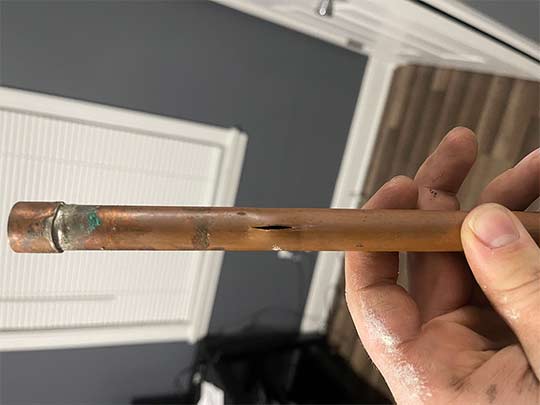
If there is a pinhole leak on a copper pipe, but you can’t get a plumber to come over (maybe because it is late in the night), this is what you can do: you can stop the leak temporarily by cutting a piece from a rubber pad and covering the hole with it. Clamp down on the part of rubber by tightening a hose clamp over it. This will let you run your water until you can get your local plumber to repair the leak properly.

Fix the pipe with a compression coupling

This only works for PVC pipes with a small crack in the pipe. To fix the pipe, cut off the affected portion, and slip the compression end and gasket of the coupling onto the two sides of the cut pipe. Install the sleeve from the coupling between the two ends of the cut pipe and seal the joint with the compression ends and gasket.

These are some simple steps you can do in case of a gas or water leak. Knowing what to do during these emergency plumbing situations may save you money and your property from further damage.

How to Auger your Sewer Line

How to Auger your Sewer Line

Your home’s main sewer lines transport all the wastewater from the plumbing fixtures in your home to the main sewer lines in the street, explains Keyrenter Management Austin. Sewer lines sometimes get clogged with tree roots, FOGs (fats, oils, and grease), soil, food waste, and other debris.

When this happens, one way to solve the problem is to auger the sewer line. This method is safe, low-cost, and effective for most blockages. It doesn’t take a lot of time to auger your sewer line. Although you can do it yourself, it is best to hire a plumber to perform a sewer rodding service.

How to auger a sewer line

Step one 

Rent a power or motorized auger from a local tool rental shop. They typically have a 100-foot+ cable attached to a heavy-duty electric motor that feeds the cable onto the sewer line. Power augers are used for cleaning 3-inch – 4-inch sewer pipes.

Step two 

Locate the main cleanout access. You can find this in the basement, bathroom, utility area, or outside, depending on the age of your house. You can identify it by the cleanout cap on top of it. Loosen the cap with a wrench. You will need plastic gloves for this job. Make sure there are no clothes around or long hair that can get into the cable guide and cause problems.

Step three 

Open the cleanout access and gently insert the cable guide and cutter head into the hole. A power auger comes with various sizes of cutter heads. If your sewer line has not been cleaned in a long time or is completely blocked, you may want to start with a smaller cutter head. That will let you poke holes in whatever clogs are inside the line. You may then use the larger cutter heads to remove the clog. If you use the larger cutter heads at first, you will struggle to get the job done.

Step four 

Before you power on the auger, check the switch that controls the drum rotation and direction of the cutter head. It will show three options; off, reverse, and forward. You want to make sure the switch is set forward. Check the auto-feed control for the machine. It controls the direction of the cable (whether it is going into or out of the pipe). Make sure the cable is set to go into the sewer line and not out of it.

Step five 

To power on the machine, you either kneel or step on the foot switch (an air-activated switch with a large bulb used in place of an electric control to prevent electric shocks on wet floors). Before you start the machine, it is a good idea to lay rags around the cleanout and remove any objects in the area that you don’t want to get splashed with sewage.

Step six 

As the cable starts to feed into the sewer line, keep an eye on the rate at which it enters the pipe. If there is a massive obstruction in the pipe, the cable may start to slow down. If this happens, slow or stop the cable completely. Let the cutter head rotate in that spot until it clears the blockage.

Step seven 

Keep feeding the cable into the line until you reach the end of the service line. The length of the sewer line in most homes is around 85 – 90 feet. If you rented a power auger with a 100 feet cable, that is more than enough to go through your entire sewer line to the main sewer line in the street. When the cable reaches the end of the line, it might skip a bit or make a louder noise. Let it rotate for a while before you stop it.

Step eight 

Allow the cable to run all the way out until there is no cable left on the drum. Once this happens, you may switch off the machine. Put the auto-feed control into reverse and start the motor again. This time the cable will retract from the sewer line; move in the reverse direction.

Step nine 

Watch the cable as it returns. Listen for when you can hear the cutter-head spinning inside the line; this means you are almost at the end of the line. You want to turn off the machine as soon as you see tree roots or debris stuck to the cable. Gently pull the rest of the cable out of the pipe to see if you have anything caught on the cutter head.

That is how to auger your sewer line to rid clogs and blockages within the pipes. Note that you do not have to wait until you have a clog to do this. You can do this periodically as preventative maintenance for the main sewer line; as a matter of fact, it is recommended.

Fixing a Sewage Ejector Pump

Fixing a Sewage Ejector Pump

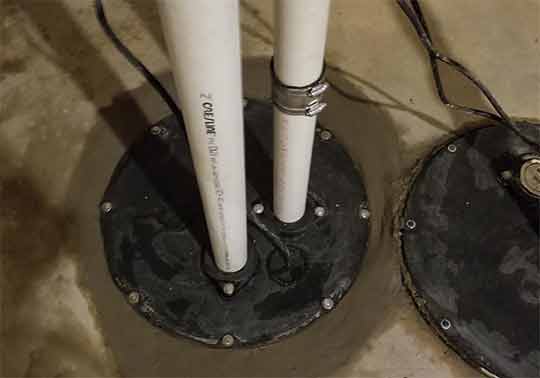
The sewage ejector pump in your home plays the crucial role of pumping wastewater from low-level plumbing fixtures into the drain system. Most times, sewage ejector pumps work as they should, but sometimes they fail.

When a sewage ejector pump fails, it could leave you with an ugly mess in your basement, warns Keyrenter Management Salt Lake. The longer the problem stays undetected or unresolved, the more damage it will cause. What should you do if the sewage ejector pump in your home suddenly fails?

Signs of sewage ejector pump malfunction

How do you know when an ejector pump is not working as it should? There are several signs that all is not well with your sewage ejector pump. You can detect the issue before it becomes a plumbing emergency if the following is happening to your pump;

Bad odors

Sewage ejector pumps remove wastewater from plumbing fixtures installed at a lower level than your home’s main sewer line. Since it handles wastewater, terrible odors can emanate around the pump, even when it is running correctly. That’s why ejector pumps have a venting system for discharging foul odors outside the home. Something may be wrong with the pipes, or the pump is not removing wastewater thoroughly if you notice strong smells around your ejector pump.

Erratic operation

The pump should only power on when the sump pit is filled with wastewater, and it should run smoothly until the pit is emptied before it shuts off. If this is not happening (maybe your pump is shutting-off before the pit is emptied, only for it to turn back on), there could be a blockage in the system. This problem could also be due to an issue with the float or switch.

Strange noises

Clanging or banging noises inside the pump when it is running might mean that an internal component of the pump has come loose. That will also happen if debris wedges inside the pump and interfere with its operation. Strange noises from your sewage ejector pump could also be because the pump’s structural integrity has been compromised.

The pump won’t stop running

An ejector pump can work too much, such as when the pump cycles continuously. Usually, your ejector pump is only supposed to power on when there is enough wastewater in the pit. After it has removed the water, the pump should shut down. But sometimes, this does not happen; the pump runs continuously. The most common causes of this problem are a switch that is not properly adjusted or a burnt-out motor.

The pump won’t start or struggles to start

This is the worst kind of ejector pump malfunction to have in your home. A pump may still work if it has one of the problems above. But if the pump will not start, the house could be exposed to the risk of flooding by wastewater from your plumbing fixtures. The usual reason that a sewage ejector pump won’t start is due to problems with its electrical parts – a blown fuse or malfunctioning float switch. It could also be because the ejector pump needs to be replaced and is more than a simple repair.

How to fix your sewage ejector pump

If your ejector pump is showing any of these problems, how can you fix it? That depends on what kind of sewage ejector pump problem you have. If your sewage ejector pump has stopped working, you can troubleshoot the float switch before you reach out to your plumber.

The float activates the pump when the water in the pit rises to a certain level. It also turns off after the water inside the pit has fallen. Pump switches often fail long before the pump itself has a problem. If the float is not working, the pump won’t start or will struggle.

To test the float and switch, do these:

Testing the float 

Using a five-gallon bucket, fill the sump pit with water until the float rises. Keep your eyes on the switch and listen for when the motor starts. Alternatively, you can raise the float until the switch starts. The float is not working, or there could be a problem with the pump if you do these and the pump does not start.

Testing the switch 

To be sure the issue is from the switch and not the pump, try this; bypass the switch by unplugging the pump from the piggyback plug and plugging it directly into the socket. If the pump starts, the pump is alright; the issue is from your switch. If your problem persists after you take this step, it is time to call your local plumber.

This step is only for testing your ejector pump when it is not running. For all the other problems mentioned in this post – strange noises, bad odor, or erratic operation – please contact a professional plumber and have them inspect the system.

How Commercial Hydro Jetting Works in Chicago

commercial hydro jetting chicago

Commercial plumbing systems see more use than those in a typical home. Where the plumbing in a single-family home may only have six people using it, explains Pro X Management, commercial systems often have to serve the needs of hundreds of people within a single hour. As such, commercial plumbing systems are appropriate for commercial properties. 

This heavy usage makes commercial plumbing systems prone to blockages. Also, while it is easier to control how people use the plumbing in a home, commercial plumbing is more likely to have unknown materials inside it due to the sheer number of people using it.

That is why you need a timely and cost-effective way to deal with issues in your commercial plumbing system. Delays in solving problems can affect the operations of the businesses on the premises, impose hardships on their employees and drive away customers.

Hydro-Jetting: The Ideal Solution for Commercial Plumbing Systems

Hydro-jetting is a powerful solution uniquely suited to the needs of commercial plumbing. Hydro-jetting clears clogs from drains and sewer lines in the most efficient manner. It can also be used as preventative maintenance to keep pipes clean and in good working order.

What is Hydro-Jetting? And How Does it Work?

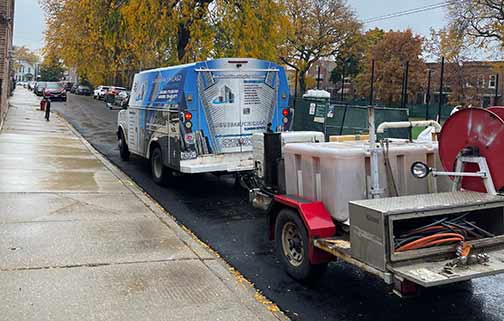
Hydro-jetting uses high-pressure water to clear clogs and waste buildup inside plumbing pipes. It is a gas-driven pump that pulls water from a large tank and pressurizes it before sending it through a specialized nozzle fed into the drainpipe.

A hydro-jetting system comprises the following:

  • A gas pump or motor
  • A large water tank
  • A set of specialized nozzles
  • A long hose

The procedure for hydro-jetting a clogged drain follows these steps:

Step one 

Typically, the line is first snaked to make it easier to do a video camera inspection of the pipes. The snake pokes a hole in the material that clogs the pipe to let a video camera pass through.

Step two

A video camera inspection of the sewer line follows. That involves inserting a cable into the drain with a special video camera attached. The camera captures the pipe’s interior as the cable is fed into the line. It sends the live feed to a screen that the plumber is monitoring. That helps to see the pipe’s condition, locate the clog, determine its cause and decide the best way to handle it.

Step three 

Fill the tank with water and attach a nozzle at the end of the hose to hydro-jet the line. The correct nozzle for the operation depends on the type of clog. Commonly-used nozzle types are flat jet nozzles for a fan-shaped spray pattern, point jet nozzles for a focused jet, and rotating nozzles for cleaning pipes.

Step four 

With the nozzle attached to one end, the hose is fed into the drain pipe or sewer line before the pump is switched on. A jet stream of water is then sent into the pipe with the water pressure ranging from 4,000 pounds per square inch (psi) to as high as 60,000 psi (414 MPa). The proper pressure for the operation depends on the type of blockage and the pipe’s condition.

Step five 

This stream of water is powerful enough to cut tree roots, remove rocks and gravel, and clear away hair clogs, sand, or silt. The hose is fed into the drain until it passes the clog’s location and washes the dislodged debris into the main sewer in the street. 

plumbers getting ready for a commercial hydro jetting in chicago.

Hydro-jetting is a powerful solution uniquely suited to the needs of commercial plumbing. Hydro-jetting clears clogs from drains and sewer lines in the most efficient manner.

What are the Benefits of Hydro-Jetting?

Compared to other drain-cleaning methods, hydro-jetting offers the following advantages:

Lasting results 

Hydro-jetting is highly-effective – the effects of hydro-jetting your pipes will last a very long time. Due to the extremely high pressure of water used in hydro-jetting, this method cleans pipes better than any other. Clean pipes are less likely to accumulate debris because of their smooth inner surfaces.

No toxic chemicals 

Hydro-jetting uses the mechanical force of moving water to clear away debris. Unlike drain cleaning chemicals, hydro-jetting does not leave a cocktail of toxic chemicals inside your pipes. There is no chance of toxic fumes seeping out from the pipes to harm humans or the environment.

Pipe safety 

Despite the high pressure of the water used to hydro-jet the commercial drain pipes, the operation doesn’t harm the pipes. Pipe walls and other plumbing components will not be damaged by this method. During the sewer camera inspection, if the pipes appear to have cracks or weak sections, this will be taken into account when hydro-jetting.

Versatility 

This method can be scaled up or down to meet the needs of any commercial property. You can alter the type of nozzle used during the operation to suit particular problems with the plumbing. You may also use Hydro-jetting as routine maintenance for the plumbing.

Are you in need of commercial hydro jetting services in the Greater Chicago area? Contact us at 773-599-9181 or by form below!

How to Survive a Burst Pipe in the Winter

How to Survive a Burst Pipe in the Winter

Harsh weather conditions can cause you and your household a lot of trouble. In the winter period, there are so many things to take care of, and your pipes are definitely one of them. Many household owners know how dangerous low temperatures can be, especially when there is no proper insulation on the household pipes. They can freeze and burst, causing great floods and serious property damage. That is why it is wise to get ready and know what to do in case of an emergency. For all those who think in advance, here are several main steps on how to survive a burst pipe in the winter.

The first signs of a problem

There is nothing that can completely save you from the damage when the pipe burst already happens. Still, the sooner you detect the signs of the problem, the less damage you will have to deal with. That’s why it is important to react to the first, even minor signs that something wrong is happening:

  • Occasional dripping sounds and the lack of water pressure are some things all of us have met at least once, but still, most tend to disregard them
  • Water spots on your walls or ceiling and water puddles are more obvious signs, but they say the problem is not at its first phase as well
  • The leaks of the main water shut-off are the most common and the most obvious signs

If any of the above-mentioned happen to you, especially during the winter, you need to reach out for help immediately. However, if you suspect something wrong is going on but cannot detect the problem, you can always hire a professional leak detection service in the area to confirm your suspicions.

1. The main water valve – the first step in surviving a burst pipe in the winter

The most important thing everyone should know about their home is where the main water valve is located. This is especially important if you are about to move into a new home. As professional movers from Last Call Movers suggest, experience is a crucial factor in relocation matters. But, if this is your first move into a new home, it would be wise to ask the previous homeowners about the main water shut-off or the condition of the household pipes before you decide to make a deal.

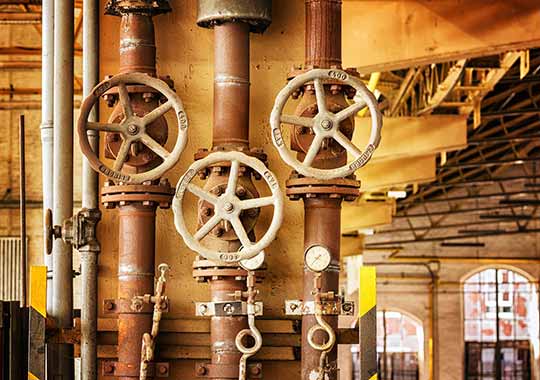
Metal pipes with big valves to turn off as the first step in our guide on how to survive a burst pipe in the winter

Act fast and smart

In the emergency case, turning off the main water supply will stop water from causing further damage to your property. On the other hand, it will also give you some time to pull yourself together until professional help comes.

In most cases, the water valves and the water heater are located in the same place and are usually turned clockwise to be turned off.

2. Deal with the electricity

All electrical devices can be potentially dangerous in contact with water. What’s more, if a pipe burst happened in your home, being surrounded by water while your electrical system is on can be fatal. Therefore, after you make sure you have turned the water off, you should also deal with turning off the electricity. You can simply turn it off in the part of your home that is flooded or even in the whole household.

In case you are not sure whether or not the power is off, calling on the electrical company for help will be the wisest option.

3. Contact the plumber

Now that you have dealt with the first two steps in our guide to surviving a burst pipe in the winter, it’s smart to contact an emergency plumber right away. Remember that the sooner you get the right professional help, the less consequence you will feel. Once a emergency plumber arrives at your home, they will start fixing the problem. What’s more, they can also help you with creating the whole repair plan, as well as with finding the most affordable solution for your current state. Finally, the most important thing is that your smart moves, as well as their prompt reaction, will help your pipes not remain broken for a long time.

A plumber is installing the pipes

Let the professionals deal with the problem

4. Draining the pipes

Make sure that no water remains in your pipes after you turn off the main supply. Push the toilets, and remember to run first cold and then hot water through all your faucets. Plus, do not forget to turn the water heaters off, since they should not be in function while the water is off.

5. Remove water

Once when you are done with all these basic steps, you should turn to saving your home from further damage. Water can be pretty harmful to your floor, walls, and the whole house construction. So, try your best to remove as much water as possible from the flooded area. When we talk about ground floors or basements, things will go a little bit easier. You can use a drain, buckets, mops, and vacuums to remove the water. On the other hand, if you have a pipe burst emergency on some of the upper floors, the only way is to let the water drain out. This time you can use fans to speed up the process.

Prevention

Once you have faced the repair processes with a burst pipe, especially in the winter period, you’ve probably learned the lesson. It is high time to take steps to save your pipes from freezing:

  • Letting your faucets drip, at least a little, will help a lot. The water will be in constant motion, and it will not freeze that easily.

  • Insulating the pipes is also a great idea. This is especially useful if your pipes are exposed, or set along the exterior wall, for example. Use some foam, fiberglass, or even newspaper to cover the pipes and protect them.

  • Open the under-sink cabinet doors in both your kitchen and your bathroom. Warm air will circulate, and your pipes will not freeze during the cold days.

  • Maintain your piping system, and let the plumber control them regularly. If breaks and cracks are located on time, it will save you a lot of money and stress, too

A close-up picture of a faucet in a bath

If you think about prevention, you won’t have to deal with how to survive a burst pipe in the winter

These would be the main things you need to remember if you want to survive a burst pipe in the winter. Keep them as a reminder just in case something unexpected happens to you in the next winter season.

Why a Sewer Line Repair is Considered an Emergency

a sewer line repair emergency in Chicago

Because sewer lines are primarily out of sight, they are usually not included when homeowners inventory their home’s plumbing system. As a result, House In Order says, the plumbing maintenance program for most homes does not cover the underground sewer lines in the property.

The only time homeowners pay attention to their sewer lines is when they have a sewer line emergency, the system stops working or doesn’t work properly. Typically, this happens when they have slow-running drains because of a sewer clog or the sewer line backs up into the home.

Due to how much damage they can cause, sewer line problems should rank as high as the other emergencies in your home. Treating sewer line issues as potential emergencies and taking steps to prevent them will save you a lot of heartache and money.

Why sewer line repair is considered an emergency

Events are ranked as emergencies when massive negative impacts accompany their occurrence. What are the likely effects of a sewer line issue on your home?

Health and sanitation

A malfunctioning sewer line exposes your family to avoidable health issues. Sewer lines ensure your family does not come in contact with wastewater from the home. 

This wastewater contains raw sewage and a host of other harmful things, which will not only make your house unpleasant to live in, but can make you ill. A damaged sewer line defeats the purpose of having a sewer system in your home. 

Damaged sewer lines also compromise your home’s drinking water. If the sewage seeps into groundwater, it can pollute the environment and endanger whole communities.

Air quality issues

Part of the reason for keeping sewage sealed inside sewer lines is to contain toxic or unpleasant gases produced during the breakdown of waste. This includes methane, a toxic gas and an abundance of other dangerous and foul-smelling gases. 

If a sewer line is damaged, it may lose its ability to contain these gases and they can seep into your home or the surrounding areas, causing outdoor air pollution and indoor air quality issues.

Structural damage

A broken sewer line can undermine the structural integrity of your home by doing innocuous damage to the building’s foundation. This happens when a leaky sewer line discharges water into the foundation. 

Typically, homeowners are unaware of the problem until they see the common signs of foundation failure in their building. Compared to the enormous cost of foundation repair, the cost of preventing sewer line emergencies in your home is peanuts.

Massive financial setback

You do not want to start to imagine the spiraling cost of fixing a sewer line emergency. Depending on the cause and extent of the problem and how the issue unfolded, that cost can include expensive excavation of your yard, installation of new pipes, fixing damage caused by sewage flowing into your home, reinforcing the foundations of the building, and improving your damaged landscaping. The cost of repairing this avoidable problem can easily exceed $25,000.

Damage to others’ property

In addition to damaging your home, a faulty sewer line can damage other people’s property. If the sewer line issue is judged to have also affected the city sewer lines, you will be expected to pay for the damage. 

Wastewater from your ruptured sewer line may also overflow into your neighbors’ yard or driveway. This not only entails additional costs but can expose you to lawsuits.

How to avoid sewer line emergencies

Preventing problems with your sewer lines is the best way to avoid them. Periodic sewer camera inspections of your sewer lines by a professional plumber will help you detect issues at the early stages. You can then take steps to stop the minor problems from becoming major costs. Some of the signs that you have a budding problem inside your sewer lines include the following:

Frequent drain blockages

Frequent clogging of the drains inside your home might indicate issues with the sewer lines. If blocked drains are cleaned only for the case to happen again, you may need to inspect your sewer lines.

Slow-running drains

A single slow-running drain in the house is normally not a sign of problems with the sewer lines. But if multiple drains in the home are slow, this might be the ripple effect of a clog inside the sewer lines.

Foul odors in the home

The smell of raw sewage or the odor of stagnant dirty water are two unpleasant smells you may endure if your sewer line is blocked. These odors find their way into the home if sewer pipes are leaky, corroded, or clogged. A professional hydro jetting service can fix this issue quickly.

Strange noises from the drains

Gurgling sounds from inside the drains each time you pour water into them is a sure sign of trouble. If this happens with all the home drains, you can be sure there is an issue with your sewer lines.