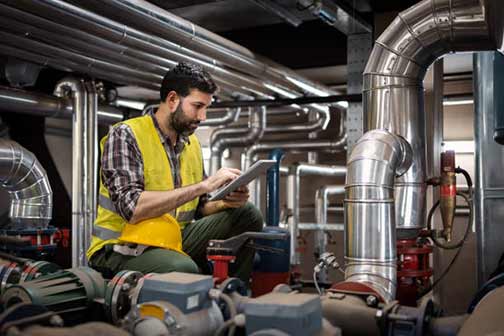
Plumbing systems are the unsung heroes, working night and day in your commercial building to ensure your premises are safe and clean for everyone using them. Every minute of the day, they deliver clean water wherever it is needed while efficiently removing wastewater, says White Robbins Management.
If your plumbing systems were to malfunction for just one day, it would bring all the business activities in your building to a screeching halt. This is why, although the plumbing is not directly involved in the day-to-day operations of your business, it is vital to its continued success.
Despite this fact, plumbing system maintenance is not one of the things commercial building owners and operators consider when mapping the key factors needed for business growth. In most commercial buildings, plumbing maintenance is simply an inconvenient afterthought.
If the plumbing is given any attention, it is done grudgingly because businesses do not see a direct connection between efficient plumbing systems and their business goals. As such, they view money spent on plumbing maintenance as a cost, rather than an investment.
Potential impact of plumbing problems on a commercial building
But here are some things that can happen to your commercial building and the businesses operating out of it when you neglect your plumbing:
- Avoidable business downtimes: Blocked drains, water heater problems, and leaky pipes can stop or slow down your business activities, leading to a loss of revenue.
- A damper on staff morale: Slow drains, malfunctioning toilets, bad odors from blocked drains, and similar issues may place a psychological burden on your staff.
- Irreparable reputational damage: Customers and visitors pay enough attention to your toilets. Malfunctioning plumbing systems create a bad impression with clients.
- Severe health and safety problems: Stagnant water and slippery floors from plumbing leaks increase the risk of accidents and diseases in your building.
- Exposure to preventable lawsuits: With the increased risk of accidents, due to poorly-maintained plumbing systems, comes increased exposure to random lawsuits.
- Costly property damage: This includes structural damage to your building, from water line and drainpipe leaks, as well as damage to office equipment and furniture.
- Unnecessary compliance issues: The possibility of problems with the authorities, with risks of heavy fines, loss of operational license, and even business closure.
These problems can be avoided with periodic inspections of the plumbing system as part of your commercial building’s preventive plumbing maintenance plan. How does this work?
Scheduled plumbing inspections: why your commercial building needs them
A plumbing inspection is a detailed check of your building’s entire plumbing system. It involves a thorough evaluation of the physical condition and operational status of the pipes, connections, fixtures, and appliances to identify potential issues in the plumbing system.
These checks are typically done on a seasonal, biannual, annual, or biennial basis. The frequency of the inspection depends on the past problems in the plumbing, the age of the system, the volume of water used in your building, and the severity of seasonal temperature changes in your area.
During a typical plumbing inspection, the following checks are done:
- Water supply lines are examined for signs of leaks, corrosion, and low/high water pressure.
- Drainage pipes and waste lines are checked for proper flows and blockages.
- Sinks, toilets, and showers are checked for corrosion, blockages, leaks, and other issues.
- Water-using appliances, including water heaters, dishwashers, and boilers, are checked for leaks, signs of wear, and performance issues.
- Sewer line inspections are usually only included in yearly and biennial plumbing inspections.
- Vent stacks in the plumbing systems are checked for proper function.
Why do you need scheduled plumbing inspections in your commercial building?
- Prevent costly plumbing emergencies
Scheduled inspections allow you to stay ahead of the issues in your commercial plumbing systems. By detecting faults early and preemptively solving them, it is possible to minimize the impact of plumbing problems on your building, business operations, and profits.
- Make a good impression with customers
The appearance and performance of your building’s plumbing system is an integral part of your brand. Negative perceptions of the building’s physical systems by customers will spill over into how these people interact with your business and products.
- Maximize every dollar spent on your plumbing
Scheduled plumbing inspections help to ensure maximum returns on every dollar you spend on plumbing maintenance. When you inspect your plumbing regularly, you not only optimize the operation of the system, but you also save money.
- Peace of mind for you and your staff
Efficient plumbing systems help eliminate the little annoyances that interfere with employee output. They relieve you of the fear of litigation from plumbing accidents or incidents in your building. By ensuring compliance with existing codes, they help you avoid problems with the authorities.
From a strictly business point of view, it makes absolute sense to inspect your commercial building’s plumbing systems on a schedule. Taking this step not only protects your business from unexpected plumbing problems, but it also helps ensure business profits.
However, these all depend on the quality of the commercial plumber you hire to inspect your plumbing.