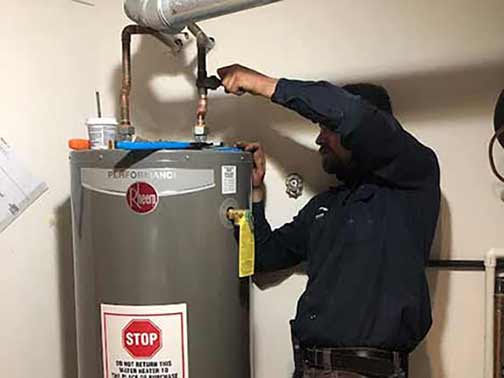
Water heaters are among the hardest-working appliances in your home, notes Bowen Property Management. When they are not providing hot water for showering, they are heating water for laundry and dishwashing. In most homes, whether it is winter or summer, the demand on the water heater is unrelenting.
During winter, the water heater works extra hard to keep the home safe and comfortable. In summer, when the kids are on holiday, it is extra time to supply hot water to wash a constant stream of dirty clothes and also deal with grease-stained dishes from outdoor cooking.
Eventually, this unremitting demand takes its toll on the water heater, and the appliance begins to lose its efficiency. Problems that were previously unknown in the unit start becoming frequent, and the cost of maintaining the system slowly increases until it becomes too high.
Water heaters are designed to last a certain period of time. For storage water heaters, the service life of the unit is 8 to 12 years. Tankless water heaters, on the other hand, last longer than 20 years. But the conditions under which the unit operates also impact its life.
For homeowners in Cicero (IL), water heater issues are a common problem because, like most of Chicago, Cicero also deals with hard water issues. The rate of wear on a water heater is higher if an area has hard water. If your water heater is starting to fade, you may see these signs:
Signs that your water heater is on its last legs
- Higher energy bills: A water heater that is due for retirement will use up more energy while doing less work. This loss of efficiency will increase your home’s energy bill.
- Insufficient hot water: If your water heater is becoming inefficient, your home will frequently run out of hot water because the unit is unable to keep up with the demand, maybe due to a failing heating element or excessive buildup inside the tank.
- Strange noises: If a water heater makes strange noises (rumbling, popping, and banging), it means there is more sediment buildup inside the tank. This can cause the unit to heat water erratically or result in air pressure problems that can damage the tank.
- A leaky tank: If you regularly find water pooling at the base of your water heater, it could be that the tank is cracked and leaking, the TPR valve is faulty, or there is a leak in the connecting pipes. You cannot fix a leaking tank; you must replace the unit.
- Discolored water: Typically, you can flush a water heater tank to fix sedimentation issues. However, if the unit is producing rust-colored or brown water, it means the tank is damaged beyond remedy. In this situation, the only solution is to replace the water heater.
The age of the water heater also plays a role in its performance. If the unit is 10 years or older, it may be time to replace it. Even if the appliance appears to be working perfectly and doesn’t show any of the above signs, it is still a good idea to replace it because it could fail unexpectedly.
What to think of before replacing your water heater
Should you replace the water heater or repair it (if possible)? Here are two considerations that will help you in making that decision:
- The repair cost: If the repair cost of the water heater is more than 50% of the price of a new unit, it makes no sense to repair it, since you may have to repair it again soon.
- The warranty status: If the water heater has passed its warranty period, you will not save any money by fixing it. The best option is to invest in a new water heater.
What important things should you keep in mind when buying a new water heater?
- Type of water heater: Should you buy a storage water heater, a tankless water heater, or a heat pump water heater?
- Your home’s needs: Should you buy one large tank water heater for the entire house, or is it better to buy more than one tankless water heater for different parts of your home?
- The fuel source: Typically, you have a choice between electric, gas, and solar water heaters. Each one comes with its own pros and cons (efficiency, cost, and reliability).
- Energy efficiency: The water heater’s energy efficiency rating determines its operating costs. You want a water heater with a high Uniform Energy Factor (UEF).
- Durability: For Cicero homes, a corrosion-resistant unit is recommended. A unit with a glass-lined tank and durable brass drain valves will save you money in the future.
Other important considerations before replacing your water heater are the available space in your home and the warranty period for the different components of the unit. There may be other unique features of your home that you should also consider.
Before committing to buy a new water heater, talk to a qualified Cicero plumber to ensure you get the most value for your investment.
—
Need assistance with a water heater replacement in the Cicero, IL area? We can help! Call us now at 708-775-2566.