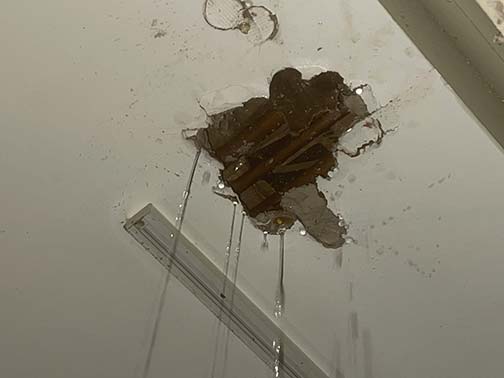
A burst water pipe in your home can happen for many reasons. The most common ones are aging and freezing. In Chicago, burst water pipes are a common occurrence in winter because subzero temperatures increase the risk to your plumbing —an issue that homeowners and renters alike face, from Midwest cities to Portland housing solutions designed to help residents maintain safe and functional living spaces.
Depending on where it happens, a burst water pipe can cause massive water damage to your home. But you can reduce the impact of this plumbing emergency if you know what to do and take quick action to control the situation.
Here are the steps to follow if you find a burst water pipe inside your home.
- Shut off the water supply
Your number one priority should be to stop more water from being discharged into your home. Do this by turning off the water either at the dedicated shut-off valve for the broken pipe or your main water shut-off valve. In most homes, you can find the main water shut-off valve in the basement, utility room, or outside, near the point where the main water line enters your home.
- Turn off the electricity
If there is even a remote chance that the water will come into contact with a power outlet or appliance, turn off the electricity to the affected area. If it is not possible to turn off the power to that section of your home, turn off the power supply to the entire home. When doing this, avoid touching the water if you suspect that it may have come into contact with electricity. Protect yourself; wear rubber shoes and gloves or call an electrician.
- Contain the water
Place a bucket under the broken pipe to catch dripping water and open all the cold water faucets in your home to allow any water left inside the pipes to drain. Move your furniture and all valuables out of the affected area to prevent water damage. To stop the water from spreading into other parts of your house, roll up towels, bedspreads, and similar items and place them in the path of the water to block its flow.
- Notify your insurance company
Do not wait till you have sorted out the emergency to inform your insurance company. Do it as soon as you have some breathing space. No need to have all the answers before calling the company, and you do not need to explain the cause of the burst pipe in your home. Simply notify them of the incident. Your insurer may send an expert to your home to determine the cause of the accident and the extent of damage.
- Document the damage
Before attempting to fix the damage and clean up your home, get out your smartphone and do a video recording of the scene. Make sure the burst pipe, your flooded floors, and any damaged items are captured in the video. Add narration to the video to give it context and help capture your emotions in the moment. This video will become very useful when filing your insurance claims later.
- Mop up the water
Use mops and rags to soak up the water on the floor of your home. If you have a wet/dry vacuum, or you can borrow/rent one, it will make the job faster. If there is a lot of spilled water in the area, scoop it into a bucket with a bowl or dustpan. Dry up as much of the water as possible. If there are wet items or badly damaged items in the area, like carpets and rugs, remove them from the house.
- Call an emergency plumber
When dealing with a burst pipe, you want a plumber who will visit your home at short notice and solve the issue in time. Emergency plumbers are trained and equipped for these kinds of situations. They are available 24/7 and will arrive at your home with the right parts to fix the damaged pipe. When talking to the plumber, do not forget to ask them how long it will take them to reach your home.
- Ventilate and dry the area
To prevent further damage to your home, dry the affected areas as quickly as possible. Open all windows to improve air flow through your home. If you have a fan, space heater, or dehumidifier in the house, set it up inside the room to dry it faster. If parts of your baseboards, drywalls, and insulation are damaged, the affected sections will have to be cut out.
- Hire a water damage restoration service
To reduce the risk of future structural weakness and mold, have a water damage restoration service access your home and recommend ways to fully dry out the building. This ensures that any moisture trapped within the structures of your building will be removed. Neglecting this step can put the long-term structural soundness of your home at risk.
Finally, work with your plumber to reveal the near and remote causes of the pipe burst and take steps to prevent a repeat of the problem in the future.