
Do you know that feeling when you notice a plumbing issue beginning? A drip gets louder. The drain slows down. You wonder if it will stop on its own. Many renters ignore these signs and hope for the best. That choice often leads to bigger problems. Learning a few quick plumbing fixes helps you stay in control and avoid stress. You do not need special skills or expensive tools. You only need awareness and fast action. Let’s explore common plumbing issues you can handle, what to report, and how to protect your space.
Know What You’re Allowed to Fix as a Renter
Every renter should start with their lease. Most rental agreements allow basic care but restrict major repairs. You can usually tighten a loose handle or clear a minor clog. You should not remove pipes or change fixtures. Understanding this boundary protects you from repair costs. If a problem looks small, act carefully. If it looks structural, pause and report it. Avoid DIY plumbing mistakes– take photos before touching anything. Clear communication helps everyone. When you stay within your role, you avoid blame and extra expenses. Smart renters focus on prevention and early response. That approach keeps small plumbing troubles from turning into serious damage.
Check Plumbing Early After Moving In
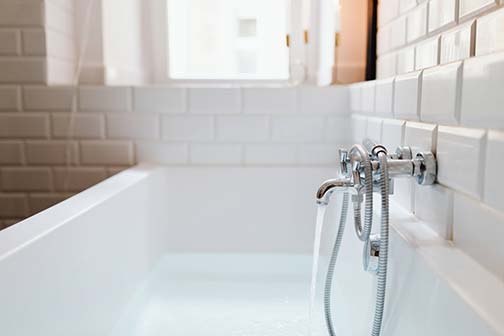
After relocating, take time to check plumbing before routines begin. Run all faucets and showers. Flush every toilet. Check under sinks for moisture. Listen for unusual sounds. Look for slow drains or weak water flow. These checks take minutes but reveal hidden problems. Early reporting protects you from being blamed later. It also helps landlords fix issues quickly. Many problems come from previous wear, not your use. Document what you find with photos. Send a clear message if something feels off.
Tools to Keep Handy After Settling In
When settling in after relocating, having basic tools to unpack after moving saves time and frustration. You do not need a full toolbox. A few simple items help you react fast. Keep these within reach:
- A plunger for sinks and toilets
- A bucket to catch leaks
- Old towels for quick cleanup
- A small adjustable wrench
These tools help with minor issues without risk. They are especially useful during the first weeks in a new place. Many plumbing problems show up after water use increases. Being prepared helps you stay calm. You can contain small issues until help arrives. Preparation makes you feel more at home and in control.
How to Fix it? Dripping Faucets and Loose Handles
A dripping faucet is one of the most common issues renters face. It often starts quietly and gets worse over time. First, turn the handle firmly but gently to see if the drip stops. If water still leaks, check if the handle feels loose. Many handles tighten with a small screw hidden under a cap. If tightening stops the drip, you are done. Do not take the faucet apart. Place a bowl under the sink to catch any stray drops while you test it. Wipe the area dry so you can see if water returns. A slow drip may seem minor, but it wastes water and creates stains. If tightening does not help, report it to your landlord with photos.
Slow or Clogged Drains
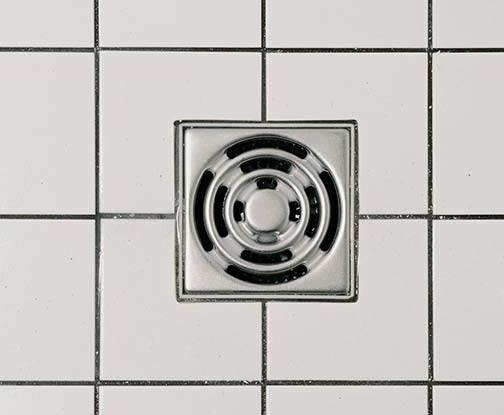
Slow drains usually happen from soap, hair, or food buildup. Start with hot water poured slowly down the drain. This often loosens residue. If the water still drains slowly, use a plunger. Cover the drain fully and press several times gently. Avoid strong force. Remove visible debris with gloves if possible. Never use chemical drain cleaners. They can damage pipes and cause burns. After clearing the drain, run water for a minute to test it. If clogs return often, stop trying to fix the drain troubles and report the issue.
Running Toilets
A running toilet often means the tank is not sealing properly. Remove the tank lid carefully and place it somewhere safe. Look inside and check the chain connected to the flush handle. If it is tangled or too loose, adjust it so the flapper closes fully after flushing. Flush once to test it. If the water keeps running, stop and notify your landlord. Do not replace parts without permission. Running toilets waste water quickly, so early action matters.
Small Leaks Under Sinks
If you notice moisture or a small puddle under a sink, act fast. Place a bucket underneath to catch drips. Dry the area with a towel and check the pipe connections by hand. If one feels loose, tighten it slightly. Do not use tools unless approved. Never force connections. After tightening, wait and watch for a few minutes. If water continues to appear, take photos and report it right away. Small leaks can damage cabinets and flooring if ignored.
When Professional Help Is the Smart Choice
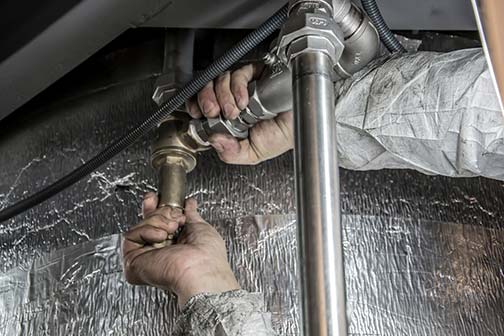
Some signs mean it is time to ditch quick plumbing fixes and call for help. Water stains on ceilings need attention. Repeated clogs signal deeper issues. Low water pressure throughout the unit suggests a system problem. Frozen pipes require expert care. In these cases, contact your landlord or a licensed plumber. If you need guidance, reach out to local professionals for reliable support and advice. Fast reporting helps reduce damage and repair time.
Conclusion: What Renters Must Know About Quick Plumbing Fixes
Plumbing issues do not need to feel overwhelming. When you notice early signs, act instead of waiting. Knowing quick plumbing fixes helps you protect your space and stay calm. Use basic tools, check plumbing early, and respect your limits. Clear communication and fast response make a big difference. Renting becomes easier when you feel prepared. Small actions today will prevent bigger problems tomorrow.