A major problem affecting the day-to-day operations of businesses, especially during the rainy season, is flooding. A flooded parking lot or driveway will discourage customers from coming to your office, says InterWest Properties Management team. It can create difficult working conditions for your staff.
To prevent such problems, commercial properties usually have storm drains in their yards. Storm drains protect the business by diverting excess rainwater from the yard into the city’s stormwater channels. But storm drains only do this when they are properly maintained.
How storm drains work
Everyone has seen a storm drain before, but most people don’t know how it works, and how our everyday actions affect the function of the storm drain. Before outlining the steps to maintain your storm drains, it is essential to help you understand how storm drains work.
What is a storm drain?
A storm drainage system is a lot more than the grated/open curb and yard drain you see at crosswalks, street corners, or on your property. This part is just the visible portion of a huge system that is made up of catch basins, channels, and underground pipes.
The job of this vast system is to collect excess rainwater or runoff from other sources and move the water through an underground pipe network to nearby water bodies. Storm drains are critical for the protection of private and public property. They provide the following benefits:
- Prevent flooding and keep water from pooling near the foundation of buildings.
- Prevent erosion by minimizing soil saturation.
- Help to preserve the structural integrity of buildings.
- Keep in-ground swimming pools from overflowing.
- Ensure the smooth operation of the businesses in a commercial property.
Common storm drain issues in commercial properties
- Improper grading
If the ground is not properly graded, water will pool near the storm drain or other parts of the yard instead of flowing into the storm drain. This design flaw can cause other major issues.
- Blocked/clogged drains
Leaves, grass clippings, plastics, trash, silt, and other debris can block the opening of a storm drain and clog its underground pipes. This will cause flooding, bad odors, and overflows.
- Tree root intrusion
Tree roots can intrude into and damage your storm drains. If tree roots find a way into the storm drain, you will experience slow drainage, leaks, flooding, and other issues.
- Sinkholes
Sinkholes near a storm drain are caused by chronic flooding and water pooling. They are also caused by leakages inside the storm drain and tree root intrusion.
- Collapsed storm drain
A leaky or blocked storm drain may discharge water into the surrounding areas until the soil loses its stability. This can cause the storm drain to lose its support and collapse.
How to maintain your storm drain
Firstly, here is a list of things you should NEVER do to your storm drain:
- DO NOT dump leaves, grass clippings, chemicals, dog poop, or other litter into the storm drain. Only rainwater should go into the storm drain.
- DO NOT get rid of yard debris by hosing it. Instead, use a broom.
- DO NOT dump used motor oil or vegetable oil into the storm drain
- DO NOT keep yard debris near the drain. Wind and rain may transport it into the drain.
- DO NOT dispose of packaging materials and so-called “flushable” items in the storm drain.
For optimally functional storm drains, follow these steps:
- Inspect and fix covers
Inspect the drain covers on a schedule to make sure they are not clogged with dirt. If the cover is damaged, fix or replace it.
- Remove obstructions
To prevent clogging, remove any vegetation growing near the opening of the storm drain. Also, do not erect walls or fences near your yard’s drainage areas.
- Clean gutters and downspouts
Any debris in your gutters and downspouts can eventually find its way into the storm drain. Clean gutters and downspouts to protect your storm drains.
- Service the storm drain annually
This is the most crucial step for the structural integrity and function of your storm drain. To service the drain, a professional plumber will do the following:
- Clear away the debris and vegetation near the drain opening.
- Remove the drain cover to access the drain and inspect it for damage.
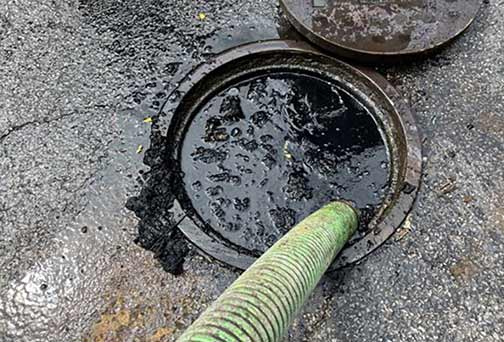
- Clear out the debris inside the basin with a shovel or vacuum.
- Inspect the termination point of the drainage to make sure it is in good shape.
- Flush the entire system – using professional hydro jetting or sewer rodding services – in order to clear out the leftover debris within the line and unclog the pipes.
- Replace the termination and drain covers.
Following these steps will ensure you get the full benefits of the storm drains on your premises. Storm drains are meant to protect your business operations from unnecessary disruptions. But you can only get those benefits when you maintain the storm drains properly.