
Homeowners often assume that basement smells always point to mold, but many other issues can create stubborn odors. These problems hide in plumbing lines, storage corners, or ignored appliances. They grow stronger with humidity or a shift in airflow. When you understand the unexpected causes of basement odors, you can stop guessing and start fixing the source with confidence.
Sudden Odors Rising From the Basement
You may notice a sharp or sour scent drifting up from the lower level and assume it comes from mildew. The odor often feels out of place and stronger than anything you expect from normal household activity. Many homeowners ask themselves: What is that smell coming from my laundry room? The scent moves through basement air pockets and does not resemble mold. This confusion grows when the smell spreads toward the stairs or appears after temperature or humidity changes.
Shifts in Air Pressure That Pull Odors From Hidden Spaces
Basements rely on stable airflow. When warm air rises through the upper floors, cooler air pulls into the lowest level. This pressure change can drag scents from crawl spaces, old storage areas, or unused vents. You might catch a strange scent and worry about mold, but airflow shifts often move older odors into open rooms. A sudden draft can push the smell around the basement. The pressure change does not create damage, but it spreads old scents into places where you can smell them clearly.
When the odor becomes strong enough to make the space uncomfortable, some homeowners feel backed into a corner. A sharp, persistent scent can make a basement bedroom, home office, or small rental unit impossible to use, which creates real pressure when plans change fast. In some cases, the issue grows at the worst moment—like when you face a sudden family situation, a lease complication, or an unexpected repair—and you find yourself deciding what to do if you need to leave right away. That’s when basement odors become more than a simple inconvenience and make you consider how to move out at the last minute without adding more stress.
If this happens, focus on quick steps: open windows to release the odor, use a portable fan to pull fresh air into the room, and check the nearest vents or storage corners for obvious odor sources. These simple actions buy time while you arrange transportation, gather essentials, or contact a professional. Handling the smell fast helps you stay steady during a moment when every minute matters.
Old Furniture and Stored Items Holding Past Scents
Basements often become the final stop for aging furniture and forgotten belongings. These items collect moisture, dust, and fabric scents over long periods. Sofas, wood cabinets, and boxes release odors when temperatures rise. The smell can mimic mold, but the true cause sits inside the materials.
Humidity forces trapped scents out of the fabric. Wood absorbs and releases moisture with each season. When these pieces sit near vents or heaters, the odor becomes stronger. Moving or rotating storage often reveals the source in seconds.

Laundry Machines With Poor Drainage
Washers and utility sinks sit close to the basement drains. When drainage slows or traps dry out, the smell travels fast. You may expect a sour odor to signal mold, but poor drainage creates sharper, heavier scents. The source often hides in a pipe, filter, or trap.
This issue grows when washers run often. Warm water and detergent leave residue that clings to drain lines. In addition, if the trap dries, sewer gas escapes and spreads through the room, which creates a basement smell that feels aggressive and confusing.
Plumbing Vents That Fail to Move Air
A plumbing vent keeps pressure balanced in your pipes. When it becomes blocked, pressure pushes sewer odors indoors. This scent surprises homeowners because it rises through the lowest level first. Many do not expect the basement to be the starting point.
Problems inside a vent line can spread strange scents throughout the home. You may sense rotten or metallic notes. These issues often connect to early symptoms of drain trouble, even when the drains still function. The smell can disappear for days and then return suddenly.
Damp Concrete and Poor Sealing
Concrete absorbs water from the ground beneath the home. When the basement floor lacks proper sealing, the concrete releases a musty scent that mimics mold. This odor feels earthy and heavy. It often grows stronger after rain or snowmelt.
Warm air can pull moisture from the concrete, releasing the scent faster. Homeowners sometimes confuse this with a leak or spill. The odor fades when humidity drops, but it returns when temperatures shift.
Aged Insulation That Breaks Down
Some basements still contain older insulation made from materials that decay over time. When insulation breaks down, it emits a dry, dusty scent that spreads through walls and ceiling spaces. This odor grows stronger with airflow changes or temperature swings.
You may find that the scent becomes more noticeable at night. Warm air from the upper floors pushes the scent downward. That often leads homeowners to check for mold even though the problem sits in aging insulation fibers.
Unused Bathrooms With Dry Traps
Many homes have a basement bathroom that sees little use. When the sink, shower, or toilet sits unused, the water inside the trap evaporates. Once it dries, the line opens to the sewer system. The odor is strong and unfamiliar, and it often spreads into nearby rooms. Some homeowners confuse this with the unexpected causes of basement odors, because the scent feels sharp and surprising.
Running water through the fixture resets the trap. Odors disappear within minutes. Homeowners often fear mold when they first smell it, but the fix is simple and fast.
Water Heaters and Boilers With Mineral Buildup
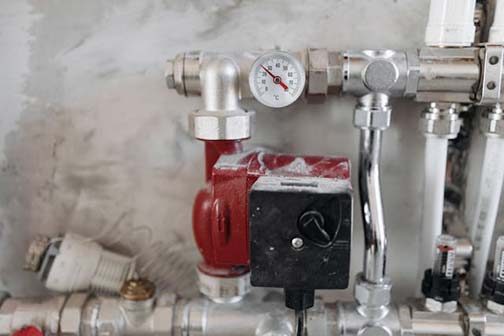
Older water heaters and boilers collect mineral deposits inside the tank. When these minerals heat, they release metallic or sulfur-like scents. The smell drifts through the basement and feels sharp. Many people misread it as mold because it grows stronger with heat.
This issue can surprise homeowners who do not expect plumbing problems to affect air quality. Many worry about repair costs and work to budget for unexpected plumbing repairs long before they learn the true cause of the odor.
The Role of Low Air Circulation in Odor Buildup
Basements trap scents easily when the air flow stops moving. Stagnant air allows natural household smells to sit in one place. These odors mix into something heavier. Even clean basements develop a stale scent when new air cannot replace old air.
Using fans or improving ventilation often reduces the problem. Air movement prevents odors from settling into carpets, furniture, or open storage bins. Many homeowners forget that a basement requires the same airflow as the upper floors.
Basement Smells That Have Nothing to Do With Mold
Understanding the unexpected causes of basement odors helps you narrow down the true source. Many smells imitate mold even when the cause sits far from moisture. Basements act as collection points for air from every corner of the home. This flow carries scents from pipes, heaters, storage, and vents. Once you track each source, you can remove the odor with simple steps.
Some homeowners find that a small change fixes the problem. Adjusting airflow, sealing concrete, or clearing a drain trap often ends the issue entirely. These fixes stop the odor at the source and prevent confusion when the scent appears again.
How to Address the Unexpected Causes of Basement Odors Effectively
Basement odors confuse many homeowners. They expect a mold issue, but discover something completely different. When you understand the unexpected causes of basement odors, you can stop guessing and start addressing the true source. Airflow, plumbing, stored items, and old appliances can all create scents that feel unusual.