Tag Archives: what to know about tankless water heaters

Tankless Water Heaters: The Smart Upgrade You Didn’t Know You Needed

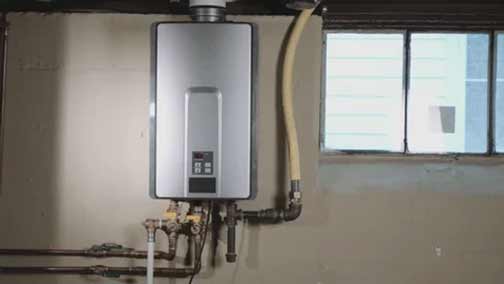
a tankless water heater installation

If you’ve ever run out of hot water mid-shower or watched your energy bills climb every winter, it might be time to rethink your water heating system. Tankless water heaters, also known as on-demand water heaters, are transforming the way homeowners approach hot water, offering efficiency, convenience, and long-term savings. Here’s why upgrading to a tankless system might be the smartest home improvement you’ve never considered.


What Is a Tankless Water Heater?

In contrast to traditional water heaters that store gallons of hot water in a tank, tankless water heaters heat water only when you need it. When you turn on the faucet, cold water flows through the device and is heated up immediately, providing you with an endless hot water supply.

This on-demand system does away with the need for storage tanks, conserves energy lost heating water round the clock 24/7, and allows residents to enjoy hot water at their beck and call 24/7 with no interruption—whether during rush periods.


Major Benefits of Tankless Water Heaters

1. Endless Hot Water

One of the biggest annoyances of conventional water heaters is to run out of hot water during a shower or when washing clothes. Tankless water heaters provide hot water as needed, so multiple family members can shower and appliances can run simultaneously without interruption.

2. Energy Efficiency and Lower Bills

Tankless water heaters are far more energy-efficient since they only heat water when required. According to the U.S. Department of Energy, the switch to a tankless system can save households as much as 30% in water heating costs. Over time, this savings can pay for the initial installation cost, so it is an affordable upgrade.

3. Compact, Space-Saving Design

Since they lack a heavy tank, tankless water heaters are lightweight and can be installed within small rooms, basements, garages, or even wall hooks. Due to this, they are ideal for small houses or apartments where there is little space.

4. Longer Lifespan

Traditional water heaters have a typical lifespan of 10–15 years, while tankless water heaters can last 20 years or more with proper maintenance. This longer lifespan translates into fewer replacement and wastage costs, which makes tankless water heaters a sound long-term investment.

5. Eco-Friendly Option

With reduced energy usage and reduced wastage of water, tankless water heaters are environmentally friendly. For individuals who are concerned about leaving minimal carbon footprints, switching to an on-demand system is the right way to go.


Types of Tankless Water Heaters

Electric Tankless Water Heaters

Electric models are compact, easier to install, and ideal for small to medium-sized families. They tend to have lower up-front costs but may require electrical upgrades in some homes.

Gas Tankless Water Heaters

Gas models (natural gas or propane) are powerful and efficient, and can supply hot water for larger households. Installation may be more complicated, but they have faster recovery times and can support higher water flow rates.


How to Choose the Right Tankless Water Heater

Selecting the right tankless water heater requires considering several factors:

Household Size: The larger the family, the greater flow rate is needed to provide instant hot water demand at the same time.

Hot Water Usage: Consider showers, washing clothes, washing dishes, and appliances utilizing hot water.

Fuel Type: Electric or gas based on home setup, energy cost, and desire.

Installation Requirements: Some models require venting or upgraded plumbing, so professional installation is a must.


Installation: Why Professional Help Matters

Installation matters to ensure your tankless water heater operates efficiently and safely. Professional, licensed plumbers can:

  • Correctly size your system for your home’s hot water needs.
  • Install safely, considering electrical, gas, and plumbing factors.
  • Optimize the system for energy efficiency.

Improper installation can lead to decreased efficiency, ongoing maintenance issues, or even damage to the unit. Investing in professional tankless water heater installation ensures your system performs at its best.


Maintenance Guidelines for Tankless Water Heaters

Tankless water heaters do not need maintenance but will require some care to ensure long-term performance:

Descale on Schedule: Mineral buildup from hard water may happen. Descale the system every year to avoid clogging.

Clean the Filter: Some models come with a water filter that will have to be cleaned every few months.

Check Venting: For gas models, keep venting clear for safe use.

Schedule Professional Checkups: A yearly checkup may detect problems early and prolong the lifespan of your system.


Common Misconceptions About Tankless Water Heaters

Myth 1: They Won’t Provide Hot Water to More Than One Fixture at a Time
Modern tankless water heaters come in whole-house systems that can supply hot water to multiple fixtures simultaneously.

Myth 2: They Are Too Expensive
While tankless units are more expensive to install than traditional heaters, energy efficiency, longer system life, and reduced maintenance make them more cost-effective in the long run.

Myth 3: They Are Hard to Use
Following installation, tankless water heaters operate just like their traditional counterparts—simply turn on the faucet for hot water.


FAQs About Tankless Water Heaters

Q: How long do tankless water heaters last?
A: With proper maintenance, tankless water heaters will last 20 years or more, while conventional tank-type units last for 10–15 years.

Q: Can I install a tankless water heater on my own?
A: Professional installation is strongly advised to ensure correct sizing, sufficient venting, and safe performance.

Q: Will a tankless water heater save me money?
A: Yes. Tankless models are more efficient, consuming up to 30% less power, which decreases your monthly cost in the long run.

Q: Are tankless water heaters environmentally friendly?
A: Yes. They save on energy waste and water waste, so they’re a more environmentally friendly choice.


Is a Tankless Water Heater Right for You?

If you’re tired of running out of hot water, want to reduce energy costs, or simply want a modern, space-saving solution, a tankless water heater is a smart upgrade. With endless hot water, increased efficiency, and a longer lifespan, it’s an investment that pays off year after year.

Going tankless is more than a convenience—it’s a home improvement that pays off over the long run, increases comfort, saves money, and is friendlier to the environment.
Switch Smart: Transitioning to a Tankless Water Heater

Understanding the Benefits of Tankless Water Heaters: A Modern Solution

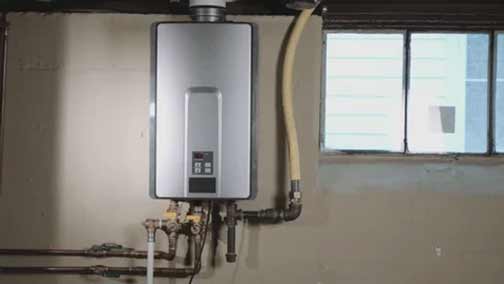
a freshly installed tankless water heater

Tankless water heaters, often referred to as on-demand water heaters, are rapidly gaining popularity due to their innovative design and efficiency. Unlike traditional water heaters that store and heat water continuously, tankless models heat water directly as it flows through the unit. This approach provides hot water only when needed, ensuring a continuous supply without the energy waste associated with maintaining a reservoir of hot water. This efficiency not only reduces energy consumption but also translates into cost savings over time. In addition to their energy-saving benefits, tankless water heaters are compact, freeing up valuable space in your home. They offer a modern solution for households looking to optimize their energy usage while enjoying the convenience of an endless hot water supply.

Choosing the Right Tankless Water Heater for Your Home: Key Considerations

Selecting the right tankless water heater is a critical step in transitioning from a traditional system. Several factors should be considered to ensure you choose a model that fits your household’s needs. First, assess the size of your household and your water usage patterns. A larger family with higher hot water demands will require a unit with a higher flow rate. Additionally, consider the climate in your area, as this can affect the heater’s efficiency. Consulting with a professional can provide valuable insights into selecting a heater with the appropriate flow rate and efficiency rating. It’s also important to choose the right fuel type—electric or gas—as this decision impacts both the installation process and long-term operating costs. Each fuel type has its advantages and considerations, so understanding your home’s infrastructure and energy goals will guide your choice.

Preparing for Installation: Essential Steps and Considerations

The installation of a tankless water heater requires careful preparation. Unlike traditional heaters, tankless units often necessitate modifications to your home’s plumbing and electrical systems. Before proceeding with installation, ensure that your home is equipped to support the new system. This may involve upgrading gas lines, increasing electrical capacity, or modifying plumbing layouts. Hiring a water heater installation specialist is advisable, as they can assess your home’s infrastructure and make necessary adjustments to comply with local building codes and safety standards. Proper preparation not only ensures a smooth installation process but also maximizes the efficiency and safety of your new system.

Installation Process: A Step-by-Step Guide to Success

The installation of a tankless water heater involves several key steps. Initially, the old water heater is removed, and any necessary adjustments to your plumbing and electrical systems are made. The new unit is then securely mounted to the wall and connected to both the water and power supply. Testing the system is a crucial step to ensure it operates efficiently and safely. A professional installer will check for leaks, verify temperature settings, and ensure that the unit is functioning correctly before completing the installation. This thorough process ensures that your tankless water heater is ready to provide reliable and efficient hot water for years to come.

Maintenance Tips for Longevity and Efficiency: Keeping Your System in Top Shape

Regular maintenance is essential to maximize the lifespan and efficiency of your tankless water heater. Routine tasks include cleaning the unit to remove mineral buildup, checking filters, and inspecting the venting system for obstructions. It’s recommended to schedule annual maintenance checks with a professional to ensure optimal performance. Additionally, staying informed about the manufacturer’s guidelines and warranty conditions can help you address any issues promptly and effectively. By maintaining your system properly, you can enjoy consistent hot water and energy savings over the long term.

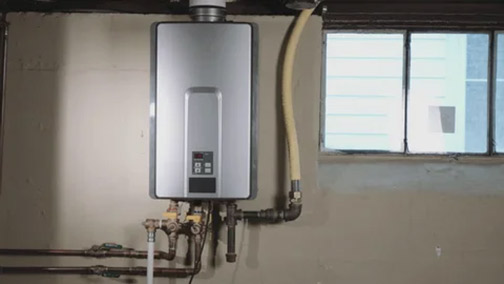
a professionally installed tankless water heater

By considering both the upfront costs and the long-term benefits, you can make an informed decision that aligns with your financial and energy goals.

Cost Considerations: Balancing Initial Investment with Long-Term Savings

While the initial cost of a tankless water heater can be higher than that of a traditional model, the long-term savings are significant. Tankless heaters are more energy-efficient, reducing monthly utility bills. Additionally, their longer lifespan and lower maintenance requirements can offset the initial investment over time. It’s important to factor in these savings when evaluating the overall cost of transitioning to a tankless system. By considering both the upfront costs and the long-term benefits, you can make an informed decision that aligns with your financial and energy goals.

Environmental Impact: Choosing a Tankless Water Heater for a Sustainable Future

Choosing a tankless water heater is not only beneficial for your household but also for the environment. By consuming less energy and reducing greenhouse gas emissions, tankless heaters contribute to a more sustainable future. Their compact design also minimizes material usage and waste. For environmentally conscious homeowners, transitioning to a tankless system aligns with green living principles and supports efforts to reduce carbon footprints. By making this choice, you are not only enhancing your home’s efficiency but also contributing to a healthier planet.

Common Challenges and Solutions in Transitioning: Overcoming Obstacles with Ease

Switching to a tankless water heater can present challenges, such as initial installation complexity and adapting to new technology. However, these can be overcome with proper planning and professional guidance. Understanding potential issues, such as fluctuating water temperatures or inadequate flow rates, can help you address them effectively. Engaging with experienced technicians and utilizing online resources can provide solutions and ensure a smooth transition. By anticipating challenges and preparing accordingly, you can enjoy the benefits of your new system without unnecessary complications.

Future-Proofing Your Home with Tankless Technology: Embracing Innovation

Investing in a tankless water heater installation is a step towards future-proofing your home. As technology advances, these systems are becoming increasingly efficient and adaptable. By choosing a tankless heater, you are preparing your home for future innovations in energy efficiency and smart home integration. Staying informed about new developments in tankless technology can help you make the most of your investment and keep your home at the forefront of modern energy solutions. Embracing this technology not only enhances your home’s efficiency but also positions you to take advantage of future advancements.

Conclusion: Making the Switch with Confidence and Assurance

Transitioning to a tankless water heater is a smart choice for homeowners seeking efficiency, sustainability, and modern convenience. With careful selection, professional installation, and regular maintenance, you can enjoy the benefits of endless hot water and reduced energy costs. By understanding the process and preparing adequately, you can make the switch with confidence, ensuring a seamless transition to a more efficient and future-ready home. Embrace the change and enjoy the numerous advantages that a tankless water heater brings to your household.

Why Tankless Water Heaters Are a Worthy Investment: Six Benefits to Consider

Why Tankless Water Heaters Are a Worthy Investment

The Evolution of Water Heating Systems: From Tanks to Tankless

Water heating systems have undergone significant advancements over the decades, reflecting the growing demand for efficiency and sustainability in modern households. Traditional tank water heaters have long dominated the market, primarily due to their simplicity and reliability. However, they come with limitations such as energy inefficiency and the constant need to maintain a large volume of heated water, even when not in use. As technology advanced, the introduction of tankless water heaters marked a significant shift in how we think about water heating. These systems represent the evolution of water heating technology, offering innovative solutions that cater to the modern consumer’s needs for efficiency, space-saving, and environmental consciousness.

Understanding Tankless Water Heaters: A Revolutionary Approach

Tankless water heaters, also known as on-demand water heaters, operate without the need for a storage tank. Instead, they heat water directly as it flows through the unit, providing hot water only when needed. This innovative approach to water heating offers numerous benefits, making it an attractive option for homeowners and businesses alike. By eliminating the need for a storage tank, these systems provide a more compact and energy-efficient solution. Understanding the mechanics and benefits of tankless water heaters is crucial for appreciating why they are becoming a preferred choice for many consumers seeking efficiency and reliability in their water heating systems.

Energy Efficiency: A Key Benefit of Tankless Water Heaters

One of the most compelling reasons to invest in a tankless water heater installation is its superior energy efficiency. Unlike traditional water heaters that continuously heat and reheat water to maintain a constant temperature, tankless systems only heat water when required. This on-demand operation significantly reduces energy consumption, leading to lower utility bills and a smaller carbon footprint. The U.S. Department of Energy estimates that tankless water heaters can be 24% to 34% more energy-efficient than conventional storage tank heaters for homes that use 41 gallons or less of hot water daily. This efficiency not only translates to cost savings but also contributes to environmental sustainability by reducing energy waste and greenhouse gas emissions.

Space-Saving Design: Maximizing Your Living Space

Another notable advantage of tankless water heaters is their compact design. Traditional water heaters with large storage tanks can take up considerable space, often requiring a dedicated utility room or closet. In contrast, tankless units are much smaller and can be installed in various locations, such as on a wall or in a small cabinet, freeing up valuable floor space. This space-saving feature is particularly beneficial for smaller homes or apartments where maximizing living space is crucial. By opting for a tankless water heater, homeowners can make better use of their available space, enhancing the functionality and aesthetics of their living environment.

Longevity and Durability: A Long-Term Investment

Investing in a tankless water heater also means benefiting from its impressive longevity and durability. On average, tankless water heaters have a lifespan of 20 years or more, compared to the 10 to 15 years typical of traditional tank heaters. This extended lifespan translates into fewer replacements over time, offering a better return on investment. Additionally, tankless systems are less prone to the corrosion and sediment buildup that can plague tank-based heaters, resulting in fewer maintenance issues and repairs. The durability of tankless water heaters makes them a smart choice for those seeking a reliable and long-lasting solution for their hot water needs.

tankless water heaters provide endless hot water
For households with high hot water demands, the ability of tankless water heaters to provide a consistent and endless supply of hot water is a significant advantage.

Consistent and Endless Hot Water Supply: Meeting High Demand

For households with high hot water demands, the ability of tankless water heaters to provide a consistent and endless supply of hot water is a significant advantage. Traditional tank heaters can run out of hot water during peak usage times, leading to inconvenient waits for the tank to refill and reheat. In contrast, tankless systems heat water on demand, ensuring a continuous flow of hot water for showers, dishwashing, laundry, and more, without the risk of running out. This feature is particularly beneficial for larger families or homes with multiple bathrooms, where hot water demand can be substantial.

Environmental Impact: A Greener Choice for Sustainability

In addition to their energy efficiency, tankless water heaters contribute to environmental sustainability by reducing greenhouse gas emissions. Their on-demand operation minimizes wasted energy, and many models are designed to be compatible with renewable energy sources such as solar power. By choosing a tankless water heater, homeowners can play a role in reducing their environmental impact and promoting a more sustainable future. The adoption of tankless technology aligns with global efforts to reduce carbon footprints and conserve energy, making it a responsible choice for eco-conscious consumers.

Financial Incentives and Rebates: Making the Switch Affordable

Many governments and utility companies offer financial incentives and rebates to encourage the adoption of energy-efficient appliances, including tankless water heaters. These incentives can significantly offset the initial cost of purchasing and installing a tankless system, making it a more affordable option for many homeowners. By taking advantage of these programs, consumers can enjoy the benefits of a tankless water heater while also reducing their upfront investment. The availability of financial incentives makes it easier for homeowners to transition to more efficient and sustainable water heating solutions.

Considerations Before Making the Switch: Evaluating Your Needs

While the benefits of tankless water heaters are clear, there are several factors to consider before making the switch. The initial cost of a tankless system can be higher than that of a traditional tank heater, although this is often offset by long-term energy savings and rebates. Additionally, the installation of a tankless water heater may require upgrades to the home’s electrical or gas systems, depending on the model chosen. It’s also important to consider the hot water needs of your household. While tankless systems are ideal for smaller homes or those with moderate hot water demands, larger households may require multiple units to ensure an adequate supply of hot water during peak usage times. Speaking with a professional water heater installer can help determine the best solution for your specific needs.

Conclusion: A Smart Investment for the Future

In conclusion, tankless water heaters offer a range of compelling benefits that make them a worthy investment for many homeowners. Their energy efficiency, space-saving design, durability, and ability to provide endless hot water make them an attractive alternative to traditional tank heaters. By considering the advantages and potential challenges, homeowners can make an informed decision about whether a tankless water heater is the right choice for their needs. As technology continues to advance and the focus on sustainability grows, on-demand water heaters represent a smart investment for the future, offering both immediate and long-term benefits. Whether you’re looking to reduce energy costs, save space, or contribute to a greener environment, a tankless water heater is a valuable addition to any home.