Tag Archives: what to do if a pipe bursts

What to Do If a Pipe Bursts: Quick Actions for Chicago Weather

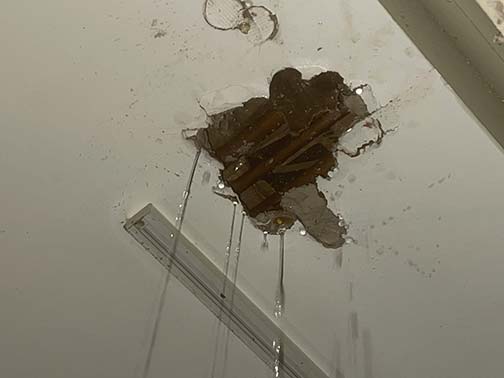
a burst pipe emergency in chicago

A burst water pipe in your home can happen for many reasons. The most common ones are aging and freezing. In Chicago, burst water pipes are a common occurrence in winter because subzero temperatures increase the risk to your plumbing —an issue that homeowners and renters alike face, from Midwest cities to Portland housing solutions designed to help residents maintain safe and functional living spaces.

Depending on where it happens, a burst water pipe can cause massive water damage to your home. But you can reduce the impact of this plumbing emergency if you know what to do and take quick action to control the situation.

Here are the steps to follow if you find a burst water pipe inside your home.

  1. Shut off the water supply

Your number one priority should be to stop more water from being discharged into your home. Do this by turning off the water either at the dedicated shut-off valve for the broken pipe or your main water shut-off valve. In most homes, you can find the main water shut-off valve in the basement, utility room, or outside, near the point where the main water line enters your home.

  1. Turn off the electricity

If there is even a remote chance that the water will come into contact with a power outlet or appliance, turn off the electricity to the affected area. If it is not possible to turn off the power to that section of your home, turn off the power supply to the entire home. When doing this, avoid touching the water if you suspect that it may have come into contact with electricity. Protect yourself; wear rubber shoes and gloves or call an electrician.

  1. Contain the water

Place a bucket under the broken pipe to catch dripping water and open all the cold water faucets in your home to allow any water left inside the pipes to drain. Move your furniture and all valuables out of the affected area to prevent water damage. To stop the water from spreading into other parts of your house, roll up towels, bedspreads, and similar items and place them in the path of the water to block its flow.

  1. Notify your insurance company

Do not wait till you have sorted out the emergency to inform your insurance company. Do it as soon as you have some breathing space. No need to have all the answers before calling the company, and you do not need to explain the cause of the burst pipe in your home. Simply notify them of the incident. Your insurer may send an expert to your home to determine the cause of the accident and the extent of damage.

  1. Document the damage

Before attempting to fix the damage and clean up your home, get out your smartphone and do a video recording of the scene. Make sure the burst pipe, your flooded floors, and any damaged items are captured in the video. Add narration to the video to give it context and help capture your emotions in the moment. This video will become very useful when filing your insurance claims later.

  1. Mop up the water

Use mops and rags to soak up the water on the floor of your home. If you have a wet/dry vacuum, or you can borrow/rent one, it will make the job faster. If there is a lot of spilled water in the area, scoop it into a bucket with a bowl or dustpan. Dry up as much of the water as possible. If there are wet items or badly damaged items in the area, like carpets and rugs, remove them from the house.

  1. Call an emergency plumber

When dealing with a burst pipe, you want a plumber who will visit your home at short notice and solve the issue in time. Emergency plumbers are trained and equipped for these kinds of situations. They are available 24/7 and will arrive at your home with the right parts to fix the damaged pipe. When talking to the plumber, do not forget to ask them how long it will take them to reach your home.

  1. Ventilate and dry the area

To prevent further damage to your home, dry the affected areas as quickly as possible. Open all windows to improve air flow through your home. If you have a fan, space heater, or dehumidifier in the house, set it up inside the room to dry it faster. If parts of your baseboards, drywalls, and insulation are damaged, the affected sections will have to be cut out.

  1. Hire a water damage restoration service

To reduce the risk of future structural weakness and mold, have a water damage restoration service access your home and recommend ways to fully dry out the building. This ensures that any moisture trapped within the structures of your building will be removed. Neglecting this step can put the long-term structural soundness of your home at risk.

Finally, work with your plumber to reveal the near and remote causes of the pipe burst and take steps to prevent a repeat of the problem in the future.
Expert Tips for Handling Frozen Water Pipes in Chicago Buildings

Expert Tips for Handling Frozen Water Pipes in Chicago Buildings

Understanding the Causes of Frozen Water Pipes in Chicago Buildings

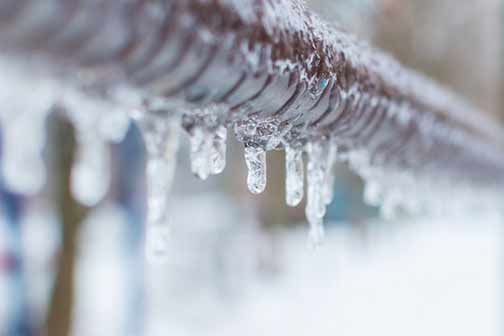
In Chicago, the winter months bring frigid temperatures that can cause water pipes to freeze. Understanding the primary causes of frozen water pipes is crucial for preventing and addressing this issue. The most common causes include inadequate insulation, exposure to cold air, and sudden drops in temperature. Buildings with older plumbing systems are particularly vulnerable, as they may lack the necessary insulation to protect pipes from freezing. Additionally, pipes located in unheated areas such as basements, attics, and garages are more susceptible to freezing.

Another contributing factor is poor building design that does not account for the extreme cold. For instance, pipes installed in exterior walls or inadequately heated spaces are at higher risk. Moreover, during periods of prolonged cold, even insulated pipes can freeze if the insulation is insufficient or damaged. Understanding these causes helps homeowners and building managers take appropriate preventive measures.

Identifying the Signs of Frozen Water Pipes

Early identification of frozen water pipes can prevent significant damage and costly repairs. Some common signs that your pipes may be frozen include a sudden drop in water pressure, strange noises coming from the pipes, and visible frost on the pipes. If you notice any of these signs, it is essential to take immediate action to prevent the pipes from bursting. In severe cases, you may also notice water leaks or pooling water around the affected area.

Additionally, if you turn on a faucet and only a trickle of water comes out, it is a strong indication that the pipe may be frozen. In some instances, the affected pipe may be visibly bulging or have cracks, signaling that the ice inside is exerting pressure on the pipe walls. Recognizing these signs early can help you address the problem before it escalates into a more severe issue.

Thawing Techniques for Frozen Water Pipes

Thawing frozen water pipes requires careful attention to avoid causing further damage. Here are some expert-recommended techniques for safely thawing frozen pipes:

  • Using a Hair Dryer: One of the safest methods for thawing frozen pipes is using a hair dryer. Start by applying heat to the section of the pipe closest to the faucet and work your way towards the frozen area. This method allows the water to flow out as it thaws, reducing the risk of pressure buildup and bursting.
  • Applying Heat Tape: Heat tape is an effective tool for thawing frozen pipes. Wrap the heat tape around the frozen section of the pipe and plug it in. The tape will gradually warm the pipe and melt the ice inside.
  • Using a Space Heater: Placing a space heater near the frozen pipe can help thaw it. Ensure the heater is positioned at a safe distance from flammable materials and never leave it unattended.
  • Warm Towels: Soaking towels in hot water and wrapping them around the frozen pipe can also help thaw it. Replace the towels with fresh hot ones as they cool down.

It is important to avoid using open flames or high-intensity heat sources, such as blowtorches, as these can damage the pipes and create a fire hazard. Additionally, always keep the faucet open while thawing the pipe to allow the water to flow out as it melts, reducing the risk of pressure buildup.

Preventative Measures to Avoid Frozen Water Pipes

Preventing frozen water pipes is more effective and less costly than dealing with the aftermath. Here are some preventative measures to consider:

  • Insulating Pipes: Proper insulation is key to preventing pipes from freezing. Use pipe insulation sleeves or heat tape to protect pipes in unheated areas.
  • Sealing Gaps: Seal any gaps or cracks in walls, floors, and ceilings that allow cold air to reach the pipes. Use caulk or spray foam to fill these gaps.
  • Maintaining a Consistent Temperature: Keep your building’s thermostat set to a consistent temperature, even when you’re away. A minimum temperature of 55°F is recommended to prevent pipes from freezing.
  • Dripping Faucets: Allowing faucets to drip slightly can prevent pipes from freezing. The continuous flow of water helps relieve pressure and reduces the risk of freezing.
  • Opening Cabinet Doors: Open cabinet doors under sinks to allow warm air to circulate around the pipes.

Additionally, during extremely cold weather, consider using space heaters in areas where pipes are most vulnerable. Regularly check for and repair any leaks in the plumbing system, as even small leaks can contribute to freezing. Ensuring your building is well-insulated overall can also help maintain a stable indoor temperature and protect your pipes.

a burst pipe

Prompt action can help mitigate the extent of the damage and reduce the overall repair costs.

What to Do If a Pipe Bursts

If a pipe bursts, immediate action is necessary to minimize water damage and repair costs. Follow these steps:

  • Shut Off the Water Supply: Locate the main water shut-off valve and turn it off to stop the flow of water.
  • Drain the System: Open all faucets to drain the remaining water from the pipes.
  • Call a Professional Plumber: Contact a licensed plumber to assess the damage and perform the necessary repairs.
  • Document the Damage: Take photos and document the damage for insurance purposes.
  • Clean Up: Begin the cleanup process to prevent mold and further damage. Use towels, mops, and wet/dry vacuums to remove excess water.

Ensure that you also turn off the electricity in the affected area to prevent electrical hazards. If the burst pipe is in a wall or ceiling, you may need to remove the damaged drywall to access the pipe and allow the area to dry properly. Prompt action can help mitigate the extent of the damage and reduce the overall repair costs.

Long-Term Solutions for Preventing Frozen Water Pipes

Implementing long-term solutions can provide peace of mind and protect your plumbing system from future freeze-related issues. Consider the following:

  • Upgrading Insulation: Invest in high-quality insulation for pipes, walls, and attics. This will help maintain a stable temperature and reduce the risk of freezing.
  • Installing Frost-Free Faucets: You should replace outdoor faucets with frost-free versions to prevent freezing and bursting.
  • Heat Trace Systems: Install heat trace systems on vulnerable pipes. These systems use electric heating cables to maintain the temperature of the pipes.
  • Annual Maintenance: Schedule annual maintenance checks with a professional plumber to inspect and service your plumbing system. This can help identify potential issues before they become major problems.

Consider also upgrading to more modern plumbing materials that are less prone to freezing and bursting. For example, PEX (cross-linked polyethylene) pipes are more flexible and can better withstand freezing temperatures compared to traditional copper or PVC pipes. Regularly updating your plumbing pipe system and staying informed about the latest technologies and best practices can significantly reduce the risk of frozen pipes.

To Conclude

Handling frozen water pipes in Chicago buildings requires a combination of preventative measures, timely interventions, and long-term solutions. By understanding the causes and signs of frozen pipes, utilizing effective thawing techniques, and implementing preventative strategies, you can protect your plumbing system from the harsh winter conditions. Regular maintenance and upgrades to your insulation and plumbing infrastructure will further ensure that your pipes remain freeze-free, providing peace of mind and avoiding costly repairs. Stay proactive and prepared to keep your building’s plumbing system in optimal condition throughout the cold months.

Ultimately, the key to managing frozen water pipes lies in a proactive approach. By taking the necessary steps to insulate, maintain, and monitor your plumbing system, you can significantly reduce the likelihood of encountering frozen pipes. Education and awareness are also crucial, as understanding the risks and knowing how to respond can make all the difference in preventing and mitigating damage. With the right knowledge and preparation, you can ensure that your Chicago building remains safe and functional, even during the coldest winter months.