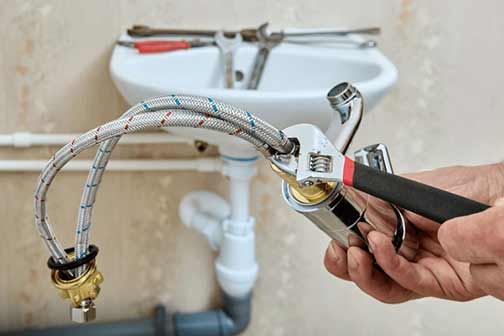
The plumbing fixtures in your Chicago home should not be chosen solely for their utility. Maybe because they are one of the first things people see when they enter your kitchen or bathroom, plumbing fixtures bring a quiet appeal to your home that is hard to replicate with other home features, says 33 Management company.
At the same time, gaudy plumbing fixtures can also draw too much attention to themselves. They make it look like you are trying too hard to impress visitors. Ideally, you want the quality and elegance of your home’s plumbing fixtures to be apparent yet understated at the same time.
How do you reach this delicate balance between attention-grabbing and inconspicuous plumbing fixtures? How can you make the plumbing fixtures in your Chicago home visually appealing while being easy to use, long-lasting, and contributing to water conservation?
Think of the following factors before buying plumbing fixtures for your home;
- Your home’s style and design
Design refers to the layout and structural aspects, while style denotes the aesthetic choices that create the home’s overall look and feel. The plumbing fixtures you choose must complement both the design and style of your home.
- Maintain visual harmony: Create a consistent appearance using complementary finishes across bathrooms and the kitchen. In contemporary settings, default to minimalist designs with clean lines. If working in an older home, fixtures with larger proportions work better.
- Size and placement: Faucet handles, for instance, should be proportionate to the size of sinks. All fixtures should have sufficient clearance for ease of use.
- The function of the fixtures
Practical considerations should not be overlooked in favor of aesthetic appeal.
- Consider your needs: How is water used in the space, and how many people will use the fixture? This question considers not only the fixture’s location but also its capacity, convenience, and operation.
- Practicality and ease of use: Touchless faucets minimize germ transmission and require less cleaning. With pull-out sprayers, you have flexibility and superior reach. Showerheads with adjustable spray patterns can satisfy the needs of different users. Low-flow faucets and showerheads help to conserve water and save money.
- Materials and durability
The type of materials you choose plays a role in the appearance and longevity of your plumbing fixtures. It is also a huge factor in how much maintenance they need. All materials have unique pros and cons.
- Brass fixtures offer antimicrobial properties with exceptional durability and a high price tag.
- Stainless steel is resistant to corrosion and will maintain its appearance with minimal care.
- Chrome is durable and affordable but fairly common.
- Bronze is excellent for traditional décor styles because it develops character as it ages.
The right material for your kitchen and bathroom fixtures depends on your home’s style, your budget, and the materials’ maintenance needs.
- Water efficiency
Water-efficient plumbing fixtures – from high-efficiency toilets to low-flow showerheads and faucets – help you conserve water and save money while making your home more attractive to potential buyers. When buying these fixtures:
- Consider flow rate: The fixtures should save water without diminishing the satisfaction of users. Pay attention to each fixture’s flow rate and efficiency.
- Look for the WaterSense label: Fixtures that carry this label have been tested and certified by the EPA to use at least 20% less water than standard models. They will do this without affecting performance.
- Ease of maintenance
If it is a lot of work to maintain a plumbing fixture, that fixture may lose its visual appeal in the eyes of the owner. Plumbing fixtures that are easy to clean save you money and time. Things to consider include:
- The material and finish: Fixtures that are corrosion and wear-resistant are better. If a fixture is not prone to water spots, that is a plus. Fixtures with smooth surfaces are easier to clean.
- Accessible features: The internal components of a fixture should be easy to access for maintenance and repair. Avoid fixtures with hard-to-reach areas.
- Costs and savings
This is not just about the dollar cost of buying the item. It includes the long-term cost of owning it (maintenance) and potential savings. Quality plumbing fixtures with higher upfront costs often result in more long-term savings.
Quality fixtures also help you make money by improving the market value of your home. When buying a plumbing fixture, balance the cost of the item against the potential savings from that purchase. Remember that low-priced fixtures may need to be replaced prematurely.
- Installation
Can you install the plumbing fixture yourself, or do you have to hire a professional? Will the fixture work with your existing plumbing or require extensive modifications?
- Check for compatibility: For instance, wall-mounted faucets may require the water lines to be moved. Does the existing plumbing impose limitations on your options?
- City plumbing codes: Ensure compliance with the Chicago Plumbing Code. If you plan to modify the plumbing, think of the required permits.
Finally, it is a good idea to get professional guidance when planning an upgrade of the plumbing fixtures in your home. A qualified Chicago plumber will adopt a more holistic approach that can help you maximize the function and appeal of your new fixtures while avoiding future troubles.