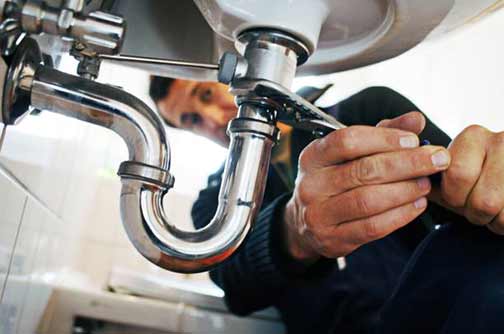
The plumbing is one of the systems in your home that you interact the most with. Whether you are taking a shower, cooking, dish-washing, doing the laundry, or watering your garden, at least one of the plumbing fixtures in your home will be involved, says Keyrenter Folsom Management.
The plumbing is also probably the most-vast system in your house; in all likelihood, it takes up more space than the electrical or HVAC systems. Consequently, there are more opportunities for things to go wrong with the plumbing in your Chicago home.
From minor issues like leaking faucets, running toilets, or clogged showerheads to major problems like clogged drains, overflowing toilets, and sewage odors in the home, these are potential problems that can happen to your plumbing. How do you prevent them?
The best way to keep your plumbing in good working condition while keeping your maintenance costs low is through timely maintenance. It is easier to prevent a plumbing problem in your home than it is to correct that problem after it has happened.
10 preventive maintenance tips for your plumbing
- Routine inspections
Regular plumbing inspections help you detect changes in your plumbing before those issues cause problems. These inspections should be done monthly, and you don’t have to hire a professional plumber to do them. This is a surface-level inspection that involves careful examination of all the accessible plumbing pipes, fixtures, and appliances in your home.
- Professional plumbing inspections
This should be done once a year by a licensed plumber. These inspections are more detailed. During a professional plumbing inspection, your plumber will do a detailed assessment of your pipes (whether those pipes are easily accessible or hidden behind your walls or flooring). He/she will test for leaks, water pressure issues, and signs of aging or impending trouble.
- Routine and professional drain cleaning
Weekly or at least once a month, use vinegar, baking soda, salt, hot water, boron, and other well-known home remedies to clear out your drains. Once a year or once every two years, you also want to get a professional plumber to clean your drains and sewer line using either hydro jetting or sewer rodding.
- Ensure proper use of your drains
Most drainage problems in your home are caused by misuse of the drains. It is unavoidable that debris will build up inside your drains. However, this process is accelerated by trashing eggshells, coffee grounds, cat litter, and similar materials in the drains. To protect your plumbing, you must know what not to put inside your drains.
- Protect your garbage disposal
Despite its name, your garbage disposal is not for disposing of garbage. Trashing stuff like pasta, rice, fibrous veggies, and FOG (fats, oils, and grease) in the sink and expecting the garbage disposal to take care of them is one of the quickest ways to damage the appliance and clog your drains.
- Install drain strainers
Install drain strainers on shower and sink drains. A drain strainer will catch hair, soap scum, and other debris in the shower, preventing them from entering your drains. In the kitchen, they keep food debris out of the garbage disposal unit. When installing a drain strainer, ensure it is the right size for the drain and easy to clean.
- Maintain your water heater
All kinds of problems can happen to your water heater. The pipes may leak or clog, the anode rod can corrode, the heating element could stop working, and the tank may fill with debris. Any of these problems can impact your family’s access to hot water, but with routine inspections, you can prevent all of them.
- Insulate your pipes
Insulating exposed pipes in unheated areas of your home helps to prevent frozen or burst pipes in your home. It is easier to insulate pipes than to deal with the hassle of frozen or burst pipes. During freezing weather, pipes in the following areas of your home are most vulnerable: attics, crawlspaces, basements, garages, cabinets, and underneath sinks.
- Avoid chemical drain cleaners
When dealing with clogged drains in your home, chemical drain cleaners feel like a god-sent. But frequent use of chemical drain cleaners will damage your pipes. Moreover, these products do not remove the debris inside your pipes; they just punch a hole through them. Eventually, your pipes will clog, and you will have to clean them properly.
- Emergency preparedness
Know the warning signs of plumbing problems in your home and the right steps to minimize the impact of those problems. Familiarize yourself with the location of the different shut-off valves in your home. Make sure your family knows the location and purpose of the main water shut-off valve, as well as how to use it.
Finally, find an experienced and reliable local plumber. Even if the plumbing in your home is old, a good plumber can help you get the best out of them. However, you cannot be sure of optimal performance from even the best plumbing system if that plumbing is maintained by a second-rate plumber.