Tag Archives: water quality

How Local Water Quality Affects Your Plumbing Over Time

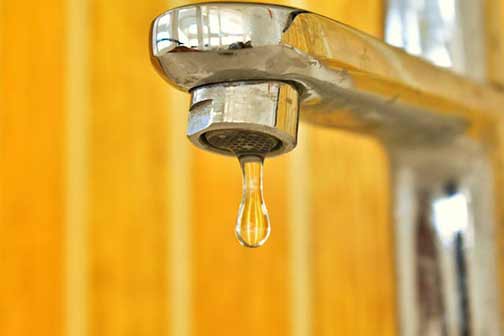
A close-up of water dripping out of a faucet

When you first move in somewhere, you probably don’t even think twice about the water and plumbing maintenance. It looks fine, doesn’t smell weird, and hey, it makes decent coffee. What more do you need, right? But after a few months, you’re wrestling with the faucet just to turn it on. Your shower decides it wants to be a sprinkler system instead. And that crusty white buildup is taking over your kettle like some kind of mineral invasion. That’s when you realize your local water quality affects your plumbing. But how — and what can you do about it? 

What Makes Water “Hard” or “Soft”?

So here’s the thing — water isn’t just water. I know, mind-blowing, right? It depends on your location. If your water has minerals like calcium and magnesium, you’ve got hard water. Otherwise, it’s soft water. But before you get too excited, “soft” doesn’t automatically mean “great for your pipes”. If it’s also acidic, it’ll gradually damage your pipes over time, and you’ll have to repipe at least some of it, or everything.

How Damage Builds Up Over Time

Your pipes aren’t going to quit on you overnight. At first, it’s just little things. The faucet feels cranky, or your dishwasher is taking suspiciously long to fill up. You’ll probably shrug it off because, honestly, it’s not such a big deal.

But behind the scenes, those sneaky minerals are slowly taking up more space in your pipes. In a few months or years, “little things” turn into actual headaches. Pipes get clogged and crack under pressure. Your fixtures start aging in dog years. 

Unfortunately, you usually don’t realize how bad things have gotten until you see a leak or notice low shower pressure. By then, the damage has probably been done.

How You Can Test What’s in Your Water

You don’t need to guess. You can test your water at home using basic kits from the hardware store. These tests show hardness, pH, and sometimes chlorine levels. For a deeper look, send a sample to a certified lab.

If you’re renting, ask your landlord for recent test results. Some cities also publish water quality reports online. But remember, those reports don’t show what happens between the street and your faucet. That’s your job to figure out.

What You Can Do About It

Once you know how local water quality affects your plumbing, you’ve got options. If the water’s hard, consider installing a softener. If it’s acidic, you can add a neutralizer to raise the pH. Under-sink filters help with taste and odor, but they won’t protect your pipes.

If your plumbing is old, even perfect water won’t help. Galvanized pipes rust inside over time. When you’re moving into a new place, it’s smart to inspect those pipes early and budget for your move to include the cost of water treatment if needed.

How It Adds Up Over the Years

Let’s say you stay in one place for a while. After a few years, scale builds up in your showerhead. Your kettle crusts over. Your water heater becomes less efficient, and your pipes start to clog. You flush the system and end up with buckets of mineral sludge.

That’s the long-term effect of hard water. It ruins appliances, damages plumbing, and leaves you with big repair bills. This is where local water quality affects your plumbing the most. Subtly, over time, until something breaks.

What to Say If You’re Renting

You don’t have to stay quiet. If you see crusty faucets, rusty water, or discoloration, speak up. Tell your landlord. Ask when the system was last inspected. Show them test results if needed.

You have every right to request action, especially if your water could damage property or affect your health. Landlords don’t want burst pipes or lawsuits. Make it about cost and safety, not just comfort.

What Local Geography Tells You 

Want to play detective? Just look around. Living on limestone? Yeah, you’ve probably got hard water. Near a swamp or river delta? Your water’s likely soft but a little acidic. Whatever’s in the ground is also coming out of your tap.

Your neighbors are a great early warning system for water quality. If everyone’s always replacing water heaters or has those big softener tanks, hard water is a long-term issue. Also, swing by the plumbing supply store. Those guys have seen it all and know exactly what issues your local water tends to cause.

And don’t forget about the climate. Live somewhere dry? Those minerals get extra concentrated. Coastal area? Salt might be sneaking into the water supply. Mountain town? That snowmelt looks clean, but it’s packed with minerals.

The Real Cost of Doing Nothing

Ignoring water quality issues means pouring some serious money down the drain. A new water heater? That’s easily $1,500-$3,000. Repiping even part of your house? Try $3,000-$10,000. And let’s not even get into emergency plumber calls at 3 in the morning.

Compare that to a decent water softener or filtration system, which runs maybe $500-$2,000 upfront. Yeah, it seems like a lot right now, but it’s a home improvement that serves as insurance for everything else. Your future self and your wallet will thank you for not just waiting for disaster.

Why You Should Act Before It’s Too Late

Look, your water may seem innocent — clear, tastes fine, does its job. But maybe it’s quietly messing with your pipes, water heater, and fixtures. It could be leaving mineral deposits or slowly eating away at everything.

You don’t have to go crazy and rip out all your plumbing tomorrow. But maybe don’t just ignore it either? Get your water tested, throw in some filters, and pay attention.

Here’s the thing about plumbing — it doesn’t wake up one day and explode. It gives you little hints for months, maybe years, before it finally gives up. The trick is catching those hints before you’re dealing with a flooded basement and a massive repair bill.

How to Improve Your Water Quality By Repiping Your Home

How to Improve Your Water Quality By Repiping Your Home

Having clean and safe water is crucial for the health and well-being of your family. Over time, older pipes in your home can corrode, leading to water quality issues and potential health risks. Repiping your home can be an effective solution to improve the water quality throughout your house. This article will guide you through the process of repiping your home to enhance your water quality and ensure a healthier living environment.

Understanding the Importance of Water Quality

Before diving into the repiping process, it is essential to understand the significance of water quality. Poor water quality can be harmful to your health, causing issues such as gastrointestinal problems, respiratory infections, and skin irritations. Additionally, contaminated water can damage household appliances and plumbing fixtures, leading to costly repairs or replacements.

By having your home professionally repiped, you can eliminate the risks associated with aging and corroded pipes, ensuring the delivery of clean, fresh water to every faucet.

Signs that Repiping is Needed

Recognizing when it’s time to repipe your home is crucial to prevent any further water quality deterioration. Look out for the following signs:

  • Low water pressure: If you notice a significant drop in water pressure, it may indicate corroded pipes that restrict water flow.
  • Frequent leaks: Aging pipes are more prone to leaks. If you find yourself dealing with frequent leaks, it may be time to consider repiping.
  • Discolored water: Rusty or discolored water coming from your taps is a sign of corroded pipes that require replacement.
  • Foul odor or strange taste: Unpleasant odors or tastes are indicators of impurities in your water supply.

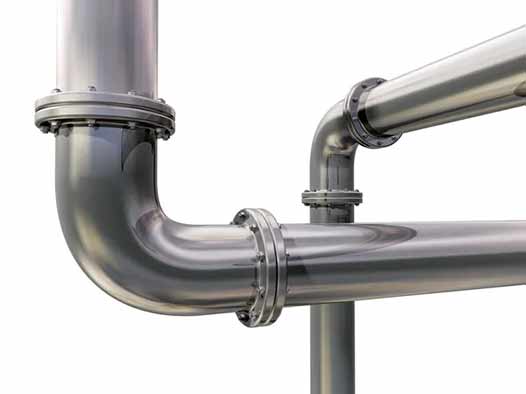
a plumbing contractor finalizing plans.

When selecting a plumber, consider their experience, qualifications, and reputation. It’s also important to verify if they are licensed, insured, and offer warranties for their work.

Hiring a Professional Plumber

Repiping your home is a complex task that requires the expertise of a professional plumber. When selecting a plumber, consider their experience, qualifications, and reputation. It’s also important to verify if they are licensed, insured, and offer warranties for their work. A reliable plumber near you will assess your home’s plumbing system, determine the extent of repiping needed, and provide you with an accurate cost estimate.

Choosing the Right Pipes

Selecting the appropriate pipes for your repiping project is vital for ensuring better water quality and longevity. Two popular options are:

1. Copper Pipes: Copper pipes are known for their durability, resistance to corrosion, and ability to maintain water quality. While they may be more expensive upfront, they are considered a long-term investment due to their lifespan of 50+ years.

2. PEX Pipes: Cross-linked polyethylene (PEX) pipes are a flexible and cost-effective option. They are resistant to corrosion and offer better insulation, reducing the risks of temperature-related issues.

The Repiping Process

The repiping process involves careful planning and execution. Here are the key steps involved:

  • Assessment: A professional plumber will inspect your existing plumbing system to determine the extent of repiping required. This helps in creating a detailed plan for the project.
  • Preparation: This involves clearing the work area, shutting off the water supply, and ensuring the safety of your belongings.
  • Demolition: Removal of the old pipes is conducted, taking care to minimize any damage to the surrounding infrastructure.
  • Installation: The new pipes are carefully installed, following the pre-defined plan. This stage requires expertise to ensure proper connections and functionality.
  • Finishing touches: Once the new pipes are in place, the plumber will perform pressure tests to identify any potential leaks. They will also reconnect fixtures, appliances, and ensure proper functioning.

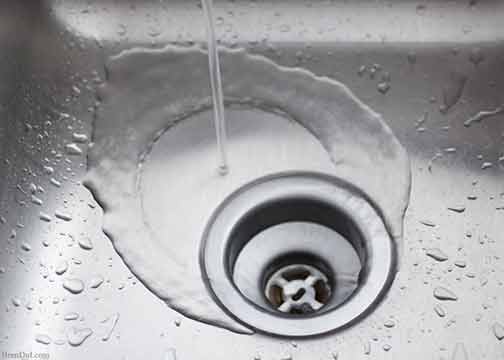
a freshly unclogged kitchen sink drain.

Eliminating corroded pipes ensures cleaner and healthier water for drinking, cooking, and bathing.

Benefits of Repiping

Repiping your home offers numerous benefits, including:

  • Improved water quality: Eliminating corroded pipes ensures cleaner and healthier water for drinking, cooking, and bathing.
  • Enhanced water pressure: Repiping allows for optimal water flow, resulting in increased water pressure throughout your home.
  • Prevention of costly repairs: Investing in repiping eliminates the need for frequent repairs caused by leaks or pipe bursts, saving you money in the long run.
  • Increased property value: Upgrading your plumbing system by repiping can increase the value of your home.

Maintaining Water Quality After Repiping

While repiping greatly improves your water quality, it’s essential to follow these maintenance tips to ensure long-lasting results:

  • Regular inspections: Schedule periodic inspections to detect any potential issues early.
  • Water filter installation: Install a water filtration system to remove impurities and further enhance water quality.
  • Prevent chemical damage: Avoid pouring harsh chemicals down your drains, as they can damage the pipes and affect water quality.

To Sum It Up

Improving your water quality by repiping your home is a significant investment that guarantees better health, increased property value, and peace of mind. By understanding the signs indicating the need for repiping, hiring a residential plumber, selecting the right pipes, and following proper maintenance practices, you can achieve long-lasting and reliable water quality throughout your home.