Understanding the Importance of Water Line Replacement
Water line replacement is part of the important home maintenance that often goes unnoticed until something goes wrong. As a homeowner, understanding the importance of water line replacement and the need to perform it regularly can save you from paying a fortune in repairs and even water damage. Water lines supply clean water to your household, and anything that goes wrong can lead to severe inconvenience and health risks. Regular water line maintenance and prompt replacement of water lines are required to keep your home’s water supply safe and functional.
Additionally, old or damaged water lines can result in leaks, which not only waste water but also drive up your utility costs. In other instances, the leaks can result in structural damage to your home, resulting in more costly and major repairs. By making water line replacement a priority, you safeguard your home from such threats and contribute to water conservation. Understanding when and why to replace your water lines empowers you to make knowledgeable decisions that help keep your property secure while protecting the environment as well.
Identifying Signs of Water Line Difficulty
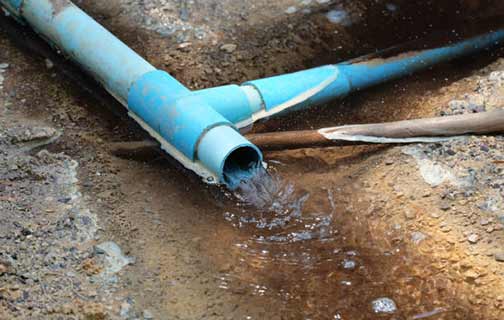
Detecting signs of water line issues early on can prevent more serious issues. Common signs include sudden water pressure loss, sudden increase in your water bill, soggy areas on your lawn, or discolored water from your faucets. If you notice any of these signs, it may be time to have your water line inspected. Detecting these signs early on can save you from more damage and more expensive maintenance down the road.
Apart from these signs, strange noises such as bubbling or hissing sounds from your pipes also indicate that there is something wrong. Such noises typically point to air or water leaking from a broken pipe. Another indicator is a persistent moldy odor, which could be a sign of mold growth resulting from a hidden leak. Being vigilant to these indicators allows you to address upcoming issues before they turn into serious concerns, ensuring the longevity and efficiency of your water supply system.
Assessing the Demand for Water Line Replacement
Not all water line problems need to be replaced completely. Minor repair may sometimes do the trick. But if your water lines are old, rusty, or composed of outmoded materials such as lead or galvanized steel, replacement may be the best alternative. A professional plumber can also offer a better idea of whether a replacement is needed or not. They can evaluate the state of your water lines and suggest the most suitable action.
When determining whether you need replacement, it’s also worthwhile to take into account the age of your plumbing system. The older the system, the more likely it is to have leaks and other malfunctions. Also, if you find that you’re having plumbing issues repeatedly, it could be more economical in the long term to replace the whole system instead of making repeated repairs. A proper inspection by a professional plumber will help you weigh the repair and replacement costs and advantages so that you can make a smart choice for your property.
Employing the Appropriate Materials for Water Line Replacement
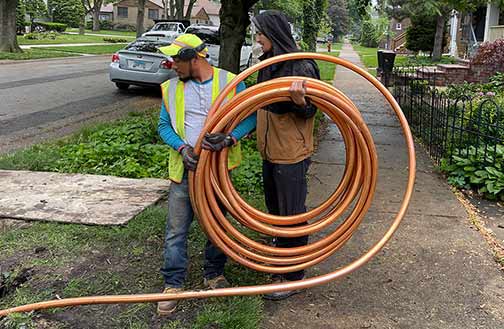
When putting in new water lines, the right materials are key to longevity and safety. Choices today are copper, PEX (cross-linked polyethylene), and PVC (polyvinyl chloride). All have advantages and disadvantages. Copper is durable and bacteria-killing, PEX is flexible and easy to install, and PVC is cheap and corrosion-proof. A professional will help you choose the ideal material for your specific use.
It is recommended to consider the climatic conditions of your region, water quality, and budget in deciding the material. For instance, copper pipes are recommended for places that have high water pressure, while PEX works better for areas prone to freezing temperatures as it is flexible. Additionally, considering the environmental impact of the material will enable you to select greener alternatives. By closely considering these factors, you can be sure that your new water lines will be working efficiently for your home for years to come.
Learning About the Water Line Replacement Process
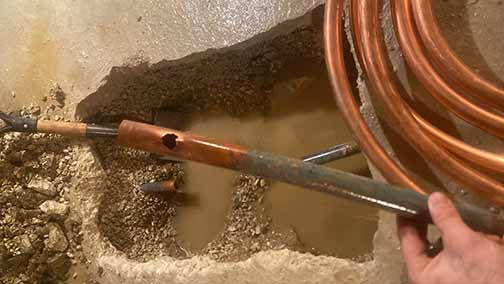
Water line replacement is a process that comprises a number of steps ranging from planning and excavation to installation and restoration. The process starts by conducting a proper analysis of the current water lines in order to establish the scope of replacement required. Next, the area around the water lines is carefully excavated without damaging other utilities. The new water lines are next set into place with an assurance that they meet all safety and regulatory standards. Finally, your property is restored to its previous condition, with little or no disruption to your property.
All along, proper communication with your plumber is crucial. They will guide you through every step of the process, explaining what’s happening and answering all your questions to your satisfaction. Understanding the time factor and likely problems involved in replacement ensures proper preparation and a seamless transition. Being aware and engaged can assist you in scheduling a successful water line replacement that enhances the safety and efficiency of your home’s water supply.

Professionals possess the equipment, expertise, and training to deal with the intricacies of water line replacement.
Cost Impacts for Replacing Water Line
Replacement of the water line is a costly investment but a necessary one to guarantee the safety and functionality of the water supply. The cost will vary based on the length of the line, materials used, and difficulty in installation. While it is a nice idea to take the cheapest option, spending a bit more on quality materials and skilled labor can prevent future issues and be worth it in the long run.
For efficient management of costs, it’s advisable to get a number of quotes from reputable plumbing experts. This enables you to shop around for service and cost, ensuring value for money. In addition, there are homeowners who can get financing and rebates, particularly if they use eco-friendly materials. By tapping into these, you can obtain the replacement of the water line at a reduced expense without lowering the quality and durability.
Hiring a Professional for Water Line Replacement
Although some homeowners might want to try to do a water line replacement on their own, hiring a professional plumber is usually the safest and most effective solution. Professionals possess the equipment, expertise, and training to deal with the intricacies of water line replacement. They can also guarantee that the installation follows all local codes and regulations, which brings about peace of mind and ensures your investment.
When hiring a professional, ensure you verify their credentials and experience. Look for licensed and insured plumbers who have a history of successful water line replacements. Reading reviews from customers and referrals from friends or family can also help you get a good plumber. By contracting the job to a professional, you can be certain your lead water line replacement is handled safely and efficiently with little potential for future problems.
Preventive Measures to Extend the Life of Your Water Lines
After replacing your water lines, taking preventive measures can help extend their lifespan and prevent future issues. Regular inspections, maintaining proper water pressure, and avoiding chemical drain cleaners are all effective strategies. Additionally, being mindful of what goes down your drains can prevent clogs and reduce stress on your water lines.
Regular maintenance is necessary so that problems can be identified in advance. There includes leak tests, water pressure checks, and ensuring that all fittings are fine. By repairing minor problems early, you prevent them from developing into extensive repair work. In addition, making your household members aware of correct water usage can also make your water lines long-lasting and environmentally friendly.
Familiarity with Local Regulations and Permits
Before installing a replacement for a water line, it is necessary to be aware of local codes and permits. Most places have set codes regarding water line installations in order to ensure safety and protect the environment. Getting assistance from a professional plumber with knowledge of the local codes can help in fulfilling those requirements.
Obtaining the right permits and adhering to local codes is key to a good replacement job. If you do not adhere to these conditions, you can be fined or obliged to redo the work. With a professional who is experienced, you can have your water line replaced legally and to the highest of standards and have peace of mind and protect your investment.
The Environmental Impact of Water Line Replacement
Water line replacement can have environmental implications, primarily concerning water conservation and waste. Becoming green through materials and processes can minimize the effect on the environment. Further, replacing corroded and leaking pipes can conserve water and reduce the overall water usage of your home, contributing to a greener future.
When you are planning your replacement of the water line, take it upon yourself to apply green methods such as recycling of the old plumbing materials and selecting energy-efficient means of installation. These efforts can significantly reduce the environmental footprint of your project. By prioritizing sustainability, you not only benefit your home but contribute to greater environmental conservation efforts, which will ensure a healthier world for future generations.
Conclusion: Empowering Homeowners with Knowledge
Water line replacement is one of the most important elements of homeownership that requires genuine thought and planning. Knowing water line issues, selecting proper materials, and employing professionals can assist homeowners in benefiting from a safe and reliable water supply. Learning about these steps not only protects your home but also guarantees the general health and well-being of your family. Remain informed, proactive, and prepared to overcome any water line issue that could occur.
Being a homeowner, being proactive to know about water line replacement will lead to informed decisions that enhance the safety, efficiency, and sustainability of your home. Being proactive and engaged, you can be capable of managing the problems of water line maintenance and replacement without intimidations, and you will have a reliable and safe water supply for years to come.