Tag Archives: water line replacement

Water Line Replacement 101: Essential Knowledge for Homeowners

Water Line Replacement 101

Understanding the Importance of Water Line Replacement

Water line replacement is part of the important home maintenance that often goes unnoticed until something goes wrong. As a homeowner, understanding the importance of water line replacement and the need to perform it regularly can save you from paying a fortune in repairs and even water damage. Water lines supply clean water to your household, and anything that goes wrong can lead to severe inconvenience and health risks. Regular water line maintenance and prompt replacement of water lines are required to keep your home’s water supply safe and functional.

Additionally, old or damaged water lines can result in leaks, which not only waste water but also drive up your utility costs. In other instances, the leaks can result in structural damage to your home, resulting in more costly and major repairs. By making water line replacement a priority, you safeguard your home from such threats and contribute to water conservation. Understanding when and why to replace your water lines empowers you to make knowledgeable decisions that help keep your property secure while protecting the environment as well.

Identifying Signs of Water Line Difficulty

Detecting signs of water line issues early on can prevent more serious issues. Common signs include sudden water pressure loss, sudden increase in your water bill, soggy areas on your lawn, or discolored water from your faucets. If you notice any of these signs, it may be time to have your water line inspected. Detecting these signs early on can save you from more damage and more expensive maintenance down the road.

Apart from these signs, strange noises such as bubbling or hissing sounds from your pipes also indicate that there is something wrong. Such noises typically point to air or water leaking from a broken pipe. Another indicator is a persistent moldy odor, which could be a sign of mold growth resulting from a hidden leak. Being vigilant to these indicators allows you to address upcoming issues before they turn into serious concerns, ensuring the longevity and efficiency of your water supply system.

Assessing the Demand for Water Line Replacement

Not all water line problems need to be replaced completely. Minor repair may sometimes do the trick. But if your water lines are old, rusty, or composed of outmoded materials such as lead or galvanized steel, replacement may be the best alternative. A professional plumber can also offer a better idea of whether a replacement is needed or not. They can evaluate the state of your water lines and suggest the most suitable action.

When determining whether you need replacement, it’s also worthwhile to take into account the age of your plumbing system. The older the system, the more likely it is to have leaks and other malfunctions. Also, if you find that you’re having plumbing issues repeatedly, it could be more economical in the long term to replace the whole system instead of making repeated repairs. A proper inspection by a professional plumber will help you weigh the repair and replacement costs and advantages so that you can make a smart choice for your property.

Employing the Appropriate Materials for Water Line Replacement

When putting in new water lines, the right materials are key to longevity and safety. Choices today are copper, PEX (cross-linked polyethylene), and PVC (polyvinyl chloride). All have advantages and disadvantages. Copper is durable and bacteria-killing, PEX is flexible and easy to install, and PVC is cheap and corrosion-proof. A professional will help you choose the ideal material for your specific use.

It is recommended to consider the climatic conditions of your region, water quality, and budget in deciding the material. For instance, copper pipes are recommended for places that have high water pressure, while PEX works better for areas prone to freezing temperatures as it is flexible. Additionally, considering the environmental impact of the material will enable you to select greener alternatives. By closely considering these factors, you can be sure that your new water lines will be working efficiently for your home for years to come.

Learning About the Water Line Replacement Process

Water line replacement is a process that comprises a number of steps ranging from planning and excavation to installation and restoration. The process starts by conducting a proper analysis of the current water lines in order to establish the scope of replacement required. Next, the area around the water lines is carefully excavated without damaging other utilities. The new water lines are next set into place with an assurance that they meet all safety and regulatory standards. Finally, your property is restored to its previous condition, with little or no disruption to your property.

All along, proper communication with your plumber is crucial. They will guide you through every step of the process, explaining what’s happening and answering all your questions to your satisfaction. Understanding the time factor and likely problems involved in replacement ensures proper preparation and a seamless transition. Being aware and engaged can assist you in scheduling a successful water line replacement that enhances the safety and efficiency of your home’s water supply.

professional water line replacement

Professionals possess the equipment, expertise, and training to deal with the intricacies of water line replacement.

Cost Impacts for Replacing Water Line

Replacement of the water line is a costly investment but a necessary one to guarantee the safety and functionality of the water supply. The cost will vary based on the length of the line, materials used, and difficulty in installation. While it is a nice idea to take the cheapest option, spending a bit more on quality materials and skilled labor can prevent future issues and be worth it in the long run.

For efficient management of costs, it’s advisable to get a number of quotes from reputable plumbing experts. This enables you to shop around for service and cost, ensuring value for money. In addition, there are homeowners who can get financing and rebates, particularly if they use eco-friendly materials. By tapping into these, you can obtain the replacement of the water line at a reduced expense without lowering the quality and durability.

Hiring a Professional for Water Line Replacement

Although some homeowners might want to try to do a water line replacement on their own, hiring a professional plumber is usually the safest and most effective solution. Professionals possess the equipment, expertise, and training to deal with the intricacies of water line replacement. They can also guarantee that the installation follows all local codes and regulations, which brings about peace of mind and ensures your investment.

When hiring a professional, ensure you verify their credentials and experience. Look for licensed and insured plumbers who have a history of successful water line replacements. Reading reviews from customers and referrals from friends or family can also help you get a good plumber. By contracting the job to a professional, you can be certain your lead water line replacement is handled safely and efficiently with little potential for future problems.

Preventive Measures to Extend the Life of Your Water Lines

After replacing your water lines, taking preventive measures can help extend their lifespan and prevent future issues. Regular inspections, maintaining proper water pressure, and avoiding chemical drain cleaners are all effective strategies. Additionally, being mindful of what goes down your drains can prevent clogs and reduce stress on your water lines.

Regular maintenance is necessary so that problems can be identified in advance. There includes leak tests, water pressure checks, and ensuring that all fittings are fine. By repairing minor problems early, you prevent them from developing into extensive repair work. In addition, making your household members aware of correct water usage can also make your water lines long-lasting and environmentally friendly.

Familiarity with Local Regulations and Permits

Before installing a replacement for a water line, it is necessary to be aware of local codes and permits. Most places have set codes regarding water line installations in order to ensure safety and protect the environment. Getting assistance from a professional plumber with knowledge of the local codes can help in fulfilling those requirements.

Obtaining the right permits and adhering to local codes is key to a good replacement job. If you do not adhere to these conditions, you can be fined or obliged to redo the work. With a professional who is experienced, you can have your water line replaced legally and to the highest of standards and have peace of mind and protect your investment.

The Environmental Impact of Water Line Replacement

Water line replacement can have environmental implications, primarily concerning water conservation and waste. Becoming green through materials and processes can minimize the effect on the environment. Further, replacing corroded and leaking pipes can conserve water and reduce the overall water usage of your home, contributing to a greener future.

When you are planning your replacement of the water line, take it upon yourself to apply green methods such as recycling of the old plumbing materials and selecting energy-efficient means of installation. These efforts can significantly reduce the environmental footprint of your project. By prioritizing sustainability, you not only benefit your home but contribute to greater environmental conservation efforts, which will ensure a healthier world for future generations.

Conclusion: Empowering Homeowners with Knowledge

Water line replacement is one of the most important elements of homeownership that requires genuine thought and planning. Knowing water line issues, selecting proper materials, and employing professionals can assist homeowners in benefiting from a safe and reliable water supply. Learning about these steps not only protects your home but also guarantees the general health and well-being of your family. Remain informed, proactive, and prepared to overcome any water line issue that could occur.

Being a homeowner, being proactive to know about water line replacement will lead to informed decisions that enhance the safety, efficiency, and sustainability of your home. Being proactive and engaged, you can be capable of managing the problems of water line maintenance and replacement without intimidations, and you will have a reliable and safe water supply for years to come.
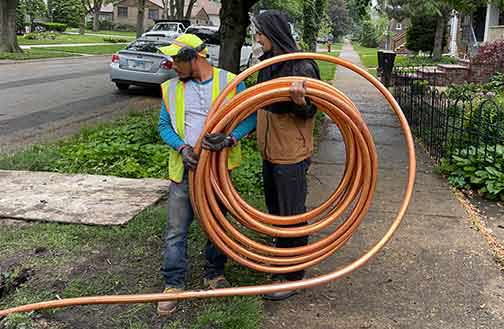
Signs It’s Time to Replace Your Chicago Home’s Water Line

Signs It's Time to Replace Your Chicago Home's Water Line

Understanding the Importance of Your Home’s Water Line

The water line is a critical component of your home’s plumbing system, responsible for delivering clean and safe water to your household. It ensures that you have access to water for drinking, cooking, cleaning, and other essential activities. Without a properly functioning water line, your daily life can be significantly disrupted. Understanding the importance of your water line helps you appreciate the need for regular maintenance and timely replacement to avoid any inconvenience or potential health hazards.

Common Causes of Water Line Damage

Water lines can suffer damage due to various factors. One of the most common causes is the natural wear and tear that occurs over time. As water lines age, they become more susceptible to cracks, leaks, and breaks. Additionally, environmental factors such as soil movement, tree root intrusion, and extreme weather conditions can contribute to water line damage. Corrosion and mineral buildup inside the pipes can also weaken the structure, leading to leaks and reduced water flow. Understanding these common causes can help you take preventive measures to protect your water line.

Visible Signs of Water Line Issues Around Your Property

One of the first indicators of water line problems is visible signs around your property. You may notice wet or soggy areas in your yard, even when there hasn’t been any rain. Puddles or pooling water near the foundation of your home can also be a sign of a leaking water line. Additionally, you might observe water stains or damp spots on walls, floors, or ceilings inside your home. These visible signs should not be ignored, as they can indicate serious underlying issues with your water line that require immediate attention.

Unusual Sounds and Smells Indicating Water Line Problems

Unusual sounds and smells coming from your plumbing system can also be indicative of water line problems. If you hear hissing, bubbling, or gurgling noises when using water fixtures, it could mean there is a leak or air trapped in the water line. Foul odors, such as the smell of rotten eggs or sewage, can suggest contamination or a break in the water line. These auditory and olfactory cues should prompt you to investigate further and seek professional assistance to diagnose and address the issue.

Changes in Water Quality as a Sign of Water Line Issues

Changes in water quality are another important sign that your water line may need replacement. If you notice that your water has a strange taste, odor, or color, it could be a result of contaminants entering the water supply through a damaged water line. Rusty or discolored water, in particular, can indicate corrosion within the pipes. Additionally, if you experience frequent bouts of waterborne illnesses or skin irritations, it may be due to compromised water quality. Ensuring clean and safe water is essential for the health and well-being of your family.

Impact of Water Line Issues on Water Pressure

Low water pressure can be a frustrating issue for homeowners and is often a sign of water line problems. If you notice a sudden drop in water pressure throughout your home, it could be due to a leak or blockage in the water line. Inconsistent water pressure, where the flow fluctuates between strong and weak, can also indicate an issue. Addressing water pressure problems promptly is important to maintain the efficiency of your plumbing system and ensure a consistent water supply for your household needs.

Frequent Plumbing Repairs as an Indicator of Water Line Deterioration

If you find yourself constantly calling a plumber for repairs, it may be a sign that your water line is deteriorating. Frequent leaks, clogs, and other plumbing issues can indicate that the water line is no longer able to function properly. Instead of spending money on repeated repairs, it may be more cost-effective to replace the water line entirely. Investing in a new water line can provide long-term reliability and reduce the need for ongoing maintenance and repairs.

a main water line replacement in chicago

Proactively replacing an old water line can prevent unexpected failures and ensure a continuous supply of clean water to your home.

Considering the Age of the Water Line

The age of your water line is a significant factor in determining whether it needs replacement. Most water lines have a lifespan of 50 to 100 years, depending on the material and environmental conditions. If your home is older and the water line has never been replaced, it may be nearing the end of its useful life. Proactively replacing an old water line can prevent unexpected failures and ensure a continuous supply of clean water to your home.

Professional Inspection and Assessment of Your Water Line

While some signs of water line issues are visible or noticeable, others may require a professional inspection to detect. Hiring a licensed plumber to conduct a thorough assessment of your water line can provide valuable insights into its condition. Professionals use specialized equipment, such as cameras and pressure testing tools, to identify leaks, blockages, and other problems that may not be apparent to the naked eye. Regular inspections can help you catch issues early and make informed decisions about water line replacement.

Choosing the Right Time for Water Line Replacement

Timing is crucial when it comes to replacing your main water line. While emergency situations may necessitate immediate replacement, planning a replacement during a convenient time can minimize disruption to your daily life. Consider factors such as weather conditions, your household’s water usage patterns, and the availability of professional plumbers. Scheduling the replacement during a period of lower water demand, such as the fall or winter months, can help ensure a smoother and more efficient process.

Benefits of Replacing Your Water Line

Replacing your water line offers numerous benefits beyond resolving existing issues. A new water line can improve water quality, ensuring that you have access to clean and safe drinking water. It can also enhance water pressure, providing a consistent and reliable flow throughout your home. Additionally, a new water line reduces the risk of leaks and water damage, protecting your property and saving you money on potential repairs. Investing in a replacement can also increase the overall value of your home.

Hiring a Professional for Water Line Replacement

Water line replacement is a complex and labor-intensive task that requires the expertise of a professional plumber. Hiring a licensed and experienced plumber ensures that the replacement is done correctly and safely. Professionals have the necessary tools, knowledge, and skills to handle the job efficiently. They can also provide valuable advice on choosing the right materials and ensuring compliance with local regulations. Working with a professional gives you peace of mind and confidence in the quality of the replacement.

Preventative Measures for Future Water Line Maintenance

Taking preventative measures can help extend the lifespan of your new water line and prevent future issues. Regular maintenance, such as inspecting for leaks and addressing minor problems promptly, can keep your water line in good condition. Avoid planting trees or large shrubs near the water line to prevent root intrusion. Additionally, consider installing a water softener if you have hard water, as it can reduce mineral buildup and corrosion. By being proactive, you can ensure the longevity and reliability of your water line.

Interested in having your main water line replaced in the Chicagoland area? Contact us today at 773-599-9181 or by form below:

What to Consider When Choosing Between Repairing and Replacing Water Lines in Chicago

What to Consider When Choosing Between Repairing and Replacing Water Lines in Chicago

Water line replacement and repairs are among the most complex and costly plumbing projects you can undertake in your Chicago home. When repairing or replacing your water line, Penny Realty Management warns that if the job is not done right, it can leave you with even bigger problems than you set out to solve.

Unfortunately for many homeowners in Chicago, water line problems are an issue they constantly have to deal with because of aging infrastructure. If your water line is leaking or your home’s water supply is contaminated, maybe it is time to overhaul the line.

But should you repair or replace the damaged water line? That depends on the water line issues you have in your home and how long the problems have been there. It also depends on the steps you have taken to solve past issues. 

In this post, we explain the factors to consider before deciding whether to repair or replace a water line, along with the pros and cons of each option.

Water line repair versus replacement: 4 things to consider

The repair history of the water line

If the records show that your water line has had major problems in the past, there is a chance that it has also been repaired before. As a rule, you only want to repair a water line once. After the first repair, subsequent efforts will cost more money and be less effective. The potential for worse damage increases with each repair. Fixing a water line that has been repaired in the past is not cost-effective.

Age of the water line

If the water line is about or past 50 years old, it makes no sense to repair it. That’s because once a water line goes beyond this threshold, its functionality starts declining rapidly. Older water lines are more brittle, and minor problems with the pipes can easily escalate into major emergencies. Replace your water line if it is close to 50 years. Repair it if it is only 25 years old.

The water line materials

The type of pipes in your water line plays a huge role in your decision to repair or replace the line. If the line is made of lead pipes, replacing the water line is your best option, regardless of the age or condition. Some states and cities even make it illegal to fix lead pipes. In some locations, the only materials legally allowed for main water lines are brass, copper and ductile iron pipes.

The project cost

If the cost of repairing your water line is almost the same as the cost of replacing it, it makes sense to repair the line. As a rule, you want your repair costs to be at least 50%+ lower than your replacement cost. Otherwise, it is better to replace the line. This cost should include the material and labor costs for the entire project.

a water line replacement ready to take place in chicago.

Replacing your water line is a long-term solution. For the next decade, at least, you should not expect any issues with the line.

Pros and cons of repairing your water line

Pros

  • Cost-effective: It will always cost less to repair your damaged water line than it costs to replace it.
  • Less disruptive: The impact on your time, lifestyle and landscaping is minimal if you elect to repair the line.
  • Smaller environmental impact: The volume of waste generated by the repair process is minimal. The impact on the environment is also minor.

Cons

  • Temporary: Repairing the water line is not a long-term fix because the problems may return
  • Potential for future problems: Repairing a water line can predispose it to future problems.
  • Not always an option: If the water line is badly damaged, repairing it may not even be an option.

Pros and cons of replacing your water line

Pros

  • Long-term solution: Replacing your water line is a long-term solution. For the next decade, at least, you should not expect any issues with the line. 
  • Improved performance: Replacing your water line is the best way to deal with all the performance issues plaguing the line.
  • Boost your property value: A new water line is something buyers want to see and are happy to pay more money for.

Cons

  • Costs more money: It costs significantly more money to replace a water line to repair it. Funding the project can be a major challenge.
  • Highly disruptive: Water line replacement involves a lot of excavation. That will often result in damage to your landscaping, driveway and paved walkways. 

To conclude, replacing your water line when the issue can be solved by repairing the line is a waste of money. At the same time, repairing a water line when it should be replaced will force you to spend twice to solve the same problems.

To ensure you choose the right solution for your water line problems, it is vital to have a qualified and experienced professional plumber evaluate the damage to your water line and recommend the most cost effective solution to the problem.

Chicago’s Water Line Replacement Program: A Step Towards Environmental Stewardship

Chicago's Water Line Replacement Program

If you’re a Chicago resident, you might have heard about Chicago’s water line replacement program. It’s becoming a big topic in our community. In simple terms, the city is looking into updating and improving the pipes that bring water to our homes. Over time, our city’s infrastructure, including the water lines, has aged and needs an update. This isn’t just a minor change, though. It has significant benefits for homeowners and the environment. You might wonder why the city decided to take on this project and what it means for you. From reduced water bills to easier plumbing system rehabilitation, let’s get into the details and explore the importance of this program for all of us.

The Popularity of Eco-Conscious Living

In recent years, homeowners have exhibited a growing emphasis on environmentally conscious living. Research conducted by the moving company Helix Transfer & Storage even suggests that more and more people are deciding to move to a new home because they want to live in an area that guarantees better sustainability standards. This shift can be seen in the choices they make, from energy-efficient appliances to sustainable home-building materials. Many are adopting rainwater harvesting systems, solar panels, and energy-saving light fixtures in a bid to reduce their carbon footprint. Additionally, the rise in organic gardening, composting, and recycling at home highlights an increasing responsibility towards sustainable waste management. This eco-conscious approach is not just about immediate cost savings or trendy home makeovers; it’s rooted in a deeper understanding of the long-term impacts of human habits on the environment. 

The modern homeowner is more informed, thanks to easily accessible information and greater awareness. They recognize that their home is not an isolated unit but an integral part of a larger ecosystem and are making efforts to ensure that their abode is harmonious with the environment.

Understanding the Need for the Program

Why has Chicago felt the need for this vast undertaking? The reason is twofold. On the one hand, much of Chicago’s infrastructure, including the water lines, is aging. Some of these systems have been in place for decades, and like all things, they wear out over time. The wear and tear aren’t just a minor inconvenience. Old water lines can pose significant challenges. Many homes in the city are serviced by lead pipes. These pipes, while once standard, are now known to carry potential health risks, especially as they deteriorate. On the environmental front, these older systems can be inefficient. They can leak and waste water, which isn’t good for our bills or the environment.

A large rusted pipe.

The main reason for this initiative is that the local plumbing systems are filled with outdated and rusted pipes.

What the Water Line Replacement Program Entails

So, what exactly is involved in Chicago’s water line replacement program? The city has laid out a well-planned, phased approach for this initiative. Not all areas will see updates simultaneously; instead, the work will be rolled out progressively across different neighborhoods. A team of experts and local contractors have been carefully selected to do the job, ensuring that the work is of high quality and up to current standards. The focus isn’t just on replacing old pipes but on installing newer main water lines. The new lines are expected to be more durable and less prone to problems like leaks. By doing this, the city aims to create a more reliable, safer, and environmentally friendly water system for everyone.

Benefits for the Everyday Homeowner

Now, let’s delve into what this means for you, the homeowner. The promise of enhanced water quality is at the heart of the replacement program. With the removal of old, potentially problematic pipes, residents can expect safer and clearer drinking water straight from the tap. This isn’t just a health benefit; it could also translate into financial advantages. Homes with updated infrastructure are often more appealing in the real estate market, possibly boosting property values.

Water in a beaker being tested in a lab.

Improvement projects like Chicago’s water line replacement program have been shown to provide safer and cleaner drinking water to consumers.

Additionally, modern, efficient water lines are designed to reduce water loss. This means those annoying and costly leaks should be a lot rarer, potentially reflecting in reduced water bills. Overall, homeowners can anticipate both tangible and intangible benefits – from better health and potential savings to the peace of mind that comes with a safer home environment.

How the Program Fosters Environmental Progress

When it comes to environmental benefits, Chicago’s water line replacement program offers more than what meets the eye. First and foremost, the updated water lines are designed to minimize waste. Old and deteriorating pipes can often leak, wasting significant amounts of water. With the new system in place, the water is conserved, and energy costs associated with treating and pumping wasted water can also be reduced. Besides, phasing out potentially harmful materials in older pipes decreases the risk of contaminants entering our natural water sources. By opting for sustainable materials in the new lines, the city is taking a firm step towards its broader vision of environmental responsibility by helping aid in the replacement of lead service lines.

What Homeowners Need to Know

With such a substantial program underway, it’s crucial for Chicago homeowners to be in the know. The water line replacements will be conducted in stages, meaning different parts of the city will experience the upgrades at varied times. It’s important to watch for city communications regarding the schedule for your particular area. While this project is undoubtedly beneficial in the long run, there might be short-term disruptions. Road closures, water shut-offs, or noise might be part and parcel of the process. But worry not; the city has plans to minimize inconvenience and ensure smooth transitions. Furthermore, it’s advised to keep abreast of the city’s guidelines. Lastly, once the new system is in place, getting a residential plumber in Chicago to inspect your setup is a smart move to ensure everything’s in tip top shape.

A person covering their ears in distress.

Prepare for at least some noise while construction occurs in your area.

In Conclusion

Chicago’s water line replacement program is not merely a technical upgrade or a city project; it represents a larger vision and a commitment to future generations. Through this initiative, Chicago reaffirms its dedication to enhancing the quality of life for its residents while also playing a part in global sustainability. It’s about more than just pipes and water. It’s about creating a legacy of responsibility, care, and stewardship. For homeowners, this is an opportunity to witness and be a part of a significant transformation. As we embrace this change, it’s also a moment to reflect on our individual roles. By staying informed, engaging in constructive discussions, and supporting the city’s efforts, we move closer to a brighter, cleaner, and more sustainable future for Chicago and its proud residents.

How To Identify a Leaking Water Line

How To Identify a Leaking Water Line

Of the different types of water leaks in your home, leaks involving the water line are usually the worst. Orca Realty says that is because water line leaks can do massive damage in a relatively short time.

Your home’s water line carries large volumes of water. The water often has a lot of pressure. Problems in this part of the plumbing can impair your quality of life and even endanger the structures of your home.

What is a water line?

The water line, or main water line, is the pipe that connects to the city water supply and carries water from the street into your home. While the impact of leaks in water pipes located inside the house can often be limited to the part of the home where the pipe is located, this is not the case with the water line.

Water line leaks affect the entire building. Even if the water supply to the house is not interrupted, a water line leak can affect the quality and quantity of water coming into the home. It will cause the water bill to skyrocket or even impair the structural integrity of the building. What are the signs that you may have a broken water line?

a water main system.

Signs of a leaking water line

  • Low water pressure: A noticeable change in water pressure across the entire home may signify a large leak in your water line.

  • Discolored water: If soil finds its way into the opening in the water line, it can cause the water entering your home to have a murky color.

  • Mounting water bills: If your water bill is going up, but there is no major change to the way you use water, you may have a water line leak.

  • Recurring clogs: Debris inside the water supply can cause frequent clogs in your drains, especially when the clogs happen to several drains in the home.

  • Smelly water: Impurities that enter the water through the crack in the water line can give it a bad odor.

  • Strange noises from pipes: A burst water line will make a bubbling or hissing sound. You may also hear the sound of dripping water.

  • Wet patches in your lawn: Because it runs underground, a broken water line can cause wet patches in your lawn.

  • Mold and mold-loving insects: You may have a water leak in your water line if you start seeing mold in your home or insects that love mold and water.

How to know if you have a leaking water line

If you notice some or all of the above signs in your home, you may be sure there is a water leak in your home. But the leak can be in your main water line or in one of the pipes inside the house. To determine the location of the leak, follow these steps.

How to know if your main water line is leaking

  • Turn off the main water valve in your home and make sure no water-utilizing appliance is running.

  • Look for your home’s main water shut-off valve and turn it off. It is the valve that controls the supply of water to the house. Turning it off ensures that no water enters your home.

  • Look for your home’s water meter; it is often located on the front curb of the home or somewhere on the basement.

  • Open the lid of the water meter box and remove the cover to access the water meter. Lift the flap on the face of the water meter to see the dials. You may need to wipe dust and debris off the face of the meter.

  • If the snowflake indicator on the water meter is moving, it means water is still flowing through the pipes, even though you are not using any water in your home. That shows you have a leak.

  • If you are not sure, take the water meter reading and wait a few hours. If the water meter reading changes while the water supply to your home is off, you have a leak in your main water line.

a home water shutoff valve.

How to know if a water pipe inside your home is leaking

If you do the above steps and there is no movement in the water meter, the leak is probably inside your home.

  • To determine if this is correct, open the main water shut-off valve.

  • Check to see if the snowflake dial on the water meter starts moving.

  • If it moves, go back and turn off the water shut-off valve.

  • If the snowflake indicator on the water meter stops moving, the leak is inside your home.

To identify the exact location of the water leak, regardless of whether the leak is in your main water line or inside your house, please contact a professional plumber. It is not a good idea to try to fix water leaks in the home by yourself, especially when those leaks are in the home’s water line.

The Pros and Cons of Repairing Water Lines vs. Replacing Them: A Chicago Comparison

The Pros and Cons of Repairing Water Lines vs. Replacing Them

As a homeowner in Chicago, it’s not uncommon to experience issues with water lines. Over time, pipes can deteriorate due to old age, corrosion, or even tree roots causing damage. When faced with the need for a main water line repair, the decision to repair versus replace can be challenging. There are pros and cons to both options, and it ultimately comes down to what is best for your situation. Here is a side-by-side comparison of repairing vs. replacing water lines in Chicago.

Repairing Water Lines

Pros

  • Cost-effective – repairing a water line is generally cheaper than replacing it
  • Less disruptive – repair work can be finished quickly and doesn’t require extensive digging or excavation
  • Eco-friendly – repairing the existing pipes minimizes waste and is a more sustainable solution

Cons

  • Temporary fix – while repairing a water line can solve the immediate problem, it may not be a long-term solution
  • More vulnerable – repaired pipes can be more susceptible to future leaks or damage due to their age and wear and tear
  • Not always possible – in some instances, a water line may be too damaged and require replacement rather than repair

Replacing Water Lines

Pros

  • Better long-term solution – replacing water lines can provide a permanent solution to issues with deteriorating pipes
  • Improved functionality – new pipes can improve water pressure and flow, making your plumbing system more efficient
  • Increased home value – replacing water lines is a significant upgrade that can increase the value of your home

Cons

  • Expensive – replacing water lines can be costly, and the price can vary depending on the extent of the damage and the complexity of the job
  • Extensive work – replacing water lines may require excavation, which can be disruptive and time-consuming
  • Not always necessary – in some cases, repair work may be sufficient and replacing water lines may not be needed
a water line replacement happening in chicago.

Repairing water lines can be a cost-effective and less disruptive solution, but it may not be a long term fix.

Factors to Consider

When deciding whether to repair or replace your main water line, there are several factors to consider. One important factor is the age of the pipes. If the pipes are relatively new and in good condition, repair work may be sufficient. However, if the pipes are old and corroded, replacement may be necessary. Additionally, the extent of the damage is also a key consideration. Minor leaks or cracks may be repaired, but if the pipes are severely damaged, replacement may be the only option.

Another factor to consider is the location of the pipes. If the pipes are located in a hard-to-reach or inaccessible area, repair work may be the more practical choice. However, if the pipes are in an easily accessible area, replacement may be easier to accomplish. Additionally, the cost of repair vs. replacement is another critical factor. Repair work is generally less expensive than replacement, but depending on the situation, the cost differential may be negligible.

Conclusion

In summary, whether to repair or replace water lines ultimately comes down to the individual situation and needs of the homeowner. Repairing water lines can be a cost-effective and less disruptive solution, but it may not be a long term fix. Replacing water lines can provide a permanent solution, but it can be costly and require extensive work. Homeowners should weigh the pros and cons of each option and speak with a local plumber in Chicago to determine the best course of action.

Water Line Replacement in Chicago: Who is Responsible?

water line replacement in chicago.

Water Line Maintenance Chicago

Living in the city Chicago can be a struggle—literally and financially. Dealing with water line maintenance and repair can seem like an overwhelming task. After all, you don’t want to make mistakes that will cost you time and money. Understanding who is responsible for water line maintenance and repair can make the process much easier and less expensive.

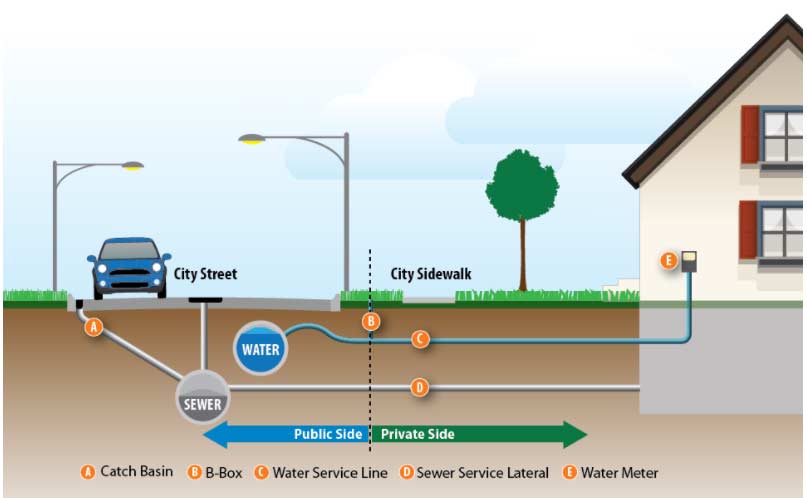
When it comes to water line maintenance and repair in Chicago, it’s important to know who is responsible for the bill. In most cases, the homeowner is responsible for the cost of any water line maintenance and repair. This includes installation, repairs, or emergency visits by a water line repair company. The City of Chicago typically owns up to the street curb in front of a home, but the homeowner assumes responsibility for the total care of the water line.

It’s important to know that household piping—from the meter to the tap—is also the responsibility of the homeowner. This includes your main line, supply lines, flex lines, and occasionally even the meter. It pays to make sure your plumbing system is running efficiently and that you’re doing everything you can to prevent future problems from arising.

Chicago Water Line Installation

If the time has come for a full replacement of your water line, you’re likely asking who is responsible for replacing it and how you should go about it. The answer to this question depends on the situation. If your water main is broken, aged, has been damaged due to weather conditions, or is connected to an old lead line, the City of Chicago is responsible for its replacement. But, if your water line is being disconnected for cosmetic reasons or other reasons on the homeowner’s part, then the cost of water line replacement is the responsibility of the homeowner.

Water line installation is a job best left to a professional. A professional plumber can safely and efficiently install a new water line and make sure it’s up to code. If you want to avoid costly mistakes, it’s important to use a licensed, experienced plumber. Not to mention, it’s important to hire a licensed Chicago plumber because many municipalities require a permit for any underground excavation work.

Water Line Replacement Responsibility

Knowing who is responsible for lead water line replacement is the first step in getting the job done. But, it’s also important to be aware of the potential problems you may run into when replacing a water line. First and foremost, it’s important to understand that there is potential for future repairs. Any water line connection, regardless of whether it is newly installed or replacement, could potentially leak due to soil or ground movement. If this happens, the homeowner will be responsible for footing the bill for the repair.

Also, if you’re not doing the work yourself, you will need to find a qualified, insured contractor and obtain any required permits. Lastly, as a homeowner it’s important to ensure that your water line is replaced to code and up to the City of Chicago’s standards.

Replacing a water line in Chicago can be a costly and complex job. Be sure to understand the rules and regulations and know who is responsible for the cost of the project. Make sure to understand the potential for future repairs and potential permits that might be necessary. When it comes to water line replacement, knowledge is power and can save money and time.

Looking for the best water line repair or replacement service in Chicago? Call us at 773-599-9181 or contact us below!

Benefits of a Water Line Replacement in Chicago

Benefits of a Water Line Replacement in Chicago

Improving Water Quality

One of the major benefits of a water line replacement in Chicago is the significant improvement in water quality. Over time, old water lines can become corroded and deteriorate, resulting in a decrease in the quality of the water that flows into homes and businesses. By replacing the outdated water lines, residents and businesses can enjoy clean and safe water that is free from contaminants, rust, and other impurities.

Enhancing Water Pressure

Another advantage of a water line replacement is the enhancement of water pressure. Aging water lines often experience leaks and clogs, which can lead to a decrease in water pressure. This can be particularly frustrating for residents who rely on adequate water pressure for various household tasks such as showering, washing dishes, and doing laundry. By replacing the old lead water lines, water pressure can be restored to optimal levels, ensuring a steady flow of water.

Reducing Water Loss

Old and damaged water lines are prone to leaks and cracks, which result in significant water loss. This not only wastes valuable water resources but also leads to increased water bills for residents and businesses. By replacing the outdated water lines, the occurrence of leaks and cracks can be minimized, resulting in a more efficient water distribution system and reduced water loss. This is not only beneficial for the environment but also helps to lower water bills for consumers.

Preventing Costly Repairs

Proactively replacing water lines in Chicago can help prevent costly repairs in the future. As water lines age, they become more vulnerable to damage, such as leaks and bursts. These issues can result in significant property damage and require expensive repairs. By investing in a water line replacement, property owners can avoid the hassle and expense of dealing with emergency repairs caused by water line failures. This provides peace of mind and saves both time and money in the long run.

Ensuring Reliable Water Supply

An outdated water line system can lead to unexpected disruptions in the water supply. Whether it’s due to leaks, bursts, or other infrastructure issues, an unreliable water supply can cause inconvenience and frustration for residents and businesses. By replacing the aging water lines, the reliability of the water supply is greatly improved. This means residents and businesses can have confidence in a consistent and uninterrupted water supply for their daily needs.

Increasing Property Value

Investing in a water line replacement can also have a positive impact on property value. Potential homebuyers and tenants often prioritize the quality and reliability of utilities, including the water supply. By upgrading the water lines, property owners can attract buyers and tenants who value a well-maintained and efficient water system. This can lead to higher property values and increased demand for the property.

Supporting Sustainable Development

Replacing outdated water lines is not only beneficial for individual properties but also contributes to sustainable development on a larger scale. By reducing water loss, improving water quality, and enhancing water distribution efficiency, a water line replacement in Chicago supports sustainable water management practices. Conserving water resources and ensuring a reliable water supply for future generations is an important aspect of sustainable development.

In Conclusion

A water line replacement in Chicago offers numerous benefits, including improved water quality, enhanced water pressure, reduced water loss, prevention of costly repairs, reliable water supply, increased property value, and support for sustainable development. Property owners and residents who invest in this upgrade can enjoy clean and safe water, lower water bills, and peace of mind knowing that their water infrastructure is efficient and reliable. By prioritizing the replacement of outdated water lines, Chicago can maintain a modern and sustainable water distribution system for the benefit of its residents and the environment.

Common Water Line Problems That Require Repair or Replacement

common water line problems

Have you ever imagined what life would be like if you did not have potable water running in your home? Would modern life exist if you had to dig a well and every time you needed water, go to the well and manually fetch water from it?

The water that flows in your home is a lifesaver and the pipes that make it possible for that water to reach your home are a lifeline. Without those pipes, you would not have the convenience of a modern home with water on demand, explains Keyrenter Hampton Roads.

But this fact is not always obvious because your home’s water line is out of sight. Homeowners tend to forget that this vital part of the home’s plumbing also requires attention. Your water line is subject to many of the same issues that the rest of your plumbing is.

The water line can get damaged. It can get old or the very water that runs through the water line can corrode the pipes and make them less efficient. If your water line collapses, your ability to do simple household tasks will come to an abrupt end.

But this doesn’t happen often because water lines are designed to be sturdy and can go for many years without any signs of trouble. But this is also why water line issues are costly to fix. The problem can build up for years, only to be discovered after it has done maximum damage.

This is why it is important to always make sure your water line is in good condition. You need a local plumber to inspect the system periodically and make sure everything is as it should be. You should also know the potential problems that can happen with your water line. in some cases it makes more sense to replace your main water line than to have it spot repaired.

What are the common water line problems that require repair or replacement?

Old pipes or regular wear and tear

If your home is old and the pipes have not been replaced since the house was built, you can expect more water line problems. Firstly, your water line may have metal pipes that are more prone to corrosion. Secondly, a lot of the other factors listed below may be affecting the pipes.

Tree roots intrusion

Tree roots can damage your water line either by dislodging it or by penetrating the pipes. The latter problem is more common when the pipe already has a leak or weak point. But pipes that are dislodged by tree roots may eventually start to leak also.

Poor installation and human error

If pipes are not installed by a professional or according to the proper procedures, you will have issues with the water line. Water lines may also be damaged if heavy equipment is driven over the ground where pipes are buried. This can also happen if someone digs in the yard and accidentally damages the pipe.

High water pressure

Excessively high water pressure is more damaging to your plumbing than low water pressure, although the latter problem is more likely to get your attention. High water pressure causes vibrations inside pipes that can damage the water line or home appliances and cause leaks.

Soil movements

Upward or downward movement of the soil surrounding your water line can dislodge the pipes and cause you all kinds of problems. These movements are often unforeseen at the time the pipes were laid. Also, there may be no practical way to predict or prevent these ground movements or seismic activity.

Sediment buildup and mineral deposit

If the water in your city is hard, the water line will be more susceptible to this particular issue. The mineral content of water, along with other impurities, will be deposited inside your pipes as water travels through them. Over time this can narrow the diameter of the pipes and make them more likely to burst and leak.

Accumulation of dirt inside the water line

This does not typically happen unless the water line is broken. If the line is cracked anywhere along its length, dirt from the surrounding soil can find its way into the pipes. You can usually tell when you have this problem because the water coming into your home will be discolored.

Frozen water

This is a common issue in areas with harsh winters. If the water line has ever frozen or come close to freezing, the structural integrity of the pipes may be compromised. Freezing water will stress the pipe as the water inside the pipe expands, making the chance of a burst pipe emergency more likely.

Water leaks

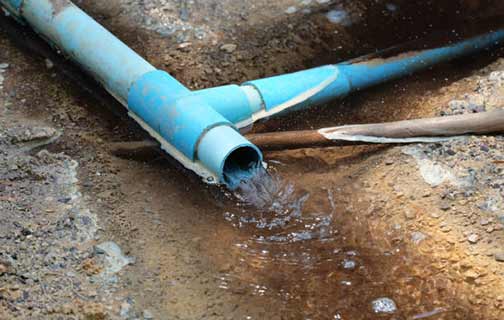
The water line can leak as a result of the problems listed above or for unknown reasons. Water line leaks are not as easy to detect as leaks inside your home. If you notice spikes in your water bill without any changes in your water usage, you may have a leak in your plumbing systems, possibly in the water line.

Rodent damage

Burrowing animals, especially rodents, can damage your water line. They will damage the water line not just by digging around the pipes and dislodging them, but also by chewing on the pipes.

Replacing Your Lead Water Service Line in Chicago

water-service-line-replacement-chicago

In 2021, the city of Chicago has initiated a program called the Lead Service Line Replacement (LSLR) plan designed to fast track the replacement of the city’s nearly 400,000 lead service lines. If you are a homeowner in Chicago, you need to know what this program is about and how to take advantage of incentives being offered by the city to replace your lead service line. Same goes for landlords and property owners, says Bill Koonce, owner of Chicago Plumbing Experts.

What is the Lead Service Line Replacement (LSLR) plan?

A service line is a pipe that carries water from the city’s main water supply in the street to your home. The pipe runs underground from your home, across the lawn, and underneath the city sidewalk until it reaches the water main below the street.

Why does the city want you to replace your service line?

Only service lines made of lead are being replaced. This is because of the health hazard posed by exposure to the lead in these pipes. Even the lowest level of lead exposure has been shown to adversely affect the IQ of children and their attention spans.

Although most lead poisoning happens via contact with lead-based paint or lead-contaminated dust, lead may also leach into drinking water from the lead service line. Since there is no identified safe level for lead exposure, the best way to prevent this issue is to replace the lead water lines on your Chicago property.

How will you know if you have a lead service line?

If your house or two-flat building was built before 1986 and the water service has never been replaced during renovation, there is a big chance the water service line is made of lead. If you are not sure, here is a simple test to identify the material in your water service line.

  • Step one: Locate the water meter or shutoff valve in your home. The service line typically enters through the basement before it connects to the meter. If you can’t find the meter, use the shutoff valve.
  • Step two: Hold a magnet to the pipe to check if it is magnetic.
  • Step three: Scratch the pipe with a coin or key to see the color of the material.

The pipe should be made of one of these materials:

  • Copper: Copper is not magnetic. It has a shiny orange appearance and is quite common in Chicago.
  • Galvanized steel: Steel is magnetic. It is silver-gray and is no longer used in new construction.
  • Lead: Lead is not magnetic. It has a shiny silver-gray color and is not used in new construction.
  • PVC: PVC plastic is not magnetic. It is typically white and is rarely used in Chicago.

What does replacing a water service line entail?

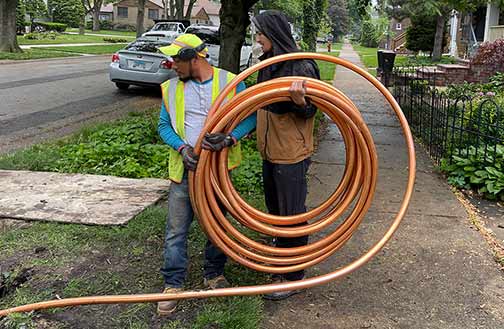
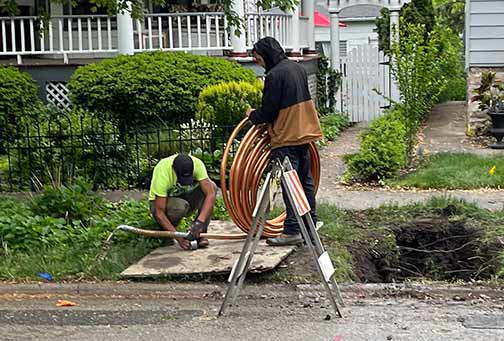
Replacing the water service line is a labor-intensive process that involves digging a trench from your home to the street, up to the point where the service line connects to the water main. After the trench is dug, the old lead line is replaced with a new copper service line. A water meter is also installed to help you save money on any spiking water bills.

a water lead line replacement taking place in chicago.

Replacing the water service line is a labor-intensive process that involves digging a trench from your home to the street, up to the point where the service line connects to the water main.

Will the City of Chicago help with your lead service line replacement?

To assist as many homeowners as possible with their lead service line replacement, the city of Chicago is accepting applications for the Equity Lead Service Line Replacement Program. Under the program, homeowners are eligible for free lead service line replacement plus a free water meter, if:

  • They live in a home they own.
  • Have a child under 18 years old living in the home, or
  • Their water has elevated lead level as shown by a free test by the Department of Water Management, and
  • The household income is 80% below the area median income, which is $74,550 for a family of 4.

But for homeowners who do not meet the criteria, the city still offers incentives. These are for homeowners who hire a private contractor to replace their lead service line and the incentives are available in the form of waivers and freebies. Commercial and mixed-use residential/commercial properties are not eligible for this. Here is how it works.

  • The homeowner will pay for the lead service line replacement (LSLR).
  • The city will subsidize the standard permits, allowing homeowners to save as much as $3,100.
  • The city will attach the new service line to the water main free of charge and provide a free water meter for the home (if there is none).

But to qualify, this must be a standalone project, and not part of a home renovation or expansion. Additionally, the contractor must be licensed.

When selecting a contractor for LSLR, homeowners are encouraged to follow the below process:

  • Contact three licensed Chicago plumbers to request quotes and qualifications information.
  • The plumber should visit the home to confirm service line material and other details.
  • The plumber should have an Illinois Department of Public Health (IDPH) Plumbing Contractor License Number and must be on the list of City of Chicago-Licensed Plumbing Contractors.
  • The plumber should be able to provide a list of 3-5 addresses where they have acquired a City of Chicago Department of Buildings permit for residential LSLR (with details of those projects).

Interested in replacing your lead water lines in the City of Chicago? Contact us at 773-599-9181 or by form below for a free estimate!