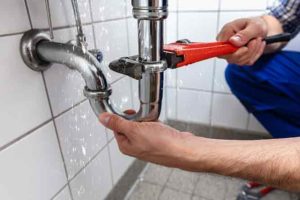
 Plumbing leaks are one of the most common problems homeowners have to deal with. The plumbing in your home can leak as a result of poor installation and inferior materials. Leaks may also happen as pipes and connectors start to age or they can be the result of extreme weather changes.
Every year in the USA, the cost of property damage from water leaks is more than the combined damage from break-ins and house fires. According to data from the Insurance Information Institute, the average claim for a single plumbing leak is $10,234 and there are hundreds of thousands of these claims every year.
But this is not just a problem for your insurance company. Plumbing leaks affect the physical structures of your home and impair the aesthetic appeal of your building. The possibility of leaks and water damage happening in your house is a huge factor in how much insurance premium you pay.
Part of what makes plumbing leaks such a huge problem is that water travels through almost every part of the home. There are many potential locations where pipes can spring a leak and cause damage to the house. Monitoring pipes to prevent leaks is something homeowners simply cannot keep up with.
But, at the same time, due to how easy it is for pipes to leak and the high cost of fixing the resulting damage, this is something homeowners must do. Is there a hassle-free way to monitor the pipes in your home to detect water leaks before they cause expensive damage? Thankfully there is.
Leak detection systems and how they work
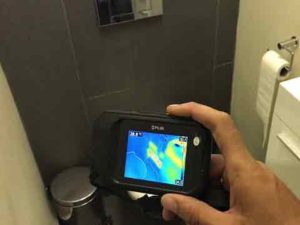
A leak detection system is a device that monitors the home’s plumbing in real-time, twenty-four hours every day. It relieves homeowners of the anxiety of living with the prospect of undetected leaks. It spares them the unplanned cost of fixing an unexpected plumbing leak by stopping leaks before they cause damage.
The leak detection system is installed in the home’s plumbing where it actively monitors the movement of water from the main water supply into the home. The device works by detecting unusual variations in the flow of water and shutting down the supply whenever it finds abnormalities in the flow of water.
There are different types of water leak detection systems. There are whole house water leak detection systems and water leak detection systems that help find hidden leaks in specific parts of the home. Whole-house systems typically use mechanical turbines or ultrasound.
Whole house water leak detection systems
These systems monitor water flow by counting the number of gallons of water passing through the pipes and noting the time delays. All water leak detection systems – mechanical turbine systems, as well as ultrasonic systems – come with a built in valve that can be closed to cut off the water supply to the home.
Mechanical turbine systems
They are equipped with a propeller that spins as water passes over its blades into the home. The device counts how many gallons are passing through, noting variations in water flow and the time intervals between them.
This data is sent back to the system and stored there. Since water usage in the home follows patterns – low-usage, high-usage, or no-usage – once the system senses prolonged periods of water usage that do not conform to the established pattern, it will shut down the water supply.
Ultrasonic water leak detection systems
This kind of leak detection system uses ultrasonic waves that are transmitted through the upstream and downstream sections of the plumbing system. These waves are used to record the rate of flow and detect irregular flow patterns.
The acquired data can be relayed to your Smartphone via your home’s Wi-Fi. Just like a mechanical detection system, an ultrasonic water leak detection system will shut down the supply if the water flow exceeds the expected amount of time.
Moisture-sensing water leak detection systems
This type of system uses the presence of excessive moisture to detect leaks. If, for instance, the device detects that moisture is building up around the floorboards, it will shut off the water flow. Moisture-sensing leaks detectors are better for detecting leaks around specific points in the home, such as under the sink. They are less effective for detecting potential leaks.

Why your home needs a water leak detection system
Your home is more likely to suffer from a plumbing leak than be burgled, burned down, or struck by lightning. A water leak detection system protects you from this all-too-common problem. Installing a water leak detection system means instant peace of mind.
A water leak detection system will conserve water wastage. There are hundreds of thousands of American households that are overpaying for water because a large percentage of the water coming into their households is being wasted through plumbing leaks. A water leak detection system will reduce your water bill and also positively impact your insurance premium.
A water leak detection system also rescues your family’s health by preventing mold. Mold and water leaks are interconnected in that water leaks provide the environment for mold to develop. A water leak detection system will save you the money you would have spent in taking care of mold poisoning.
