Tag Archives: water damage from a burst pipe

Swift Actions to Tackle Burst Pipe Water Damage

Swift Actions to Tackle Burst Pipe Water Damage

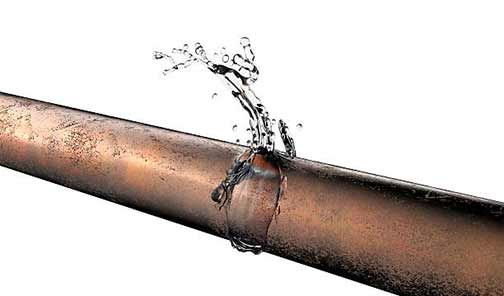
In terms of the speed and the scale of damage it can cause, a burst water pipe may be the worst plumbing emergency to have in your home, warns PMI Prime. If broken, the typical ½ – ¾ inch water pipe can discharge between 50 – 110 gallons of water into your home per minute.

For context, an average household uses approximately 210 gallons of water daily for all of its indoor water needs. This means that in less than five minutes of being broken, a water pipe can discharge more water into your home than your family will use in 24 hours.

This is why it is so important to act swiftly and decisively when dealing with a burst water pipe inside your home. A half-minute of delay can result in thousands of dollars’ worth of water damage. But to act with speed and intention, you must know the proper steps to take.

This post explains critical steps to take if you discover a burst water pipe inside your home.

Effective steps for tackling a burst water pipe in the home

  1. Check for electrical hazards

Assess the situation to be sure the water is not in contact with a power outlet or electrical device. To be safe, wear rubber-soled shoes and rubber gloves. Turn off the power supply to the affected area or your entire home at the circuit box. If unsure of what to do, call an expert. 

  1. Shut off the water supply

If the broken pipe has a dedicated shut-off, turn it off. If not, turn off your home’s water supply at the main water shut-off valve. Hopefully, you already know where to find your main water shut-off valve and how to use it.

  1. Drain your faucets

Open all faucets in your home and let them drain. By getting rid of the water inside the pipes, you stop more water from being discharged onto your flooring. Do this step only if the home’s water supply has been turned off at the main water shut-off valve.

  1. Call your insurance company

Contact your insurer to inform them of the incident in your home. If you do not have all the details, do not try to answer all of the company representative’s questions. They will likely send someone to assess the damage to your home and the cause.

  1. Remove your belongings

Items that can be damaged should be removed from the reach of the water. Remove furniture, rugs, electronics, etc. from the area. If they are wet, move them outside or to a dry place inside your home. Your insurer will not pay for damage that could have been avoided.

  1. Document the damage

Get detailed pictures and videos of the broken water pipe and the resulting damage. Include all affected areas inside your home. Add an audio narration to make the video easy to understand. This information will be important for your insurance claims.

  1. Start removing the water

If you have a wet-dry vacuum, use it to suck up the water on your floors. If you don’t have a wet-dry vacuum and it is not possible to rent one, use buckets, mops, and towels. You can use a dustpan to scoop water from the floor into a bucket or container.

  1. Dehumidify and dry your home

Place a dehumidifier in the area with the worst damage, to suck moisture out of the air and accelerate the drying process. Open your windows to improve circulation, and if you have fans, position them to blow directly on the affected areas.

  1. Call for professional help

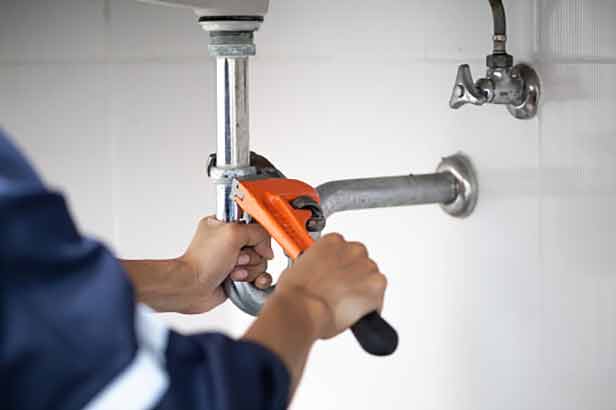
At this point, you may want to call an emergency plumber and have them come over to your home to assess the damage to your plumbing and fix the damaged pipes. The sooner you do this, the quicker your family can return to its normal routine.

You also need professional help to complete the process of drying out your home. Just because you don’t see water on the flooring inside your house doesn’t mean all the spilled water is gone. There could be water hiding inside your belongings and in the structures of your home. Some of the problems you will need professional help to fix include:

  1. Pipe repair or replacement: You should have your damaged pipes evaluated to determine the immediate and remote causes of the problem. Whether you will need to repair or replace the pipe will depend on the extent of damage to your plumbing. A reputable plumber will help you avoid future problems like this in your home.

  2. Mold removal and remediation: If water has infiltrated into the structures of your building or some items within the home are not properly dried, they will encourage mold and mildew to grow inside your house. A mold removal and remediation specialist can prevent this.

Lastly, when taking steps to fix a burst water pipe inside your home, do not limit your actions to solving only the current problem. You want to look at past issues that may have contributed to the problem and take steps to prevent a recurrence. Working with a reputable plumber ensures that all aspects of the issues are taken into account.
Avoiding Costly Water Damage: How to Safeguard Your Home from Burst Pipes

How to Safeguard Your Home from Burst Pipes

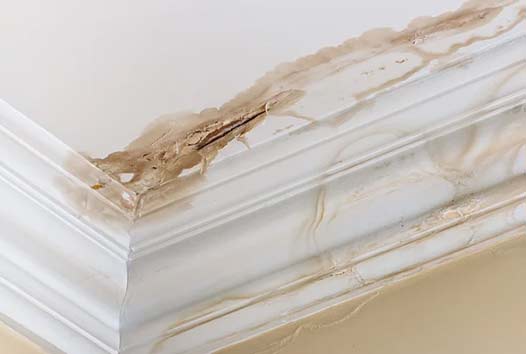
Water damage caused by burst pipes can be a costly and devastating problem for homeowners. From ruined furniture and flooring to extensive repairs, the consequences of water damage can be overwhelming. However, with some simple precautions and preventative measures, you can safeguard your home from burst pipes and avoid the headache of dealing with water damage. In this article, we will provide you with valuable tips and guidance on how to protect your home and mitigate the risk of burst pipes.

Understanding the Causes of Burst Pipes

Before we dive into preventative measures, it is crucial to understand the common causes of burst pipes. By identifying and addressing these potential issues, you can significantly reduce the risk of water damage from burst pipe emergencies in your home.

Extreme Temperatures: One of the main causes of burst pipes is freezing temperatures. When water freezes inside the pipes, it expands, putting immense pressure on the pipes. This pressure can cause weak points in the pipes to burst, leading to significant water damage.

Poor Insulation: Inadequate insulation is another factor that contributes to burst pipes. Uninsulated or poorly insulated pipes are more susceptible to freezing and bursting during cold weather.

Age and Wear: Over time, pipes can become weakened due to corrosion, rust, or general wear and tear. Older pipes are more likely to develop cracks or burst under pressure.

Now that we have identified the primary causes of burst pipes let us discuss some effective measures you can take to safeguard your home.

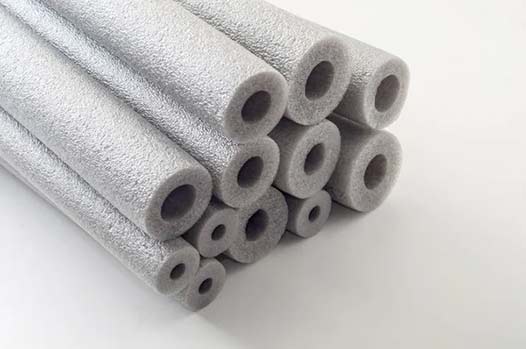
pipe insulation to prevent burst pipes in wintertime.

To protect your pipes from freezing temperatures, make sure they are adequately insulated.

Preventative Measures: How to Safeguard Your Home from Burst Pipes

1. Insulate Your Pipes:

To protect your pipes from freezing temperatures, make sure they are adequately insulated. Insulation sleeves or foam pipe covers can be easily installed to keep the heat contained within the pipes. Focus on areas with exposed pipes, such as basements, attics, and crawl spaces.

2. Seal Air Leaks:

Air leaks around pipes can lead to a drop in temperature and increase the chances of freezing. Inspect your home for any gaps or cracks near pipes and use caulk or insulation to seal them. This will help maintain a stable temperature and reduce the risk of burst pipes.

The Importance of Proper Maintenance

Besides taking preventative measures, regular maintenance plays a vital role in preventing burst pipes and mitigating water damage. Here are some essential maintenance tasks to prioritize:

Visual Inspections:

Regularly inspect your pipes for any signs of damage, such as cracks, leaks, or corrosion. Pay close attention to areas prone to moisture, such as under sinks, around appliances, and near the water heater. If you notice any issues, address them promptly to prevent further damage.

Drain and Insulate Outdoor Faucets:

Before the winter season arrives, make sure to drain and disconnect any garden hoses. Shut off the outdoor water supply and insulate any outdoor faucets or pipes. This will prevent water from freezing and causing damage to the pipes.

Schedule Professional Inspections:

Consider scheduling regular inspections with a qualified plumber. A professional can assess the condition of your pipes and identify potential vulnerabilities that may lead to burst pipes. They can also provide guidance on the best course of action to mitigate any risks.

call an emergency plumber for burst pipe repair.

Contact an emergency plumber or emergency water damage restoration service as soon as possible.

Take Action in Case of a Burst Pipe

Despite our best efforts, emergencies can still occur. If you experience a burst pipe, it is crucial to act quickly to minimize water damage and protect your home. Here are the immediate steps you should take:

Shut Off the Water:

Locate your main water shut-off valve and turn it off immediately to stop the flow of water. It is essential to familiarize yourself with the location of this valve before an emergency occurs.

Open Faucets:

Next, open all faucets in your home to drain the remaining water from the pipes. This will relieve pressure and help prevent further damage.

Call a Professional:

Contact an emergency plumber or 24 hour plumbing service as soon as possible. They have the expertise and equipment to assess the situation, repair the burst pipe for you, and minimize water damage.

Conclusion

Water damage caused by burst pipes can be a nightmare for homeowners. However, by understanding the causes of burst pipes and implementing preventive measures, you can significantly reduce the risk of water damage. Insulating pipes, sealing air leaks, conducting regular maintenance, and knowing how to react in case of a burst pipe are all essential steps towards safeguarding your home. Remember, your proactive actions today can save you from costly repairs and the stress of dealing with water damage in the future.