Tag Archives: sump pump maintenance tips

Sump Pump Care: The Six Key Practices Every Homeowner Should Know

sump pump care

Understanding the Importance of Sump Pump Care

For homeowners, maintaining a sump pump is crucial to ensure the safety and dryness of their basements. Sump pumps are designed to prevent flooding by removing water that accumulates in a sump basin, usually found in the basement of homes. Without proper care and maintenance, a sump pump can fail, leading to costly water damage and potential health hazards due to mold and mildew growth. Understanding the importance of sump pump care is the first step in protecting your home from water-related issues. By recognizing the role of sump pumps in maintaining a dry and safe environment, homeowners can take proactive measures to ensure their systems are always in top working condition.

Regular Inspection Routines for Optimal Performance

One of the key practices in sump pump care is conducting regular inspections. Homeowners should check their sump pump system at least once every three months. During these inspections, it’s essential to ensure that the pump is upright and that the float switch is not obstructed. Additionally, inspect the power cord and ensure it’s plugged into a functioning ground fault circuit interrupter (GFCI) outlet. Regular inspections help identify potential issues before they become significant problems, ensuring the pump operates efficiently when needed. By establishing a routine inspection schedule, homeowners can catch minor issues early, preventing them from escalating into major repairs or premature sump pump replacements.

Testing the Sump Pump for Reliability

Testing the sump pump periodically is crucial to confirm its reliability. To test the pump, homeowners can pour a bucket of water into the sump pit. The pump should activate and begin removing water from the pit. If the pump does not turn on or fails to remove water efficiently, it may require maintenance or replacement. Regular testing ensures that the sump pump will function correctly during heavy rain or flooding events, providing peace of mind to homeowners. Testing not only verifies the pump’s operational status but also helps in identifying any components that may need attention, such as the float switch or the impeller.

Cleaning Tips to Prevent Clogs and Malfunctions

Cleaning the sump pump and its components is vital to prevent clogs and malfunctions. Debris, dirt, and sediment can accumulate in the sump pit, leading to blockages that hinder the pump’s operation. Homeowners should clean the sump pit and pump at least once a year. This involves removing the pump from the pit, cleaning the grate, and washing away any debris. Ensuring the discharge line is free from obstructions is also essential to prevent water from backing up into the basement. Regular cleaning not only enhances the pump’s efficiency but also extends its lifespan by reducing wear and tear caused by debris and sediment buildup.

Battery Backup Systems: A Safety Net for Power Outages

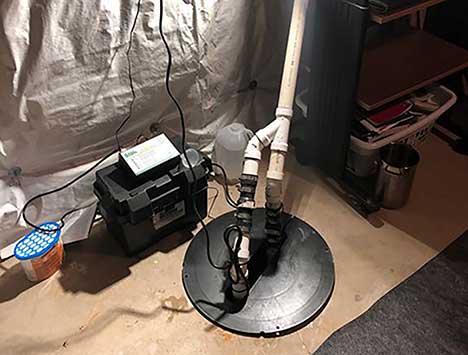
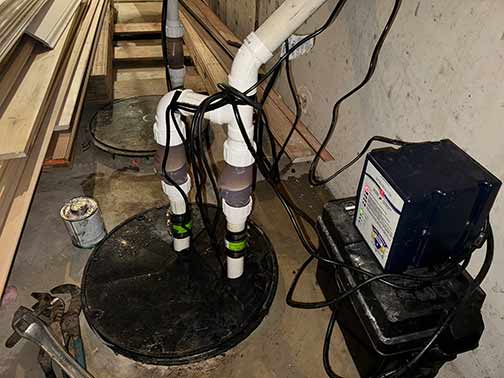
Power outages during storms can render a sump pump useless, leading to potential flooding. Installing a battery backup system provides a safety net, ensuring the pump continues to operate even when the power is out. Battery backup systems are designed to automatically activate when the main power supply fails, providing continuous protection against flooding. Homeowners should regularly check the battery’s condition and replace it as needed to ensure reliable performance. By investing in a battery backup system, homeowners can safeguard their basements from unexpected water damage during power outages, maintaining peace of mind during adverse weather conditions.
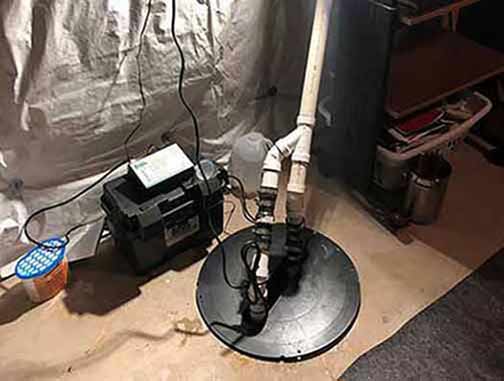
a sump pump with a battery backup
Installing a battery backup system provides a safety net, ensuring the pump continues to operate even when the power is out.

Understanding the Lifespan and Replacement of Sump Pumps

Sump pumps are not designed to last forever. On average, a sump pump has a lifespan of about 7-10 years. However, this can vary based on the pump’s usage, quality, and maintenance. Homeowners should be aware of the age of their sump pump and consider replacing it before it fails. Regular maintenance can extend the pump’s lifespan, but recognizing when it’s time for a replacement is crucial to prevent unexpected failures and potential water damage. Understanding the signs of a failing sump pump, such as unusual noises or decreased efficiency, can help homeowners take timely action to replace their pump and avoid costly repairs.

Professional Maintenance Services: When to Call the Experts

While regular inspections and maintenance can be performed by homeowners, certain situations may require professional assistance. If a sump pump is making unusual noises, fails to operate efficiently, or if there are signs of electrical issues, it’s time to call in the experts. Professional plumbers can diagnose and repair complex problems, ensuring the sump pump system remains in optimal condition. Additionally, professionals can provide valuable advice on upgrades and improvements to enhance the system’s performance. By seeking professional help when needed, homeowners can ensure their sump pump system is well-maintained and capable of handling any water-related challenges.

Additional Tips for Effective Sump Pump Care

Beyond the fundamental practices of inspection, testing, cleaning, and professional maintenance, there are additional tips homeowners can follow to enhance the effectiveness of their sump pump care. Ensuring that the sump pump is connected to a dedicated power outlet can prevent electrical issues. Installing a water alarm can alert homeowners to potential flooding before it becomes a significant problem. Additionally, considering the installation of a secondary sump pump can provide an extra layer of protection in case the primary pump fails. By taking these additional steps, homeowners can further safeguard their homes against water damage and ensure their sump pump system operates efficiently at all times.

Conclusion: The Value of Proactive Sump Pump Care

Proactive sump pump care is essential for homeowners who want to protect their basements from flooding and water damage. By understanding the importance of regular inspections, testing, cleaning, and professional maintenance, homeowners can ensure their sump pump system operates efficiently and reliably. Investing time and effort into sump pump care not only extends the lifespan of the pump but also provides peace of mind, knowing that the home is safeguarded against potential water-related disasters. With a proactive approach to sump pump care, homeowners can enjoy a dry and safe basement environment, free from the worries of unexpected flooding or water damage.
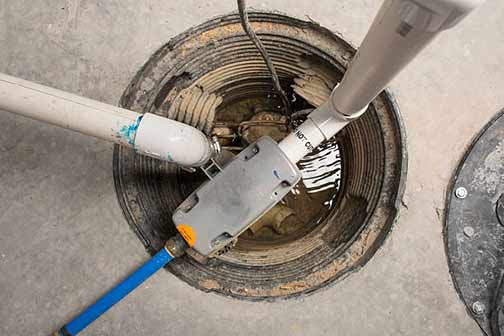
Spring Cleaning for Your Sump Pump: Inspecting and Maintaining Your System

Spring Cleaning for Your Sump Pump

As the winter snow melts and the spring rains begin to fall, it’s important to ensure that your sump pump is in good working condition to protect your basement from flooding. Here we will cover the key steps and tips to keep your sump pump functioning optimally.

Why Spring Cleaning for Your Sump Pump is Essential

Spring is the ideal time to inspect and maintain your sump pump system for several reasons. The increased rainfall during this season can put your basement at a higher risk of flooding. By ensuring that your sump pump is in good condition, you can avoid costly water damage and prevent potential health hazards such as mold growth.

The Importance of Regular Inspections

An essential part of maintaining your sump pump system is conducting regular inspections. Here are a few reasons why regular inspections are important:

  • Identify and address any potential issues early on.
  • Ensure that all components are functioning correctly.
  • Prolong the lifespan of your sump pump.

Regular inspections will help you catch any problems before they escalate into significant issues, saving you time, money, and stress in the long run.

Step-by-Step Guide to Inspecting and Maintaining Your Sump Pump

Step 1: Safety First

Before you begin inspecting and maintaining your sump pump, it’s important to prioritize safety. Make sure to follow these safety guidelines:

  • Disconnect the sump pump from its power source to avoid accidental electrical shocks.
  • Wear protective gloves to avoid any potential bacteria or contaminants.

Step 2: Exterior Inspection

Start by performing an exterior inspection of your sump pump system. Here’s what you should check:

  • Inspect the discharge pipe for any clogs or obstructions.
  • Ensure that the pipe is securely connected and directed away from your foundation.
  • Check the vent hole on the discharge pipe for any blockages.

Step 3: Interior Inspection

Once you’ve completed the exterior inspection, move on to the interior inspection. Follow these steps:

  • Remove the sump pump cover to access the pit.
  • Inspect the pit for any debris or sediment buildup.
  • Check the float switch to ensure it moves freely and isn’t obstructed.
  • Verify that the check valve is working correctly and allowing water to flow in one direction.
  • Clean or replace the sump pump if necessary, following the manufacturer’s instructions.

Step 4: Test the Sump Pump

After completing the inspections, it’s time to test your sump pump system. Here’s how:

  • Pour a bucket of water into the sump pit to activate the pump.
  • Observe the pump’s operation, ensuring that it starts promptly and efficiently removes the water.
  • Listen for any unusual noises or vibrations that may indicate a problem.

Step 5: Consider a Backup Sump Pump System

To provide additional protection against basement flooding, consider installing a backup sump pump system. These systems are designed to support your primary pump in case of power outages or mechanical failures. Options include battery-powered pumps, water-powered pumps, or generator-powered pumps.

a sump pump backup system in place.

To provide additional protection against basement flooding, consider installing a backup sump pump system.

Tips for Maintaining Your Sump Pump System

While spring is an excellent time to thoroughly inspect your sump pump system, regular maintenance throughout the year will help keep it in optimal condition. Here are some additional tips:

  • Test your sump pump system every few months by pouring water into the pit.
  • Ensure that the float switch moves freely and isn’t obstructed.
  • Check the power cord and plug for any signs of damage.
  • Keep the pit clear of debris and sediment.
  • Consider installing a sump pump alarm to alert you in case of pump failure or high water levels.
  • Know the location of your main water shut-off valve in case of emergencies.
  • Follow the manufacturer’s maintenance recommendations.

Spring cleaning for your sump pump is an essential task to protect your basement from potential flooding. By following the steps outlined in this article and conducting regular inspections and maintenance, you can ensure that your sump pump system operates efficiently and effectively. Remember to prioritize safety, and if you encounter any issues beyond your expertise, don’t hesitate to contact a professional plumber for assistance. With proper care, your sump pump will continue to safeguard your home for years to come.

Using a Sump Pump to Keep Your Basement Dry

Using a Sump Pump to Keep Your Basement Dry

Basements are typically the most neglected areas of the home. Unfortunately, if you don’t take proactive measures to mitigate moisture, your basement can become a breeding ground for mold, mildew, and other undesirable consequences. Installing a sump pump is one of the best ways to keep your basement dry and free from water damage.

Basement Moisture Control

Basement moisture control is a must for any home. Moisture can seep into your basement from the ground, from rain or snow, or from plumbing leaks. A sump pump can help prevent water from entering your basement and causing damage.

The sump pump works by collecting water and pumping it away from the foundation of your home. It is installed in a sump pit, which is a hole dug in the floor of the basement. The hole is filled with gravel and is designed to collect any water that may enter the basement.

Once the sump pit is filled with water, the sump pump will activate and begin pumping the water out of the basement and away from the foundation of your home. This will help keep your basement dry and free from water damage.

Basement Drainage

Basement drainage systems are also important for keeping your basement dry. The sump pump is connected to a drainage system that runs along the perimeter of your basement. The system collects water from the sump pump and drains it away from the foundation of your home.

The drainage system can also be connected to a dehumidifier, which helps remove any excess moisture from the air in your basement. This will help keep the air in your basement dry and free from mold, mildew, and other undesirable consequences.

Flood Prevention

The sump pump can also help protect your home from flooding. The pump is designed to automatically activate when the  pit is filled with water. This will help prevent flooding and help keep your basement and home safe from any kind of water damage.

In addition to a sump pump, there are other important steps you can take to prevent flooding in your home. Make sure your gutters and downspouts are regularly cleared and free of debris. Check the grade of your yard to make sure it slopes away from your home and doesn’t collect water. And make sure your home is equipped with a reliable backflow preventer to keep water from entering your home from the sewer.

Summing It Up

Using a sump pump is one of the best ways to keep your basement dry, period. It’s an important part of any home’s flood control system, and it can help protect your home from flooding and damage. Keep your basement dry and safe by having a sump pump professionally installed today!

Tips to Make Sure Your Sump Pump is Ready for Fall and Winter

Tips to Make Sure Your Sump Pump is Ready for Fall and Winter

If your home has a sump pump, you probably know how valuable it is for protecting your home from a flood. The sump pump is your first line of defense against flooding in the basement. Without it, you would live in perpetual fear of flooding your basement.

But beyond this, the sump pump also protects the foundation by keeping water out of the base of your building. This helps to preserve the structural integrity of your house, explains Best Rental Services. Because of the critical role of the sump pump, it is vital to know how to maintain it.

Sump pumps are not always in operation; your home may go for months or an entire year without the sump pump ever being called into action. But the sump pump may be needed in early spring when there is snowmelt or in summer when there is heavy rainfall.

When the sump pump is needed, you want to be sure that it stands ready to serve. A lot of the flooding in homes could have been avoided if the homeowner had taken steps to ensure that their sump pump was working.

The presence of a sump pump in your basement does not mean your home is protected from flooding. You must check to see if the system is working as it should. This step will save you from stress and help prevent unnecessary damage to your home.

Tips to keep your sump pump ready

A typical sump pump has the following features:

  • A sump pit where the components of the sump pump sit. The sump is simply a tank for holding water. The sides and bottom of the sump pits are made of concrete, and on top is a plastic layer to make the sump waterproof.
  • A submersible water pump that is driven electrically. This will have an electric cord connecting it to a power outlet on the wall. You want to make sure this electric circuit is protected with a ground fault circuit interrupter (GCFI) to prevent electrocution.
  • A drainpipe through which the water outside the home enters the sump pit. The drainpipe collects moisture from the footing drains around the house and sends it to the sump, keeping water from building up and finding its way into the home.
  • A discharge pipe goes from the sump pit to the roof or wall of the basement and exits outside the house.  It is connected to another line that opens to the city sewers or a location on the property where water can be discharged safely.
  • Inside the discharge pipe is a check valve that only allows water to move upwards. The check valve contains a flap that closes when water tries to flow backward. It keeps the water trapped inside the discharge pipe out of the sump.

Here are the steps for testing your sump pump and keeping it ready:

  • Before testing the sump pump, make sure you clean your sump pit. Debris can get into the pit from the drainpipe or the sump pump cover. If debris is left in the pit, it can clog the pump or interfere with the operation of the float and switch.
  • Pour water into the sump pit using a garden hose or a 5-gallon bucket. Whichever method you use, you want to pour the water slowly so that you can observe the movement of the float. Ensure the water goes directly to the bottom of the pit and not to the pump.
  • Watch as the water level goes up to ensure the float rises smoothly. The float should rise steadily until it is high enough to push the switch, and the pump should come on without faltering. Many sump pump failures and sump pump repairs happen because of failed controls.
  • When the switch trips and the pump come on, listen to the operation of the pump. There should be no squealing or unusual sounds from the pump. If your pump does not operate smoothly or does not turn on at all, you may need to repair or replace the sump pump entirely.
  • Keep listening to the pump until it shuts off. The pump should shut itself off when the water level falls low enough. You have a problem if the pump does not turn off after the water level is low and the float is not pushing against the switch.
  • Finally, as the pump shuts off and the water inside the discharge pipe attempts to flow backward, you should hear the check valve closing inside the discharge pipe. If you don’t hear this sound, you may see water trickling back into the pit.
  • Repeat the steps above to be sure you did not miss anything and that your sump pump is okay.