Understanding the Importance of Sump Pumps in Spring: A Vital Defense Against Seasonal Flooding
As the spring season kicks in, homeowners must be vigilant about the potential for flooding. Melting snow and increased rainfall can lead to water accumulation around your home’s foundation, posing significant risks. A sump pump serves as a crucial defense mechanism, preventing water from seeping into your basement and causing damage. Understanding its importance is the first step in safeguarding your home during this wet season. The spring thaw can be unpredictable, and the consequences for unprepared homeowners can be severe. Therefore, investing in a reliable sump pump system is not just a precaution but a necessity.
Spring brings with it a unique set of challenges. The combination of melting snow and rain can overwhelm even the most robust drainage systems. Without an effective sump pump, water can infiltrate your basement, leading to mold growth, structural damage, and costly repairs. The importance of sump pumps cannot be overstated; they are the first line of defense against these seasonal threats. By understanding their role, homeowners can take proactive measures to protect their properties.
Choosing the Right Sump Pump for Your Home: Selecting the Optimal System for Effective Flood Prevention
Selecting the appropriate sump pump for your home is essential for effective flood prevention. There are two main types: pedestal and submersible sump pumps. Pedestal pumps are less expensive and easier to maintain, but submersible pumps are more efficient and quieter. Consider factors such as the size of your basement, the typical water table level in your area, and your budget when making a decision. It’s important to evaluate the specific needs of your home to ensure you choose the right system.
Pedestal sump pumps are ideal for homeowners seeking a cost-effective solution. Their design allows for easy access and maintenance, making them a popular choice. However, submersible pumps offer several advantages. Their ability to operate quietly and efficiently makes them suitable for homes with larger basements or higher water tables. When selecting a sump pump, consider the long-term benefits and potential savings associated with each type. Additionally, speaking with a professional can provide valuable insights and recommendations tailored to your specific situation.
Expert Tips on Sump Pump Installation: Ensuring Proper Setup for Maximum Efficiency and Compliance
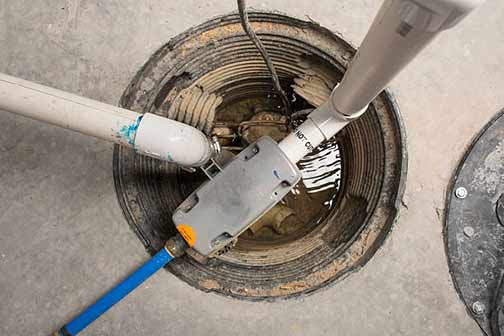
Proper installation of a sump pump is critical to its performance. It is advisable to hire a professional to ensure that the pump is installed correctly and in compliance with local regulations. Key considerations include selecting the right location for the sump pit, ensuring proper drainage, and installing a check valve to prevent backflow. Additionally, make sure the discharge pipe directs water away from your home’s foundation. A well-installed sump pump can make all the difference in preventing water damage.
When installing a sump pump, precision is key. The location of the sump pit should be carefully chosen to maximize efficiency and minimize disruption. Proper drainage is essential to ensure the pump operates effectively, and a check valve is crucial to prevent water from flowing back into the pit. By directing the discharge pipe away from your foundation, you reduce the risk of water accumulation and potential damage. Hiring a professional ensures that these elements are executed correctly, providing peace of mind and long-term protection.

Regular Maintenance for Optimal Sump Pump Performance: Sustaining Efficiency Through Routine Care
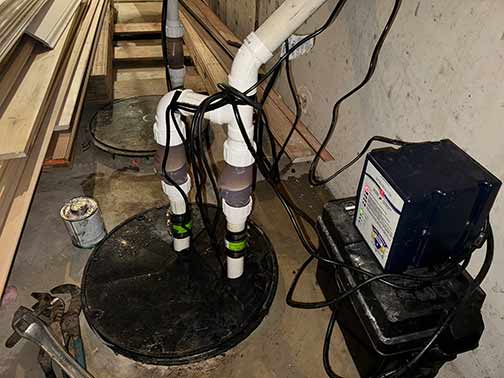
To keep your sump pump functioning efficiently, regular maintenance is necessary. Check the pump for debris and clean the sump pit periodically to prevent clogs. Test the pump by pouring water into the pit and ensuring it activates and drains properly. It’s also important to inspect the power source and backup battery to ensure they are in good working condition. Regular maintenance will extend the life of your pump and provide peace of mind during heavy rainfalls.
Maintenance is the cornerstone of sump pump performance. Routine checks and cleaning prevent clogs and ensure the system operates smoothly. Testing the pump regularly allows you to detect issues early and address them before they escalate. Additionally, inspecting the power source and backup battery is crucial to guarantee functionality during a power outage. By committing to regular maintenance, homeowners can extend the lifespan of their sump pumps and maintain optimal performance throughout the spring season.
Identifying and Solving Common Sump Pump Problems: Troubleshooting Techniques for Reliable Operation
Even with regular maintenance, sump pumps can encounter issues. Common problems include power failures, stuck switches, and clogged discharge lines. To address power failures, consider installing a backup generator or battery system. For stuck switches, regularly inspect and clean the pump to prevent debris from interfering with its operation. Ensure the discharge line is free of obstructions to maintain proper water flow. Promptly addressing these issues will help you avoid costly water damage.
Identifying and solving sump pump problems requires vigilance and proactive measures. Power failures can be mitigated by installing a backup battery system sump pump, ensuring the pump remains operational during outages. Stuck switches often result from debris buildup; regular inspection and cleaning can prevent this issue. Clogged discharge lines can hinder water flow, so it’s essential to keep them clear. By addressing these common problems promptly, homeowners can prevent water damage and maintain the reliability of their sump pump systems.
Understanding the Role of Sump Pump Alarms: Enhancing Flood Prevention with Early Warning Systems
Sump pump alarms are an invaluable addition to your flood prevention strategy. These devices alert you when water levels in the sump pit are too high, indicating a potential problem with the pump. By providing early warning, alarms allow you to take corrective action before flooding occurs. Consider installing a high-quality sump pump alarm system to enhance your home’s protection.
The role of sump pump alarms in flood prevention is critical. These devices serve as an early warning system, alerting homeowners to potential issues before they become severe. By monitoring water levels in the sump pit, alarms provide timely notifications, allowing for corrective action to be taken. Investing in a high-quality alarm system enhances your home’s protection, offering peace of mind during the unpredictable spring season.

Exploring Advanced Sump Pump Technologies: Leveraging Innovation for Enhanced Home Protection
Advancements in sump pump technology have led to more efficient and reliable systems. Smart sump pumps, for instance, can be monitored and controlled remotely via smartphone apps. These systems provide real-time alerts and diagnostics, allowing you to manage your sump pump from anywhere. Investing in advanced technology can offer added convenience and peace of mind.
Exploring advanced sump pump technologies opens the door to enhanced home protection. Smart sump pumps represent the forefront of innovation, offering remote monitoring and control via smartphone apps. These systems provide real-time alerts and diagnostics, enabling homeowners to manage their sump pumps from anywhere. By investing in advanced technology, you gain convenience and peace of mind, knowing your home is safeguarded by the latest innovations in flood prevention.
Integrating Sump Pumps with Home Drainage Systems: Coordinating Efforts for Comprehensive Flood Prevention
A comprehensive approach to flood prevention involves integrating your sump pump with your home’s overall drainage system. Ensure that gutters and downspouts are clean and functioning properly to direct water away from your foundation. Consider grading your landscape to slope away from your home, further reducing the risk of water accumulation. By coordinating these systems, you can enhance your home’s protection against spring flooding.
Integrating sump pumps with home drainage systems is a strategic move for comprehensive flood prevention. Clean and functional gutters and downspouts are essential for directing water away from your foundation. Additionally, having a French drain system installed further reduces the risk of water accumulation. By coordinating these systems, homeowners can enhance their protection against spring flooding, ensuring a cohesive and effective defense strategy.
Preparing for Spring Floods: A Homeowner’s Checklist for Effective Defense
Preparation is key to mitigating the risks of spring flooding. Start by inspecting your sump pump and performing necessary maintenance. Ensure your backup power source is operational and consider installing a sump pump alarm system. Check your home’s drainage systems and make any necessary repairs. By following this checklist, you can be confident in your home’s ability to withstand the challenges of spring weather.
Preparing for spring floods requires a comprehensive checklist. Begin by inspecting your sump pump and performing any necessary maintenance to ensure optimal performance. Verify that your backup power source is operational and consider installing a sump pump alarm system for added protection. Check your home’s drainage systems, including gutters and downspouts, and make any necessary repairs. By following this checklist, homeowners can confidently face the challenges of spring weather, knowing their homes are equipped to handle potential flooding.
Conclusion: Proactive Measures for Peace of Mind in Flood Prevention
Safeguarding your home against spring flooding requires a proactive approach. By understanding the importance of sump pumps, selecting the right system, and maintaining it regularly, you can protect your home from water damage. Embrace new technologies and integrate your sump pump with your home’s drainage system for enhanced protection. With these strategies in place, you can enjoy the spring season with peace of mind, knowing your home is well-protected.
Conclusion: Proactive measures are the cornerstone of effective flood prevention. By understanding the role of sump pumps, selecting the right system, and committing to regular maintenance, homeowners can protect their properties from water damage. Embracing new technologies and integrating sump pumps with home drainage systems further enhances protection. With these strategies in place, you can enjoy the spring season with peace of mind, confident in your home’s ability to withstand the challenges of spring flooding.