
Knowing the Typical Causes of Drain Odors and How They Can Affect Your Home
Few problems in the home are as distracting and obnoxious as a bad smell coming from your drain. Such odors have the ability to fill your living space very quickly, making it uncomfortable and in some cases even uninhabitable. Apart from the smell, frequent drain smell can be an indication of underlying plumbing problems that, if left without solution, can become more complex issues related to safety and hygiene in your home. Knowing the primary causes of drain smell is essential not only to get rid of the smell itself but also to maintain a healthy living environment. Here we are going to cover the various reasons for drain odors, how they develop, what it does to your home, and efficient and effective means of eliminating them, so that your home remains a clean, fresh, and inviting space.
How Blockages and Buildup Lead to Stinky Drain Odors
One of the easiest and most common reasons for drain odors is buildup in your pipes. Over time, hair, soap buildup, grease, and food particles can form in the plumbing system. These items tend to trap other waste and bacteria and are a good place for microbes to grow. As organic matter is breaking down, it emits the bad smell which makes its way up through the drain when you notice it is there. Additionally, when such clogs restrict water flow, the water can sit still within the pipes and thus encourage even more growth of bacteria and enhance the stench. Regular cleaning and maintenance are necessary in preventing this build-up. Enzyme-based drain cleaners, which contain bacteria that break down organic waste, can be very effective. Physically pulling out garbage with tools like a drain snake or plunger is also capable of fixing standard water flow and eliminating odors. Habits like not pouring oil and fats down the drain and putting a cover on the drain to catch debris can go a long way to maintaining a home’s fresh scent.
How Poor Venting and Stuck Air Cause Drain Smells
Your house’s sewer plumbing system relies heavily on precise ventilation to function well. Vent pipes offer a means for sewer gases to vent outside, so sewer gases don’t accumulate within your home. When vent pipes are clogged, malfunctioning, or placed in improper settings, sewer gases—primarily methane and sulfur chemicals—can circulate backward into your house through the drains. This produces persistent, sometimes odorous smells that are most foul. Improper ventilation not only generates stenches but also health risks, as sewer gases consist of potentially toxic chemicals. Careful clearing of vent pipes of any blockages, such as leaves or trash, and careful installation of them is important. In some instances, cleaning or replacing vent caps will alleviate the issue. The installation of air admittance valves (AAVs) can also improve airflow and prevent gases from seeping into your home, providing a reliable and soundless solution to ventilation problems.
How Sewer Line Issues Bring Drain Odors
Serious problems in the master sewer line can lead to severe and long-term drain odors. Leaks, cracks, or blockage in the sewer pipe can make the waste and gases back up into the plumbing system in your home. Such issues often reveal themselves in other symptoms such as clogged sinks that drain slowly, gurgling sounds from pipes, or even toilet and drain sewage backups. Sewer line problems are typically more complex and require professional fixing. Discovery of these problems in advance will prevent costly repairs and extensive damage. Professional plumbers can inspect sewer lines with video cameras, diagnose the problem correctly, and perform necessary repairs or replacements. Sewer line maintenance through cleaning and inspection can prevent clogs and leaks, hence reducing probabilities of foul odor entering your household environment.
How Seal Failure and Dry Traps Make Smelly Drains
Traps on your drains are a vital component of your plumbing designed to retain water, creating a seal which prevents sewer gases from reaching your living space. Should a drain not be used for an extended period, the water contained in the trap may dry out, leaving an avenue for sewer gases to ventilate through. Furthermore, damaged or ill-sealed traps cannot retain odors. This is readily ignored because the smell will only occur if a drain is not utilized or after heavy rains that cause pressure changes in the pipes. To fix this, having water running down the drain every now and then may restore the water seal. In case the trap is broken or cracked, putting in a new one or plugging the leaks will guarantee there is a seal. Ensuring that each trap is in proper condition and operates optimally is an easy yet effective way of preventing stinky smells from entering your house.
How Organic Matter and Food Waste Help Produce Drain Odors
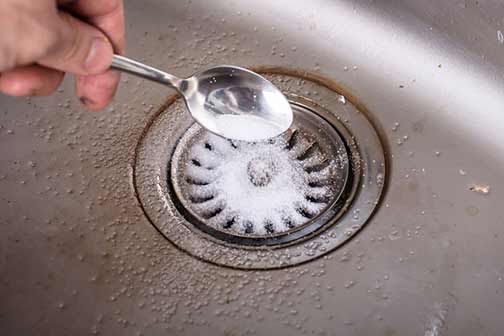
Kitchen sink drains are particularly susceptible to unpleasant odors caused by food particles, grease, and other organic materials. When fats and oils are rinsed down the drain, they solidify and stick to pipe walls. Fats and oils clog up the pipes and become nests for all kinds of debris and bacteria that further propagate in these conditions, causing the decomposition process. When decomposed, organic matter releases smelly gases that can escape through the drain. To prevent this from happening, do not pour coffee grounds, grease, or excess food waste down the drain. Installing a strainer on the drain to catch food fragments and disposing of it in the trash can significantly reduce organic buildup. Daily draining of the pipe with hot water, coupled with organic cleaners such as baking soda and vinegar, will dissolve settled fats and maintain your pipes odorless and free. Maintenance and proper use are what help avoid kitchen drain smells.
How Mold, Mildew, and Bacteria Develop in Drains
The hot, moist environment of drains provides the ideal breeding ground for mold, mildew, and bacteria. Soap scum, hair, and food residue are just a few examples of organic materials that these microorganisms can utilize as nutrients. Unchecked, they emit a damp, musty smell that permeates your entire home. Moreover, mold and bacteria can have a negative impact on indoor air quality and lower health, especially in individuals with respiratory issues or allergic reactions. Vinegar, disinfectant cleaning, and baking soda can minimize microbial growth. Dry and well-ventilated drains also discourage mold growth. Drain covers and frequent cleaning also hinder the transmission of mold spores. Having the area around your drains clean and dry is integral to avoiding microbial development and smell.
How to Effectively Detect and Diagnose Odors in the Drain
Determining the reason behind odors in the drain requires close observation and, sometimes, professional analysis. Begin by paying attention to when precisely the odor appears—whether it’s constant or occasional—and whether it’s limited to a particular drain or is spread throughout your home. Observe any apparent indication of clogs, leaks, or water stagnation near the drain. If alone cleaning is ineffective, then a drain camera is also an option, where professionals can visually check the interior of your pipes for damage, blockages, or sediment accumulation. Professional testing is especially important in the event of continuous or pungent odors because it can spot underlying conditions that are beyond what the naked eye can see. A qualified plumber can perform proper inspections and recommend exact remedies, enabling the problem to be completely addressed and indoor air quality in your home restored.
Practical and Safe Remedies for Eliminating Drain Odors
Eliminating drain odors is a combination of regular maintenance, natural cleaning, and, if necessary, professional assistance. Regular hot water flushing on your drains can remove residues that cause odors. Natural cleaners such as vinegar and baking soda can also break down organic buildup and inhibit microbial growth. Tools like drain snakes and plungers mechanically remove minor clogs efficiently. For persistent odors, enzymatic cleaners or drain deodorants may be used to dissolve organic matter. Adequate venting by cleaning or replacing vent caps and capping leaks or cracks in the plumbing system are also essential steps. When DIY fails, professional plumbers can conduct a detailed inspection, repair broken pipes, and unclog sewer drains, bringing freshness and safety to your home environment.
Preventive Measures in Keeping Your Drains Fresh and Odor-Free
The best way of combating drain odors is proactive prevention. Making a routine of regular cleaning, for instance, flushing drains with hot water and natural cleansers, maintains clear and clean pipes. Avoid pouring fats, oils, coffee grounds, and large food particles down the drain. Use drain covers and clean them regularly to prevent the buildup of debris. Letting hot water run following the use of sink or dishwasher will wash residues away before they can accumulate. Installing vent caps and ensuring proper ventilation of your plumbing system will prevent gases from entering your home. Professional inspections on a regular basis will show any emerging issues, such as small leaks or clogged vents, before they can become more serious. By following these preventive measures, you can significantly reduce the risk of unpleasant drain odors and enjoy a fresher, healthier home.
When to Call a Professional Plumber for Persistent Drain Odors
While DIY measures and maintenance can remove most drain odors, some problems require the expertise of a professional plumber. If you have tried cleaning, venting, and minor repairs without success, or if you notice signs of sewer backups, ongoing gurgling sounds, or worsening sewage smells, it’s time to bring in the experts. Professional plumbers utilize specialized equipment such as sewer cameras, hydro-jetting service, and high-tech diagnostic equipment that can detect and solve intricate problems in an efficient manner. Solving these issues not only deodorizes your home immediately but also averts health risks related to bacterial growth and sewer gases. Professional service guarantees that the root of the problems is properly diagnosed and repaired, offering peace of mind and a healthier indoor environment.
Conclusion: Maintaining a Fresh and Odor-Free Home Environment
Drain odors can be a large cause of discomfort and frustration, yet being well aware of their causes and acting in advance, you can simply eliminate such unpleasant odors. Proper maintenance, careful use, proper venting, and periodic expert inspections are the most important components of an integrated approach to rendering your home a fresh-smelling one. Addressing issues early on prevents minor issues from escalating into costly fixes or health hazards. With regular monitoring of the health of your plumbing system and implementation of simple, effective solutions, you can enjoy a clean, hospitable, and odor-free home living space that enhances your comfort and well-being. A comfortable and healthy home living starts with a properly maintained drainage system.