Tag Archives: sewer tree root intrusion

Tree Roots in Sewer Lines: A Big Problem in Chicago’s Older Neighborhoods

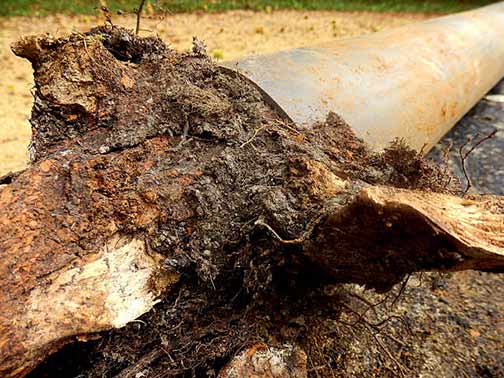
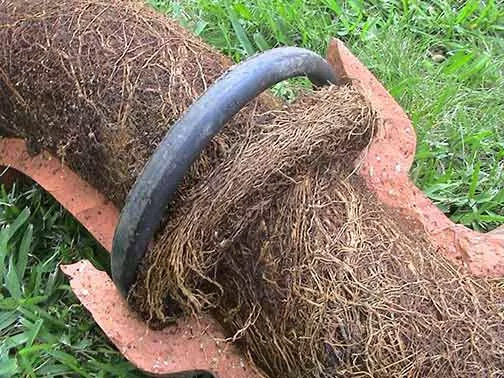
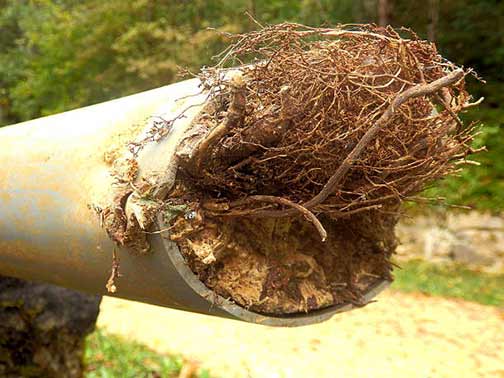
tree roots growing in a sewer line

Understanding the Cause of the Problem: Why Tree Roots Intrude into Chicago’s Historic Sewer Lines

In many of Chicago’s oldest neighborhoods, a vexing and at times infuriating problem is ever-present: tree roots intruding into sewer lines. The problem is not merely a nuisance but a very real danger to the integrity of city infrastructure, with the potential for costly repairs, environmental hazards, and health problems. To truly comprehend why this issue is so prevalent in Chicago, the underlying causes of the problem must be taken into account, including the age and nature of sewerage construction, the nature of behavior and species of trees common within the area, and the general history of urban development which has shaped the underground cityscape. Understanding these factors accounts for the persistence of tree root intrusion and underscores the importance of proactive maintenance and preventive treatment.

The Age and Construction of Chicago’s Older Sewer Lines

Chicago’s sewer infrastructure has a diverse and complicated history dating back to the late 19th and early 20th centuries, when urbanization and industrialization gained momentum. During this time, most of the city’s sewerage network was constructed using clay pipes, which were deemed to be durable but are now realized to be prone to degradation. The materials used—the primarily vitrified clay—did not possess modern-day sophisticated sealing technologies such as rubber gaskets and flexible joints intended to inhibit infiltration and exfiltration. Over several decades, the successive exposure to water, migrating soils, and climatic stress has resulted in cracks, opening joints, and pipe ruptures in these aging infrastructures.

With increasing age, the strength of pipes declines, and they become prone to small cracks and gaps that are easily invaded by tree roots seeking water and nutrients. The process is also hastened by the natural heating and cooling of the earth with temperature fluctuations and freeze and thaw cycles, further stressing the pipes. Therefore, what began as minor cracks, gradually, can turn into extensive breaches, with roots digging very deep into the sewer lines, leading to clogging, leaking, and pipe collapse. Replacing these old sewer lines is a labor-intensive and costly endeavor, especially with the dense urban terrain and the need to stay away from adjacent properties.

The Natural Instinct of Tree Roots and Their Search for Water

Tree roots are naturally driven – to find water and nutrients necessary for the survival and growth of trees. Such natural instinct is problematic when buried pipes accumulate even minimal leaks or cracks. These flaws incidentally give a water-plentiful environment that is attractive to surrounding trees’ roots. Roots of trees have a strong ability to sense water from far distances, often extending their reach several feet away from the canopy of the tree. Upon detecting a sewer pipe leak or crack, they penetrate into it, growing through joints, openings, or cracks to access the water source.

It is a natural phenomenon but still problematic within urban areas like Chicago, where trees are deliberately planted alongside sewer pipes for aesthetic and ecological reasons. When the roots extend in the direction of the water source, they fully encircle a pipe’s diameter, thereby creating severe blockages. This intrusion will eventually lead to backups, odors, and even harm to the pipe’s structure. The aggressive growth habits of certain tree species make this issue particularly vexing because the roots tend to spread rapidly and penetrate even minute crevices, complicating repairs and maintenance.

Common Tree Species in Chicago and Their Impacts on Sewer Lines

Chicago’s urban landscape features a diverse array of tree species, the majority of which possess invasive root patterns that can seriously damage such infrastructure as underground sewer pipes. Some of the most prevalent species in the city include maples, willows, poplars, and silver maples, each of which contains distinct root structures that dictate whether or not they invade sewer pipes. Poplars and willows, for example, grow rapidly and possess extremely large root systems that can quite easily work their way into small crevices in old pipes. The roots are highly flexible and will advance multiple feet in a single growing season, and they are the most common reasons sewers get clogged.

Oaks are not as invasive in their root system, though, and will not damage the pipes unless the pipes are already compromised. What type of tree and how it roots are crucial issues in urban planning, landscaping, and upkeep. Being able to identify the species posing the greatest threat can help municipalities and home owners design targeted measures to prevent root intrusion, such as planting less invasive species around sewer mains or the installation of root barriers over vulnerable infrastructure.

Urbanization and Its Contribution to Exacerbating the Issue

History of city development in Chicago has significantly contributed to the extent and spread of tree root penetration issues. During the phases of city development, most sewer lines were installed without exposure to modern protective features, such as flexible joints, corrosion-resistant materials, or root-proofing techniques. Such old systems are necessarily more vulnerable to root penetration, especially as they age and deteriorate over time.

Added to this, landscaping and urbanization have relocated trees over sewer lines, often with no consideration for the underground pipe infrastructure. Construction, new landscaping, and street beautification have increased the likelihood of root intrusion. The underground environment is cluttered with aged pipes, utilities, and other infrastructure—making repairs and replacement difficult, typically requiring large-scale excavation and disruption. This complex dynamic interaction between urban growth, infrastructure deterioration, and landscaping choices has deepened the issue, making it a chronic challenge to city governments and residents.
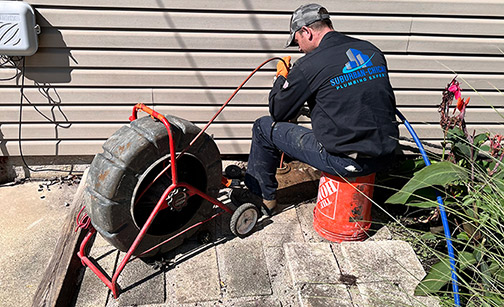
a professional sewer camera inspection in chicago
With sensor-equipped cameras, inspections reveal whether roots have invaded the space inside the pipe, leading to partial or complete obstructions.

Indications of Tree Root Intrusion in Sewer Pipes

Early tree root intrusion detection is crucial to avoiding costly repairs and widespread damage. Normal signs include repeated backups in toilets, sinks, or drains that continue to occur despite regular use and flushing. Slowing drainpipes, odors in plumbing devices, and gurgling noises are generally indicators of root blockage. Homeowners may also notice zones of dense, extremely healthy grass or bushes over sewer lines as potential indications of root activity beneath the earth.

Sophisticated detection methods, such as sewer camera inspection, are now standard equipment employed to detect roots that infiltrate pipes. With sensor-equipped cameras, inspections reveal whether roots have invaded the space inside the pipe, leading to partial or complete obstructions. Early detection of the signs makes way for interventions such as root extraction or pipe replacement before the problem worsens and leads to more expensive damage or public health hazard.

Methods of Resolving Tree Root Problems in Chicago’s Sewer Lines

Resolving tree root intrusion entails a multi-pronged approach that includes prevention and active control. Regular inspection using sewer cameras is essential for early detection. Once roots are detected, professional root removal techniques such as hydro jetting—using high-pressure water streams—or mechanical cutting can successfully clear the pipes. To prevent future intrusion, homeowners can install root barriers—physical barriers that will keep roots from accessing sewer lines—or use chemical root inhibitors that will discourage roots from growing close to pipes.

In some cases, the installation of new, flexible plastic pipes—such as PVC or HDPE—to replace older clay pipes can all but eliminate the threat of root intrusion. These materials seal more tightly and are more resistant to cracking and deterioration. Landscaping practices play a significant role too; planting trees far enough away from sewer lines or using species with less invasive roots will help mitigate the problem over time. Proper maintenance, along with foresight, holds the key to preserving the integrity of Chicago’s aging sewer infrastructure.

The City Maintenance and Community Involvement Role

While individual property owners are themselves responsible for the upkeep of their sewer lines, city governments have a crucial role in addressing this mass of problems. Chicago’s public works departments conduct standard sewer cleansing, examination, and restoration programs intended to recognize and address root intrusion before such failures happen on a large scale. Public educational campaigns remind citizens of the importance of proper landscaping, early indications of sewer strain, and benefits of regular examinations.

Community participation is also essential. Citizens can help the city by reporting issues on time, not planting vegetation around sewer pipes, and participating in neighborhood programs focused on maintaining infrastructure. Collective efforts of citizens, city government, environmental agencies, and urban planners encourage eco-friendly practices that protect the city’s infrastructure and parks. It is essential to initiate such a project because only this can stop the issue at its root level and assist in prolonging the lifespan of Chicago sewage systems.

Innovative Solutions and Future Technologies

There are still new technologies that are revolutionizing the way cities fix underground infrastructure problems. Alternative trenchless repair solutions such as pipe relining—where a new pipe lining is pushed into the existing damaged one—or pipe bursting technology allow one to replace sewer lines with minimal disruption to the trees and landscapes surrounding them. Such technologies are especially valuable when working with aging neighborhood locations where it is hard to excavate and intrude.

Environmentally friendly chemical root inhibitors are gaining popularity, providing a straightforward method to repel root growth without harming the environment. Additionally, smart sensors and remote monitoring networks can be used to sense leaks, root intrusion, and pipe corrosion in real time, enabling prescriptive maintenance before significant harm is inflicted. As Chicago starts modernizing its infrastructure, these new technologies will be crucial in developing sustainable, long-term solutions to cope with tree root invasion and preserve the city’s historic sewer system.

Conclusion: A Community-Based Solution for Saving Chicago’s Historic Sewer Lines

Quite simply, the persistent issue of tree roots breaking into Chicago’s historic sewer lines is a consequence of a convergence of aged infrastructure, normal root activity, urban development patterns, and landscaping choices. Early detection and response, combined with advanced technology, landscape design strategies, and civic engagement, can successfully mitigate this issue. Conservation of Chicago’s sewers must be a collaborative effort between residents, government agencies, environmentalists, and city planners. Fixing the underlying causes—both the literal and symbolic—and using sustainable, visionary solutions, Chicago can save its historic infrastructure as well as healthy green spaces for future generations. Its ongoing dedication to active maintenance, technological creativity, and civic involvement will be instrumental in ensuring the resilience and health of the city’s underground ecosystem for years to come.
Expert Solutions to Tree Root Challenges in Chicago Sewer Lines

Expert Solutions to Tree Root Challenges in Chicago Sewer Lines

Tree roots are a significant issue for sewer lines, especially in densely populated urban areas like Chicago. Tree roots are drawn to the water and nutrients present in sewer lines, and hence they are a desirable location for invasion. This invasion can lead to severe clogs, overflows, and even structural collapse of the sewer system. It is essential to understand the processes involved in this problem in order to come up with effective solutions and maintain the integrity of sewer systems.

Tree roots are expert at entering even tiny crevices or joints in sewer pipes. Once inside, they are able to spread and create major damage, leading to costly repairs and potentially environmental catastrophes. The problem worsens in older sewer systems, which most likely have deteriorated over time and have more vulnerable places where roots can enter. By knowing the extent of this issue, residents and urban planners can take preventive measures to steer clear of the hazards brought about by tree root intrusions.

There are some myths relating to the issue of root intrusions of trees in sewer lines, and they typically lead to ineffectual solutions. One such prevalent myth is that tree removal is the only way to effectively prevent root problems. Not only does this process ruin the environment, but it is also not required for most cases. Trees provide numerous benefits through air filtration, shade, and aesthetics, and removal of trees should be last considered.

Another widespread myth is that root intrusions can be repaired for good through chemical treatments. Though chemical treatments are helpful in the short term by poisoning roots within the pipes, they fail to address the real cause. If the root cause of the issue is not addressed, roots will re-grow and re-penetrate the sewer lines in the near future. All these myths must be understood well in order to implement long-term and effective solutions.

Sophisticated Techniques for Tree Root Infiltration Identification in Sewer Pipes

It is paramount to identify tree root infiltration early in order to prevent extensive damage and costly repairs. Sophisticated inspection techniques, such as video sewer inspections, allow experts to effectively establish the condition of sewer pipes and identify root intrusions. These non-invasive techniques provide an accurate visual indicator of the issue, making them perfect for focused and efficient interventions.

Video inspections are conducted by inserting a small, high-resolution camera into the sewer lines and taking live pictures of the inside condition. The technology allows experts to notice not only root intrusions but also other potential issues such as cracks, clogging, or corrosion. Through these high-tech techniques, the owners of properties can maintain their sewer systems in working condition and prevent future issues.

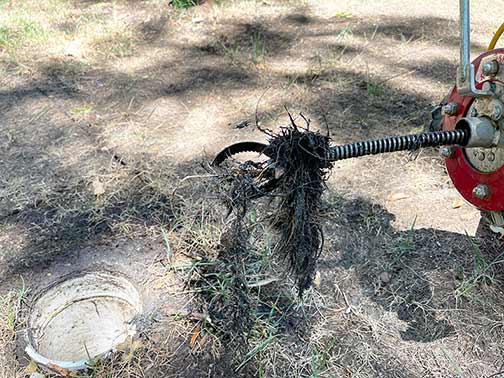
Root intrusions in trees are resolved through a tactical procedure consisting of mechanical and chemical treatment. The majority of sewer line roots are broken mechanically by utilizing mechanical augers, which effectively clear blockages and restore flow. Mechanically, these “sewer rodding” devices are designed to cut roots and other obstructions, providing immediate relief from blockage.

Chemical root killers can also be employed for future root growth checks. Chemicals are specifically engineered for inhibiting regrowth of roots without damaging the surrounding environment. They must, however, be employed with care and in conjunction with other methods in order to drive home results.

Trenchless sewer repair solutions such as pipe bursting and pipe lining yield long-term solutions by repairing or replacing damaged sewer pipes without extensive excavation. Pipe lining involves inserting a liner coated with resin into the existing pipe, where it solidifies and forms a new, durable pipe within the old pipe. Pipe bursting, on the other hand, involves bursting the existing pipe while laying the new pipe simultaneously. These methods are more invasive and expensive than traditional excavation.

a professional sewer rodding service in chicago
The majority of sewer line roots are broken mechanically by utilizing mechanical augers, which effectively clear blockages and restore flow.

Consolidating Solid Sewer Maintenance: Best Practices and Recommendations

In normal maintenance, the intrusions by tree roots are avoided and sewer pipes are protected to serve for a long time. These include frequent inspections, immediate repair, and judicious use of root inhibitors where the need arises. Owners of property should also consider the type of trees planted near sewer pipes, with the least intrusive root system as the preferred choice.

Implementing a proactive maintenance schedule can significantly reduce the risk of root intrusions. Regular inspections allow for the early detection of potential issues, enabling prompt intervention before significant damage occurs. Additionally, the use of root inhibitors can help prevent roots from entering sewer lines, providing an additional layer of protection.

The Role of Urban Planning in Mitigating Tree Root Issues in Sewer Lines

Urban planning plays a pivotal role in mitigating tree root issues in sewer lines. By considering the placement of trees and sewer lines during the planning stages, municipalities can reduce the likelihood of root intrusions. Implementing policies that promote the use of root barriers and encouraging the planting of appropriate tree species can also contribute to long-term solutions.

Root barriers are physical barriers installed underground to prevent roots from reaching sewer lines. These barriers can be made of various materials, including plastic or metal, and are designed to redirect root growth away from vulnerable areas. By incorporating root barriers into urban planning, cities can protect their sewer infrastructure while maintaining green spaces.

Collaborating with Professionals for Comprehensive Solutions to Tree Root Challenges

Solving tree root problems in sewer lines is a task that should be left to professionals. Advising with competent plumbers, arborists, and urban planners ensures the solutions implemented are not only effective but also sustainable. They can provide tailored advice and services that are specific to the individualized demands of each property and its ecosystem.

Plumbers may offer specialized services such as sewer camera inspections, sewer rodding, and repair techniques. Arborists may give tips on selecting tree species with less invasive root systems and provide guidance on where to plant trees. Urban planners can plan policies and strategies that include green infrastructure along with sewer system protection.

Conclusion: Adopting a Proactive and Informed Approach to Tree Root Challenges

In conclusion, tree root problems in Chicago sewer lines can be effectively managed through a forward-looking solution that incorporates professional service, regular maintenance, and urban planning. By dispelling myths and embracing practices as advocated by experts, homeowners and municipalities can protect their sewer systems and enhance their sustainability.

Realizing the impact of tree roots upon sewer lines, eradicating misconceptions, using advanced detection procedures, and implementing detailed methods are key to addressing the issue. Coordination with professionals and prudent city planning also help make these attempts fruitful. By adopting preventive and well-informed steps, Chicago can facilitate the preservation of its sewer infrastructure and maintain the health and vigor of its urban environment.

Tackling the Issue of Sewer Tree Root Intrusion: Key Strategies and Best Practices

Tackling the Issue of Sewer Tree Root Intrusion

Understanding Sewer Tree Root Intrusion

Tree root intrusion is a common and frustrating issue faced by many homeowners and municipalities. When tree roots invade sewer pipes, it can lead to clogging, blockages, and even pipe damage. This article will explore the key strategies and best practices for tackling the issue of sewer tree root intrusion.

The Impact of Sewer Tree Root Intrusion

Sewer tree root intrusion can have significant consequences on both residential and municipal sewer systems. Here are some of the main impacts:

  • Clogging and Blockages: As tree roots grow and spread, they can obstruct the flow of wastewater through the sewer pipes. This can cause backups, slow drainage, and even sewage overflows.
  • Pipe Damage: Over time, tree roots can exert pressure on sewer pipes, leading to cracks, fractures, and even complete pipe collapse. This can result in costly repairs and full sewer line replacements.
  • Increased Maintenance Costs: Dealing with tree root intrusion requires frequent maintenance, such as root cutting and hydro jetting. These ongoing expenses can add up for homeowners and municipalities.

Key Strategies for Preventing Sewer Tree Root Intrusion

Prevention is crucial when it comes to sewer tree root intrusion. By implementing the following strategies, homeowners and municipalities can minimize the risk of root infiltration:

Selecting the Right Tree Species

One of the best ways to prevent sewer tree root intrusion is to choose tree species with non-invasive root systems. Certain trees, such as oak, maple, and pine, have less aggressive roots that are less likely to penetrate sewer pipes. Consult with a local arborist or horticulturist to identify tree species suitable for your area.

Maintaining Proper Distance

When planting trees on your property, it is essential to maintain a safe distance from sewer lines. The general guideline is to keep trees at least 10 feet away from any underground pipes. This will help minimize the risk of root intrusion as the trees mature.

Regular Inspection and Maintenance

Scheduling regular sewer line camera inspections and maintenance is crucial for early detection of tree root intrusion. Professional plumbers or sewer experts can use specialized equipment, such as CCTV cameras, to inspect the condition of the pipes and identify any root intrusions. Prompt action can prevent further damage and costly repairs.

Chemical Root Growth Inhibitors

Another preventive measure is the use of chemical root growth inhibitors. These products, typically in liquid or foam form, are applied to the sewer pipes. They work by creating a barrier that deters root growth. It is important to follow the manufacturer’s instructions and use these inhibitors judiciously, as excessive use may harm the tree itself.

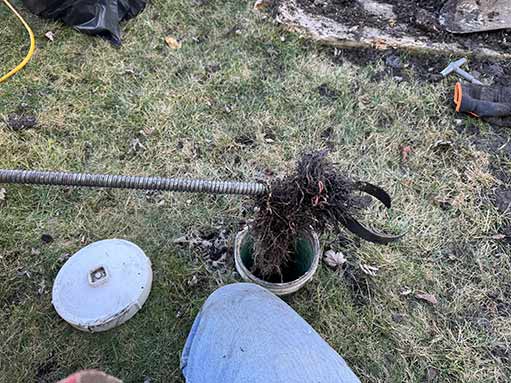
mechanical root cutting to rid of sewer tree root intrusion.

Mechanical root cutting involves the use of specialized cutting tools to remove tree roots from sewer pipes.

Effective Techniques for Addressing Sewer Tree Root Intrusion

In cases where sewer tree root intrusion has already occurred, there are several techniques that can effectively address the issue:

Sewer Rodding

Sewer rodding involves the use of specialized service to remove tree roots from sewer pipes. This method can provide a temporary solution, but regular maintenance is necessary as the roots may regrow over time.

Hydro Jetting

Professional hydro jetting service is an effective technique for clearing out tree roots and debris from sewer pipes. It involves the use of high-pressure water to dislodge and flush out the roots. Hydro jetting not only removes the existing roots but also helps in cleaning the inner surface of the pipe, reducing the risk of future intrusions.

Pipe Relining

Pipe relining is a non-invasive method for repairing sewer pipes affected by root intrusion. In this technique, a flexible liner coated with resin is inserted into the damaged pipe. The liner is then inflated and cured, creating a new pipe within the existing one. This eliminates the need for extensive excavation and pipe replacement.

Pipe Replacement

In severe cases of root intrusion where the pipes are extensively damaged, pipe replacement may be necessary. This involves excavation and removal of the old pipes, followed by the installation of new pipes. It is recommended to contact a professional plumber to determine the most suitable pipe replacement method based on the specific situation.

Sewer tree root intrusion is a challenging issue, but with the right strategies and techniques, it can be effectively managed. By implementing preventive measures, such as selecting appropriate tree species and maintaining proper distances, homeowners and municipalities can significantly reduce the risk of root infiltration. In cases where intrusion has already occurred, sewer rodding, hydro jetting, pipe relining, or a full sewer pipe replacement can address the problem and restore the proper functioning of sewer systems.

Remember, early detection and timely action are vital in preventing further damage and minimizing maintenance costs. So, stay vigilant and take proactive measures to tackle the issue of sewer tree root intrusion.