Are you experiencing drainage problems like slow drains and frequent clogs in your Logan Square (Chicago) home? You may have a blocked drainage line. According to Uplift Property Management, drain lines can block for several reasons: food debris, hair, grease, and tree roots building inside the line.
An effective way to solve this problem is by getting a licensed Logan Square plumber to clear your drains using sewer rodding. Sewer rodding helps to restore the flow of water in blocked drains by removing blockages from the lines. What is sewer rodding, and how does it work?
What is sewer rodding, and how is sewer rodding done?
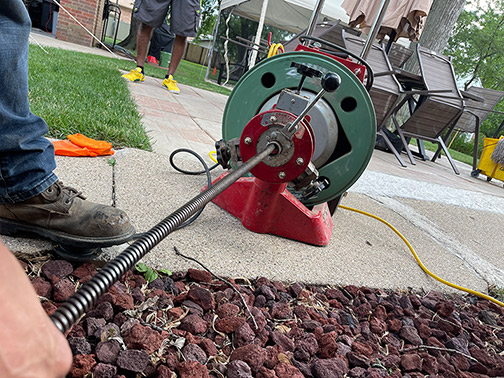
Sewer rodding is a drain-cleaning method used by professional plumbers to clear drainpipes and sewer lines. It uses a strong but highly flexible rod with a stainless-steel cutting head attached to its business head. The cutting head is used to slice through any debris inside the pipes.
To clear a blocked pipe, the rod, with the attached cutting head, is inserted into the drain line via a drain opening or sewer cleanout. Due to its flexibility, this rod is able to navigate the bends in the pipe to reach the blocked section. Once in place inside the drain pipe, cleaning can begin.
At its other end, the flexible rod used in the operation is connected to a powerful motor known as a rodding machine, which rotates the entire rod and cutting head. The rotating motion allows the cutting head to shear through all forms of debris, including hair, paper, grease, and tree roots.
A step-by-step explanation of the sewer rodding process
- Inspection and evaluation
To understand the nature of the problem to be solved, a sewer camera inspection is done. This involves using a specialized camera to view the inside of the pipes. The camera captures a high-resolution video of the pipe channel, enabling the plumber to identify the type of blockage inside the pipe, its location, and the most effective method for removal.
- Preparation and rod insertion
Based on what the inspection reveals, the plumber selects the suitable type of cutting head for the affected drainpipes. Next, the flexible rod and cutting head are inserted into the drainage line via the sewer cleanout and maneuvered into place within the line. After this, the actual cleaning operation can begin.
- Removing the clog
The rod/cutting head starts spinning when the rodding machine is powered on. Under the force of its own motion and some gentle pushing by the plumber, the cutting head drives through the pipes, chopping through debris as it goes. The effect is immediate, as previously slow drains in the home start to flow again.
- Flushing and final inspection
To remove loose debris inside the pipes, the entire line is flushed. Depending on the severity of the initial problem, this is done by hosing the line with hydro jetting. Finally, a second sewer camera inspection is done to verify that the clog has been removed and check the condition of the line.
Benefits of sewer rodding
- Long-lasting blockage removal
Unlike drain cleaners that only try to restore flow, sewer rodding addresses the root of the problem. It physically removes the clog to restore the functionality of your drains. That’s why the effects of sewer rodding are long-lasting.
- Damage prevention
Rodding a blocked drainage pipe or sewer line prevents more significant issues down the road, such as burst pipes, sewer backups, and structural problems caused by water infiltrating the building’s structure from undetected drainpipe leaks.
- Improved drain function
By clearing clogs and blockages from the drainage system, sewer rodding facilitates faster drainage in your home. It also prevents problems like pest invasion, sewage odors inside your home, and strange noises from your drains.
- Substantial cost savings
Sewer rodding saves you money by extending the life of your drainage pipes and sewer system. Yearly sewer rodding minimizes the impact of buildup on your plumbing, reducing the risk of pipe damage and helping to prevent premature drainage pipe and sewer line replacement.
What are the signs that your home needs sewer rodding? If your drains are slow or clog often, there are sewer odors in your home, or your drains make strange noises, especially when you flush the toilet, your drainpipes probably need sewer rodding service.
But for the best results, you shouldn’t wait until you see the signs of drain troubles in your home before arranging for sewer rodding. The best practice is to use sewer rodding as a preventive tool rather than a corrective strategy. This means doing sewer rodding on a schedule.
By rodding your drainage system once every 1-2 years, you interrupt the processes that lead to drain clogs, blockages, and other issues in your drainpipes and sewer line. This is a much more efficient and cost-effective way to deploy sewer rodding in your home.
For more information on preventive drain maintenance using sewer rodding and other ways to use this efficient drain-cleaning method, talk to our Logan Square plumber today by calling 773-599-9181.