Tag Archives: sewer pipe cleaning

Understanding Sewer Main Line Blockages and How to Prevent Them

Understanding Sewer Main Line Blockages and How to Prevent Them

Sewer main line blockages can be one of the most frustrating problems a homeowner can face. They can cause significant damage to the property, and if left unaddressed, they can lead to costly repairs. It’s essential to understand what sewer main line blockages are, what causes them, and how to prevent them.

What are Sewer Main Line Blockages?

Sewer line blockages occur when something obstructs the flow of sewage through the main sewer line that transfers the wastewater from your home to a treatment plant or septic system. The sewer main line is typically buried deep underground and is responsible for transporting all the sewage from your home to the treatment plant.

A blockage in the main sewer line can cause sewage backups into your home, resulting in costly damage. If left untreated, it can also cause damage to the main line, leading to expensive sewer line repairs.

What Causes Sewer Main Line Blockages?

There are various reasons for sewer line blockages. One of the most common causes of blockages is the accumulation of material within the pipes. This accumulation can result from grease, oil, food waste, and other materials that shouldn’t be disposed of down the drain.

Other common causes of sewer line blockages include:

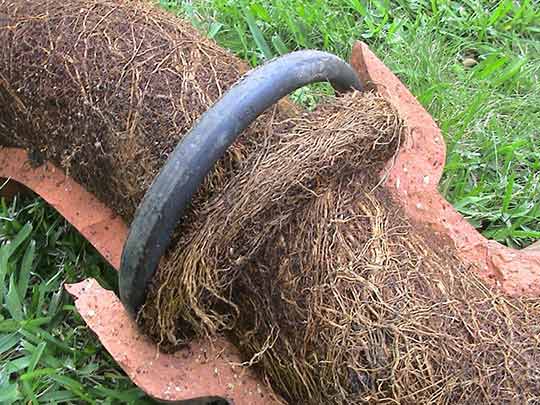
  • Tree root infiltration: Roots can grow deep into the sewer main line, causing cracks and blockages.
  • Foreign objects: Foreign objects, such as feminine hygiene products, paper towels, and children’s toys, can cause blockages that are difficult to clear.
  • Age: Over time, the sewer main line can deteriorate and develop cracks or other structural issues that can result in blockages.
  • Weather conditions: Extreme weather conditions, such as heavy rain or snow, can cause blockages due to excess water or debris.

How to Prevent Sewer Main Line Blockages

Preventing sewer main line blockages is essential to avoid costly damage and repairs. Here are some tips to help prevent blockages:

Dispose of Waste Properly

One of the simplest yet most effective ways to prevent sewer line blockages is to dispose of waste properly. Avoid flushing any foreign objects, such as cotton balls, paper towels, and feminine hygiene products, down the toilet. Also, avoid pouring grease, oil, or food waste down the drain.

Instead, dispose of these materials in the trash or compost bin. Installing a mesh filter over your kitchen sink drain can also help prevent food waste from entering the pipes.
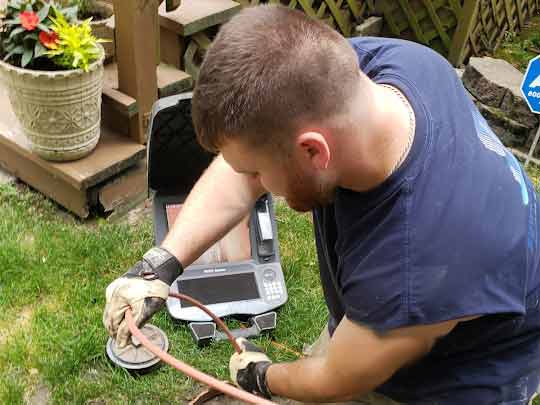
a sewer camera inspection service being provided.

Regular inspections can also identify potential problems before they become blockages.

Regular Maintenance and Inspection

Regular maintenance and a camera inspection of your sewer main line can help prevent blockages. Maintaining your sewer system can involve simple tasks such as pouring hot water down the drain to melt any grease buildup. Regular inspections can also identify potential problems before they become blockages.

Avoid Planting Trees Near the Sewer Line

Planting trees near the sewer main line can cause significant damage. Roots can grow deep into the sewer line, causing cracks and other structural issues. This infiltration can result in blockages and require expensive repairs. Avoid planting trees near your sewer line to help prevent blockages.

Install a Backflow Prevention Valve

Installing a backflow prevention valve can help prevent sewer main line stoppage. This valve can prevent sewage backups from entering your home if the main line becomes blocked.

Professional Drain Cleaning

Professional drain cleaning can be an effective way to prevent sewer blockages. A professional drain cleaning company can remove any buildup from your sewer line, preventing blockages by way of a high-powered hydro jetting service.

Wrapping It Up

Sewer line blockages can be costly, frustrating, and damaging to your home. It’s essential to understand what causes blockages and how to prevent them from occurring. Proper waste disposal, regular maintenance and inspection, avoiding planting trees near the sewer line, installing a backflow prevention valve, and professional sewer line cleaning services can all help prevent sewer main line clogs. By taking these measures, you can avoid costly repairs and keep your sewer system functioning correctly.
How Often Should You Have Your Sewer Lines Cleaned?

How Often Should You Have Your Sewer Lines Cleaned

Sewer lines are an essential part of every home and building, as they remove wastewater and sewage from the property and transport it to a treatment facility. Over time, these sewer lines can become clogged with debris and other materials, which can cause significant problems if left unchecked. In this article, we will discuss how often you should have your sewer lines cleaned to prevent blockages and ensure proper functioning.

Factors Affecting the Frequency of Sewer Line Cleaning

There are several factors that can influence how often you should have your sewer lines cleaned. Some of these include:

Age of the Sewer Lines

Older sewer lines are more likely to experience blockages due to the accumulation of debris and other materials over time. If your property has older sewer lines, you may need to have them cleaned more frequently to prevent clogs.

Usage

The more people you have living or working on your property, the more wastewater and sewage will be generated, which can increase the rate of buildup in your sewer lines. If you have a large family or a commercial property with high foot traffic, you may need to have your sewer lines cleaned more frequently.

Type of Debris

The type of debris that accumulates in your sewer lines can also affect how often cleaning is required. For example, if you have a lot of trees on your property, the roots can grow into the sewer lines and cause blockages. In this case, you may need to have your sewer lines cleaned more frequently to prevent root intrusion.

Signs That Your Sewer Lines Need Cleaning

While it’s important to follow a regular maintenance schedule for your sewer lines, there are some signs that can indicate that cleaning of your main sewer line is necessary. These include:

Slow Drains

If your drains are slow to empty, it could be a sign that there is a blockage in your sewer lines. This could be due to buildup of debris or tree root intrusion.

Backups

If you experience backups in your drains or toilet, this is a clear sign that there is a blockage in your sewer line. Failure to address this issue promptly can lead to costly damage to your property.

Unpleasant Odors

Foul odors emanating from your drains or toilet can also indicate a blockage in your sewer lines. This is often due to the buildup of sewage and debris, which can be a health hazard if left unchecked.

Recommended Maintenance Schedule

Based on the factors discussed above, it’s recommended that you have your sewer lines cleaned every 18 to 22 months. However, if you experience any of the signs described above, you should have your sewer lines inspected and cleaned as soon as possible.

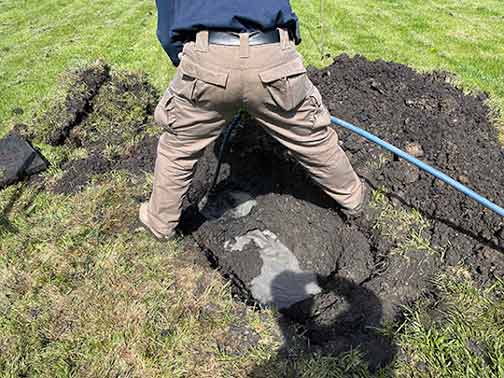
customer having a hydro jetting service performed.

Hydro jetting is a method of cleaning sewer lines using high-pressure water to dislodge debris and other materials that are clogging the pipes.

Methods of Sewer Line Cleaning

When it comes to cleaning your sewer lines, there are several methods that can be used, including:

Hydro jetting

Hydro jetting is a method of cleaning sewer lines using high-pressure water to dislodge debris and other materials that are clogging the pipes. A professional hydro jetting service is particularly effective for removing tree roots from sewer lines.

Traditional Drain Cleaning

Traditional drain cleaning, otherwise known as sewer rodding service, involves the use of a snake or auger to remove blockages from sewer lines. While this method is effective for minor blockages, it may not be sufficient for more significant clogs.

Sewer Camera Inspection

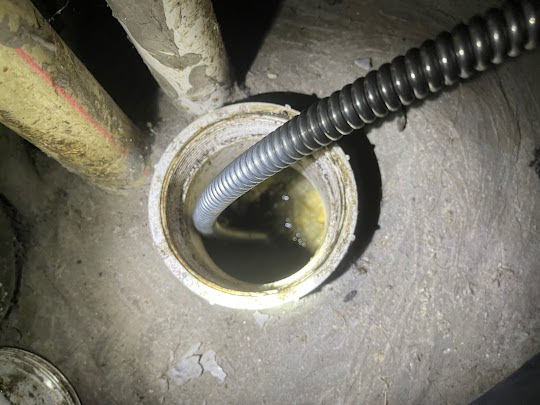
Before cleaning your sewer lines, it’s important to know exactly what is causing the blockage. A sewer camera inspection can be used to identify the source of the problem within the sewer line, which can help determine the most appropriate cleaning method.

Conclusion

Regular maintenance of your sewer lines is essential to ensure their proper functioning and prevent costly damage to your property. Factors such as age, usage, and type of debris can all affect how often you should have your sewer lines cleaned. Signs such as slow drains, backups, and foul odors can indicate a blockage, which should be addressed promptly. Following a regular maintenance schedule and utilizing appropriate cleaning methods can help keep your sewer lines running smoothly for years to come.