Tag Archives: sewer lines

Is Your Sewer Line Working Properly?

Is Your Sewer Line Working Properly

The underground sewer line on your property is probably the most invisible feature of your entire home. Every homeowner knows that their home has a sewer line that transports wastewater from their plumbing fixtures to the municipal sewer lines in the street.

However, very few homeowners understand how this system works, notes the team at Astoria Charm Property Management. In most homes, sewer line care is the least-attended aspect of a homeowner’s home maintenance routine. Why? The reasons are simple:

  • Sewer lines are underground. They are not in the owner’s line of sight. As such, they are easy to forget.
  • Secondly, sewer line maintenance does not command a sense of urgency because homeowners often assume that their sewer pipes are tough.
  • Thirdly, sewer line maintenance is unpleasant; no one wants to deal with pipes that are full of gross waste materials.

As a result, many homeowners don’t know the exact location of their sewer line or the actual condition of the pipes. That is the main reason sewer line repairs are among the most difficult issues to deal with as a homeowner.

If a homeowner does not maintain their sewer line, they will also be unable to detect budding issues in the system. As a result, sewer line problems are often allowed to go on for a long time before they are eventually detected.

Most homeowners only become aware of sewer line issues when they become plumbing emergencies, which are problems that make plumbing unusable.

Do you know where your sewer lines are located? Is your system working? Below are guidelines to help you determine your sewer line’s condition and protect the pipes.
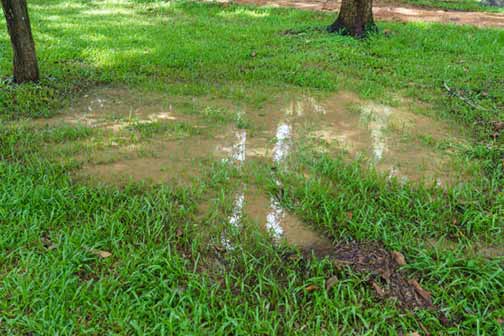
wet patches in your lawn could mean trouble with your sewer line.

Damp areas in your yard mean the sewer line does not contain the wastewater inside it. A section of the line may be bellied or cracked.

4 signs that your sewer line is in trouble

Even though sewer lines are underground, if there are problems with the system, symptoms will often show up above ground. Here are four telltale signs that your sewer line needs urgent attention.

Slow drains

Slow drains in your home are often the first sign you will see if there are blocked or collapsed sections in your sewer line. The clearest indication of a sewer line problem is when multiple drains in your home are slow at the same time. A single slow drain is not necessarily a sign of sewer line problems.

Changing water levels in the toilet

If you flush your toilet and the water inside the bowl rises before slowly draining away, you may have a problem with your sewer line. Also, if the water level sometimes falls below the usual level, you may suspect problems in your sewer line. The inconsistent water level in the toilet bowl is a sign of sewer line issues.

Damp areas in your yard

Damp areas in your yard mean the sewer line does not contain the wastewater inside it. A section of the line may be bellied or cracked. It could also be that a weak joint in the system is leaking wastewater into the surrounding soil. In severe cases, this problem can cause flooding on your property.

Grading issues in your yard

Sometimes, the issues in your sewer line will not create damp spots around the yard. Instead, they will cause portions of the yard to start to rise. The ground may swell as a result of its increased moisture content. That can cause the lawn surface to become uneven and lead to flooding.

How to make sure your sewer line works properly

If any of the above signs are on your property, you may want to contact a professional plumber and have them investigate the signs further. But if there are no signs of sewer line problems in your home, here are steps to ensure you never have them.

  • The following types of food waste should never enter your drains: stringy/fibrous foods, oils, fats, grease, eggshells, coffee grounds, and starchy foods.
  • Only use single-ply toilet paper or “sewer safe” single-ply toilet paper; extra thick toilet paper may get stuck in sewer lines.
  • Diapers, rubber bands, dental floss, feminine hygiene products, and paper wipes/towels should never be flushed down the toilet.
  • Keep tree roots away from your sewer line. Tree roots can penetrate and block underground sewer pipes.
  • Have the sewer line inspected by a professional plumber at least once a year. The best method is a sewer camera inspection service.
  • Clean your sewer line yearly to remove any buildup inside it, even if the sewer line is not showing any signs of trouble.

It is hard to overestimate the value of a functional sewer line to your health, comfort, and your building’s structural integrity. Keeping your sewer line in the best possible condition is not hard at all. You need to follow these simple rules above.
The Do’s and Dont’s of Tending to Your Sewer Line

The Do's and Dont's of Tending to Your Sewer Line

The sewer line is an essential component of any plumbing system that connects your house’s drains to the municipal sewer system. It is often overlooked until it starts to malfunction, causing massive inconvenience, costly repairs, and health hazards. Sewer line maintenance is vital to ensure your plumbing system functions efficiently, minimizing the possibility of nasty and costly sewer backups. In this article, we will outline the do’s and don’ts of tending to your sewer line and how to prevent potential damage.

The Do’s of Tending to Your Sewer Line

1. Schedule Regular Inspection and Maintenance

Regular inspection and maintenance of your sewer line are crucial for identifying potential problems before they escalate. A licensed plumber should camera inspect your main sewer line annually or bi-annually. During the inspection, they can identify blockages, cracks, corrosion, and tree root intrusion that could potentially damage your sewer line.

The plumber can also conduct a hydro jetting service, which involves the use of high-pressure water and special equipment to clear any debris or tree roots that may have infiltrated your sewer line, causing clogs or slow drainage.

2. Use Sewer-Friendly Products

The products you use in your home can affect your sewer line’s health. Using toilet paper that dissolves quickly, for example, can prevent clogging of the sewer line. Also, avoid throwing non-biodegradable items like sanitary pads, tampons, and baby wipes down the toilet as they can cause blockages and damage your sewer line.

When it comes to drain-cleaning products, avoid harsh chemicals that can damage your pipes. Instead, use natural agents like vinegar and baking soda to clean your drains and prevent clogs.

3. Locate and Mark Your Sewer Line

Knowing where your sewer line is buried can help prevent damage during landscaping and other outdoor activities. It would be best to locate and mark your sewer line to avoid accidental damage from digging, planting trees or shrubs, or installing new structures in your yard.

4. Dispose of Fats, Oils, and Grease (FOG) Properly

When it comes to FOG, it is essential to dispose of them properly. FOG can solidify in your pipes, causing clogs and eventually damaging your sewer line. Instead, allow grease to solidify in a container and dispose of it in the trash.

5. Consider Hiring a Professional Plumber

While there are DIY methods for unclogging your sewer line, it is more advisable to hire a professional plumber. An experienced plumber has specialized tools, training, and expertise to identify problems and fix them correctly. DIY methods can cause further damage and expensive repairs down the line.

a man planting tress away from his sewer line.

Tree roots are drawn to the moisture and nutrients found in sewer lines, causing cracks and blockages that lead to sewer backups.

The Don’ts of Tending to Your Sewer Line

1. Do Not Plant Trees or Shrubs Near Your Sewer Line

Tree roots are one of the most common causes of sewer backups and line damage. Tree roots are drawn to the moisture and nutrients found in sewer lines, causing cracks and blockages that lead to sewer backups. When planting trees or shrubs, ensure that they are at least ten feet away from the sewer line.

2. Do Not Use Chemical Drain Cleaners

Chemical drain cleaners can cause more harm than good to your sewer line. The harsh chemicals can corrode the pipes over time, causing leaks and cracks. Additionally, these chemicals do not always remove the entire clog, resulting in stubborn blockages that require professional attention.

3. Do Not Use Your Toilet as a Garbage Disposal

As mentioned earlier, avoid throwing non-biodegradable items down the toilet. Your toilet is designed to handle human waste and toilet paper, nothing else. Other items like feminine hygiene products, baby wipes, dental floss, and even cotton swabs can cause blockages, leading to sewer backups and costly repairs.

4. Do Not Pour FOG Down the Drain

FOG should not be poured down the drain as it can cause clogs and damage your sewer line. Instead, allow grease to solidify and dispose of it in the trash.

5. Do Not Ignore the Signs of Sewer Line Damage

Ignoring the signs of sewer line damage can lead to significant and expensive repairs. Signs of a damaged sewer line include slow drainage, gurgling noises, sewage odors, and sewer backups. If you notice any of these signs, call a licensed plumber immediately to assess the damage and prevent further complications.

In conclusion, tending to your sewer line is vital to ensure your plumbing system functions efficiently and lasts longer. The do’s and don’ts of sewer line maintenance can prevent blockages, leaks, clogs, and other potential damages that could lead to costly and messy repairs. By adhering to these guidelines, you can keep your sewer line healthy and free-flowing for many years.