Tag Archives: sewer line replacement

How Much Does It Cost to Replace a Broken Sewer Line?

How Much Does It Cost to Replace a Broken Sewer Line

Replacing a broken sewer line is an essential and often unavoidable task for homeowners. A broken sewer line can cause significant damage and inconvenience, leading to foul odors, sewage backup, and even potential health hazards. It is crucial to address this issue promptly to restore the proper functioning of your home’s plumbing system. However, many homeowners are often concerned about the cost involved in replacing a broken sewer line. Below we get into the factors that influence the cost of replacing a broken sewer line and provide you with a general understanding of the expenses you might expect to incur.

Factors Affecting the Cost

Several factors come into play when determining the cost of replacing a broken sewer line. These factors may include:

Length and Depth of the Sewer Line

The length and depth of your sewer line play a significant role in determining the overall cost of replacement. Longer and deeper sewer lines require more materials and labor, resulting in higher expenses. Additionally, if your sewer line runs beneath structures such as driveways or landscaping, it may require additional excavation, which can further increase the cost.

Type of Pipe Material

The type of pipe material used for the replacement also impacts the cost. Various materials, such as PVC, clay, or cast iron, are commonly used for sewer line replacements. Each material has its own price range, with PVC generally being the most affordable option and cast iron being the most expensive. The choice of material depends on factors such as durability, local building codes, and budget.

Access Points and Obstacles

The accessibility of the broken sewer line and any potential obstacles can affect the cost of replacement. If the sewer line is easily accessible, it reduces the need for extensive excavation or removal of obstacles such as trees or concrete structures. On the other hand, if the line is located in an area with limited access, additional time and effort may be required, resulting in higher costs.

Permits and Regulatory Requirements

Depending on your location, permits and regulatory requirements may add to the overall cost of replacing a broken sewer line. Some areas have specific regulations concerning inspections, permits, and adherence to certain standards during sewer line replacement. It is crucial to speak with your local authorities to ensure compliance with these requirements and factor in any associated costs.

Hiring Professional Services

The choice of hiring professional services also contributes to the cost of replacing a broken sewer line. While some homeowners may attempt a DIY approach, it is often recommended to hire experienced professionals for such tasks. Professional plumbers or sewer line service specialists possess the necessary expertise, tools, and equipment required to ensure a successful and efficient replacement. However, their services come with an associated cost that should be considered when budgeting for the project.
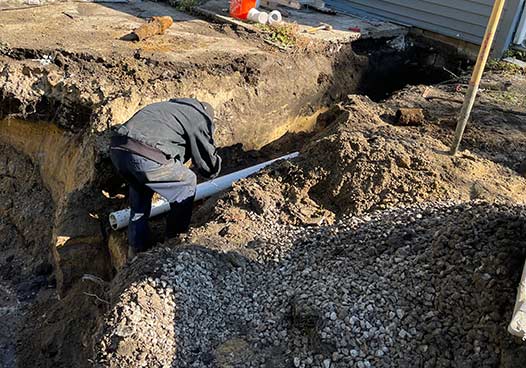
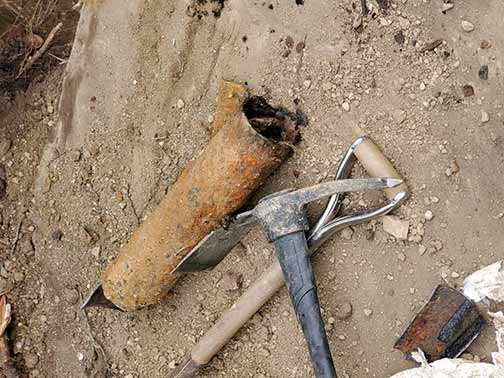
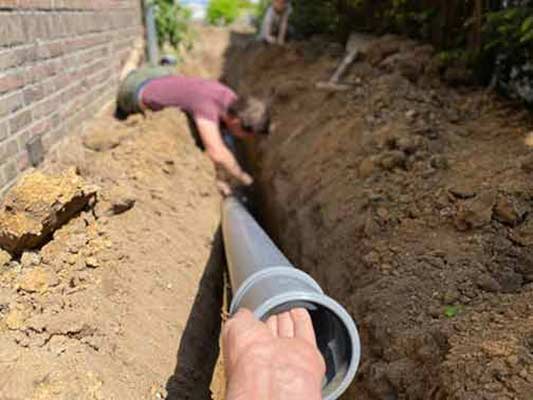
a broken sewer line replacement.

While some homeowners may attempt a DIY approach, it is often recommended to hire experienced professionals for such tasks.

Cost Breakdown

It is important to note that the cost of replacing a broken sewer line can vary significantly depending on the aforementioned factors. However, to provide you with a general idea, we have compiled a rough cost breakdown:

Materials

The material costs for a sewer line replacement typically range from $50 to $250 per linear foot. This estimate includes the cost of the pipe material itself, as well as any fittings, joints, or connectors required.

Labor

The cost of labor varies depending on the complexity of the project, location, and specific requirements. On average, labor expenses can range from $50 to $200 per hour. The total labor cost typically takes into account excavation, removal of the old pipe, installation of the new pipe, and any necessary backfilling or compaction.

Additional Costs

There are several additional costs to consider when budgeting for a sewer line replacement:

  • Inspection costs: You may need to hire a professional inspector to assess the newly installed sewer line, and their fees typically range from $150 to $500.
  • Restoration expenses: After the replacement, you may need to repair or restore any landscaping, driveways, or structures that were impacted during the process. The cost of restoration varies depending on the extent of the damage.

Total Cost Estimate

Based on the factors mentioned above, the total cost of replacing a broken sewer line can range from $2,500 to $10,000 or more. It is crucial to obtain quotes from reputable plumbers in your area to determine the most accurate estimate for your specific situation.

In Summary

Replacing a broken sewer line is a significant undertaking that requires careful consideration of various factors. While the cost may seem daunting, it is essential to address a broken sewer line promptly to prevent further damage and potential health hazards. By understanding the factors that influence the cost and obtaining multiple quotes from professionals, you can budget accordingly and ensure the smooth replacement of your sewer line. Remember to speak with local authorities, adhere to regulatory requirements, and hire experienced professionals to ensure a successful and durable replacement.
The Importance of Regular Sewer Line Maintenance for Homeowners

Importance of Regular Sewer Line Maintenance for Homeowners

As a homeowner, regular sewer line maintenance might not top your list of priorities, but it is indeed a vital task that should never be overlooked. This critical responsibility safeguards your home from potentially devastating damages and expenses, ensuring your peace of mind. Plus, it plays an imperative role in protecting your health and preserving the environment. Regular maintenance of your sewer line can make all the difference, from spotting early signs of trouble to saving on unnecessary repair costs. Here we aim to provide a guide on the importance and process of regularly maintaining your sewer line, shedding light on its relevance for every homeowner.

The Necessity of Sewer Line Maintenance

The crucial role of regular sewer line maintenance in homeownership can’t be overstated. One major consequence of a neglected sewer line is its risk to your home and health. It can lead to a myriad of problems, from structural damage to unpleasant odors and even health hazards due to potential exposure to harmful bacteria. Furthermore, unexpected sewer line emergencies can significantly dent your wallet, with repair costs often reaching the thousands. Beyond these immediate concerns, there’s also the environmental aspect. If left unchecked, underground sewer line issues can result in leaks that may contaminate local water sources, posing a threat to wildlife and ecosystems. Finally, this measure also helps prevent a sewer line replacement by protecting the health and extending the lifetime of your sewage system.

Signs Your Sewer Line Needs Attention

Learning to recognize the telltale signs of sewer line problems early on is crucial for homeowners. It could mean the difference between a simple fix and a costly, disruptive repair job. For instance, slow-draining sinks and tubs often hint at blockages in your sewer line. If your toilet is making gurgling sounds or notices a persistent foul odor around your home, these are also clear indications of a main sewer line clog. Ignoring these warning signs can lead to more significant issues over time. So it’s always wise to act promptly, potentially saving yourself time, stress, and money. After all, prevention is always better and cheaper than cure.

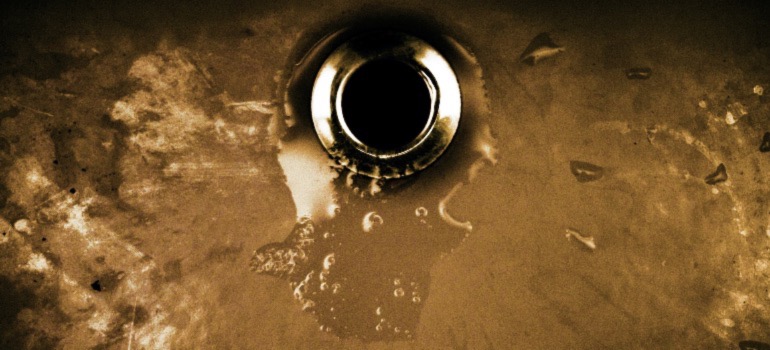
A drain in a sink.

A sink that’s slow to drain can indicate that your sewer line needs attention.

Benefits of Regular Sewer Line Maintenance 

This essential home maintenance task carries many benefits that significantly outweigh the initial investment of time and resources. First and foremost, routine checks and cleaning help prevent major blockages and leaks, which can cause extensive damage to your property. A well-maintained sewer line runs efficiently, ensuring smooth disposal of wastewater and often extending the overall lifespan of your system. Importantly, this routine care also reduces health risks that come with sewage backup and minimizes your environmental impact. Investing in regular maintenance decreases the likelihood of needing a costly sewer line replacement, ultimately providing long-term savings.

How Sewer Line Maintenance Works

Understanding the process of sewer line maintenance can demystify this essential task and provide peace of mind. The process typically begins with a comprehensive inspection, where professionals use advanced tools, such as sewer cameras, to identify any potential issues within the line. These could range from small clogs to significant cracks or breaks. If and when issues are identified,  a sewer rodding service is often employed to clear blockages and debris, restoring the line’s function. If issues persist or if the damage is extensive, more considerable repairs, or even a line replacement, may be necessary. Regardless of the procedure, the aim remains to ensure your sewer line functions optimally, safeguarding your home and health.

A plumber holding a plumber’s wrench.

Sometimes, you’ll need the help of a professional for proper regular sewer line maintenance.

The Sewer Line in a New Home 

When moving to a new home, one crucial yet often overlooked aspect is the condition of the property’s sewer lines. It’s always best to assume that the previous owners didn’t properly care for their sewer line. However, if the current homeowners can provide records of regular maintenance, it’s a positive sign that the property has been well taken care of. A sewer line inspection is a fundamental part of pre-purchase home inspections that can prevent many potential problems down the line. Checking the state of the sewer lines in your prospective home can save you from facing unexpected and costly repairs after you’ve settled in. If any issues are discovered, experts from statetostatemove.com recommend rescheduling your move until the necessary repairs are done. It’s better to wrap up construction before you move your possessions into the home.

How Often Should Homeowners Carry Out Sewer Line Maintenance 

The frequency of sewer line maintenance can vary depending on several factors. Generally, most professionals recommend a thorough inspection and hydro jet drain cleaning every 18 to 24 months. However, this timeline can shift based on the age of your home, the type of sewer line, and even the proximity of large trees whose roots might interfere with the line. For instance, if your home is older or surrounded by mature trees, more frequent checks may be necessary. Regular maintenance is a preventative measure to catch issues early before they escalate. Hence, it’s important to consult with a professional to develop a maintenance schedule that suits the specific needs of your home.

A person writing something down on a calendar page.

It’s a good idea to plan a sewer maintenance schedule in advance.

Choosing the Right Professionals

Choosing the right professionals to maintain your sewer line is a decision that should be made with care. You want to ensure that your sewer line team has the necessary certifications, sufficient experience, and valid insurance. These factors assure you of their competence and protect you from potential liabilities. When comparing quotes, it’s important to remember that the cheapest option isn’t always the best. You should be looking for a balance between cost-effectiveness and quality service. Additionally, consider their reputation and reviews from previous clients. These steps will help you choose a professional team to maintain or repair sewer lines effectively, ensuring your home’s health and longevity.

To Conclude

Regular sewer line maintenance is a vital component of responsible homeownership. It protects the health and integrity of your home, preserves your finances from unexpected repair costs, and contributes to environmental safety. This maintenance goes beyond merely being a preventative measure; it also enhances the longevity and functionality of your sewer system, providing long-term benefits. This way, you can effectively prevent a sewer line replacement. As homeowners, investing time and resources into this essential maintenance task is in your best interest. It offers peace of mind knowing that your home is safe, your sewer system is running smoothly, and you’re doing your part for the environment.

What You Need to Know About Sewer Line Replacement in Chicago

a sewer line replacement being performed in chicago

What You Need to Know About Sewer Line Replacement in Chicago

Many things can go wrong with your home’s plumbing, but a damaged sewer line is probably the worst. 

If a sewer line is broken, cracked, or corroded, the only solution to the problem may be to replace it.

But Keyrenter Merrimack Valley Management warns that replacing a sewer line is daunting due to the amount of work and money involved.

If you’re having trouble with the sewer line in your Chicago home and planning to replace it, this post will guide you through everything you need to know before you make that decision.

When is sewer line replacement necessary?

There is no need to replace a sewer line if something such as a hydro jet drain cleaning service will solve the issues. Typically, you only need to replace a sewer line if there are broken, cracked or corroded sections.

What are the signs that your Chicago home sewer line is due for replacement?

Slow drains

A single slow drain in the home is not a sign that your sewer line is in trouble. Multiple slow drains, on the other hand, means sewer line blockage or damage.

Gurgling sounds from drains

Gurgling sounds from the drains in your home mean that there are air pockets inside the sewer line due to a blocked or damaged pipe section.

Wet areas in the yard

A broken sewer line will leak its contents into the surrounding soil. This can show up as patches of exceptionally-green grass or soggy patches of lawn.

Smell of raw sewage

A damaged or blocked sewer line can cause sewer gases to escape into the air inside or around your home.

a pest invasion in a home.

A broken sewer line will draw pests to your home because of the raw sewage and nutrient-rich water the pipe spills into the soil.

Pest invasion of the home

A broken sewer line will draw pests to your home because of the raw sewage and nutrient-rich water the pipe spills into the soil.

Note that the presence of these signs is not definitive proof that you need sewer line replacement. Before you decide that you need sewer line replacement, talk to at least three plumbers and follow the steps below.

Preliminary steps for sewer line replacement

Assess the damage

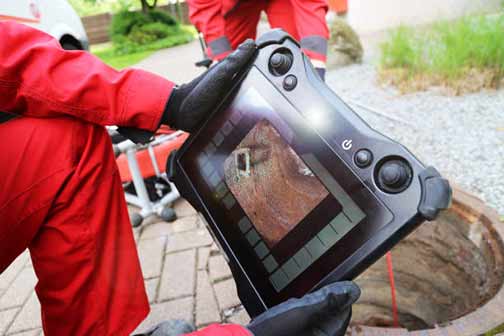
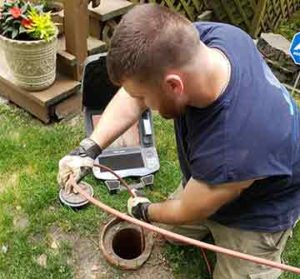
The best way to do this is through a sewer camera inspection. During the inspection, the plumber will send a video camera into your sewer line to get visual confirmation of the condition of the pipes. The result of this inspection will help you determine if you need sewer line replacement.

Think about local building codes

Before doing a sewer line replacement, make sure you understand the regulations relating to your sewage system. Responsibility for fixing the problem may lie with the city. If your sewer line does not comply with the codes, this is the right time to make the necessary changes.

Consider all your options

You will be faced with different options when replacing your sewer line. In addition to deciding the type of sewer replacement method to use, you must decide if you want to replace a portion of the sewer line or the entire length of the pipe.

Types of sewer line repair methods

There are several types of sewer line repair methods, but we will talk about four of them:

Traditional sewer line replacement

This is the old way of replacing sewer lines. It involves heavy machinery with a lot of digging. The advantage of this method is each new pipe can be inspected to ensure the sewer line has been properly installed.

Trenchless sewer repair

These are a variety of sewer line replacement methods which do not involve digging a trench. Three of the most common trenchless methods are:

  • Pipe repair clamps: This method is best for fixing small cracks and slow leaks in the sewer line.

  • Cured-in-place pipe (CIPP): This is the best method for repairing older pipe systems. A polyester or fiberglass liner is pulled into the damaged pipe to reinforce it or create a new pipe.

  • Pipe bursting: With this method, a special drill is pulled through the old pipe to break it apart. At the same time, a new pipe is pulled in to replace the old pipe.

Which sewer line replacement method is best for your home? The proper technique for your home depends on the details of the problem you are trying to solve.

brand new sewer lines being installed.

You will be faced with different options when replacing your sewer line.

Avoiding future sewer line damage

Unless the sewer line in your Chicago home is damaged because it has passed its projected lifespan, you may want to find out what caused the problem. This will help you protect the sewer line from future issues. The following steps will help you protect your sewer lines.

  • Do not flush the wrong items/materials into the sewer line (ask your plumber about this).
  • If possible, avoid chemical drain cleaners: they will damage your sewer line.
  • If there are trees near the sewer line, you may need to protect the line from tree roots.
  • Have the sewer line inspected and cleaned at least once a year.

Lastly, if you would like more help with making the right decisions on how to solve the sewer line issues in your Chicago home, talk to us at 773-599-9181 or fill out the form below. We would be most happy to chat with you.

Signs of a Problem With Your Sewer Lines

Signs of a Problem With Your Sewer Lines

Every single day, you and everyone in your home interact with the home’s drainage systems. When you wash something in the sink, shower, use the toilet or run a water-utilizing appliance, you are relying on your home’s drainage system to do its work.

As long as water flows out of the shower or sink and the toilet flushes after you finish “your business”, you may not care about how the system you just used works. We usually don’t pay attention to our home’s drain system until it stops working.

But drain problems are one of the worst problems to have in your home; J. Butler Management warns they can disrupt the entire home and cost you thousands of dollars to fix. That is why it is essential to know how your drains work, what can go wrong with them, and how to detect those problems early.

Your home’s drain system comprises a vast network of pipes with hundreds of components. Based on their function, this system can be divided into two major parts. On one hand, you have drains that catch wastewater before conveying it to the home’s main sewer line.

On the other hand, there is your home’s main sewer line. That is the link between the many drains in your home and the municipal sewer line in the street. Your main sewer line is the last leg of your home’s drainage system. If it fails, the entire drainage system will fail with it.

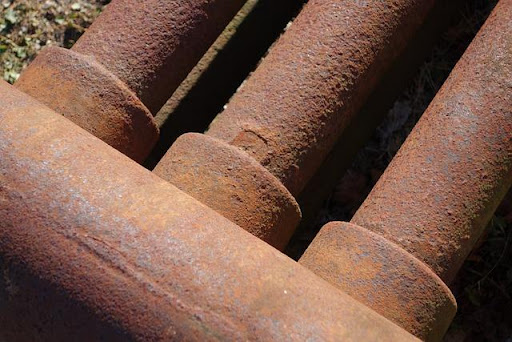
rusted out sewer lines.

What can go wrong with your main sewer line?

The main sewer line for your home does not fail easily. It is built with sturdy materials that last a long time. But it can still have problems, such as:

  • Rusty or corroded pipes
  • Tree root infiltration
  • Sewer line backup
  • Clogs caused by grease inside the sewer line
  • Pipe displacement due to soil-shifts

Is there a problem with my main sewer line?

Given that the main sewer line is buried in the ground, how can you tell when there are issues with it? The best way is to know the telltale signs that something is going wrong with your sewer line. What are the signs you should look out for?

Multiple drains are showing problems

If only one drain in your home is experiencing problems – say, a shower drain or toilet – it is alright to assume that the problem is from that specific drain and not the main sewer line. But if more than one drain is experiencing problems at the same time – typically a floor drain and the toilet – the issue is, in all probability, from the main sewer line.

Gurgling sounds from your drains

Drains make a gurgling sound when the air inside drain pipes is displaced by incoming water, but that air has nowhere to go. This trapped air then forces its way out of the pipe in the same direction as the water is coming from. Drains make gurgling sounds when there is a blockage inside the main sewer line.

Water moves inside the toilet bowl

If the water inside a toilet bowl moves when a nearby drain is used, you may want to check your sewer line for problems. That mostly happens when a large volume of water is discharged into the drainage system: such as when you use the washing machine or release water from a bathtub.

a bathroom toilet.

Foul odors in the home

The smell of sewer gases in or around your home is a sure sign of problems with your main sewer line. Sewer lines convey bad-smelling materials, but those odors cannot find their way into the home if the sewer line is clear. Sewer gas odors mean a blockage or leak in the sewer line.

Strangely-lush patches of grass

Lawn grass will have the same level of greenness if all parts of the lawn get the same amount of water and fertilizer. But if one part of the lawn is greener than the others, it is usually because it is getting nutrients from somewhere else. In most cases, it is accessing nutrient-rich sewage from the house through a leak in your main sewer line.

Sudden trouble with pests

A sewer leak serves as a source of rich food for insects and worms. Other creatures that want to feed on those worms and insects, such as rodents and reptiles will also be drawn to your home. If there is a sudden spike in the number of cockroaches and other insects around your property, it could be because your main sewer line is broken and needs repair.

The health of your main sewer line is essential to the function of your home’s drainage system. Keeping this system in good condition is vital to the well-being of your family. The best way to do this is to avoid any of the signs mentioned above.

How do you do that? Annual camera inspection of your sewer line, along with routine maintenance of the system is the best way to avoid sewer line problems and save yourself the high cost of fixing a broken or clogged sewer line and its attendant damage.

What to Do When Your Sewer Line Breaks

What to Do When Your Sewer Line Breaks

Dealing with a broken sewer line can be a daunting and messy task, but with the right knowledge and approach, you can navigate through this challenging situation effectively. Here we will walk you through the necessary steps to take when facing a sewer line break, ensuring a smooth resolution and minimal disruption to your daily life. Whether you are a homeowner, property manager, or simply someone interested in understanding the process, this article is for you.

Understanding Sewer Line Breaks

Before we delve into the actions to take when your sewer line breaks, let’s first understand what a sewer line break entails. Sewer lines are an essential component of any plumbing system, responsible for carrying wastewater and sewage away from your property to the main sewer system or septic tank. When a sewer line break occurs, it means that there is a rupture or damage to one or more sections of the pipe.

The causes of sewer line breaks can vary, ranging from age-related deterioration, intrusive tree roots, ground shifting, extreme temperatures, debris build-up, or even accidental damage during construction. Regardless of the cause, a broken sewer line can lead to significant issues such as foul odors, sewage backups, contamination, and potential health hazards.

Signs of a Broken Sewer Line

Identifying the signs of a broken sewer line early on is crucial in preventing further damage and minimizing the impact on your property. Here are some common indicators that your sewer line may have suffered a break:

  • Foul Odors: If you notice persistent, unpleasant odors in or around your property, it could be a sign of a sewer line break. Sewage gases escaping from the broken pipe can cause a distinctive smell.
  • Slow Drains: Slow drainage or recurring clogs in multiple fixtures, such as sinks, bathtubs, or toilets, may indicate a blockage or break in the sewer line.
  • Sewage Backup: The most obvious sign of a sewer line break is a sewage backup. If wastewater or sewage starts flooding into your sinks, toilets, or drains, it’s a clear indication that there is a problem.
  • Lush Patches of Grass: Unexpectedly lush and green patches of grass in your yard, especially near the sewer line, can suggest a leak or break underground.
  • Presence of Rodents or Insects: Sewage leaks can attract rodents and insects, so if you notice an increase in pest activity around your property, it could be linked to a broken sewer line.
avoid flushing the toilet when you have a sewer line break.

Flushing toilets or using drains can exacerbate the problem, leading to more significant backups or additional damage to the plumbing system.

Immediate Actions to Take

When you suspect a sewer line break, it’s crucial to act promptly to prevent further damage and ensure the safety and well-being of yourself and your property. Here are the immediate actions to take:

  • Turn Off the Water Supply: The first step is to locate your main water shut-off valve and turn off the water supply to your property. This will help prevent any additional wastewater from flowing into the broken sewer line and potentially causing further damage or contamination.
  • Avoid Flushing or Using Drains: As tempting as it may be to use the toilets or drains in your home, it’s imperative to avoid doing so until the issue is resolved. Flushing toilets or using drains can exacerbate the problem, leading to more significant backups or additional damage to the plumbing system. It’s best to limit water usage until a plumber assesses and repairs the sewer line.
  • Stay Clear of Contaminated Areas: If you notice any sewage backups or overflows, it’s essential to keep yourself and your loved ones away from the contaminated areas. Sewage contains harmful bacteria and pathogens that can pose health risks. Minimize contact with the affected areas and avoid tracking any contaminated materials into other parts of your home or property.
  • Contact a Professional Plumber: Once you have taken the necessary immediate actions, it’s time to contact a professional plumber who specializes in sewer line repairs. A licensed and experienced plumber will have the expertise and equipment to assess the extent of the damage and recommend the most appropriate course of action.
a plumber performing a sewer camera inspection to find a sewer line break.

A professional plumber will conduct a thorough camera inspection of your sewer line to determine the exact location and cause of the break.

Involving a Professional Plumber

Repairing a broken sewer line is a complex and specialized task that requires the expertise of a professional plumber. Here’s what you can expect when involving a plumber:

Assessment and Diagnosis

A professional plumber will conduct a thorough camera inspection of your sewer line to determine the exact location and cause of the break. This may involve using video inspection technology or other advanced diagnostic methods to identify the problem accurately.

Repair Options

Once the assessment is complete, the plumber will discuss the repair options with you. The appropriate solution will depend on the severity and nature of the break, as well as the condition of the existing sewer line. Common repair methods include:

  • Spot Repairs: In cases where the break is limited to a specific section of the sewer line, the plumber may recommend a spot repair. This involves excavating and replacing the damaged portion of the pipe.
  • Pipe Lining: For less severe breaks or instances where access is limited, pipe lining or trenchless technology may be employed. This involves inserting a new liner into the existing pipe, creating a durable and seamless inner layer.
  • Full Replacement: If the sewer line is extensively damaged or compromised, a full replacement may be necessary. This will involve excavating and replacing the entire sewer line to ensure optimal functionality and longevity.

Cost Estimation

After discussing the repair options, the plumber will provide you with a detailed cost estimation for the recommended solution. This will typically include the cost of materials, labor, and any additional factors such as permits or restoration work.

Repairs and Restoration

Upon your approval, the plumber will proceed with the necessary repairs. This may involve excavating and repairing a section of sewer line, installing new liners, or carrying out a full replacement. Once the repairs are complete, the plumber will ensure that the affected areas are properly cleaned and restored.

a couple planting trees to avoid sewer lines.

When planting trees or shrubs near your sewer line, be cautious of their root systems.

Preventive Measures and Maintenance

While a sewer line break can occur unexpectedly, there are preventive measures and maintenance practices you can undertake to minimize the likelihood of future issues. Here are some tips to keep your sewer line in good condition:

  • Regular Inspections: Schedule periodic inspections of your sewer line by a professional plumber. This can help identify minor issues before they escalate into major breaks, saving you time, money, and hassle in the long run.
  • Watch Your Flushing and Draining Habits: Avoid flushing down items other than toilet paper, and be mindful of what you pour down your drains. Grease, oil, and other non-biodegradable substances can accumulate in your pipes, increasing the risk of clogs and breaks. Use drain screens or strainers to catch solid particles and prevent them from entering the sewer line.
  • Tree and Plant Placement: When planting trees or shrubs near your sewer line, be cautious of their root systems. Some tree varieties, such as willows, poplars, and cottonwoods, have aggressive root structures that can infiltrate and damage underground pipes. Consult with an arborist to ensure you choose tree species with shallower or less invasive root systems.
  • Temperature and Weather Considerations: Extreme temperatures, particularly freezing conditions, can cause the ground to shift and potentially damage your sewer line. Insulate exposed pipes and take precautions during winter months to avoid freezing and subsequent pipe bursts.

Dealing with a broken sewer line can be a demanding and challenging experience. However, by promptly addressing the issue and involving a professional plumber, you can navigate through the process with minimal disruption. Remember to stay clear of contaminated areas, limit water usage, and take preventive measures to reduce the chances of future sewer line breaks.

By following the steps outlined in this guide, you’ll be well-equipped to handle the situation effectively. Your sewer line plays a vital role in maintaining the hygiene and functionality of your property, so it’s crucial to address any issues promptly. If you suspect a sewer line break, don’t hesitate to take action and seek professional assistance. Your home’s plumbing system will thank you!

Who Replaces a Damaged Sewer Line: the Homeowner or the City?

Who is responsible for managing – repairing and replacing – the sewer lines on your property when they get damaged? Most property owners never ask this question until they have a sewer line emergency and are looking at thousands of dollars in sewer line replacement costs.

Who Replaces a Damaged Sewer Line

Sewer lines are a critical part of the underlying structures that make a modern home functional. Even though nobody likes to think of sewer lines because of the foul-smelling liquids they carry, you must know what your sewer line responsibilities are as a homeowner.

The sewer line system is jointly owned and managed by homeowners and the city. Each party has the specific parts of the sewer line that they manage. For homeowners, their responsibilities include the upper and lateral sewer lines. The city is responsible for the main sewer lines.

Understanding the structure of the sewer system

Water and waste from the various drains and water-using appliances in your home all eventually find their way to the drain lines that lead from your home to the main sewer line. But to get to this final destination, waste, and water from your home must go through three sections of drain lines, namely:

The upper lateral sewer line 

This is the section of pipe that runs from your home and all the way to your property line or the sidewalk. From that point, it attaches to the lower lateral line. The upper lateral line is completely within the boundaries of your property and maintaining it is your sole responsibility.

The lower lateral sewer line

The lower lateral sewer line or private sewer line, (as it is sometimes called) starts at your property line and connects to the city’s main sewer line. It connects to the upper lateral line on one end and the city’s main sewer line on the other end. The lower lateral line is also the homeowner’s responsibility.

The city’s main sewer line

The lower lateral line connects to and empties all its content into the city’s main sewer line. The city’s main sewer line runs under the public street and goes all the way to the city’s sewers. This pipe is unusually large, compared to the other two sections, since it collects and transports all the local sewage and wastewater to the sewers. The city’s main sewer line is the city’s responsibility.

Landlord’s vs the city’s responsibility for damaged sewer line replacement

From the above, it would appear as if responsibility for the maintenance of each section of the sewer system is neatly divided between the city and the property owner, without overlaps. But this is not completely true. Although the city is never responsible for the section that is under your jurisdiction, you may be liable for damage to the city’s main sewer line.

If the drain line from your home gets clogged and somehow causes problems in the city’s main sewer lines, you are responsible for the damage. The city, however, is never responsible for any damage to the sections of the sewer system under your responsibility. As far as the sewer line from your home is concerned, the city’s only responsibility is to connect your drain to the city’s lines.

Preventative sewer line maintenance

Based on this and given the fact that sewer line repairs can be very expensive, it makes sense to take good care of your sewer lines. It is a lot cheaper to implement a program of proactive sewer line maintenance than to try to solve problems retroactively. To get you started on preventative sewer line maintenance, here are some of the critical things to pay attention to.

Know the forbidden items

Contrary to what you think, your sewer lines cannot handle everything you throw at them. Avoid flushing oil, grease, coffee grinds, eggshells, starchy foods (like rice and potato), paint, so-called flushable items, and hard objects down the drain.

Cut tree roots

Tree roots can easily rupture or dislodge your sewer lines. Tree roots penetrating sewer lines in search of water is one of the most common causes of sewer line clogs. Tree roots may also cause sewer line blockages by going over or under the pipes and shifting them out of place.

Update your pipes

The cost of replacing old sewer lines before they create problems is not the same as the cost of replacing them after they have caused problems. The difference in cost is often due to the additional damage that occurs when you let your outdated drain pipes fail before you change them.

Have your sewer lines camera inspected annually

sewer-camera-inspection

Every year (or every two years at least) have a professional plumber do a thorough camera inspection of the sewer lines. These inspections do not cost a lot of money but they can save you a ton of trouble. The primary goal of these inspections is to catch problems at their early stage. Timely sewer scope inspections will detect things like improper connections that can become huge issues later.