Tag Archives: sewer line repair

What is a Sewer Line Cleanout?

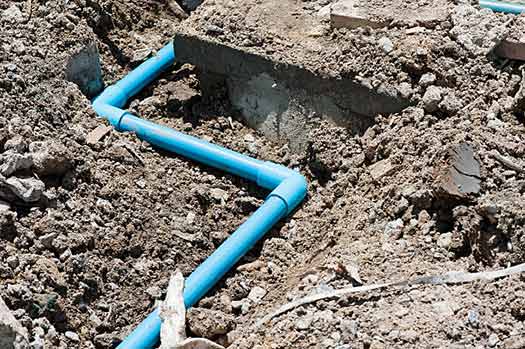
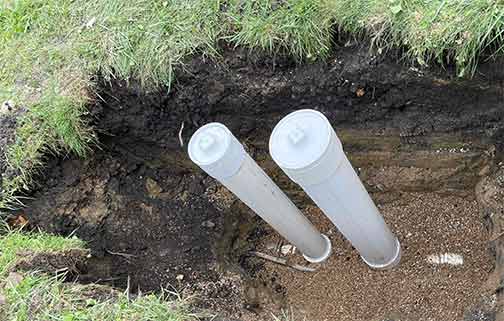
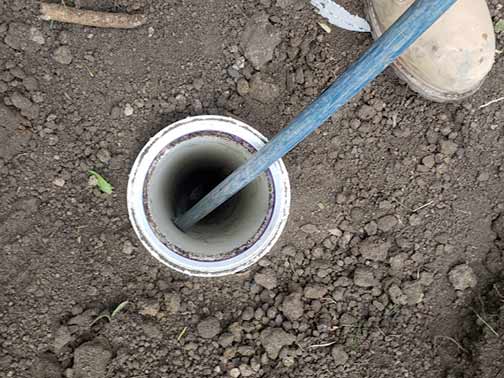
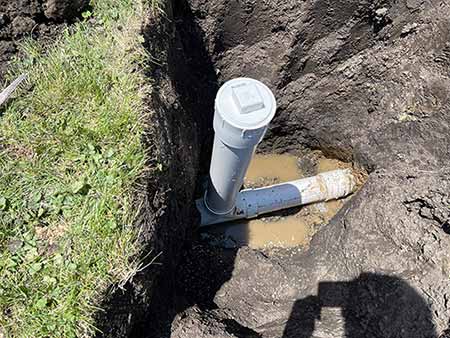
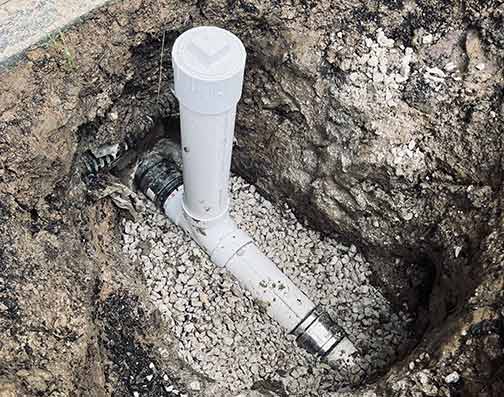
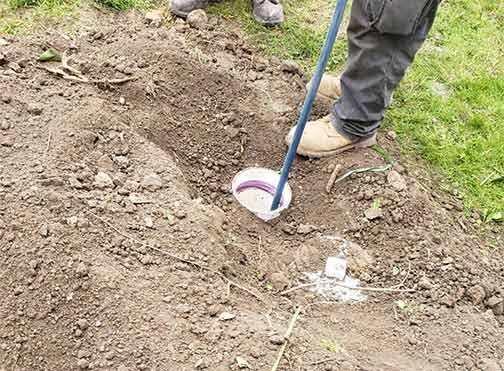
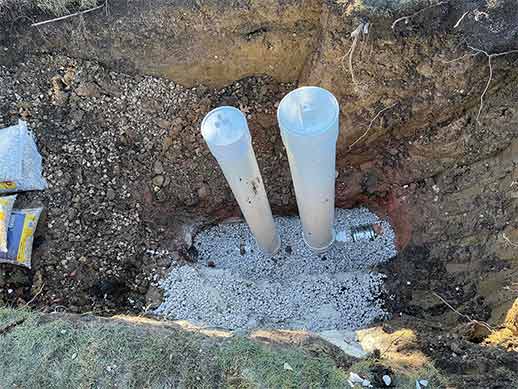
a freshly installed sewer line cleanout.

When it comes to the plumbing system in your home or commercial property, there are various components that work together to ensure proper wastewater disposal. One crucial aspect of this system is the sewer line cleanout. Here we aim to explain what a sewer line cleanout is, its purpose, and its importance in maintaining a well-functioning plumbing system.

What is a Sewer Line Cleanout?

A sewer line cleanout is an access point designed to provide easy access to your property’s main sewer line. It is typically a PVC pipe with a removable cap placed at strategic locations along the sewer line. These cleanouts allow professional plumbers to gain direct access to the main line for sewer camera inspections, maintenance, and sewer line cleaning purposes.

Purpose of a Sewer Cleanout

The primary purpose of a sewer cleanout is to provide a point of entry to the main sewer line. This access point enables plumbers to diagnose any issues within the system and perform necessary repairs or maintenance. Cleanouts are especially beneficial in cases of clogged or blocked sewer lines, as they simplify the process of locating and resolving the problem.

Key Components of a Sewer Line Cleanout

A typical sewer line cleanout consists of several elements that work together to form an effective access point. These components include:

Cleanout Pipe:

The cleanout pipe is a section of PVC pipe that connects to the main sewer line. It has a larger diameter than other pipes in the system to accommodate the insertion of plumbing equipment and tools.

Cleanout Cap:

The cleanout cap is a removable lid placed on top of the cleanout pipe. It provides an airtight seal when in place and prevents sewer gases and odors from escaping into the surroundings.

Cleanout Plug:

The cleanout plug is an alternative to the cap and is commonly found in older plumbing systems. It serves the same purpose as the cap but is screw-mounted instead.

Cleanout Tee:

The cleanout tee is a pipe fitting that connects the cleanout pipe and the main sewer line. It allows access to the sewer line without interfering with the normal flow of wastewater.

Access Rod:

An access rod, also known as a cleanout rod, is a long metal rod with a hook or loop at one end. It is used to remove the cleanout cap or plug when accessing the sewer line.

Importance of Sewer Cleanouts

Sewer line cleanouts play a crucial role in maintaining the functionality and efficiency of your plumbing system. Here are a few reasons why they are important:

Easy Inspection and Maintenance:

A properly installed sewer line cleanout provides easy access for local plumbers to inspect the condition of the sewer line, identify potential issues, and perform routine maintenance. This allows for proactive measures to be taken before major problems arise, saving time and money in the long run.

Efficient Troubleshooting:

In case of a sewer line blockage or clog, cleanouts simplify the troubleshooting process. By accessing the line through the cleanout, plumbers can locate the exact point of obstruction and resolve it more efficiently. This reduces the need for extensive digging or invasive measures to identify the problem.

Minimizes Health Risks:

Sewer line issues can lead to sewage backups, causing the release of foul odors and potentially harmful bacteria into your property. Regular cleanout accessibility ensures prompt and proper repairs, preventing health hazards associated with sewage leaks and minimizing the risk of contamination.

Prevents Costly Repairs:

A well-maintained sewer line with accessible cleanouts helps prevent major plumbing emergencies. Timely detection and resolution of issues such as leaks, blockages, or deterioration can significantly reduce the risk of major pipe damage, thereby saving you from costly sewer line repairs or replacements.
a plumber using hydro jetting via a sewer line cleanout.

If you encounter any sewer line issues or suspect a problem, it is advisable to seek professional help from licensed plumbers.

Maintaining and Using a Sewer Cleanout

To make the most of your sewer line cleanout, it is essential to follow certain maintenance practices and procedures. Here are some key points to keep in mind:

Regular Inspection:

Periodically inspect your cleanout to ensure it is free from blockages, debris, or damage. This will maintain its functionality and ease of access for future needs.

Professional Assistance:

If you encounter any sewer line issues or suspect a problem, it is advisable to seek professional help from licensed plumbers. They have the expertise and tools to effectively use the cleanout and resolve the underlying problems.

Avoid DIY Attempts:

Due to the complex nature of sewer lines and potential health risks associated with sewage, it is crucial to avoid DIY repair attempts. Incorrect handling, such as using excessive force or improper tools, can lead to further damage or injury. Always rely on trained professionals for sewer line maintenance or repairs.

Protection and Security:

Ensure the cleanout cap or plug is properly secured after inspections or maintenance. This prevents unauthorized access, keeps pests and debris away, and maintains the airtight seal to prevent sewer gases from being released into the environment.

In Summary

A sewer cleanout is an essential component of your plumbing system, providing access to the main sewer line for inspections, maintenance, and troubleshooting. By understanding the purpose and importance of cleanouts, you can ensure the smooth operation of your plumbing system, minimize risks, and prevent costly repairs. Regular maintenance and professional assistance will help you make the most of this crucial feature, ensuring the efficient and reliable disposal of wastewater from your property.
How to Choose the Right Sewer Main Line Repair Contractor

How to Choose the Right Sewer Main Line Repair Contractor

Your home’s main sewer line is the large pipe that collects wastewater from the various drains inside the house and transports that wastewater to the municipal sewer line in the streets. Hidden below ground, the main sewer line ensures that wastewater does not remain in your shower, sink, garbage disposal or toilet every time you use these plumbing fixtures.

The main sewer line is the vital link between your home’s drain system and the city’s wastewater management system. It runs through your yard to connect to the city sewer line or the home’s septic system (if your home doesn’t have or is not connected to a central sewer system). According to Reside Rentals the main sewer line is essential for the function, comfort and safety of your home.

Problems in the main sewer line can upset the daily routine of your entire household. They can also subject your property to the risk of severe physical damage. The most common problems with a home’s main sewer line are clogs and blockages. Sewer line clogs and blockages happen for several reasons, and the typical way to deal with them is to clean the sewer line via a professional sewer rodding or hydro jetting service.

But sometimes sewer line problems can get so bad that cleaning the pipes does not get rid of the issues. In these situations, the sewer line must be repaired or replaced. Fixing a damaged sewer line is a complex job that needs expertise. The cost and complications that will ensue if you hire the wrong person to do this job can be massive.

If your home’s main sewer line is damaged and you are in the process of hiring a sewer line repair contractor to fix it, what are the qualities you should look for in that contractor? This list of ten questions will help you screen each sewer main line repair contractor you talk to. Use them to find a contractor who is the right fit for your sewer repair job.

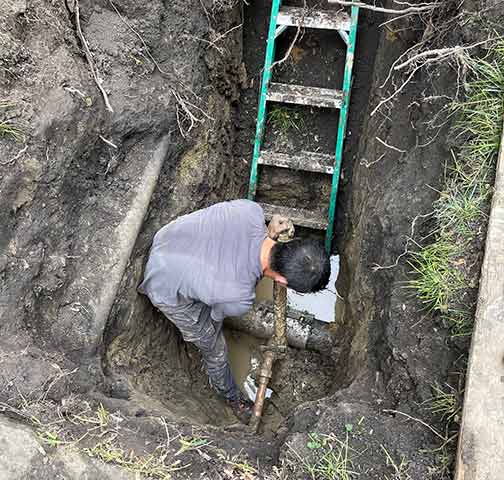
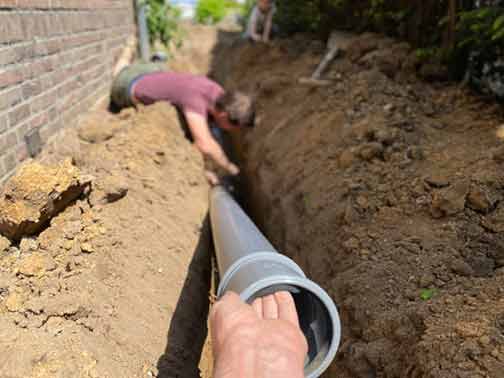
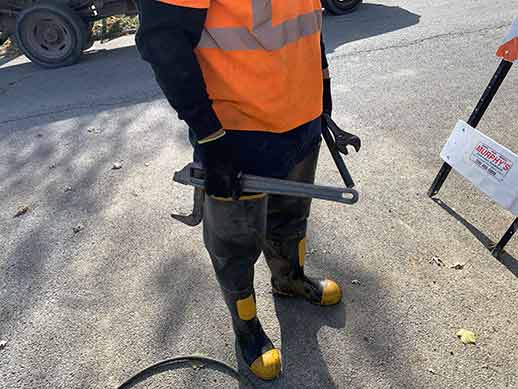
a sewer main line repair technician.

Fixing a damaged sewer line is a complex job that needs expertise. The cost and complications that will ensue if you hire the wrong person to do this job can be massive.

10 questions to ask before you hire a sewer main line repair contractor

Are you a licensed sewer contractor? 

Most states require sewer contractors operating within their jurisdiction to be licensed. This licensing process involves checks by the authorities to make sure the company is properly certified. Only work with licensed companies and make sure their licenses are up-to-date.

What is your experience and expertise?

Experience matters because things can easily go wrong when repairing a damaged sewer line. These complications may not manifest until long after the sewer repair is completed. An inexperienced contractor can make your sewer line more susceptible to damage.

Can you provide references?

A reputable contractor should not have any problems with allowing you to talk to their past customers. To be sure that the contacts they give you are actual customers, ensure you speak with every person on the list.

What kind of sewer replacement technology do you use? 

Do they specialize in residential or commercial sewer line repair? What kind of sewer repair methods do they use? Do they recommend trenchless repair, and is this method suitable for your home? What kind of equipment do they have?

Are you adequately insured and bonded? 

What happens if a worker is injured or your property is damaged during the project? Do they have the right insurance; worker compensation, liability and property insurance? What happens if the company is unable to complete the project? Are they bonded?

Do you offer any guarantees? 

If there is a problem after the project is completed, will they fix the issues at no cost to you? Or are you required to pay for such repairs? If there is a warranty, how long is it, and what does it include?

expenses for sewer main line repair.

Ensure the quote is binding and takes into account everything that can unexpectedly cause the project cost to increase.

How will you cost the project?

Will the plumber conduct a sewer camera inspection of the line before they cost the project or give you an estimate? Ensure the quote is binding and takes into account everything that can unexpectedly cause the project cost to increase.

Will you get the required permits and inspections? 

You may need to get a permit from the city for your sewer repair job. You may also be required to have the sewer line inspected afterwards to make sure it is up-to-code. Will the company take care of these arrangements?

Do you do post-project cleanup and restoration? 

Depending on the type of sewer repair method, post-project cleanup and restoration can be a lot of work and cost a lot of money. Some of the work may include backfilling of dug-up materials and compaction after backfilling.

What are your payment terms? 

How would they like to receive their payment? Do they expect to be paid on the same day that the work is completed or a few days after? Do they accept multiple payment options? Never pay cash to a contractor. Never pay a contractor on the site.

Finally, check for verified reviews of the contractor on various online platforms. Also, get and compare quotes from at least three shortlisted contractors before you make your decision.

When is the City of Chicago Responsible for Sewer Line Repair?

When is the City of Chicago Responsible for Sewer Line Repair

The City of Chicago is responsible for managing and maintaining a vast network of sewer lines, which includes the main sewer lines and the lateral sewer lines that connect individual properties to the main sewer. Sewer line repair can be a significant expense for property owners, and it is important to understand when the city is responsible for these costs.

When Is the City Responsible for Sewer Line Repair?

The general rule is that property owners are responsible for repairing and maintaining the lateral sewer lines that connect their property to the main sewer. However, there are situations where the city may be responsible for sewer repair.

Main Sewer Line Issues

If there is a problem with the main sewer line, the city is responsible for the repair. Some signs that the main sewer line may be clogged or damaged include:

  • Multiple clogged drains or toilets in the building
  • Sewage backups or overflows
  • Sewage smells coming from the drains or yard

When these issues arise, the property owner should contact the Department of Water Management to report the problem and request a Chicago PDP inspection.

City Construction or Negligence

If the city is responsible for causing damage to a property’s sewer line during construction activities or due to negligence, the city is responsible for repair costs. Property owners should contact the city to report the issue and request an inspection.

Grease Blockages

If the blockage is caused by grease buildup in the sewer line, the city may be responsible for the repair. This is because the city is responsible for maintaining the main sewer line and ensuring it is clear of any obstructions.

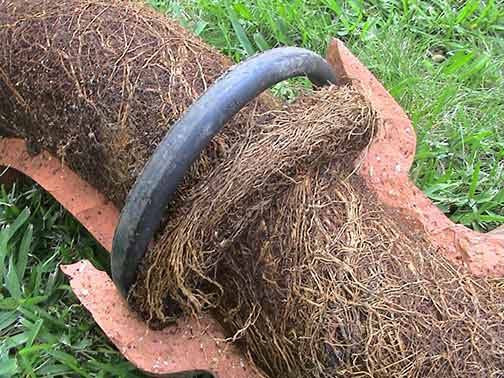
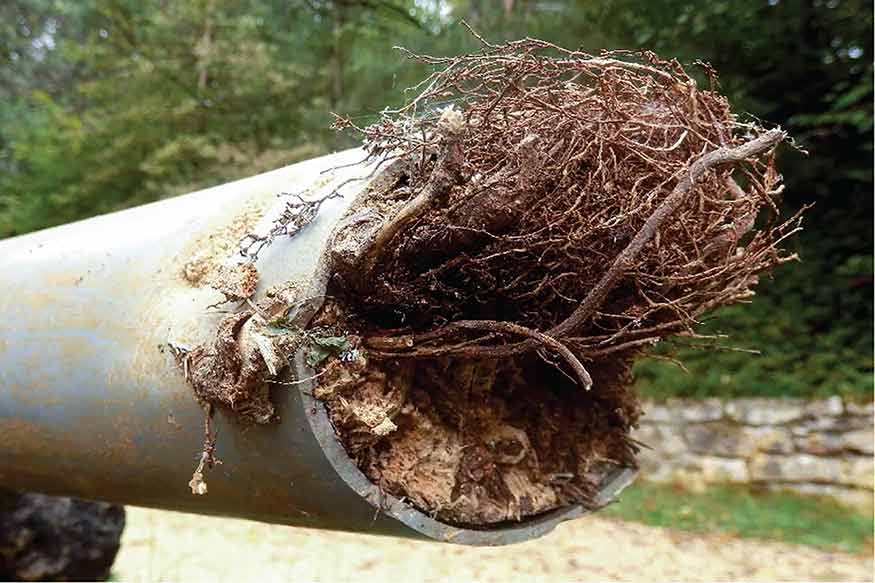
tree root intrusion causing sewer line problems.

If the blockage is caused by roots from a tree located on city property, the city is responsible for the repair.

Tree Root Intrusion

If the blockage is caused by roots from a tree located on city property, the city is responsible for the repair. Property owners should report the issue to the city and request an inspection.

When Is the Property Owner Responsible?

In most cases, property owners are responsible for the repair and maintenance of their lateral sewer lines, which connect their property to the main sewer line. Some situations where the property owner is responsible include:

Age and Deterioration

Over time, sewer lines can become damaged or deteriorated, requiring repair or a full sewer line replacement. This is a normal part of the aging process and property owners are responsible for the cost of repairs.

Foreign Objects

If the blockage is caused by a foreign object, such as a toy or piece of clothing, that has been flushed down a toilet or drain, the property owner is responsible for the cost of repairs.

Illegal Dumping or Vandalism

If the blockage is caused by illegal dumping or vandalism, the property owner is responsible for the cost of repairs.

Conclusion

Understanding when the city is responsible for sewer line repair can help property owners save money on costly repairs. If a sewer line issue arises, it is important to assess the cause of the problem and determine who is responsible for the repair costs. Property owners should contact the Department of Water Management to report any issues and request a private drain inspection to determine the cause of the problem.

Are you in need of sewer line repair in Chicago? We offer free estimates and can be reached at 773-599-9181 or you can fill out the form below.

Why You Shouldn’t Delay a Sewer Line Repair

Why You Shouldn’t Delay a Sewer Line Repair

Sewer line repair is not something that most homeowners think about until something goes wrong. When there’s an issue with your sewer line, it can be a headache, and most people would want to delay the repairs for as long as they can. After all, sewer line repairs can be expensive and time-consuming. However, delaying such repairs can cost a significant amount in the long run.

The Dangers of Delaying Sewer Line Repair

Delaying sewer line repair can cause a range of problems for your home and your neighborhood. Here are just a few of the dangers of delaying sewer line repair:

Sewage Blockage

When your sewer line is blocked, waste from your home cannot flow out to the city’s sewer system, which can lead to a backup of sewage into your home. This brings with it an unpleasant odor, health hazards, and other problems.

Foundation Damage

Sewer line issues, when left unattended, can lead to the ground around your home shifting, which can result in foundation damage, cracks, and structural issues. Foundation repairs can be time-consuming and costly, costing you thousands of dollars.

Water Damage

When your sewer line is blocked or broken, it can cause water leaks or even flooding. This water damage can quickly spread throughout your home, causing damage to walls, floors, and ceilings.

Dwindling Property Value

Delaying sewer line repairs can affect your home’s value. If you’re looking to sell your home, having sewer line issues can be a significant drawback to potential buyers.

a plumber repairing a sewer line after waiting to long.

Delaying sewer line repair can lead to more significant expenses down the line. But immediate repairs can reduce the costs of repairs, saving you money in the long run.

When to Get a Sewer Line Repair

If you experience any signs of sewer line issues, you should contact a professional plumber right away. Here are some signs to look for:

Foul Smell

One of the most common indications of a sewer line issue is the foul smell that comes from your home’s drains. This smell is a sign that there’s a blockage or break in the sewer line.

Slow Drainage

If water drains slowly from any of the sinks, showers, or tubs in your home, it could be a sign that your sewer line is clogged and needs hydro jetting service or is flat out broken.

Mold Growth

When your sewer line is leaking, it can cause mold to grow in your home. The mold growth can lead to health issues, including coughing and sore throats.

Presence of Pesky Insects

Another sign of a sewer line issue is the presence of pesky insects, including roaches, flies, or other pests. When insects start to gather around the areas near your sewer line, it could be a sign of a problem.

Benefits of Immediate Sewer Line Repair

Getting immediate sewer line repair has significant benefits, including:

Preventing Further Damage

Immediate sewer line repair can prevent further damage to your home and neighborhood. The longer you wait, the more damage your sewer line can cause, leading to more significant repairs and expenses.

Reducing Health Risks

Water damage, mold growth, and foul odors from sewer line issues can cause health problems, which immediate repair can resolve.

Saving Money

Delaying sewer line repair can lead to more significant expenses down the line. But immediate repairs can reduce the costs of repairs, saving you money in the long run.

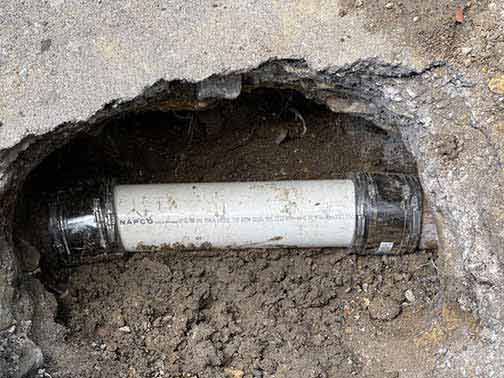
a completed sewer line repair.

Choose a professional plumber with a reputation for professionalism. They should be knowledgeable about the latest techniques for sewer line repairs.

Choose the Right Professional to Repair Your Sewer Line

When it comes to sewer line repairs, it’s essential to choose the right professional for the job. Here are the qualities to look for in a professional plumber:

Professionalism

Choose a professional plumber with a reputation for professionalism. They should be knowledgeable about the latest techniques for sewer line repairs.

License and Insurance

The right professional plumber should have the appropriate license and insurance for the job. Verify that they have the necessary licenses and insurance to undertake the repairs.

Experience

Experience is critical in the plumbing industry. Look for a professional plumber that has a significant amount of experience repairing and replacing sewer lines.

In Summary

Delaying sewer line repair can lead to significant expenses and damages in the long run. Be sure to invest in immediate repair to prevent further damage, health risks, and save money. Remember to choose the right professional plumber with the necessary experience, license, and insurance for the job.

The Do’s and Dont’s of Tending to Your Sewer Line

The Do's and Dont's of Tending to Your Sewer Line

The sewer line is an essential component of any plumbing system that connects your house’s drains to the municipal sewer system. It is often overlooked until it starts to malfunction, causing massive inconvenience, costly repairs, and health hazards. Sewer line maintenance is vital to ensure your plumbing system functions efficiently, minimizing the possibility of nasty and costly sewer backups. In this article, we will outline the do’s and don’ts of tending to your sewer line and how to prevent potential damage.

The Do’s of Tending to Your Sewer Line

1. Schedule Regular Inspection and Maintenance

Regular inspection and maintenance of your sewer line are crucial for identifying potential problems before they escalate. A licensed plumber should camera inspect your main sewer line annually or bi-annually. During the inspection, they can identify blockages, cracks, corrosion, and tree root intrusion that could potentially damage your sewer line.

The plumber can also conduct a hydro jetting service, which involves the use of high-pressure water and special equipment to clear any debris or tree roots that may have infiltrated your sewer line, causing clogs or slow drainage.

2. Use Sewer-Friendly Products

The products you use in your home can affect your sewer line’s health. Using toilet paper that dissolves quickly, for example, can prevent clogging of the sewer line. Also, avoid throwing non-biodegradable items like sanitary pads, tampons, and baby wipes down the toilet as they can cause blockages and damage your sewer line.

When it comes to drain-cleaning products, avoid harsh chemicals that can damage your pipes. Instead, use natural agents like vinegar and baking soda to clean your drains and prevent clogs.

3. Locate and Mark Your Sewer Line

Knowing where your sewer line is buried can help prevent damage during landscaping and other outdoor activities. It would be best to locate and mark your sewer line to avoid accidental damage from digging, planting trees or shrubs, or installing new structures in your yard.

4. Dispose of Fats, Oils, and Grease (FOG) Properly

When it comes to FOG, it is essential to dispose of them properly. FOG can solidify in your pipes, causing clogs and eventually damaging your sewer line. Instead, allow grease to solidify in a container and dispose of it in the trash.

5. Consider Hiring a Professional Plumber

While there are DIY methods for unclogging your sewer line, it is more advisable to hire a professional plumber. An experienced plumber has specialized tools, training, and expertise to identify problems and fix them correctly. DIY methods can cause further damage and expensive repairs down the line.

a man planting tress away from his sewer line.

Tree roots are drawn to the moisture and nutrients found in sewer lines, causing cracks and blockages that lead to sewer backups.

The Don’ts of Tending to Your Sewer Line

1. Do Not Plant Trees or Shrubs Near Your Sewer Line

Tree roots are one of the most common causes of sewer backups and line damage. Tree roots are drawn to the moisture and nutrients found in sewer lines, causing cracks and blockages that lead to sewer backups. When planting trees or shrubs, ensure that they are at least ten feet away from the sewer line.

2. Do Not Use Chemical Drain Cleaners

Chemical drain cleaners can cause more harm than good to your sewer line. The harsh chemicals can corrode the pipes over time, causing leaks and cracks. Additionally, these chemicals do not always remove the entire clog, resulting in stubborn blockages that require professional attention.

3. Do Not Use Your Toilet as a Garbage Disposal

As mentioned earlier, avoid throwing non-biodegradable items down the toilet. Your toilet is designed to handle human waste and toilet paper, nothing else. Other items like feminine hygiene products, baby wipes, dental floss, and even cotton swabs can cause blockages, leading to sewer backups and costly repairs.

4. Do Not Pour FOG Down the Drain

FOG should not be poured down the drain as it can cause clogs and damage your sewer line. Instead, allow grease to solidify and dispose of it in the trash.

5. Do Not Ignore the Signs of Sewer Line Damage

Ignoring the signs of sewer line damage can lead to significant and expensive repairs. Signs of a damaged sewer line include slow drainage, gurgling noises, sewage odors, and sewer backups. If you notice any of these signs, call a licensed plumber immediately to assess the damage and prevent further complications.

In conclusion, tending to your sewer line is vital to ensure your plumbing system functions efficiently and lasts longer. The do’s and don’ts of sewer line maintenance can prevent blockages, leaks, clogs, and other potential damages that could lead to costly and messy repairs. By adhering to these guidelines, you can keep your sewer line healthy and free-flowing for many years.

Does My Homeowner’s Insurance Cover Sewer Line Repairs?

Does My Homeowner’s Insurance Cover Sewer Line Repairs

As a homeowner, it’s important to understand what your insurance policy covers and what it doesn’t. One concern many homeowners have is whether their insurance covers sewer line repairs. Sewer line problems can be costly and inconvenient, so it’s essential to know what to expect when it comes to filing an insurance claim for sewer line repairs.

What Causes Sewer Line Problems?

Sewer line problems can be caused by a variety of issues, including tree root intrusion, pipe corrosion, and blockages caused by foreign objects. Unfortunately, many homeowners are not aware of the problem until it becomes a major issue, such as sewage backup in their home, slow drainage, and foul odors.

Does Homeowner’s Insurance Cover Sewer Line Repairs?

The answer to whether or not your homeowner’s insurance covers sewer line repairs can vary depending on the type of policy you have and the cause of the sewer line problem. Generally, standard homeowner’s insurance policies do not cover sewer line repairs.

However, some insurance companies offer additional coverage specifically for sewer line repairs. This coverage is often called “service line coverage” or “sewer backup coverage.” If you have this type of coverage, you may be able to file a claim for sewer line repairs.

Service Line Coverage

Service line coverage typically covers repairs for your home’s service lines, including water, sewer, and gas lines. This coverage can be added as an endorsement to your homeowner’s insurance policy for an additional premium.

While service line coverage is not included in most homeowner’s insurance policies, it can be a valuable addition to your insurance policy. Without this coverage, residential sewer line repairs can cost homeowners thousands of dollars.

Sewer Backup Coverage

Sewer backup coverage, also known as sewage and drain backup, typically covers water damage caused by a backup in your home’s sewer system. This coverage can help pay for the cleanup, repair, and replacement of damaged property caused by the backup.

However, it’s important to note that some insurance companies may not offer sewer backup coverage as a stand-alone policy and may require you to purchase it as an endorsement on your homeowner’s insurance policy.

tree root intrusion.

What Does Service Line Coverage Typically Cover?

Service line coverage typically covers repairs to your home’s service lines caused by the following issues:

  • Normal wear and tear
  • Corrosion
  • Tree root intrusion
  • Freezing
  • Mechanical breakdowns

It’s important to note that service line coverage usually does not cover repairs caused by neglect, intentional damage, or war and terrorism.

What Does Sewer Backup Coverage Typically Cover?

Sewer backup coverage typically covers water damage caused by a backup in your home’s sewer system. This can include the following:

  • Damage to floors, walls, and ceilings
  • Damage to personal property
  • Costs associated with cleanup and restoration

However, it’s important to note that sewer backup coverage may have limits and exclusions, so it’s important to review your policy carefully to understand what is covered and what is not.

In conclusion, homeowner’s insurance policies typically do not cover sewer line repairs. However, if you have service line coverage or sewer backup coverage, you may be able to file a claim for repairs. It’s important to review your policy carefully to understand what is covered and what is not. If you are unsure, you should contact your insurance company for clarification and to discuss your coverage options.

Signs of a Problem With Your Sewer Lines

Signs of a Problem With Your Sewer Lines

Every single day, you and everyone in your home interact with the home’s drainage systems. When you wash something in the sink, shower, use the toilet or run a water-utilizing appliance, you are relying on your home’s drainage system to do its work.

As long as water flows out of the shower or sink and the toilet flushes after you finish “your business”, you may not care about how the system you just used works. We usually don’t pay attention to our home’s drain system until it stops working.

But drain problems are one of the worst problems to have in your home; J. Butler Management warns they can disrupt the entire home and cost you thousands of dollars to fix. That is why it is essential to know how your drains work, what can go wrong with them, and how to detect those problems early.

Your home’s drain system comprises a vast network of pipes with hundreds of components. Based on their function, this system can be divided into two major parts. On one hand, you have drains that catch wastewater before conveying it to the home’s main sewer line.

On the other hand, there is your home’s main sewer line. That is the link between the many drains in your home and the municipal sewer line in the street. Your main sewer line is the last leg of your home’s drainage system. If it fails, the entire drainage system will fail with it.

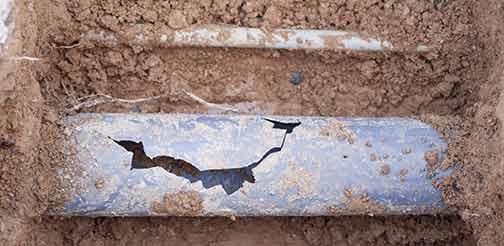
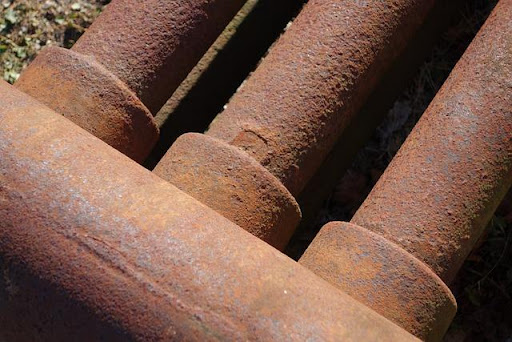
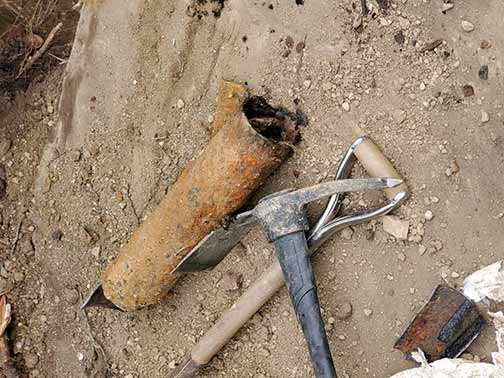
rusted out sewer lines.

What can go wrong with your main sewer line?

The main sewer line for your home does not fail easily. It is built with sturdy materials that last a long time. But it can still have problems, such as:

  • Rusty or corroded pipes
  • Tree root infiltration
  • Sewer line backup
  • Clogs caused by grease inside the sewer line
  • Pipe displacement due to soil-shifts

Is there a problem with my main sewer line?

Given that the main sewer line is buried in the ground, how can you tell when there are issues with it? The best way is to know the telltale signs that something is going wrong with your sewer line. What are the signs you should look out for?

Multiple drains are showing problems

If only one drain in your home is experiencing problems – say, a shower drain or toilet – it is alright to assume that the problem is from that specific drain and not the main sewer line. But if more than one drain is experiencing problems at the same time – typically a floor drain and the toilet – the issue is, in all probability, from the main sewer line.

Gurgling sounds from your drains

Drains make a gurgling sound when the air inside drain pipes is displaced by incoming water, but that air has nowhere to go. This trapped air then forces its way out of the pipe in the same direction as the water is coming from. Drains make gurgling sounds when there is a blockage inside the main sewer line.

Water moves inside the toilet bowl

If the water inside a toilet bowl moves when a nearby drain is used, you may want to check your sewer line for problems. That mostly happens when a large volume of water is discharged into the drainage system: such as when you use the washing machine or release water from a bathtub.

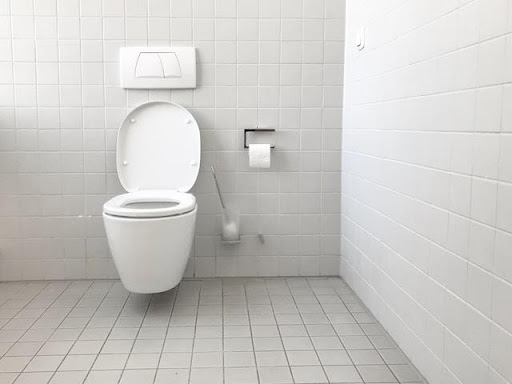
a bathroom toilet.

Foul odors in the home

The smell of sewer gases in or around your home is a sure sign of problems with your main sewer line. Sewer lines convey bad-smelling materials, but those odors cannot find their way into the home if the sewer line is clear. Sewer gas odors mean a blockage or leak in the sewer line.

Strangely-lush patches of grass

Lawn grass will have the same level of greenness if all parts of the lawn get the same amount of water and fertilizer. But if one part of the lawn is greener than the others, it is usually because it is getting nutrients from somewhere else. In most cases, it is accessing nutrient-rich sewage from the house through a leak in your main sewer line.

Sudden trouble with pests

A sewer leak serves as a source of rich food for insects and worms. Other creatures that want to feed on those worms and insects, such as rodents and reptiles will also be drawn to your home. If there is a sudden spike in the number of cockroaches and other insects around your property, it could be because your main sewer line is broken and needs repair.

The health of your main sewer line is essential to the function of your home’s drainage system. Keeping this system in good condition is vital to the well-being of your family. The best way to do this is to avoid any of the signs mentioned above.

How do you do that? Annual camera inspection of your sewer line, along with routine maintenance of the system is the best way to avoid sewer line problems and save yourself the high cost of fixing a broken or clogged sewer line and its attendant damage.

What to Do When Your Sewer Line Breaks

What to Do When Your Sewer Line Breaks

Dealing with a broken sewer line can be a daunting and messy task, but with the right knowledge and approach, you can navigate through this challenging situation effectively. Here we will walk you through the necessary steps to take when facing a sewer line break, ensuring a smooth resolution and minimal disruption to your daily life. Whether you are a homeowner, property manager, or simply someone interested in understanding the process, this article is for you.

Understanding Sewer Line Breaks

Before we delve into the actions to take when your sewer line breaks, let’s first understand what a sewer line break entails. Sewer lines are an essential component of any plumbing system, responsible for carrying wastewater and sewage away from your property to the main sewer system or septic tank. When a sewer line break occurs, it means that there is a rupture or damage to one or more sections of the pipe.

The causes of sewer line breaks can vary, ranging from age-related deterioration, intrusive tree roots, ground shifting, extreme temperatures, debris build-up, or even accidental damage during construction. Regardless of the cause, a broken sewer line can lead to significant issues such as foul odors, sewage backups, contamination, and potential health hazards.

Signs of a Broken Sewer Line

Identifying the signs of a broken sewer line early on is crucial in preventing further damage and minimizing the impact on your property. Here are some common indicators that your sewer line may have suffered a break:

  • Foul Odors: If you notice persistent, unpleasant odors in or around your property, it could be a sign of a sewer line break. Sewage gases escaping from the broken pipe can cause a distinctive smell.
  • Slow Drains: Slow drainage or recurring clogs in multiple fixtures, such as sinks, bathtubs, or toilets, may indicate a blockage or break in the sewer line.
  • Sewage Backup: The most obvious sign of a sewer line break is a sewage backup. If wastewater or sewage starts flooding into your sinks, toilets, or drains, it’s a clear indication that there is a problem.
  • Lush Patches of Grass: Unexpectedly lush and green patches of grass in your yard, especially near the sewer line, can suggest a leak or break underground.
  • Presence of Rodents or Insects: Sewage leaks can attract rodents and insects, so if you notice an increase in pest activity around your property, it could be linked to a broken sewer line.
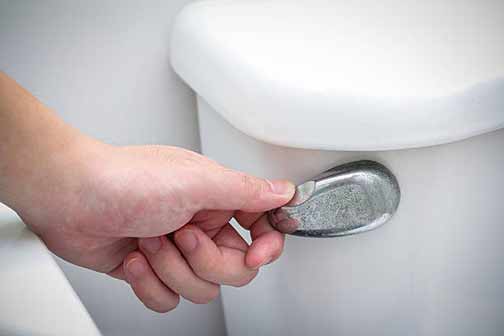
avoid flushing the toilet when you have a sewer line break.

Flushing toilets or using drains can exacerbate the problem, leading to more significant backups or additional damage to the plumbing system.

Immediate Actions to Take

When you suspect a sewer line break, it’s crucial to act promptly to prevent further damage and ensure the safety and well-being of yourself and your property. Here are the immediate actions to take:

  • Turn Off the Water Supply: The first step is to locate your main water shut-off valve and turn off the water supply to your property. This will help prevent any additional wastewater from flowing into the broken sewer line and potentially causing further damage or contamination.
  • Avoid Flushing or Using Drains: As tempting as it may be to use the toilets or drains in your home, it’s imperative to avoid doing so until the issue is resolved. Flushing toilets or using drains can exacerbate the problem, leading to more significant backups or additional damage to the plumbing system. It’s best to limit water usage until a plumber assesses and repairs the sewer line.
  • Stay Clear of Contaminated Areas: If you notice any sewage backups or overflows, it’s essential to keep yourself and your loved ones away from the contaminated areas. Sewage contains harmful bacteria and pathogens that can pose health risks. Minimize contact with the affected areas and avoid tracking any contaminated materials into other parts of your home or property.
  • Contact a Professional Plumber: Once you have taken the necessary immediate actions, it’s time to contact a professional plumber who specializes in sewer line repairs. A licensed and experienced plumber will have the expertise and equipment to assess the extent of the damage and recommend the most appropriate course of action.
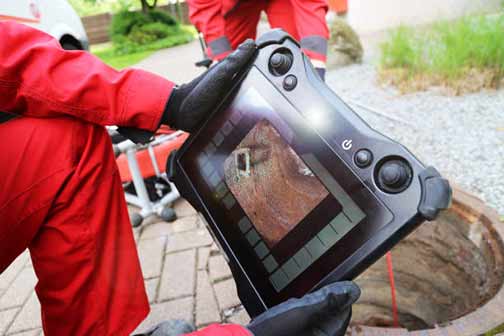
a plumber performing a sewer camera inspection to find a sewer line break.

A professional plumber will conduct a thorough camera inspection of your sewer line to determine the exact location and cause of the break.

Involving a Professional Plumber

Repairing a broken sewer line is a complex and specialized task that requires the expertise of a professional plumber. Here’s what you can expect when involving a plumber:

Assessment and Diagnosis

A professional plumber will conduct a thorough camera inspection of your sewer line to determine the exact location and cause of the break. This may involve using video inspection technology or other advanced diagnostic methods to identify the problem accurately.

Repair Options

Once the assessment is complete, the plumber will discuss the repair options with you. The appropriate solution will depend on the severity and nature of the break, as well as the condition of the existing sewer line. Common repair methods include:

  • Spot Repairs: In cases where the break is limited to a specific section of the sewer line, the plumber may recommend a spot repair. This involves excavating and replacing the damaged portion of the pipe.
  • Pipe Lining: For less severe breaks or instances where access is limited, pipe lining or trenchless technology may be employed. This involves inserting a new liner into the existing pipe, creating a durable and seamless inner layer.
  • Full Replacement: If the sewer line is extensively damaged or compromised, a full replacement may be necessary. This will involve excavating and replacing the entire sewer line to ensure optimal functionality and longevity.

Cost Estimation

After discussing the repair options, the plumber will provide you with a detailed cost estimation for the recommended solution. This will typically include the cost of materials, labor, and any additional factors such as permits or restoration work.

Repairs and Restoration

Upon your approval, the plumber will proceed with the necessary repairs. This may involve excavating and repairing a section of sewer line, installing new liners, or carrying out a full replacement. Once the repairs are complete, the plumber will ensure that the affected areas are properly cleaned and restored.

a couple planting trees to avoid sewer lines.

When planting trees or shrubs near your sewer line, be cautious of their root systems.

Preventive Measures and Maintenance

While a sewer line break can occur unexpectedly, there are preventive measures and maintenance practices you can undertake to minimize the likelihood of future issues. Here are some tips to keep your sewer line in good condition:

  • Regular Inspections: Schedule periodic inspections of your sewer line by a professional plumber. This can help identify minor issues before they escalate into major breaks, saving you time, money, and hassle in the long run.
  • Watch Your Flushing and Draining Habits: Avoid flushing down items other than toilet paper, and be mindful of what you pour down your drains. Grease, oil, and other non-biodegradable substances can accumulate in your pipes, increasing the risk of clogs and breaks. Use drain screens or strainers to catch solid particles and prevent them from entering the sewer line.
  • Tree and Plant Placement: When planting trees or shrubs near your sewer line, be cautious of their root systems. Some tree varieties, such as willows, poplars, and cottonwoods, have aggressive root structures that can infiltrate and damage underground pipes. Consult with an arborist to ensure you choose tree species with shallower or less invasive root systems.
  • Temperature and Weather Considerations: Extreme temperatures, particularly freezing conditions, can cause the ground to shift and potentially damage your sewer line. Insulate exposed pipes and take precautions during winter months to avoid freezing and subsequent pipe bursts.

Dealing with a broken sewer line can be a demanding and challenging experience. However, by promptly addressing the issue and involving a professional plumber, you can navigate through the process with minimal disruption. Remember to stay clear of contaminated areas, limit water usage, and take preventive measures to reduce the chances of future sewer line breaks.

By following the steps outlined in this guide, you’ll be well-equipped to handle the situation effectively. Your sewer line plays a vital role in maintaining the hygiene and functionality of your property, so it’s crucial to address any issues promptly. If you suspect a sewer line break, don’t hesitate to take action and seek professional assistance. Your home’s plumbing system will thank you!

The Benefits of Professional Sewer Line Maintenance

The Benefits of Professional Sewer Line Maintenance

Maintaining the sewer lines of a home or business is an important part of keeping it functioning properly. The sewer line is responsible for carrying away the waste water and other substances from the property. Without regular maintenance, the sewer pipe can become clogged with tree roots and lead to other costly problems. Regular maintenance can help prevent these problems and keep the pipes running smoothly.

Benefits of Maintaining your Sewer Line

Regular maintenance of the sewer line has many benefits. Sewer line maintenance can help prevent clogs and backups, which can lead to costly repairs. Maintaining your home sewer line can also help extend the life of the line, as it can identify any potential problems before they become major issues. This can save homeowners and businesses money in the long run.

Prolonging the Lifespan of Your Sewer System

Regular maintenance of your sewer line can significantly extend its lifespan. Over time, debris, tree roots, and other materials can accumulate and cause blockages within the pipes, leading to reduced functionality. By scheduling routine inspections and cleanings, you can identify and address any issues before they worsen, avoiding costly repairs or even complete system failure.

Preventing Costly Repairs

Repairing a damaged or collapsed sewer line can be a major expense. In addition to the actual repair work, you may also encounter additional costs such as landscaping restoration or water damage remediation if a backup occurs. By investing in regular maintenance and promptly addressing any minor issues, you can prevent larger problems down the line and save yourself a significant amount of money.

Minimizing Blockages and Backups

A clogged sewer line can lead to unpleasant and unhygienic backups within your home. These backups can result in foul odors, water damage, and potential health hazards. Regular maintenance, including clearing out debris and removing tree roots, can help minimize the risk of blockages and backups, ensuring that your household plumbing operates smoothly and efficiently.

Preserving a Healthy and Clean Environment

A well maintained sewer line plays a vital role in preserving a healthy and clean environment within your home. Blockages and backups can lead to unsanitary conditions, attracting pests and promoting the growth of bacteria and mold. By taking proactive measures to maintain your sewer line, you can create a safe and hygienic living space for you and your family.

Sewer Line Maintenance Services

Sewer maintenance services can help keep the line clean and clear. These services can include pipe cleaning, line inspection, and pipe relining. Drain cleaning services, such as a professional hydro jetting service can help remove any debris that has built up in the line over time, while line inspection and pipe relining can help identify and repair any potential problems.

Sewer Line Cleaning

Sewer line cleaning is an important part of maintaining a sewer line. This process involves using a variety of tools to remove debris, such as roots, grease, and other materials, from the pipe. Pipe cleaning can help prevent clogs and reduce the risk of sewer backups. It can also help improve the efficiency of the sewer line.

Maintenance can help keep the sewer line running smoothly and prevent costly problems. Regular maintenance can extend the life of the sewer pipe, save money in the long run, and help keep the property safe and clean. You can also avoid having to go through the nightmare that is sewer line repair services. Whether it’s for a home or a business, professional maintenance services can provide many benefits.

Why a Sewer Line Repair is Considered an Emergency

a sewer line repair emergency in Chicago

Because sewer lines are primarily out of sight, they are usually not included when homeowners inventory their home’s plumbing system. As a result, House In Order says, the plumbing maintenance program for most homes does not cover the underground sewer lines in the property.

The only time homeowners pay attention to their sewer lines is when they have a sewer line emergency, the system stops working or doesn’t work properly. Typically, this happens when they have slow-running drains because of a sewer clog or the sewer line backs up into the home.

Due to how much damage they can cause, sewer line problems should rank as high as the other emergencies in your home. Treating sewer line issues as potential emergencies and taking steps to prevent them will save you a lot of heartache and money.

Why sewer line repair is considered an emergency

Events are ranked as emergencies when massive negative impacts accompany their occurrence. What are the likely effects of a sewer line issue on your home?

Health and sanitation

A malfunctioning sewer line exposes your family to avoidable health issues. Sewer lines ensure your family does not come in contact with wastewater from the home. 

This wastewater contains raw sewage and a host of other harmful things, which will not only make your house unpleasant to live in, but can make you ill. A damaged sewer line defeats the purpose of having a sewer system in your home. 

Damaged sewer lines also compromise your home’s drinking water. If the sewage seeps into groundwater, it can pollute the environment and endanger whole communities.

Air quality issues

Part of the reason for keeping sewage sealed inside sewer lines is to contain toxic or unpleasant gases produced during the breakdown of waste. This includes methane, a toxic gas and an abundance of other dangerous and foul-smelling gases. 

If a sewer line is damaged, it may lose its ability to contain these gases and they can seep into your home or the surrounding areas, causing outdoor air pollution and indoor air quality issues.

Structural damage

A broken sewer line can undermine the structural integrity of your home by doing innocuous damage to the building’s foundation. This happens when a leaky sewer line discharges water into the foundation. 

Typically, homeowners are unaware of the problem until they see the common signs of foundation failure in their building. Compared to the enormous cost of foundation repair, the cost of preventing sewer line emergencies in your home is peanuts.

Massive financial setback

You do not want to start to imagine the spiraling cost of fixing a sewer line emergency. Depending on the cause and extent of the problem and how the issue unfolded, that cost can include expensive excavation of your yard, installation of new pipes, fixing damage caused by sewage flowing into your home, reinforcing the foundations of the building, and improving your damaged landscaping. The cost of repairing this avoidable problem can easily exceed $25,000.

Damage to others’ property

In addition to damaging your home, a faulty sewer line can damage other people’s property. If the sewer line issue is judged to have also affected the city sewer lines, you will be expected to pay for the damage. 

Wastewater from your ruptured sewer line may also overflow into your neighbors’ yard or driveway. This not only entails additional costs but can expose you to lawsuits.

How to avoid sewer line emergencies

Preventing problems with your sewer lines is the best way to avoid them. Periodic sewer camera inspections of your sewer lines by a professional plumber will help you detect issues at the early stages. You can then take steps to stop the minor problems from becoming major costs. Some of the signs that you have a budding problem inside your sewer lines include the following:

Frequent drain blockages

Frequent clogging of the drains inside your home might indicate issues with the sewer lines. If blocked drains are cleaned only for the case to happen again, you may need to inspect your sewer lines.

Slow-running drains

A single slow-running drain in the house is normally not a sign of problems with the sewer lines. But if multiple drains in the home are slow, this might be the ripple effect of a clog inside the sewer lines.

Foul odors in the home

The smell of raw sewage or the odor of stagnant dirty water are two unpleasant smells you may endure if your sewer line is blocked. These odors find their way into the home if sewer pipes are leaky, corroded, or clogged. A professional hydro jetting service can fix this issue quickly.

Strange noises from the drains

Gurgling sounds from inside the drains each time you pour water into them is a sure sign of trouble. If this happens with all the home drains, you can be sure there is an issue with your sewer lines.