Tag Archives: sewer line jetting

Exploring the Hydro Jetting Process: A Guide for Property Managers in Maintaining Drainage Systems

Exploring the Hydro Jetting Process

Drainage systems are an essential component of any property’s infrastructure, ensuring the efficient flow of water and wastewater. Property managers play a crucial role in ensuring the proper maintenance of these systems to prevent clogs and backups. One highly effective method for keeping drains clean and functional is the hydro jetting process. In this guide, we will explore the hydro jetting process in detail, highlighting its benefits and considerations for property managers.

What is Hydro Jetting?

Hydro jetting is a process that utilizes high-pressure water streams to clear clogs, debris, and mineral deposits from drain pipes and sewer lines. It involves the use of specialized equipment that delivers water at pressures of up to 4000 PSI (pounds per square inch), effectively removing blockages and restoring optimal water flow. This technique is extremely effective in eliminating stubborn clogs that traditional drain cleaning methods such as a sewer rodding service may not be able to tackle.

The Benefits of Hydro Jetting

Effective and efficient: Hydro jetting is a highly effective and efficient method for clearing even the most stubborn clogs. The high-pressure water streams can break up and flush away debris, grease, and roots that may be obstructing the drains.

Prevents future clogs: Hydro jetting not only removes existing blockages but also helps prevent future clogs. The powerful water jets thoroughly clean the pipes, removing any residue that could lead to future buildup and backups.

Environmentally friendly: Unlike harsh chemicals used in some drain cleaning methods, hydro jetting relies solely on water, making it an environmentally friendly option. It does not introduce any harmful substances into the drain or sewer system.

Cost-effective: Although hydro jetting may initially seem more expensive than other drain cleaning methods, it offers long-term cost savings. Regular hydro jetting can help prevent costly repairs and replacements by maintaining the drainage system’s optimal functionality.
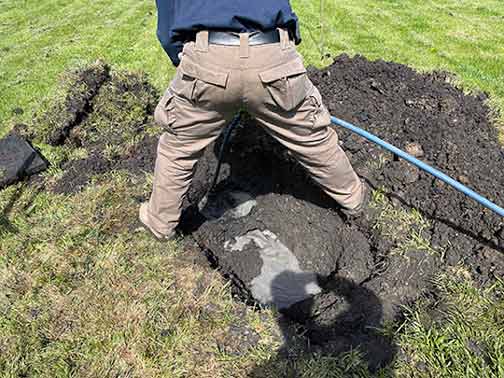
a hydro jetting taking place in chicago.

When to Consider Hydro Jetting

While hydro jetting is an effective method for maintaining drainage systems, it may not always be necessary. Property managers should consider hydro jetting when:

– Frequent backups and slow drains occur despite traditional cleaning methods.

– Tree roots have infiltrated the drain pipes, causing recurring clogs.

– There are signs of significant debris or mineral buildup in the pipes.

The Hydro Jetting Process

Inspection: A thorough sewer camera inspection of the drainage system is conducted using a specialized camera to identify the location and severity of clogs and potential issues.

Preparation: Before hydro jetting, the area surrounding the drain pipes is properly protected, and access points are sealed to prevent any water leakage.

High-pressure water jetting: Using a hydro jetting machine, water at high pressure is directed into the pipes. This pressurized water stream effectively breaks up and flushes away the clogs, debris, and mineral deposits.

Post-inspection: Once the hydro jetting process is complete, another inspection is conducted to ensure the drainage system is thoroughly cleaned and free from any remaining blockages.
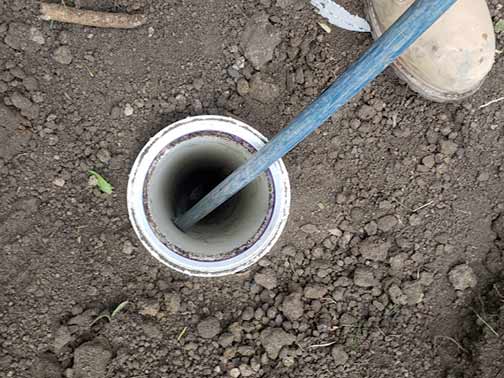
a hydro-jetting service being performed.

Considerations and Safety Measures

Professional expertise: Hydro jetting should be performed by trained professionals who have experience in handling the equipment and understanding the specific needs of drainage systems.

Safety precautions: Property managers should ensure that adequate safety measures are taken during the hydro jetting process, such as wearing protective gear and adhering to proper protocols.

Regular maintenance: To maximize the benefits of hydro jetting, property managers should establish a regular maintenance schedule. This proactive approach helps prevent major clogs and ensures the optimal functioning of the drainage system.

Summing It Up

Hydro jetting is a powerful and effective technique for maintaining drainage systems in properties. Property managers play a crucial role in ensuring the cleanliness and functionality of these systems, and hydro jetting presents a viable solution for handling persistent clogs and obstructions. By understanding the benefits, process, and considerations associated with hydro jetting, property managers can effectively maintain drainage systems, prevent backups, and minimize costly repairs and replacements.

Why Hydro Jetting is Important Before a Sewer Line Repair

The sewer lines in your home are designed to last a long time. It is not uncommon to find fully functional sewer lines that are twenty years old and over. This is because sewer systems, due to the type of content that passes through them, are designed to be sturdy.

Why Hydro-Jetting is Important Before a Sewer Line Repair

However, even the most well built sewer line will eventually have problems. These issues can come from several sources. The sewer line in your home can get damaged because of misuse, warns Jilsa Management. Or it can lose some of its function through wear and tear or a natural accident.

Regardless of the origin of the issues in your sewer lines, you want to solve the problem and make sure it does not return. To get this result, you should know the best practice for fixing a damaged sewer line; the sewer line repair should be preceded by hydro-jetting.

What is hydro-jetting? What does it do? And why is hydro-jetting important during sewer line repair?

What Is hydro-jetting?

Hydro-jetting is a drain cleaning method that uses high-pressure water to blast away clogs and blockages inside the sewer lines. Water is delivered at a pressure of up to 6000 PSI, which is enough force to remove tree roots, sludge, and other materials lodged inside the pipes.

The process of hydro-jetting is as follows:

  1. As a first step, the plumber conducts a sewer camera inspection by installing a small camera on one end of a cable and inserting it into the sewer line.

  2. The camera travels through the sewer line and sends back images of the interior of the pipes to a computer screen monitored by the plumber.

  3. This initial process helps the plumber pinpoint the location of the problem and determine its severity. The inspection also tells the plumber if it is safe to go on with the next step.

  4. If it is safe to proceed – that is, there is no possibility of the sewer line collapsing – the actual hydro-jetting process can now begin.

  5. Hydro-jetting equipment consists of a large tank filled with water, a specialized high-pressure water hose, a super-strong nozzle, and equipment for pushing the water through the nozzle at high pressure.

  6. The high-pressure water hose, with the nozzle at its head, is inserted into the sewer line until it reaches the point of the blockage.

  7. The clog is blasted with just enough water pressure to break up the obstruction inside the pipe. Hydro-jetting can deliver enough water pressure to shear away plant roots.

  8. The dislodged material is washed down the pipe and into the city’s main sewer lines.

  9. Finally, another sewer camera inspection is done to view the results of the process and determine the condition of the pipes.

Hydro-jetting lets your plumber clear blockages inside the pipes without digging up the yard or exposing your pipes to the risk of damage. Hydro-jetting can be used to effectively remove the following kinds of blockage from a sewer line.

  • Sludge or grease, fat, and oil build: When you flush grease, fats, and oil into the drain, these materials cling to the sides of the pipes and trap dirt. A hydro jet will remove buildup.

  • Intruding tree roots:  In a bid to find water and nutrients, the roots of nearby shrubs or trees can find their way into the sewer line. Hydro-jetting will solve this problem.

  • Pipe scale: Dissolved minerals in hard water are deposited on the interior surface of pipes, where they reduce the diameter of the pipe. Hydro-jetting will remove pipe scale.

  • Non-flushable objects: A range of items we use in the home find their way into the sewer line. Hydro-jetting can blast away these troublesome items.

Hydro-jetting is a powerful yet gentle method for cleaning drains. But why is it necessary to carry out this procedure before a sewer line repair service?

hydro jetting a sewer line

Why hydro-jetting is done before sewer line repair

  • To detect problems: Hydro-jetting the sewer line washes away the layers of filth inside the sewer line and exposes the actual surface of the pipes. This allows the plumber to see the true extent of the damage to the sewer line.

  • Improves the accuracy of repairs: By combining sewer camera inspection with hydro-jetting, the plumber can pinpoint the location of a problem. Hydro-jetting injects a high level of accuracy into sewer repair. It ensures the finished job is well done and long- lasting.

  • Reduce costs: There are other ways to clean a sewer line before it is repaired, but hydro-jetting is the quickest and most-effective method. Other methods will cost more in labor and time.

Improves sanitation and indoor air quality: Hydro-jetting the sewer before repairing helps the plumber do a more complete job. Hydro-jetting gets rid of the bacteria inside the drain that cause bad odors. Unless the sewer line is cleaned with hydro jetting, the bacteria inside them are not easily removed.