
Buying a home is one of the most exciting—and nerve-wracking—milestones in life. Between negotiations, appraisals, and the rush to finalize closing papers, many buyers overlook one of the most vital steps in protecting their investment: Sewer line inspections. This essential but often forgotten process can reveal hidden issues lurking beneath the surface that standard home inspections don’t cover. Without it, you risk inheriting expensive plumbing problems that could quickly turn your dream home into a financial drain.
Sewer Line Inspections: The Hidden World Beneath Your Home
Most buyers focus their attention on visible aspects of a property—the foundation, roof, plumbing fixtures, and appliances. Yet, one of the most crucial parts of any home is the sewer line, a buried system that quietly carries wastewater away from the property. Because it’s underground, problems often go unnoticed until they become serious, resulting in costly repairs or even property damage. Sewer line inspections ensure you’re not inheriting someone else’s expensive headache.
What a Sewer Line Inspection Involves
A sewer line inspection is not part of a standard home inspection, which means you need to schedule it separately. During the process, a licensed plumber uses a specialized waterproof camera attached to a flexible cable. This camera is inserted into the home’s main drain line, allowing professionals to see the condition of the pipes in real time. They can identify cracks, blockages, corrosion, or root intrusions that could lead to future backups. The inspection usually takes less than an hour, but the insights it provides are invaluable.
Why Standard Home Inspections Aren’t Enough
A traditional home inspection focuses on structural integrity, electrical systems, and visible plumbing, but it doesn’t cover underground lines. That means even if your home inspection report looks clean, you could still face hidden issues in the sewer system. Buyers often assume that if everything drains properly during their walkthrough, all is well. Unfortunately, some sewer problems don’t show immediate symptoms. They can build slowly, turning into emergencies long after you’ve moved in.

The High Cost of Ignoring the Sewer Line Inspections
If a problem is discovered after closing, you’re on your own financially. Depending on the extent of the damage, replacing a sewer line can cost anywhere from a few thousand to tens of thousands of dollars. Excavation, pipe replacement, and landscaping restoration all add up quickly. Even worse, some cities require permits and additional inspections, further increasing costs. In severe cases, homeowners have to dig through driveways or gardens, turning their dream home into a construction zone. A pre-closing inspection helps avoid such unpleasant surprises.
Common Sewer Line Problems Buyers Overlook
One of the most frequent culprits is tree root intrusion. Roots naturally seek moisture, and small cracks in old pipes provide an entry point. Over time, they expand and block the line completely. Other common issues include aging clay or cast iron pipes, which are prone to corrosion and collapse. Shifting soil can also cause misalignment, while grease buildup or foreign objects create recurring clogs. Knowing these issues beforehand allows you to negotiate repairs or a lower purchase price with the seller.
How Sewer Line Issues Affect Property Value
A home with a failing sewer line isn’t just an inconvenience—it’s a liability. Potential buyers may walk away from deals once they learn about the condition of the pipes. Even if you plan to stay in the home for years, the resale value could drop significantly if major underground repairs are needed. Addressing these concerns before closing ensures you’re investing in a property that will retain its value rather than drain your savings in future repairs.
The Connection Between Sewer Health and Daily Comfort
It’s not just about avoiding costs; it’s also about maintaining comfort and safety. Sewer backups can lead to unpleasant odors, slow drains, or even wastewater flooding in basements or bathrooms. These issues can cause health hazards and require professional remediation. A simple inspection now prevents major disruptions later, ensuring you move into a home that’s both safe and functional from day one.
Timing the Inspection Before You Close
Ideally, the sewer line inspection should happen right after your offer is accepted, but before final negotiations. This timing allows you to review the video footage and discuss findings with your real estate agent. If problems arise, you can ask the seller to repair the line, offer credit toward repairs, or adjust the final sale price. Waiting until after closing removes your leverage, leaving you solely responsible for any damage.
Integrating Sewer Checks Into the Home-Buying Routine
Treat the sewer line inspection as essential as the appraisal or title search. When you’re organizing all the steps that lead to closing, adding one more appointment might seem exhausting. However, it’s a small investment compared to what you could lose if something goes wrong later. Think of it as one more way to protect your new home and your peace of mind. Just as you wouldn’t skip testing the foundation, you shouldn’t neglect what’s beneath it.
Ensuring Seamless Relocation After Closing
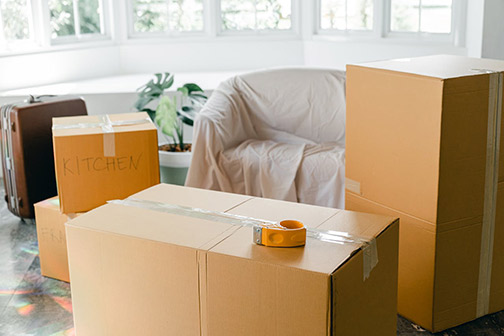
Once the sewer line inspection confirms that your new home is move-in ready, the next step is making relocation day as efficient as possible. Many homeowners face unnecessary stress because of common moving mistakes, such as underestimating the time needed to pack properly, skipping the inventory, or not vetting the moving company. Understanding how to avoid them is key to ensuring a smooth move and keeping the entire process organized.
Begin by booking your movers early and confirming your moving date to avoid last-minute scheduling issues. Prepare a detailed packing plan that allows enough time to sort, label, and protect each box. Create an inventory list to track your items and prevent loss or confusion later. Before the move, double-check that any repairs agreed upon before closing have been completed. Finally, by relying on trusted professionals for packing, lifting, and transportation, you’ll free yourself to focus on settling in and adding your personal touch to the new home. A well-planned move not only saves time and energy but also makes the transition feel calm and rewarding.
How Inspections Strengthen Negotiation Power
A sewer line inspection report can also be a valuable negotiation tool. If the results show existing damage or potential issues, you can present this to the seller as evidence to request repairs or a price reduction. Sellers are often willing to cooperate to avoid delaying the sale. In some cases, they may even offer warranties or coverage for future repairs. Having these details in writing ensures that you’re not blindsided after closing, giving you more control over the transaction.
Choosing the Right Professionals for the Job
Not all plumbers or inspectors specialize in sewer line evaluations. It’s important to choose a licensed and experienced professional who uses advanced camera equipment and provides a detailed report with video documentation. Ask for recommendations from your real estate agent or previous clients who’ve had similar work done. A qualified inspector will not only detect existing damage but also identify potential weak points that could cause future problems.
Why It’s Worth the Peace of Mind
Ultimately, the cost of a sewer line inspection is small compared to the potential expense of major repairs. For the price of a minor home upgrade, you gain valuable insight into one of the most critical systems in your property. You also gain peace of mind knowing that you’ve done your due diligence before signing one of the biggest financial commitments of your life. A clean sewer report means you can move forward confidently, knowing your new home is as solid beneath the ground as it is above.
Protect Your Investment from the Ground Up
At the end of the day, buying a home isn’t just about location or aesthetics—it’s about long-term peace of mind. Sewer line inspections play a crucial role in safeguarding peace by uncovering potential underground problems before they spiral into expensive emergencies. They give you the power to negotiate repairs, protect your finances, and start homeownership on solid ground. When you combine a thorough inspection with smart planning to avoid common moving mistakes, you’ll be well on your way to ensuring a smooth move and a stress-free start in your new home.

