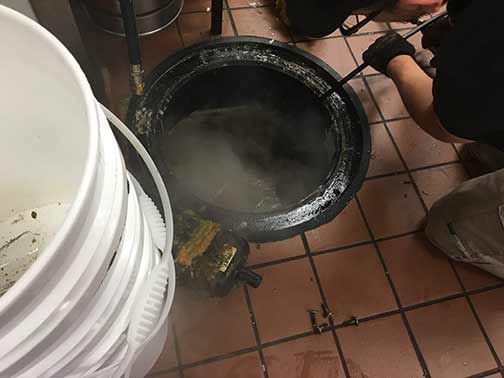
Tag Archives: restaurant kitchen drain cleaning importance

How Regular Drain Cleaning Upholds Restaurant Hygiene Standards

How Regular Drain Cleaning Upholds Restaurant Hygiene Standards

When customers think of your restaurant, you want them to imagine a welcoming space with lovely people and loads of fresh food that smells nice, looks good, and tastes delicious. Customers will visit more often if they associate your restaurant with these positive feelings.

Anything that can impair the atmosphere of a restaurant has the power to hurt the business, says Keyrenter DFW Midcities Management. This is true even if that restaurant still serves the exact same food and drinks. Restaurant customers pay for more than just food; they place more value on the ambience.

What are some of the things that can harm your restaurant’s reputation? There are lots of them, but here are just a few: ignoring customer complaints, rude or unfriendly staff, misplaced orders, delays in fulfilling orders, and negative or fake reviews.

But nothing hurts a restaurant like issues that affect food quality or questions about the kitchen’s hygiene standards. Even if you have the finest restaurant in the city, with the most exotic menu, if customers think your hygiene standards are low, they will stop coming.

Regular drain cleaning; a critical factor in restaurant hygiene

Two key factors that affect a restaurant’s hygiene standards are its management practices and the attitudes of the staff. If management does not create systems to ensure regular cleaning of essential areas in the restaurant, there will be major hygiene issues.

The drainage system should be cleaned regularly at the top of the list of places in a restaurant. Why should you consider your drainpipes and sewer line the number one system for maintaining your restaurant’s hygiene standards? Here is why.

Restaurants use a lot of water, and all the used-up water from kitchen activities ends up inside the drainage system. At the same time, the restaurant’s toilets see a constant flow of users throughout the day, placing the systems under tremendous pressure.

The relentless pressure on your restaurant’s drains makes this section of the plumbing prone to problems. This risk is worsened by the fact that customers often flush the wrong items into the toilet, and staff may wash grease into the drains.

Failures in a restaurant’s drainage systems – due to clogs or water back-up – can interrupt its daily operations. Foul odors from overflowing grease traps or broken drains can also lead to unpleasant dining environments and reputational damage.

The effect of these problems is that they put your restaurant in the crosshairs of the authorities. In addition to loss of business, poor hygiene standards in your restaurant can lead to fines, temporary closure, or loss of operational license.

How do you prevent these problems?

Uphold your restaurant’s hygiene standards through regular drain cleaning

Regular drain cleaning is the best way to preserve the function of your drains and, by extension, the hygiene standards of your restaurant. This is because regular drain cleaning not only addresses the existing issues in your drains, but it also helps to prevent new ones.

Common problems in restaurant drains, like clogs & blockages, water or sewer backups, and foul odors, can all be prevented by cleaning your drains on a schedule. Moreover, regular drain cleaning service makes it easier to detect signs of drain damage before they escalate.
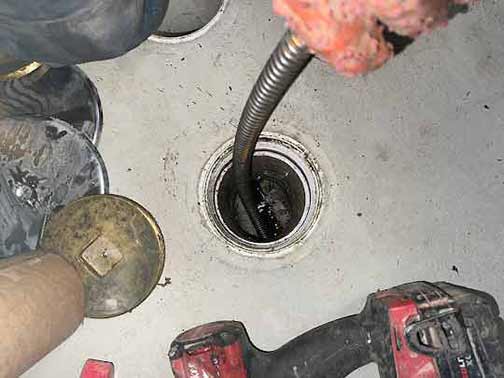
Regular drain cleaning is the best way to preserve the function of your drains and, by extension, the hygiene standards of your restaurant.

What are the steps and strategies for keeping your drains clean?

  1. Quarterly drain cleaning

Professional drain cleaning methods like hydro jetting and sewer rodding let you physically remove debris inside the drains. Hydro jetting is preferable to sewer rodding because it also washes the dislodged debris out of the pipes. For the best results, professional drain cleaning services should be scheduled quarterly or twice a year.

  1. Annual sewer camera inspections

A sewer camera inspection gives you the most up-to-date information on the physical condition of your drains. It reveals the current issues in the system as well as upcoming problems. This inspection method also provides the geolocation details of issues, allowing for pinpoint accuracy when solving them.

  1. Periodic grease trap maintenance

The grease trap is a critical component of your restaurant’s drainage system. It intercepts fats, oils, and grease to keep them out of private and public sewer systems, where they can cause incalculable damage. But to retain its functionality, the grease trap must be professionally cleaned every 60-90 days or when it is 25% full.

In addition to cleaning your drains regularly, you will educate employees and customers on the right ways to use the restaurant’s drains. If you limit the amount of abuse the system is exposed to, you can minimize drainage problems in your establishment.

  • Train your staff on the proper way to handle grease and food waste
  • If there are automatic indoor grease traps in the kitchen, they should be cleaned daily
  • Employees should be able to identify the early warning signs of drain problems
  • Your staff should perform hourly checks to make sure the toilet is working

Finally, you want a licensed and reliable local plumber on speed dial. Your chosen plumber should be well-equipped with up-to-date technology, an expert in commercial drainage systems, and able to deploy to your restaurant on short notice.


The Importance of Regular Drain Maintenance in Commercial Kitchens: A Professional Perspective

The Importance of Regular Drain Maintenance in Commercial Kitchens

When working in food service, a well-maintained commercial kitchen is key, and this includes keeping drains in top shape. Regular drain maintenance in commercial kitchens is a must-do, often playing a bigger role than expected in day-to-day operations. It’s not just about avoiding clogs; it’s about ensuring everything runs smoothly and maintaining a clean, safe workspace. Restaurants and hotels, in particular, must stay on top of this, as the constant flow of water and waste demands it. This guide aims to shed light on the ins and outs of regular drain maintenance.

Consequences of Neglecting Drain Maintenance

Ignoring the necessity of regular drain maintenance in commercial kitchens can lead to severe, often costly, repercussions. Drains clogged with grease, food particles, and other debris can result in unpleasant odors, slow water drainage, and even back-ups, creating an unsanitary work environment. That puts the health of staff and customers at risk and jeopardizes the establishment’s reputation. In extreme cases, it could lead to temporary closure for cleaning and repairs, resulting in significant financial losses. In addition, the long-term neglect of drain maintenance can permanently damage the plumbing infrastructure, necessitating expensive replacements.

A brown rat on the floor.

One of the biggest risks of neglecting regular drain maintenance in commercial kitchens is pest infestation.

Advantages of Regular Drain Maintenance

Embracing the practice of regular drain maintenance brings many benefits that can significantly enhance the functionality and hygiene of commercial kitchens. This proactive approach prevents the accumulation of grease and debris, ensuring that water and waste flow freely and reducing the risk of clogs and backups. A clean, obstruction-free drainage system also contributes to a more sanitary working environment. That is essential in the food service industry, where cleanliness is paramount. Plus, regular maintenance extends the plumbing system’s lifespan, saving businesses from incurring costly repairs or replacements in the long run. It also ensures compliance with health and safety standards, safeguarding the well-being of both staff and patrons.

Best Practices for Effective Drain Maintenance

Maintaining a commercial kitchen’s efficiency requires adopting the best drain maintenance practices. First and foremost, you must establish a regular cleaning routine to prevent clogs and backups. Use strainers in sinks to catch food particles and other debris, preventing them from entering the drainage system. Proper grease and oil disposal is key; never pour them down the drain, as they can solidify and cause blockages. At the same time, you should have your drains professionally cleaned as part of your regular maintenance schedule. That ensures that any potential issues are caught early, and your drains are kept in optimal condition.

A pan with greasy food.

Proper grease disposal after cooking is the best way to avoid clogs.

Relocation and Equipment Maintenance

When the time comes to relocate your restaurant safely, the state of your commercial kitchen’s drains becomes even more critical. The upheaval of moving can cause unforeseen strain on plumbing systems, making maintenance an essential part of the transition. Ensuring all drains are clear and in good working order before the move can prevent potential problems in your new location. Plus, this is an opportune time for equipment maintenance. Taking these steps ensures a smoother relocation and helps establish a solid foundation for your commercial kitchen in its new home.

The Role of Technology in Drain Maintenance

Innovations in technology have significantly transformed drain maintenance, making the process more efficient and effective. Modern tools and equipment enable faster identification and resolution of potential issues before they escalate into major problems. Smart sensors can be installed in drainage systems to monitor flow and detect blockages, providing real-time data and alerts. This proactive approach ensures that any issues are addressed promptly, reducing the risk of disruptions to kitchen operations. In addition, advanced cleaning tools and solutions help to break down grease and debris more effectively, ensuring a thorough cleaning.

Training and Awareness

An essential component of effective drain maintenance in commercial kitchens is the human element, which encompasses the training and awareness of all staff members. It’s vital that everyone, from chefs to dishwashers, understands the importance of proper waste disposal and the role it plays in maintaining the drainage system. Regular training sessions and clear, accessible guidelines can help instill best practices and prevent misuse of drains. At the same time, staff should be instructed on warning signs to look out for that might indicate a blockage or other issue and understand when to contact a professional commercial plumber for expert assistance. This collective awareness and responsibility contribute significantly to the overall health and efficiency of the kitchen’s drainage system, ensuring a cleaner, safer working environment.

Cooks setting plates in a commercial kitchen.

Make sure your staff is aware of and follows the best drain maintenance practices.

Making Drain Maintenance a Priority

This practice goes beyond just preventing blockages; it’s about upholding a standard of cleanliness and functionality that is paramount in commercial kitchens. By investing time and resources into regular maintenance, business owners safeguard the longevity of their plumbing systems, avoid costly emergency repairs, and ensure compliance with health and safety regulations. It’s a proactive measure that pays dividends in the form of a reliable, high-performing kitchen, contributing significantly to the overall success and reputation of the business.

Using Storage to Help

Using a storage unit is a strategic approach. Specifically, promoversmiami.com highlights that having access to a reliable storage facility can make a considerable difference in streamlining maintenance procedures and upholding cleanliness standards. For instance, a secure and spacious area can house your kitchen equipment temporarily during cleaning and maintenance periods to ensure the workspace remains clutter-free. This clear space is crucial for conducting comprehensive and effective drain cleaning, which is integral to maintaining kitchen hygiene. For businesses looking to adopt this strategy, exploring local storage solutions can be a practical first step toward enhancing their kitchen maintenance routine and overall hygiene.

Wrapping Up on Regular Drain Maintenance in Commercial Kitchens

Regular drain maintenance in commercial kitchens is a non-negotiable practice that plays a key role in ensuring culinary establishments’ smooth operation, cleanliness, and longevity. This routine task extends beyond merely preventing blockages; it is a comprehensive approach to maintaining a hygienic and efficient workspace. Business owners must prioritize this maintenance, integrating it into their regular cleaning schedules and ensuring that all staff members are adequately trained and aware of its importance. Keep in mind that you must unclog your kitchen’s grease trap regularly, as this forms a critical component of comprehensive drain maintenance. By investing in these practices, businesses safeguard their reputation, comply with health standards, and contribute to their operations’ overall success and sustainability.