When customers think of your restaurant, you want them to imagine a welcoming space with lovely people and loads of fresh food that smells nice, looks good, and tastes delicious. Customers will visit more often if they associate your restaurant with these positive feelings.
Anything that can impair the atmosphere of a restaurant has the power to hurt the business, says Keyrenter DFW Midcities Management. This is true even if that restaurant still serves the exact same food and drinks. Restaurant customers pay for more than just food; they place more value on the ambience.
What are some of the things that can harm your restaurant’s reputation? There are lots of them, but here are just a few: ignoring customer complaints, rude or unfriendly staff, misplaced orders, delays in fulfilling orders, and negative or fake reviews.
But nothing hurts a restaurant like issues that affect food quality or questions about the kitchen’s hygiene standards. Even if you have the finest restaurant in the city, with the most exotic menu, if customers think your hygiene standards are low, they will stop coming.
Regular drain cleaning; a critical factor in restaurant hygiene
Two key factors that affect a restaurant’s hygiene standards are its management practices and the attitudes of the staff. If management does not create systems to ensure regular cleaning of essential areas in the restaurant, there will be major hygiene issues.
The drainage system should be cleaned regularly at the top of the list of places in a restaurant. Why should you consider your drainpipes and sewer line the number one system for maintaining your restaurant’s hygiene standards? Here is why.
Restaurants use a lot of water, and all the used-up water from kitchen activities ends up inside the drainage system. At the same time, the restaurant’s toilets see a constant flow of users throughout the day, placing the systems under tremendous pressure.
The relentless pressure on your restaurant’s drains makes this section of the plumbing prone to problems. This risk is worsened by the fact that customers often flush the wrong items into the toilet, and staff may wash grease into the drains.
Failures in a restaurant’s drainage systems – due to clogs or water back-up – can interrupt its daily operations. Foul odors from overflowing grease traps or broken drains can also lead to unpleasant dining environments and reputational damage.
The effect of these problems is that they put your restaurant in the crosshairs of the authorities. In addition to loss of business, poor hygiene standards in your restaurant can lead to fines, temporary closure, or loss of operational license.
How do you prevent these problems?
Uphold your restaurant’s hygiene standards through regular drain cleaning
Regular drain cleaning is the best way to preserve the function of your drains and, by extension, the hygiene standards of your restaurant. This is because regular drain cleaning not only addresses the existing issues in your drains, but it also helps to prevent new ones.
Common problems in restaurant drains, like clogs & blockages, water or sewer backups, and foul odors, can all be prevented by cleaning your drains on a schedule. Moreover, regular drain cleaning service makes it easier to detect signs of drain damage before they escalate.
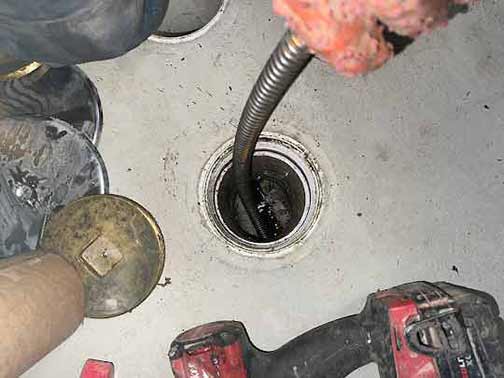
What are the steps and strategies for keeping your drains clean?
- Quarterly drain cleaning
Professional drain cleaning methods like hydro jetting and sewer rodding let you physically remove debris inside the drains. Hydro jetting is preferable to sewer rodding because it also washes the dislodged debris out of the pipes. For the best results, professional drain cleaning services should be scheduled quarterly or twice a year.
- Annual sewer camera inspections
A sewer camera inspection gives you the most up-to-date information on the physical condition of your drains. It reveals the current issues in the system as well as upcoming problems. This inspection method also provides the geolocation details of issues, allowing for pinpoint accuracy when solving them.
- Periodic grease trap maintenance
The grease trap is a critical component of your restaurant’s drainage system. It intercepts fats, oils, and grease to keep them out of private and public sewer systems, where they can cause incalculable damage. But to retain its functionality, the grease trap must be professionally cleaned every 60-90 days or when it is 25% full.
In addition to cleaning your drains regularly, you will educate employees and customers on the right ways to use the restaurant’s drains. If you limit the amount of abuse the system is exposed to, you can minimize drainage problems in your establishment.
- Train your staff on the proper way to handle grease and food waste
- If there are automatic indoor grease traps in the kitchen, they should be cleaned daily
- Employees should be able to identify the early warning signs of drain problems
- Your staff should perform hourly checks to make sure the toilet is working
Finally, you want a licensed and reliable local plumber on speed dial. Your chosen plumber should be well-equipped with up-to-date technology, an expert in commercial drainage systems, and able to deploy to your restaurant on short notice.