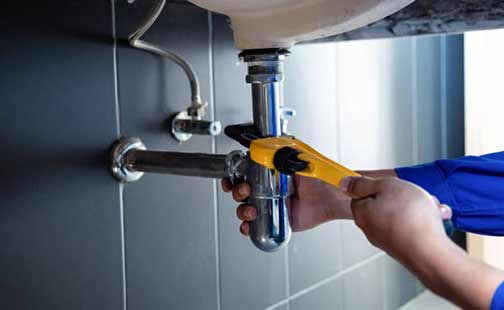
Plumbing systems, including the one in your home, are not a set-and-forget system. They are not one of those things in life that once configured can be left unattended for the foreseeable future. Although your plumbing runs itself most of the time, it needs attention occasionally, notes Keyrenter Houston Management.
That’s because problems can happen in the plumbing that prevent it from functioning optimally. These problems come in many shades and flavors, including a range of issues that originate from how you handle the plumbing, as well as problems caused by natural factors.
A fairly common problem in plumbing systems is pipe damage from diverse causes. Given that pipes are the most extensive component of the plumbing and the main feature involved in water delivery and waste removal, pipe damage in a plumbing system is a huge problem.
Which is why such problems must be found and fixed before they cause major issues in the system. But the question is, considering the size and inaccessibility of the majority of these pipes, how can you detect problems in your plumbing pipes before they happen?
Finding problems in plumbing pipes before they happen or after they happen requires a systematic approach. This approach is built on three distinct strategies: knowledge of early warning signs of pipe problems, preventive maintenance, and scheduled pipe inspections.
Early warning signs of plumbing problems in plumbing pipes
What are the common early warning signs of plumbing pipe problems?
- Water discoloration: Rusty or corroded pipes may leave your water supply with a strange color. Soil making its way into leaky underground pipes will also lead to water discoloration.
- Unaccountably high water bills: Sudden spikes in your water bill that are not due to increases in your water usage may be due to a hidden leak in the system.
- Low water pressure: A drop in water pressure may be because of clogs/blockages in your water pipes or hidden leaks in your water supply lines.
- Multiple slow drains in the home: Multiple slow-draining fixtures in the property are often an indication of a clogged or blocked sewer line.
- Foul odors inside or around the home: The smell of sewer gases in your home may be due to clogs in your drainpipes. Bad odors in your yard are often caused by sewer line leaks.
- Strange sounds from the plumbing: Banging, hissing, or gurgling sounds from your plumbing pipes are sometimes caused by trapped air inside the pipes and water hammers.
- Patches of dead vegetation in the yard: If there are patches of yellowish or dead vegetation in your lawn, a leaky pipe is likely discharging water into the soil.
- Wet or strangely lush patches in the lawn: Wet or waterlogged patches of soil on your lawn, and excessively green sections of lawn are signs of a water or drainage pipe leak.
Regular pipe inspections
Pipe inspections are your primary tool for early detection of problems in your plumbing pipes.
- Monthly or quarterly visual checks: These help you detect visible changes in the accessible parts of your plumbing pipes. They should be done monthly or quarterly.
- Professional inspections: Professional inspections check both the visible and accessible components of the plumbing, as well as the hidden and out-of-reach sections. They are essential for detecting hidden leaks.
- Sewer camera inspection: This is a specialized sewer inspection technique that allows professional plumbers to conduct a close-up, real-time assessment of the pipes’ interior.
Preventive pipe maintenance
- Check water pressure: High water pressure is a leading cause of pipe leaks. Install a smart water pressure monitor to make sure water pressure is within safe limits.
- Stop water hammers: Water hammers are often caused by high water pressure. If the problem is from the city supply, your best option is to install water hammer arrestors.
- Install a water softener: Hard water encourages pipe damage by accelerating mineral buildup in water pipes. Installing a water softener can solve the issue.
- Control water pH: Like hard water, acidic water causes major problems in your pipes. If your area’s water is acidic, a professional can tell you how to solve the problem.
- Pipe insulation: Prevent burst water pipes in the unheated spaces of your home by insulating these vulnerable pipes to protect them from exposure to subzero temperatures.
- Regular drain cleaning: Periodic cleaning, using both DIY and professional methods, helps to prevent clogs and blockages that can lead to drainage pipe leaks.
- Don’t use drains as a trash can: Avoid putting fats, grease, and oils, or fibrous and starchy food scraps, into the drains. Only water, toilet paper, and human waste should enter the toilet.
- Install drain screens: Installing screens on shower and sink drains helps reduce the risk of pipe clogs/leakages by keeping hair, soap scum, and other debris out of your drains.
- Use Leak detectors: Leak detectors are essential for detecting pipe leaks as they happen. Smart leak detectors will even alert you via SMS or email, saving you more money.
Finally, you must address problems in your plumbing promptly and adequately. To do that, you need a plumber who is not just able to solve problems in the system quickly but can also help you prevent plumbing problems in the long term.