Older homes in Andersonville, Chicago, have a lot of great things about them, but one of those great things is NOT their plumbing systems. For homeowners thinking long-term and considering financial strategies by Balanced Asset Solutions, this is an important factor. If you have ever been to Andersonville, you know it is a vibrant community with walkable, tree-lined streets and strong Swedish roots.
But despite its overflowing charm, Andersonville, like the rest of Chicago, suffers the ravages of extreme weather and hard water. Nowhere are these natural phenomena more destructive than in the plumbing systems of older homes (many of which can still be found here).
Owners of older homes in Andersonville must understand how aging, hard water, extreme weather, and natural wear and tear can affect the plumbing systems in their homes. This knowledge will help them prevent or mitigate the impact of these problems.
Common plumbing problems in older homes
Some of the problems listed here occur for many of the same reasons that they do in modern homes, but there are also issues that arise due to the unique nature of older plumbing systems.
- Corroded and fragile pipes
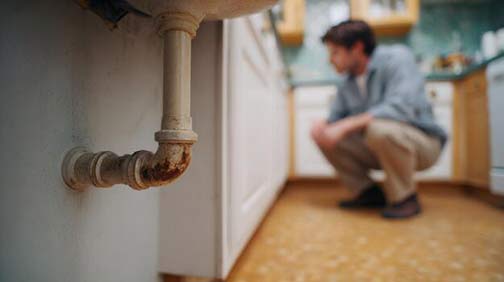
Due to the historic nature of many Andersonville homes, their plumbing systems may contain outdated piping materials, such as galvanized steel or cast iron. These materials are highly susceptible to rust, corrosion, and general degradation.
- Limescale and buildup
Over time, tiny flecks of metal or rust can break off from the pipe walls and accumulate inside the channel. Mineral deposits from the area’s hard water also build up inside the pipes, making them prone to clogs and blockages.
- Low water pressure
This is often a chronic problem in older homes with outdated water pipes. The debris inside the pipes prevents the normal flow of water, limiting the volume of water that is available at your plumbing fixtures and appliances.
- Discolored water
Brownish or yellowish water is another direct consequence of aging and damaged plumbing pipes. Due to the presence of rust particles in the water and soil that enters the pipe via leaks, the water can take on a slight hue.
- Chronic leaks
Older pipe systems become increasingly brittle with age, making them susceptible to leaks and fractures. Because the pipes become highly sensitive to even the slightest ground movement, major leaks can occur without warning.
- Joint failure
The seals and connections in the plumbing system become a common point of failure. Weak and unstable joints can develop chronic leaks or become a pathway through which invasive tree roots intrude into the plumbing pipes.
- Tree root invasion
Older pipe systems are particularly vulnerable to tree root intrusion. Weak pipe joints and corroded sections in the network provide the perfect access points for thirsty plant roots to invade and block the pipe channel.
- Collapsed or bellied pipe sections
The plumbing may eventually collapse under the weight of these problems. Soil movements can also alter the structure of the surrounding soil, undermining the pipe’s support and causing sections of it to collapse.
What homeowners can do
- Protect the plumbing from abuse
Plumbing systems are easily the most-abused system in homes. People routinely flush fats, grease, oil, coffee grounds, eggshells, fibrous veggies, starchy leftovers, bones, and other things into the kitchen sink. It is also not uncommon for toilets to be used as a place to dump a variety of non-flushable items. Using older plumbing systems in this way increases their predisposition to damage.
- Schedule regular inspections
Every plumbing system requires regular inspections to help homeowners catch the problems in the plumbing before they cause costly emergencies. But this need is even greater for older plumbing systems. These inspections, which should include a video inspection of your sewer line, give homeowners the power to plan plumbing repairs and upgrades while avoiding unpleasant surprises.
- Yearly professional drain cleaning
Professional drain cleaning will get rid of the goo and gunk that has built up inside your drainage systems over the past years. This step will return your drainage system to optimal flow by removing limescale, grease, tree roots, sludge, and other things that can prevent the free flow of water or damage the pipes.
- Test water quality
A water quality test will reveal all the things that are wrong with your home’s water supply, including issues like the presence of soil, lead, rust particles, or chemicals in the water. By testing your water, you will know the precise issues you are dealing with and the best ways to tackle the problems.
- Consider repiping your home
This is the best and final fix if you are dealing with plumbing problems caused by outdated pipes. Depending on how much of the plumbing system you want to replace, you can repipe your home using an invasive or non-invasive method. Invasive methods require more excavation and are best for replacing large sections of piping.
Lastly, plumbing systems in Andersonville’s older homes can greatly benefit from the expertise of a professional plumber who is familiar with the common plumbing issues in this location. Getting a reliable Andersonville plumber to do a thorough assessment of your plumbing will let you create a cost-effective plan to efficiently manage and upgrade the system.